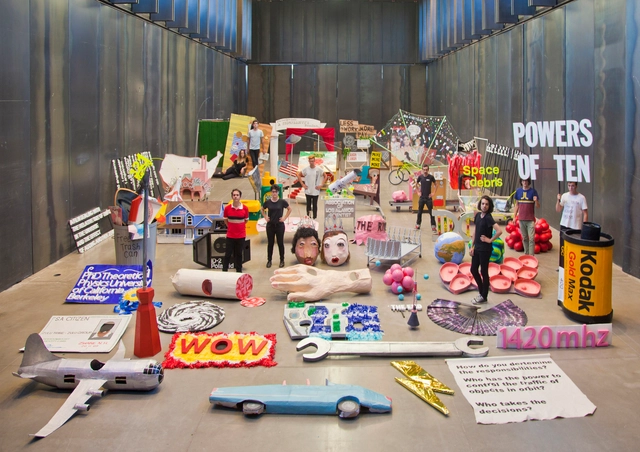
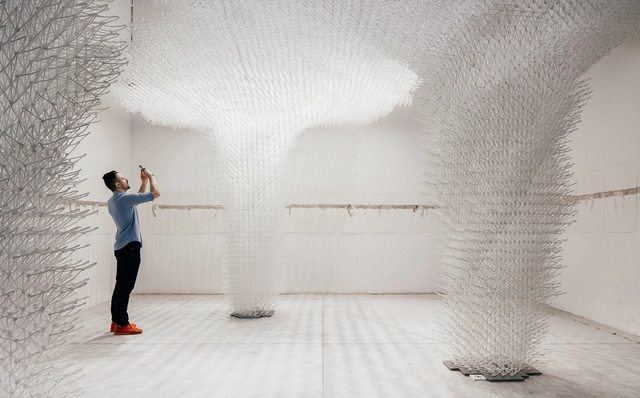
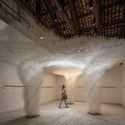
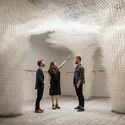
Cloud Pergola / The Architecture of Hospitality at the Croatian Pavilion is a collaborative site-specific environment conceived by the pavilion curator, Bruno Juričić. as Cloud Pergola is an installation crossing the boundaries of architecture, art, engineering, robotic fabrication, and computational models. The exhibition is structured through an interplay of three interventions: Cloud Drawing by Alisa Andrašek in collaboration with Bruno Juričić, To Still the Eye by Vlatka Horvat, and Ephemeral Garden by Maja Kuzmanović.
Woods Bagot have announced that they will be leading a redesign effort for the abandoned Hongqi Zhen Sugar Factory in Zhuhai’s Jinwan District. Due to be completed in three phases over the next ten years, their master plan for the almost 80,000 square meter site includes designs that will revitalize the area and transform it into an integrated tourism, cultural and leisure park.
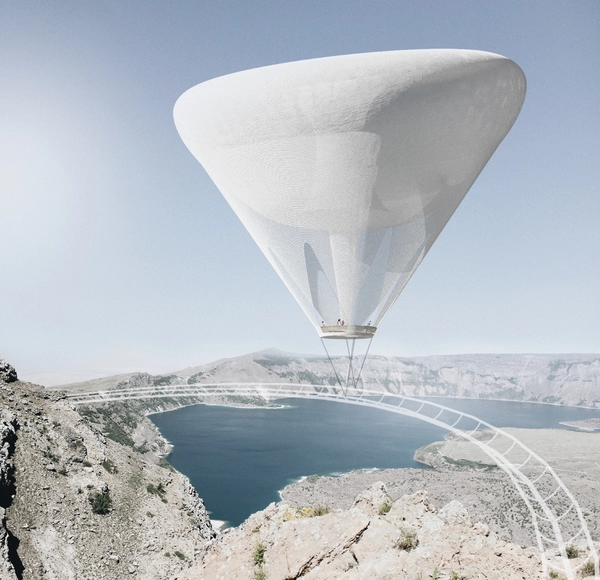
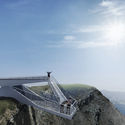
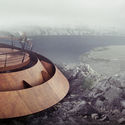
Bee Breeders have announced the winners of the Nemrut Volcano Eyes Competition, where participants were tasked with designing a visitor observation platform on top of Nemrut, a dormant volcano in eastern Turkey. With the unique natural environment, including a caldera and a pair of lakes, the observation platform is intended to provide unobstructed views of the extraordinary landscape. The jury encouraged submissions that were cost-effective, environmentally-responsible, and energy-efficient.
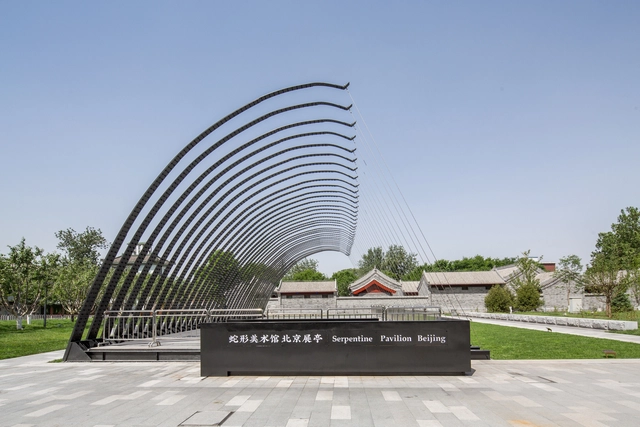
A new Serpentine Pavilion has opened in Beijing, China, marking the first time the prestigious program has been implemented away from its usual home at the Serpentine Gallery in Hyde Park, London. Designed by JIAKUN Architects, the pavilion was commissioned by The Serpentine Galleries working in partnership with WF CENTRAL, and is located just 600 meters away from Beijing's Forbidden City.
Videos
Courtesy of Houben & Van Mierlo Architecten
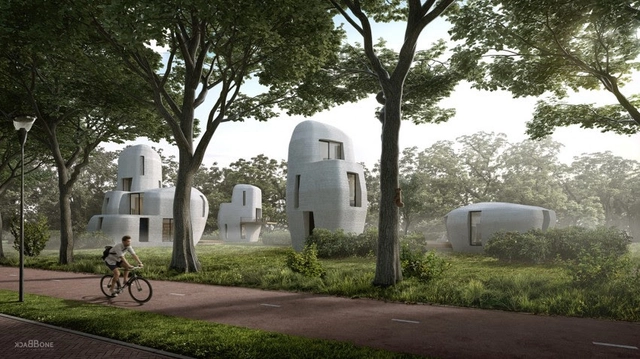
The Dutch city of Eindhoven is to host the world’s first commercial housing project based on 3D-concrete printing, with the first of five planned houses due to start construction this year. The units were developed by a collaborative team including local firm Houben & Van Mierlo Architecten, and the Eindhoven University of Technology. The pods will be purchased and let out by a real estate company upon completion.
The first house will be a single-floor, three-room house measuring 1000 square feet (95 square meters), to be followed by four multi-story units. The irregular shape of the buildings is based on “erratic blocks in the green landscape,” made possible due to the flexibility of form permitted by 3D-printing.
https://www.archdaily.com/895597/worlds-first-3d-printed-concrete-housing-project-to-be-built-in-eindhovenNiall Patrick Walsh
Morphosis has released images of its proposed Orange County Museum of Art (OCMA) in California. The scheme hopes to create an “open and engaging urban presence within Orange County’s largest center for arts and culture” when it opens in 2021.
At 52,000 square feet, the museum will allow OCMA to organize major temporary exhibitions alongside spacious installations. The museum will contain nearly 25,000 square feet of exhibition galleries, representing a 50% increase on their current location in Newport Beach.
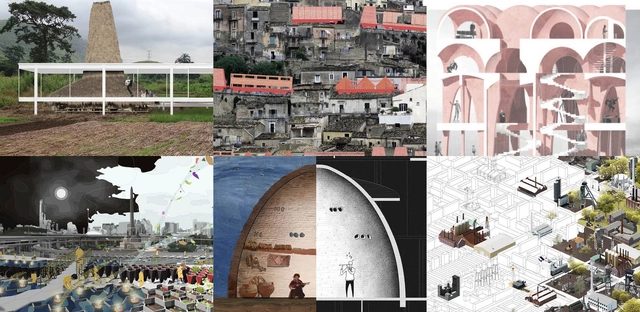
The Association of Siamese Architects (ASA) has announced the winners of the 2018 VEX: Agitated Vernacular Competition. This year’s ASA International Design Competition aimed to "upend the typical associations of vernacular architecture and design," what vernacular should or should not be. The goal was to re-think vernacular as something that can "assume performative roles and possess generative potentials."
The winning designs challenge the notion that vernacular design is opposed to modernity, thus it is "static and unimprovable," and opposed to technology. Selected from over 230 applications from nearly 30 countries worldwide, the six winning projects are from The Netherlands, India, China, Poland, and Thailand.
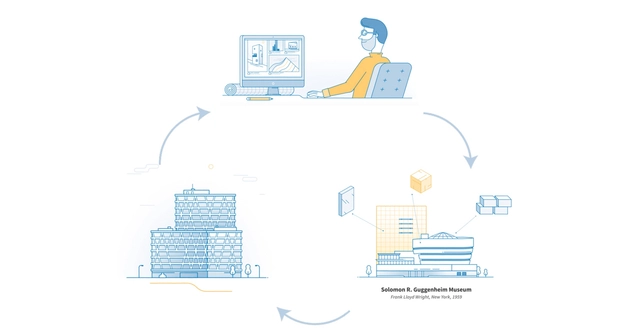
For the architect, there is perhaps no greater frustration than realizing--at the end of the construction process--that the quality of the materials selected to complete the project, or the way in which said materials were installed, compromise the overall vision of the finished architecture. So it makes sense that architects are becoming more actively involved in the construction process; they understand that it can make a difference regarding their competition. Building materials manufacturers should really take advantage of the detailed-driven architect’s involvement in order to generate a productive relationship that begins way before construction starts. Manufacturers have a great role to play in the creative process.
https://www.archdaily.com/895479/the-relationship-between-architects-and-building-materials-and-productsPola Mora
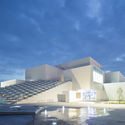
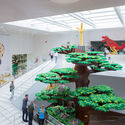
Bjarke Ingels Group’s LEGO House and DISSING + WEITLING’s Bicycle Snake have been recognized by the 2018 Danish Design Awards, an initiative which “highlights the impact and value of design, celebrates companies and designers across the country and showcases the difference their solutions make to industry, everyday life, and society at large.”
The LEGO House was victorious in the “Feel Good” category, while the Bicycle Snake was awarded the “Icon Award.”
Schmidt Hammer Lassen has won an invited competition for the design of the Marine Knowledge Hub in Liverpool, United Kingdom. The 70,000-square-foot (6,400-square-meter) scheme, intended for marine engineering research, survival training, workspace, and events, seeks to elevate the status of both Liverpool and the United Kingdom in the maritime research industry.
The scheme forms part of the Wirral Waters regeneration project, a £4.5 billion masterplan, which represented the largest planning application ever submitted in the UK in 2009.
https://www.archdaily.com/895534/schmidt-hammer-lassen-reuse-historic-tower-for-maritime-knowledge-hub-in-liverpoolNiall Patrick Walsh
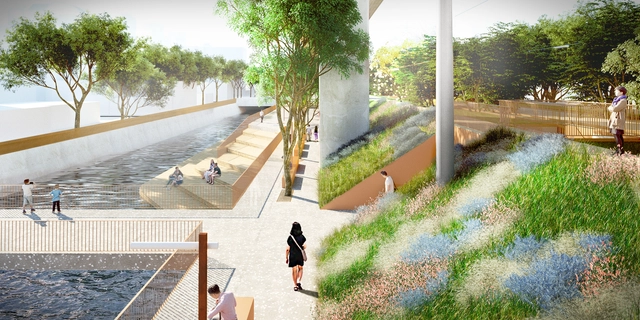
Mecanoo has released images of their proposed Taichung Green Corridor in Taiwan, set along a mile-long (1.7-kilometer) former railway line cutting through the city center. Once a valuable means of connection, the railway currently acts as a barrier due to its awkward position along a dyke, impeding circulation across the railway lines.
The Mecanoo scheme seeks to reuse the railway line to connect different parts of the city through a green corridor centered on biodiversity, cycling, and walking. Throughout the design process, Mecanoo addressed factors including urban regeneration, public participation, historic preservation, and green and water resources along the Green River waterfront.
In this video from the Louisiana Channel, Finnish architect Juhani Pallasmaa expounds on his view of the importance of art and architecture. In order to begin to understand this relationship, Pallasmaa stresses the importance of literature and self-construction, along with understanding the history and culture of a place.
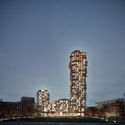
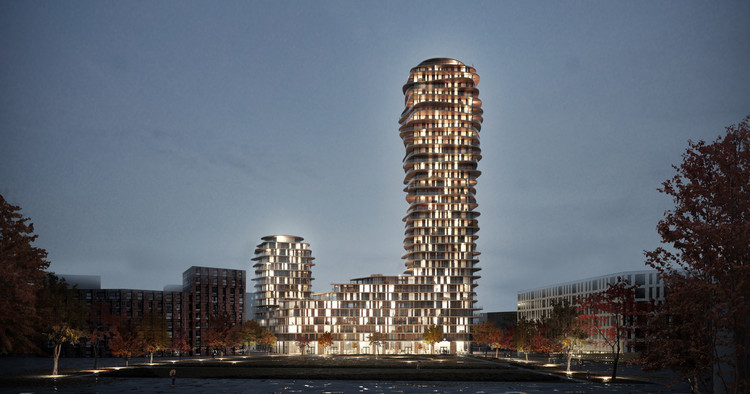
Belatchew Arkitekter has released images of their proposed mixed-use residential tower in the Nacka City district of Stockholm. Named “Discus,” the tower seeks to form a new landmark for Nacka, directly above the district’s metro station.
Comprising approximately 500 apartments and 30 residential floors, the scheme will also include commercial and public facilities to form an active street front.
https://www.archdaily.com/895477/belatchew-arkitekter-releases-images-of-proposed-discus-tower-in-stockholmNiall Patrick Walsh
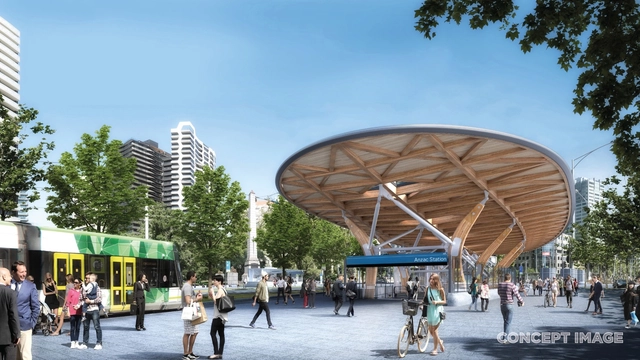
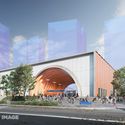
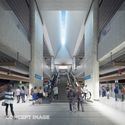
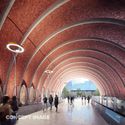
Anzac Station. Image Courtesy of Metro Tunnel, via HASSELL, RSHP, Weston Williamson
VA Australia’s Minister for Transport has unveiled designs for five new underground metro stations in the city of Melbourne, designed by a collaborative team comprising HASSELL, Rogers Stirk Harbour + Partners, and Weston Williamson. Scheduled to open in 2025, the new stations will “combine functionality, space and natural light with the latest in public transport infrastructure design.”
The new stations, named North Melbourne, Parkville, State Liberty, Town Hall and Anzac, will each draw on an individual surrounding character to inform their architectural style. The schemes will also include public amenities such as parks, bicycle facilities, and community plazas.
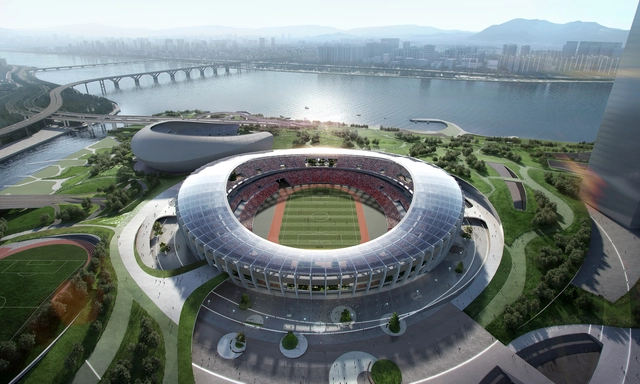
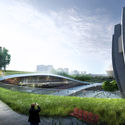
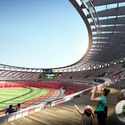
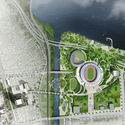
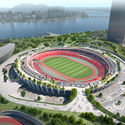
Built before the 1988 Summer Olympics, the Seoul Olympic Stadium in the Korean capital city’s Songpa District remains an active and treasured institution. Designed by Kim Swoo-geun, the stadium represents a significant moment in Korea’s modern history and remains a venue for large concerts and the home of Seoul E-Land FC.
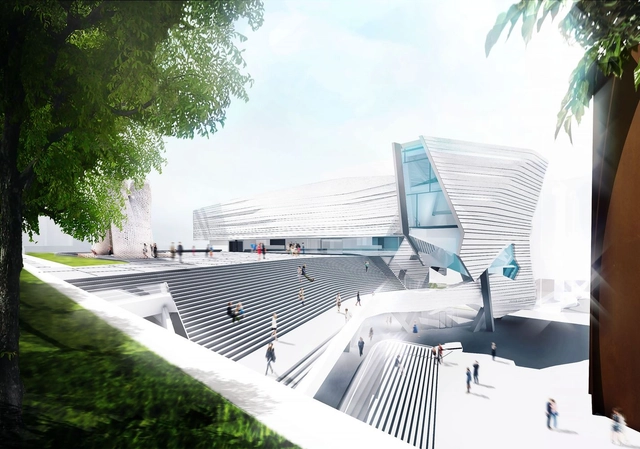
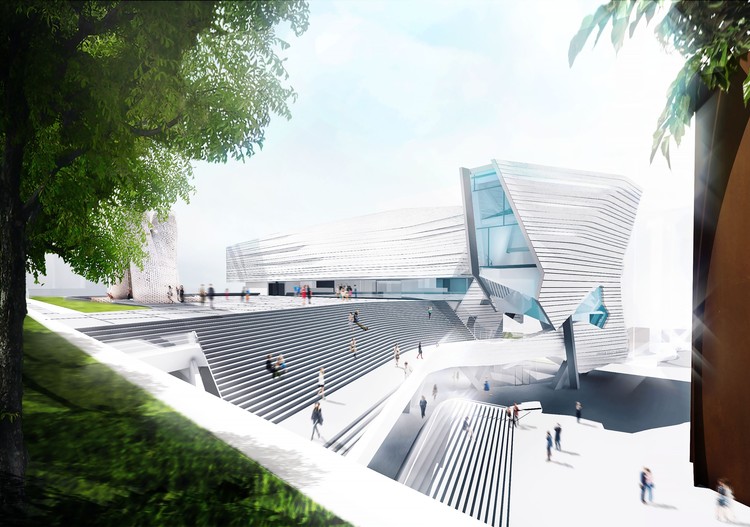
While the Olympic Stadium itself will stand visibly intact in its original form, this spring the Korea National Urban Planning Association staged a competition for a new design of the Jamsil Sports Complex, which includes several sporting venues and buildings adjacent to the stadium, as well as almost 160,000 square meters of total area. Following the deadline earlier this month, the jury has announced NOW Architects in collaboration with NBBJ and SAMOO, as the winners of the competition.
Concéntrico is an International Festival of Architecture and Design that reflects on the revitalization of devalued spaces in Logroño, Spain. Its latest edition, Concéntrico 04, was held between April 27 and May 1, 2018, in Logroño's Historical Center. The festival invites you to travel the city through installations, exhibitions, meetings, activities, and performances that create a connection between streets, venues, courtyards and hidden spaces that usually go unnoticed from day-to-day. David Marchetti's intervention "Otravisión" aims to signal the plaza by providing passers-by the opportunity to see the area from an entirely new and unpredicted point of view.
This month the world winners of the Prix Versailles 2018 were announced at the UNESCO headquarters in Paris. This annual recognition celebrates commercial architecture projects from around the world, promoting successful interactions between culture and economy.
The twelve winning projects—including stores, shopping malls, hotels, and restaurants—were selected from the 70 continental finalist teams from 32 different countries. These works of architecture also show projects that recognize architecture's relationship with heritage.
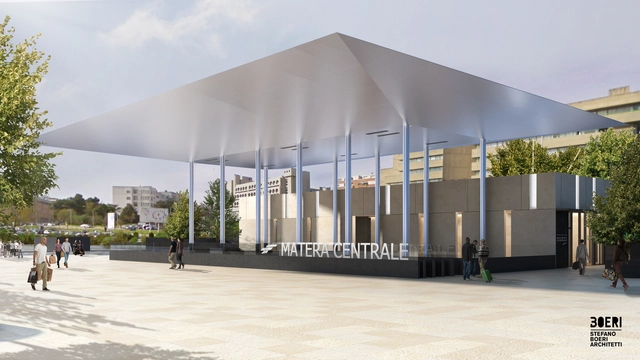
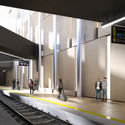
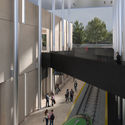
Stefano Boeri Architetti has released images of their proposed renovation of Matera Central Station in Southern Italy. Matera Central FAL railway station will be structurally altered through an “aesthetic and functional redevelopment together with technological upgrading of the railway itself.”
The proposal seeks to alter the existing hierarchy of space in the city by making the transport hub a genuine and significant urban landmark, rather than simply an infrastructural node. The scheme is therefore designed to incorporate a recognizable, pedestrianized public square, forming connections with the nearby historic city center.
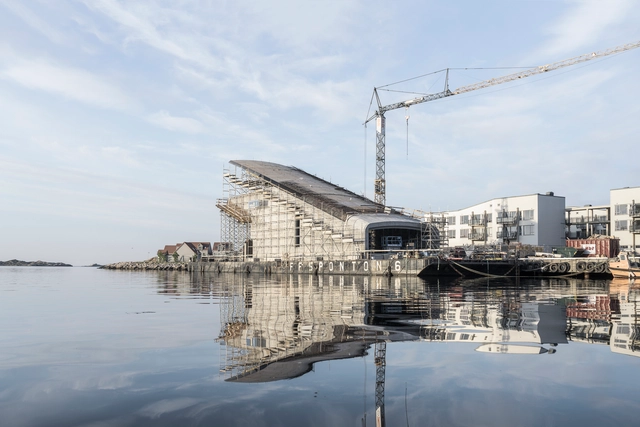
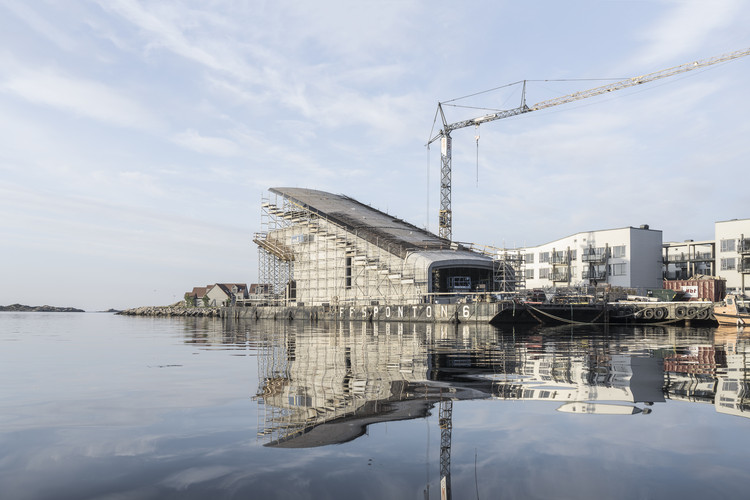
Aldo Amoretti has released new photographs as construction continues on Europe's first underwater restaurant in Norway, designed by Snøhetta. The structure is currently being built on a floating barge in close proximity to its final location. Upon completion, the scheme will also house a marine life research center, teetering over the edge of a rocky outcrop, semi-submerged in the ocean.
Built from concrete, the monolithic structure will come to rest on the seabed 16 feet (five meters) below the water's surface, fusing with the ecosystem of the concealed shoreline. Below the waterline, the restaurant’s enormous acrylic windows will frame a view of the seabed.
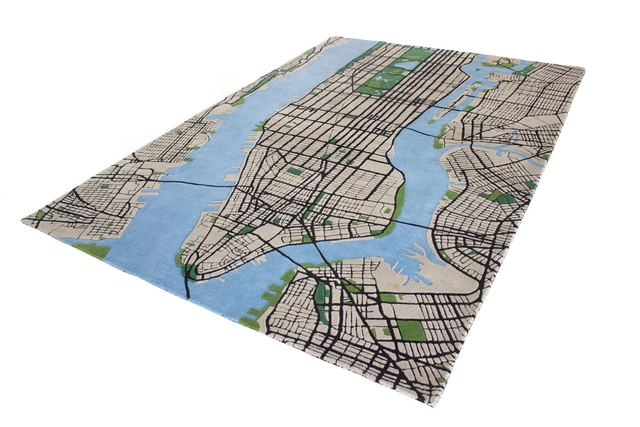
Have you ever dreamed of crossing from Midtown Manhattan to Brooklyn in just a few leisurely steps? These lofty ambitions are made possible on the New York City Carpet from South African studio Shift Perspective. Not literally though, unfortunately.
Continuing towards its goal of creating design-forward structures that are available to the public and installable anywhere, Revolution Precrafted's series has unveiled its latest pavilion design by Ben van Berkel, founder and principal architect of UNStudio. The limited edition Ellipsicoon (a portmanteau of Ellipse and Cocoon) is available now through Revolution Precrafted’s website, joining the selection of prefabricated pavilions and single-family home designs by the likes of Zaha Hadid, Jean Nouvel, and Daniel Libeskind.
Dean Amale Andraos of the Columbia GSAPP has announced the appointment of Andrés Jaque as the new Director of the Master of Science in Advanced Architectural Design program (AAD). Jaque is the founder of the Madrid-based Office for Political Innovation and has been teaching advanced design studios at Columbia GSAPP since 2013.
On June, 1, Jaque will succeed Associate Professor Enrique Walker, who directed the program from 2008 to 2018. "I’m very thankful for the rigorous vision and dedication that Walker has brought to the program during his directorship," acknowledged Andraos. "Enrique established a strong legacy of bringing experimental approaches to research and design and built a program that is firmly grounded in forming positions through design," added.
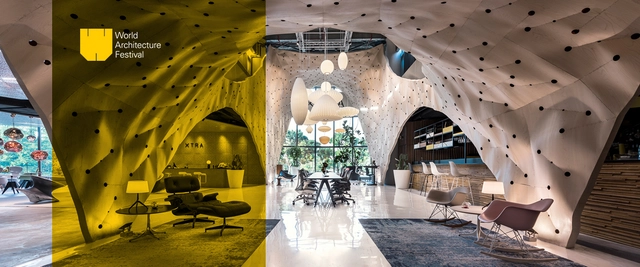
It's time to get your applications ready! Now in its 11th year, the World Architecture Festival will take place in Amsterdam from November 28 to 30. Organizers expect nearly 500 architectural practices to compete for prizes in over 30 categories. The event moves to the historic Dutch city following two years in Berlin.
The Festival is the world's largest live architecture awards event--all shortlisted architecture projects are presented in person by the architects to an esteemed panel of judges. And this year, nearly half of the 120 judges are expected to be women.
This year’s Completed Buildings final super-jury will be chaired by MVRDV's Nathalie de Vries, and will also include Sir David Adjadye, Li Xiadong and Harvard GSD dean, Mohsen Mostafavi.
In the modern age of sensationalism, consumerism, and widespread fake news, it's easy to understand why we feel the need to express ourselves through memes—the abstract photographs, video clips, and gifs that are manipulated in various ways to express thoughts on certain matters or situations that are relatable to people across the globe. Memes often expound complex yet concise sentiments which, in a way, closely resemble the way that we communicate in real life.
In the world of architecture, communication is often represented through critical essays, stunning renders and photographs, and hand-drawn analytical diagrams. In fact, architecture communication as we know it has mostly been a literal representation of the thing itself: Ideas are translated into plans, sections, elevations, details, form diagrams. But with the rise of memes and abstract expressions, why aren’t we popularizing our own personal thoughts with this form of widespread social media?




_Woods_Bagot.jpg?1527649361&format=webp&width=640&height=580)




.jpg?1527868899&format=webp&width=640&height=580)


.jpg?1527868899)


















.jpg?1527130515&format=webp&width=640&height=580)
.jpg?1527130564 "Courtesy of UNStudio")
.jpg?1527130554 "Courtesy of UNStudio")
.jpg?1527130539 "Courtesy of UNStudio")
.jpg?1527130531 "Courtesy of UNStudio")
.jpg?1527130515)