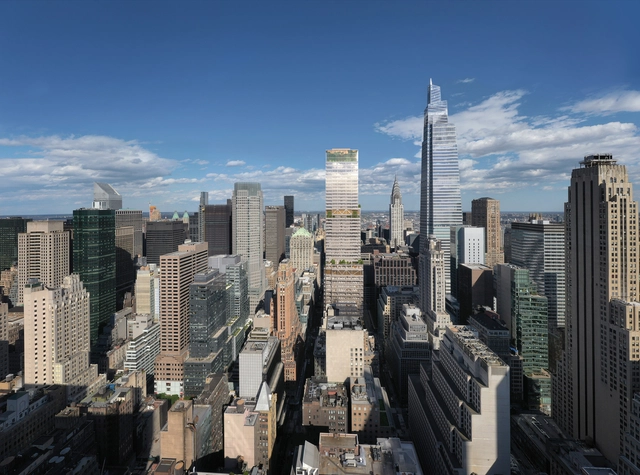
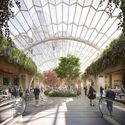
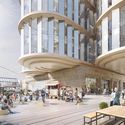
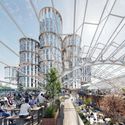
After completing One Vanderbilt, the tallest office building in New York, Kohn Pedersen Fox Associates has unveiled plans for a new skyscraper in Midtown Manhattan. The 320-metre high office tower at 343 Madison Avenue makes the most out of its relatively small plot and the silhouette mandated by the New York City zoning laws, featuring a series of receding volumes that leave a way to gardens and terraces at different levels. When completed, the project will also create an important new transit entrance to the Long Island Rail Road and the Grand Central Complex.
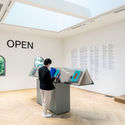
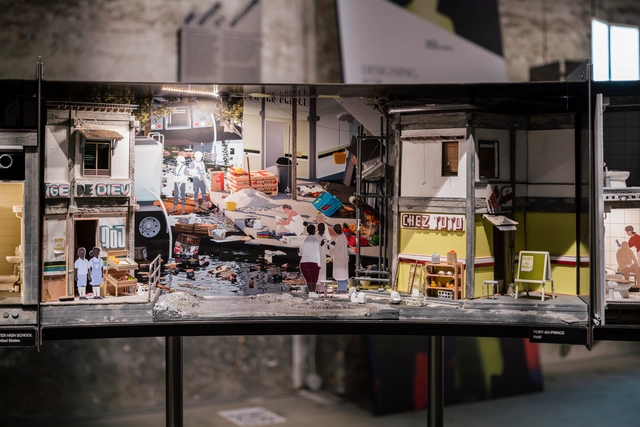
To answer the Biennale's question of "How Will We Live Together", curators of the national pavilions explored what the future would look like in an architectural, cultural, and environmental context. Many saw the future as an entirely virtual environment whereas other highlighted the cruciality of physical coexistence with neighbors. ArchDaily met with Ippolito Pestellini Laparelli, curator of the Russian Pavilion, to discuss how the idea of the pavilion came together throughout the year as a virtual platform for interdisciplinary creative thinkers, the role of cultural institutions across physical and digital spaces, and how digitalization is always part of the conversation.
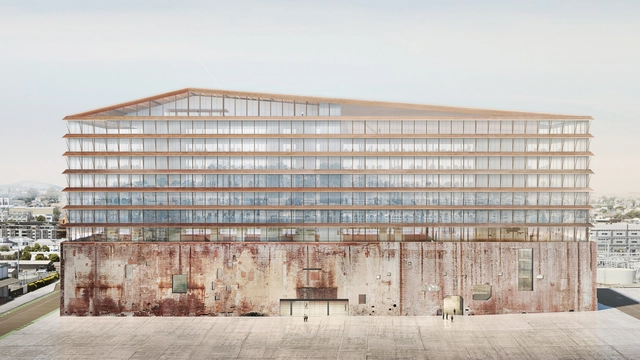
Construction work began for Herzog & de Meuron’s transformation of a former power plant building in San Fransico into a mixed-use project. Designed in collaboration with California-based practice Adamson Associates, the adaptive reuse of iconic Station A is part of the Portrero Power Station project, the redevelopment of a 29-acre industrial site into an extension of the Dogpatch neighbourhood. Herzog & de Meuron’s design retains and repurposes various features of the industrial building while adding a lightweight, steel-framed structure on top, thus giving new life to one of San Francisco’s landmarks.
Industrial architecture usually requires fast installation, low-maintenance components, and flexible spaces that can be used for different purposes. Therefore, modular solutions are very common in this type of construction, also adding a powerful visual language to the building.
https://www.archdaily.com/962662/modular-components-in-industrial-architectureEquipe ArchDaily Brasil
Talking to the Louisiana Channel, iconic Japanese architect Kengo Kuma discusses the many influences that have shaped his work - and also delves into the impact that the ongoing pandemic has had on the architectural field. In the interview, Kuma describes how influential his early upbringing was to his architectural career. Growing up in a small wooden house in the 1950s - originally built in 1942, would go on to guide his architectural perchance of using wood in his projects. Kuma also mentions Japanese architect Kenzu Tange as a key inspiration and cites Tange's Yoyogi National Gymnasium - constructed for the 1964 Summer Olympics in Tokyo - as a project that would influence him towards an architectural career.
"When we enter the restroom, we are never alone. Instead, we are entangled in a network of bodies, infrastructures, ecosystems, cultural norms, and regulations". Although restrooms are often overlooked facilities that cater to the needs of individuals, they are, however, spaces where gender, religion, race, hygiene, health, and the economy are defined and expressed. For the 17th International Architecture Exhibition at La Biennale di Venezia, Matilde Cassani, Ignacio G. Galán, Iván L. Munuera, and Joel Sanders designed two pavilions that exhibit how restrooms are political architectures, serving as battlegrounds for the world's disputes.
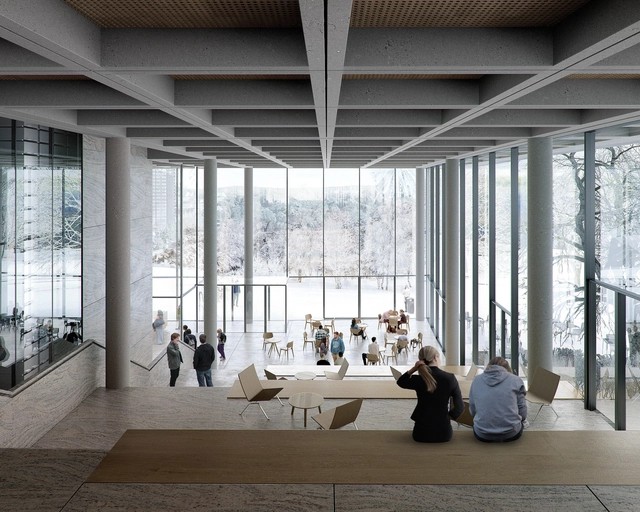
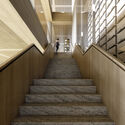
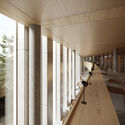
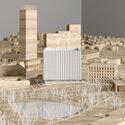
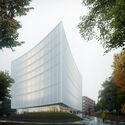
Cobe’s winning design for the new library of the University of Gothenburg proposes a light, clean volume, whose slightly curved facades are a nod to the pages of an open book. The Danish architecture studio translates the concept of knowledge as the heart of a library into the interior spatial configuration of the project, while the architectural image evokes the idea of a lighthouse. Featuring a transparent and open ground floor, the new repository of knowledge creates a strong connection with the surrounding park, becoming a mediator between the city and the university.
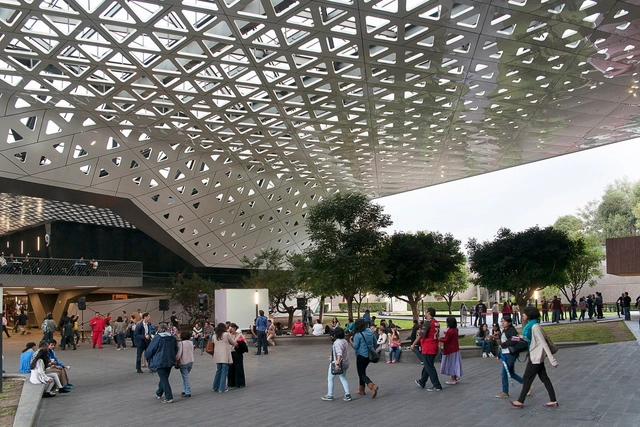
In a Design and the City episode - a podcast by reSITE on how to make cities more liveable – Mexican architect Michel Rojkind talks about running, coming from a musical background, and the responsibility of architects to create buildings that can “give something relevant” back to the community. The interview delves into Rojkind’s philosophy of making sure that architectural conversations are not insular, but instead conversations that take place within a multi-disciplinary context.
A few weeks ago the photographer Aldo Amoretti launched an unusual call inviting his and ArchDaily's followers to share their favorite places so that he could later photograph them, in a sense of a collective perspective and with the objective of discovering places. Last week we showed the finalists and today Amoretti has already chosen the places that he will go to document, which will be published on ArchDaily in the coming weeks.
Courtesy of ZGF Architects, Wexford Science & Technology
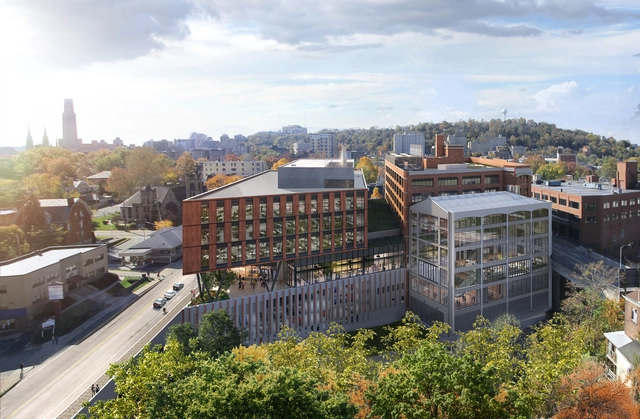
ZGF Architects, Wexford Science & Technology, and The University of Pittsburgh have revealed new details of the Ford Motor Assembly Plant adaptive reuse in Pittsburgh. Called The Assembly, the project aspires to become a hub of university research, entrepreneurial activity, and innovation programming. The six-story crane shed was used to hoist parts unloaded from the Pennsylvania Railroad tracks for assembly.
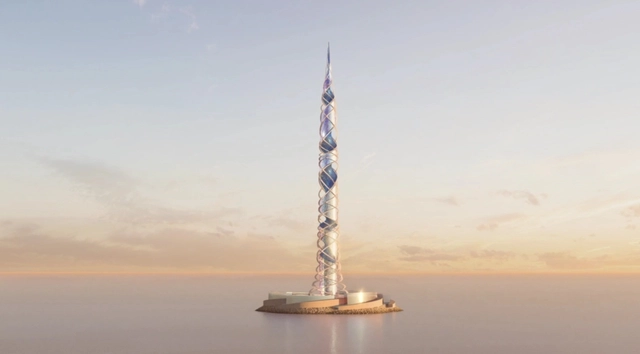
Scottish architecture firm Kettle Collective has revealed plans for a 703-metre skyscraper in St. Petersburg, making it the second tallest building in the world after Dubai’s Burj Khalifa. The Lakhta Centre II will have the highest occupied floor, and while the exact site is yet to be confirmed, it will sit alongside Lakhta Centre, currently the tallest building in Europe and the headquarters of energy firm Gazprom.
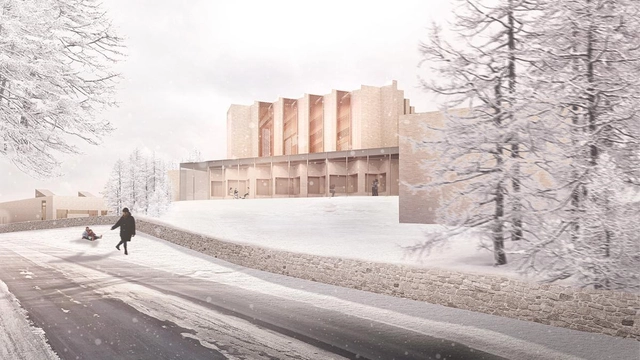
Henning Larsen has won a competition to design Højvangen Church, the first church to be built in SkanderborgParish in over 500 years. The new intervention, set to be completed and inaugurated by December 2024, will be a new public gathering point in the growing residential area of Højvangen in Skanderborg, Denmark.
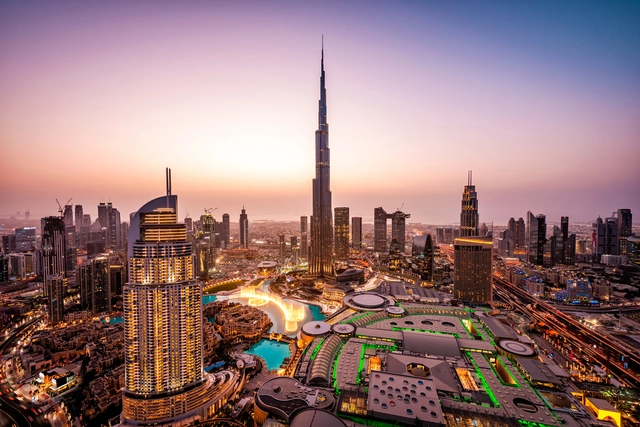
The Dubai Crown Prince has issued a Resolution to form a Supreme Committee for the Urban Planning of Dubai. The decision aims to regulate, ensure, and implement all the required deliverables of the Dubai 2040 Urban Master Plan, to make Dubai the "best city in the world to live in". The urban planning sector will overlook all major infrastructure and urban projects, as well as focus on addressing matters of housing and regulations of the real estate sector to improve the wellbeing of the city's residents.
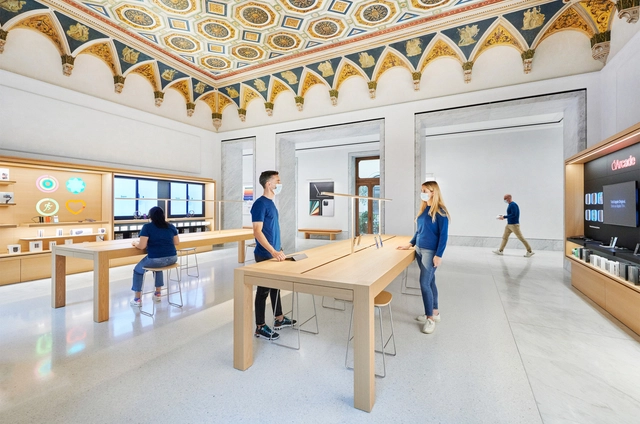
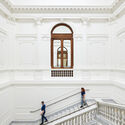
Last week, Apple opened its largest store in Europe, housed inside Rome’s 19th century Palazzo Marignoli. Designed by Foster+Partners, Apple Via del Corso celebrates the historic building by revealing its 1890s murals, frescos, and graffiti works from the 1950s, hidden from view for decades. The project creates a juxtaposition between the historical layers, the artwork and the signature minimalist aesthetic of Apple stores.
Videos
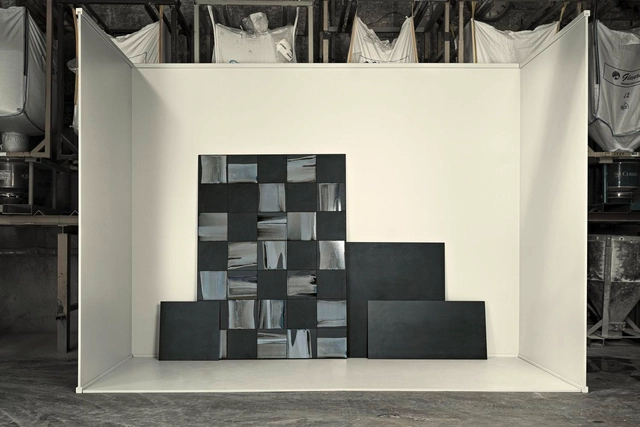
Special selection: Ceramic District is a brand of the Steuler Tile Group and explicitly aimed at architects and designers. Image Courtesy of Ceramic District
Tile brand Ceramic District’s premium-quality, German-made products explicitly address the needs of architects and interior designers, empowering the creation of first-class ceramic architecture.
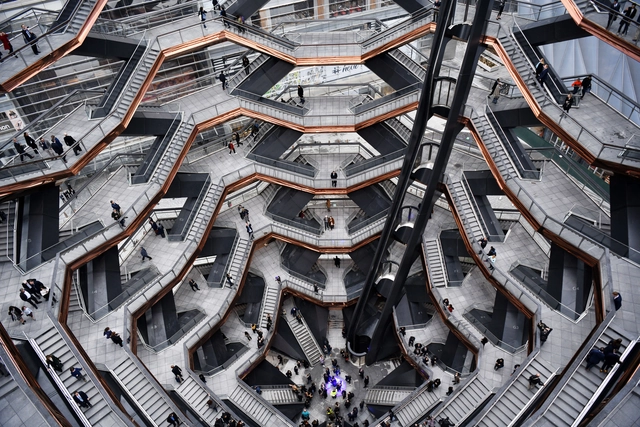
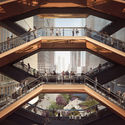
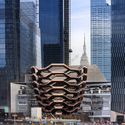
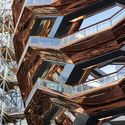
Following it's closure in January 2021, the 150-foot monumental staircase in Hudson Yards have reopened to the public on May 28th, but with a ban on solo visitors. The closure was confirmed after three individuals committed suicide since its opening in 2019, all under the age of 25. The structure was “temporarily closed” amid consultations by the firm with suicide-prevention experts and psychiatrists about how to prevent more potential suicides.
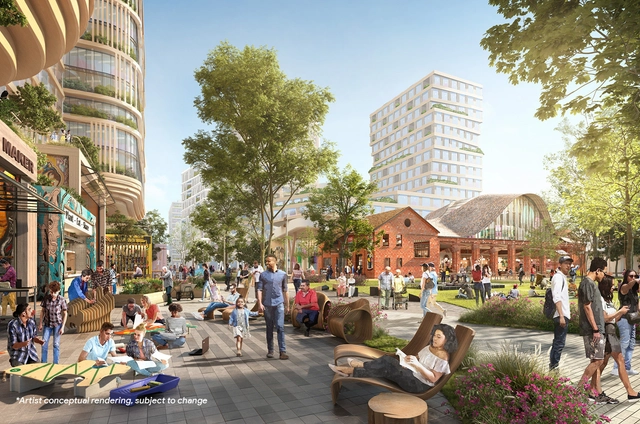
The City Council of San Jose recently approved Google’s “Downtown West” mixed-use corporate campus, an 80-acre net-zero environment, also set to feature the largest multimodal transit hub on the west coast. A departure from the tech campuses of Silicon Valley, the masterplan designed by San Francisco-based SITELAB urban studio is envisioned as an integrated part of the urban environment, an extension of Downtown San Jose open to the local community.
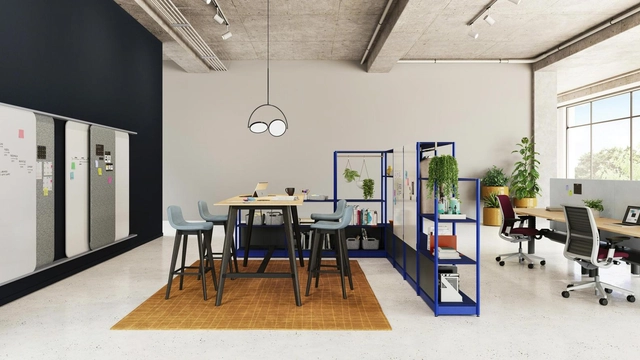
Based on a survey of 32,000 people, Steelcase’s latest study – the ‘Work Better Report’ – discovers what workers expect and require from their post-pandemic working environment...
The Italian photgrapher, Aldo Amoretti created the initiative to invite people to share their favorite places around the world, with the objective of going beyond his vision and giving the chance to an audience to offer a different perspective of buildings and places.
https://www.archdaily.com/962396/from-your-eyes-to-my-eyes-selected-places-by-aldo-amorettiArchDaily Team
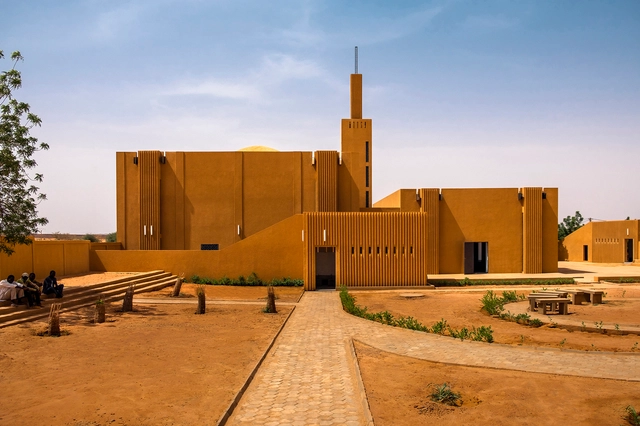
Atelier Masomi and Studio Chahar, "Hikma" Religious and Secular Complex in Dandaji, Niger, 2018. . Image Courtesy of Atelier Masomi. Photo: James Wang From the 2021 individual grant to Adil Dalbai and Livingstone Mukasa for "Africa Architecture Network"
Graham Foundation has released the names of the 2021 Individual Grant recipients - a grant supports innovative ideas in the fields of films, design, digital initiative, research, and exhibitions over the past 65 years. 71 creative individuals from across the world were chosen for their inventive ideas and creations that tackle pressing issues on society.
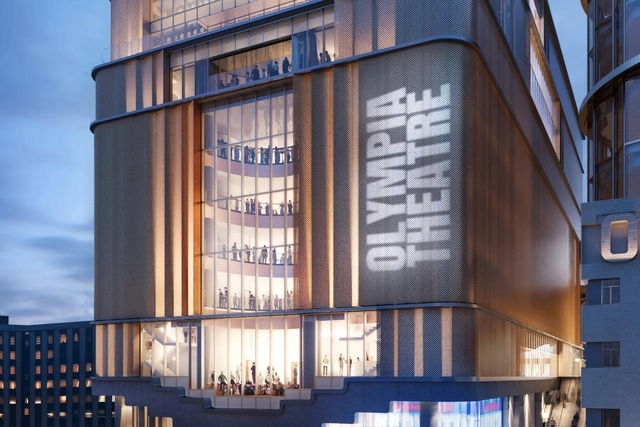
Haworth Tompkins, Heatherwick Studio and Spparc have shared new details of the first major new London theatre in over 45 years. The Olympia Theatre is part of the £1.3bn redevelopment of the Olympia exhibition center designed by Heatherwick Studio and Spparc. The 1,575-seat venue in west London will be operated by Trafalgar Entertainment, and the design includes a five-story building with a stacked auditorium.
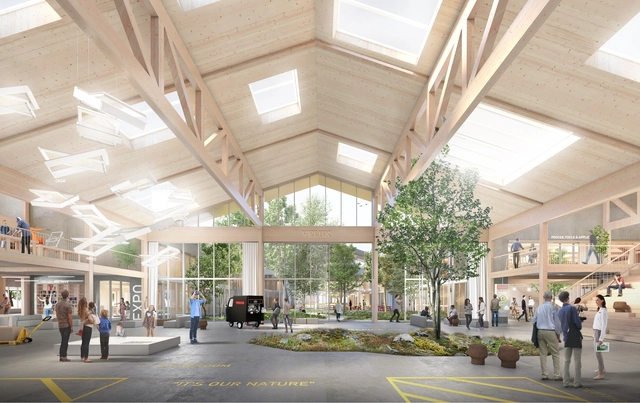
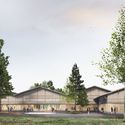
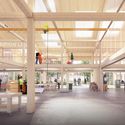
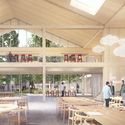
Praksis Arkitekter has won the competition to transform an old timber warehouse for VELUX Group in Østbirk, Denmark. As the company's largest production site, it will be transformed into a best-in-class innovation center. The existing wooden building was originally inaugurated in 1995 as a warehouse. The new rebuilt building will house most of the product development that VELUX Group is doing, which today is spread across the country and abroad.
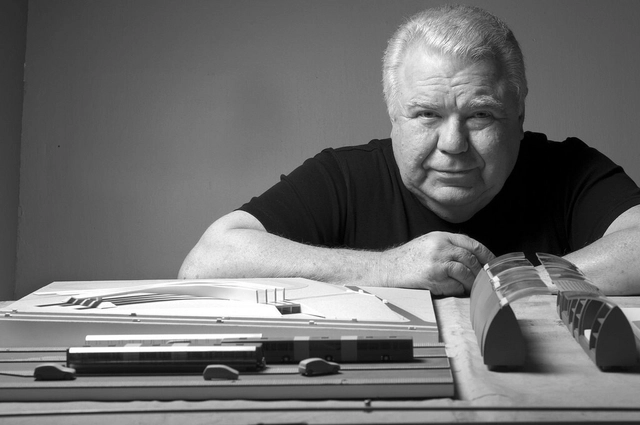
The prominent Brazilian urbanist Jaime Lerner has passed away this Thursday, May 27, at the age of 83. Trained as an architect, Lerner was chosen by the American magazine Planetizen as the second most influential urban planner of all time, only behind Jane Jacobs. In addition to his career linked to architecture and urban planning, Lerner was three times mayor of Curitiba and twice governor of Paraná (1995-1998 and 1999-2002). Lerner graduated in Architecture in 1964 from the Federal University of Paraná (UFPR) and worked at the Curitiba Institute for Research and Urbanism (Ippuc) since its creation in 1965.
https://www.archdaily.com/962420/jaime-lerner-influential-brazilian-urbanist-passes-away-at-83Equipe ArchDaily Brasil