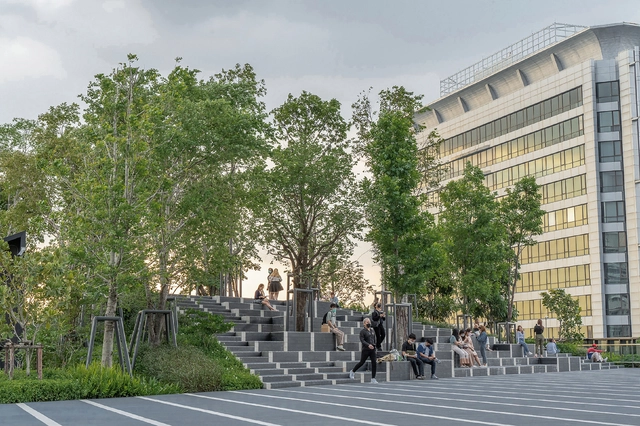
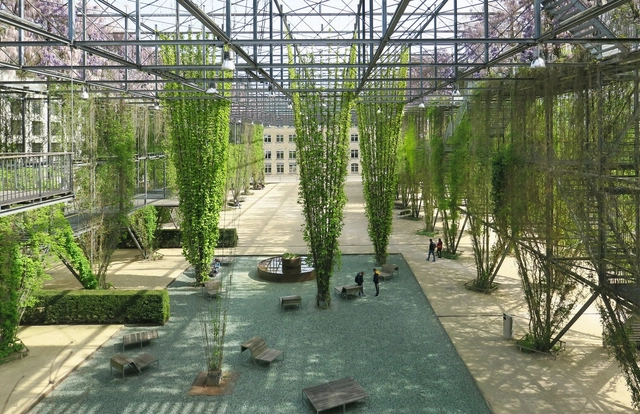
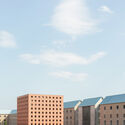
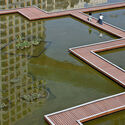
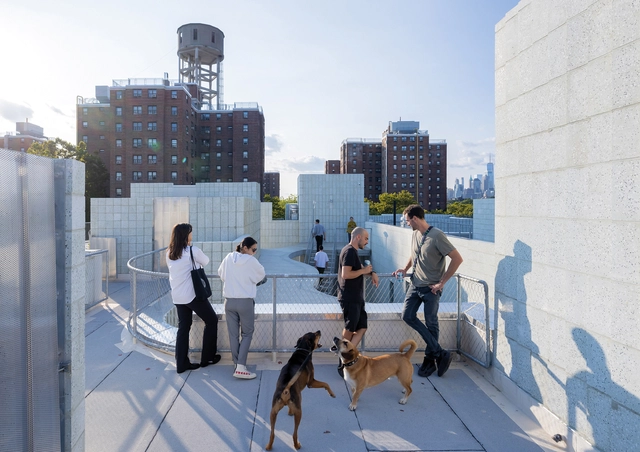
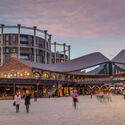
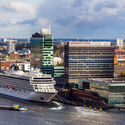
In contemporary urban development, the concept of Privately Owned Public Space (POPS) has gained increasing prominence. These are spaces that, while built, owned, and maintained by private developers, are legally required to remain publicly accessible. Often the result of negotiated planning incentives—such as zoning bonuses or increased floor area—POPS have become especially prevalent in dense urban environments where land is limited and demand for public amenities is high.
Sustainability in architecture is often framed as a universal challenge, leading to standardized solutions that prioritize efficiency over context. However, architecture is inherently tied to its environment — buildings interact with climate, topography, and cultural history in ways that demand specificity. Instead of relying on standardized sustainability checklists, how can architecture embrace site-specific solutions? This conversation is deeply connected to the concept of Genius Loci, or the spirit of a place, introduced by Christian Norberg-Schulz and embraced by architects advocating for designs that resonate with their surroundings. It suggests that architecture should not be imposed upon a site but rather emerge from it, informed by its materials, climate, and cultural significance. This philosophy challenges the widespread application of generic sustainable technologies, instead proposing that sustainability must be inherently tied to the location in which it operates.
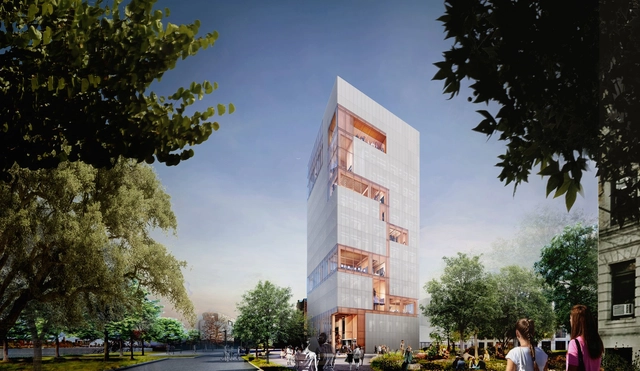
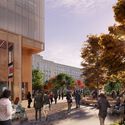
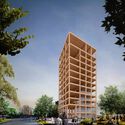
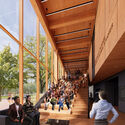
Diller Scofidio + Renfro has unveiled the design for the new Frederick S. Pardee School for Global Studies at Boston University, a project aiming to integrate sustainability, urban density, and interdisciplinary collaboration. The 70,000-square-foot building will rise 186 feet, making it the tallest mass timber tower in the Northeast United States. Situated on a former parking lot at the heart of the university's campus, the structure will occupy just 10% of the site, allowing for the creation of a central green space in the future.
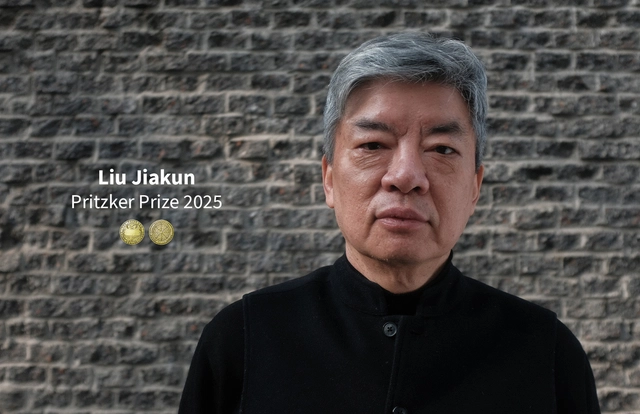
Chinese architect and educator Liu Jiakun has been announced as the laureate of the 2025 Pritzker Architecture Prize, the highest honor in the architecture field. This prestigious award recognizes Jiakun, founder of Jiakun Architects (established 1999), for his ability to blend traditional Chinese elements with contemporary design and for his commitment to social equity in the built environment. Born in Chengdu, China, where he continues to live and work, he becomes the second Chinese architect to receive the accolade, following Wang Shu (2012). Jiakun joins a distinguished list of previous laureates including Riken Yamamoto in 2024, David Chipperfield in 2023, and Francis Kéré in 2022. The award ceremony will be held this spring at the Jean Nouvel-designed Louvre Abu Dhabi, with a global video release of the presentation this fall, followed by the 2025 Laureates' Lecture and Symposium in May.
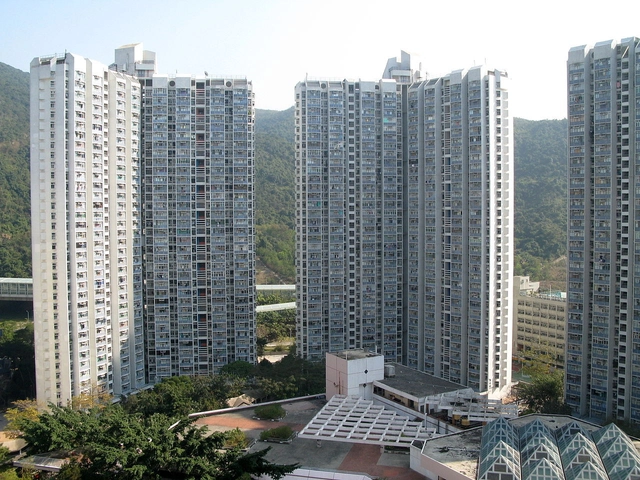
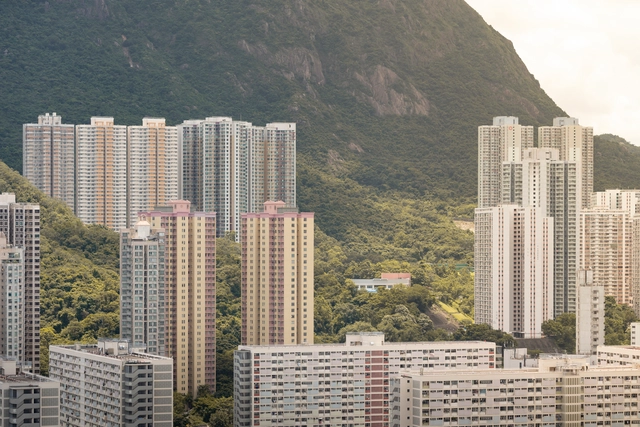
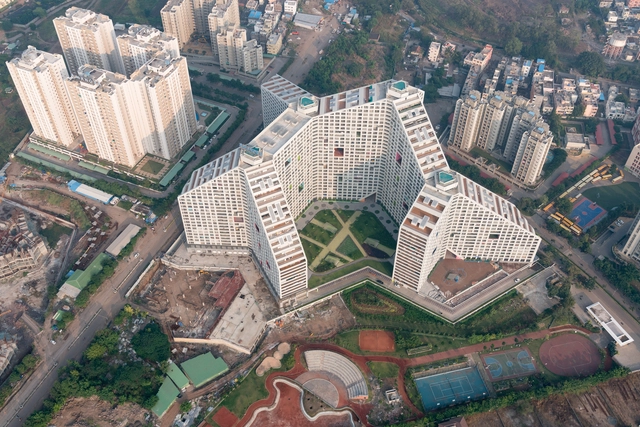
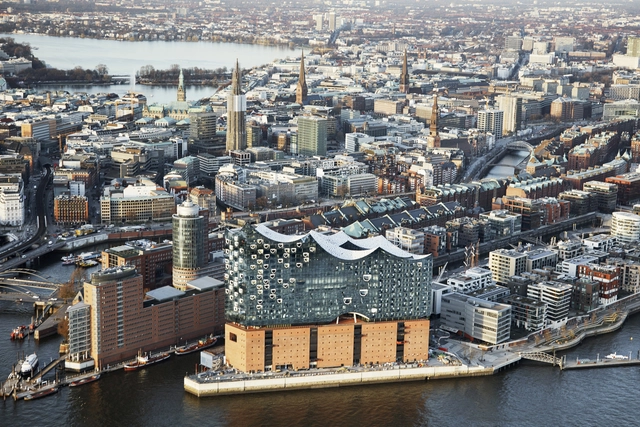
As cities grow and available land becomes more limited, high-rise architecture plays an important role in addressing urban density while shaping new ways of living and working. Tall buildings are evolving beyond their traditional functions to integrate environmental strategies, enhance public engagement, and contribute to the urban fabric. Architects are exploring new materials, energy-efficient technologies, and spatial configurations that make towers more adaptable to their surroundings. Some projects incorporate green spaces and shared amenities to create a stronger connection between the built environment and its users, while others introduce innovative construction techniques to improve sustainability and efficiency.
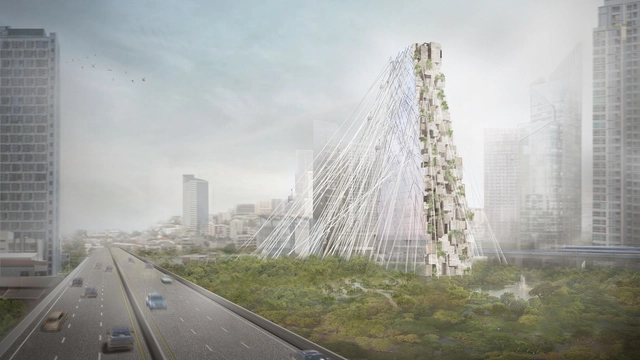
Among this selection of projects submitted by the ArchDaily community, The Residences at 1428 Brickell by Arquitectonica in Miami, United States introduces a solar-powered facade that contributes to the building's energy needs. In Dubai, UAE, AVA by SOMA creates a transition from the city into a more enclosed, water-defined environment with a focus on luxury living. In Bangkok, Thailand, HAS Design and Research proposes the Bangkok Civic Center Tower as a new type of public space, combining green landscapes with mirrored surfaces to connect the city with nature. These projects reflect different approaches to vertical architecture and highlight how designers are responding to the challenges and opportunities of dense urban environments.
When discussing modernist living, several iconic private residential projects may first come to mind—Le Corbusier's Villa Savoye, the Case Study Houses, most notably by Richard Neutra, Pierre Koenig, and Charles and Ray Eames, as well as the glass houses by Mies van der Rohe and Philip Johnson. Most of these projects exemplified an idealized vision of modern living, set in picturesque landscapes and characterized by experimentation with new construction methods, materials, and spatial concepts. Their designs embraced openness, blurring the boundaries between private and public spaces, largely unburdened by constraints such as density, efficiency, accessibility, public transit integration, or communal considerations.
While these modern homes remain influential in contemporary residential design, they also—perhaps unexpectedly—laid the groundwork for high-density housing principles. Concepts such as the interplay between public and private space, modular construction, and prefabrication, initially explored in these private residences, have been adapted to the vastly different constraints of social housing.
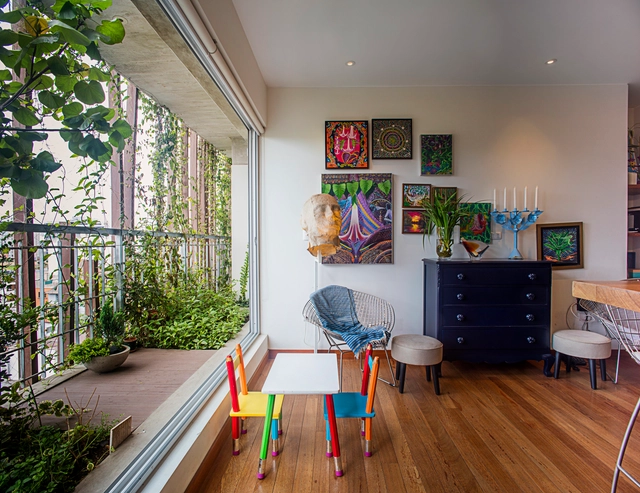
Urban living has become synonymous with limited space and creativity for compact apartments. As cities become more dominated by concrete and steel, there is an exciting, yet unsurprising, rise in interest in embracing the green thumb, even within the constraints of a dense urban environment. This interest is not purely to tend aesthetic tastes, as studies consistently show that exposure to nature reduces stress, improves focus, and enhances overall well-being. However, in dense urban environments, the challenge lies in finding innovative ways to make this vision a reality for apartments where every inch matters.
SO-IL (Solid Objectives – Idenburg Liu) is an architectural design firm based in Brooklyn, New York, founded in 2008 by Florian Idenburg and Jing Liu. Known for an architecture deeply engaged with social, cultural, and environmental contexts, the studio focuses on exploring innovative materials, creating fluid spatial experiences, and prioritizing ecological sustainability. SO-IL's work spans various scales and program types, reflecting their versatile approach to design. In 2024, their housing project 450 Warren in Brooklyn was selected as ArchDaily's Building of the Year by the audience in the housing category.
In their latest book, In Depth: Urban Domesticities Today, SO-IL explores the evolving concept of home in contemporary urban contexts, transforming it "from a source of vulnerability into a tool for empowerment." The book redefines domesticity as an active and shared experience and examines how architects can address pressing urban challenges such as affordability, density, and sustainability. SO-IL's work advocates for flexible, resilient housing that fosters community while integrating ecological and social dimensions. ArchDaily spoke with the architects about the innovative solutions and ideas presented in the book, delving into how their projects challenge conventional systems and envision a future where architecture is a tool for empowerment.
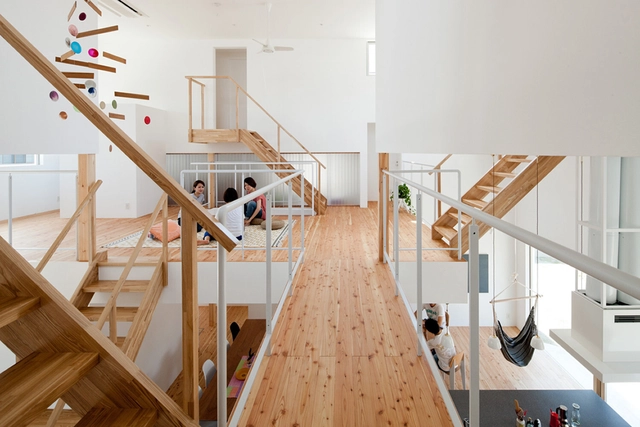
Rising populations and soaring real estate prices pose significant challenged to urban housing. In a desperate hunt for affordable living options, communal co-living spaces have emerged as a creative solution, offering quality living conditions through clever space optimization strategies. By implementing innovative design techniques, these shared living communities maximize every square foot to create functional spaces within compact footprints.
Naturally, a higher population density prevents the formation of ghost towns and vacant shops, which can become hotbeds for crime. However, these positive views on dense living environments often rest on optimistic assumptions about urbanism, such as minimal friction among individuals, easily maintained hygiene and a natural formation of diversity.
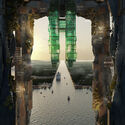
On October 23, 2023, during the closing of the Line Exhibition in Riyadh, Saudi Arabia, ArchDaily’s Editor in Chief, Christele Harrouk spoke to Tarek Qaddumi, Executive Director of The Line Design at NEOM, asking questions that probe into both the conceptual aspects and the technicalities of The Line project. In this video interview, the conversation addresses notions such as accessibility, transportation, and sustainability, while also exploring the concept of Cognitive Cities and the intended phasing of the project.
https://www.archdaily.com/1019840/building-the-line-as-a-three-dimensional-city-in-conversation-with-tarek-qaddumi-executive-director-of-the-line-design-of-neomArchDaily Team
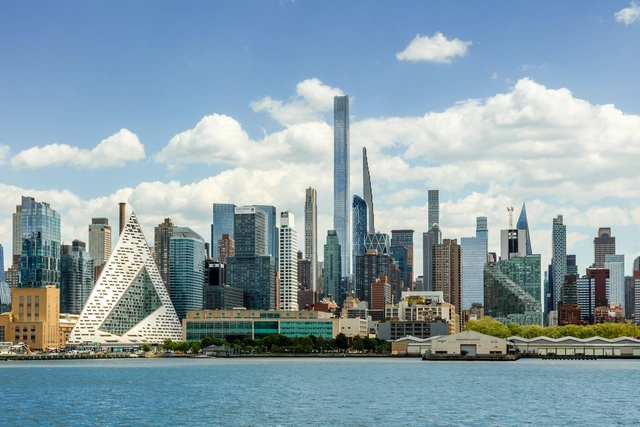
Skyscrapers are iconic symbols of modern urbanization and technological advancements all over North America. These structures are a sign of economic prosperity, urban density, and the capabilities of humanity’s ambition. In major cities across the continent, they shape the skyline and give identity to these metropolises. Cities like New York City, Toronto, and Florida utilize these cutting-edge designs to showcase power beyond their physical stature.
In general, skyscrapers are characterized by their remarkable height and pioneering engineering capabilities. They use advanced materials such as steel, glass, and concrete and serve as multifunctional spaces, ranging from housing to hotels and offices. Architects all around the world continually push the boundaries of architectural creativity, design, sustainability, and functionality while crafting these buildings. The structures allow architects to maximize land use in new ways, tackling densely populated urban areas.
“The Mindfulness City will be a sustainable city. To be mindful is to be aware — to perform best,” said Giulia Frittoli, partner and head of landscape at BIG. The Kingdom of Bhutan is a landlocked Buddhist country in the eastern Himalayas, nestled between China and India. It covers 14,000 square miles and has a population of nearly 800,000.
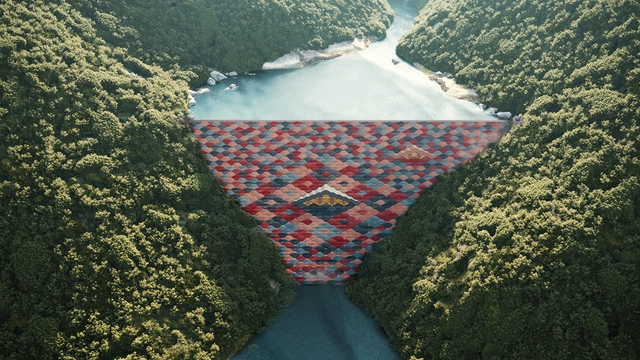
The Royal Office of Bhutan asked BIG, Arup, and Cistri to develop a plan for a new Mindfulness City in Gelephu in southern Bhutan, near the border with India. The city will span 386 square miles and include a new international airport, railway connections, hydroelectric dam, university, spiritual center, and public spaces.
Like most countries, India faces a perpetual housing crisis. As the world’s most populous nation, with an urban population expected to grow from 410 million in 2014 to 814 million by 2050, this becomes a pressing concern. The Indian built landscape brings further complexities in the form of a pervasive market-driven approach and the need for socially relevant housing. Looking into the future, how will India address the needs of its growing population to house the next million urbanites?
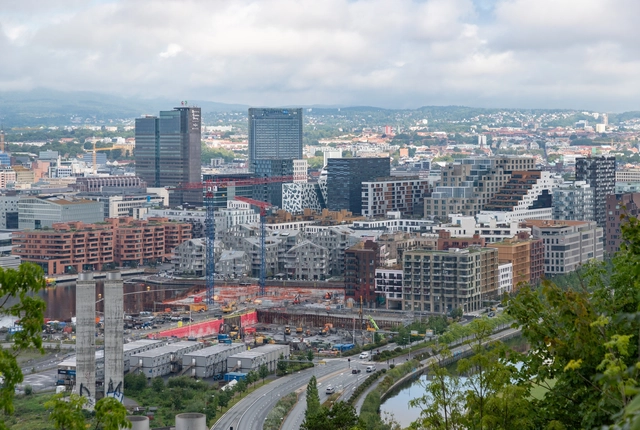
The Norwegian studio of Powerhouse, in collaboration with KIMA arkitektur, has won a design competition for the transformation and extension of one of the historical buildings located in the center of Landbrukskvartalet. Known as the Agricultural Quarter, a former farming and industrial site in central Oslo, the area is now scheduled to go through an urban revitalization process to be transformed into an active neighborhood based on the design philosophy of ‘new meets old’.
“New ideas must use old buildings,” said Jane Jacobs in her seminal book The Death and Life of Great American Cities, championing the reuse of existing building stock as a means to catalyze positive change and foster diverse urban environments. Inserting new activities within an existing framework is increasingly becoming a defining aspect of contemporary architecture, as the need for sustainable alternatives to building anew turns more urgent. From an urban perspective, adaptive reuse is a valuable strategy for revitalizing post-industrial cities, creating density and mitigating urban sprawl, or helping shrinking cities redefine their urban fabric.
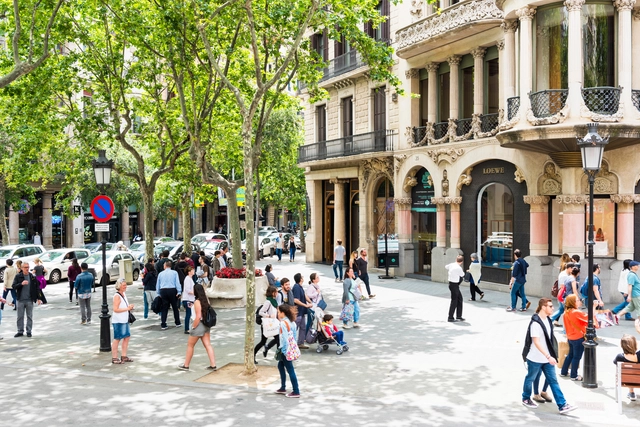
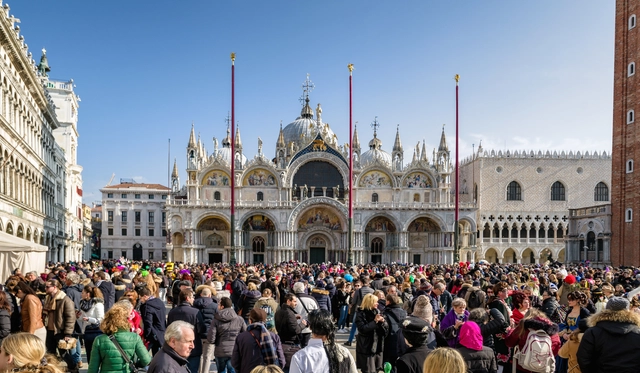
Since pandemic-imposed restrictions have been lifted, Europe has experienced a surge in tourism, with millions of people visiting some of its most attractive destinations, such as Venice, Barcelona or Paris. The large number of visitors has proved to be a challenge for the cities, creating overcrowding and affecting the local population, urban development, and even the natural ecosystems surrounding the urban areas. In a bid to limit this influx, some of Europe’s most popular cities are taking various measures to address the overcrowding and the subsequent social and infrastructural issues. The measures include fines, entrance fees, and time-slot systems to impose some restrictions.