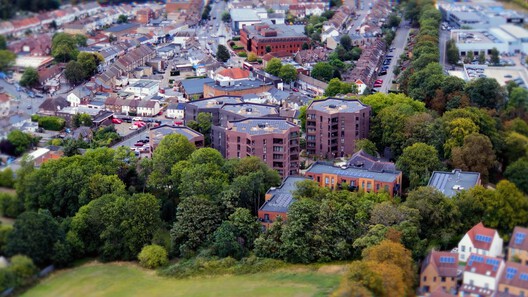
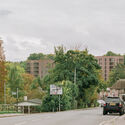
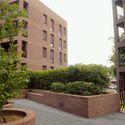
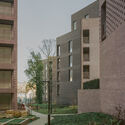
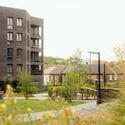
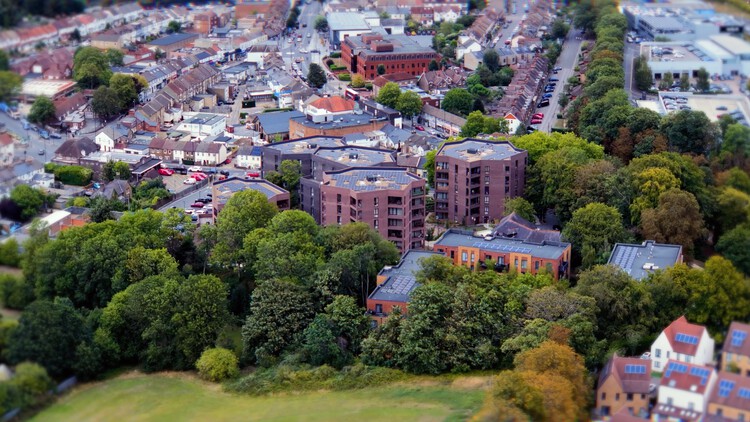
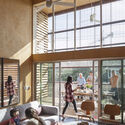
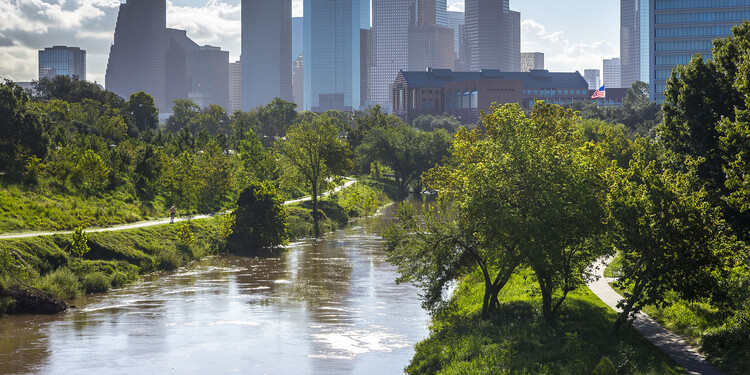
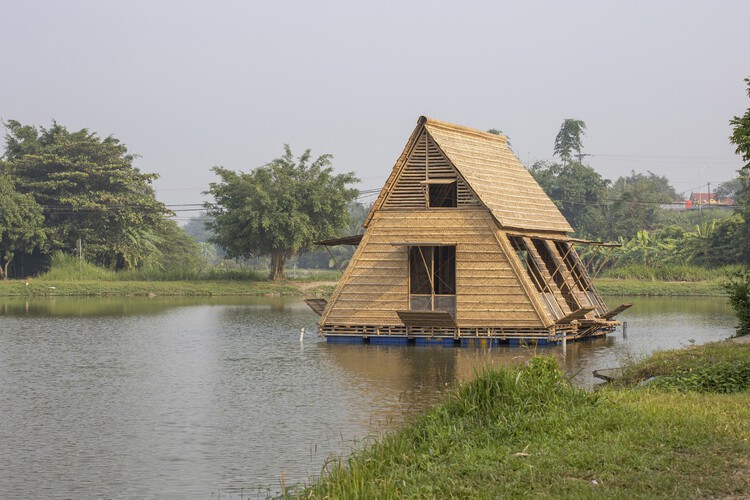
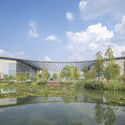
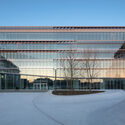
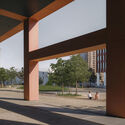
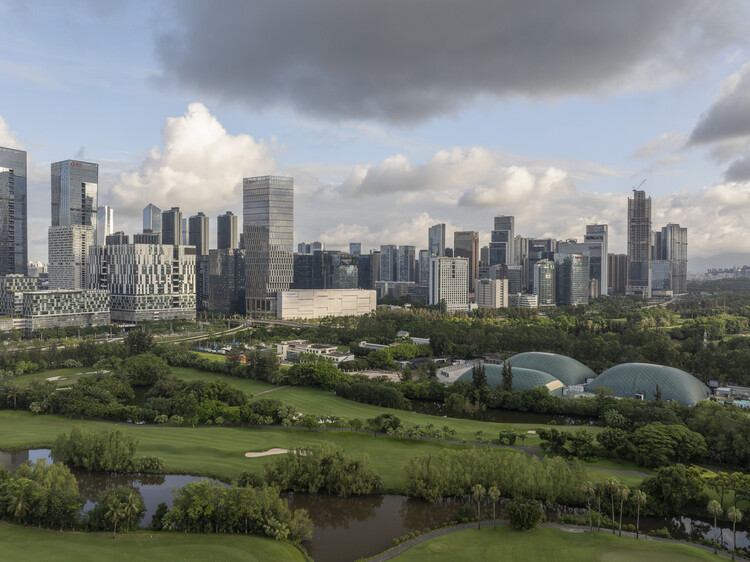
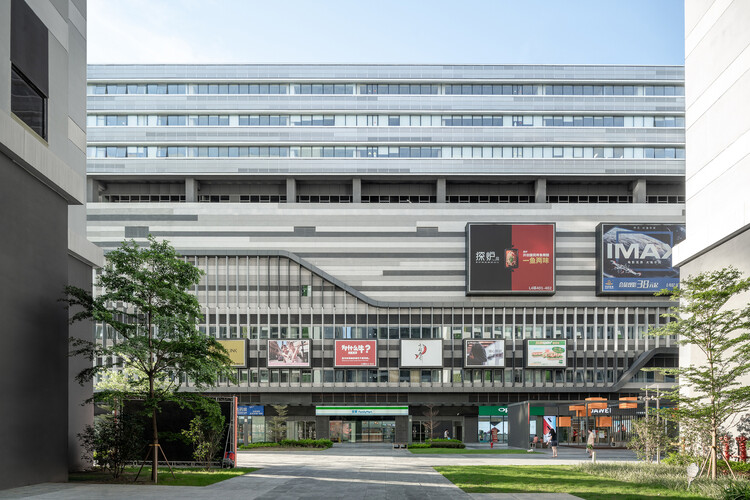
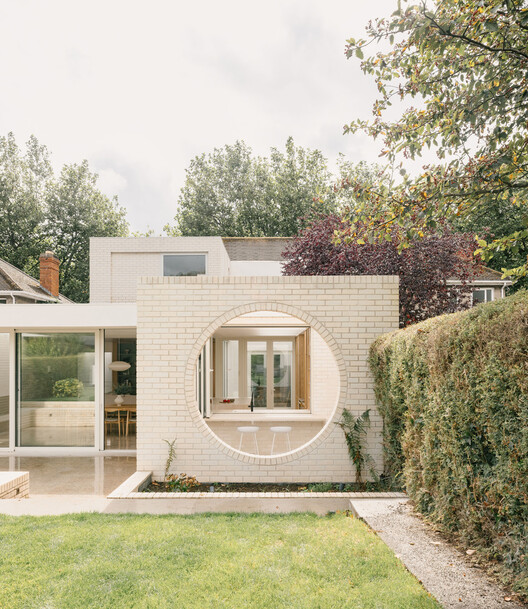
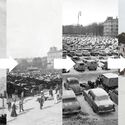
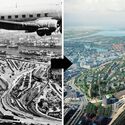
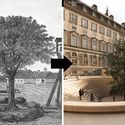
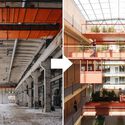
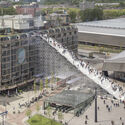
The RIBA Stirling Prize 2026 has been awarded to Lion Green Road, a housing development in Coulsdon, South London, designed by Mary Duggan Architects with RUFFARCHITECTS for Croydon Council. Comprising 157 homes across five residential blocks, the project combines privately owned and socially rented housing on a former car park. Presented annually by the Royal Institute of British Architects (RIBA), the Stirling Prize recognizes a building considered to make a significant contribution to the evolution of architecture and the built environment. The 2026 winner was announced at a ceremony at Old Billingsgate in London on October 15, marking the prize's 30th anniversary.
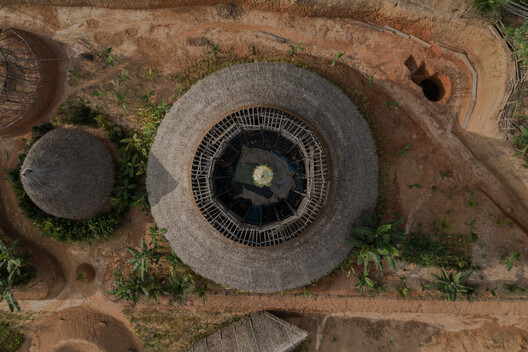
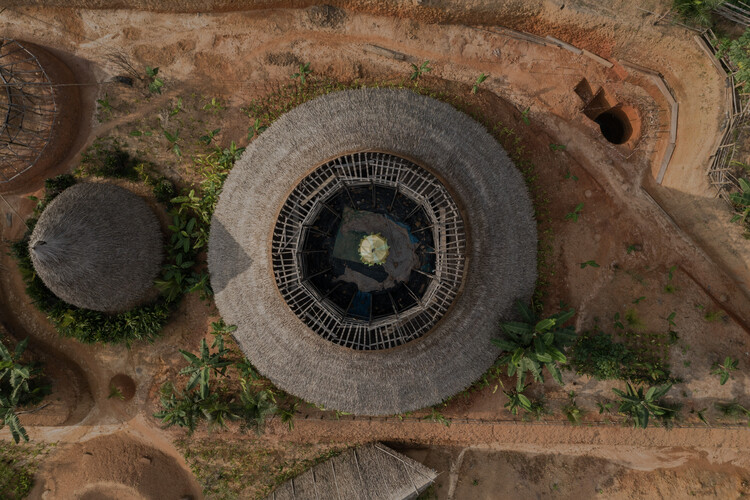
Where rivers, reservoirs, and rainfall can no longer be relied upon consistently, water is increasingly being sought in the atmosphere. Fog, atmospheric humidity, and condensation each offer different ways of collecting it. When architecture begins to collect water from the air, surfaces, structures, and open spaces become part of the water system.
According to UNICEF, Jordan's National Water Strategy estimates that each person has access to only about 61 cubic meters of renewable water per year, far below the 500 cubic meters commonly used as a threshold for absolute water scarcity. Around half of the population receives piped water only once a week, while groundwater is being extracted faster than many aquifers can naturally recharge.
Every year on October 13, the International Day for Disaster Risk Reduction (IDDRR) draws attention to the ways communities can reduce exposure and vulnerability to hazards. Established by the United Nations in 1989, the day provides an opportunity to consider how governments, communities, and professionals can strengthen preparedness and resilience before disasters occur. For its 2026 edition, the United Nations Office for Disaster Risk Reduction (UNDRR) has selected "Resilience Starts at Home" as its theme, placing housing at the center of this year's campaign.
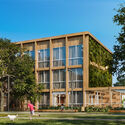
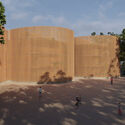
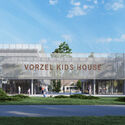
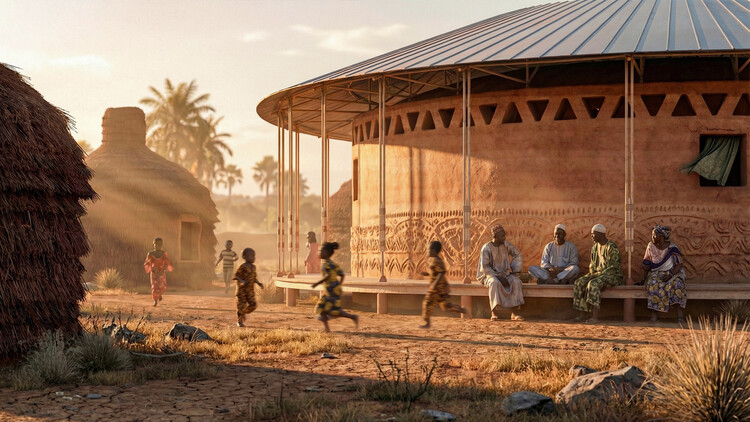
As cities change, so do our expectations of them. People are asking for more caring spaces: public places open to all ages and genders, nature within reach of every social class, and settings that foster connection. Few design intentions hold these together as well as spaces for children. This selection of unbuilt projects submitted by ArchDaily readers showcases different approaches to care-based architecture. Schools, daycare centers, a library, a youth center, and a new model for orphanages take on the mission of providing a safe and stimulating environment for children at every stage of their development. Not yet built but carefully designed, these proposals offer a glimpse into spaces for play, learning, and calm that fuel creativity in design for people of all ages.
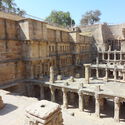
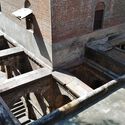
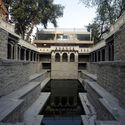
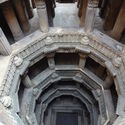
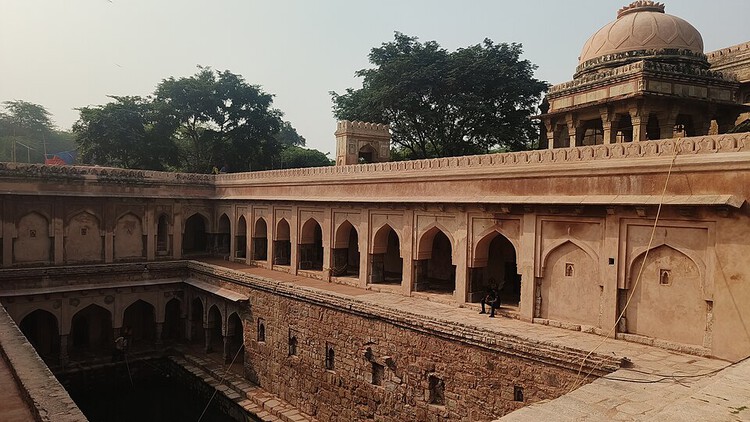
Traditional water architecture was rarely an isolated object. In Ahmedabad, water management was embedded in the organization of the city. Within the historic pols, wells, courtyards and underground Tankas formed part of a distributed system of domestic and communal water storage. A 2026 study in Built Heritage estimates that nearly 10,000 Tankas may still exist across Ahmedabad, many located beneath domestic courtyards.
Architecture firm HENN has launched CarbonBudget, a digital tool that calculates project-specific CO2 budgets for buildings. The new platform, free of charge, is a contribution for designers to help reach the 1.5°C target, a global goal from the Paris Agreement to limit long-term global warming to 1.5°C above pre-industrial levels. As the construction industry is responsible for around one-third of global CO2 emissions, architectural design decisions can effectively contribute to containing global warming. The tool is designed to calculate whether the emissions of a building project located in Europe are compatible with the Paris Agreement target, based on specific inputs such as location and building area. The new platform joins other projects from international offices such as MVRDV NEXT's CarbonSpace, Grimshaw's Minoro, and Henning Larsen's OpenDetail, addressing decarbonization through shared digital information.
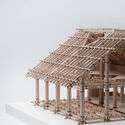
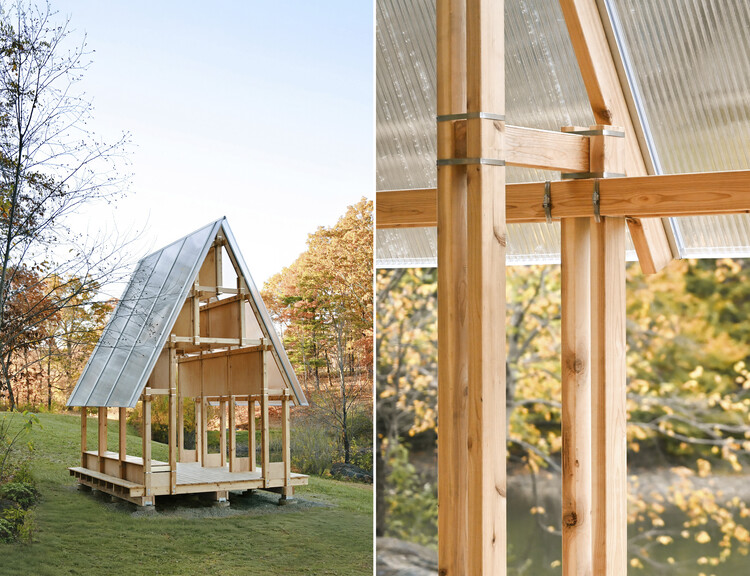
In the face of the climate crisis and within the framework of the United Nations Sustainable Development Goals, the reuse of materials has become prominent in the fields of construction and architecture in recent years. From "urban mining" to life cycle assessments (LCAs), professionals, organizations, and researchers are exploring different solutions and strategies to address the same overarching challenge. Project (Un)Build is a research initiative developing reversible timber construction methods that use straps and friction pads to facilitate material reuse. It contributes to the ongoing debate and reflection on the act of building itself.
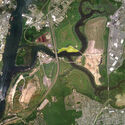
In 1948, Robert Moses established the Fresh Kills Landfill on the western shore of Staten Island. The site, chosen for its remote marshland and cheap land value, was meant to be temporary, but by 1955 it was the largest landfill in the world, receiving up to 29,000 tons of refuse per day at its 1991 peak. By 2001, after more than fifty years of continuous operation, Fresh Kills covered 2,200 acres, roughly three times the area of Central Park, and was, unspectacularly, visible from space. When it started, Moses didn't expect to design a dump but, without calling it that, a new landform with four artificial hills rising up to sixty meters above sea level built entirely from the accumulated residue of eight million daily lives.
That landform is now, slowly, becoming a park. James Corner Field Operations won the international design competition launched by the city in 2001, producing a master plan calledLifescape that will take thirty years to complete. The landfill's four mounds are being capped, planted, and gradually opened to the public. Methane from decomposing waste is captured and fed into an energy system as the wetlands are being restored around the engineered hills. Evidence of New York's consumption transformed into a feat of ecological engineering and an act of institutional memory management (a way of making a city's most embarrassing landscape slowly look like something it was always meant to be).
"Let us take a hard look at the facts." With this direct and hardly reassuring sentence, the director of the Office of Civil and Defense Mobilization opened The Family Fallout Shelter, a 32-page manual published by the U.S. government in 1959 amid Cold War tensions. The document taught families how to build shelters capable of protecting them from radioactive fallout after a possible nuclear attack and, through technical drawings and sketches, outlined solutions using concrete blocks, walls filled with earth or sand, underground structures, and ventilation systems. It was a survival manual that, in many ways, also functioned as a construction manual.
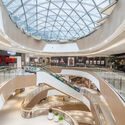
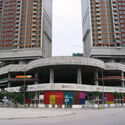
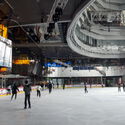
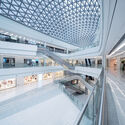
In many Asian cities, the summer climate can increasingly be experienced from a distance. In Hong Kong, it is possible to move from an apartment tower through a podium mall, enter the Mass-Transit-Railway system (MTR), arrive beneath another commercial complex, and continue through enclosed footbridges or underground passages while encountering remarkably little of the atmosphere outside. Heat, humidity, rain, and seasonal variation remain present, but they can be largely bypassed through a continuous network of conditioned interiors.
Over several decades, air-conditioning has expanded from a technology for cooling individual rooms into an infrastructure capable of producing an alternative urban environment. This has been particularly visible in parts of East Asia and South East Asia, where transit-oriented development frequently combines railway stations, shopping centres, housing, offices, and other everyday services within interconnected complexes. The Railway plus Property model has helped institutionalize this relationship between transport and development, creating districts where movement through the city is often inseparable from movement through privately managed interiors.
First Prize Winner + Buildner Student Award: Linear Ritual. Image Courtesy of Buildner
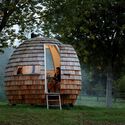
Buildner has announced the results of the Iceland Slow Sauna architecture competition, developed in partnership with Slow Travel Mývatn. Set beside Þúfa – Private Homestay in the volcanic landscape of Lake Mývatn in northern Iceland, the competition invited architects and designers to create a compact retreat combining a sauna and greenhouse within a single architectural experience. Rooted in the Icelandic tradition of bathing as a ritual of stillness and renewal, the brief asked participants to explore how heat, light, vegetation, and landscape could shape an intimate place of recovery and connection to nature.
This article is part of "Thresholds", a special edition printed newspaper by Cobe Notes x ArchDaily.
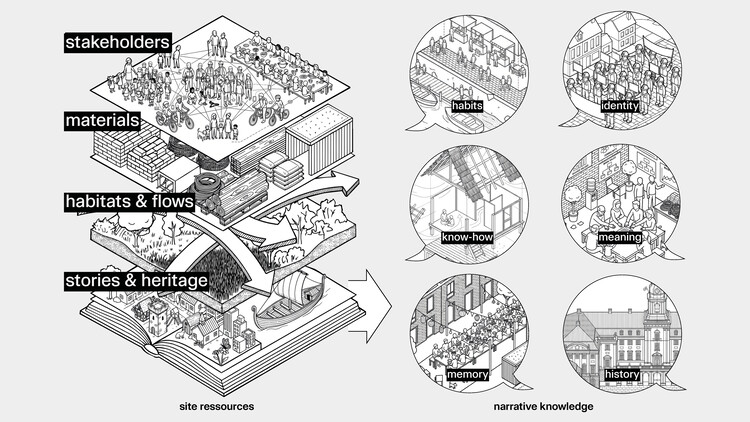
There are two unique things about being human that made us survive the early years and spread over the whole planet: sweating and storytelling. Sweating helps cool down the body when running long distances. Stories help us collaborate in big numbers and share knowledge across groups and generations. As architects, we still rely on the same tools to make visions become reality.
As professor of stories Angus Fletcher points out in his book Primal Intelligence, there is a common misconception about the role of stories: when our "rational" brain has developed an idea that we fail to explain to a wider group, we pack it into a story, and suddenly everybody understands. Fletcher argues that it actually works the other way around: ideas come from stories, our brain works in stories, and stories form reality. Architects have a derogatory term for turning that process the wrong side up: "post-rationalisation", for example when diagrams are made to explain a design that is already decided.
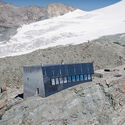
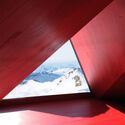
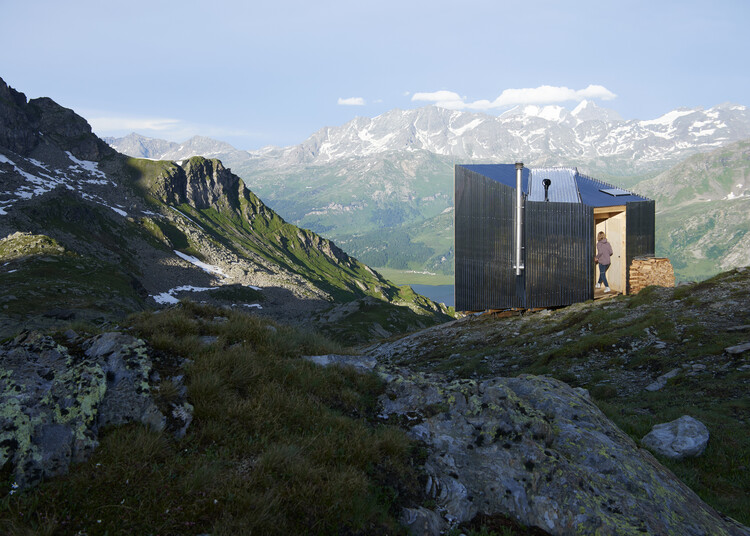
There is no harder place to build than a high mountain, and none where a building feels more provisional. From the Andes to the Himalaya to the Alps, high-altitude construction strips architecture back to its most elementary transactions. The rock reads as permanence itself, yet a structure set near the limit of habitation exists in negotiation with almost everything around it: with wind that arrives without obstruction, with a ground too steep and too frozen to excavate, and with everything it needs arriving from far below. What can be carried up, what can be assembled by few hands, and what can sustain itself are some of the terms of the problem.
Those constraints have produced a remarkably consistent building culture across otherwise unrelated ranges. The refuge, the hut, the bivouac, and the observatory belong to a shared typology in which shelter is inseparable from logistics, and where lightness, prefabrication, and self-sufficiency were structural necessities long before they became virtues.
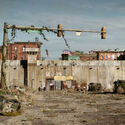
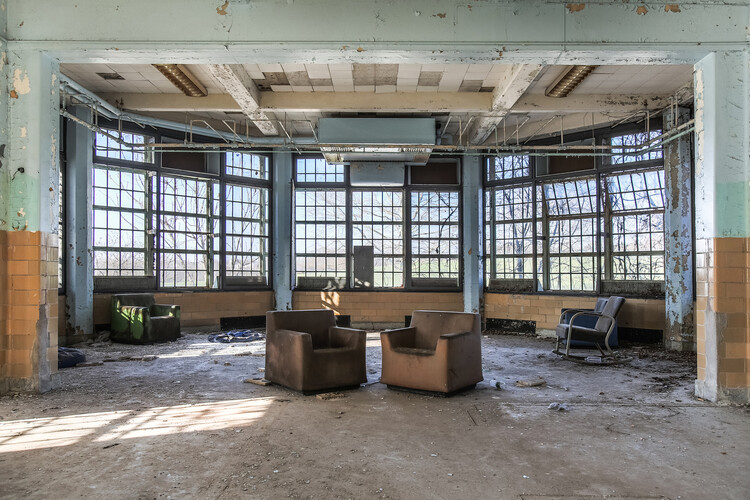
Obsolete buildings. Image Courtesy of Matt Van der Velde
Sustainability in architecture is often discussed as though it were a universal standard—and, in principle, it should be. Buildings are increasingly evaluated through energy performance, embodied carbon, certification systems, material efficiency, biodiversity, and whole-life impact. Yet the rules determining what must actually be done remain highly local. A project designed in London, New York, or Copenhagen may be shaped by stringent energy codes, environmental review, disclosure requirements, planning controls, and increasingly ambitious carbon targets. The same practice working elsewhere may encounter a very different regulatory landscape.
This creates a difficult question for international architecture: when sustainability is not enforced to the same degree by law, what standards should architects carry with them?