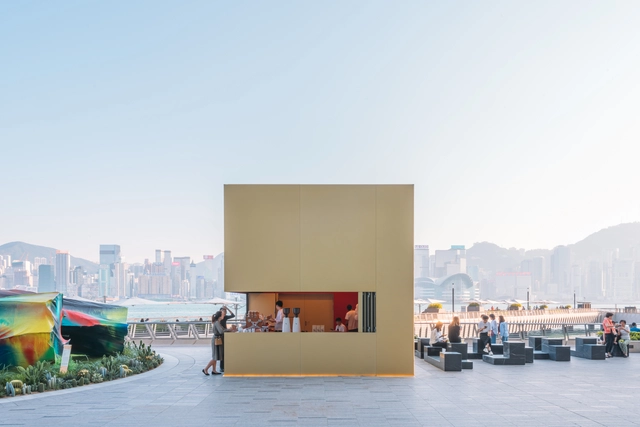
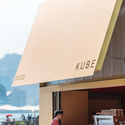
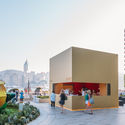
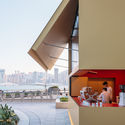
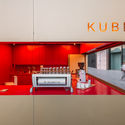
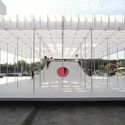
OMA revealed the KUBE, an installation located in front of the main entrance of K11 MUSEA, on Hong Kong’s waterfront. The multi-functional installation creates an urban landmark, amidst the dense skyline of the city, through very simple yet engaging geometry.
Join us for the 3rd International Placemaking Week on October 1-4 in Chattanooga, TN!
The 3rd International Placemaking Week is an intimate, four-day-long global gathering of public space practitioners, researchers, and advocates that combines hands-on learning, public space activations, and innovative social events. Sign up before the regular registration rate ends on August 30!
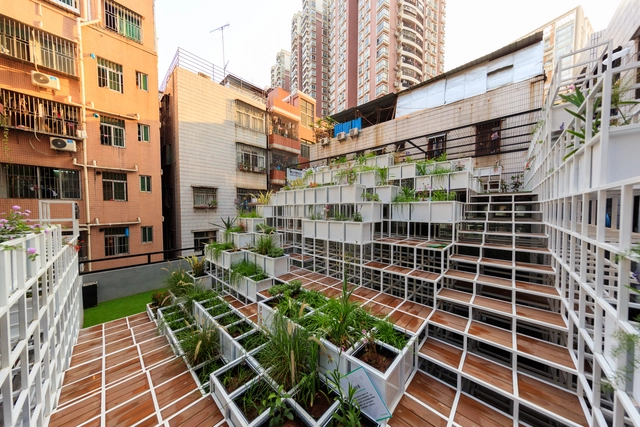
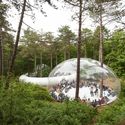
Normally the efforts of the construction industry are aimed to design permanent and durable spaces. However, on some occasions creating temporary spaces can be of great help, not only when providing fast assembly infrastructure after the effects of a natural disaster, but also when activating residual or abandoned spaces in our cities. To exemplify the potential of these interventions, we present thirteen successful temporary public spaces.
Dorothea Dix Park. Image Courtesy of Michael Van Valkenburgh Associates
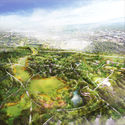
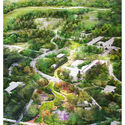
The largest park project in the United States is underway at Dorothea Dix Park in Raleigh, North Carolina. The city purchased the Dorothea Dix campus from the State of North Carolina in 2015 with the intent of creating a great destination park in the heart of the community. This year, Raleigh City Council adopted the Dorothea Dix Park Master Plan, and now an implementation plan is underway for Phase 1. Designed to span decades, the creation of the 300 acre park will include the site of North Carolina’s first mental hospital.
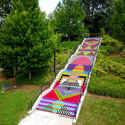
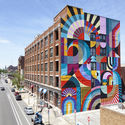
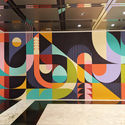
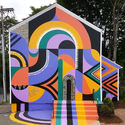
If a painting can trigger its viewers' emotions with just one observation, imagine the impact of a building-sized mural on an entire city.
Baltimore-based artists Jessie Unterhalter and Katey Truhn found a way to enhance people’s lives through art by adding visual playfulness to public spaces. Since 2012, they have been working on sculptures and large-scale murals, curving around building corners and spilling them onto the ground. The artistic duo explored themes of movement and symmetry by experimenting with bold color combinations, patterns in nature, and woven textiles.
Take a look at some of the lively murals created by Jessie and Katey that transform public spaces into colorful experiences.
Machine learning heat map showing the spatial distribution of people in 51 Astor.
Join us for the release of Field Guide to Life in Urban Plazas.
The guide outlines a research effort focused on New York City, the primary location of urbanist William H. Whyte’s “Street Life Project,” which formed the basis for his seminal book and film The Social Life of Small Urban Spaces (1980). The new guide seeks to understand how different types of public spaces have changed some 40 years later. What’s changed about how people use the public realm, and what makes for successful spaces?
The project looks at 10 plazas in Manhattan constructed or renovated in the last 15 years,
Last week, we asked our social media followers, "What does public architecture mean to you?" These thoughts are intrinsic to the architectural debate and come into play in various types of projects, especially in those related tothe planning of common-use spaces in cities.
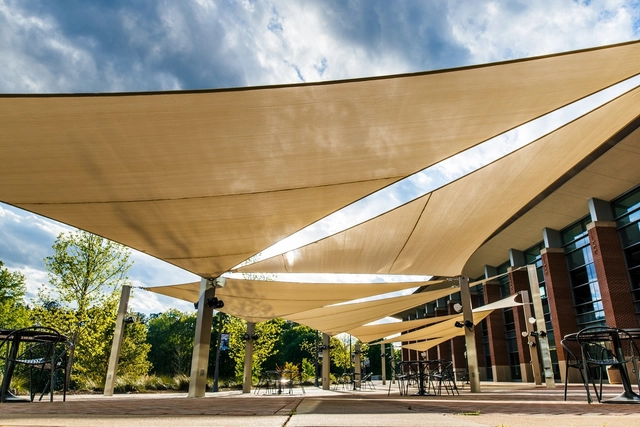
Superior Shade at University of West Georgia. Image Courtesy of Superior Recreational Products
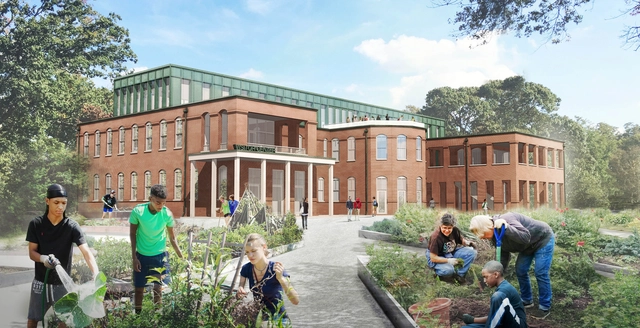
In any successful architectural project, it is essential to provide users with a comfortable outdoor space. At any time of the year, modular shade structures can create spaces that protect from wind, dust, sun, rain, snow, and noise in a light, flexible and aesthetically pleasing way.
With this in mind, what should we look for when choosing shade structures for outdoor spaces? Below, we've provided you with Superior Recreational Products's top recommendations.
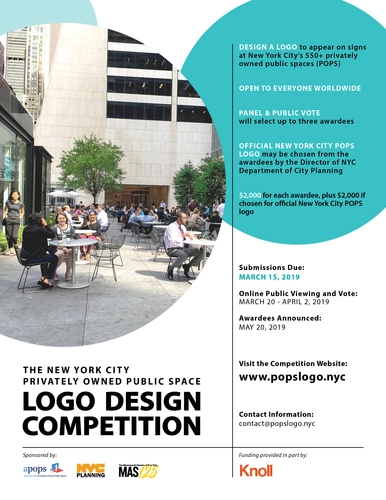
The New York City Privately Owned Public Space (POPS) Logo Design Competition is being held to solicit a design for a new POPS logo that may be featured on signage at over 550 POPS located across the city. A new POPS logo would be seen by millions of residents, workers, and visitors on any given day and encourage the public to take full advantage of these valuable, but sometimes unknown, public spaces.
Architecture is powerful, and like nuclear energy, it all depends on how it is used. While it can create uninhabitable municipalities, it can also create safer cities that improve quality of life.
In various examples, urban design has provided a response to deteriorated or abandoned public spaces. It has shown that distribution and lighting are essential, but that it is also necessary to consider who will be using the space and how to make it an environment that generates community.
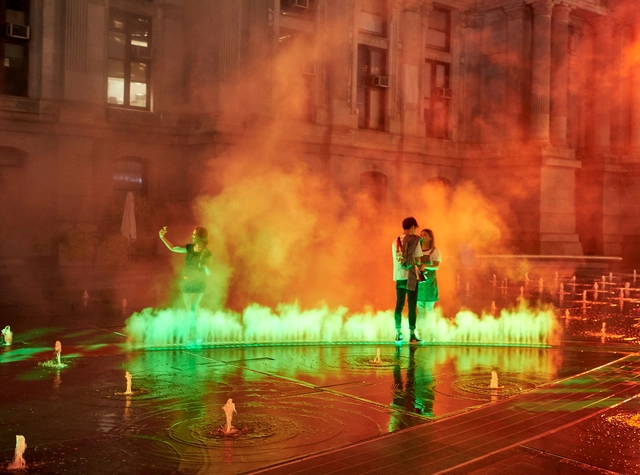
Artist Janet Echelman has unveiled her latest site-specific work of public art, with the activation of the first phase of “Pulse” in Philadelphia’s Dilworth Park. Pulse seeks to reshape urban space “with a monumental, fluidly moving sculpture that responds to environmental forces including wind, water, and sunlight.
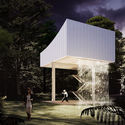
Inspired by the square’s history as a water and transportation hub, Echelman’s work traces the paths and trolley lines of the subway beneath, with four-foot-tall curtains of colorful atomized mist traveling across the park’s fountain surface in response to passing trains underneath.
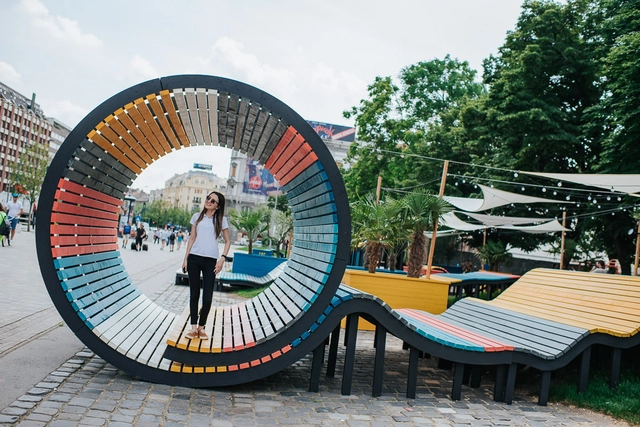
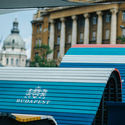
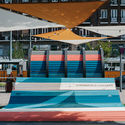
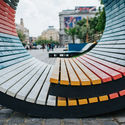
Hello Wood has revived its highly-successful POP-UP Park, bringing a touch of vibrancy to an underused square in downtown Budapest. Having built the structures in the summer of 2017, the park has returned one year later to provide “a democratic space for all social groups embedded within the everyday movement of the city.”
Open 24 hours per day, the park acts as a free-to-use space for people from all walks of life. Supported by the Municipality of Budapest, the scheme is situated in a frequented though empty spot beside the Budapest City Hall.
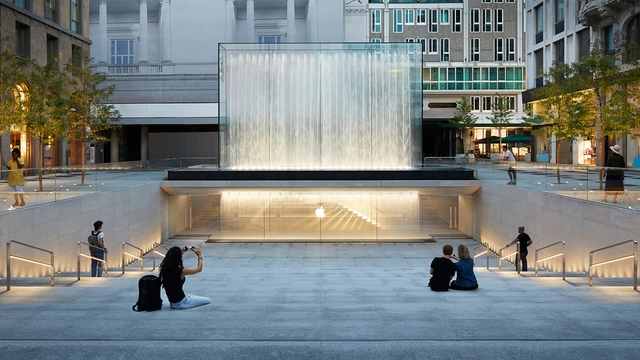
The store is defined by a dramatic waterfall which surrounds the entrance while forming the backdrop to a large outdoor amphitheater. Piazza Liberty is the first Apple Store to be constructed in Italy following their retail design collaboration with Foster + Partners.
https://www.archdaily.com/898994/foster-plus-partners-milan-apple-store-opens-to-the-public-with-dramatic-waterfall-entranceNiall Patrick Walsh
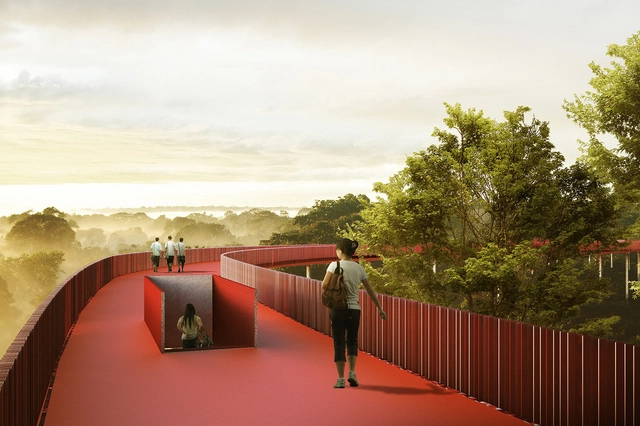
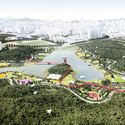
The winning collaboration saw off competition from JCFO, SWA, and TCL, with the competition jury praising the scheme for its “fresh approach and [for] being highly attentive to local ecology [while] meanwhile incorporating romantic techniques and realistic urban visions.”
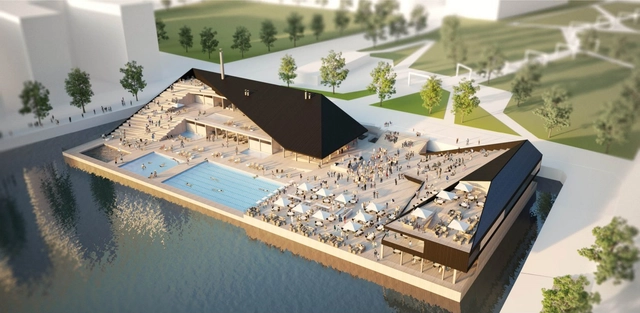
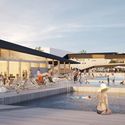
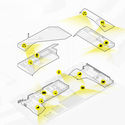
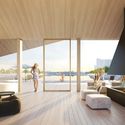
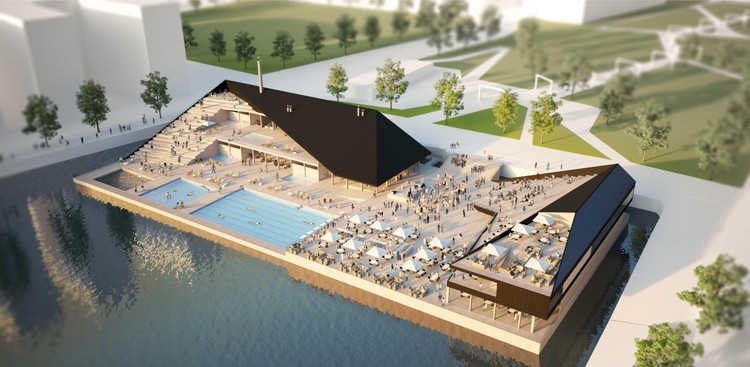
OOPEAA (Office for Peripheral Architecture) has won an invited competition for the design of the Allas Sea Pool Family in Helsinki, Finland. Constructed on floating platforms, and designed as a modular, flexible, adjustable system, the Allas Sea Pool Family is intended to be a new global typology for coastal sites, where building on land is not feasible.
The invited competition asked entrants to submit proposals which responded to varying environmental and seasonal conditions, with OOPEAA ultimately chosen for their “strong concept that places the floating spa in a central location in the city.”
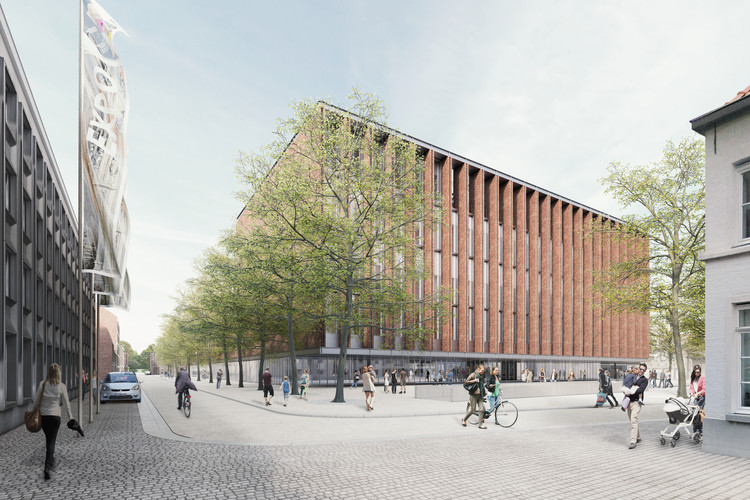
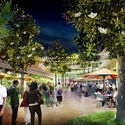
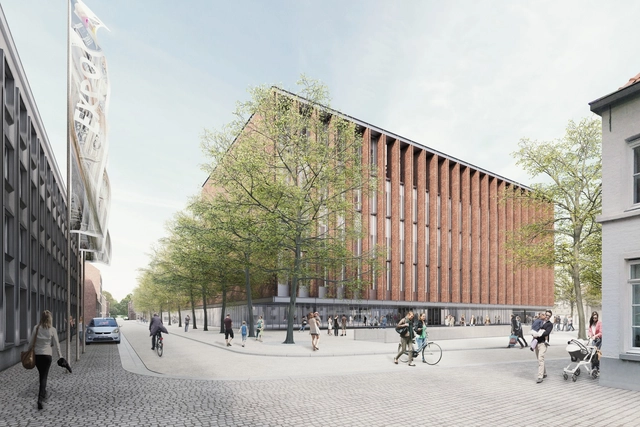
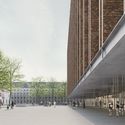
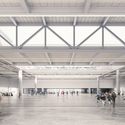
Eduardo Souto de Moura, in collaboration with META architectuurbureau, has released images of a proposed urban renewal project in the Belgian city of Bruges. The Beursplein & Congresgebouw consists of a new exhibition hall and covered public square on the site of a recently demolished trade fair complex.
The $46million (€40million) scheme seeks to act as a catalyst for urban renewal at the center of Bruges, with a dual role of exhibition hall and conference center capable of receiving business delegates on weekdays, and tourists on weekends.























.jpg?1530628241 "© infunctievan")