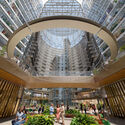
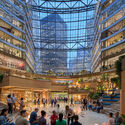
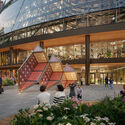
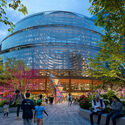
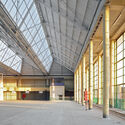
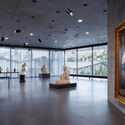
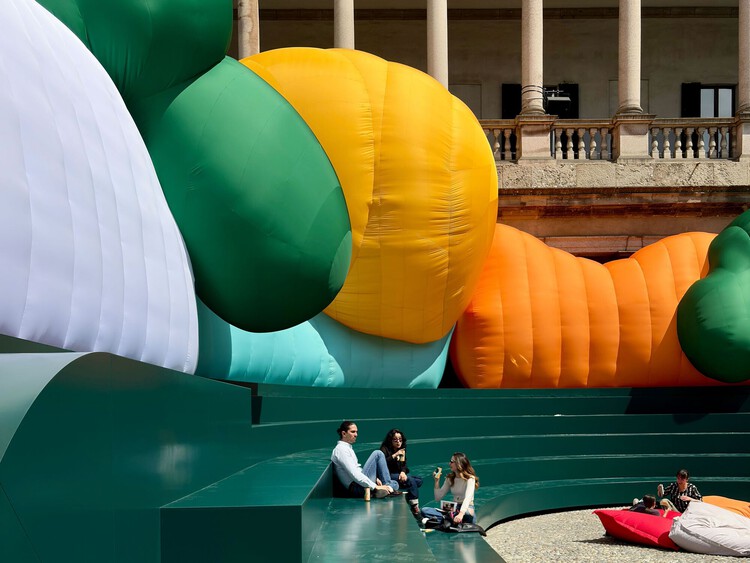
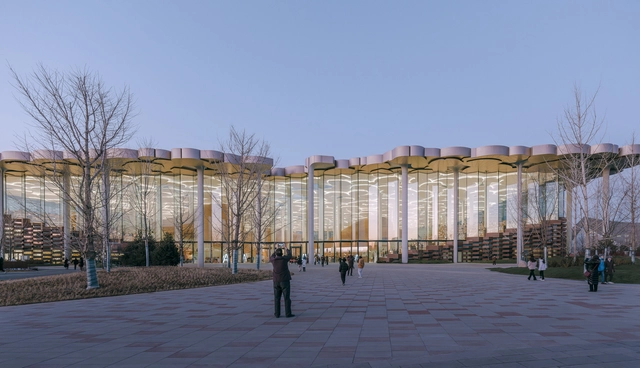
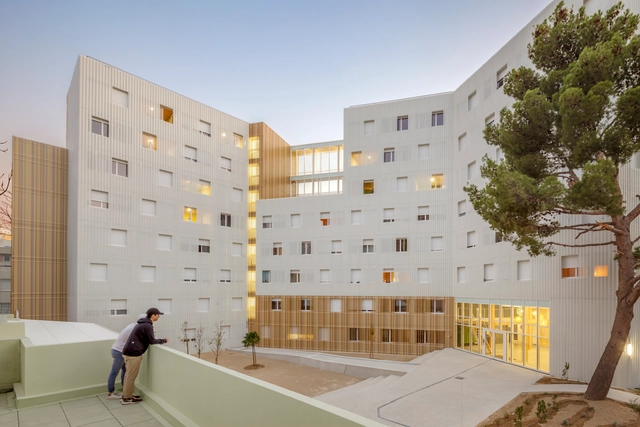
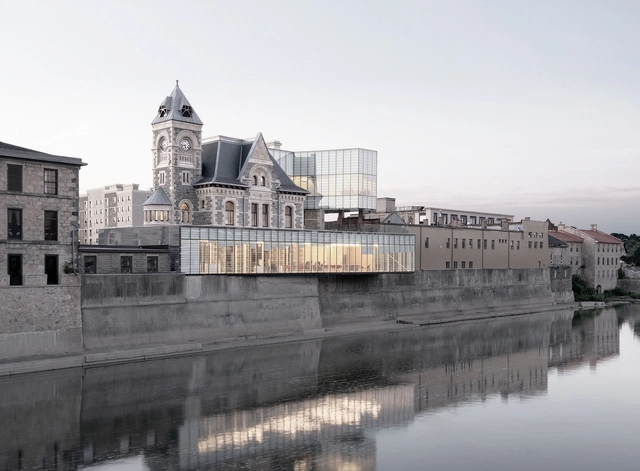
In total, the three-day festival will see over 460 live pitches from the 2025 finalists in front of over 160 international judges. Today has seen shortlisted projects from around the world compete for 22 award categories within Completed Buildings, Future Projects, and Interiors. Award winners include WOW Architects, BIG-Bjarke Ingels Group, Batlleiroig, and Perkins&Will.
https://www.archdaily.com/1035985/world-architecture-festival-2025-day-one-winners-announcedEnrique Tovar
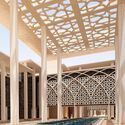
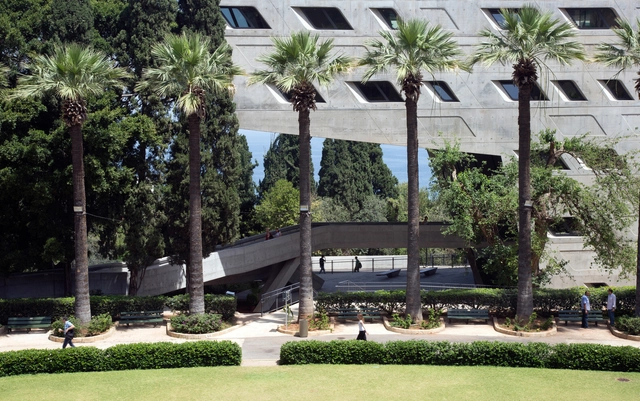
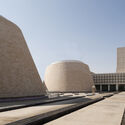
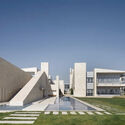
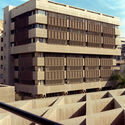
Education has long been a driving force in the Middle East, shaping knowledge, encouraging innovation, and strengthening cultural identity. In recent years, educational architecture in the region has expanded beyond its academic function, evolving into public gathering spaces and cultural hubs. These institutions are designed not only for learning but also for dialogue, research, and collaboration, often integrating open courtyards, multi-use public areas, and architectural elements that reflect local heritage. Whether through their physical openness, adaptability, or connection to the urban environment, these spaces reinforce the idea that universities and research centers are essential to civic life.
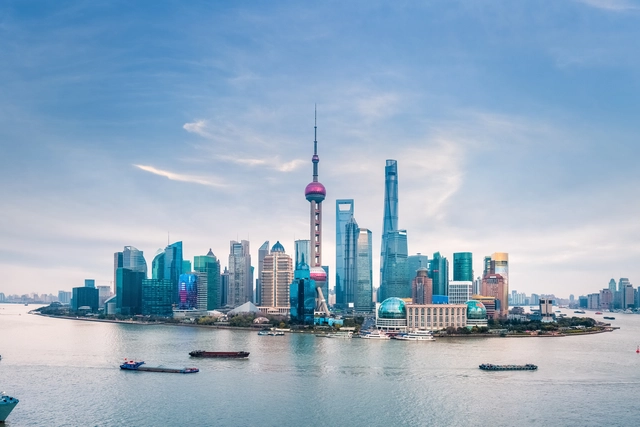
Shanghai, as one of China's most representative global cities, features an architectural vocabulary that seamlessly blends its distinctive "Haipai" (Shanghai style) urban character with an international perspective. The city boasts a rich spatial hierarchy, ranging from the micro-level of alleyways and neighborhoods to the macro-scale of urban planning. From the Suzhou Creek to the Huangpu River, every architectural landmark embodies Shanghai's unique history, culture, and vision for the future.
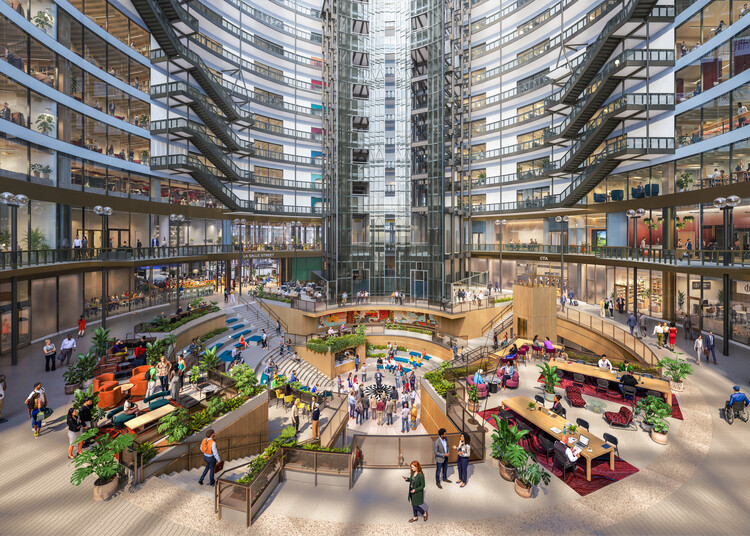
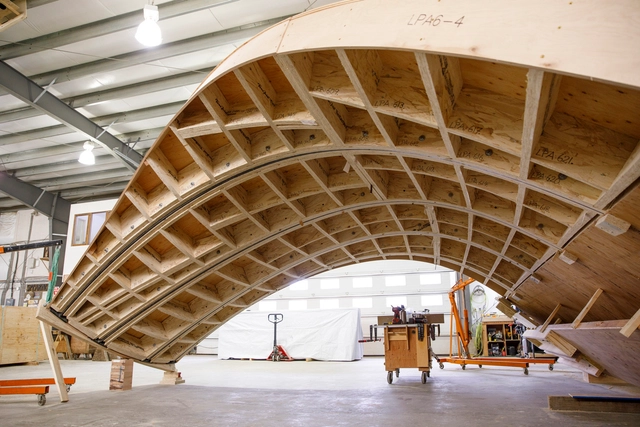
From new delivery methods for adaptive re-use and mass timber structures to digital fabrication, new research aims to provide guidance on emerging construction methods and technologies.. Image Courtesy of Perkins&Will
Innovation comes in many shapes and forms. 2025 is poised to witness continued advancements in the areas of artificial intelligence, sustainability, and biotechnology. These breakthroughs often arise from experimentation in industries like technology and healthcare, where companies have strong research and development teams and significant budgets. This enables them to produce new products and services that address society's evolving needs.
In a world confronting complex challenges, innovation in architecture plays a distinctive role. Unlike industries driven by rapid innovation cycles, architecture must balance creativity with practical solutions that are deeply rooted in human experience. What will it take for the architecture industry to fully harness its potential in shaping the future of our built environment?
Throughout the year, ArchDaily's team of curators works on expanding and populating our project library. Located all around the world, each curator carefully considers the best works emanating from their respective regions in an effort to have a diverse representation of the most inspiring and innovative built works. The team looks to new rising practices, new technologies, and the vernacular revival of traditional construction techniques. Seeking socially driven initiatives, as well as major works by renowned architects, the overall offers a holistic view of the built world today and is relayed through the yearly project review.
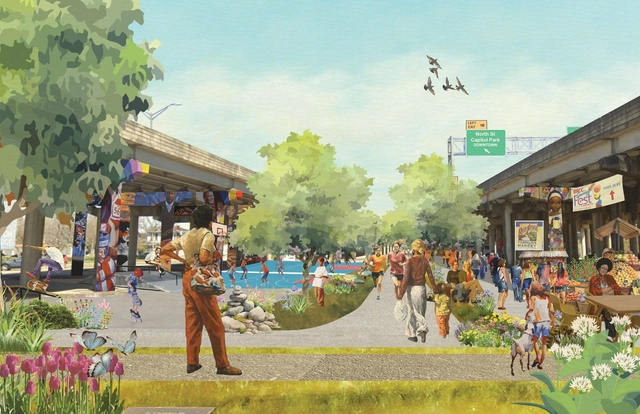
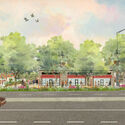
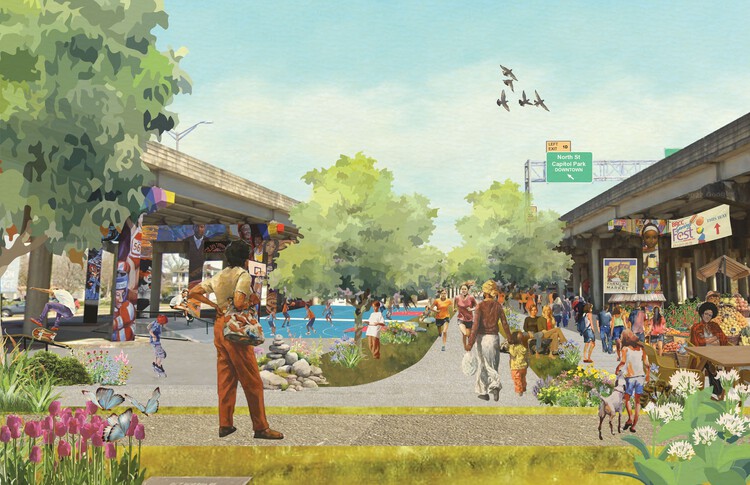
Global design firm Perkins&Will has just announced final plans have been approved for the Florida Corridor Plan in Baton Rouge, Louisiana, on which the firm is the leading planner and urban designer. This initiative, recently approved by the East Baton Rouge Metropolitan Council, aims to transform and rejuvenate a 12-mile stretch connecting downtown Baton Rouge to the Livingston Parish line.
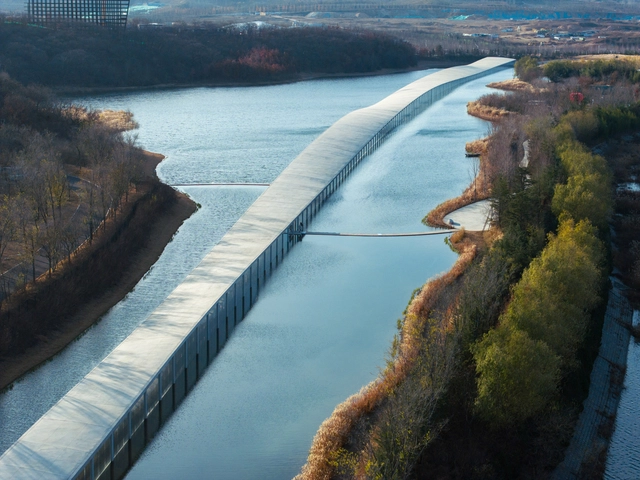
Beijing, as the cultural and political center of China, embodies a rich architectural language that bridges history and modernity, tradition and innovation, showcasing the city's profound depth and diversity. From monumental landmarks like CITIC Tower and Daxing International Airport to the hidden courtyard renovations nestled within the city's historic hutongs; from the dramatic revitalization of the Shougang industrial site to the refined transformations of Baiziwan and Baitasi, Beijing's architectural achievements continue to captivate and inspire. Every space tells a unique story of the city, blending heritage with contemporary vibrancy.
In this city, memories are preserved, and vitality thrives. Let us step into Beijing, rediscovering the "new Beijing" within the "old Beijing" through the lens of its architecture, and experience the depth of time and the pulse of the city in its dynamic spaces.
Student housing has undergone a remarkable transformation over the last century. Once seen as a utilitarian necessity, providing shelter and basic amenities for students, this architectural typology has evolved to address increasingly complex societal, cultural, and urban demands. Starting with Le Corbusier's modernist approach at the Cité Universitaire in Paris, student housing has reflected broader trends in architecture, urbanism, and social change.
Today, these buildings must cater to a highly diverse and transient population, navigating the pressures of affordability, density, and the evolving living standards of young adults. With rapid urbanization and increasing student mobility, universities now face the challenge of designing housing that is not only functional but also adaptable to different cultural and social contexts. This has led to more flexible, innovative solutions that promote both privacy and community living.
In this context, the adoption of 19th-century Gothic Revival styles and Classical Revival styles of the early 20th century became popular. Today, many of those buildings remain as prominent landmarks across the country and have become integral parts of the urban landscapes. This curated collection explores how Canadians are integrating traditional elements with modern materials like glass and steel. These efforts preserve the historical significance of the buildings while adapting them to meet the functional demands of modern life.
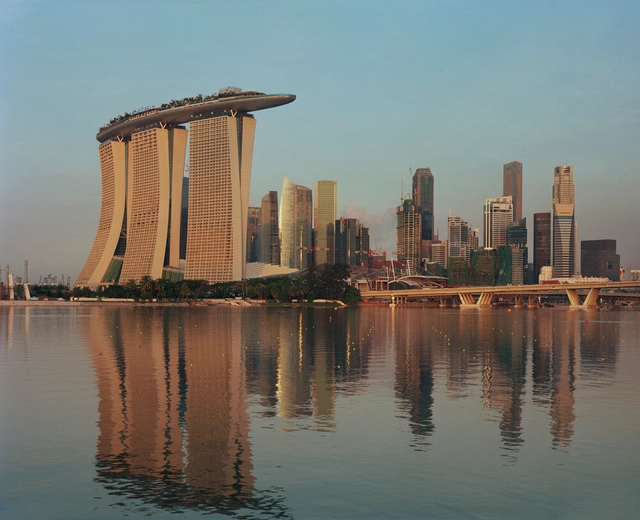
Courtesy of Safdie Architects | Marina Bay Islands
Nestled in the heart of Southeast Asia, Singapore stands as a beacon of sustainable urbanization. According to the 2016 Green City Index, the city-state of Singapore was the greenest city in Asia at one point. Renowned as the "City in a Garden," Singapore has intertwined lush greenery, verdant parks, and new environmental policies into its urban fabric/ After gaining independence in 1965, the city-state stands as a testament to how urban life can integrate with nature.
As 2023 comes to an end, the future of our landscape is filled with visionary imaginations as a result of a year of forward-thinking design competitions. From revitalizing historical gems to designing new buildings, these global contests have pushed innovation further in the architecture industry. In fact, with each new competition, the boundaries of our living were challenged, reimagining what the future may accommodate or encourage.
This past year has been a showcase of architectural innovation, with award competitions surpassing the boundaries of traditional industry. Winning designs feature a deep embodiment of cultural heritage, communal aspirations, and environmental stewardship. In fact, the three categories of competitions that established firms participated in were cultural landmarks, mixed-use towers, and master plans. In each category, the winning design reimagines what these concepts stand for in 2023 and beyond, designing not just new buildings but new ways of living.

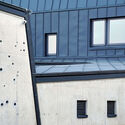
The Holcim Foundation for Sustainable Construction has revealed the winning projects for the Holcim Awards 2023 competition, as well as the silver, bronze, and acknowledgement prizes, at a ceremony on November 18 in Venice, Italy. Evaluated by a jury comprising five independent expert panels from around the world, these projects were chosen to highlight contextual and practical approaches to sustainable construction, showcasing diversity across scales, budgets, geographies, and forms. On another hand, Francis Kéré winner of the Global Holcim Gold in 2012 and Laureate of the Pritzker Architecture Prize in 2022 took the stage at the event to talk about the influence of the Holcim Award on his career.
DnA_Design and Architecture Studio took home the golden prize for Asia-Pacific for an adaptive reuse project of a heritage building, while Husos, Elii, and Ultrazul won for Europe with a360° co-design process for the rehabilitation of an industrial building. For the Latin American territory, Cano Vera Arquitectura was selected for an urban forest and social infrastructure precinct, and for the MEA region, Juergen Strohmayer and Glenn DeRoché were praised for a youth empowerment and responsible tourism cooperative. Finally, Partisans Architects and Well-Grounded Real Estate won the first prize for North America with ahigh-tech and low-cost modular housing solution for urban living.
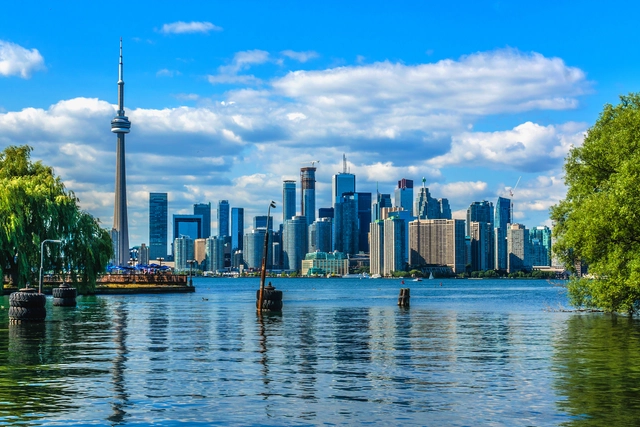
Whether rain or shine, Toronto is a yearlong bustling city, the largest in Canada and the fourth largest in North America. It’s become a cosmopolitan center with its renowned business district and cultural venues/ events that come alive during the summer and early fall nights. Toronto suggests a beautifully diverse urban setting between shimmering high rises and smaller brick houses, intertwining residential and vibrant commercial areas, public parks, and even beaches. All become part of the city's striking skyline, crowned by the iconic CN tower.
Toronto’s ongoing sprawl and constant urban development are noticeable as new projects spread through the city, weaving themselves into the existing buildings, from 19th-century landmarks such as the Gooderham Building to modern and contemporary major works like the Aga Khan Museum. These new constructions include increasing adaptive reuse and retrofitted projects throughout the city as more efforts and incentives are provided to reduce carbon emissions.
The Smithsonian Institution selected Perkins&Will to design the Bezos Learning Center at the National Air and Space Museum in located on the prominent National Mall in Washington D.C. Perkins&Will was one of the five shortlisted finalists for the competition. According to the Smithsonian, the selection was based on the architects’ ample experience in designing cultural and educational spaces, the reliability of their management team and the team’s aesthetic approach.
Perkins&Will has been selected as one of the five finalists in the nationwide artistic ideas competition for the design of the new National Museum of the U.S. Navy. The other finalists are DLR Group, Frank Gehry Partners, Quinn Evans, and BIG. Organised by the Naval Heritage History and Command’s (NHHC), the competition’s aim is to create a modern museum for Naval veterans and the public, a new building and ceremonial courtyard to reflect the Navy’s values and legacy. The campus would consist of approximately 270,000 square feet, with 100,000 square feet of gallery space. The Navy’s preferred location for the museum is on a site adjacent to the Washington Navy Yard.
Bjarke Ingels Group (BIG) was selected as one of the finalists in the Naval Heritage History and Command’s (NHHC) competition for the design of the new National Museum of the U.S. Navy. The competition’s aim is to create a publicly accessible modern museum for Naval veterans and the public, a memorial to the U.S. Navy’s heritage, and a center for education and cultural events. The other finalists are DLR Group, Frank Gehry Partners, Quinn Evans, and Perkins&Will.
The year 2022 was marked by several socio-cultural and economic crises across the globe, from the Russian invasion of Ukraine to the increasing cost of living worldwide, combined with a number of natural disasters such as the devastating floods in Pakistan and hurricane Ian in the US. In these difficult times, architects are stepping up and embracing their role in developing design-based solutions to humanitarian crises, ranging from temporary shelters and affordable housing schemes to centers for protecting at-risk groups such as homeless underage girls, children from low-income environments, or families in need of medical care.
This week's curated selection of Best Unbuilt Architecture highlights projects submitted by the ArchDaily community that engage with their local communities, offering safe spaces for disadvantaged and at-risk groups. From a sanctuary for homeless girls in Iraq to an affordable housing project in Prague’s first skyscraper, this selection features projects centered around people, their needs, and desires. Many of the projects employ local materials such as clay bricks to lower the construction costs. They also reuse existing buildings and hope to engage the local community in building and appropriating the proposed spaces.
Walking through the streets of Mumbai, India, is an experience unmatched anywhere else. The energy of India’s largest and most populous city is palpable through the people, their activities, and most importantly, the built environment. The city’s dynamic culture is evidently expressed through the structures that dot its landscape.
Mumbai is an eclectic mix of buildings large and small, old and new, and traditional and modern. The city of contrasts boasts an architectural legacy that goes back over 2000 years. Located in the state of Maharashtra along the west coast of India, Mumbai hosts a variety of architectural styles such as Victorian, Gothic, Art Deco, Indo-Saracenic, Modern and Post-modern. The city is characterized by its old charm and liveliness, a diverse stage for people to pursue their dreams.