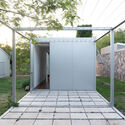
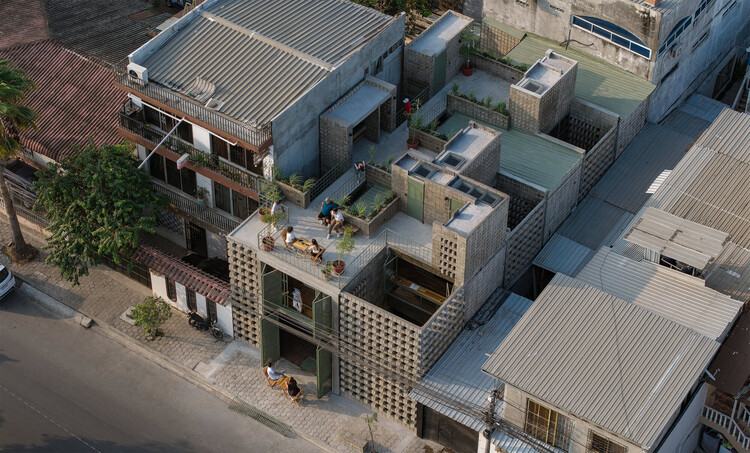
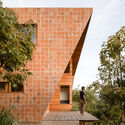
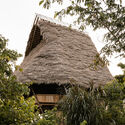
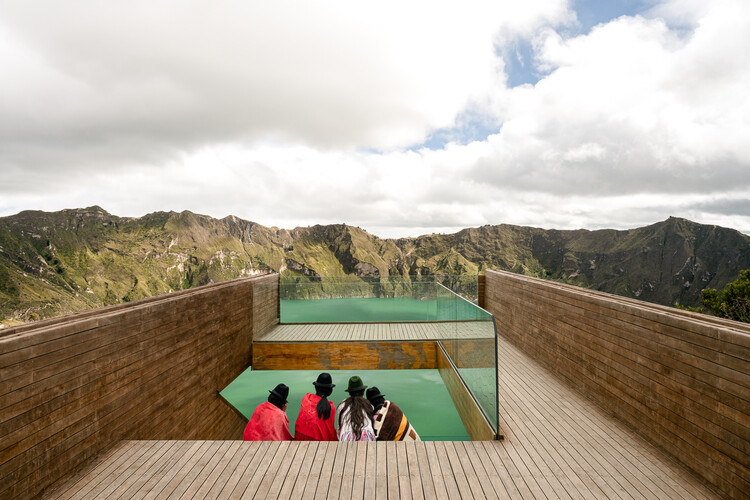
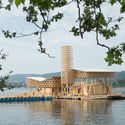
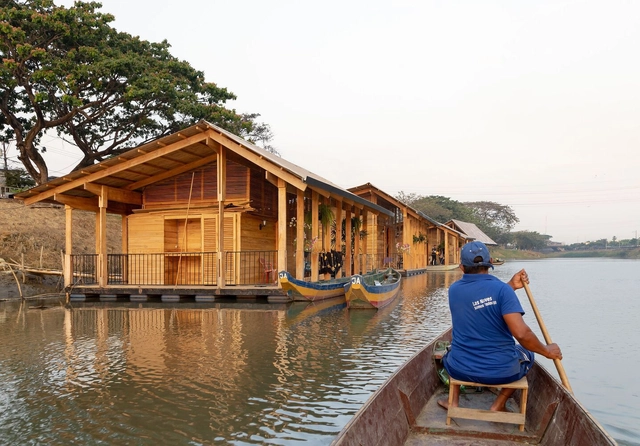
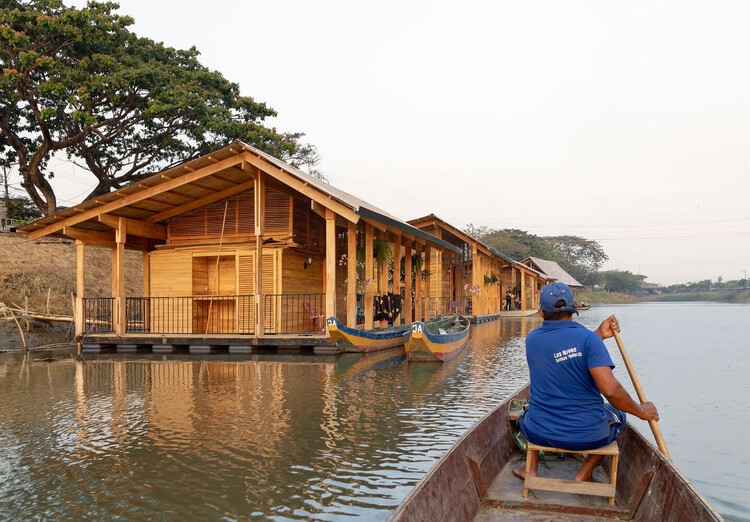
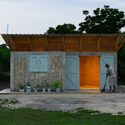
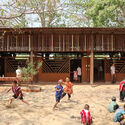
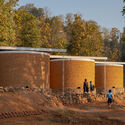
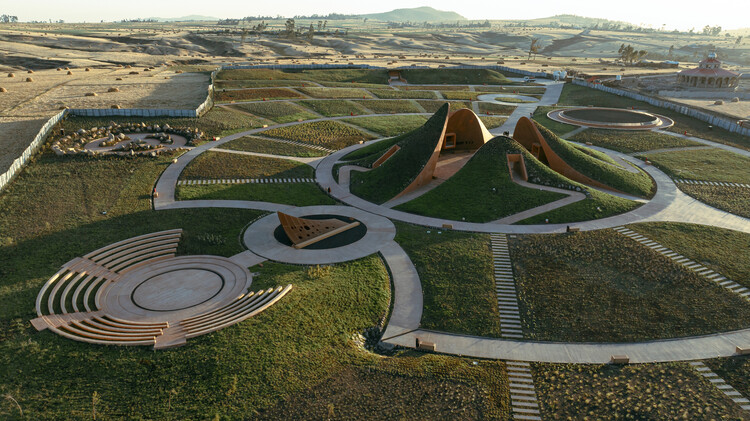
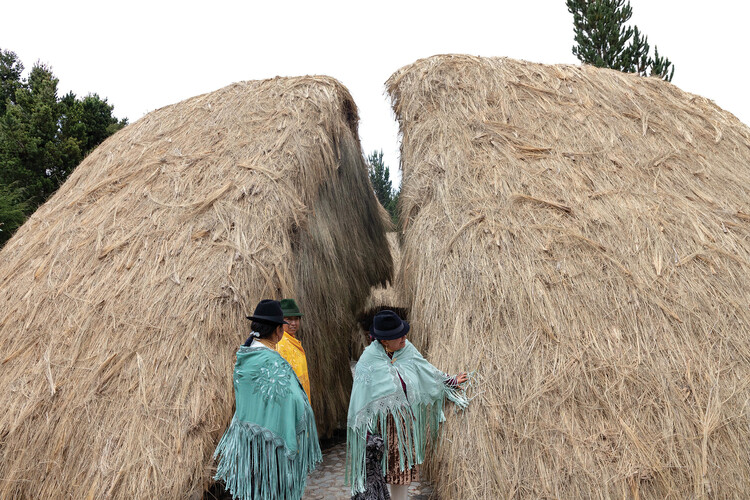
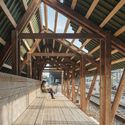
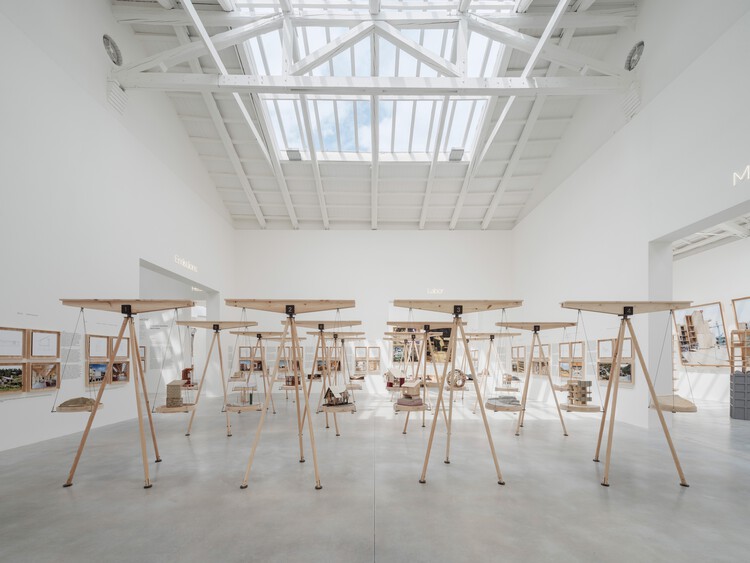
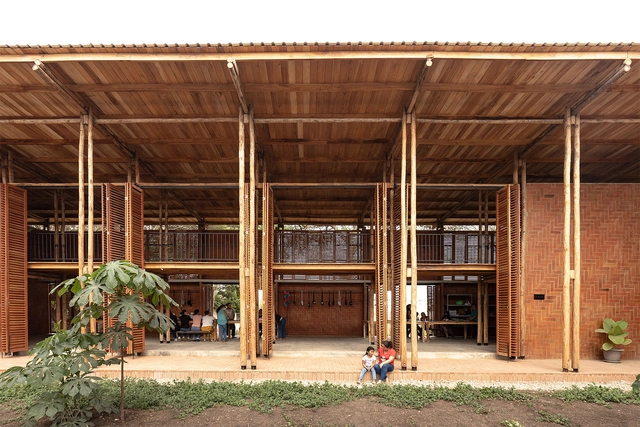
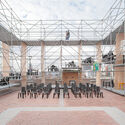
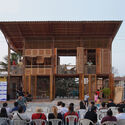
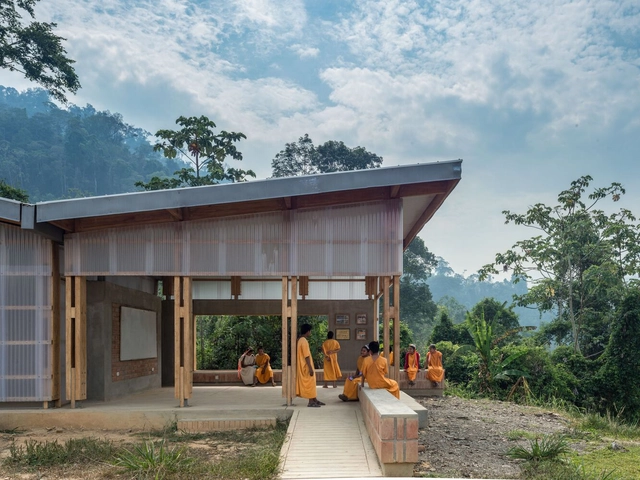
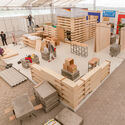
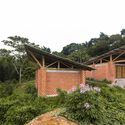
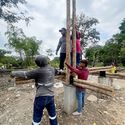
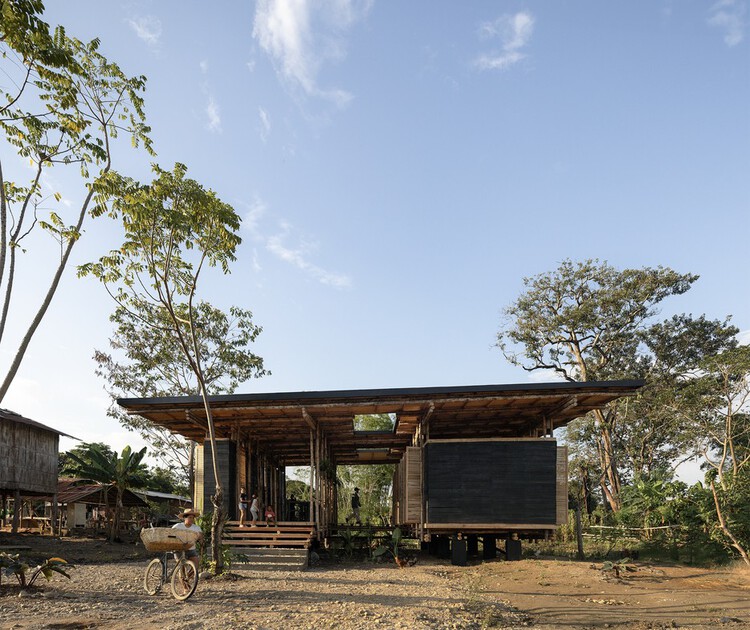
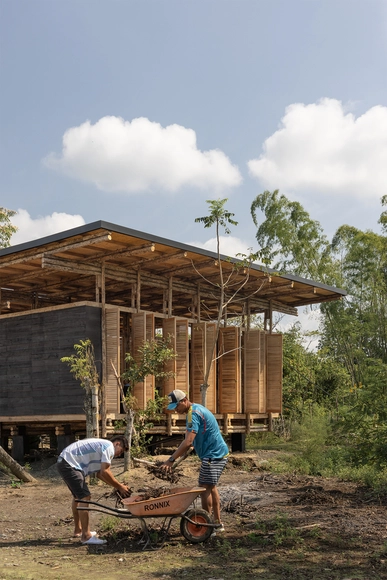
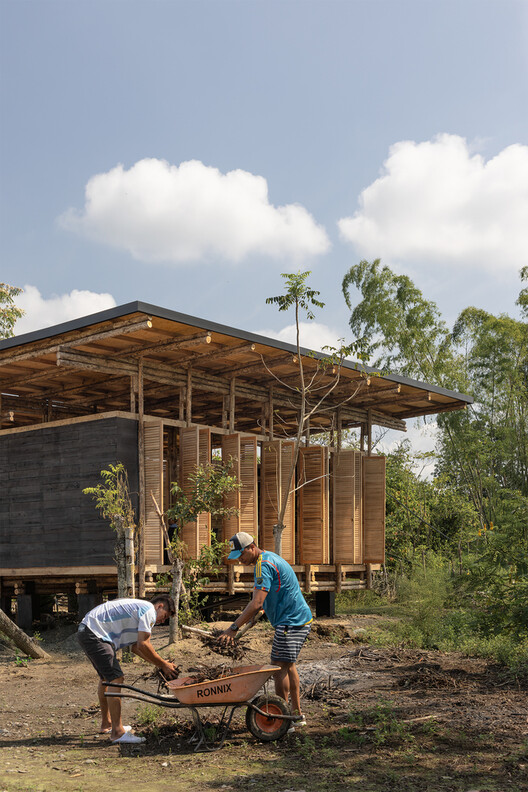
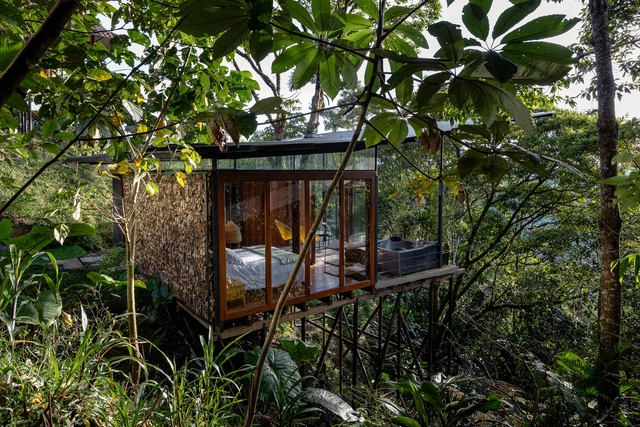
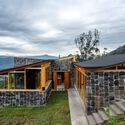
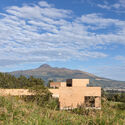
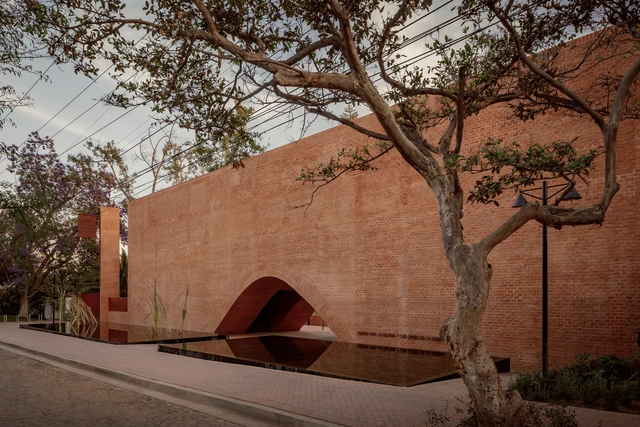
Between the Andes, the coast, and the Amazon, Ecuador's architecture has evolved as a reflection of its layered geography, a place where climate, topography, and culture unite. Throughout the territory, architecture has been an act of adaptation: from vernacular traditions rooted in collective labor and local materials to the colonial and modernist influences that reshaped its cities. This diversity has produced distinct constructive systems, from bamboo and cane structures along the coast to earth and stone constructions in the Andes, forming an archive of adaptive design that continues to influence contemporary practice.
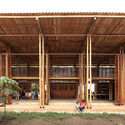
Yet in the past decade, Ecuadorian architecture has undergone a quiet but deep transformation. New academic programs and international references have encouraged a growing awareness of climate and social justice. Emerging architects are redefining practice through workshops, collective studios, and on-site experimentation that blurs the line between design and activism. No longer focused on architecture as an object, a new generation of architects is approaching design as a process. One focused on collaboration, sustainability, and cultural identity. Their questions have shifted the design language from what to build to with whom.
Across South America, architecture is increasingly being understood as a collective act. Rather than imposing external views, many studios and designers are building with and for communities, learning from their local practices, materials, and ways of inhabiting. These projects are repositioning the architect's role from an author to a facilitator, transforming design into a participatory process that centers collaboration, care, and mutual respect.
What unites these efforts is not style or scale, but a shared belief: architecture emerges from collective dialogue, not imposition. From rural Ecuador to the urban peripheries of Brazil, Colombia, and Paraguay, these projects reveal how social engagement and local making produce spaces that are sustainable not only environmentally but also socially. They respond to inequality not through top-down solutions, but through co-authorship, offering spaces that reflect the needs, knowledge, and agency of the people who use them.
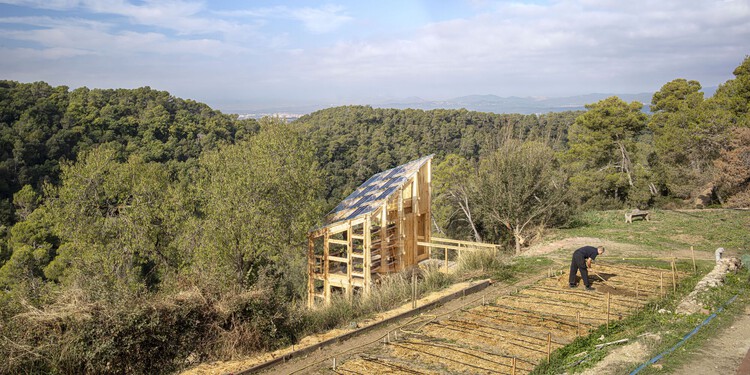
The countryside—long underestimated—is now emerging as fertile ground for possibility. More than a “marginalized space,” rural Latin America today asserts itself as a true laboratory for architectural, social, and ecological experimentation. From agroecological communities to low-impact technologies, from relationships between humans, machines, and other living beings to locally grounded solutions for global challenges—such as the climate crisis, food security, and migration—the rural world is actively and inventively reshaping its own future.
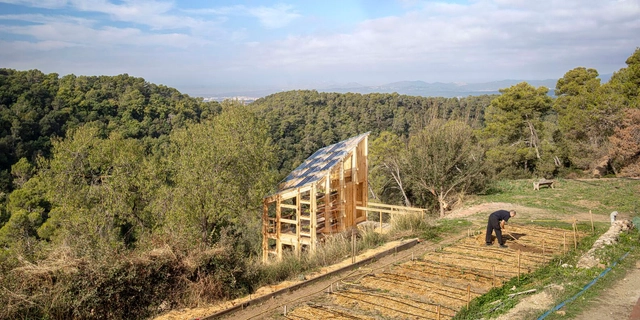
Facing an interconnected planetary climate crisis, biodiversity loss, and resource depletion, regenerative design emerges as a pathway toward building resilient and ecologically attuned rural futures. At the intersection of architecture, agriculture, and local ecosystems, new models of resilient, self-sufficient agricultural practices are emerging. These projects are not grand industrial systems but small-scale, precise, and deeply contextual architectural interventions that create spaces that foster sustainable cultivation while respecting environmental rhythms, local materials, and community knowledge.
Rural areas have long played a foundational role in the social and economic development of nations. Until the 18th century, they were the primary sites of production and social organization. However, the Industrial Revolution brought profound structural shifts that reshaped this landscape. Industry took center stage, anchoring itself in urban environments and establishing a hierarchical, binary view of rural versus urban, agriculture versus industry. Within this new paradigm, two opposing narratives gained prominence: one predicted the decline of rural life in the face of urbanization and economic progress; the other envisioned its persistence and eventual renewal. Today, it is clear which of these predictions has come to pass.
At the Bruder Klaus Field Chapel, designed by Peter Zumthor, the construction process involved the direct participation of residents from the small Swiss village of Mechernich. Using an internal formwork made of vertically placed wooden logs, concrete was prepared in small batches and poured manually, day after day, forming layers marked by subtle variations in the mix and application. At the end of the process, the wooden structure was reduced to ashes, leaving the chapel's interior impregnated with traces of fire and revealing a dark, tactile surface. The result was a quiet and deeply meaningful space, where collective action, time, and material transformation became part of the architecture. Centered on locally available resources and manual techniques, this construction method highlights how the choice of materials and building system can shape the experience of a space, reveal the time invested, and embed the culture of a place into the very matter of architecture. In doing so, it offers an example of how construction itself can become a regenerative act, restoring meaning, connecting communities, and honoring material cycles.
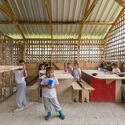
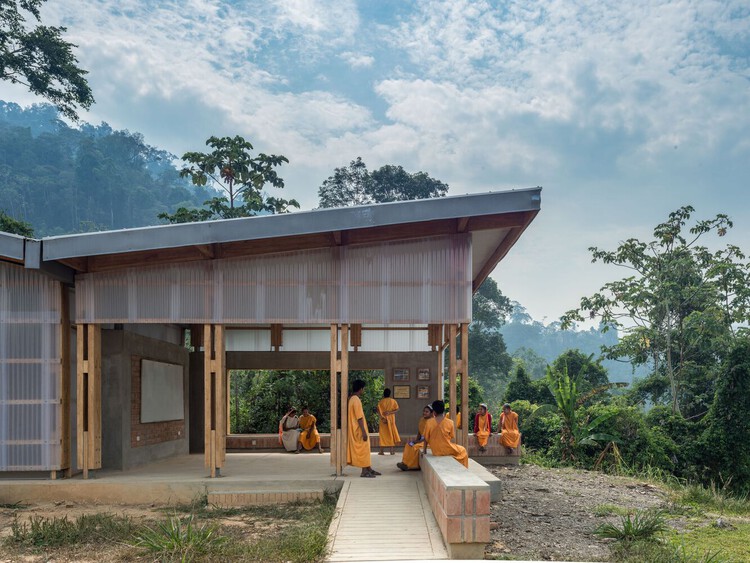
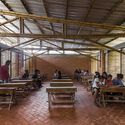
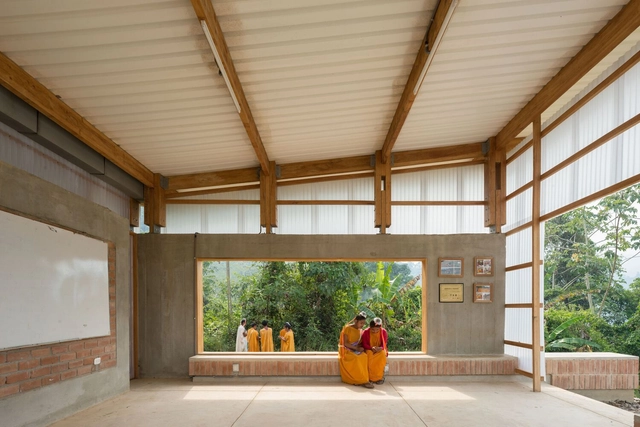
Educational infrastructure is key to any community. The better the quality of these spaces, the better the learning experience for those who use them. However, these facilities often serve a much broader purpose than just education. In Global South communities, in countries like Peru or Vietnam, where a significant portion of the population lives in rural areas far from urban centers, there are few educational spaces and a lack of places where the entire community—not just the students—can come together.
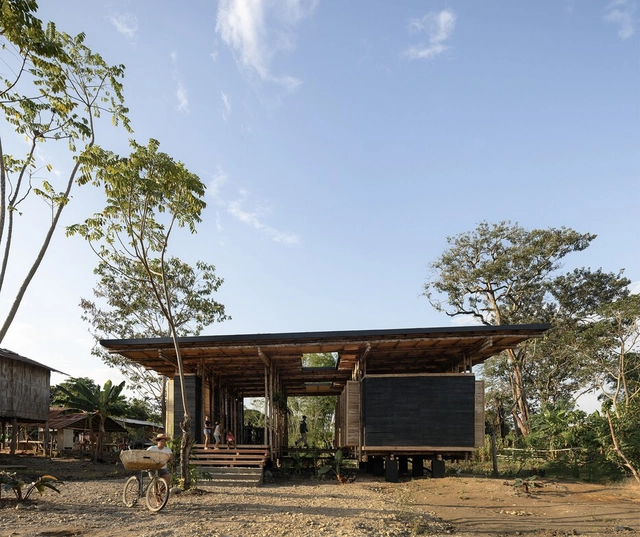
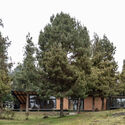
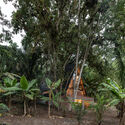
Ecuador, though a relatively small country in terms of land area, boasts a vast and diverse range of ecosystems and natural landscapes, including the Andes mountains, the Pacific coastline, and the Amazon rainforest. This makes the natural environment a key player, shaping its relationship with the built environment and demanding that architecture seamlessly integrate with and respect its context.
Over the years, Ecuadorian architecture has developed its own identity, successfully adapting to these diverse settings. Various construction techniques have been implemented, relying on locally sourced materials to create spaces and shelters in complete harmony with the landscape. Amid the growing trend of seeking a closer connection with nature, architecture in different regions of Ecuador has had to adjust to these conditions.
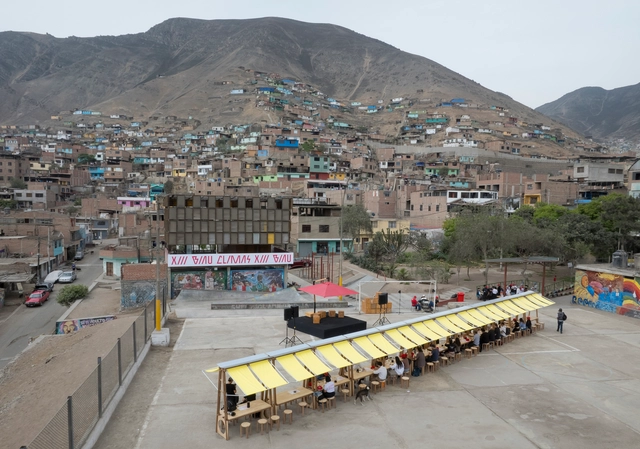
Local Comunal San Martín de Orúe, en La Balanza, Comas. Image Cortesía de BIAU
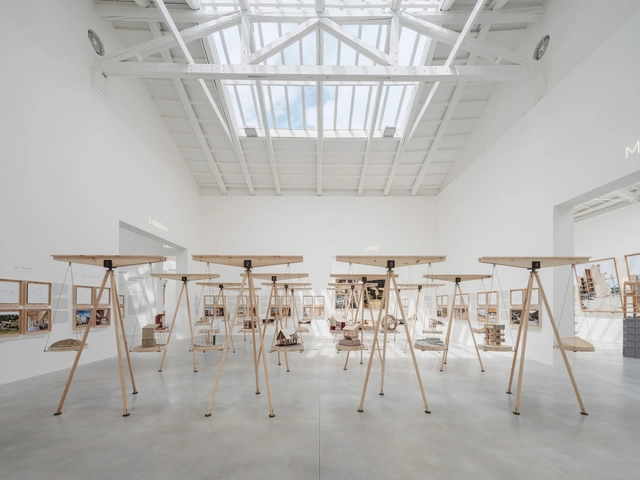
Amid the dynamism and speed that characterize our life in the contemporary world, especially concerning our cities and built environments, it is inevitable to recognize the importance of preserving spaces for pause and reflection, essential for addressing and discussing the key issues of architecture and urbanism that our society urgently needs today. The latest edition of the 13th Ibero-American Biennial of Architecture and Urbanism, held from December 2 to 6 in Lima, Peru, provided a unique gathering for such reflections and dialogues. Under the theme 'CLIMATES: Actions for the Good Living,' the event brought together architects and key figures from the field, who, during a week of roundtable discussions and conferences, focused on the challenges of global contemporary habitation, especially those shared between Spain and Latin America, thus serving as a bridge of knowledge between both contexts.
Ammodo Architecture has just revealed the first 23 recipients of its inaugural Ammodo Architecture Awards, an annual recognition dedicated to advancing socially and ecologically conscious architecture worldwide. The awardees, chosen for their exemplary contributions, will receive financial support ranging from €10,000 to €150,000 to further their work and projects across three categories: Social Architecture, Social Engagement, and Local Scale.
The Mies Crown Hall Americas Prize (MCHAP) has announced the winner of the fifth MCHAP.emerge award: the Community Production Center Las Tejedoras in Guayas, Ecuador, designed by Natura Futura architect José Fernando Gómez and architect Juan Carlos Bamba. The project offers a hub for local women artisans, providing them with spaces to learn, create, and showcase their textile creations. The winner announcement was made at the Conference on Critical Practice held at Mies van der Rohe's S. R. Crown Hall, an inaugural event that brought together the four MCHAP.emerge finalists to open up conversations about the future of the architecture profession across the Americas.
The Mies Crown Hall American Prize (MCHAP), has just announced the four finalists for the 2024 prize. In the latest stage of its fifth cycle, this prize for emerging practices has been selected from a pool of over fifty nominated works designed by architects in the first decade of their training. The award recognizes the best-built works of architecture in the Americas completed between 2020 and 2023.
While not entirely dependent on one another, the relationship between architecture and mental well-being is an important topic, as designers and architects can contribute to creating a more enjoyable environment for everyone. From strategies to enhance mental health in shared workspaces to the ways in which architecture can contribute to preventing cognitive decline, understanding the potential impact of environmental neurosciences and the ways they apply to architecture is an essential skill for our profession.
The ArchDaily projects library is managed by our curators who constantly seek to populate our stream with the most interesting global works, showcasing evolving focuses and criteria. While we usually share our reader’s top 100 favorites, this year, we also decided to initiate our editor’s picks on the ArchDaily Instagram account, where our curators highlight some projects that include interesting themes and unique traits.