1. ArchDaily
  2. Mexico City

Mexico City: The Latest Architecture and News

Concursos AG360: Sports PARK 2026

About Competition
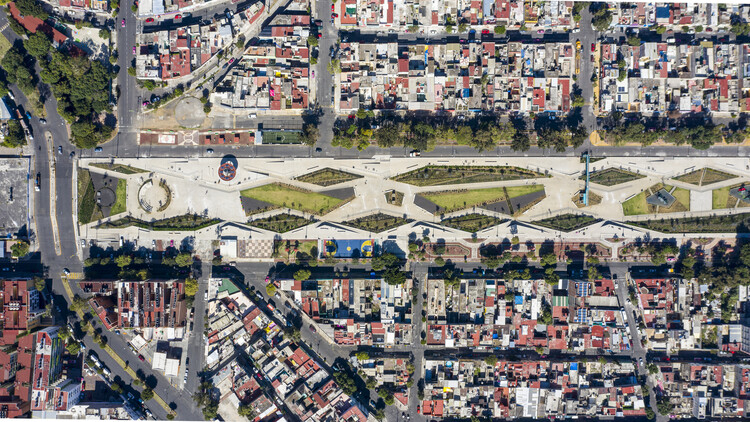
A Sports Park will be designed as a sustainable space with courts, pedestrian walkways, and spaces suitable for holding outdoor festivals and concerts. Its prime location could serve as a fan fest for World Cups.

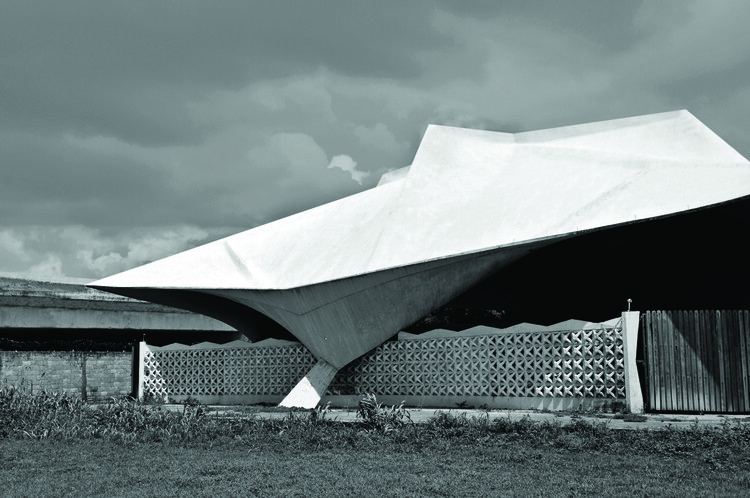
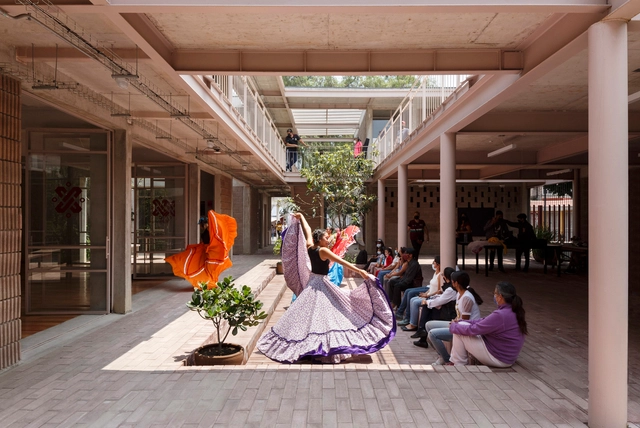
The Market Plaza as Civic Core: 5 Projects that Explore Contemporary Approaches to Market Design in Mexico

Subscriber Access | 

Contemporary Mexican market architecture frequently draws inspiration from its pre-Hispanic precedents. The Tlatelolco Market in ancient Tenochtitlan, for example, featured a large, stone-paved open square with designated "streets", which were divided into sections for specific goods, serving as a significant gathering point for social and economic exchange. Similarly, the tradition of the Tianguis, an ephemeral market typology within the broader Mesoamerican tradition, also arranged stalls in aisles within a public plaza, reflecting organizational principles seen in Tlatelolco. These historical models established a base for the tradition of marketplaces in Mexico and the countries in Central America, where they merge public space and structured layouts for commerce. Today, even though many of Mexico's commercial spaces, notably Mexico City's Central de Abasto and other markets such as the Jamaica, Merced, and San Juan Markets, have taken on a stationary approach to serving their communities, tianguis maintain their foothold in Mexican society.

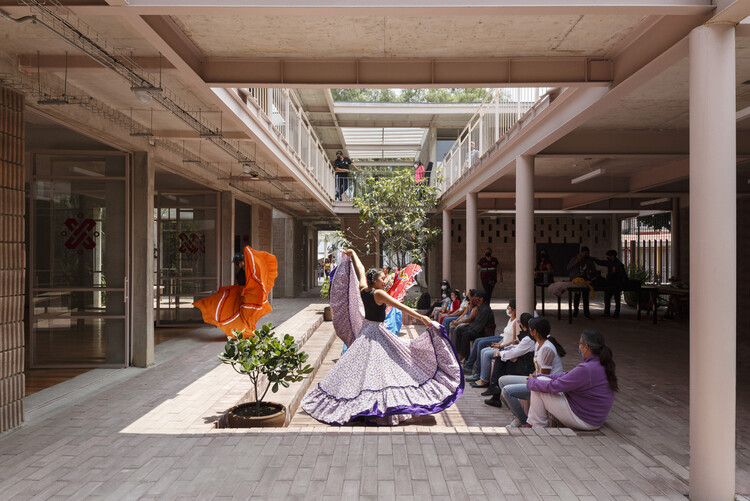
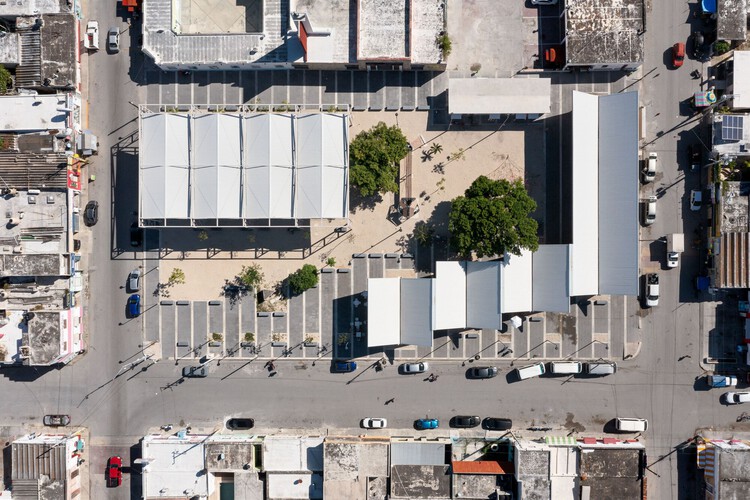
The Market Plaza as Civic Core: 5 Projects that Explore Contemporary Approaches to Market Design in Mexico - Imagen 1 de 4The Market Plaza as Civic Core: 5 Projects that Explore Contemporary Approaches to Market Design in Mexico - Imagen 2 de 4The Market Plaza as Civic Core: 5 Projects that Explore Contemporary Approaches to Market Design in Mexico - Imagen 3 de 4The Market Plaza as Civic Core: 5 Projects that Explore Contemporary Approaches to Market Design in Mexico - Imagen 4 de 4The Market Plaza as Civic Core: 5 Projects that Explore Contemporary Approaches to Market Design in Mexico - More Images+ 7

The World's Largest Cities in 2025 by Population

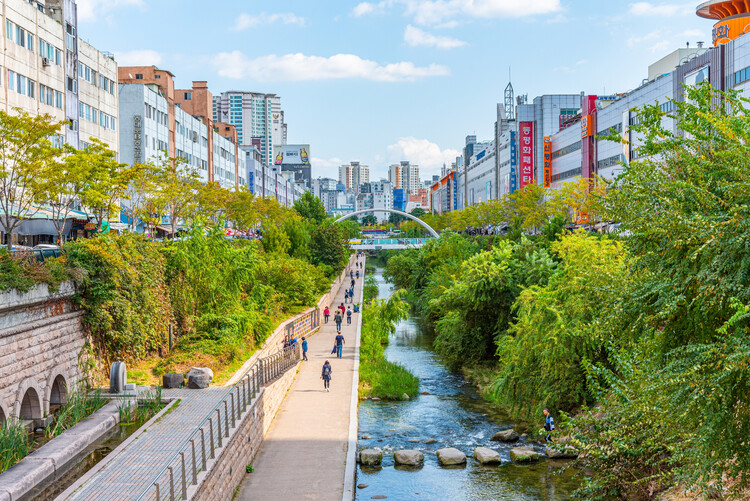
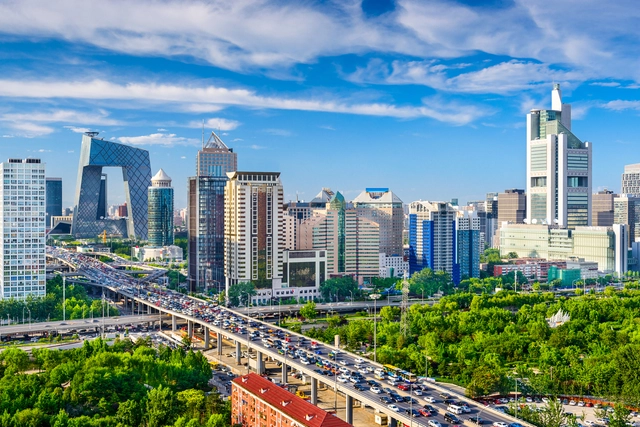
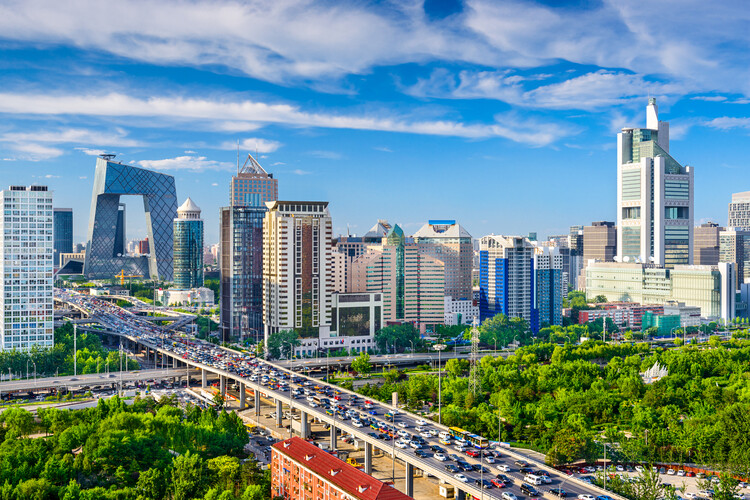
Every year, World Population Day is observed on July 11th, aiming to increase people's awareness of various population issues, such as the importance of urbanization, gender equality, poverty, health, and human rights. In 2025, under the theme "Empowering Youth to Build the Families They Want," the United Nations draws attention to the largest generation of young people in history, many of whom are coming of age in rapidly urbanizing contexts. Urban centers remain key to understanding these demographic patterns, as cities continue to attract populations seeking opportunity, stability, and access to essential services. Today, more than half of the global population resides in urban areas, a share projected to increase to 66% by 2050.

The World's Largest Cities in 2025 by Population - Image 1 of 4The World's Largest Cities in 2025 by Population - Image 2 of 4The World's Largest Cities in 2025 by Population - Image 3 of 4The World's Largest Cities in 2025 by Population - Image 4 of 4The World's Largest Cities in 2025 by Population - More Images+ 16

The 2025 Architectural League Prize for Young Architects + Designers Announces the Winners

The Architectural League of New York has announced the winners of its 44th cycle of the Architectural League Prize for Young Architects + Designers. Each year, the competition centers around a theme developed by a committee of past winners. This year's theme, Plot, invited participants to explore the role of plot in architecture, whether understood as land, drawing, or scheme, and consider how these frameworks shape design narratives and processes. Established in 1981, the annual competition recognizes early-career architects and designers in North America.

This year's programming follows a hybrid model. A virtual lecture series will launch on June 11 and feature presentations by the winners alongside moderated discussions. Installations by the winners will be presented either onsite or in digital formats and showcased in an online exhibition.

The 2025 Architectural League Prize for Young Architects + Designers Announces the Winners - Image 1 of 4The 2025 Architectural League Prize for Young Architects + Designers Announces the Winners - Image 2 of 4The 2025 Architectural League Prize for Young Architects + Designers Announces the Winners - Image 3 of 4The 2025 Architectural League Prize for Young Architects + Designers Announces the Winners - Image 4 of 4The 2025 Architectural League Prize for Young Architects + Designers Announces the Winners - More Images+ 7

NINYAS Restaurant / Ignacio Urquiza + apda Ana Paula de Alba

NINYAS Restaurant / Ignacio Urquiza + apda Ana Paula de Alba - Interior Photography, Restaurant, KitchenNINYAS Restaurant / Ignacio Urquiza + apda Ana Paula de Alba - Interior Photography, Restaurant, ChairNINYAS Restaurant / Ignacio Urquiza + apda Ana Paula de Alba - Interior Photography, Restaurant, ChairNINYAS Restaurant / Ignacio Urquiza + apda Ana Paula de Alba - Interior Photography, Restaurant, ChairNINYAS Restaurant / Ignacio Urquiza + apda Ana Paula de Alba - More Images+ 16

Cidade do México, Mexico

The Standardized Planning of Latin American Cities: Tracing the Blueprint of the Laws of the Indies

A look at most of the cities within Latin America reveals striking commonalities across countries, from Mexico down to Argentina: most cities have a well-defined area known as "El Centro" (The Center), anchored by a main plaza (Plaza Mayor), flanked by a church on one side and key buildings like the city hall on another. This is no coincidence, as it can be traced back to an urban planning system established during the Spanish colonization of the Americas in the 17th and 18th centuries. It gave standardized guidelines for city design across its viceroyalties. Unlike French and English colonies, Spanish settlements adhered to regulations that contributed to the emergence of a shared urban identity, with cities displaying similar spatial logic and architectural cohesion despite differing scales and contexts.

The Standardized Planning of Latin American Cities: Tracing the Blueprint of the Laws of the Indies - Imagen 1 de 4The Standardized Planning of Latin American Cities: Tracing the Blueprint of the Laws of the Indies - Imagen 2 de 4The Standardized Planning of Latin American Cities: Tracing the Blueprint of the Laws of the Indies - Imagen 3 de 4The Standardized Planning of Latin American Cities: Tracing the Blueprint of the Laws of the Indies - Imagen 4 de 4The Standardized Planning of Latin American Cities: Tracing the Blueprint of the Laws of the Indies - More Images+ 9

Unexpected Reflections / Miguel de la Torre mta+v

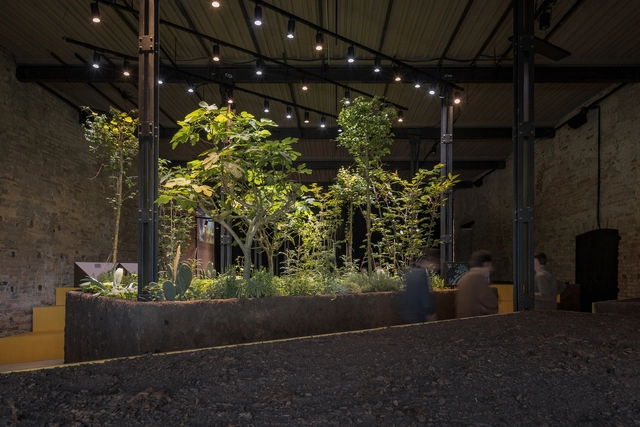
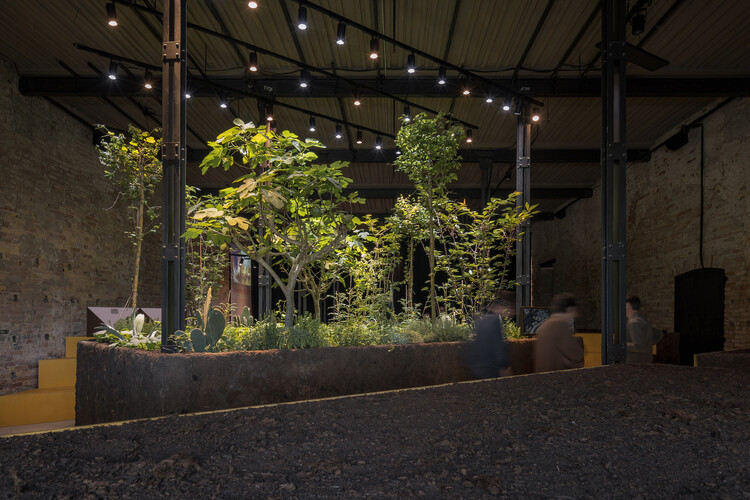
Unexpected Reflections / Miguel de la Torre mta+v - Exterior Photography, PavilionUnexpected Reflections / Miguel de la Torre mta+v - PavilionUnexpected Reflections / Miguel de la Torre mta+v - PavilionUnexpected Reflections / Miguel de la Torre mta+v - PavilionUnexpected Reflections / Miguel de la Torre mta+v - More Images+ 12

Mexico City, Mexico
  • Area Area of this architecture project Area:  100
  • Year Completion year of this architecture project Year:  2024
  • Manufacturers Brands with products used in this architecture project
    Manufacturers:  Caocao, Comex, Devas Paisaje
  • Professionals: mta+v