Urban renewal is inherently fraught—financially complex, politically exposed, stakeholder-dense, and almost guaranteed to leave someone dissatisfied. Precisely for these reasons, many cities default to inertia rather than risk the upheaval that comes with reworking entrenched urban fabrics, their residences, and their dynamics; once the "sleeping bear" is prodded, unexpected complications tend to multiply.
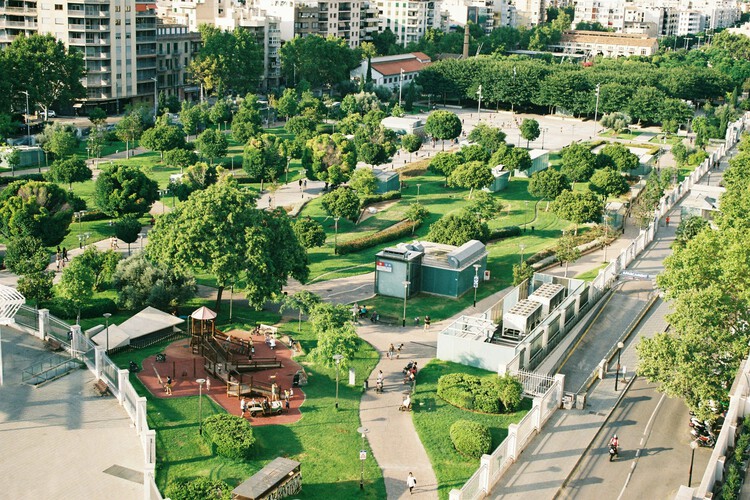
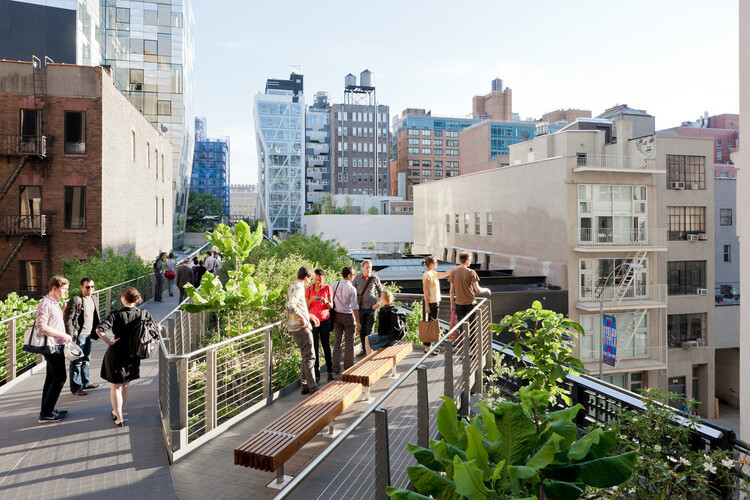
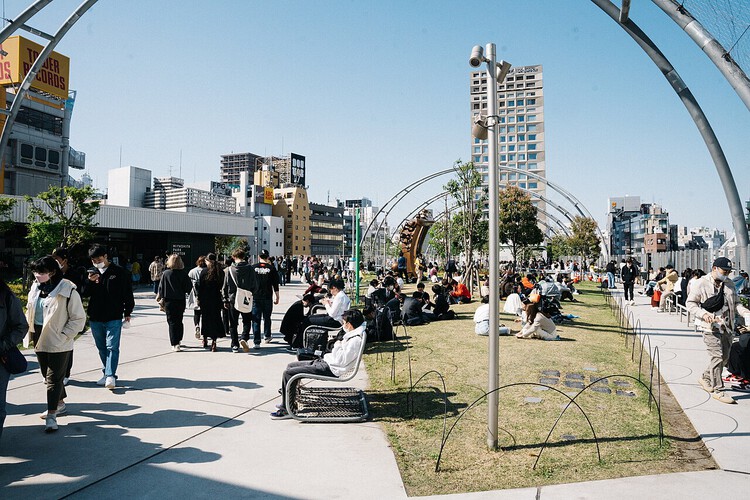
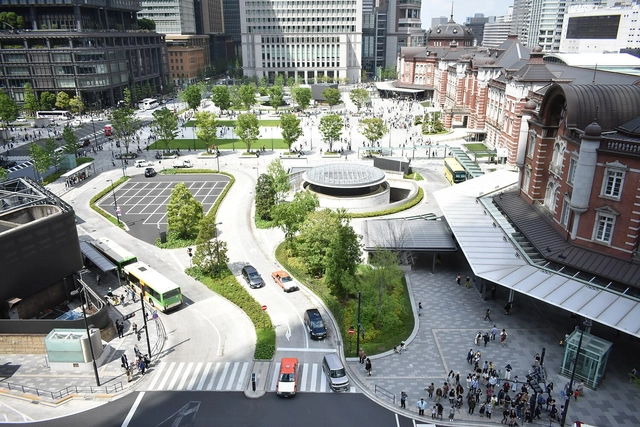
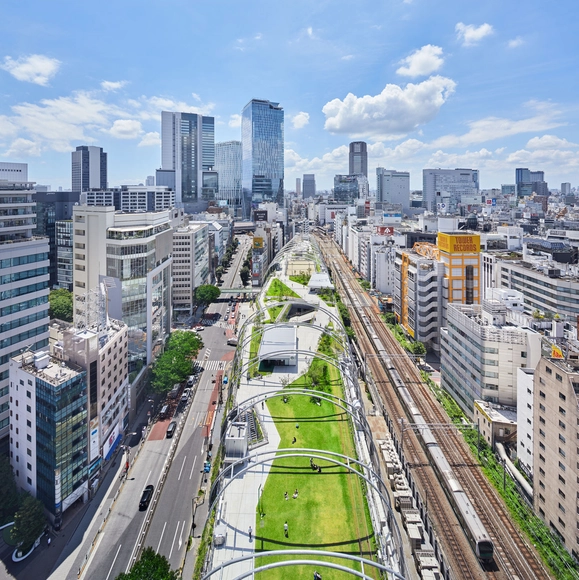
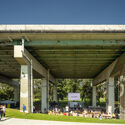
Miyashita Park (Miyashita Kōen), located in Shibuya, Tokyo, crystallizes this dilemma. Its current form—a layered, mixed-use complex balancing commercial activity with a publicly accessible park—emerged from years of negotiation, critique, and recalibration. The result is a distinctive example of a public-private partnership that seeks to align urban amenity, everyday leisure, and economic viability, producing a new piece of city that hosts public life while underwriting its own upkeep.
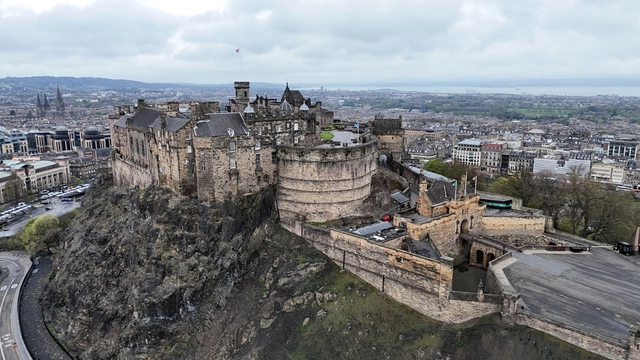
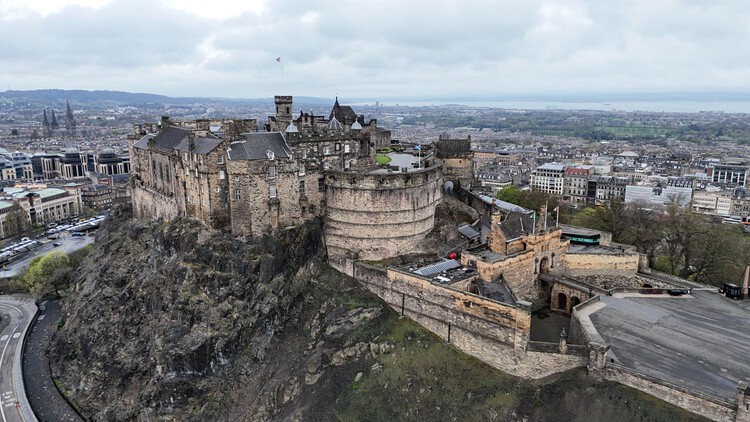
Edinburgh Castle in Scotland’s Capital. Image by 瑞丽江的河水, via Wikimedia Commons (CC BY-SA 4.0)
Edinburgh, Scotland's capital, has long been recognized for its rich cultural history and intricate urban fabric. The city thrives within its museums, tenement housing, and shops nestled in Georgian buildings. In 2022, Time Out ranked Edinburgh as the world's best city, citing its efficiency across community building and urban systems such as public transport. However, as climate change makes its effects progressively visible at an urban level, the city inevitably runs into a pressing dilemma: how to sustain this quality of life in increasingly difficult conditions.


The journey toward this balance unfolds through several interconnected strategies, such as retrofitting, adaptive reuse, circular design, and community collaboration, each contributing to Edinburgh's evolving vision of a sustainable urban future.
Comayagua is a city in central Honduras nestled in a valley with the same name. It holds a pivotal place in the nation's history, having served as its colonial and early republican capital for over 300 years. However, when the capital was relocated to Tegucigalpa in 1880, Comayagua's urban expansion halted, inadvertently preserving an ample and rich heritage. By the early 1990s, much of the city's architectural legacy was in a state of disrepair. Recognizing the urgent need to protect it, the governments of Honduras and Spain initiated a collaborative effort, with the objective of initiating a long-term restoration program to create a policy framework that would ensure the preservation of the city's historic center for years to come.
Transit-Oriented Development (TOD) is a comprehensive urban planning strategy aimed at creating dense, walkable, and vibrant neighborhoods centered around public transportation hubs. By seamlessly integrating residential, commercial, and recreational facilities within close proximity to transit nodes, TODs seek to reduce automobile dependency, increase public transit ridership, and stimulate local economic development. Government agencies play a pivotal role in supporting these developments through zoning reforms, easing floor area ratios (FARs), selling air rights, and facilitating public-private partnerships to secure capital for public infrastructure. While TODs have gained global traction, East Asia boasts some of the most successful examples. Conversely, efforts to replicate these models in different contexts—such as New York City—highlight the importance of adapting TOD principles to local conditions, geographical characteristics, and community needs.
In recent years, Public-Private Partnerships (PPPs) have become a significant model for delivering large-scale infrastructure projects around the world. These partnerships bring together the strengths of both the public sector, represented by governments or municipalities, and the private sector, combining their resources, expertise, and investment power. In the context of architecture and urban development, PPPs are increasingly being used to address the complex needs of growing cities, helping to finance, build, and maintain critical projects that would be difficult for either sector to accomplish alone. But what exactly are PPPs, and how do they function in the built environment? This article explores the concept of PPPs, providing examples from across the globe to illustrate how these partnerships are shaping the future of urban spaces, sometimes beyond commercial gains. Furthermore, by exploring the different projects, the article aims to develop a framework around PPPs' positive and negative potential impacts.
With expanding urban populations and evolving consumption patterns, cities are faced with challenges pertaining to waste management. Traditional approaches centered on collection and disposal currently seem inadequate in the face of serious environmental concerns and resource scarcity. Waste management has become a focused topic to address, being introduced as a key strategy towards circular economies. The Zero Waste concept hopes to transform the way cities manage urban waste and build supportive cultures around it.
Harvard University Graduate School of Design (GSD) has just announced Thandi Loewenson as the winner of the 2024 Wheelwright Prize. The prestigious $100,000 grant is dedicated to supporting innovative research in contemporary architecture with a global perspective. Loewenson’s project, “Black Papers: Beyond the Politics of Land, Towards African Policies of Earth & Air,” explores the social and spatial dynamics in modern Africa.
The Spanish city of Barcelona, one of Europe's top tourist destinations, has announced a plan to ban apartment rentals to tourists by November 2028. The move, announced by Mayor Jaume Collboni, aims to alleviate the long-standing housing crisis, lower prices for residents, improve livability, and increase the city’s affordable housing stock. Over the past 10 years, the rise in short-term rentals has driven rents up by 68%, and the cost of buying a house by 38%, contributing significantly to a cost-of-living crisis.
In a nation grappling with a severe housing shortage for its economically weakest sections, the concept of "low-cost housing" has surprisingly faded from public consciousness and policy discourse. A crisis impacting millions of the nation's poorest, the need for affordable housing has become even more pressing as India's population overtakes China to emerge as the most populous nation. If left unaddressed, the housing crisis may result in mass homelessness and undignified living conditions for citizens.
If you follow housing policy in America, you may have noticed a particular term cropping up a lot recently: social housing. Maybe you’ve read a longform academic article, live in a city that is codifying a social-housing policy like Seattle or Atlanta, or seen one of the recent mentions in The New York Times, highlighting U.S. and Viennese success stories. On the design front, Dezeen is running a social-housing revival series.
Women-led community planning session in Kibera, Nairobi, Kenya / Kounkuey Design Initiative (KDI). Image Courtesy of The Dirt
"We are focused on creating a just public realm," said Chelina Odbert, Hon. ASLA, CEO and founding principal of Kounkuey Design Initiative (KDI), at the National Building Museum in Washington, D.C. And by just, "we mean free, inclusive, accessible, unbiased, and equitable". A "just public realm is open to everyone.” There is unlimited access to streets and public spaces so people can travel to school and work and be full members of their communities.
Unfortunately, the public realm is instead often “intimidating, exclusionary, inaccessible, unjust, and inequitable” for many women, LGBTQIA+ people, people with disabilities, and people of color. Landscape architects, planners, and others need to understand who feels safe and comfortable in public spaces or there is a risk of perpetuating inequalities, Odbert argued.
https://www.archdaily.com/1012717/designing-spaces-that-are-good-for-women-and-everybody-elseJared Green
Energy efficiency wall renovation for energy saving. Exterior house wall heat insulation with mineral wool, building under construction. Image via Shutterstock / brizmaker
The buildings and construction sectors are key players in the fight against climate change –Combined, they are responsible for 30% of global final energy consumption and 27% of total energy sector CO2 emissions. Further, energy demand from buildings and construction continues to rise, driven by improved access to energy in developing countries, growing need for air conditioning, greater ownership and use of energy-consuming appliances, and a rapid growth in global floor area. Without targeted policy actions, the energy used in buildings could increase up to around 70% in 2050.
New Orleans experiences the worst urban heat island effect in the country, with temperatures nearly 9 F° higher than nearby natural areas. The city also lost more than 200,000 trees from Hurricane Katrina, dropping its overall tree canopy to just 18.5 percent.
The non-profit organization Sustaining Our Urban Landscape (SOUL) partnered with landscape architects at Spackman Mossop Michaels (SMM) to create a highly accessible, equity-focused reforestation plan for the city that provides a roadmap for achieving a tree canopy of 24 percent by 2040. But more importantly, the plan also seeks to equalize the canopy, so at least 10 percent of all 72 neighborhoods are covered in trees. Currently, more than half of neighborhoods are under the 10 percent goal.
Fairview Park Comfort Station, Staten Island. Image via NYC Parks, Design by Sage and Coombe Architects
In the realm of design, we often talk about ensuring that there are enough public spaces to serve a community. We discuss the need for public parks so that people have access to outdoor spaces. We think about public transportation, and how our dwindling reliance on cars will help to ensure that we have a healthier planet. But what about the public spaces we lack? What happens when we don’t have enough public restrooms?
Boston is the latest city to announce a city-wide plan that, if passed, would eliminate the use of fossil fuels in new constructions and major renovation projects. This measure expands upon the commitment to enact climate action and make Boston a Green New Deal city. Other US cities like New York, Los Angeles, San Jose, Seattle, and Berkeley have all imposed similar measures in recent years. Seven European cities - Bilbao, Bratislava, Dublin, Munich, Rotterdam, Vienna, and Winterthur - have also developed a project to phase out fossil fuel from urban heating and cooling.
Artificial intelligence systems endeavor to replicate or mimic human intelligence by combining datasets with iterative processing algorithms to learn from patterns and experience. From Siri, Alexa and other smart assistants to conversational bots and email spam filters, what once seemed like a technology pulled from science fiction has become ubiquitous in our daily lives.
ADUs or accessory dwelling unit, a word mostly used by architects, is "a smaller, independent residential unit located on the same lot as a stand-alone single-family home" according to the American Planning Association. They can be converted spaces of existing houses, additions, or new stand-alone structures. In this piece, author Walter explores the recent policies in California that seek to reduce the shortage of housing.
Mogilevich’s study of how the Lindsay administration leveraged political and on-the-ground will to build pocket parks, stump for closing streets and introducing outdoor dining, and reducing racial economic inequality could point the way forward for modern architects and planners. Image Courtesy of Minnesota Press
In this week's reprint from the Architect's Newspaper, author Karen Kubey, an urbanist specializing in housing and health questions if the invention of Public Space is "Invented Or Agreed Upon?" Basing her ideas on a book by Mariana Mogilevich, The Invention of Public Space, the article asks if public spaces are a product of negotiation in the city.