
-
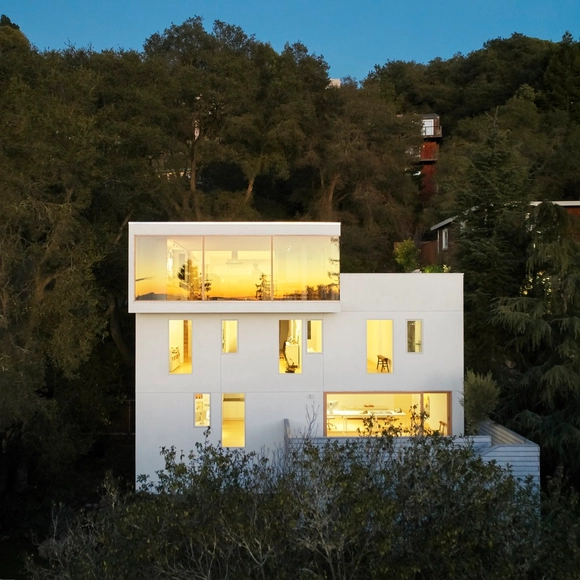
Architects: Mork-Ulnes Architects
- Area: 134 m²
- Year: 2024
-
Professionals: Nima Construction, Berkeley Mills
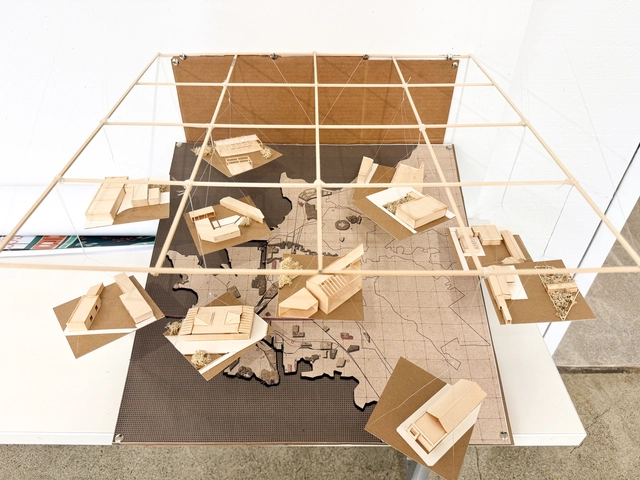
Fifteen UC Berkeley Master of Urban Design students watched as farmers, small business owners, government agency officials, representatives from Indigenous tribes, and interested citizens filed into the exhibition hall in the John Steinbeck Center. For months, the students had been developing ideas for dynamic agritourism in California's Salinas Valley. But they never expected so many people to show up to listen to their presentations.
"They were eager to see our work. It was humbling, and empowering, to realize that we could have a real impact on people's lives through urban design," remembers one of the participating students.
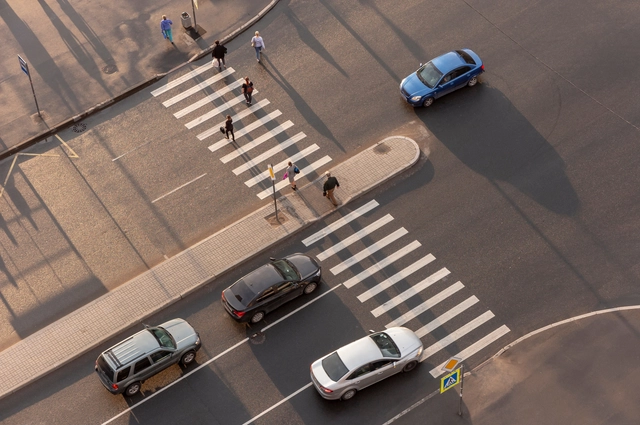
The fabric of our cities is shaped by millions of small decisions and adaptations, many of which have become integral to our experience. Nowadays taken for granted, some of these elements were revolutionary at the time of their implementation. One such element is the curb cut, the small ramp grading down the sidewalk to connect it to the adjoining street, allowing wheelchair users and people with motor disabilities to easily move onto and off the sidewalk. This seemingly small adaptation has proven to be unexpectedly useful for a wider range of people, including parents with strollers, cyclists, delivery workers, etc. Consequently, it lends its name to a wider phenomenon, the “curb cut effect”, where accommodations and improvements made for a minority end up benefiting a much larger population in expected and unexpected ways.
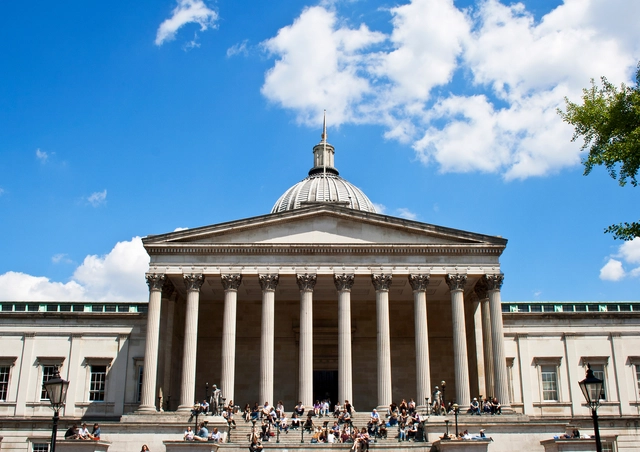
QS- Quacquarelli Symonds World University Rankings just announced the 2023 top universities to study Architecture and the Built Environment. The index rates over 1,400 schools and covers a total of 54 disciplines, grouped into five broad subject areas, based on five indicators "to effectively reflect their performance, taking into account academic reputation, employer reputation, and faculty research".
In this edition of the 2023 Architecture/ Built Environment category, UCL dethrones MIT, which stayed in the first position for three consecutive years. MIT came second, while both the Delft University of Technology and ETH Zurich took third place. The Manchester School of Architecture makes its first debut in the top 5, followed by Harvard, the National University of Singapore, and Tsinghua University in China. Berkeley moved to ninth position and Politecnico remains a non-mover at 10, for the third year.
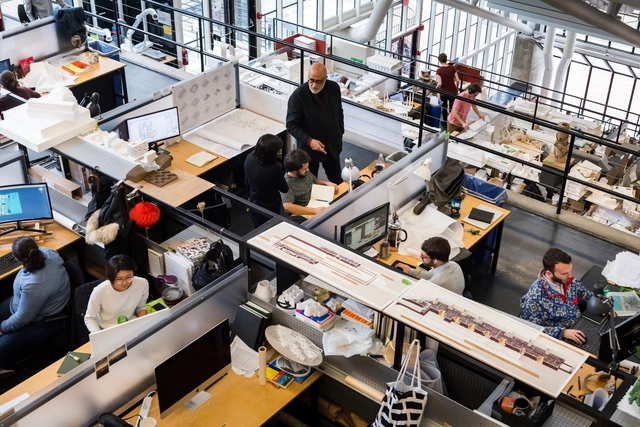
In a letter published on MIT's School of Architecture and Planning’s website, 16 deans from prominent architecture schools in the U.S, explain their position to stop participating in the annual survey that ranks universities. "Design education is not a popularity contest. Although generally our schools have been highly ranked in past DesignIntelligence reports and benefitted from the attention, we believe that it is time to stop participating", declares the statement signed by scholars, deans, and department chairs of MIT, Harvard, Columbia, Princeton, Yale, Rice, and UCLA, to name a few.
Stating clearly their position to boycott future ranking, the decision came after two years of informal discussions where the methodologies used behind these academic surveys were questioned, as well as their consequences. In fact, the letter adds that "however well-intentioned they may be, we believe that the DI rankings have the potential to create a disservice to the public".
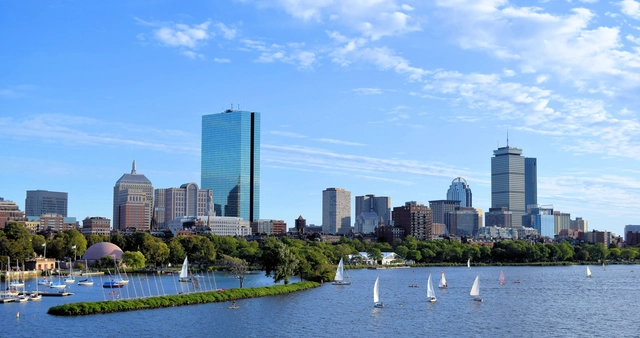
Boston is the latest city to announce a city-wide plan that, if passed, would eliminate the use of fossil fuels in new constructions and major renovation projects. This measure expands upon the commitment to enact climate action and make Boston a Green New Deal city. Other US cities like New York, Los Angeles, San Jose, Seattle, and Berkeley have all imposed similar measures in recent years. Seven European cities - Bilbao, Bratislava, Dublin, Munich, Rotterdam, Vienna, and Winterthur - have also developed a project to phase out fossil fuel from urban heating and cooling.

The annual QS- Quacquarelli Symonds World University Rankings has announced the 2022 top universities. Covering 51 different subjects, the index rates universities across the globe according to academic reputation, employer reputation, and research impact. With few changes to the top 10 in the 2022 Architecture/ Built Environment category, MIT remained in the first position, for the third consecutive year, also topping the charts for the general QS World University Rankings.
Delft University of Technology in the Netherlands took the second place while UCL, in the United Kingdom, came third. ETH Zurich, Harvard, and the National University of Singapore (NUS) maintained fourth, fifth, and sixth place. The Manchester School of Architecture was upgraded to seventh position this year, moving the University of California, Berkeley (UCB) to eighth place and the Tsinghua University in Beijing, China to the ninth. Politecnico di Milano, in Italy, remains a non-mover at 10.
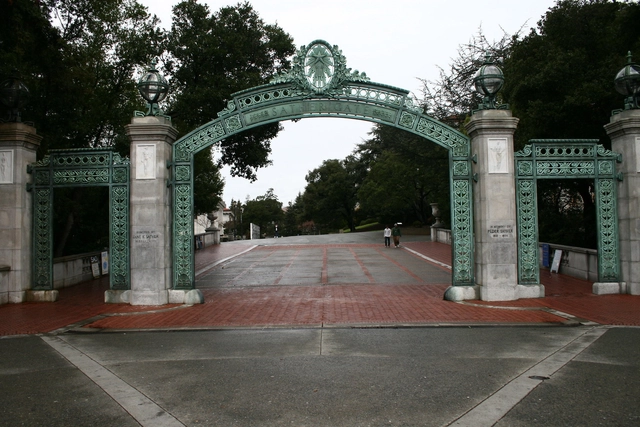
This article was originally published on Common Edge.

In March 2020, the Covid-19 pandemic shifted our university—the University of California, Berkeley—totally online, along with the whole of education from childcare up across the country and most of the planet. In the wake of this forced and unprecedented experiment, debates about what it means remain ongoing. Will the episodic dream of a placeless university, or at minimum a hybrid place/placeless one, come true? Millennia of experience argue for giving higher education a local, physical anchor. And most universities and colleges have this anchor as their starting place, even as they consider what their ongoing experience with virtual teaching, research, and administration means.

Today's designers have inherited unprecedented global challenges, a legacy which will require radically new ways of fashioning the buildings, places, and landscapes that harbor our diverse ways of life. The College of Environmental Design offers several introductory and advanced programs for those interested in confronting these challenges in the fields of architecture, landscape architecture and environmental planning, urban design, and sustainable city planning. Please visit UC Berkeley's Summer Programs website to view images of student work and learn more about the CED Summer experience.
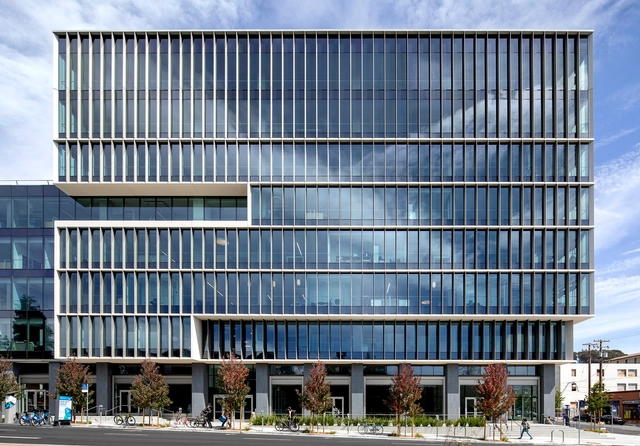
.jpg?1549309617&format=webp&width=640&height=580)
How do designers think? How do they visually communicate complex ideas? What strategies do they employ to make a positive impact on the built environment? How does design change the way people see and experience the world?
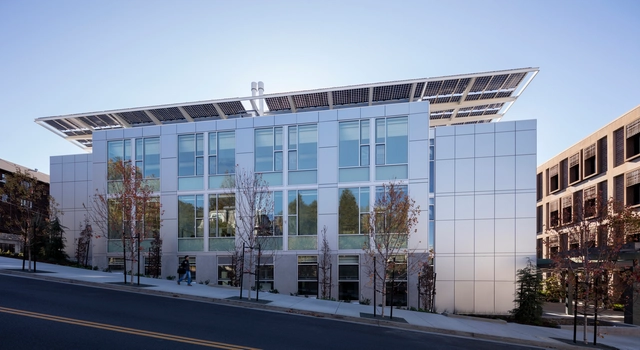
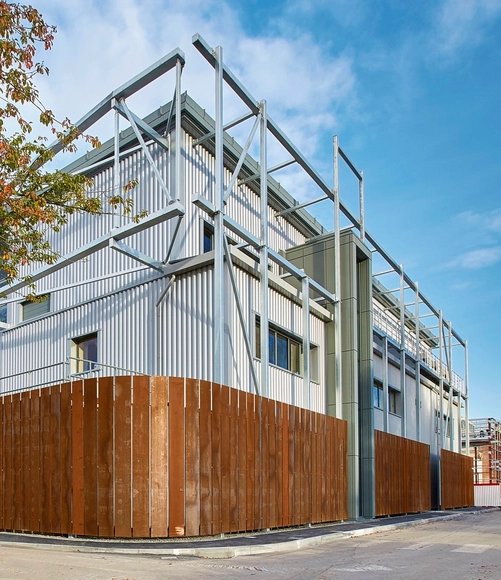
Berkeley-based TLS Landscape Architecture has won the Lion Mountain Park Design competition in Suzhou, China, corresponding to the Chinese government's new Urban Work Guidelines. The guidelines prioritize ecological and urban development, as well as rejuvenation of local character in public spaces. Lion Mountain Park will be the first large-scale public project to be constructed according to these values, envisioned as the core of a new urban ecosystem complex.