-
Architects: atelier anonymous
- Area: 1200 m²
- Year: 2026

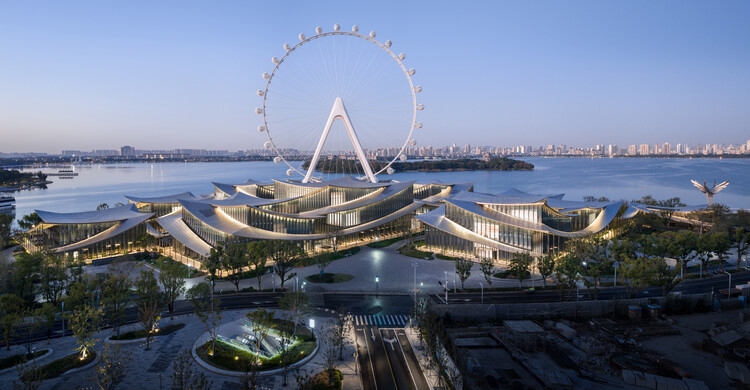
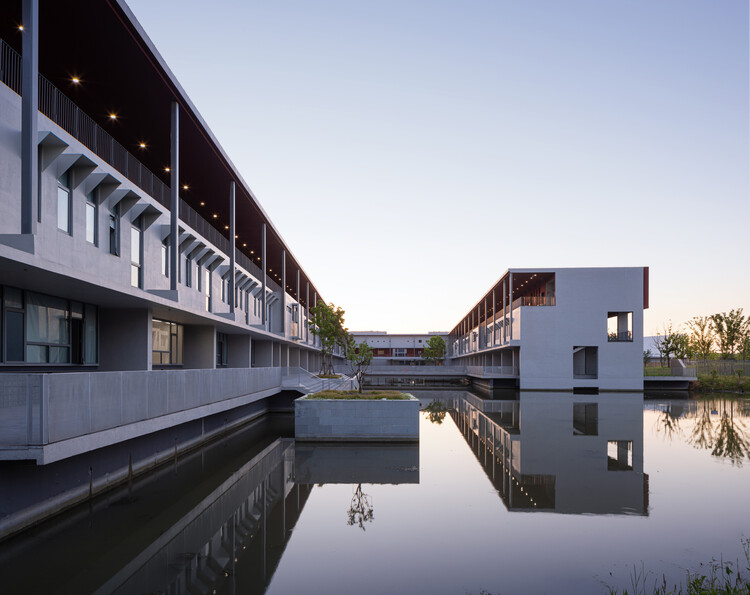
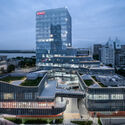
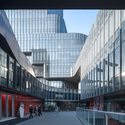
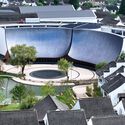
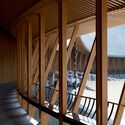
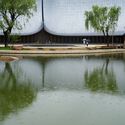
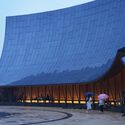
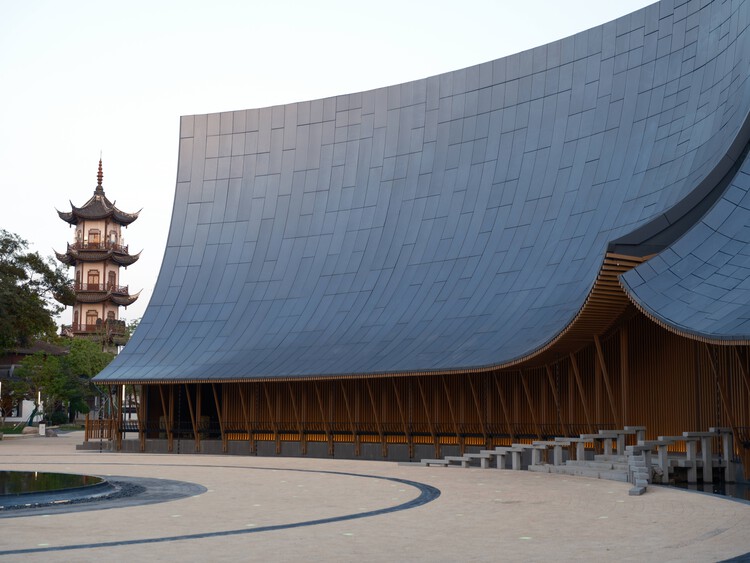
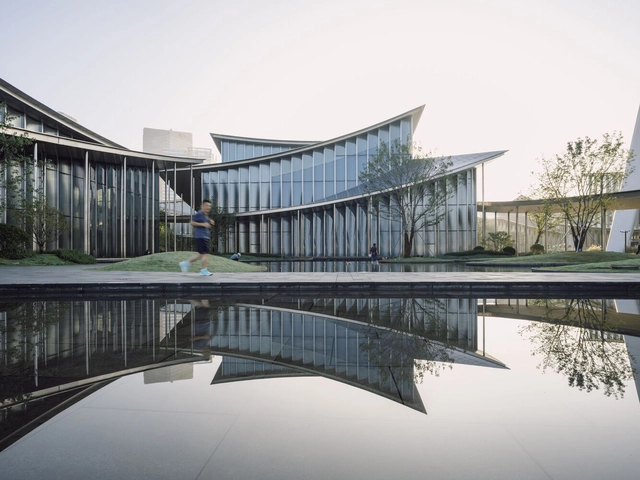
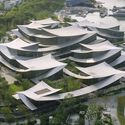
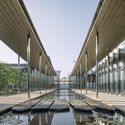
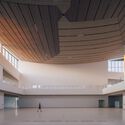
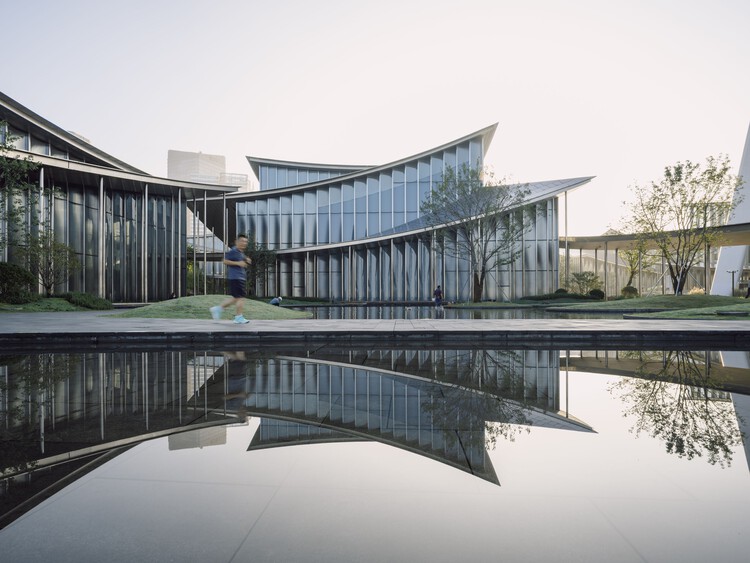
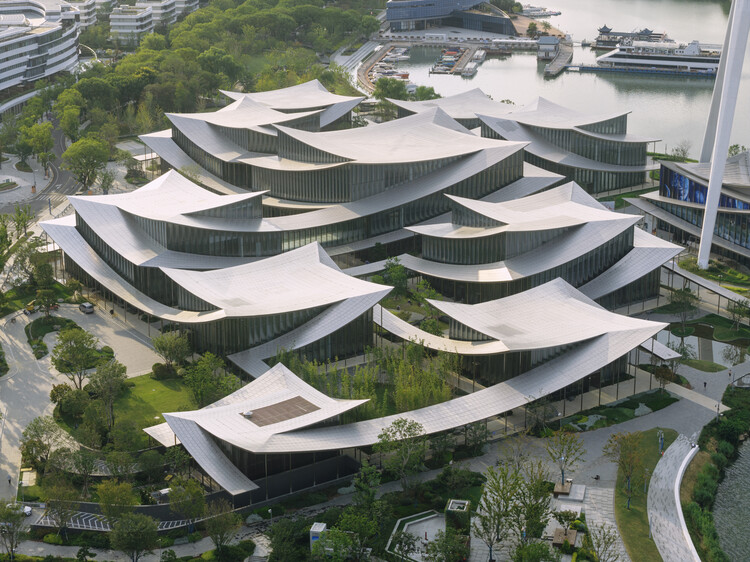
The Suzhou Museum of Contemporary Art is now officially open to the public on the shores of Jinji Lake in Suzhou, China. The 60,000 m² building was designed by BIG – Bjarke Ingels Group, ARTS Group, VIA.inc, and SHUISHI for the Suzhou Industrial Park Culture, Sports and Tourism Bureau. The project is designed as a village of 12 pavilions beneath a continuous, ribbon-like roof, with a covered corridor that traces a path through the landscape as a network of exhibition spaces. The layout is inspired by the tradition of Suzhou's UNESCO-listed gardens. The project opens after a series of preview exhibitions, including the firm's Materialism exhibition, which remains on view. The building complex is set to become a new venue for contemporary art, design, and public life, marking BIG's first completed art museum.
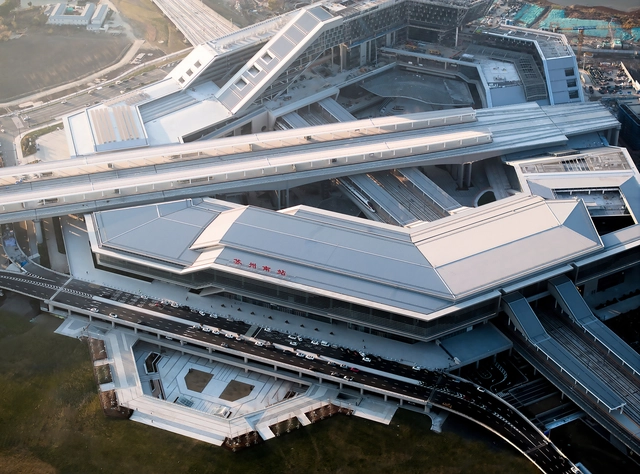

Water has always occupied a unique position in architecture: elemental yet elusive, functional yet symbolic. It is both a material and a medium that shapes cities, structures rituals, and influences how space is perceived. Across cultures, water is understood not only as a source of life but as a carrier of meaning, associated with purification, renewal, and continuity. Its presence in the built environment often extends beyond utility, becoming a device through which architecture engages the senses and constructs atmosphere.


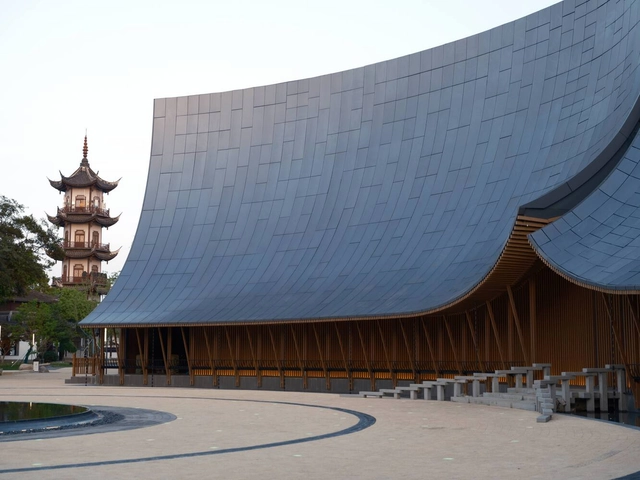
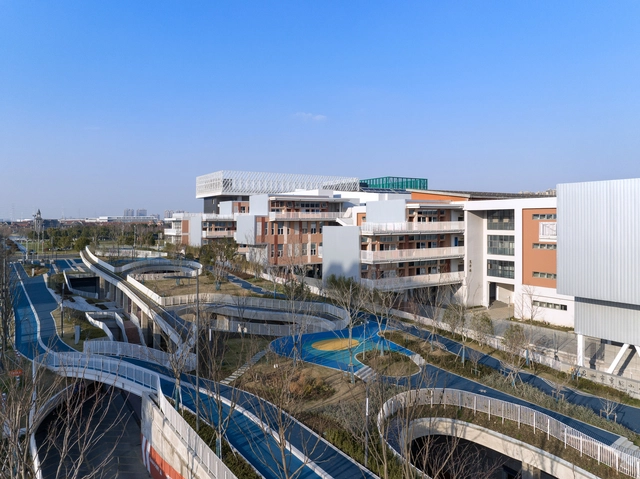
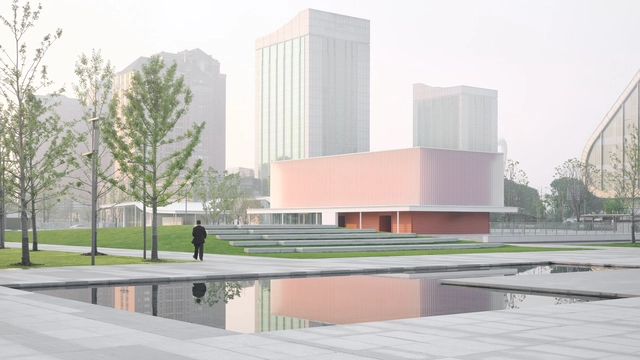

The Suzhou Museum of Contemporary Art (Suzhou MoCA), designed by BIG – Bjarke Ingels Group, is nearing completion along the Jinji Lake waterfront in Suzhou, China. Conceived as a cluster of twelve pavilions beneath a continuous, ribbon-like roof, the 60,000-square-meter complex reinterprets the traditional garden architecture that has long defined Suzhou's urban and cultural identity. Commissioned by the Suzhou Harmony Development Group and developed in collaboration with ARTS Group and Front Inc., the project is expected to open officially in 2026. The museum will debut with "Materialism," an exhibition curated by BIG that traces a material journey from stone to recyclate.