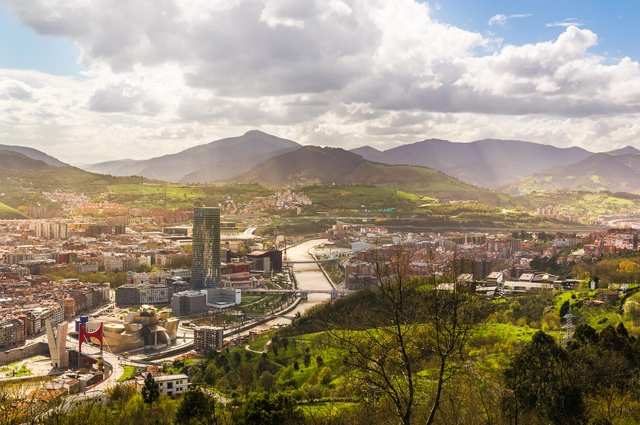
Bilbao, the largest city in Spain's Basque Country, has undergone a remarkable transformation over the past few decades. Once an industrial hub, the city has redefined itself as a center for culture, innovation, and urban regeneration. This evolution has been partly driven by architecture, which plays a central role in shaping Bilbao's identity. From contemporary landmarks to thoughtfully repurposed spaces, the city's built environment reflects a careful balance between honoring its industrial heritage and embracing modernity.
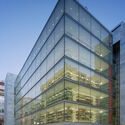
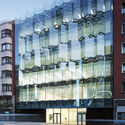
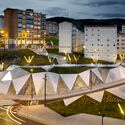
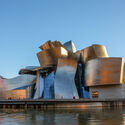
The turning point in Bilbao's architectural narrative came with the inauguration of the Guggenheim Museum Bilbao in 1997. Designed by Gehry Partners, this iconic structure catalyzed the city's renewal, sparking a wave of urban and cultural investments. This transformation became known as the "Bilbao effect," a phenomenon where a single, significant architectural project triggers wider urban regeneration and economic growth. Today, Bilbao is a dynamic architectural landscape, where works by international figures like Santiago Calatrava, Norman Foster, and Arata Isozaki coexist with projects by local studios such as ACXT and Coll-Barreu Arquitectos. Together, these interventions illustrate how architecture can be a powerful social, economic, and cultural revitalization tool.
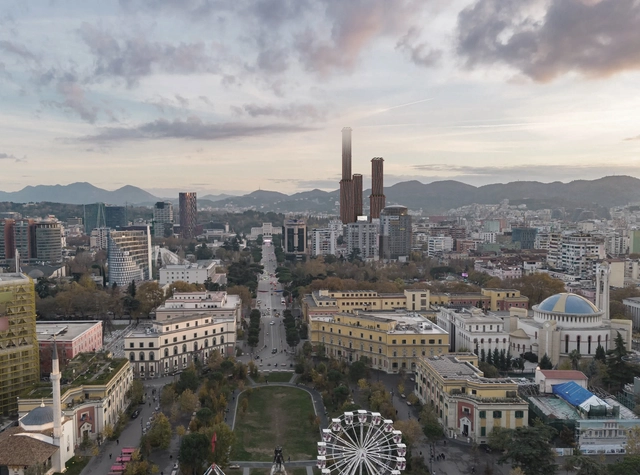
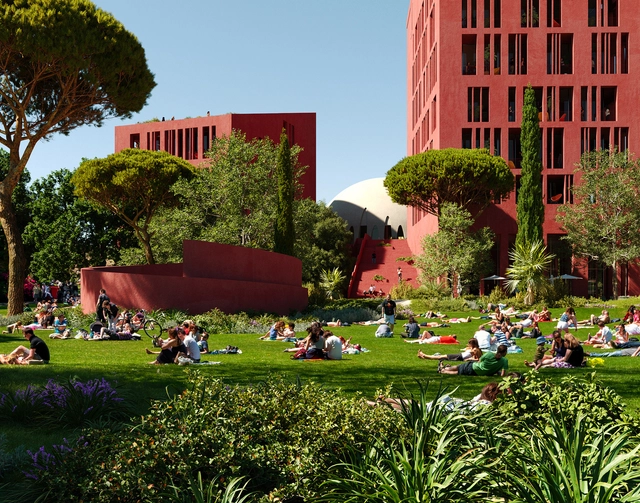
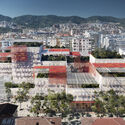
Swiss architect Valerio Olgiati has unveiled plans for Rruga Adem Jashari, a mixed-use development in Tirana, Albania, that seeks to blend urban living with the surrounding natural landscape. Positioned at the boundary between the city grid and an adjacent park, the project features three distinctive red concrete towers and a central white ziggurat. Combining residential, hospitality, and retail spaces, the development aims to create a seamless connection between the built environment and nature.
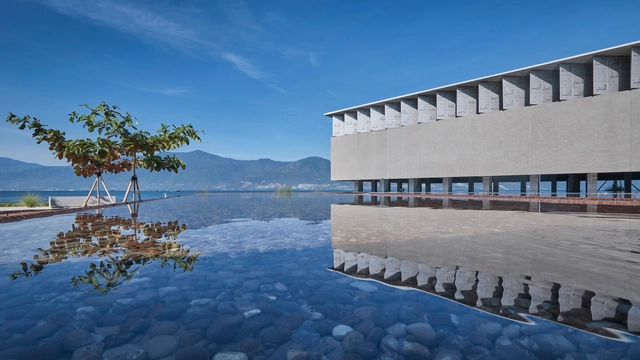
The configuration of the mosque, the worshipping place for Muslims, traces its history to the courtyard of the religion's founder. The first mosques were, therefore, simple open spaces marked for ritual prayer use. Over the years and centuries, they would gain multiple standard, functional features, such as the mihrab, a niche that indicates the direction of prayer, and the minbar, a pulpit for the preacher to give the sermon. Other elements also became common, such as domes and minarets, which were historically used for the call to prayer. These had the additional purpose of signifying the function of the building as a mosque and were used by rulers and benefactors to elevate its grandeur.
In contemporary times, mosques are not immune from architectural debate. Elements that have no religious function are questioned, as is the relationship between a mosque and its context. The discussion is especially stark in parts of the world with relatively new Muslim communities, where some theorists have advocated for the removal of symbolic elements on the basis that they are 'pastiche,' while others are nostalgic about the sentimentality associated with historical forms. Nonetheless, contemporary architects have been successfully elevating mosque architecture, fulfilling its functional requirements creatively, while allowing the building's context to drive the form.
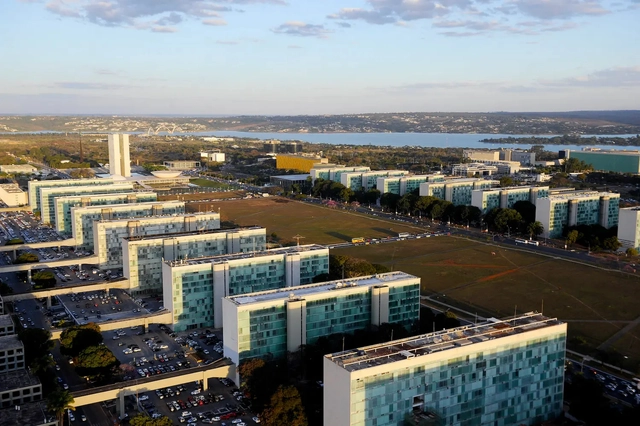
Photo of Brasília. Credits: Ana Volpe/Agência Senado
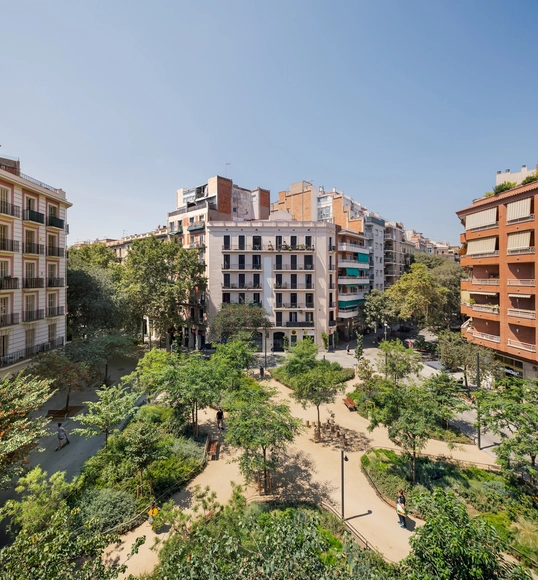
What is better: a city planned from scratch or one that forms spontaneously? In popular imagination, there is a belief that if a city was planned from the beginning, it must be better or more organized than others. In practice, however, this does not guarantee a city's success.
Cities like Tamansourt in Morocco, Songdo in South Korea, and King Abdullah Economic City in Saudi Arabia serve as cautionary examples of planning a new city from scratch only to struggle to attract the expected number of residents. These projects involved significant investment (both operational and financial) in urban design, space, and infrastructure but overlooked the fundamental economic reasons why cities exist.
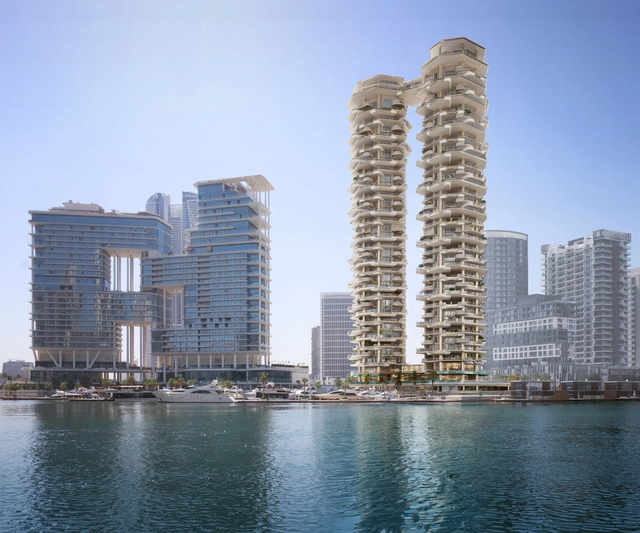
In recent weeks, a series of significant architectural developments have been unveiled, highlighting the work of diverse architecture studios across the globe. These projects, announced between late September 2024 and early 2025, focus on transformative masterplans, housing solutions, and public spaces. Prominent firms such as Foster + Partners, ACPV ARCHITECTS Antonio Citterio Patricia Viel, and fjcstudio are at the forefront of these initiatives. In Dubai, Foster + Partners revealed the Regent Residences, a pair of residential waterfront towers. Meanwhile, ACPV ARCHITECTS announced three projects in Taichung, Taiwan, combining Italian design with Eastern philosophies to create green, community-focused urban spaces. In Sydney, fjcstudio's masterplan for Midtown aims to reshape the city's urban core with two 80-storey mixed-use towers, enhancing connectivity and public engagement. These projects demonstrate the diverse scales and contexts in which architects continue to innovate, shaping cities and communities worldwide.
2025 promises to be a landmark in architecture, heralding a vibrant renaissance of creativity and exploration. As societies confront challenges such as climate change, rapid urbanization, and technological evolution, architecture is both a mirror to these dynamics and a compass pointing toward a sustainable and inclusive future. This year's architectural calendar offers abundant opportunities to celebrate the discipline's transformative power — from boundary-pushing festivals to thought-provoking exhibitions that explore pressing cultural and environmental narratives.
From well-established biennials to inaugural gatherings, including the World Architecture Festival 2025, Desert X Al Ula, and the COP Climate Conference, the 2025 calendar highlights themes such as sustainability, heritage, and community. These events underscore architecture's unique ability to shape a better future, addressing global challenges while honoring cultural diversity and design ingenuity.
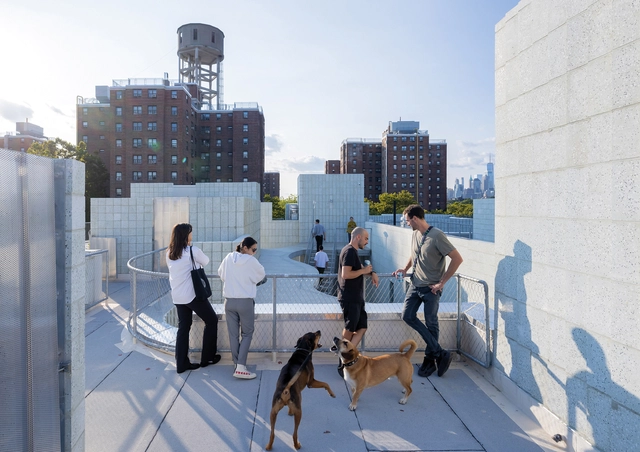
SO-IL (Solid Objectives – Idenburg Liu) is an architectural design firm based in Brooklyn, New York, founded in 2008 by Florian Idenburg and Jing Liu. Known for an architecture deeply engaged with social, cultural, and environmental contexts, the studio focuses on exploring innovative materials, creating fluid spatial experiences, and prioritizing ecological sustainability. SO-IL's work spans various scales and program types, reflecting their versatile approach to design. In 2024, their housing project 450 Warren in Brooklyn was selected as ArchDaily's Building of the Year by the audience in the housing category.
In their latest book, In Depth: Urban Domesticities Today, SO-IL explores the evolving concept of home in contemporary urban contexts, transforming it "from a source of vulnerability into a tool for empowerment." The book redefines domesticity as an active and shared experience and examines how architects can address pressing urban challenges such as affordability, density, and sustainability. SO-IL's work advocates for flexible, resilient housing that fosters community while integrating ecological and social dimensions. ArchDaily spoke with the architects about the innovative solutions and ideas presented in the book, delving into how their projects challenge conventional systems and envision a future where architecture is a tool for empowerment.
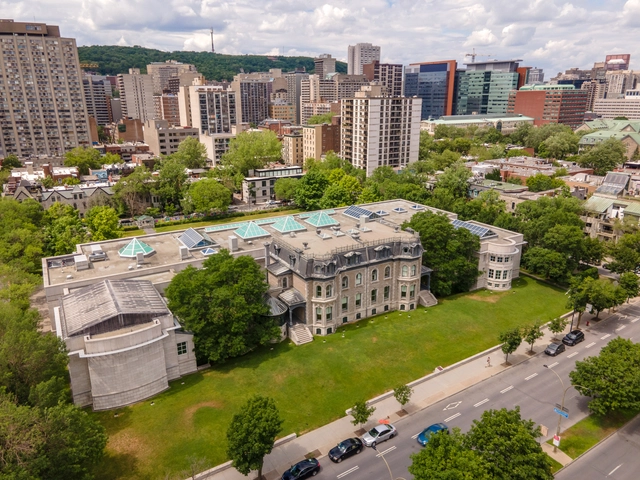
Phyllis Lambert has been a key figure in the preservation of Canada's cultural heritage. As an architect and advocate for heritage conservation, Lambert has left an indelible mark in Montreal and other cities worldwide. Her contributions to Montreal's architectural scene can't really be judged in terms of individual buildings, but rather in terms of the city as a whole. She not only cofounded the Canadian Center for Architecture (CCA), but also helped reshape the way cities like Montreal think about heritage and the importance of community voices in urban planning.
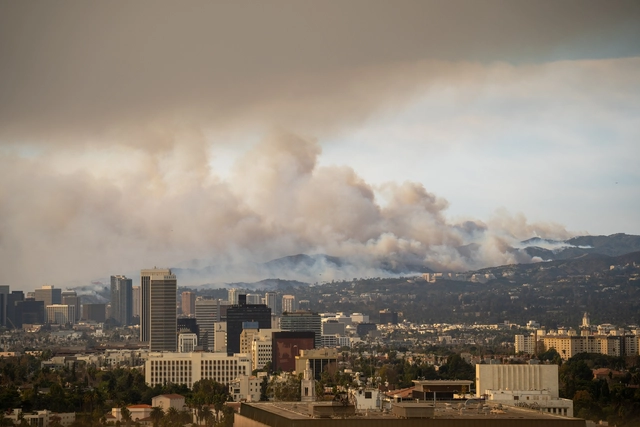
Devastating wildfires across Los Angelesa have resulted in widespread destruction, displacing thousands of residents, and necessitating a rapid and efficient rebuilding process. Two executive orders have been issued to expedite the rebuilding process, one by Los Angeles Mayor Karen Bass and another by California Governor Newsom, both intending to remove significant regulatory hurdles and expedite project approvals.
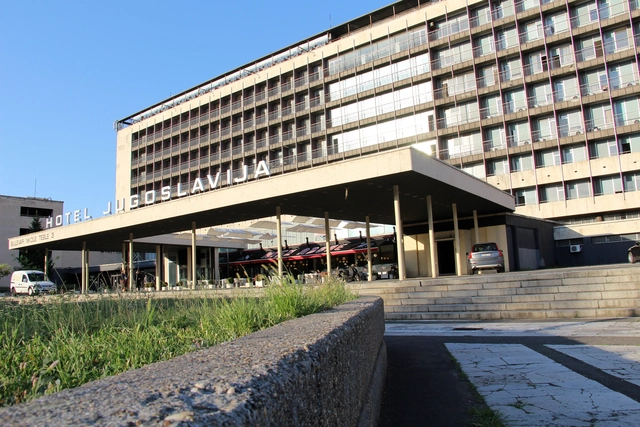
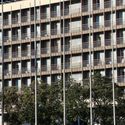
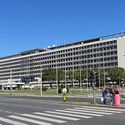
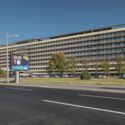
The demolition of Hotel Jugoslavija, a notable example of modernist architecture in Belgrade, has begun, making way for new development in the city's rapidly changing urban landscape. Constructed in 1969 in New Belgrade, the hotel was once among the largest and most prominent in Europe, reflecting the aspirations of the Socialist Federal Republic of Yugoslavia (SFRY) during its peak. Designed by Zagreb architect Lavoslav Horvat, the eight-story hotel was a key project under the leadership of Josip Broz Tito. It showcased the modernist principles of the time, combining functionality with imposing architectural forms. Its interiors featured luxurious details, including a Swarovski chandelier comprised of 40,000 crystals, which underscored the building's significance as a flagship of Yugoslavia's international presence.
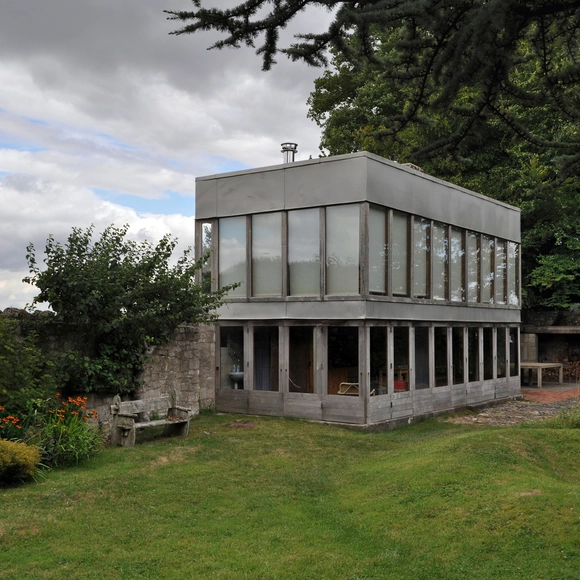
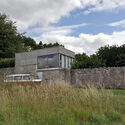
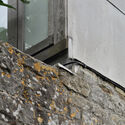
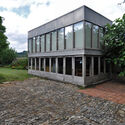
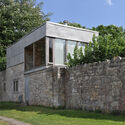
Upper Lawn's thoughtful interplay between the new and the existing is particularly compelling. Built on the remains of an 18th-century English farmhouse, the pavilion repurposes thick masonry walls from the original structure, incorporating elements such as the well, trees, and lawn into its design. Using prefabricated materials like timber, glass, and aluminum, the Smithsons constructed a light-filled space that harmonizes with its surroundings, embodying their principle of "as found architecture" — a concept rooted in honoring and adapting to preexisting conditions rather than imposing on them.
College of Europe's Tirana Campus . Image Courtesy of MIR, Designed by Oppenheim Architects
Tirana, the capital of Albania, is undergoing a remarkable transformation fueled by an ambitious vision for the future outlined in the Tirana 2030 (TR030) Master Plan. This plan, devised by renowned Italian architect Stefano Boeri, aims to reshape the city into a sustainable, green, and inclusive urban hub, with a focus on increasing density while enhancing the quality of life for its residents. Central to this vision are projects such as the creation of an "orbital forest" with two million trees, the revitalization of rivers with green corridors, and the redesign of public spaces like Skanderbeg Square, which has become the largest pedestrian area in the Balkans. According to The Guardian, these initiatives aim to reverse the sprawling urban chaos that followed the fall of communism and accommodate a population that has quadrupled since 1992, while prioritizing quality of life and accessibility.
At the heart of Tirana's transformation is a renewed focus on architecture as a tool for connection, combining cultural identity with contemporary design to create spaces that invite public interaction and engagement. Recent projects announced by renowned architects and international firms including Coldefy, OODA, Oppenheim Architecture, and CHYBIK + KRISTOF showcase a common thread of reimagining the rejuvinated city for the public. These designs emphasize social sustainability, cultural references, and accessible public spaces, redefining how residents and visitors experience Tirana's urban fabric. From mixed-use vertical villages and pedestrian-friendly streets to eco-conscious campuses and civic hubs, these new developments collectively highlight the city's ambition to position itself as a progressive model for urban renewal in the Balkans.
It is with immense gratitude and excitement that I share my first letter as Editor-in-Chief. Addressing you directly marks a meaningful shift from our usual approach, and I believe it's the perfect way to begin the year. As I step into this new role, I am honored by the opportunity to lead ArchDaily into a new chapter, building on our strong foundation to reach even greater heights.
At ArchDaily, we have always believed that architecture has the power to transform lives and environments. For 17 years, we have been more than just a platform; we have become a community and a voice for architecture—a collaborative network where architects, designers, and enthusiasts come together to shape the built environment and redefine urban living. Reflecting on this journey, I am deeply inspired by our shared accomplishments, made possible by the dedication of our talented global team and the unwavering support of our users. Together, we have created a space where ideas thrive and innovation blossoms.
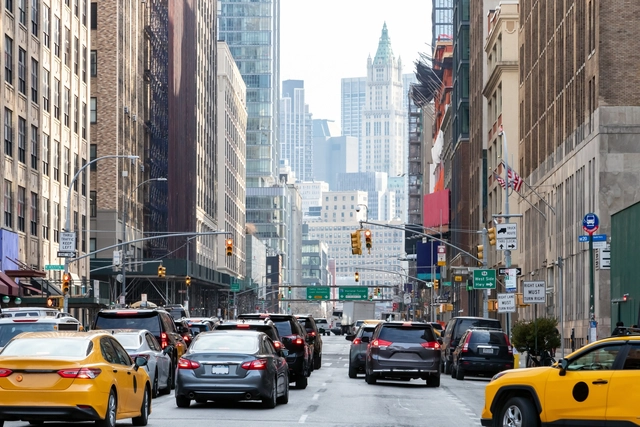
New York City has implemented the first congestion pricing scheme in the US, charging drivers up to $9 per day to enter a designated zone south of Central Park, encompassing areas like Times Square and Wall Street. The initiative aims to alleviate chronic traffic congestion, improve air quality, and generate revenue for public transportation improvements, addressing New York City's ranking as the world's most congested urban area for two consecutive years. The plan went into effect Sunday, January 5th, 2025.
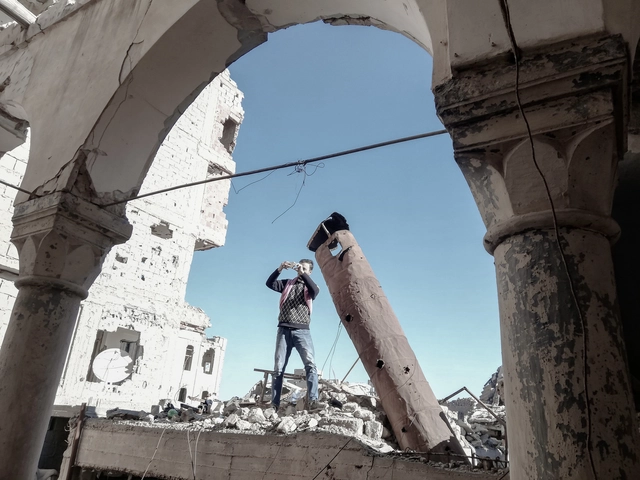
Deir Ez-Zor Heritage Library team on site. Image Courtesy of Deir Ez-Zor Heritage Library
It is common for states to have legislation and institutions that protect their built heritage. It is also common for there to be gaps in the laws themselves or their implementation while certain circumstances may place a country's heritage under specific vulnerabilities. Thus, alongside state institutions, there are locally based architects and researchers establishing independent initiatives to document and conserve aspects of their built heritage. Syria is one example of a place with an extensive history of monuments and buildings of interest as well as active groups of independent conservators.
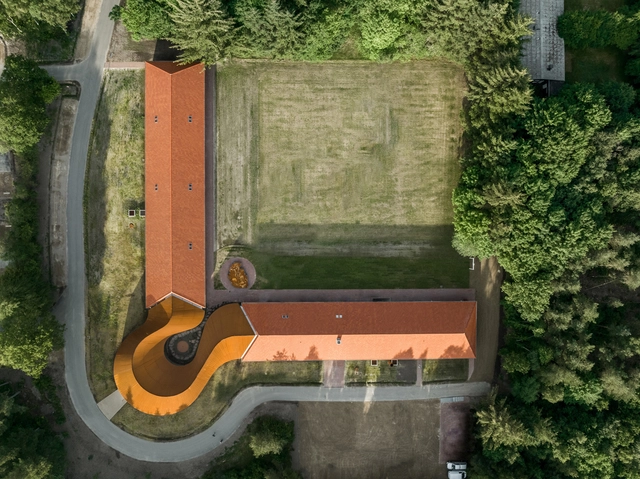
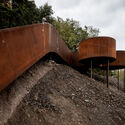
In architectural design, materials convey narratives, shaping how spaces are perceived and experienced. Weathering steel, often known by its genericized trademark name, Corten steel, stands out for its ability to evolve, transforming into a medium that tells its own story. It represents a group of steel alloys that form a stable external layer of rust that replaces the need for paint to protect the steel while allowing it to develop in time. Its weathered patina serves as more than a functional shield; it becomes an aesthetic language, a testament to the interplay between architecture and nature. This ever-changing surface bridges the ephemeral and the enduring, offering architects a material that grows richer with age.
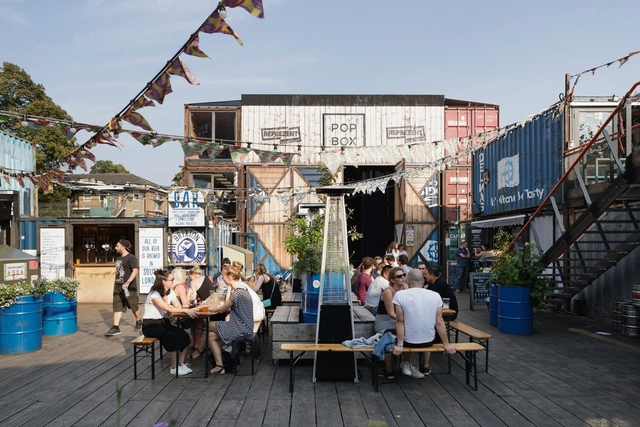
A "meanwhile space" refers to the temporary use of an otherwise vacant area—whether it's an empty shop, a disused building, or a site awaiting redevelopment. The concept revolves around making productive use of these spaces during the interim period before a long-term purpose is established. Essentially, it's about what happens in the meantime, turning unused spaces into vibrant, functional places during periods of uncertainty or transition.