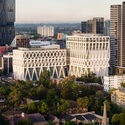
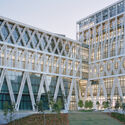
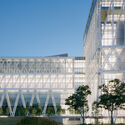
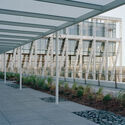
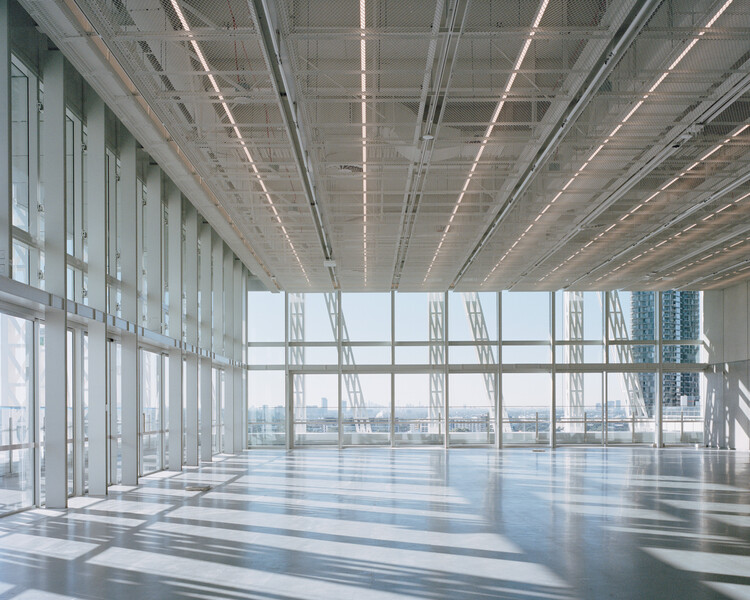
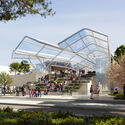
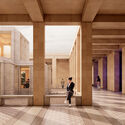
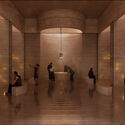
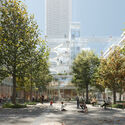
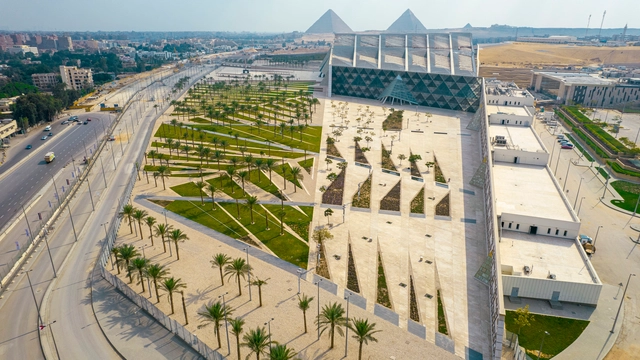
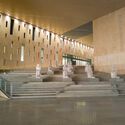
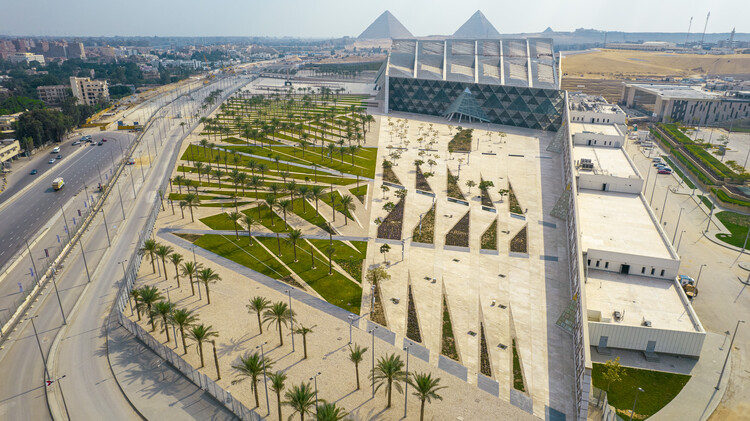
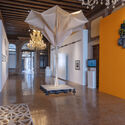
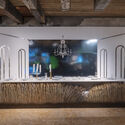
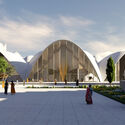
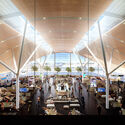
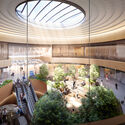
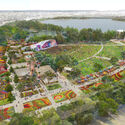
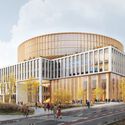
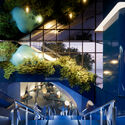
Powerhouse Parramatta, a new museum and cultural institution on the banks of the Parramatta River in Western Sydney, Australia, will open to the public on Saturday, November 7, 2026. The 30,000-square-meter building has been designed by Franco-Japanese firm Moreau Kusunoki as lead designer, with Australian firm Genton as local architect and Arup as engineer. Moreau Kusunoki won the design competition for the project in 2019, with completion initially planned for 2025. Powerhouse Parramatta is the first state cultural organization located in Western Sydney, a region whose population includes communities from more than 170 countries. At opening, the museum will present five exhibitions.
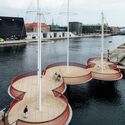
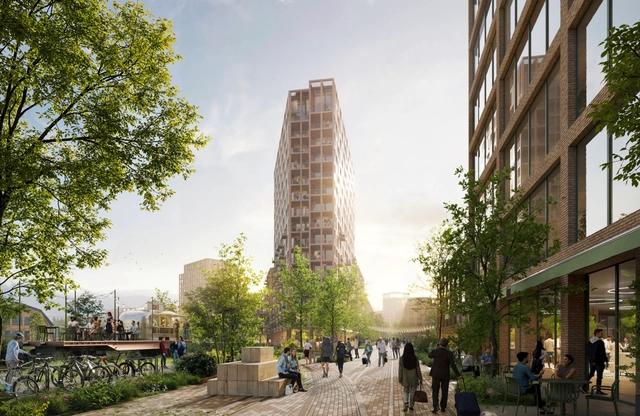
What happens when a city’s industrial past becomes the raw material for its future? In Copenhagen, Nordhavn transforms the old harbor into a living laboratory of sustainable urbanism, where warehouses and docks give way to independent districts, small islands, and canals that redefine what it means to inhabit the city.
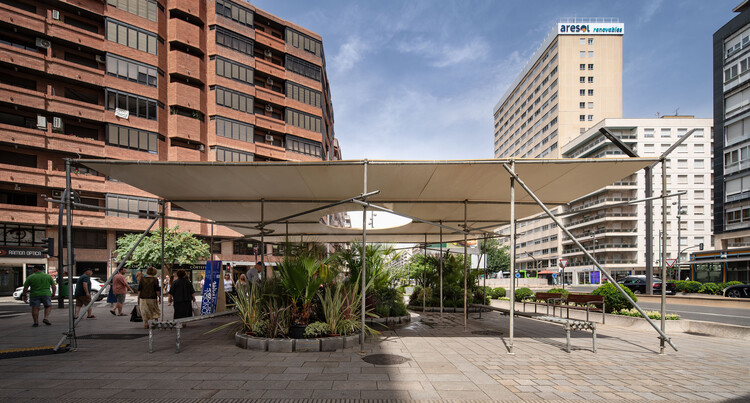
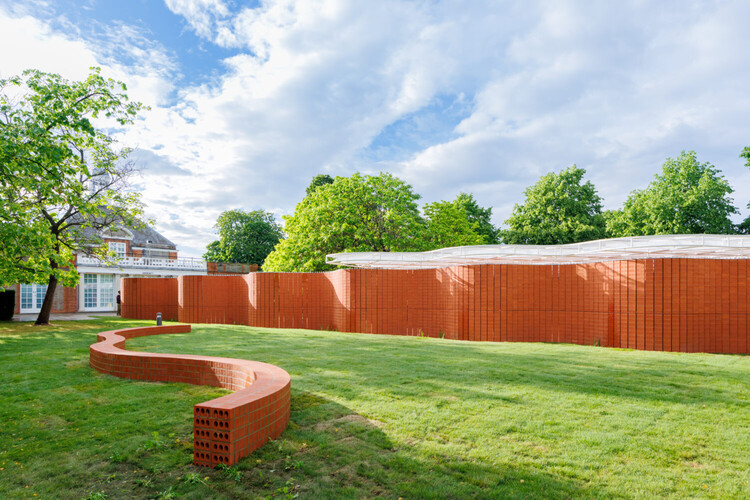
This week, architecture's cultural dimension took center stage through a series of new platforms, institutional developments, and public-facing projects that expand how the discipline is discussed, preserved, and experienced. From the announcement of participants for the inaugural Pan-African Biennale in Nairobi and the unveiling of Concéntrico Festival's urban interventions across Logroño, to the opening of La Biennale di Venezia's new archival headquarters at the Arsenale, architecture emerged as a vehicle for research, exchange, and collective reflection. Alongside these initiatives, projects such as the expansion of Crystal Bridges Museum in Arkansas and the opening of the 2026 Serpentine Pavilion demonstrate how cultural institutions continue to invest in new spaces for gathering and engagement. This week's selection spans Kenya, Spain, Albania, Saudi Arabia, Italy, Lebanon, the United Kingdom, and the United States, reflecting the diverse contexts in which cultural institutions, public events, and architectural initiatives continue to evolve.
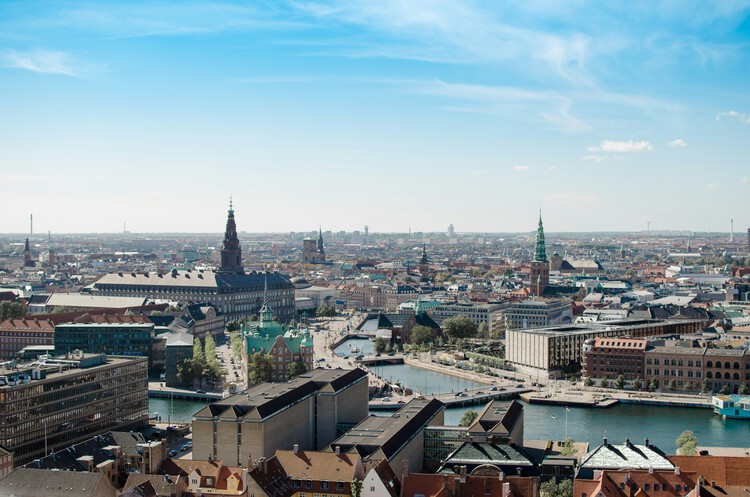
Copenhagen, Denmark. Image Courtesy of Lindsay Martin via Unsplash
Copenhagen is long famous as the global capital of human-scale design and livability. Today, the city has widened its focus and is an active space where mid-century Scandinavian modernism meets the modern demands of climate adaptability, material circularity, radical conservation, and neighborhood density. During the first-ever Copenhagen Architecture Biennial, in 2025, the city transformed into a global platform for dialogue under the theme "Slow Down," exploring how architecture can respond to global pressures by rethinking the pace of change. And this year's 13th edition of the 3daysofdesign Festival will explore the theme of "Make This Moment Matter", encouraging the global design community to step away from digital noise and mass production to focus on the present.
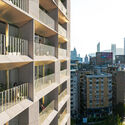
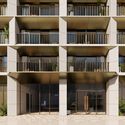
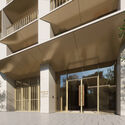
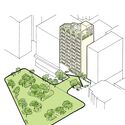
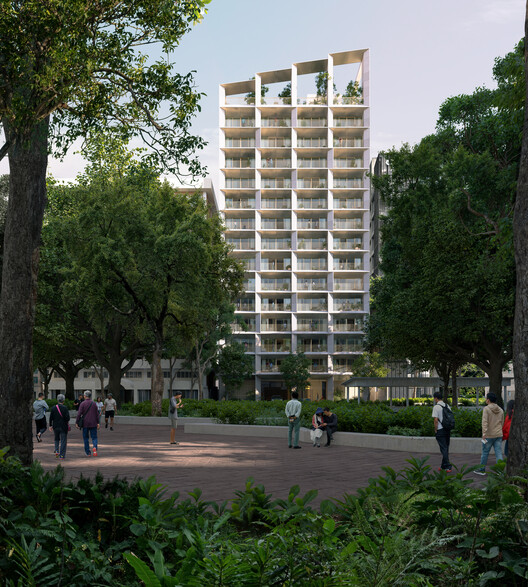
Henning Larsen, in collaboration with KHL Architects & Planners, Arup, and Flaviano Capriotti Architetti, has proposed the design for a 14-story residential building in Taipei for Continental Development Corporation. The project, titled Northern Lights, has a gross floor area of 3,464 square meters and is scheduled for completion in 2029. Situated adjacent to Daan Park, the development includes 46 residences and is positioned within a dense urban environment while maintaining proximity to one of the city's primary green spaces, which is described as a key contextual reference in the design.
European City Context. Image Courtesy of ReGreeneration
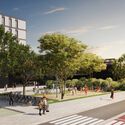
The ReGreeneration project, a Horizon Europe project led by Inetum and supported by C40 Cities, ARUP, Placemaking Europe, and several others, operates as an active collaboration with local governments, private companies, academia, and civil society organizations at the intersection of urban regeneration, green public spaces, and neighborhood-scale design. Its premise addresses how European cities are built and maintained and how they experience a changing climate, arguing that cities must fundamentally change to remain livable under accelerating climate pressures.
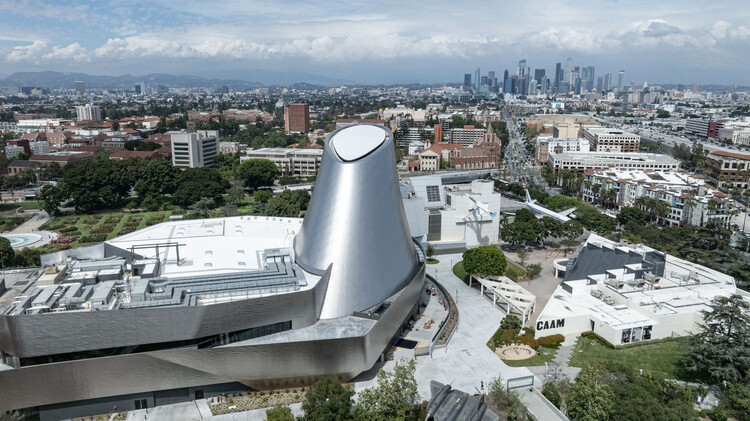
The California Science Center is a dynamic destination where visitors of all ages can explore the wonders of science through hands-on exhibits, live demonstrations, innovative programs, and large-format films. The Center and IMAX Theater are located in the historic Los Angeles Exposition Park, where an expansion has been under construction since June 2022. The new Samuel Oschin Air and Space Center, designed by ZGF Architects, is a 200,000-square-foot addition that will nearly double the Science Center's educational exhibit space. The building was completed on April 13, 2026. Its centerpiece is the retired NASA spacecraft Space Shuttle Endeavour, used for missions from 1992 until its 25th and final mission in 2011.
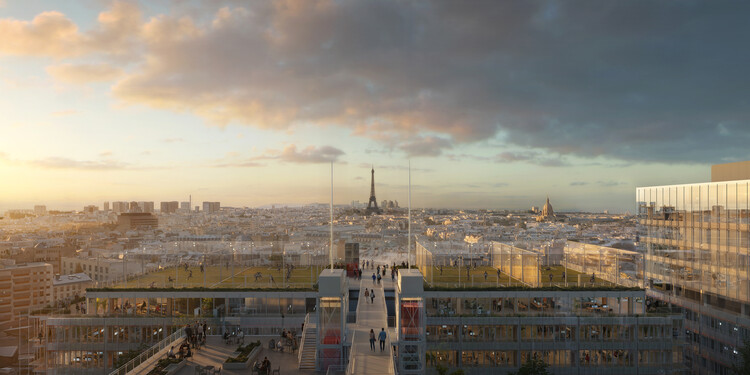
Montparnasse Commercial Centre and CIT Tower redevelopment project, 2026. Image Courtesy of RPBW
This week's news compilation opens with two international commemorations, the International Day for Clean Energy and the International Day of Education, alongside a major archaeological discovery in Fano, Italy, where excavations have revealed a basilica described by Vitruvius, linking contemporary architectural discourse with deep historical continuity. Across this week's broader architecture news landscape, a central theme emerges around the advancement of civic architecture conceived as open, publicly engaged infrastructure, with cultural and institutional projects increasingly designed to strengthen their relationship with the city and everyday urban life. At the same time, renewed global attention turns toward Africa, where large-scale transport infrastructure and the conservation of modernist landmarks reflect interests in the region and the reassessment of the continent's architectural heritage. Complementing these narratives, this week's highlights also include a new model for car-free urban districts, co-designed public landscapes grounded in indigenous knowledge, and a residential development responding to regional context, reflecting how architecture is negotiating public space, civic responsibility, and territorial identity across diverse geographies.
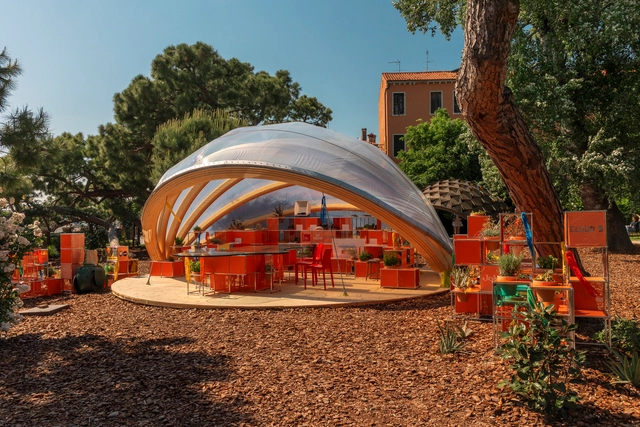
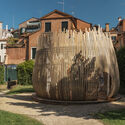
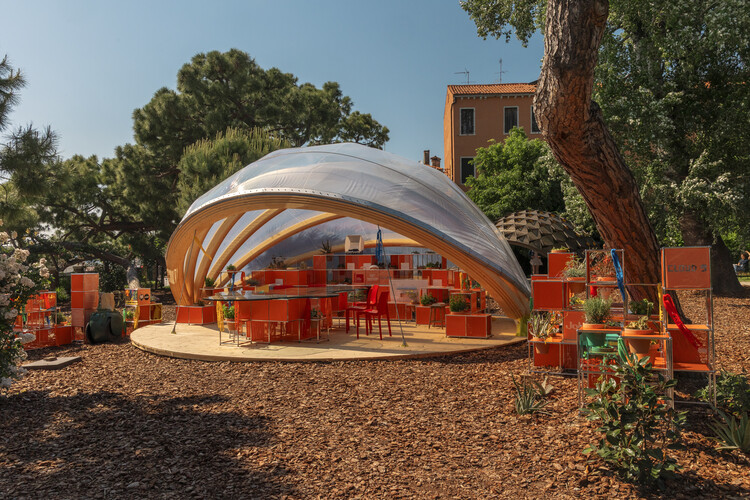
The European Cultural Centre Italy has organized the ECC Awards since 2010 to recognize artists, architects, designers, and academics in their respective fields. The Awards highlight projects featured in the Time Space Existence exhibition, which runs in parallel with the Venice Architecture Biennale and showcases tangible approaches to building more sustainably, aiming to position architecture as a force for environmental and social repair. The seventh edition of Time Space Existence is a group exhibition spanning three Venetian venues: Palazzo Bembo, Palazzo Mora, and the Marinaressa Gardens. This year, the exhibition focuses on the themes of Repair, Regenerate, and Reuse, emphasizing the essential role of architects and designers as agents of positive change in shaping sustainable, inclusive, and regenerative ways of living.
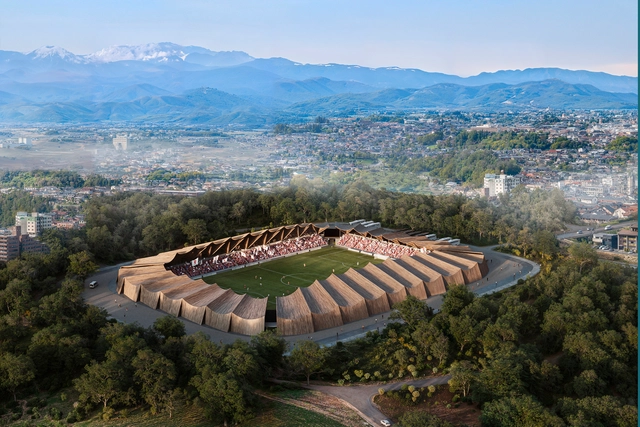
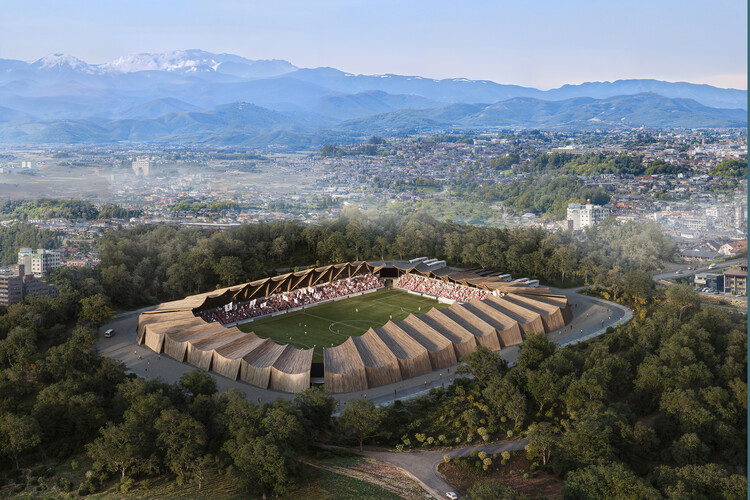
VUILD has presented the design for a wooden soccer stadium planned for Fukushima, Japan, as the future home of Fukushima United FC. Commissioned by SportX, the proposal combines community participation, an innovative timber structure, and sustainable strategies, positioning the stadium as both a functional sports venue and a potential symbol of renewal. Inspired by the Japanese tradition of Shikinen Sengu, the periodic rebuilding of shrines, the concept introduces three cycles: resources, community, and craftsmanship.
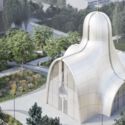
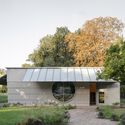
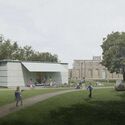
As cities and communities adapt to new cultural, environmental, and social realities, architecture is taking on an expanded role in shaping spaces of resilience, gathering, and imagination. This edition of Architecture Now highlights six recent projects that span continents and typologies, from the redevelopment of post-industrial landscapes to sacred architecture, cultural pavilions, and civic hubs. Whether through mass timber innovation in Vancouver and Jülich, adaptive reuse in Ostrava, a children's pavilion in London, a spiritual centre in India, or a parametric church in Kyiv, each project demonstrates how design can bridge heritage and innovation while fostering connection, care, and community.
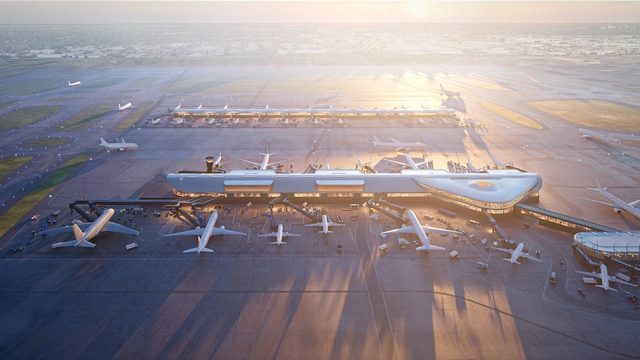
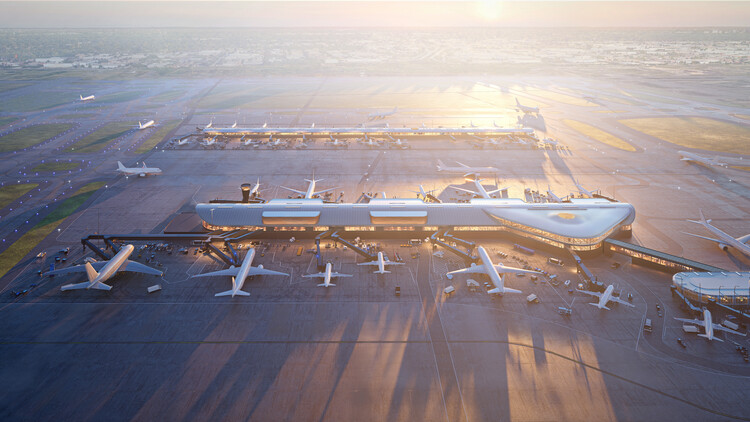
The City of Chicago and the Chicago Department of Aviation (CDA) have broken ground on Concourse D at O'Hare International Airport, designed by Skidmore, Owings & Merrill (SOM) in collaboration with Ross Barney Architects, Juan Gabriel Moreno Architects (JGMA), and Arup. The project marks the first building in ORDNext, O'Hare's most ambitious expansion to date, and introduces a new chapter in the airport's modernization. Construction management is led by AECOM Hunt Clayco Bowa, with completion expected in late 2028. Planning is also progressing on Concourse E, the second satellite concourse designed by the same team.
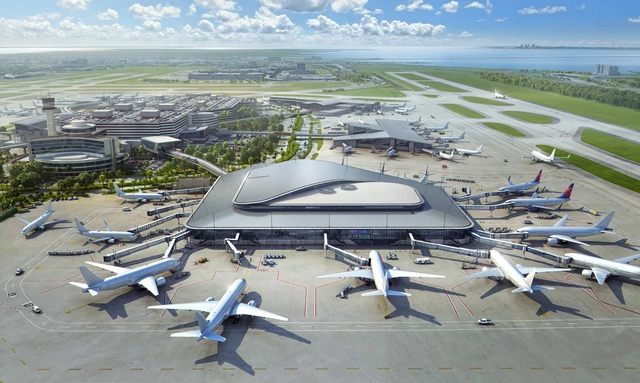
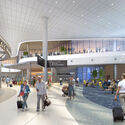
Tampa International Airport. Image Courtesy of Hensel Phelps and HNTB, in association with Gensler
From Bangkok to Billund, a new wave of architectural project announcements is reshaping how spaces for work, culture, mobility, and public life are conceived. Across Norway, Thailand, the United States,Denmark, Australia, and Thailand, these projects reflect an increasing emphasis on technological integration, sustainable construction, and flexible, future-ready environments. Whether designing production hubs for digital creators, adaptable media campuses, or civic landscapes layered with history and ecological intent, each scheme offers insight into how architecture is evolving to support emerging industries, cultural programming, and new forms of public engagement. This edition of Architecture Now brings together a selection of recently announced projects that highlight the intersection of design, technology, and innovation in a global context.
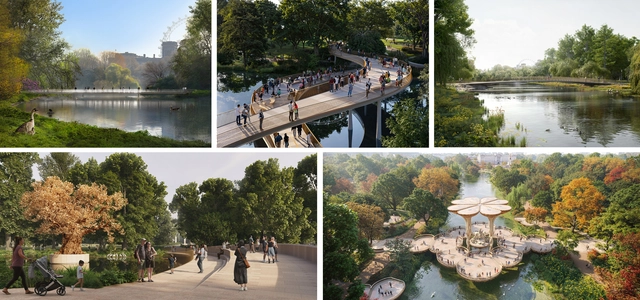
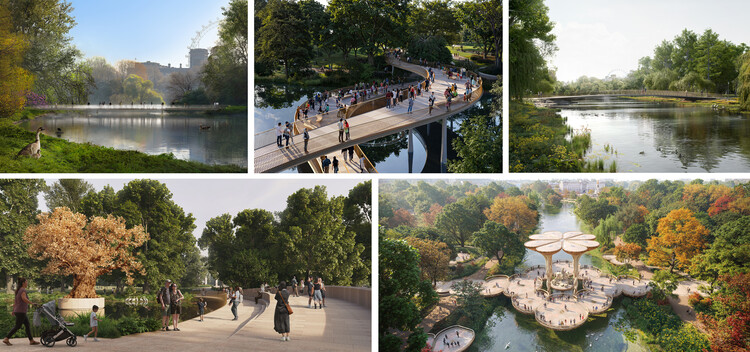
Clockwise from top left: Foster + Partners with Yinka Shonibare and Michel Desvigne Paysagiste; WilkinsonEyre with Lisa Vandy and Fiona Clark, Andy Sturgeon Design, Atelier One and Hilson Moran; J&L Gibbons with Michael Levine RDI, William Matthews Associa tes, Structure Workshop and Arup; Heatherwick Studio with Halima Cassell, MRG Studio, Webb Yates and Arup; Tom Stuart - Smith with Jamie Fobert Architects, Adam Lowe (Factum Arte) and Structure Workshop. Image Courtesy of the teams and Malcolm Reading Consultants
The UK Government has revealed five shortlisted design concepts for the Queen Elizabeth II Memorial, set to be located in the historically significant landscape of St James's Park in London. The proposals, now accessible through a newly launched online gallery, mark a key stage in the development of a national tribute to the late monarch. Public feedback on the exhibited proposals will be gathered until 19 May 2025 and will inform the Committee's decision on the winning design team, expected to be announced in early summer 2025. The final design is anticipated to be unveiled in 2026, coinciding with the centenary of Queen Elizabeth II's birth.
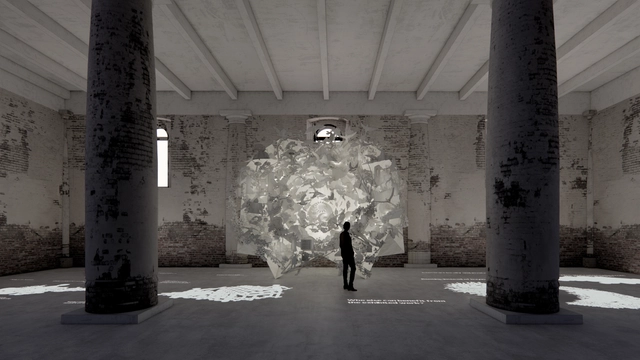
The Biennale promises to be a dynamic platform uniting over 750 participants from diverse backgrounds, including architects, engineers, mathematicians, climate scientists, and artists. Such a broad coalition of over 280 projects underlines the Exhibition's focus on inclusivity and interdisciplinary collaboration, an essential aspect for adaptation. The selection process proposed a bottom-up, open call approach through the Space for Ideas initiative, which ran between May and June 2024. It encouraged participation from global teams, from Pritzker Prize winners and Nobel laureates to emerging architects and scientists.