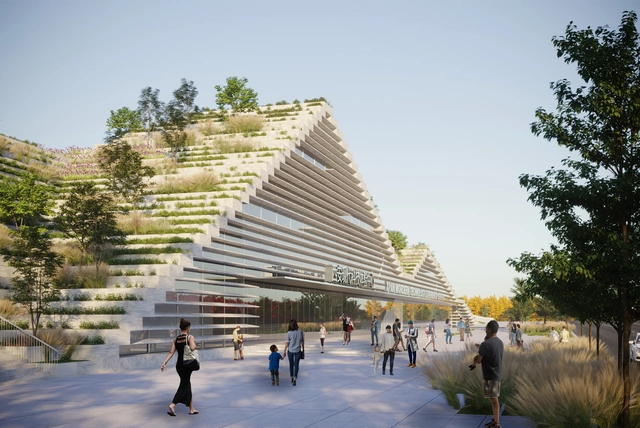
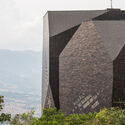
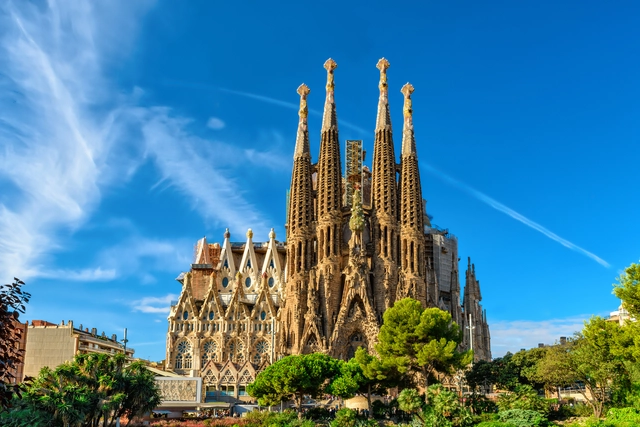
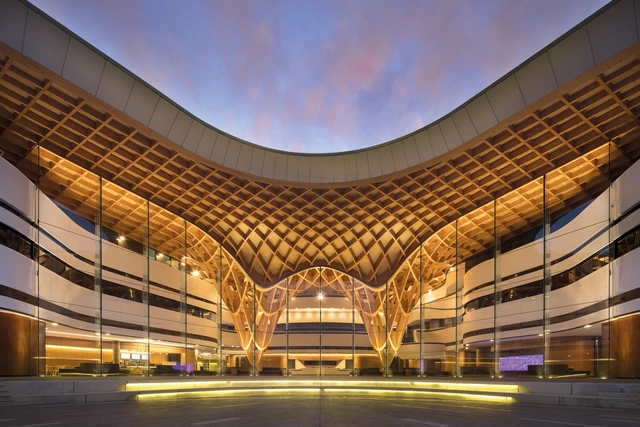
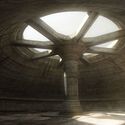
The satellite practice of Stefano Boeri Architetti in China has won the tender for the Culture CBD Modern Technology Experience Centre in Xi'an, the capital of the Chinese province of Shaanxi. The new technology-focused museum is set to become a hub for scientific and cultural exchange. The winning project takes inspiration from the area's natural landscape, characterized by a tortuous system of rivers and mountains, as well as the culture of the ancient city of Xi’an.
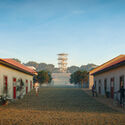
Construction has just begun on the Tor Alva, or the White Tower, the world’s largest 3-D printed tower. Designed by architects Michael Hansmeyer and Benjamin Dillenburger and printed with concrete by the technology university ETH Zurich, 8 out of 32 structural columns have been completed. Nestled in the village of Mulegns in the Swiss Alps, the White Tower is designed as a venue for music and theater events. Standing at 30 meters, the design features 32 distinct Y-shaped columns, each boasting a pattern of textured details.
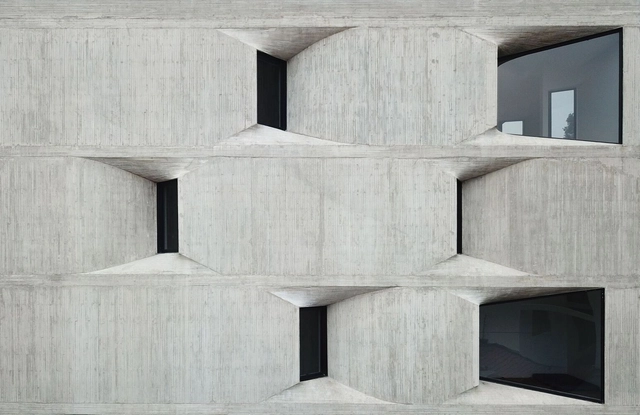
Formally, transparency usually takes the shape of a window, a door, a curtain wall, or a skylight. These are commonly created through rectangular punched openings or in the form of glass curtain wall systems or translucent screens. The following projects play with traditional notions of transparency and window-making in playful and unconventional ways. They create visually striking facades and dynamic relationships between their exterior and interior. They filter light and frame views through their glazing and opening articulation to craft memorable architectural experiences.
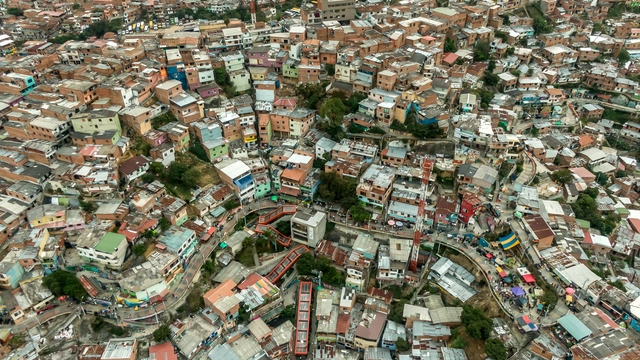
CityMakers, The Global Community of Architects Who Learn from Exemplary Cities and Their Makers, is working with Archdaily to publish a series of articles about Barcelona, Medellin, and Rotterdam. The authors are the architects, urban planners, and/or strategists behind the projects that have transformed these three cities and are studied in the "Schools of Cities" and "Documentary Courses" made by CityMakers. On this occasion, Victor Restrepo, Coordinator of CityMakers in Medellin, presents his article "Medellin: A Case Study".
Medellín stands as an inspiring example for many cities worldwide. It is a city that transitioned from deep collective fear to hopeful enthusiasm for urban and social life characterized by quality and coexistence. The city's crisis has always been associated with violence and drug trafficking. However, this crisis is more structural and profound, it responds to many more factors, some of which are associated with the accelerated growth of its population, as in many Latin American cities.
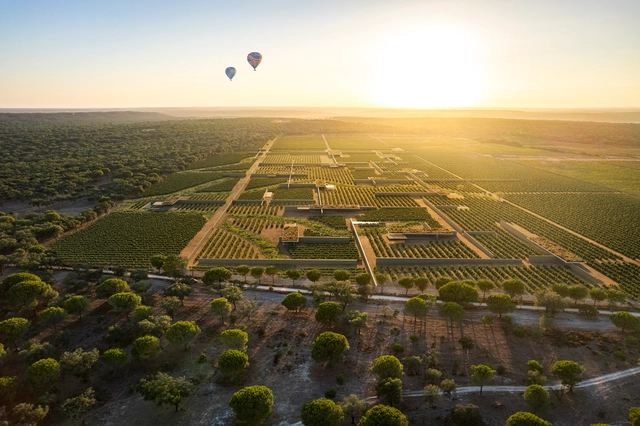
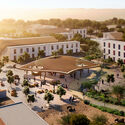
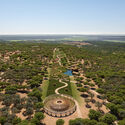
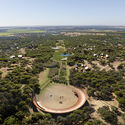
In collaboration with MassLab, OODA has been awarded first place in the Barrosinha Agricultural Company competition, aimed at creating a 2,000-hectare development seamlessly integrated into the agro-forestry heritage of Alcácer do Sal, Portugal. The master plan, covering a variety of functions for tourism, housing, commerce, and leisure, is designed in harmony with the United Nations Sustainable Development Goals, striving to transform Herdade da Barrosinha into a model of sustainable renewal.
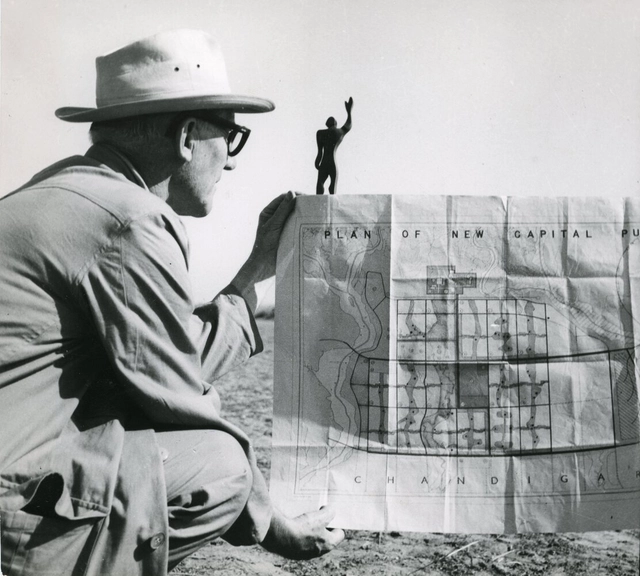
Courtesy of FDL, ADAGP 2014 | Le Corbusier in Chandigarh with the plan of the city and a model of the Modular Man, his universal system of proportion, 1951
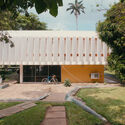
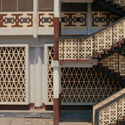
The Victoria & Albert Museum is set to present an expansive exhibition focused on Tropical Modernism, an architectural movement that emerged in the late 1940s. British architects Jane Drew and Maxwell Fry were instrumental in developing this approach, combining modernism’s functional goals with local climate adaptations in warm and humid weather. This movement, which embodies Britain's unique contribution to international modernism, evolved against a backdrop of anti-colonial resistance, blending colonial architectural principles with local needs.
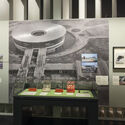
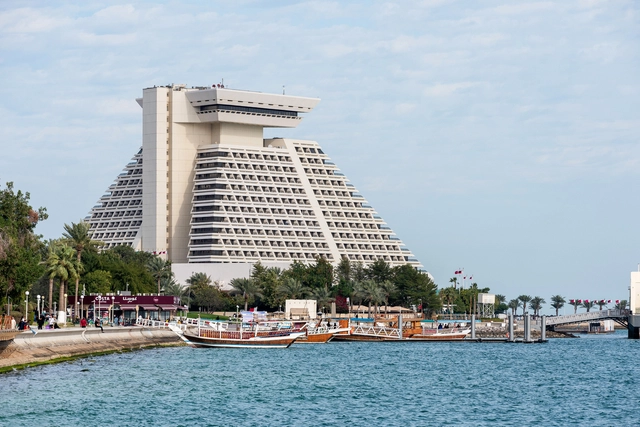
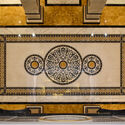
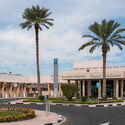
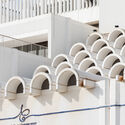
As part of the Design Doha 2024 Biennial, Glenn Adamson and Péter Tamás Nagy present the exhibition “Colors of the City: A Century of Architecture in Doha” investigating the architectural evolution of the capital of Qatar based on multiple global influences that characterize it. Running until March 30, 2024, the exhibition offers a journey through Doha's architectural history featuring various styles such as Classicism, Art Deco, and Modernism, contemplating the Qatari adaptations of these styles developed by architects from Europe, America, the Middle East, and South Asia.
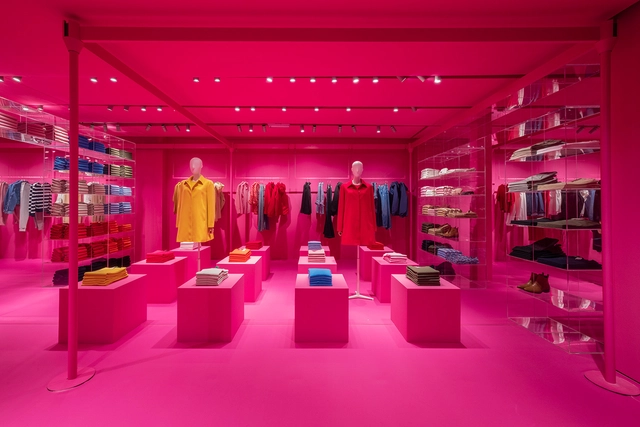
Benetton's physical store to mimic its virtual environment. Image Courtesy of Benetton
The evolution of retail design warrants a study of architectural practice in the digital realm. While physical commercial spaces have been the conventional center of shopping experiences, the emergent frontier of the metaverse—an interconnected network of virtual 3D environments—indicates an important shift in brand-consumer interactions. For architects, this liminal space presents a unique canvas, free from the material constraints that have traditionally molded design ideations. The metaverse is a new terrain where the architecture of imagination may be fully realized, inviting a reconceptualization of retail design possibilities.
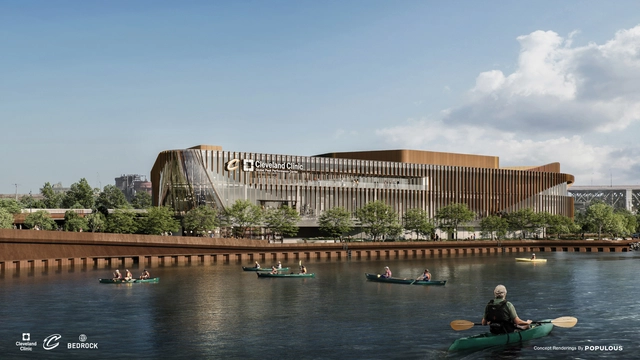
Populous has unveiled its design for the Cleveland Clinic Global Peak Performance Center, a 210,000-square-foot facility slanted to become the world’s largest training center. Created through a collaboration between the Cleveland Cavaliers, Cleveland Clinic, and Bedrock Real Estate, the venue will be located along the Cuyahoga River in downtown Cleveland. Pending approval, the groundbreaking is expected to happen before the end of 2024.
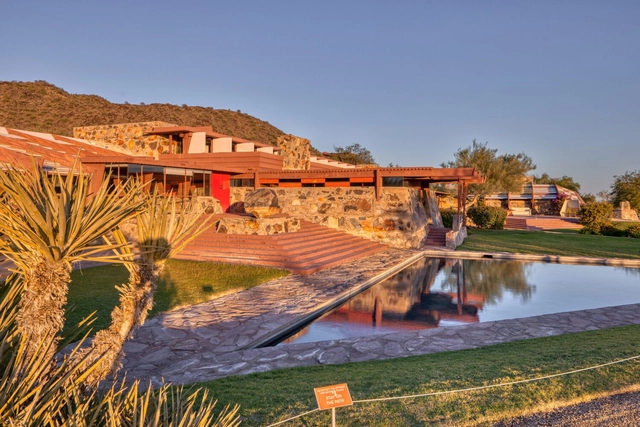
Courtesy of Frank Lloyd Wright Foundation | Taliesin West by Andrew Pielage
The renowned Frank Lloyd Wright Foundation has entrusted Sasaki with the task of designing a comprehensive design for Taliesin West in Scottsdale, Arizona, United States. Deemed a world heritage site, the location is a testament to the cultural and architectural legacy of the famed architect Frank Lloyd Wright, serving as his winter retreat and experimentation hub. The design seeks to pay homage to the heritage of Taliesin West while ensuring its longevity and relevance for generations to come.
In commemorating World Autism Day, it is crucial to acknowledge the impact of design on the lives of individuals with disabilities. Whether it’s the Autism Garden in Iran by Hajm.e.Sabz, the Sycamore at Northgate Park Hospital in the United Kingdom, or the Home for The Homeless, each of these projects celebrates diverse needs and seeks to foster a sense of belonging and empowerment for all.
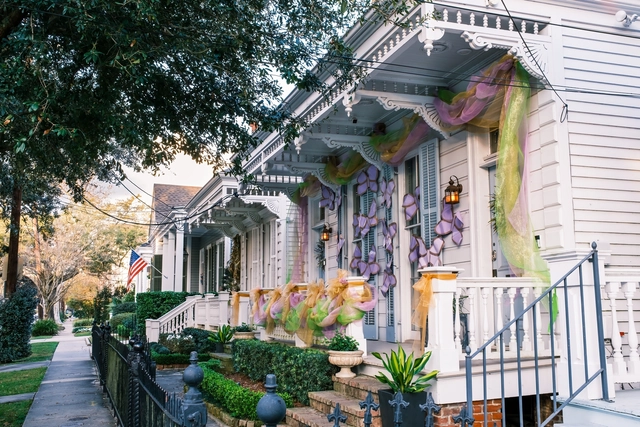
Porches in New Orleans. Image via William A. Morgan / Shutterstock
Positioned between the streetscape of a neighborhood and the privacy of the interior of a house lies the porch. Taking on the role of an entrance, a window to ponder out of, a gathering spot, and a stage, the porch has come to represent community and identity for many neighborhoods in the United States. Made of various stylistic elements of different sizes and shapes, these tie together neighborhoods by creating an interstitial space between the home and the street, weaving together the family life inside the house and the public life outside it, and creating a space between the private and public for both serendipitous encounters and for pausing. The porch has often been displayed in film and literature as the stage of profound and life-changing conversations, representing a comfortable threshold between the domestic and public realm in which to linger.
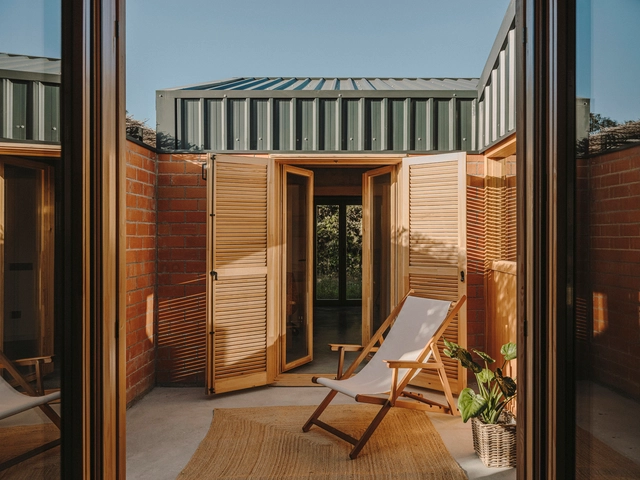
According to the climatic conditions of each region and its implantation environment, exterior enclosures play a fundamental role in providing the necessary climatization and ventilation conditions to make indoor spaces habitable and comfortable. While there are various bioclimatic strategies and designs that can be applied to achieve energy efficiency, the determination of materiality, the choice of hardware, and the definition of opening and closing technologies contribute to the performance of facades, providing functionality and a high degree of adaptability to contemporary uses, among other factors.
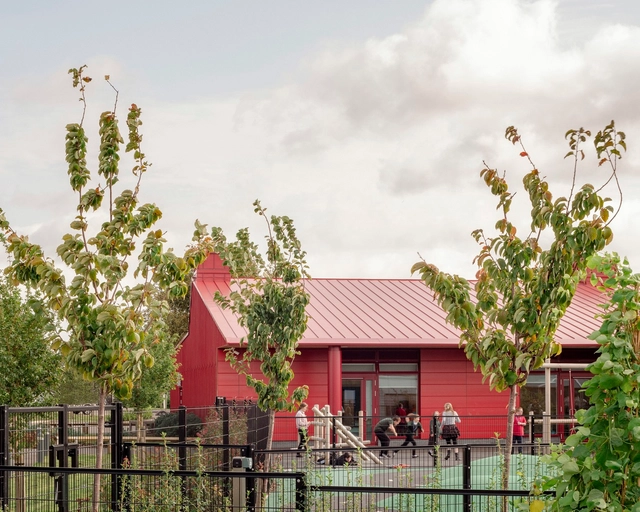
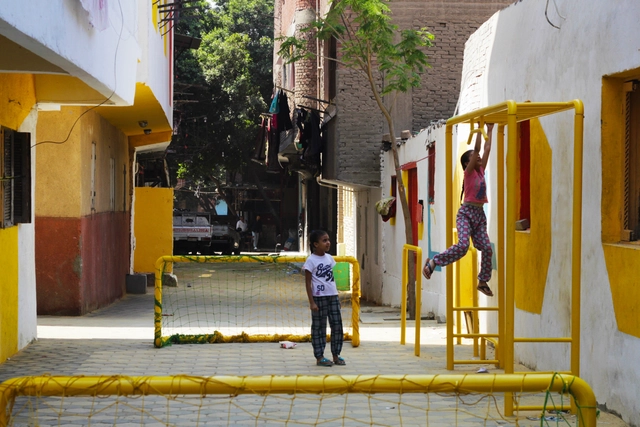
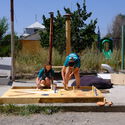
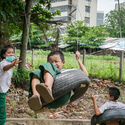
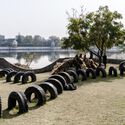
The idea of a community or public playground is about creating an accessible recreational space for all. However, in many cases, initiating a playground project might fail due to insufficient funds or regulations/restrictions. The first challenge is largely to set the project in motion and, most importantly, get the community’s positive reception and, if possible, its involvement, thus ensuring the project's success and sustainability.
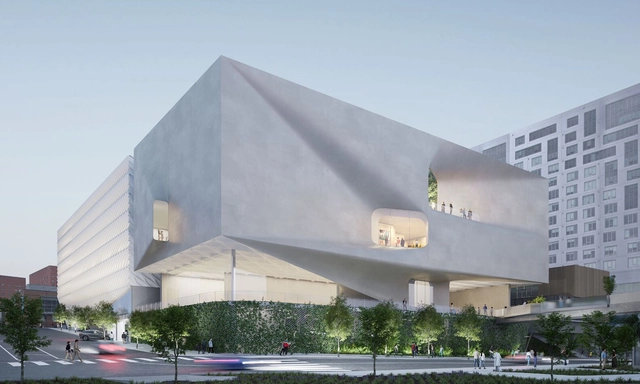
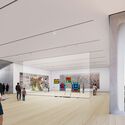
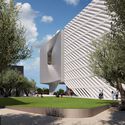
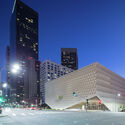
Diller Scofidio + Renfro (DS+R) has unveiled their proposal for the expansion of The Broad, a contemporary art museum founded in 2015 by philanthropists Eli and Edythe Broad on Grand Avenue in downtown Los Angeles. The project is set to adapt the existing museum, also designed by Diller Scofidio + Renfro, to the growing expectations of the public, as the institution has far exceeded its projections, now regularly attracting nearly four times more visitors than originally envisioned. The intervention aims to enhance public accessibility and offer the opportunity to host live performances and events, while also accommodating the institution’s growing collection. The expansion is expected to open before the 2028 Summer Olympics.
Chinese temples have stood for centuries, battered by wind and earthquakes, without a crack or timber out of place. They employ an ancient technique called “bracket set construction” that requires no nails or metal parts to connect wooden structural elements. Scandinavian stave churches are nearly as durable. Unsurprisingly, there are plenty of trees in Sweden and all over China.
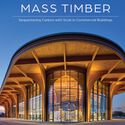
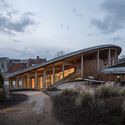
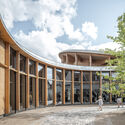
So what is with the hype about innovation in “mass timber” construction over the past few years? As Boyce Thompson argues in his thoughtful new book, Innovations in Mass Timber: Sequestering Carbon with Style in Commercial Buildings (Schiffer Publishing), this will be the next big thing in “green” tech for architects feeling guilty about their costly titanium skins and outsized carbon footprints. The color photos show some impressive buildings in places where the wood industry has always been healthy, such as the Pacific Northwest and Scandinavia. The Japanese build log cabins with imported material that might as well be gold.
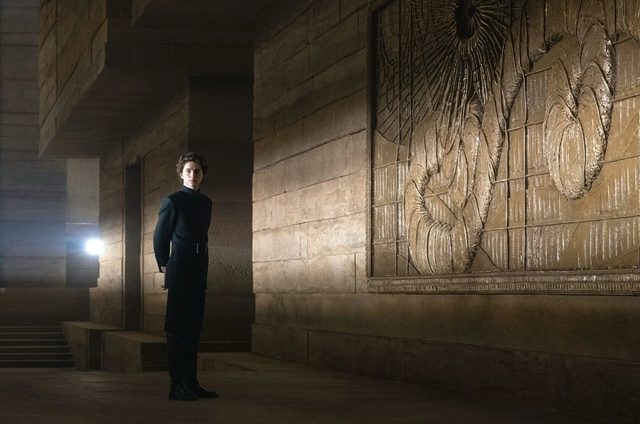
Imagine a world thousands of years into the future, one where humanity has conquered planets from galaxies away, only to default to a neofeudalistic social order in a constant power struggle, all built upon an intricate tapestry of cultures and religions and set in a harsh yet vivid landscape that becomes a character in and of itself. This was the challenge faced by director Denis Villeneuve and production designer Patrice Vermette in creating the cinematic adaptation of Frank Herbert's 1965 novel. The two Dune movies, released in 2021 and 2024, were conceived as a whole and therefore share a coherent style and cinematic expression. Beyond aesthetics, the environment and architecture of Dune present a lived-in, believable world, one that anchors the action and characters, silently offering invaluable insights into the values and mythology of each civilization.