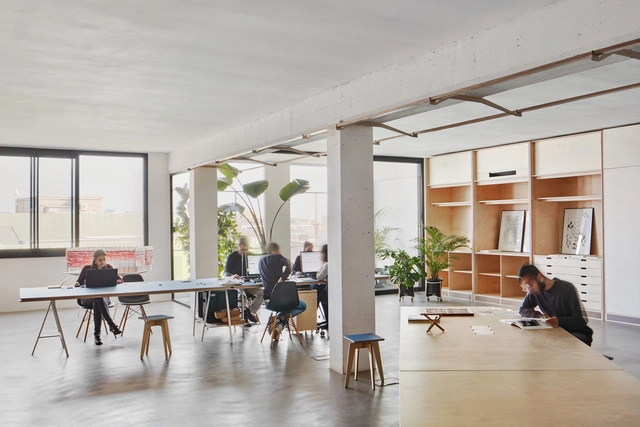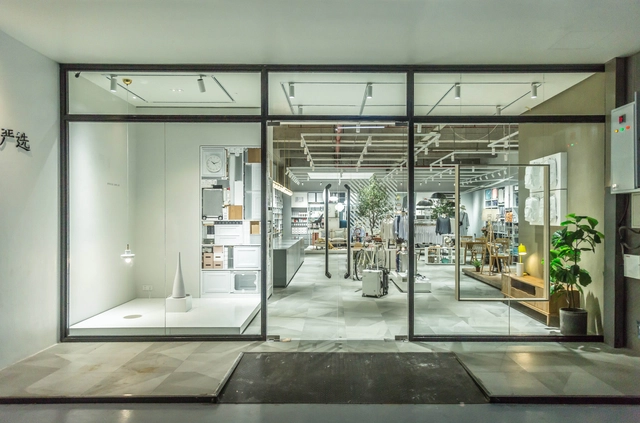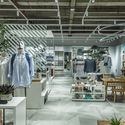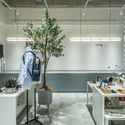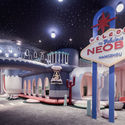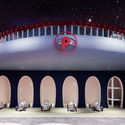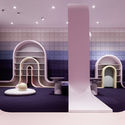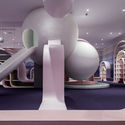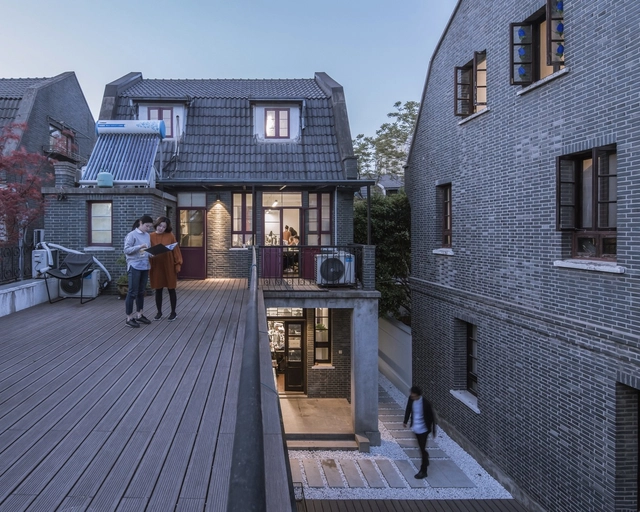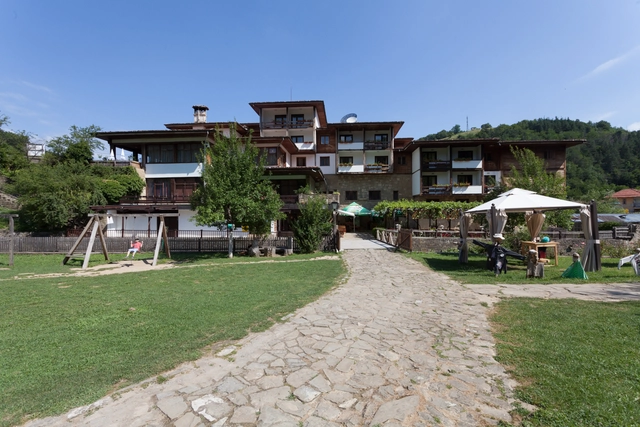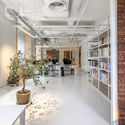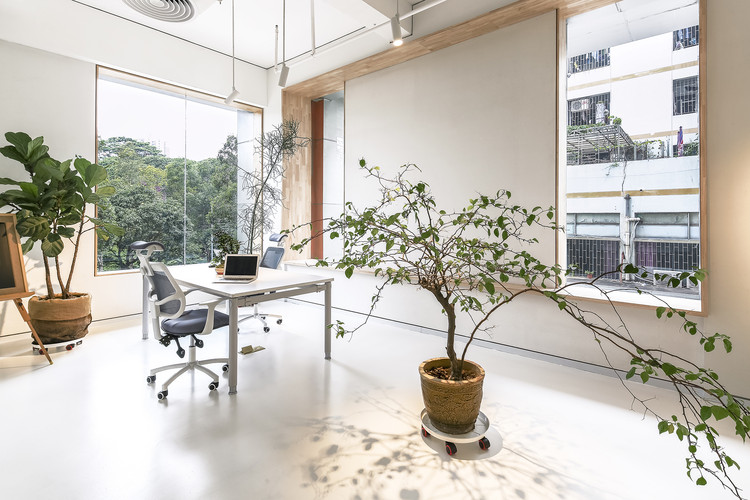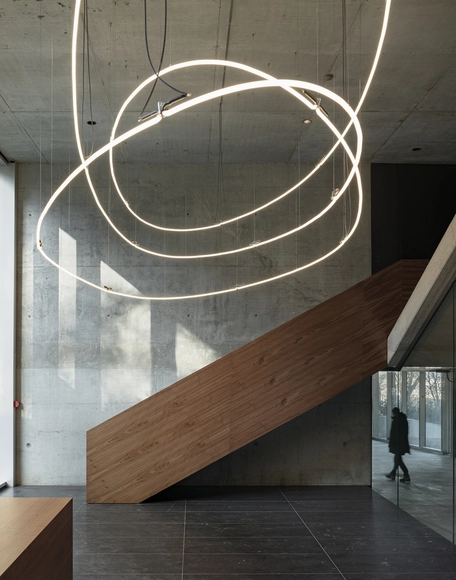
Casa Maca / Workshop, Diseño y Construcción. Image
Over the years, interior design has evolved according to the needs that arise, but above all according to the experiences it seeks to evoke in the user. In the last two years we have witnessed a radical change and a special interest in this subject because the pandemic forced us to pay specific attention to the configuration of the places we inhabit. This has brought about much more holistic designs that seek to address the wellbeing of the user, combining colours, sensory experiences, technology and natural elements that promote health.
Over the years, interior design has evolved according to the needs that arise, but above all, according to the experiences it seeks to evoke in the user. Over the last two years, we have witnessed a radical change and a special interest in this subject because the pandemic forced us to pay specific attention to the configuration of the places we inhabit. This brought about much more holistic designs that seek to address the wellbeing of the user, combining colours, sensory experiences, technology and natural elements that promote health.
Light serves an essential purpose in architecture: to help us see. Whether it be through natural or artificial methods, rooms must be illuminated accordingly so occupants can safely inhabit them and fulfill their daily functions. When the right system is selected, light can also contribute to energy efficiency and sustainability within the building as a whole. However, apart from its evident functional and environmental value, lighting design can vastly impact the visual comfort and aesthetic tone of interiors by drawing attention to textures, enhancing colors and defining volumes. Therefore, of the many pieces involved in interior design, lighting is certainly one that can enhance or destroy a space and even affect users’ well-being, which is why it should be considered a crucial design element by itself.
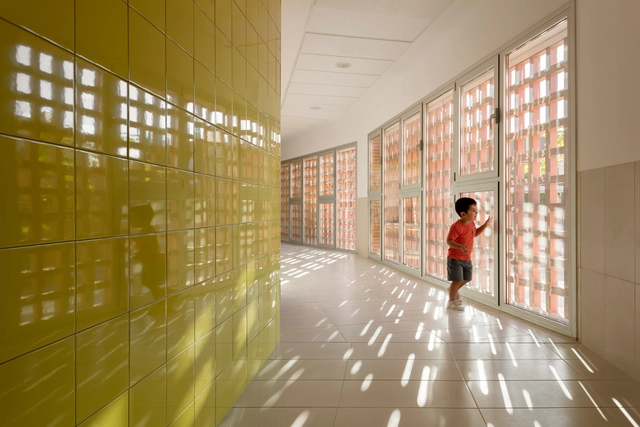
The ongoing pandemic has been a disruption to the everyday routines of billions around the world, as due to being confined to their households, the separation between work and rest has become extremely blurry, with people forced to rethink and reconfigure the layout of their personal spaces. Conversations have abounded on how to create flexible working spaces in a home environment, and if offices themselves are an outdated model that we should leave behind. A missing part of that conversation, however, is the impact that the pandemic has had on children, specifically primary-school level children, on their education - as inequalities are emphasized, some children learning with slow internet connection speeds, or struggling to have the space required to adequately complete educational activities.
Many architects and designers have highlighted the importance of taking into account all five senses during the design process, in order to create a successful user experience. Fortunately, many strategies have been implemented to facilitate the experience of those who are physically impaired, however, little is being done to aid those who feel helpless and restricted due to mental illnesses and traumatic experiences.
Healing from these experiences is a journey that requires a lot of effort from both the individual and everything and everyone around him/her. Oftentimes, victims of trauma are advised to spend more time in the outdoors, embracing the restorative qualities of nature. But what about interiors? Since people are now spending almost 90% of their time indoors, it is only natural that these spaces contribute to the healing process as well. And while these spaces can look beautiful with an abundance of natural light and neutral color palettes, are they truly beneficial to their mental health?
UNStudio and Bauwerk have created a new ‘analog smart’ urban living concept for the Van B residences in Munich, Germany. The completely new form of housing reimagines the future of city living, catering to changing demographics and multiple family constellations. Through adaptable partitions and a system of plugin furniture, the project allows an easy change of configuration. “Quality meters over square meters”.
With most of our lives spent indoors, the space we occupy has a major role in our psychological behavior. Environmental psychology or Space psychology is, in fact, the interaction between people and the spaces they inhabit. Lighting, colors, configuration, scale, proportions, acoustics, and materials address the senses of the individual and generate a spectrum of feelings and practices.
From inducing warmth and safety, defining well-being, or creating a positive and efficient working environment, space can have a whole lot of impact on how we act or on what we feel; therefore, design and creative measures should be considered according to the social and psychological needs of the occupants.
Winter World Campus Masters Selective Graduation Design Program 2019
SUMMARY World Campus Masters Selective Graduation Design Program (short for "WCM Program”) is launched by an international design competition platform Young Bird Plan, and it is committed to recognizing the fresh blood of contemporary design through evaluating graduation designs from global young designers in different regions and cultures. It encourages original design and design thinking in campus to conduct a positive dialogue with global design industry and industrial development, bringing young designers and their graduation works to one of the world's most influential design platform and the cutting-edge design ecosystem.
Designers who graduated between 2015 and 2019 and major in Architecture, Urban
This issue of OASE proactively confronts a disturbing trend: the encroaching standardization of interiors as civilization moves inwards. Rather than simply identifying the issue, the editors single out projects for interiors that derive their significance from a specific approach and show a recognizable element of authorship.
In the modern city, everyday life is increasingly moving towards the inside of buildings. The interiors of department stores, market halls, administration buildings, museums or theaters are part of the experience of the urban dweller. Every inner world of the city has its own character atmosphere and representative architectural language that supports its specific societal
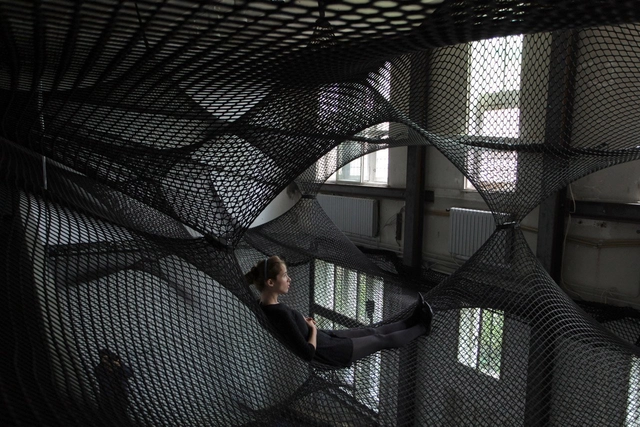
Architects use meshes and nets as a way to brighten up homes, hostels, and even office spaces. Functioning as a hammock, mesh establish a connection between floor levels. This playful feature often creates unexpected places for leisure, escape, and rest. Below, we've selected 17 projects that feature nets and meshes.
TRANS PLAN is an international student design competition organized by A2G (Architecture Gallery at the Faculty of Architecture University of Manitoba). The competition is open to all students registered in a spatial design (architecture, interior, landscape, urban, and so on) and or an exhibition design programs.
The challenge of TRANS PLAN 2018 is to design an immersive installation that evolves throughout the duration of the exhibition. The winning entry, selected by the jury, will be installed at A2G for public viewing for 50+/- days in the fall of 2018.
[Design Brief]
Can space evolve through its contextual and environmental
Let's play with LIGHT!!! Design a building, façade or interior. illuminate it with LUG and FLASH&DQ luminaires and win attractive prizes! (total amount: 12 000 €)
The organizer of the contest - LUG Light Factory is a leading European manufacturer of professional lighting solutions with almost 30 years of experience. The cooperation partners are: bimobject.com, CAD PROJEKT K&A and Builder Magazine.
The competition is preformed in the following categories:
Architecture: Creating lighting effects, exposing selected parts of the building, highlighting and emphasizing architectural details to create an attractive image of the illuminated object - this is architectural lighting. In modern buildings, the external zone often penetrates