The Second Studio (formerly The Midnight Charette) is an explicit podcast about design, architecture, and the everyday. Hosted by Architects David Lee and Marina Bourderonnet, it features different creative professionals in unscripted conversations that allow for thoughtful takes and personal discussions.
A variety of subjects are covered with honesty and humor: some episodes are interviews, while others are tips for fellow designers, reviews of buildings and other projects, or casual explorations of everyday life and design. The Second Studio is also available on iTunes, Spotify, and YouTube.
This week David and Marina of FAME Architecture & Design discuss architecture program. The two cover what program in architecture means, why it is important, how it is developed and implemented, and examples of leveraging program for creative design.
https://www.archdaily.com/1015372/the-second-studio-podcast-program-as-the-secret-to-great-architectureThe Second Studio Podcast
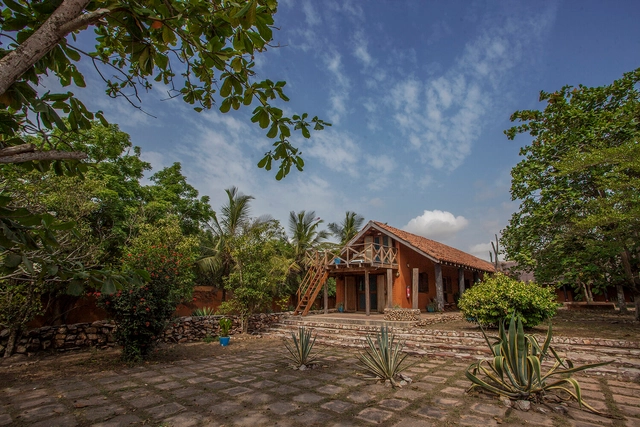
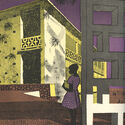
Alero Olympio (1959-2005) was an architect and builder known for an intimately ecological approach to architecture. Born in Ghana, she divided her practice between Ghana and Scotland. She focused on work that prioritized people and was sincerely committed to social and environmental sustainability, prioritizing using locally sourced materials.
Her work legacy includes physical buildings like the Kokrobitey Institute, her advocacy for earthen constructions, research on sustainable forestry products, and so much more. However, a gap exists in the institutionalized archives of her work, leading to the current ongoing efforts to build a comprehensive archive of her contributions. The 2024 Womxn in Design and Architecture (WDA) annual conference organized by Princeton University School of Architecture made a significant contribution. It featured exhibitions, seminars, and panel discussions that reflected on Alero Olympio's legacy and examined the architectural insights her work continues to offer.
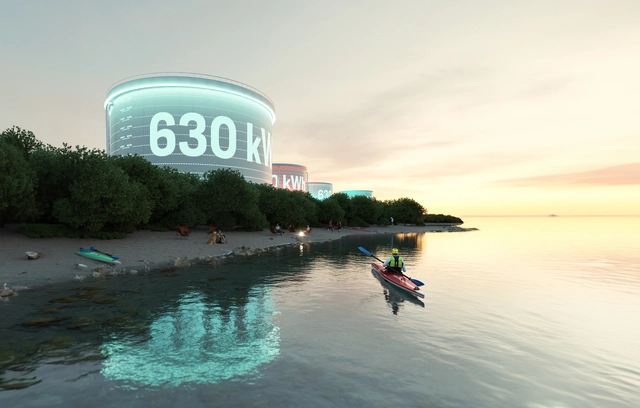
Courtesy of Carlo Ratti Associati | Water Battery Park
Carlo Ratti Associati has just revealed its designs for a waterfront green energy park in Trieste, Italy. Initially a disused petroleum refinery, the initiative seeks to bridge the gap between the city’s industrial past and a sustainable future by repurposing oil storage tanks into renewable energy solutions. Dubbed “water batteries,” the repurposed oil storage tanks are linked to the Adriatic Sea.
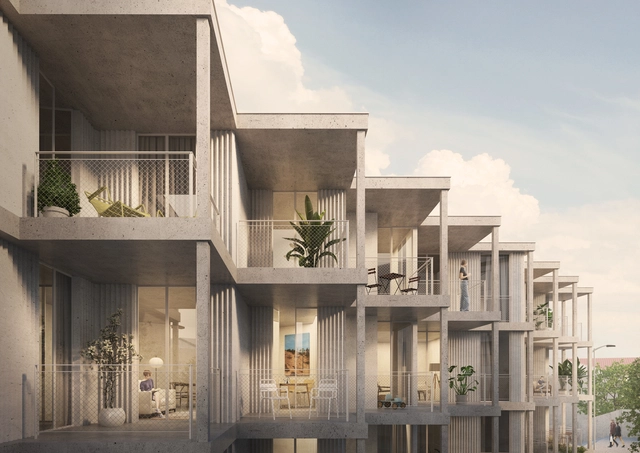
Almada Housing Plot C - Icaro / MASSLAB. Image Courtesy of MASSLAB
In every city, urban housing projects represent most of the built environments, reflecting an intricate weave of societal needs and architectural visions. This roundup of unbuilt projects submitted by the ArchDaily Community offers a lens into the dynamic interplay between design constraints and creative opportunities. From the revitalization of urban fragments to the exploration of innovative construction methods, architects navigate a terrain shaped by sustainability imperatives, community inclusivity, and evolving urban dynamics.
The diversity of unbuilt urban housing projects showcased here underscores the breadth of architectural interventions, featuring commitments to sustainability and inclusivity. From projects featuring new building materials such as wooden construction systems to those created to maximize sunlight or engage the larger community, this week’s curated selection showcases unbuilt collective housing projects from around the world.
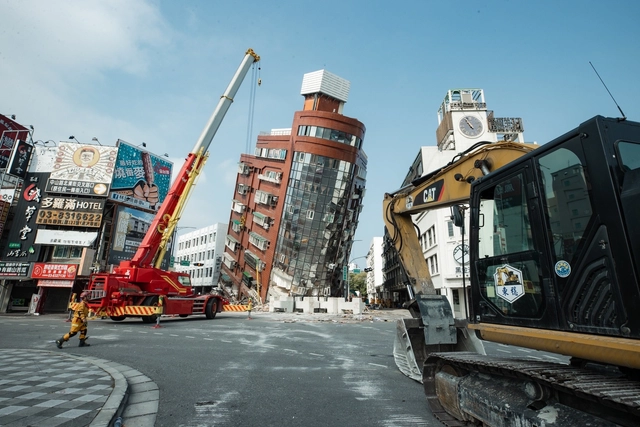
On April 3, Taiwan was hit by a 7.4 magnitude earthquake, the strongest one in 25 years. According to the latest reports, nine people have been killed, and at least 900 others have been injured by damaged buildings and landslides on the island. The seism was centered off the eastern coast of Hualien County, severely damaging buildings, some leaning at severe angles. However, the country’s strict building codes, developed in the past two decades in response to the area’s intense seismic activity, have prevented even more extensive damage and loss of life.
Italian architect and industrial designer Gaetano Pesce has passed away at the age of 84, as announced today on the creator's official Instagram page. Known for the famous UP5 Chair (2000) by B&B Italia which can be compressed like a sponge, and the Organic Building in Osaka, Japan (1993), with a vertical garden irrigated by a complex, computer-controlled hydration system, Pesce dedicated over six decades to his craft, accumulating a portfolio that spanned architecture, product design, and art.
During Milan Design Week 2024, a monographic exhibition titled "Nice to See You" showing at Biblioteca Ambrosiana, is set to feature unreleased works of Gaetano Pesce. Additionally, Gaetano was presenting "L’Uomo Stanco" an outdoor installation in Piazza San Pio XI.
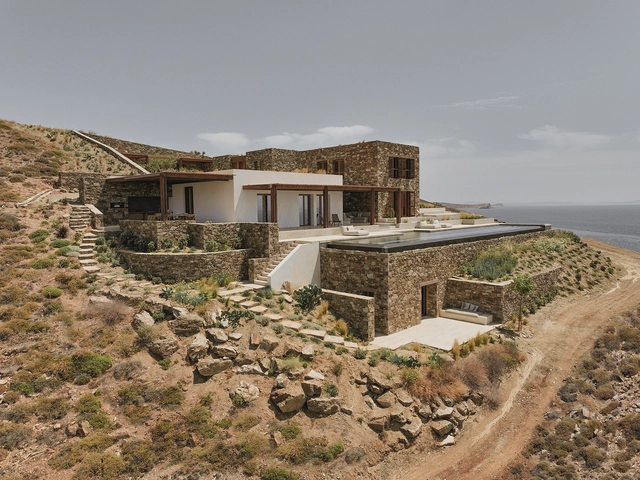
Sloped terrain offers a tantalizing prospect for developers. With breathtaking views over either natural or urban landscapes, often without the realistic possibility of being overlooked by future development, a parcel of land on a slope provides a high reward. However, whether it’s the extra excavation involved to cut and fill or cantilever out on a flat surface, the complications of water drainage, or the loss of light and difficulty of access at the front of the property, building on sloped terrains is not without its difficulties.
But it’s not necessarily the angle of the site that’s most at fault, it’s the shape of the building. By splitting up a multi-story structure and repositioning – possibly even disconnecting – each level, projects designed to comply with the existing topography by applying multiple ground levels can reduce the amount of excavation required. The split floor plan can also help to improve access and natural light and increase both interior and exterior space.
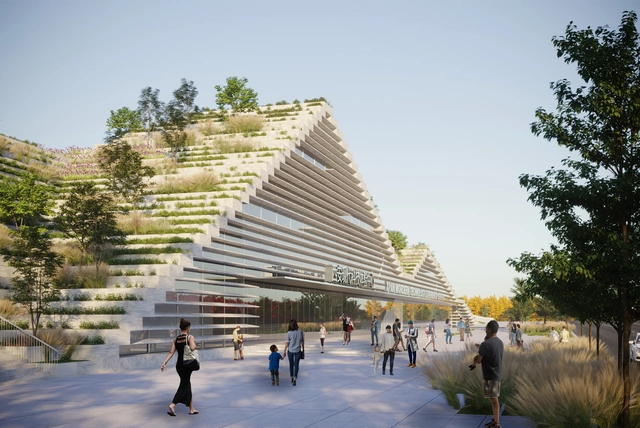
The satellite practice of Stefano Boeri Architetti in China has won the tender for the Culture CBD Modern Technology Experience Centre in Xi'an, the capital of the Chinese province of Shaanxi. The new technology-focused museum is set to become a hub for scientific and cultural exchange. The winning project takes inspiration from the area's natural landscape, characterized by a tortuous system of rivers and mountains, as well as the culture of the ancient city of Xi’an.
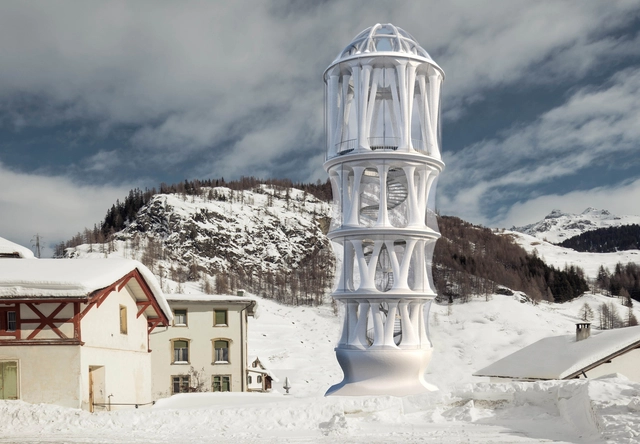
Construction has just begun on the Tor Alva, or the White Tower, the world’s largest 3-D printed tower. Designed by architects Michael Hansmeyer and Benjamin Dillenburger and printed with concrete by the technology university ETH Zurich, 8 out of 32 structural columns have been completed. Nestled in the village of Mulegns in the Swiss Alps, the White Tower is designed as a venue for music and theater events. Standing at 30 meters, the design features 32 distinct Y-shaped columns, each boasting a pattern of textured details.
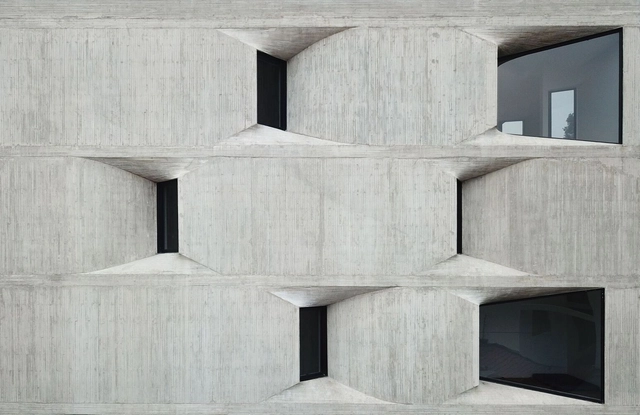
Formally, transparency usually takes the shape of a window, a door, a curtain wall, or a skylight. These are commonly created through rectangular punched openings or in the form of glass curtain wall systems or translucent screens. The following projects play with traditional notions of transparency and window-making in playful and unconventional ways. They create visually striking facades and dynamic relationships between their exterior and interior. They filter light and frame views through their glazing and opening articulation to craft memorable architectural experiences.
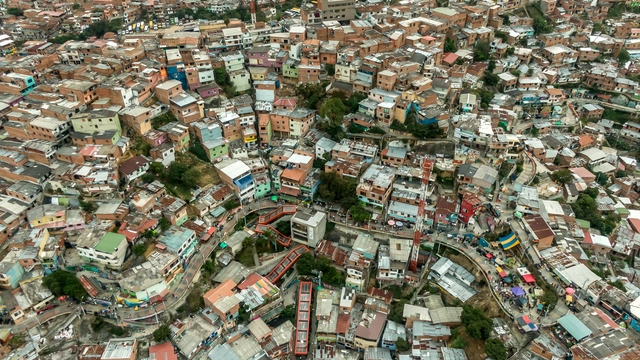
CityMakers, The Global Community of Architects Who Learn from Exemplary Cities and Their Makers, is working with Archdaily to publish a series of articles about Barcelona, Medellin, and Rotterdam. The authors are the architects, urban planners, and/or strategists behind the projects that have transformed these three cities and are studied in the "Schools of Cities" and "Documentary Courses" made by CityMakers. On this occasion, Victor Restrepo, Coordinator of CityMakers in Medellin, presents his article "Medellin: A Case Study".
Medellín stands as an inspiring example for many cities worldwide. It is a city that transitioned from deep collective fear to hopeful enthusiasm for urban and social life characterized by quality and coexistence. The city's crisis has always been associated with violence and drug trafficking. However, this crisis is more structural and profound, it responds to many more factors, some of which are associated with the accelerated growth of its population, as in many Latin American cities.
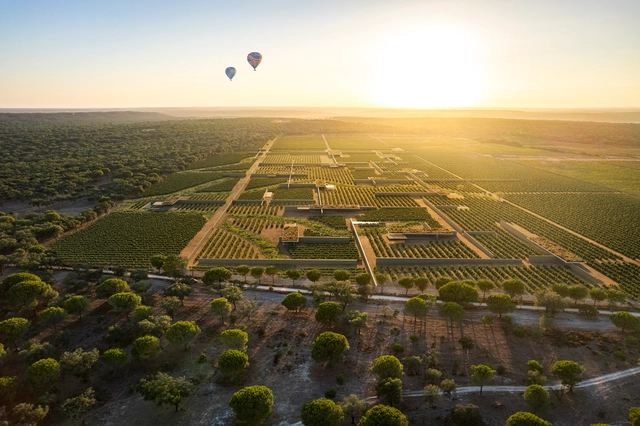
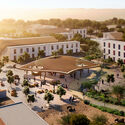
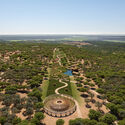
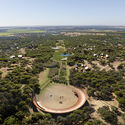
In collaboration with MassLab, OODA has been awarded first place in the Barrosinha Agricultural Company competition, aimed at creating a 2,000-hectare development seamlessly integrated into the agro-forestry heritage of Alcácer do Sal, Portugal. The master plan, covering a variety of functions for tourism, housing, commerce, and leisure, is designed in harmony with the United Nations Sustainable Development Goals, striving to transform Herdade da Barrosinha into a model of sustainable renewal.
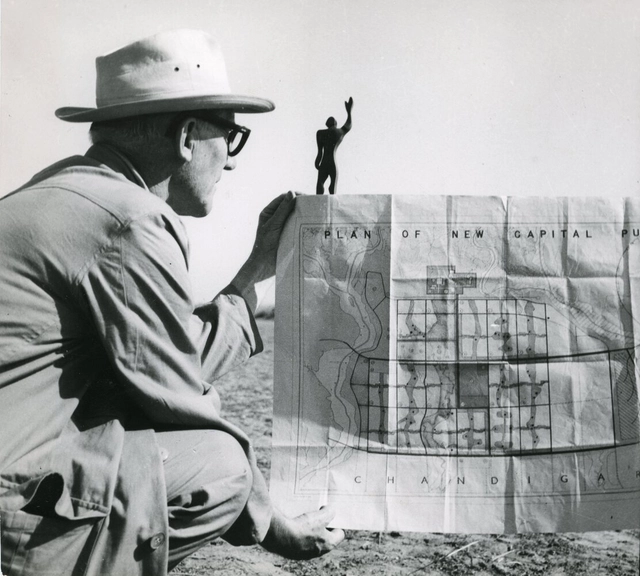
Courtesy of FDL, ADAGP 2014 | Le Corbusier in Chandigarh with the plan of the city and a model of the Modular Man, his universal system of proportion, 1951
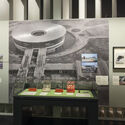
The Victoria & Albert Museum is set to present an expansive exhibition focused on Tropical Modernism, an architectural movement that emerged in the late 1940s. British architects Jane Drew and Maxwell Fry were instrumental in developing this approach, combining modernism’s functional goals with local climate adaptations in warm and humid weather. This movement, which embodies Britain's unique contribution to international modernism, evolved against a backdrop of anti-colonial resistance, blending colonial architectural principles with local needs.
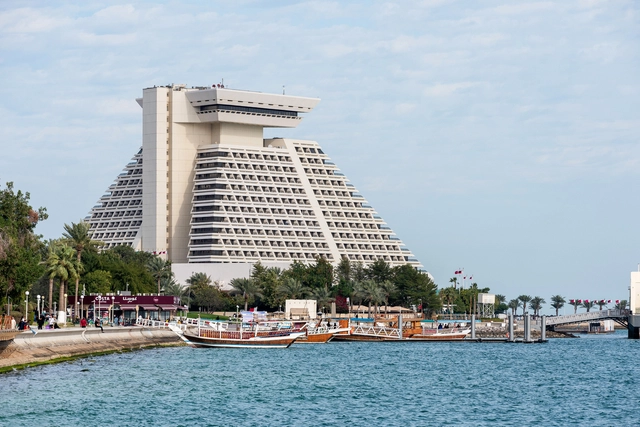
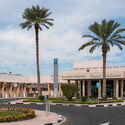
As part of the Design Doha 2024 Biennial, Glenn Adamson and Péter Tamás Nagy present the exhibition “Colors of the City: A Century of Architecture in Doha” investigating the architectural evolution of the capital of Qatar based on multiple global influences that characterize it. Running until March 30, 2024, the exhibition offers a journey through Doha's architectural history featuring various styles such as Classicism, Art Deco, and Modernism, contemplating the Qatari adaptations of these styles developed by architects from Europe, America, the Middle East, and South Asia.
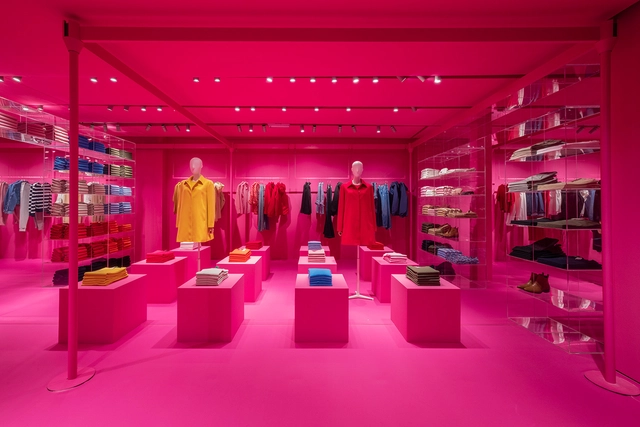
Benetton's physical store to mimic its virtual environment. Image Courtesy of Benetton
The evolution of retail design warrants a study of architectural practice in the digital realm. While physical commercial spaces have been the conventional center of shopping experiences, the emergent frontier of the metaverse—an interconnected network of virtual 3D environments—indicates an important shift in brand-consumer interactions. For architects, this liminal space presents a unique canvas, free from the material constraints that have traditionally molded design ideations. The metaverse is a new terrain where the architecture of imagination may be fully realized, inviting a reconceptualization of retail design possibilities.
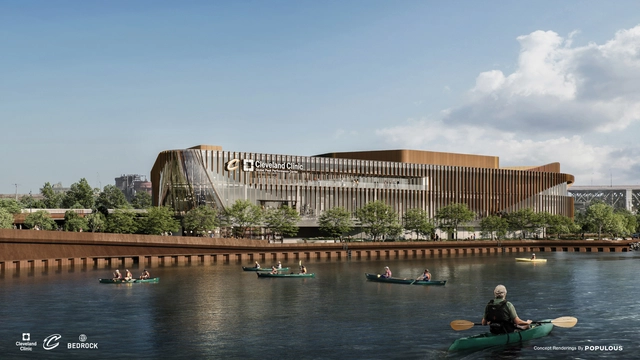
Populous has unveiled its design for the Cleveland Clinic Global Peak Performance Center, a 210,000-square-foot facility slanted to become the world’s largest training center. Created through a collaboration between the Cleveland Cavaliers, Cleveland Clinic, and Bedrock Real Estate, the venue will be located along the Cuyahoga River in downtown Cleveland. Pending approval, the groundbreaking is expected to happen before the end of 2024.
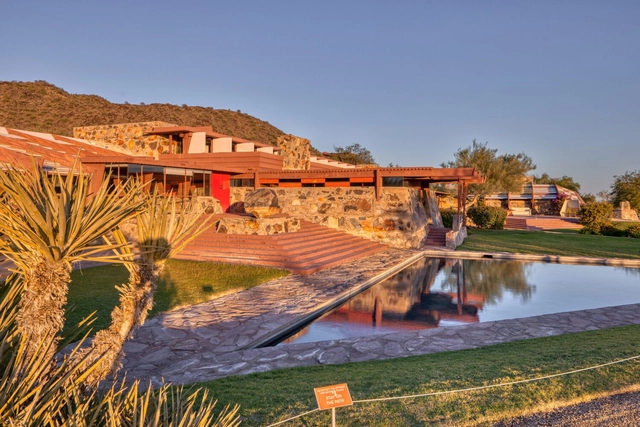
Courtesy of Frank Lloyd Wright Foundation | Taliesin West by Andrew Pielage
The renowned Frank Lloyd Wright Foundation has entrusted Sasaki with the task of designing a comprehensive design for Taliesin West in Scottsdale, Arizona, United States. Deemed a world heritage site, the location is a testament to the cultural and architectural legacy of the famed architect Frank Lloyd Wright, serving as his winter retreat and experimentation hub. The design seeks to pay homage to the heritage of Taliesin West while ensuring its longevity and relevance for generations to come.
In commemorating World Autism Day, it is crucial to acknowledge the impact of design on the lives of individuals with disabilities. Whether it’s the Autism Garden in Iran by Hajm.e.Sabz, the Sycamore at Northgate Park Hospital in the United Kingdom, or the Home for The Homeless, each of these projects celebrates diverse needs and seeks to foster a sense of belonging and empowerment for all.