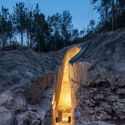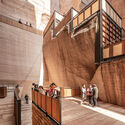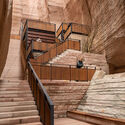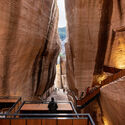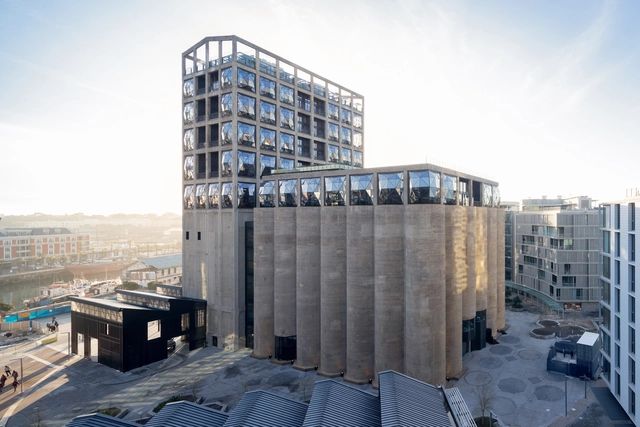
However, despite their enclosed design appearing to be an obstacle for new uses, recent decades have seen initiatives that embrace and repurpose these structures. These projects integrate silos into the urban environment, emphasizing their significance as part of the local collective memory.
Throughout 2024, ArchDaily, in collaboration with the Open House Europe architecture event, brought inspiring projects and stories to light. These true architectural gems were unveiled through visits, and their widely shared narratives enriched the architectural discourse. It is an invitation to explore the stories behind buildings that, although part of citizens' daily lives, often go unnoticed amidst the routine automation of everyday life.
These narratives explored projects of different scales, uses, and contexts, revealing everything from religious buildings, to remarkable examples of adaptive reuse of old industrial structures, now taking on new roles within their communities. Each story uncovered the many layers that make up a building – from its initial design to the new meanings it has acquired over time.
The middle of the Twentieth Century saw the independence of most countries on the African continent. Those euphoric times brought forward-looking sentiments and a wish to break with the past. As an architectural movement, Modernism was ideal for the day, and newly independent countries had extensive building programs to assert themselves as fully functioning nations.
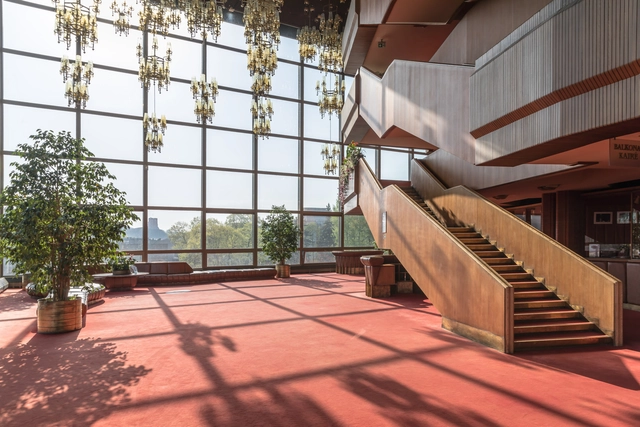
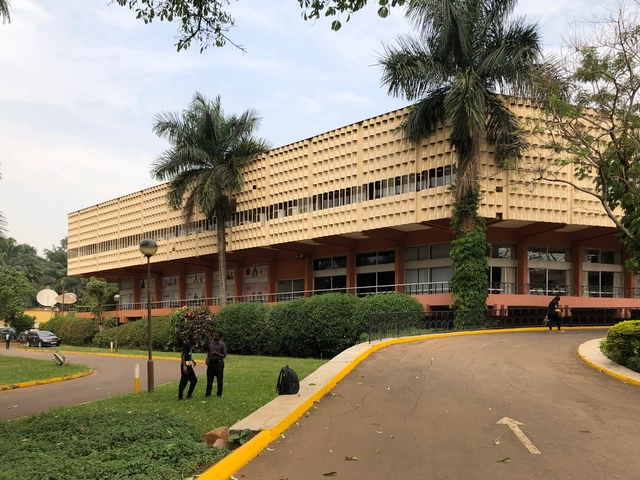
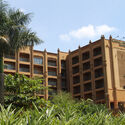
Hotels are one type of building that illustrates the complex architectural and political history of the times. Some were built specifically to host international delegations, others to boost tourism, while some were built as strong leaders' wishes. Although a marginal building type, several hotels across Africa stand as physical records of important parts of their respective country's history. Following an exploration of the histories of West Africa's Modernist Hotels, this second article turns to East Africa to uncover the ways in which this understated typology relates to larger histories of independence and national identity.
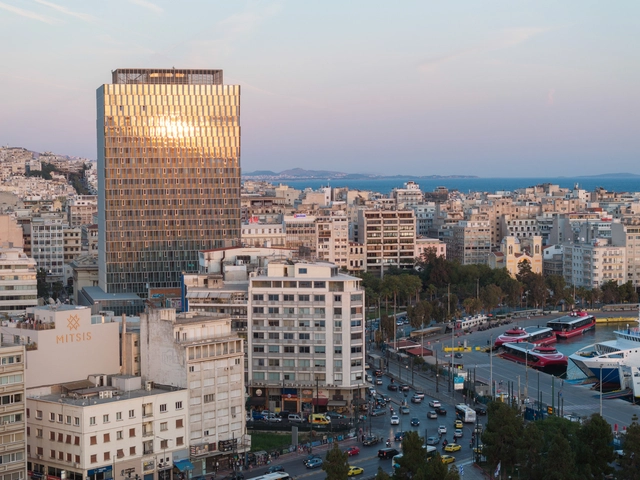
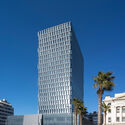
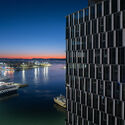
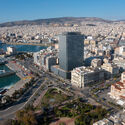
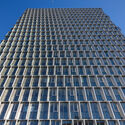
The landmark of Piraeus, located in the heart of the largest passenger port in Europe, began construction in 1972 but remained unfinished and vacant for decades. Finally completed in 2023, after an international competition, it now stands as Greece's first green and digital skyscraper. The architectural firm PILA took on the design of the facades, while the office ASPA-KST designed the commercial spaces, and the new general architectural study was entrusted to Betaplan. After over four years of renovation, Piraeus Tower officially opened its doors to tenants and visitors on June 4th with a night of celebrations, establishing itself as a bustling hub and injecting vitality into the area.
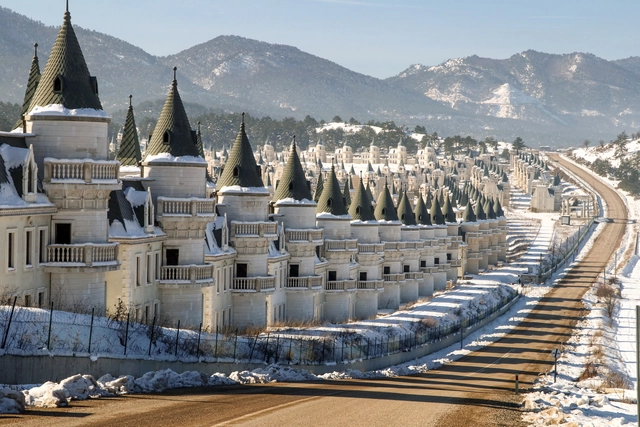
Most of us have probably imagined living in a castle at some point, whether during childhood, enchanted by fairy tales, or as adults studying European monarchies. Considering this fascination, what would you think if you had the chance to buy your castle? In mid-2014, you could make that dream a reality in Turkey for just $370,000. Each luxurious 325-square-meter castle came complete with blue turrets and spiral staircases. The only catch? Your castle would be one of 731 identical ones. But who cares about exclusivity when you have the chance to live in a Disney fairy tale?
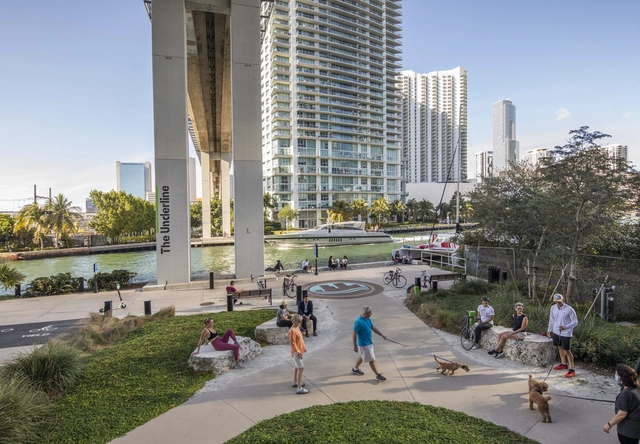
In the early 2000s, an abandoned rail line in Manhattan sat decaying - a memory from a time when freight trains traveled straight through the city. To most citizens, it was a site destined for demolition. However, a few visionary residents saw an opportunity in this neglected space and advocated to transform it into a public green space for the community. The success of the project seemed to spark a "High Line Effect", inspiring other American cities to pursue civic infrastructure on outdated railways, roadways, and industrial sites.
The relocation of a capital city is a complex urban decision with various dimensions and consequences for both the old and new capital. It can be driven by political, economic, societal, and other factors, and has urban and architectural implications for residents. These include factors such as location, planning, building design, the purpose of the old capital, climatic conditions, and separating the political/administrative hubs from cultural and economic cities.
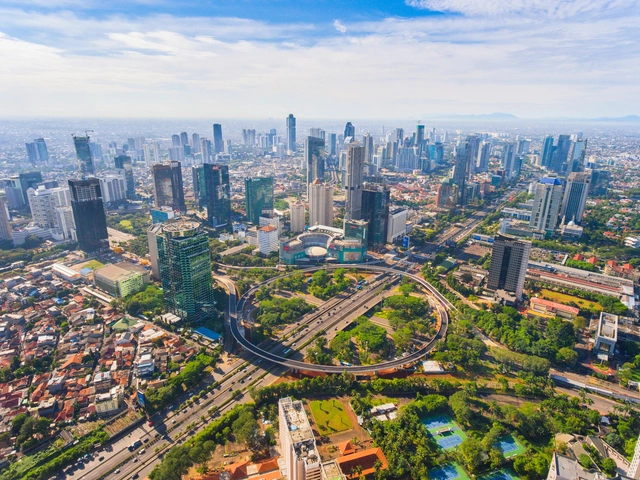
In light of the ongoing urban discourse, countries like Egypt are constructing a new capital city to alleviate population and urban stress on Cairo. Similarly, Indonesia is planning a new capital in response to challenges faced by Jakarta, such as pollution, traffic congestion, and rising sea levels. It is valuable to examine other countries in the global south that have relocated their capital cities, noting the architectural and urban lessons learned from their experiences.
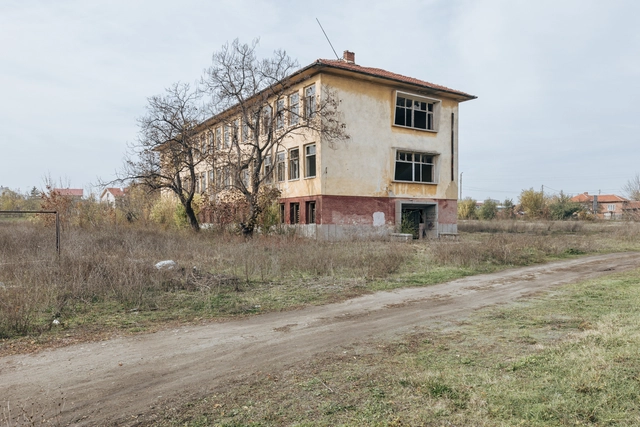
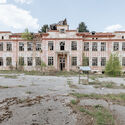
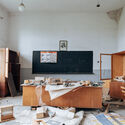
For the 18th International Architecture Exhibition of La Biennale di Venezia, the Bulgarian Pavilion will present the exhibition titled “Education is the movement from darkness to light.” Curators Boris Tikvarski, Bojidara Valkova, and Mariya Gyaurova, joined by Belgian photographer Alexander Dumarey, have chosen to focus the exhibition on the subject of depopulation, urban decline, and rural flight, expressed through the image of abandoned schools present in the country. The project was selected following a national competition organized by The Ministry of Culture, The Chamber of Architects in Bulgaria, and the Union of Architects.
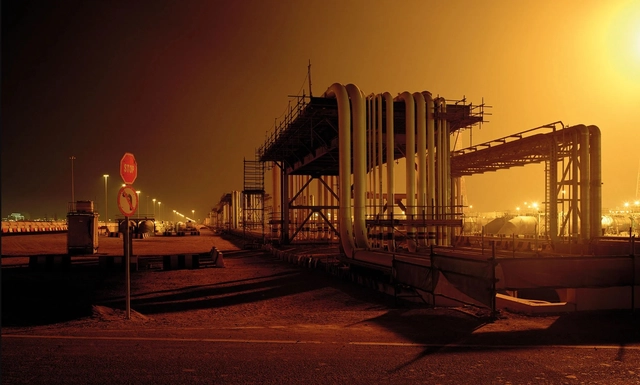
In a new show at Kunst Haus Wien in Vienna, the Austrian artist continues his investigation of architecture where few civilians tread.
Gregor Sailer’s quest for unusual structures and buildings takes him to some of the most extreme reaches of human civilization — from military field exercise centers in the USA and Europe to a mining center near Chuquicamata in the Atacama Desert to Arctic snow fields.
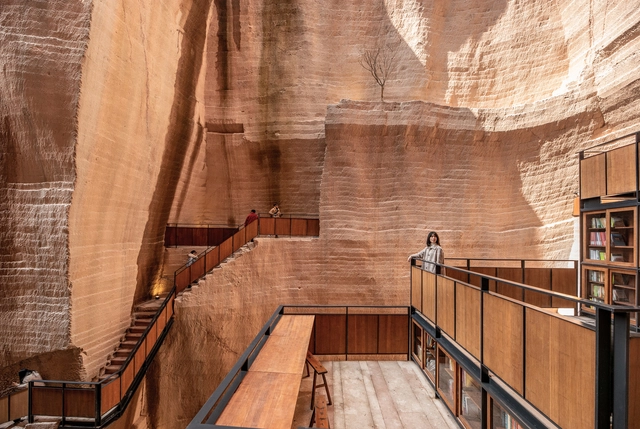
Today, reusing and adapting existing spatial resources is regarded around the world as an important contribution to sustainable development, and new challenges are thus also emerging at the margins of classic building tasks due to the changing assessments regarding whether to preserve or demolish. Xu Tiantian’s projects in the quarries of Jinyun combine aspects of landscape planning, interior design, artistic installations, and social planning with an economic revitalization of the rural area. In this way, a ruined and exploited landscape becomes a sign of departure with which a new sustainable coexistence can be linked to a narrative about the history of the location.
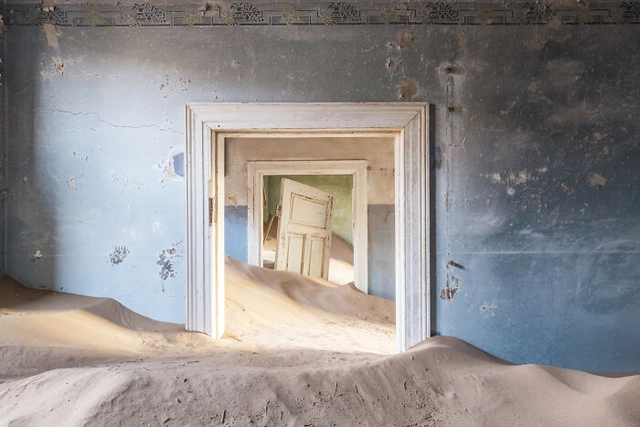
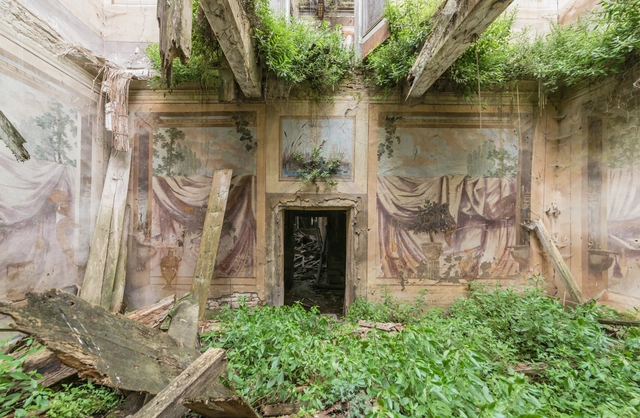
During his explorations of abandoned places across Europe, award-winning French photographer Romain Veillon has stumbled upon enchanting architectures that have been left to decay for decades. In his latest book Green Urbex: The World Without Us, Veillon explored what the world would look like if the human race disappeared and nature took its course without any human interference.
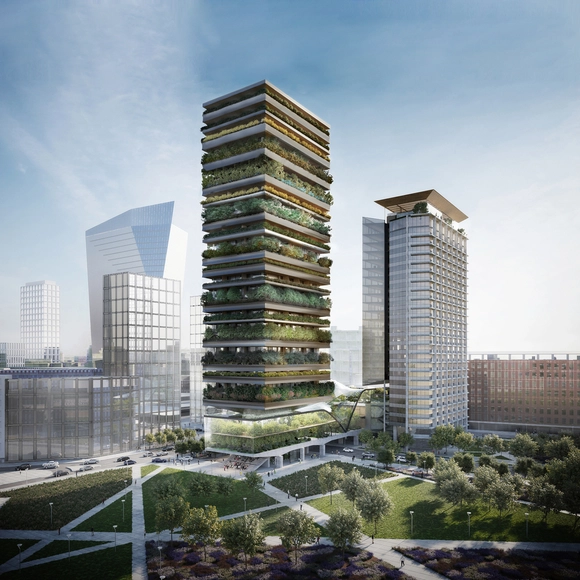
Courtesy of DILLER SCOFIDIO + RENFRO AND STEFANO BOERI ARCHITETTI
Diller Scofidio + Renfro (DS + R) and Stefano Boeri Architetti have won the international architectural competition for the renovation of Pirelli 39 in Milan. Launched on 25 November 2019, the contest organized by COIMA SGR and the municipality of Milan, gathered 70 submissions made up of 359 studios from 15 countries.
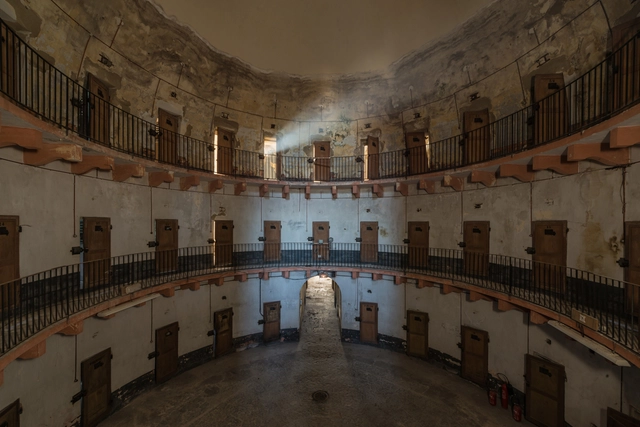
An expression of power and a symbol of surveillance, the panopticon is a notorious architectural concept intended as a disciplinary mechanism. Photographer Romain Veillon shares his images of the Panopticon-inspired prison in Autun, France.
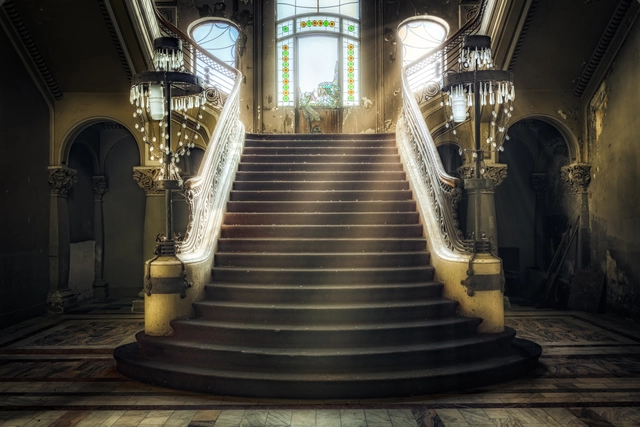
Magic lies in architectural ruins. Beneath the dirt and mold, fractured walls and deserted rooms still stand, preserving the remains that have lingered long after their owners' departure.
During his explorations of abandoned places across Europe, photographer Romain Veillon stumbled upon enchanting frescoes and paintings that were left to fade in the parlors of the aristocrats. Veillon became keen on finding more of these imaginary museums across the continent, and to his chance, managed to discover many in France, Germany, Italy, Ireland, and Portugal.
Before their art is forgotten and their houses quietly rust away, Veillon captured the murals found in these haute bourgeoisie family houses, which illustrate stories of the cities they lay in and the people they once belonged to.
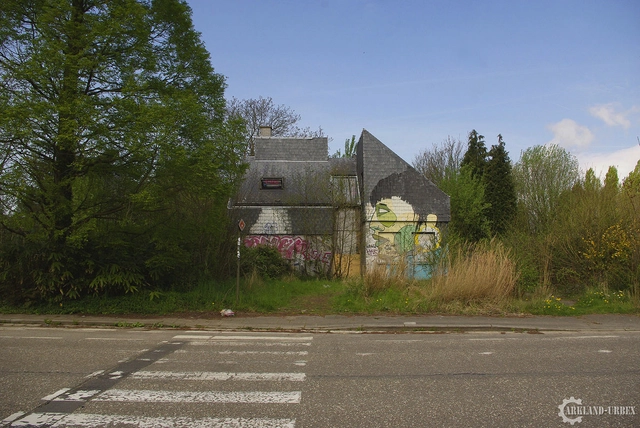
Street art has long surpassed mere trend to become an integral part of cities' cultural identities. What was once considered vandalism is now not only accepted but encouraged. The works of once-prosecuted artists such as Banksy and Shepard Fairey are now collector's items; murals can cost anywhere from $1,000 to $20,000 or more. Through their works, artists may even have the power to save cities.
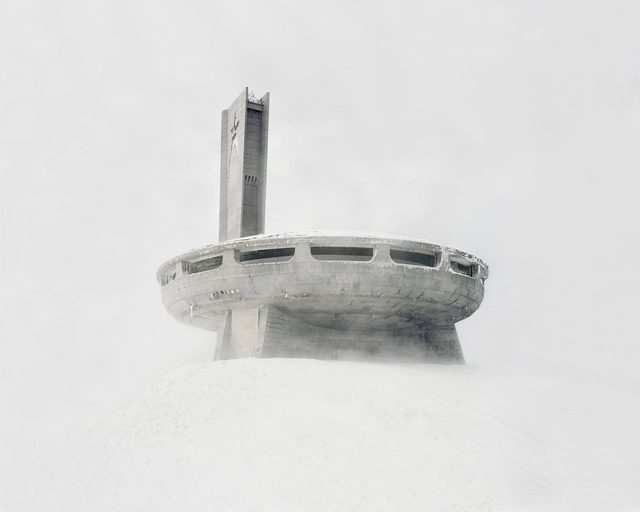
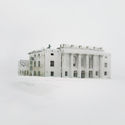
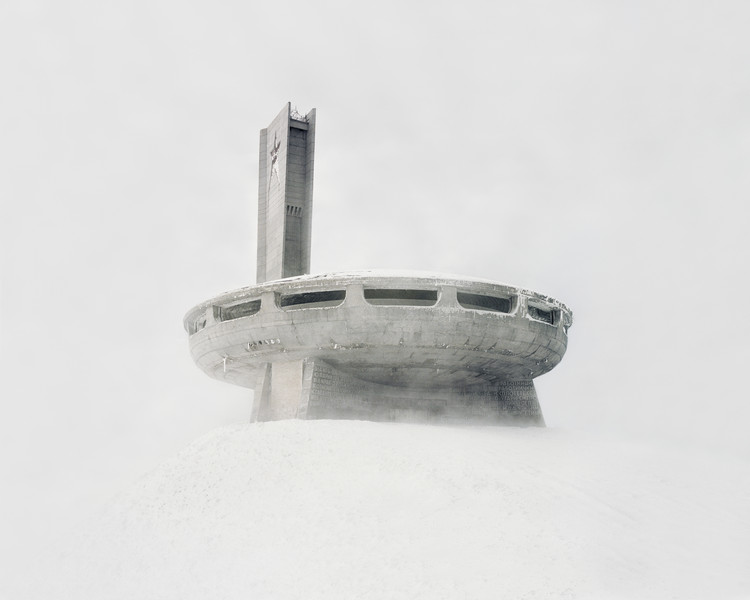
The “Restricted Areas” photography set distills humanity’s strive to perfection through recording abandoned Soviet infrastructure. Traveling to now-deserted landscapes which once held great importance as centers of technological progress, Tkachenko captured images of “forgotten scientific triumphs, abandoned buildings of almost inhuman complexity” and a “technocratic future that never came.”
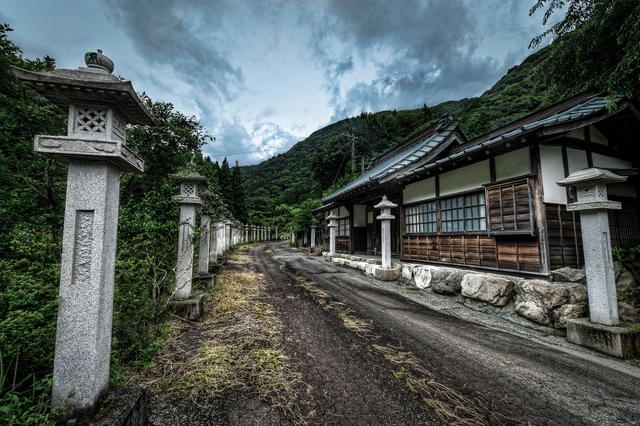
Designers and the general public alike have an endless fascination with abandoned architecture. Throughout history shifting economies, disasters, regime changes, and utter incompetence have all caused the evacuation of impressive architectural structures, which today serve as curious, sometimes eerie monuments to a bygone era.
Such is our fascination with these structures, YouTube is awash with videos and series of curious explorers documenting their daring, sometimes dubious adventures within abandoned architecture. One such channel, with a keen eye for architectural cinematography, is The Proper People.
https://www.archdaily.com/908773/the-abandoned-architecture-series-for-your-next-youtube-bingeNiall Patrick Walsh
Half a century after the new suburban tract home was the dream of many a young American family, refurbished properties are gaining in popularity. This trend extends beyond North America, with exciting renovations of existing structures popping up all over the world, from Belgium to Kenya to China. The attraction to this typology likely lies in its multiplicity; renovations are both new and old, historic and forward-looking, generative and sustainable.
Nowhere is this trend more visible and popular than in housing, where the transformation is often led by the owners themselves. Loosely grouped under terms like “fixer-upper” and “adaptive reuse,” these projects begin with just the structural skeletons and the building’s history. At the personal scale, renovation/refurbishment is an opportunity to bring a part of yourself to your home - but do these small projects together have the potential to turn around a housing crisis?