On Monday, 27 July, the shortlist of finalists for the 2026 National ArchitecturePrize was presented at an extraordinary session of the National Board of the Colegio de Arquitectos de Chile (Chilean Institute of Architects). Representing the institution, the five board members jointly awarded the prize to architects Alejandro Aravena Mori and Smiljan Radić Clarke, in recognition of their contributions to positioning Chilean architecture internationally. Both architects have been awarded the Pritzker Architecture Prize: Aravena in 2016 for his work with ELEMENTAL, and Smiljan Radić Clarke this year. The institution also recognised the quality of their work and the contribution of both professionals to the local development of the discipline, as two major figures in architecture from the context of a small country at the southern end of the world.
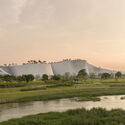
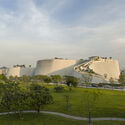
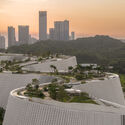
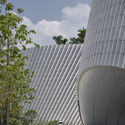
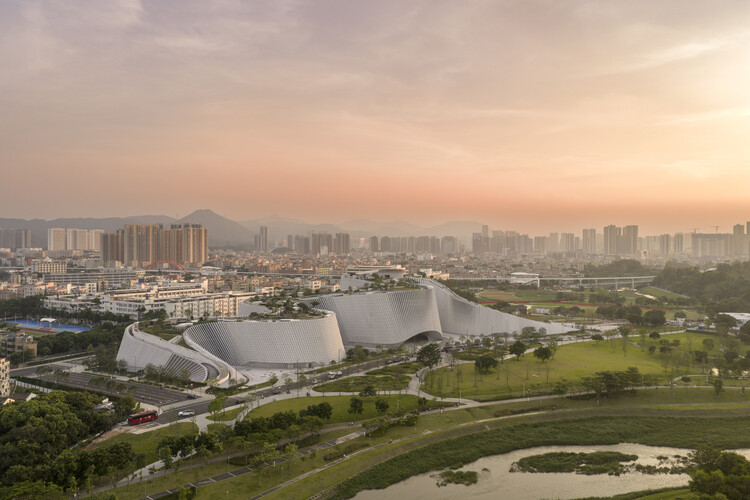
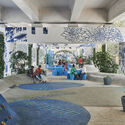
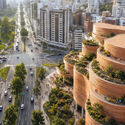
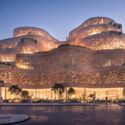
Designed by the 3XN, B+H Architects, and Zhubo Design consortium, the Shenzhen Natural History Museum has opened to the public in Shenzhen, China. Covering more than 100,000 square meters, the institution is the largest natural history museum in South China and among the largest recently completed museums of its kind worldwide. Developed as part of Shenzhen's expanding cultural infrastructure, the project brings together exhibition, research, education, and public space within a single civic destination. 3XN led the architectural design, B+H Architects served as lead consultant, executive architect, and landscape architect, and Zhubo Design provided local technical expertise and regulatory coordination throughout the project's development.
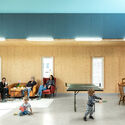
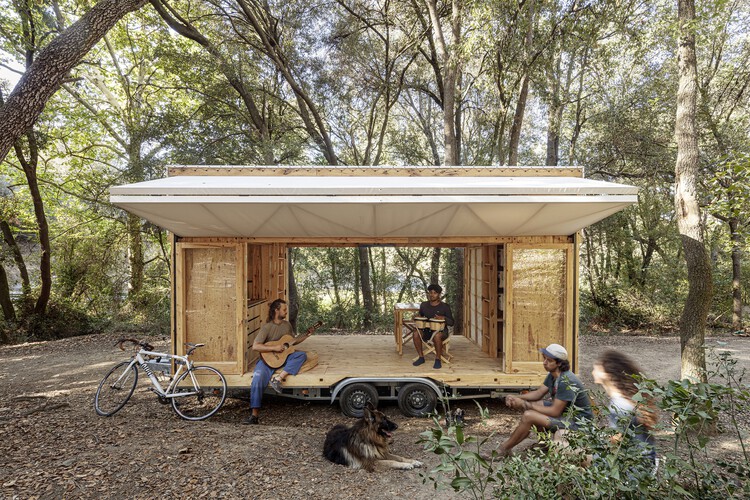
Examining the evolution of dwelling throughout history reveals that concepts of space, time, identity, and home extend far beyond architecture itself. From the early twentieth century to the present, human development has been shaped by accelerating economic, social, cultural, and technological transformations. Advances in information and communication technologies have fostered a world of constant connectivity, a phenomenon that can, at times, disconnect individuals from the physical spaces they inhabit. Amid an ever-growing flow of stimuli, interactions, and digital platforms, shared living across multiple architectural scales and programs presents both a challenge and an opportunity to reconnect people with their surroundings through design strategies that support the freedom of movement and flexibility demanded by contemporary life.
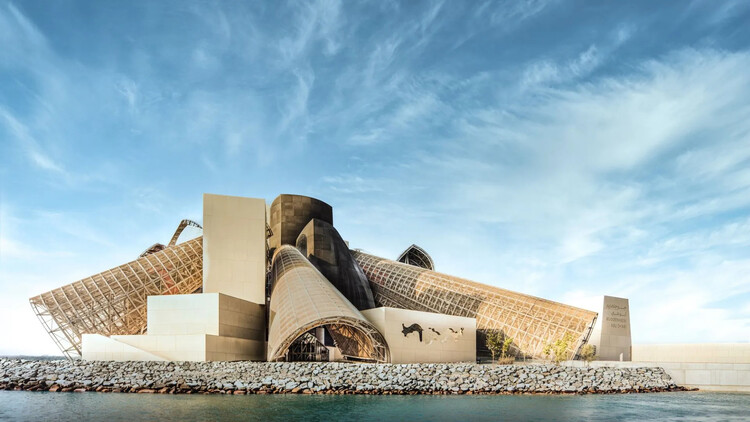
Abu Dhabi's Department of Culture and Tourism has announced that Guggenheim Abu Dhabi will open to the public on December 11, 2026, on Saadiyat Island. The museum, designed by the late Frank Gehry, becomes the fourth institution in the Guggenheim's global network, joining outposts in New York, Venice, and Bilbao.
The project was first announced in 2006. Construction began in 2011, was suspended for several years amid economic strain and contract changes, and resumed in 2019. A 2025 completion date, set in 2021, ultimately slipped to this December.
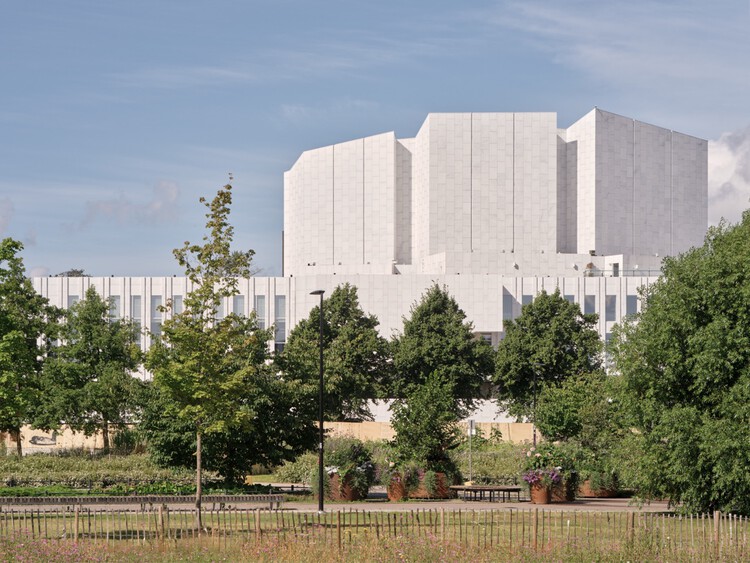
The UNESCO World Heritage Committee has inscribed Aalto Works, a collection of thirteen buildings and architectural ensembles across Finland designed by Aino Marsio-Aalto, Elissa Aalto, and Alvar Aalto, on the UNESCOWorld Heritage List. The designation recognizes the international significance of a body of work that helped redefine modern architecture through a human-centered approach, emphasizing the relationship between buildings, everyday life, nature, and social well-being. Spanning projects completed between the late 1920s and the 1980s, the series represents Finland's contribution to the Modern Movement while acknowledging the collaborative practice of the Aaltos and their studio.
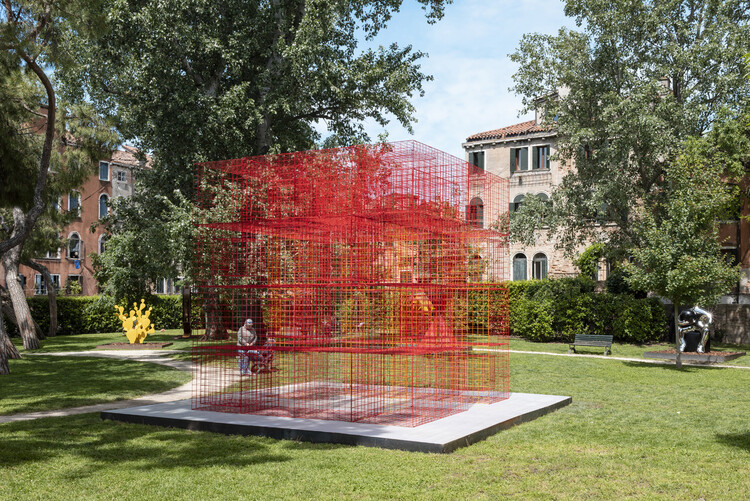
The European Cultural Centre Italy has announced the finalists of the ECC Awards, presented as part of Personal Structures – Confluences, the eighth edition of its international contemporary exhibition, running in parallel with the VeniceArt Biennale. Running in Venice from 9 May to 22 November 2026 across Palazzo Bembo, Palazzo Mora and the Marinaressa Gardens, the exhibition provides the backdrop for the awards, which celebrate artistic practices engaging with the show's theme, Confluences, through research, interdisciplinarity and dialogue with place. The winners will be announced on 22 November 2026, during the exhibition's closing event.
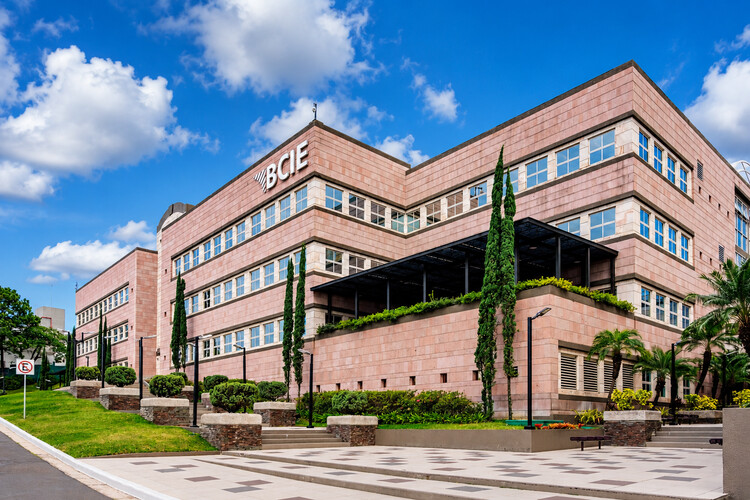
Pedestrian view of BCIE headquarters in Tegucigalpa. Image Courtesy of Banco Centroamericano de Integración Económica (BCIE)
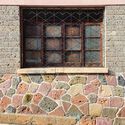
Central America's nations occupy a narrow land bridge between Mexico and Colombia, but they were not born as separate countries. They emerged from a single entity: the Federal Republic of Central America in 1823. That federation collapsed, yet the ideal of a unified region never fully died. In 1951, the governments signed the Charter of San Salvador, creating ODECA, the Organization of Central American States. Four decades later, the 1991 Protocol of Tegucigalpa replaced it with SICA, the Central American Integration System, the framework guiding regional cooperation today. Within this integration process, the Central American Bank for Economic Integration (BCIE) was founded in 1960 by Guatemala, El Salvador, Honduras, and Nicaragua, establishing its headquarters in Tegucigalpa. On the surface, it is a conventional late-20th-century office complex, but look closer at its façade, and the building becomes an argument about identity. One written in pink quarry stone from the very hills that surround the Honduran capital.
Recorded live at Milan Design Week 2026 in partnership with INDX|GLOBAL, the tenth episode of the Room For Dreams podcast looks at how buildings outgrow their original blueprints. Architects Parvez Alam and Priyanka Arjun, alongside interior designer Aditi Sharma, discuss why the best architecture is never truly finished.
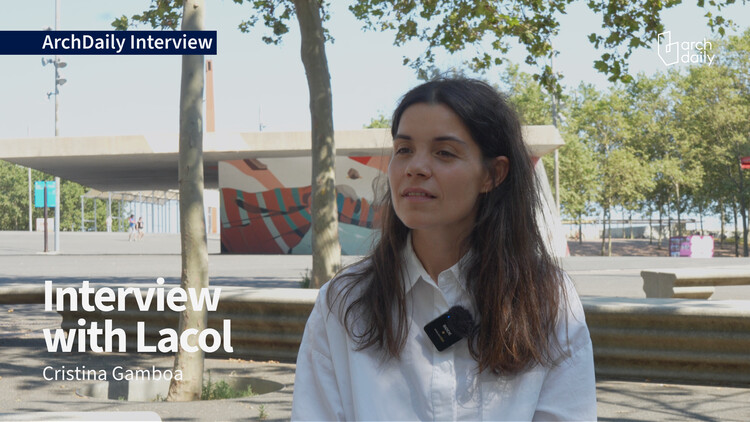
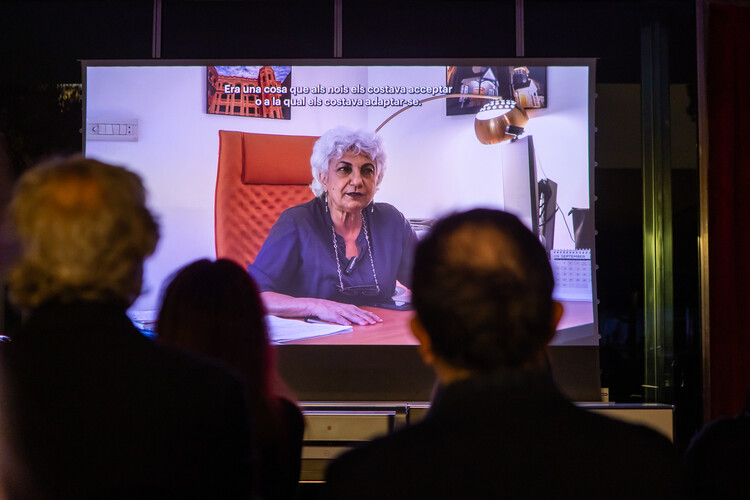
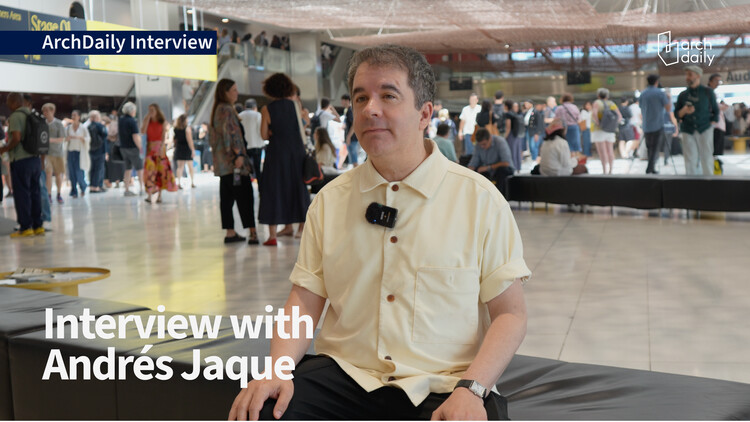
At the UIA World Congress of Architects 2026 in Barcelona, discussions surrounding the future of housing frequently extended beyond questions of design to include governance, ownership, and long-term stewardship. Among the speakers contributing to these conversations was Cristina Gamboa, co-founder of the Barcelona-based cooperative Lacol, whose practice combines architecture, housing advocacy, construction management, and environmental research through a cooperative model. During the Congress, ArchDaily spoke with Gamboa about how cooperative practice reshapes the architect's role, why participation extends beyond consultation, and how projects such as La Borda and La Morada continue to inform broader discussions on housing, care, and collective living.
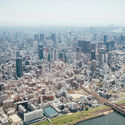
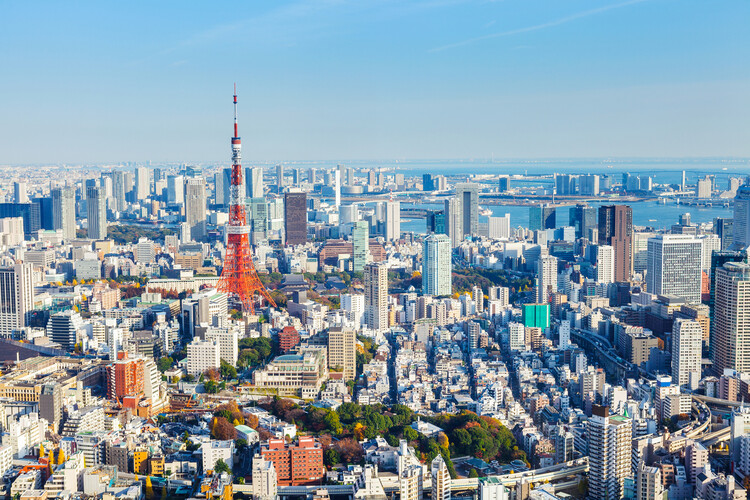
"Map the New World" is the motto of Project PLATEAU, led by Japan's Ministry of Land, Infrastructure, Transport and Tourism (MLIT), to develop and expand access to 3D models representing the diversity of cities across the country. Japan comprises a total of 744 cities, including 14 with populations exceeding one million, 190 with between 100,000 and one million inhabitants, and 540 with populations between 10,000 and 100,000. To date, 3D models of more than 250 cities have been made available as open data through the country's public G-Spatial Information Center, and can also be accessed via an online browser viewer. According to public authorities, the project aims to strengthen urban resilience by providing society with new tools to address local challenges. This involves not only urban space modeling but also collaboration with local governments, private companies, and technology communities. The project also includes a digital reconstruction of the recently closed Osaka World Expo site.
Images of the benches at New York City's High Line Park spread around the world when the project opened in 2009. Emerging diagonally from the same material and modular pattern as the paving, they transition seamlessly from concrete to wood, evoking the railway tracks that once occupied the site. To withstand decades of exposure to the elements, the project required a wood species of exceptional durability, and ipe, harvested from the Brazilian Amazon, was selected. Its slow growth produces a dense, low-porosity hardwood that is naturally resistant to wear, moisture, and biological decay. The choice, however, sparked controversy at the time amid concerns over the certification of the timber's forest management. This broader view changes how we think about materials. Their origin still matters, but so does what happens after the building's life comes to an end.
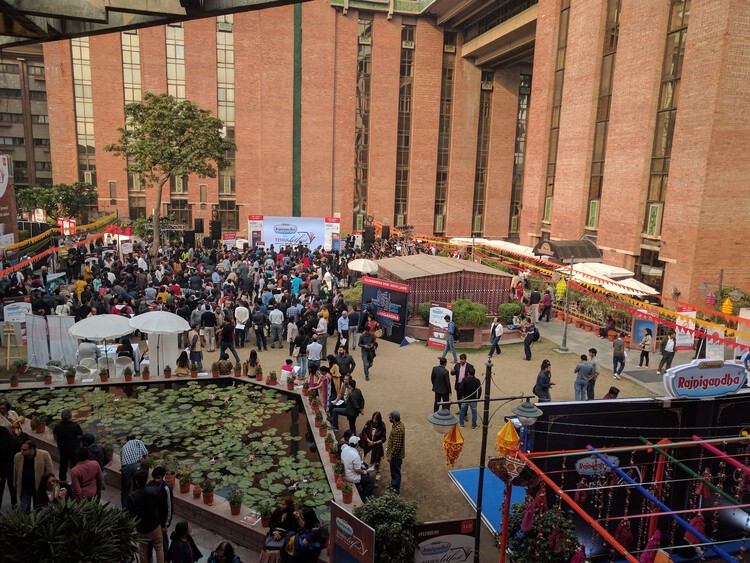
Times Litfest Delhi 2017, held at the India Habitat Centre, in New Delhi, November 26, 2017 by DiplomatTesterMan . Image Courtesy of Wikimedia (public domain)
Every democracy eventually confronts the same question: where can its citizens speak?
Public squares, marches and demonstrations have served as the most visible and impactful expressions of collective opinion. There persists a growing desire among citizens to be seen and heard in the public domain. Demonstrations, by their very nature, are moments of urgency, emerging when conversations have reached an impasse. While essential to democracy, they cannot be its only language.
Few conditions have shaped contemporary architectural discourse as profoundly as uncertainty. Across international biennials, exhibitions, and forums, architecture increasingly imagines its relationship to the world through flexibility, reversibility, and responsiveness—qualities intended to engage with climate emergencies, political instability, and unprecedented human mobility. Buildings are designed to transform, infrastructures to evolve, and cities to accommodate conditions that appear increasingly unpredictable. This emphasis on agility has expanded the discipline's capacity to engage with environmental change, offering valuable strategies for a world in constant transformation.
Yet this evolution points to a deeper shift in how architecture mediates the human condition. Architecture has long functioned as a mechanism for existential orientation—a way for human consciousness to carve an intelligible coordinate out of an indifferent cosmos, anchoring memory and identity to a fixed point. Within much contemporary architectural discourse, uncertainty increasingly appears less as an external condition to be mitigated than as the horizon from which architectural thinking begins. Spatial experience is increasingly shaped by environments designed around the persistence of flux, where static reference points give way to conditions of continuous transformation.
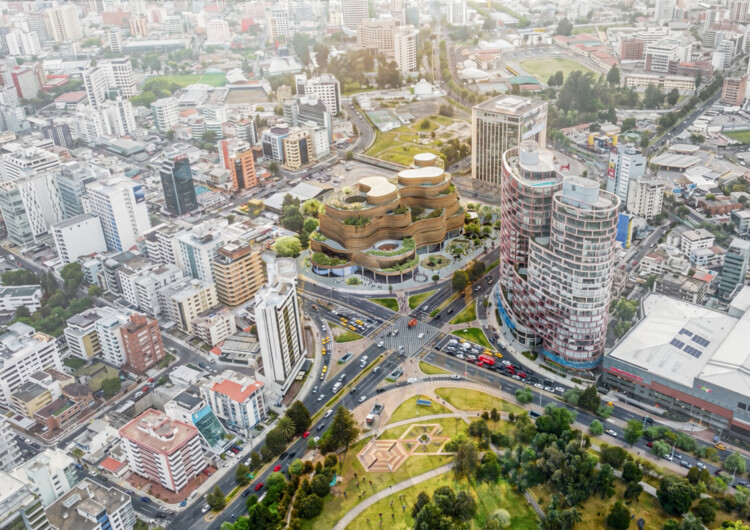
Museo Nacional del Ecuador (MuNA) by SANAA, Estudio A0, Caá Porá Arquitectura, Jerome Haferd Studio, Taller Capital Landscape. Image Courtesy of Jerome Haferd Studio
An international team led by SANAA, in collaboration with Estudio A0, Caá Porá Arquitectura, Jerome Haferd Studio, and Taller Capital Landscape, has been selected to design the new Museo Nacional del Ecuador (MuNA) in Quito. Titled "Living Strata," the proposal was chosen following the competition's revised final evaluation phase, which combined jury deliberation with a public voting process, and envisions the museum as a civic landscape that integrates exhibition spaces, public programs, and open green areas. The announcement concludes the international competition launched to design Ecuador's future national museum.
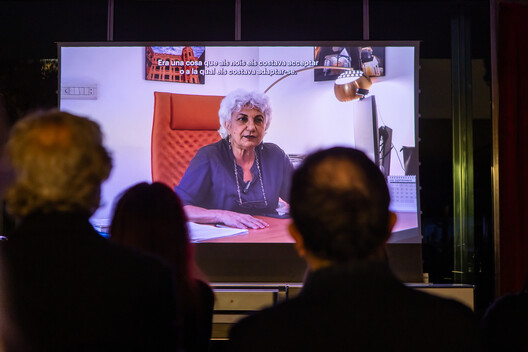
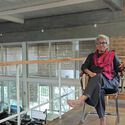
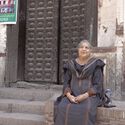
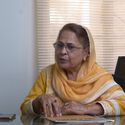
"Gender equity remains an ongoing problem in architecture. Women architects are roughly one-third of the profession or less worldwide." This is the opening statement of the documentary Transnational Narratives: A Documentary Celebrating South Asian Women in Architecture, a result of the 4th Lilly ReichGrant for Equality in Architecture. The grant, an initiative by the Fundació Mies van der Rohe, promotes equal access to opportunities in architectural practice and supports the study and dissemination of contributions to architecture that have been unfairly rendered invisible. Within this context, the documentary, created by Dr. Igea Troiani, Dr. Mamuna Iqbal, artist and researcher Paula Roush, and filmmaker Rime Tsujino, brings visibility to the experiences of six architects of South Asian origin: Sumita Singha, Chitra Vishwanath, Sara Khan, Fauzia Qureshi, Sajida Vandal, and Neelum Naz, whose professional careers span India, Pakistan, and the United Kingdom.
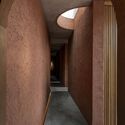
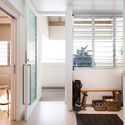
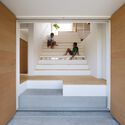
In many homes, the entry is treated as leftover space or a narrow strip transition before the living room begins. Yet in dense Asia-Pacific interiors, sometimes despite the small sizes, the entrance often performs far more work than its size suggests. It is the threshold that dictates the transition: street is filtered, body adjusts, shoes are removed, guests are received, privacy is negotiated, and domestic order begins. Before the living room became recognizable as interior, the entry sequence and space had already staged the first act of inhabitation.
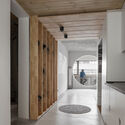
The Japanese genkan is perhaps the most familiar version of this condition, but the logic extends far beyond Japan. Across apartments, terrace houses, public housing units, and compact urban homes, the entry threshold becomes a small but charged architectural device. It manages hygiene as well as spatial sequencing through various deliberate architectural elements. It can be a recessed floor, a thickened wall, a compressed corridor, a screen, or a small foyer between public circulation and private life. Its importance lies not in its size, but in the number of transitions it holds.
What defines the quality of a bathroom beyond its basic functions? As one of the most private spaces within the home, the bathroom is closely connected to everyday rituals and moments of pause. While fixtures, circulation, and technical requirements establish the practical foundation, the atmosphere emerges through a combination of spatial decisions: how furniture meets the floor or deliberately avoids it, how materials interact with light, how storage is integrated, and how form and proportion shape perception.
This week in architecture, discussions around the lifespan of buildings, the evolution of cultural institutions, and climate-responsive design highlighted how contemporary practice increasingly extends beyond the moment of construction. From debates over demolition and adaptive reuse to new museums that integrate landscape and environmental performance, the week's developments reflect shifting priorities around permanence, transformation, and public value. Alongside these projects, major institutional announcements, from the RIBA Stirling Prize shortlist to the election of a new UIA leadership, offer insight into the architectural agendas shaping the profession across different scales and geographies.
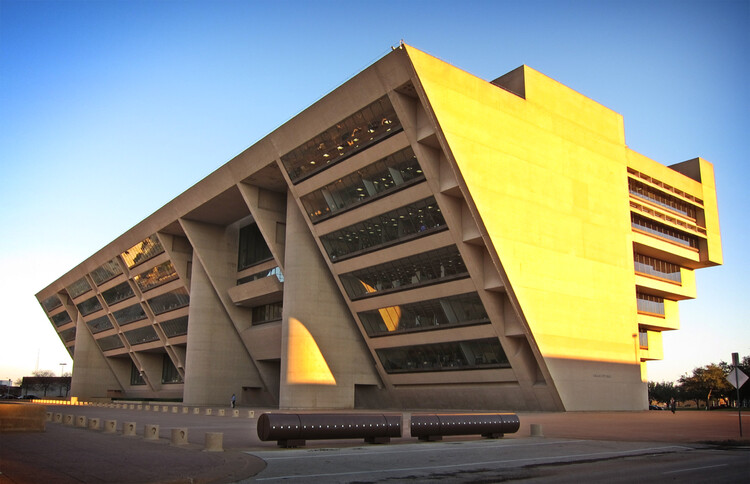
Since August 2025, debate has intensified in Dallas, United States, over the future of one of its modern landmarks: I.M. Pei & Partners' Dallas City Hall. As of today, the Dallas City Council will continue weighing whether to repair, sell, or demolish the 47-year-old building, following growing concerns over long-deferred maintenance and the need for major investment. In late October 2025, council members began public listening sessions and committee meetings to gather resident input. Preservationists and some council members urged a full study of repair options and historic landmarking, while others emphasized fiscal and operational concerns. Since then, the Dallas City Council has been looking for a new building to relocate to, without formally deciding on the demolition.
Supporters of preservation stress the building's civic and architectural significance, while those advocating for demolition point to high maintenance costs and the redevelopment potential of the centrally located site. A petition to "Save Dallas City Hall," calling on council members to halt demolition plans and commission a transparent renovation study, remains open for signatures. Meanwhile, the mayor has said he wants to review all the facts before taking a position on whether the city should relocate or invest in repairs. On the occasion of the 250th anniversary of the United States' Declaration of Independence, the World Monuments Fund included the building on the "Irreplaceable America" list, spotlighting urgent preservation needs. The case adds to the growing list of modernist icons worldwide facing uncertain futures, sparking broader cultural debates about civic heritage and public infrastructure.
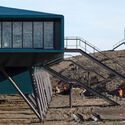
Antarctica has no government, no permanent population, and no economy. It also, since 1959, has had no legally recognized owner as the Antarctic Treaty freezes every territorial claim on the continent. On paper, this makes Antarctica the closest thing on Earth to a true commons. In practice, close to thirty countries currently operate more than seventy research stations there, several of them within a short flight of one another, and one of those stations has a school, a chapel, a cemetery, and a civil registry office that has recorded eleven births since 1978.
None of that architecture is accidental, and very little of it is explained by science alone. A research station costs millions of dollars to build and supply in one of the most logistically hostile places on the planet; a country does not commit to that expense purely to measure atmospheric ozone it could, in several cases, measure somewhere closer. What a station does, reliably, is stake a claim to a territory that legally forbids exactly that.
Recorded live at Milan Design Week 2026 in cooperation with INDX|GLOBAL, the ninth episode of the Room For Dreams podcast brings together architects Rajiv Parekh of Red Architects, Hiren Patel of HPAD, and Rudraksh Charan of 42mm Architecture to discuss how design can serve as a powerful tool for emotional resilience and collective healing.