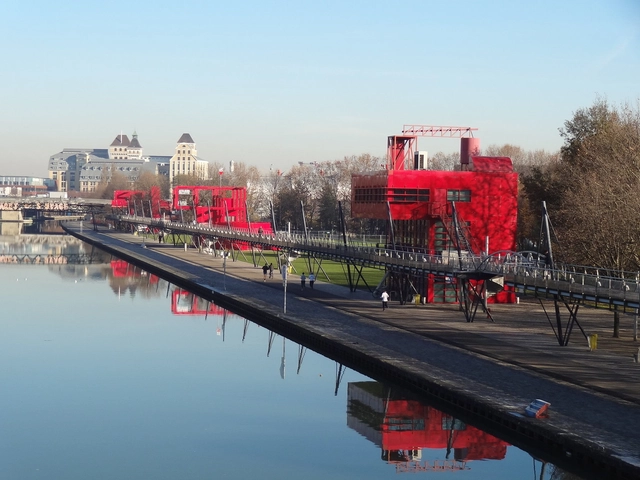
Parc La Villette. Image: William Veerbeek on VisualHunt.com / CC BY-NC-SA
In modern architecture, designing involves analyzing, predicting, and determining spaces and functions with precision, leaving no room for error. Throughout the second half of the 20th century, this rationalizing character, driven by maximum efficiency, was harshly criticized, and "erring"—in the sense of wandering, roaming without aim or destination—became recognized as an inevitable part of the human experience.
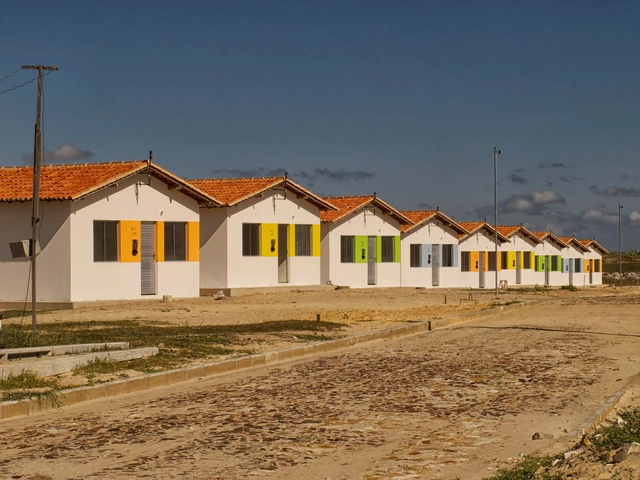
Minha Casa Minha Vida Program - Luís Correia/PI. Photo: Otávio Nogueira, via Flickr. License CC BY 2.0
After reflecting on design capable of establishing 'emotional belonging' and the antipatterns of social housing, Nikos A. Salingaros, David Brain, Andres M. Duany, Michael W. Mehaffy, and Ernesto Philibert-Petit continue their series of articles on social housing in Latin America. In this installment, the text addresses how control influences urban form and ways of living.
https://www.archdaily.com/1122702/social-housing-in-latin-america-the-geometry-of-controlNikos A. Salingaros, David Brain, Andrés M. Duany, Michael W. Mehaffy & Ernesto Philibert-Petit
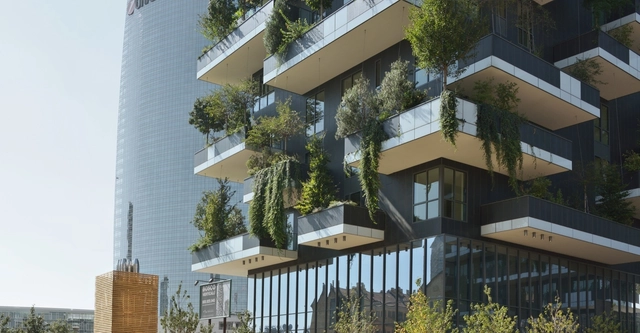
In regions with high temperatures and intense solar radiation, buildings must ensure adequate thermal comfort for their occupants. To this end, the use of brise-soleils is an effective solution for projects featuring large glass surfaces, thereby reducing heat gain from direct sunlight.
Porto Alegre has one of the highest land-use restrictions among all Brazilian capitals. Image: Anthony Ling
Urban Brazil is deeply ugly. Why did this happen? Some blame "the absence of urban planning and zoning, manipulated height limits, and the nefarious power of contractors and builders influencing the drafting of master plans."
The future of architecture is urban; there is no longer any doubt about it. Projections indicate that by 2050—that is, in just over 30 years—75% of the world's population will live in cities, while in Brazil this figure will exceed 90%. However, our discipline must concern itself with the quality of life for everyone; therefore, projects in rural contexts will continue to be on the agenda of architects worldwide.
Below, we present a selection of residential projects built in the countryside. These Brazilian houses, nestled in rural and pastoral landscapes, are designed for the daily lives of their inhabitants or as temporary retreats to decompress from urban life. One way or another, they all share a single objective: to open themselves up to their bucolic surroundings.
The Spanish word medianera carries a meaning that is often translated as "party wall" or "blind wall," yet its significance in Spanish-speaking contexts takes on a deeper cultural and urban resonance when considered in local terms. This architectural element, which simultaneously separates and connects adjacent lots in such a striking manner, is a recurring feature in Spanish-colonized cities across the Americas. In the case of Argentina, Buenos Aires took shape under the principles of those who arrived with gridiron plans and the rigor of orthogonal organization. The city developed within this logic, resulting today in an urban landscape persistently marked by the presence of these rigid, seemingly unavoidable elements known as medianeras.
Throughout Brazil and across different sectors of society, organized groups are collaborating to develop projects and initiatives aimed at improving the quality of urban life and transforming cities into more democratic spaces, reinforcing collective identity and a sense of belonging. The 4th Project Exhibition, an event taking place during the 4th COURB - Collaborative Urbanism Meeting, aims to celebrate and bring visibility to these groups. It focuses on themes such as Public Policy and Legislation, Communication and Information, Education and Culture, Physical Intervention in the Territory, Mobilization and Advocacy, Research, Projects, and Plans.
https://www.archdaily.com/1122704/21-collaborative-urbanism-projects-from-all-regions-of-brazilCOURB Brasil
As part of the programming for the exhibition Infinito Vão, Casa da Arquitectura invited a group of architects from different generations featured in the exhibition on 90 years of Brazilian architecture for a series of talks hosted at the Instituto Moreira Salles in São Paulo. Architects Ruy Ohtake and Marcos Acayaba participated in this event, moderated by one of the exhibition's curators, Guilherme Wisnik.
https://www.archdaily.com/1122706/ruy-ohtake-marcos-acayaba-and-guilherme-wisnik-conversation-against-the-plateaus-my-noseCasa da Arquitectura
17 x 17. Image: Courtesy of Sharon Figueroa / Camilo Amézquita (Colectivo Microurbanismo)
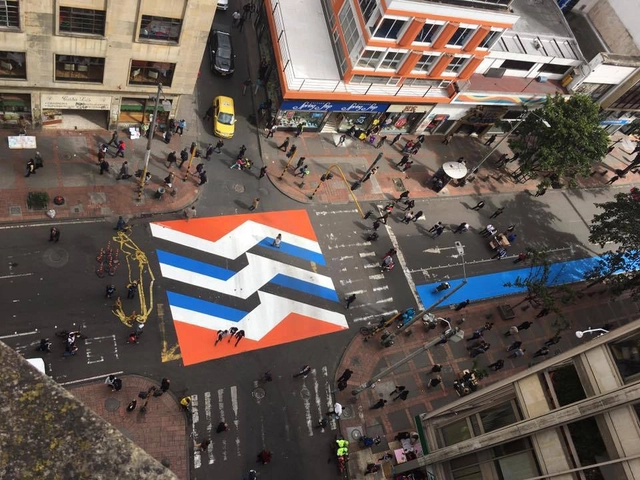
Tactical urbanism, a practice that has gained prominence in recent years, has proven to be an appealing strategy for activist collectives, architects, urban planners, and designers worldwide. By proposing low-cost, micro-scale, targeted urban interventions, it aims to promote the right to the city. This approach to thinking about public spaces in the city operates through a non-hierarchical logic, where civil society (whether or not in collaboration with the state and/or private enterprises) proposes alternatives to the traditional design process in the urban sphere.
After at least five years of study, the time comes for architecture and urban planning students to complete their final graduation projects—often referred to as thesis, graduation, or capstone projects. In choosing their topic, students highlight civil, urban, or theoretical proposals that are highly relevant to fostering discussions about the future of our cities, the built environment, urban infrastructure, mobility, and many other topics essential to evolving the way we inhabit space.
With nearly four thousand projects published on ArchDaily Brasil in 2019 alone, and with less than a month left in the year, our curators wrap up this stimulating year for architecture with a selection of the most visited residential projects published on our Brazilian platform.
Set in urban, rural, or coastal landscapes; built using diverse structural systems, from traditional masonry to highly technological prefabricated methods; and ranging from compact dwellings to large-scale residences; this selection of 50 houses highlights the most popular projects from the past twelve months. According to our readers, these designs stood out as the most compelling in terms of innovation, construction techniques, and design challenges. Check them out below:
In episode #59 of our series on architectural figures, we invited architect and historian Renato Anelli, who is also a board member of the Bardi Institute, and architect, professor, historian, and architectural critic Ana Luiza Nobre to discuss the life and work of Lina Bo Bardi—the Italian architect who deeply absorbed Brazilian roots and translated them into her highly original architecture. Trained at Rome's traditional school of architecture, Lina went far beyond the conventional scope of the profession, also working as an illustrator, editor, designer, and set designer.
The Council for Architecture and Urbanism of Brazil (CAU/BR) has decided to deny professional registration requests from Architecture and Urbanism graduates of distance learning (EaD) programs. The resolution, dated March 29, was based on the fact that the field of Architecture and Urbanism is directly linked to the preservation of life and human well-being, the safety and integrity of property, and the preservation of the environment, with direct impacts on individual and public health.
The Polytechnic University of Valencia offers a free online course on sustainability in architecture. Available through the edX platform, registration is now open for Sustainability in Architecture: An Interdisciplinary Introduction, which begins on July 9. The four-week course requires three to four hours of study per week.
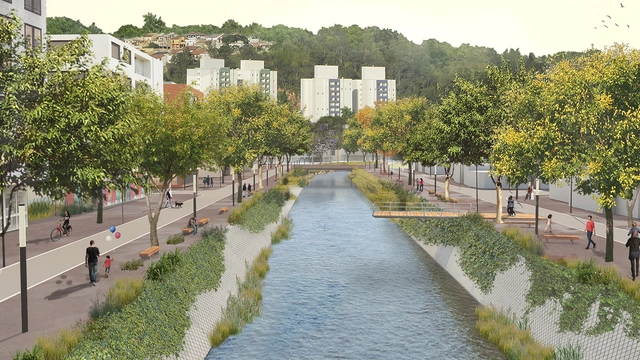
The City of Jundiaí, in partnership with IABsp, organized an ideas competition for the Jundiaí River Valley with the goal of promoting a new design proposal for the site, considering both the regional context within the urban agglomeration and its relationship with the life of its immediate surroundings.
Since 2008, Rua Arquitetos has dedicated itself to a wide range of projects, including exhibition design, residences, art galleries, and urban design projects. This experience has earned them national and international publications and awards, as well as participation in exhibitions at MoMA (2014), the MAK in Vienna (2015), the Carnegie Museum of Art in Pittsburgh (2016), and MAM São Paulo (2017). In addition to the architecture biennials of Hong Kong-Shenzhen (2013), Chicago (2015), Venice (2016/18), and the Lisbon Triennale (2016).
Based on the 2012 book of the same name by anthropologist, poet, and essayist Antonio Risério, the documentary series A Cidade no Brasil offers an interdisciplinary and intercultural reflection on the aspects and dimensions of the urban phenomenon in the country, drawing on interviews with specialists and thinkers. Directed by filmmaker Isa Grinspum Ferraz, the 10-episode series is available to watch for free online on the SescTV website.
Opened earlier this month, the audiovisual installation A marvellous entanglement, conceived by British artist Isaac Julien, explores the life and work of Lina Bo Bardi through an immersive environment composed of nine projection screens. Featuring actresses Fernanda Torres and Fernanda Montenegro, who portray the architect at different stages of her life, Julien's work also includes a series of photographs of Lina's work.
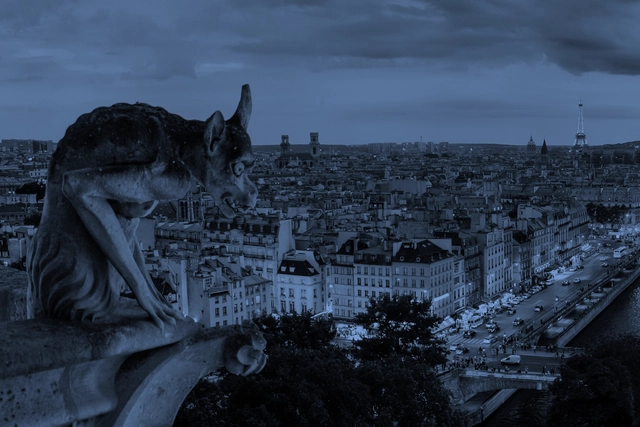
In another episode of the Architecture and Cinema series, Arquicast brings the film Paris, I Love You to the discussion. In addition to the usual podcasters, the episode features advertising professional and journalist Janaina Pereira, who holds a postgraduate degree in Cinema and contributes to various entertainment outlets. Janaina previously participated in episode #58 on the film Her. Another returning guest on Arquicast is cinematographer and cinephile Kiko Barbosa, who always brings engaging insights to our conversations.
Álvaro Siza Vieira can add another award to his extensive list of global honors. The Portuguese master has just been awarded Spain's 2019 National Architecture Prize, announced during the II International Congress "Art, City, and Landscape," which concludes today in Cuenca with Portugal as the guest country.
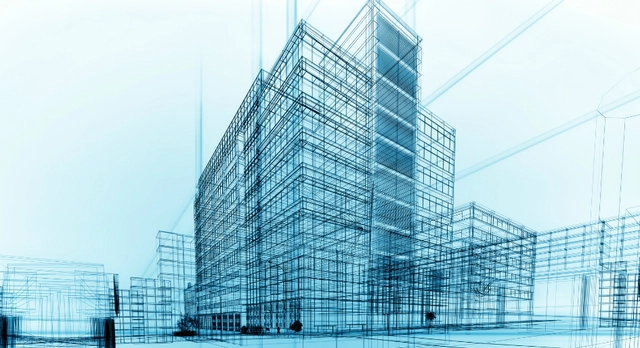
No longer the future, the BIM system is already the present of architecture and construction in Brazil and around the world. The acronym stands for Building Information Modelling—or, in Portuguese, Modelagem da Informação da Construção—and consists of a digital representation of the physical and functional characteristics of a project, enabling the "integrated use of information related to each project."
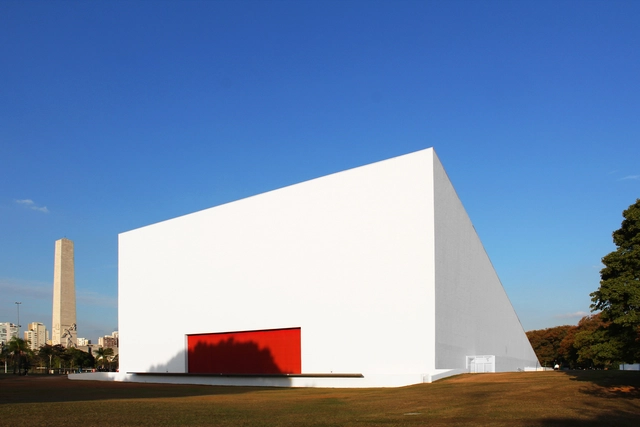
This week, the São Paulo municipal government resumed the bidding process for the concession of six public parks to the private sector. Suspended since July of last year due to disagreements with the state government, the project was revived by current mayor Bruno Covas.
In addition to Ibirapuera, the city's largest park at 158 hectares, the bidding process also includes the concession of Lajeado (east zone), Eucaliptos (south zone), Jacintho Alberto (north zone), Tenente Brigadeiro Faria Lima (south zone), and Jardim Felicidade (north zone) parks.
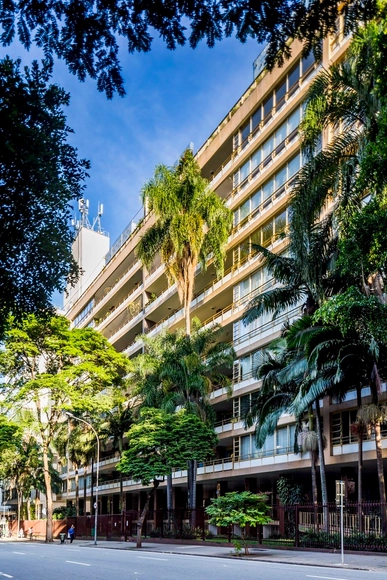
Photographer Rafael Schimidt has shared with us a recent series of photographs of the Prudência Building, designed by Rino Levi in 1944. Located on Higienópolis Avenue, near central São Paulo, "this apartment building presented, for its time, a high standard of comfort due to its dimensions—four bedrooms and large living rooms—the materials used, and central hot water and air conditioning systems, representing an initiative without parallel in its time," comments Simone Barbosa Villa in an article on Rino Levi's buildings.
Projeto com Rodapé e Guarnição 3454 Pátina Branca - Santa Luzia. Image Cortesia de Santa Luzia
In the 21st century, any sustainable solution should be championed. This article explores architectural solutions that use recycled Styrofoam (EPS) as a raw material for waterproof decorative trim and as a core for EPS walls, offering a variety of benefits ranging from thermal and acoustic insulation to construction cost savings.



.jpg?1551105554&format=webp&width=640&height=580)





.jpg?1555714480&format=webp&width=640&height=580)



.jpg?1555602176&format=webp&width=640&height=580)
.jpg?1560952279&format=webp&width=640&height=580)