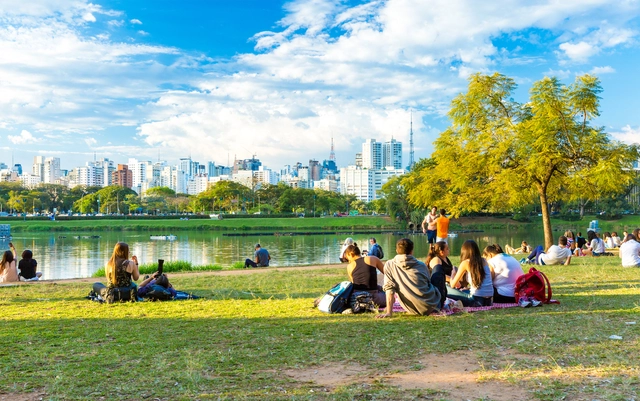
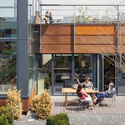
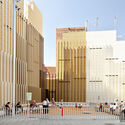
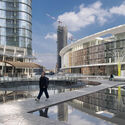
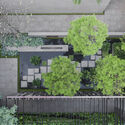
Eight organizations working toward Brazil's sustainable development are joining forces to promote Nature-Based Solutions (NBS) as a strategy to mitigate the effects of climate change in cities, address urban challenges, and make cities more resilient.
The term is relatively recent and still little known to the general public in the country. However, the concept, established by the International Union for Conservation of Nature (IUCN), is simple: to promote interventions inspired by healthy ecosystems to address urgent societal challenges, especially in large metropolises. Water scarcity, flooding, biodiversity loss, health issues, and rising sea levels are some of the challenges that can be tackled by viewing nature as part of the solution, generating environmental, social, and economic benefits.
The relationship between mental health and architects, particularly architecture students, is not a new concern. In a world where stress is one of the greatest challenges of the century—affecting over 90% of the global population according to the World Health Organization (WHO)—the field of architecture and its practices, both academic and professional, have normalized stress and anxiety as intrinsic to the profession. However, recent student surveys reveal deep dissatisfaction with this reality, which has only been exacerbated by the pandemic. Is it time, therefore, to reassess institutional practices and push for a cultural shift?
Memorial to the Murdered Jews of Europe. Photo by Alessio Maffeis, via Unsplash
Everything built through human physical and intellectual labor carries meaning. It is within physical matter that we find the remains of ancient civilizations, and through these records, we understand their characteristics, the technologies involved, and their social organization. Cities and major urban centers hold layers upon layers of events recorded in their streets, buildings, plazas, and parks. Often, depending on the development of the place, this evidence is gradually erased, disregarded, and altered.
Beyond viewing the home as mere shelter and protection, there is now a much greater complexity of functions integrated into the elementary programs of dwelling. We no longer think only of spaces for sleeping, cooking, and bathing, but rather of a series of new programs that demand new spaces and configurations. Among these, leisure emerges as an activity integrated into living, in the form of backyards, swimming pools, and TV rooms.
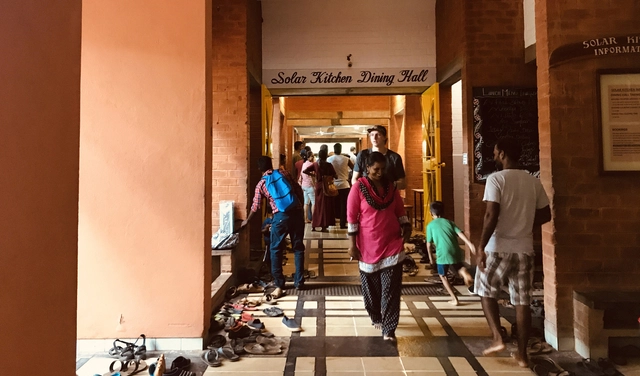
The Solar Kitchen community kitchen in Auroville, an ecovillage in southern India with a population of 3,000. Photo by Luiza Tripoli
In many ways, observing rural areas and their communities can offer valuable lessons for implementing sustainable dynamics in cities. By studying ecovillages specifically, key aspects of the relationship between humans and the biosphere become clear—particularly in a space of central importance to all of them: the kitchen.
In Western capitalist culture, the dichotomy between nature and humanity is stark. Humans shape their identity as something external to nature, and more often than not, superior to it. As a result of this conceptual rupture, spatial divides also emerge. The city is seen as a human product, where residents must seek out remnants of nature in parks or plazas to connect with it. "Voids" of human occupation, such as forests, are viewed as gaps—spaces that humanity has yet to transform.
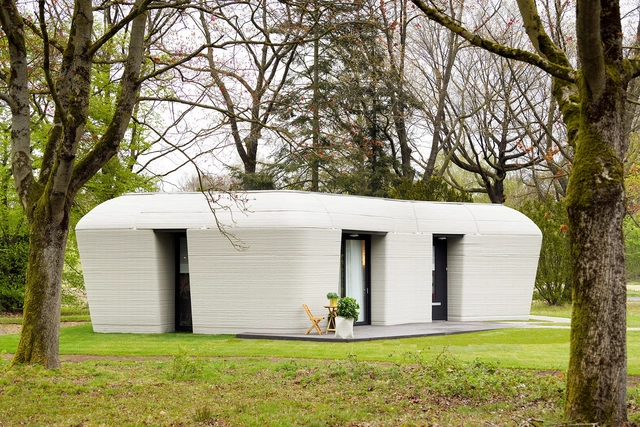
Years ago, the construction industry was among the most technologically lagging; today, however, we can confidently say that automation is here to stay.
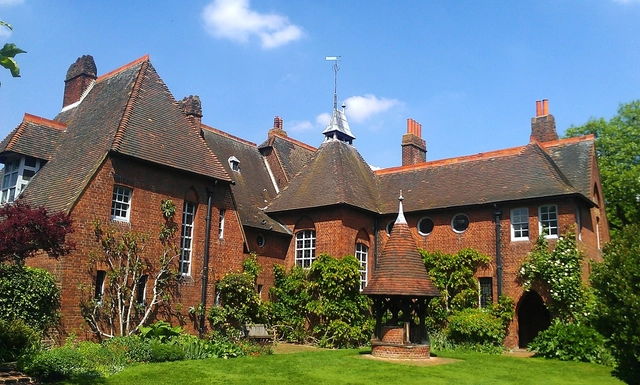
Red House. Photo by Ethan Doyle White, via Wikipedia. Licensed under CC BY-SA 3.0
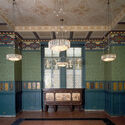
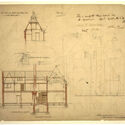
William Morris was one of the leading figures of the 19th-century Arts and Crafts movement. Guided by his political ideals, his practice spanned architecture, decoration, and design, eventually extending to writing—always striving to foster workplaces as spaces of pleasure and contemplation.
Crises typically spark shifts in how we move. Post-war prosperity turned the automobile into a household staple and a lifestyle. The global fiscal and oil crises of the 1970s brought a short-lived bicycle boom alongside a withdrawal of municipal funds from public transit. Meanwhile, the 2008 financial crisis paved the way for Silicon Valley venture capital to surge, backing new platforms like Uber and Waze.
“Since the Industrial Revolution, assembly lines have dictated a world made of parts, framing the imagination of architects and designers who were trained to think of their projects as the result of pieces with distinct functions.” These were the words of Israeli architect and MIT Media Lab researcher Neri Oxman during her TED Talk entitled “Design at the intersection of technology and biology.”
Oxman emphasizes that our traditional way of building has remained unchanged for millennia and must be reinvented. Indeed, we have been taught to construct buildings and cities in a rationalized, piecemeal manner, without considering the whole. To this day, this logic is still taught in universities.
In Jacques Tati's classic film *Mon Oncle* (1958), the house—as the scenographic embodiment of the "machine for living"—is the protagonist. Its technological devices, occasionally untameable, dictate the rules. The homeowner, Madame Arpel, is a typical technocentrist, marveling at the technology surrounding her and believing it to be the solution to all her daily problems. In contrast to Madame Arpel is her brother, Mr. Hulot, who arrives for a visit and struggles to cope with all this innovation. Throughout his stay, we are introduced to a house that proves to be highly complex, while simultaneously denying the user any control.
Videos
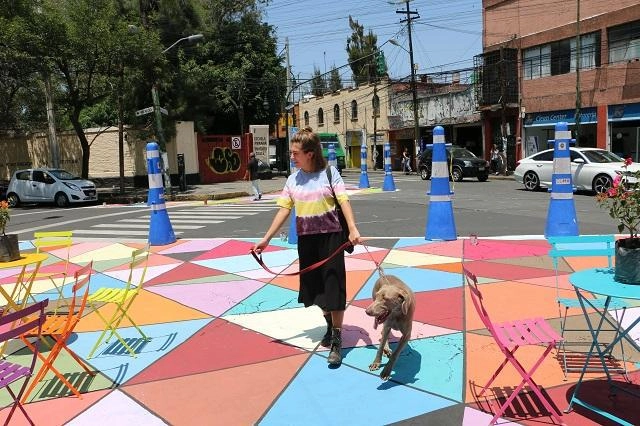
Low-speed zones are a key solution for effective speed management and for creating more accessible and livable urban spaces. Photo: WRI México/Flickr
As the Covid-19 pandemic altered urban landscapes and drew more people toward active mobility, there is a heightened urgency to make streets safer for pedestrians and cyclists. Many cities are now tasked with protecting the most vulnerable users, while also creating safe public spaces that enable economic recovery and allow people to enjoy the outdoors. At the same time, there are long-term reasons to support this transition.
“Walking and cycling are among the most sustainable ways to get around cities – but not if they are extremely dangerous options,” says Claudia Adriazola-Steil, interim director of Urban Mobility and director of Health & Road Safety at the WRI Ross Center for Sustainable Cities.
https://www.archdaily.com/1128095/low-speed-zones-save-lives-how-to-design-an-effective-oneNikita Luke e Siba El-Samra
The Neighborhood Plan is an urban planning tool that encourages residents to propose initiatives to improve their neighborhoods. It was established in São Paulo by the Strategic Master Plan municipal law with the goals of aligning local issues with the city's broader structural demands, identifying the need for public, social, and recreational facilities in neighborhoods, strengthening the local economy, and fostering job opportunities.
In urban planning, population density is a subject that sparks discussion, doubt, and debate. A common point of confusion, for instance, is conflating built density (the amount of built area in a given location) or even building height with population density (the number of residents in a given location).
In New York, for example, Midtown Manhattan has perhaps the city's highest concentration of skyscrapers, despite having a population density of "only" 18,000 residents/km²—less than half of the Upper West Side, which boasts 44,000 residents/km² with lower but predominantly residential buildings, whereas Midtown has fewer residential buildings. In Brazil, this discrepancy is far more extreme: the densest neighborhoods in major Brazilian cities tend to be the most horizontal, as they consist of informal settlements (favelas) with small housing units, minimal space between structures, and larger families living in (or cohabiting) these units.
A year and a half of the global coronavirus pandemic has—or should have—made everyone realize the importance of national public health systems. Never before has a health crisis and its impact on society, the economy, and public spaces been so widely discussed and reported.
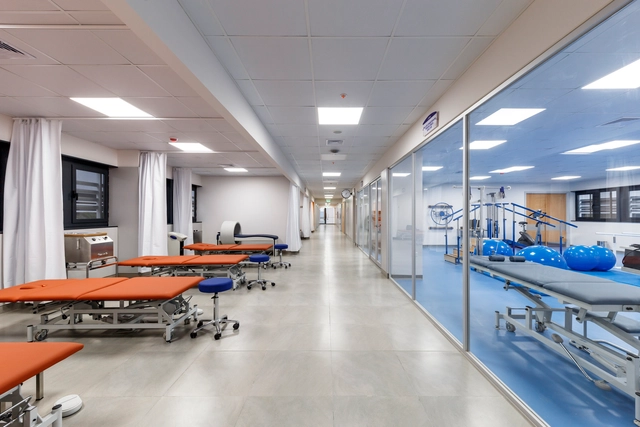
Against this backdrop, to celebrate spaces dedicated to physical and mental health, we have compiled a selection of small- and medium-scale healthcare clinics, medical offices, and therapy centers. These projects, designed for treatment or prevention, prioritize patient well-being above all else.
When entering a dark, unfamiliar room, our hands instinctively grope along the wall, searching for a keypad to turn on the lights—and, with luck, finding it. It is one of those many things we only truly notice when they are poorly designed. When designing a space, placing controllers in accessible and intuitive locations requires careful attention from designers. Keypads belong to that category of objects we want to be easily found when needed, yet prefer to remain hidden when not in use. This is because their design often draws more attention than it should, potentially clashing with the space's aesthetic. But this does not always have to be the case. There are options that seamlessly combine design and functionality, offering customization that allows controllers to fit into any type of project.
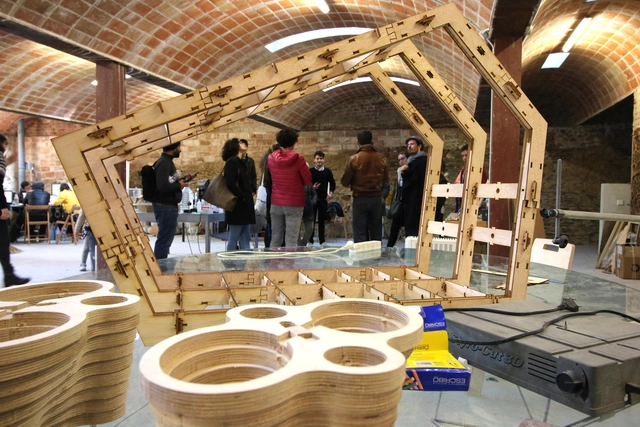
The maker movement is a philosophy centered on the creative activity of making, which is intrinsic to human beings. This process occurs through the use, adaptation, and modification of existing resources without professional assistance (HATCH, 2013). Moreover, it is rooted in "do-it-yourself" culture, with its main distinction being the use of digital tools that facilitate and enhance collaboration, documentation, and sharing. Consequently, projects remain open and adaptable, allowing anyone to access and modify them.
https://www.archdaily.com/1127795/what-if-fab-labs-were-the-do-it-yourself-of-architectureRodrigo Gobatto de Moraes
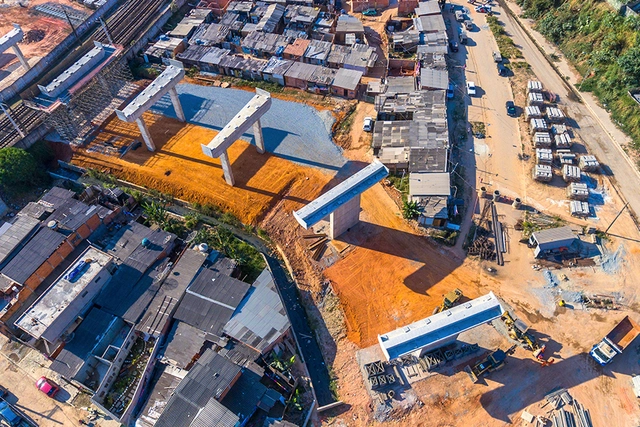
Thirteen years ago, the then-mayor of Maceió, Cícero Almeida, inaugurated two major projects in the city: the Washington Luiz and João Lyra overpasses. At the time, they were expected to provide a potential solution to the capital's urban mobility issues by improving traffic flow in the area. Over time, however, the growing vehicle fleet brought back the specter of rush-hour congestion, and the projects that promised to solve mobility in the city were no longer enough.
https://www.archdaily.com/1127764/stop-building-viaducts-to-solve-mobility-problemsRuan Victor Amaral
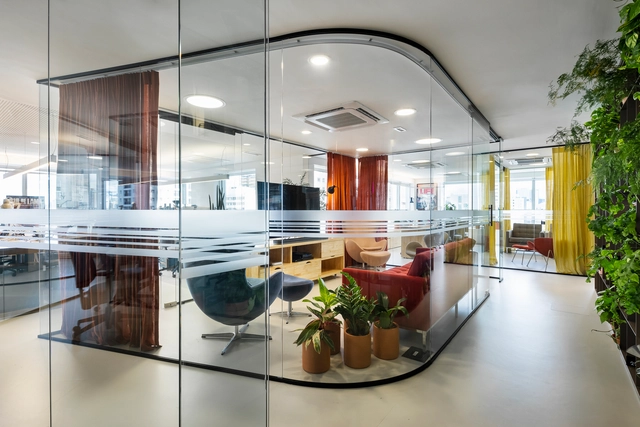
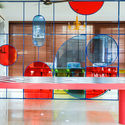
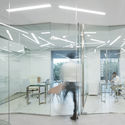
Glass elements have long since moved beyond their most common applications—windows, mirrors, shower enclosures—and taken on other roles within interior design. Frequently used as partitions to visually expand spaces, glass also conveys lightness and sophistication, serving as a physical barrier that nevertheless allows natural light to filter through.
Within its wide range of possibilities, different levels of transparency can be selected based on the functionality of each space. Double-glazed clear glass, for example, improves acoustic performance and is therefore frequently specified for commercial offices, enabling physical and acoustic separation while maintaining a visual connection between different workstations.
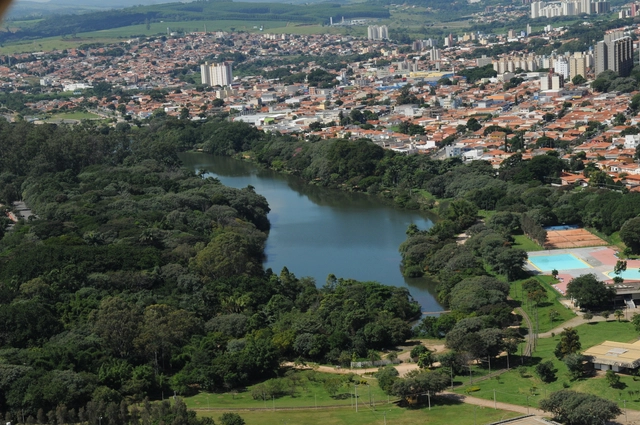
Brazil ranks among the world's most biodiverse nations. Boasting the highest number of plant species on Earth—more than half of which are endemic—it hosts between 15% and 20% of the planet's biological diversity. Given the vast scale and diversity of its ecosystems, the wide range of ecosystem services they provide, and the current level of environmental degradation, a deep, collective reflection on how to safeguard this biological wealth has become critical.
Brazil's rapid urbanization process has radically transformed the landscape, putting pressure on ecosystems while channelizing and burying water bodies. The prevailing model of fast-paced urban growth has created unsustainable cities with a low quality of life, profoundly altering natural flows and processes, and producing environments marked by high levels of inequality and social, ecological, and economic vulnerability. In addition to the severe challenges of air, water, soil, and noise pollution faced by Brazilian cities, there is also a profound disconnection between people and nature. This disconnect is closely tied to sedentary lifestyles and poor dietary habits, ultimately leading to physical and mental health issues that impact the well-being of the urban population.
https://www.archdaily.com/1128266/nature-based-solutions-for-greener-more-resilient-and-inclusive-citiesCecília Herzog, Daniela Rizzi e Victor Ferraz
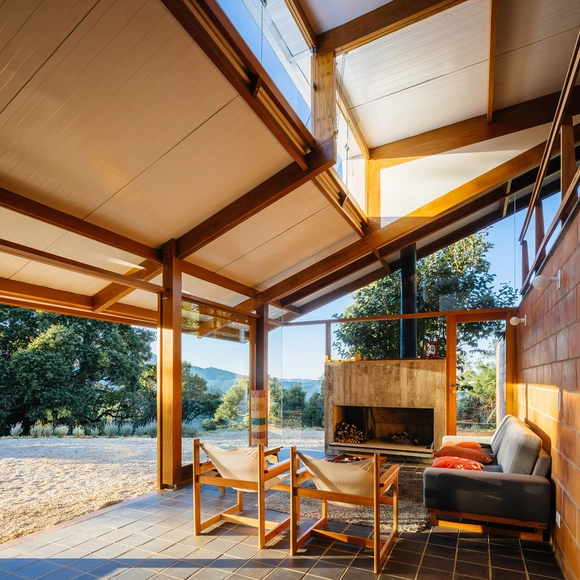
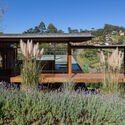
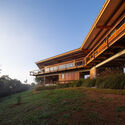
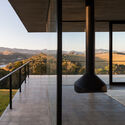
Spanning over 500 kilometers across the states of Rio de Janeiro, São Paulo, and Minas Gerais, the Serra da Mantiqueira has become in recent years one of the favorite destinations for travelers seeking mild climates and a countryside atmosphere. Towns like Gonçalves, Monte Verde, Campos do Jordão, Santo Antônio dos Pinhais, and Camanducaia are just a few of the municipalities in the Mantiqueira region that have attracted a growing number of visitors seeking a closer connection with nature.
The mountain range has altitudes varying between 1,000 and 3,000 meters, resulting in low temperatures for its latitude. Additionally, mist and occasional frost lend the landscape a bucolic character quite distinct from other nearby, lower-elevation areas—an effect that becomes even more pronounced in the winter.
When analyzing the differences between different scales and types of architectural work, we raised the issue of how decoration is viewed with a certain stigma and marginalized by the profession. To deepen the debate, we turned to you, our audience, asking about the possible reasons for this perception. We received 108 responses, from which we have highlighted key arguments and data to help map out this scenario.
On July 2, Brazil celebrated Hospital Day. The date commemorates the founding of the Santa Casa de Misericórdia de Santos Hospital, in the state of São Paulo, in 1945—considered one of the largest in the country—and today serves as a way to honor healthcare professionals, from doctors and nurses to social workers, technicians, and administrative staff.
Naturally, in the current context, this date takes on an even deeper layer of meaning, becoming also an opportunity to celebrate the immeasurable efforts of healthcare professionals who fight daily to ensure the survival of hundreds of thousands of people infected by the coronavirus. To mark the occasion beyond national borders, we have gathered ten Latin American hospital projects here.
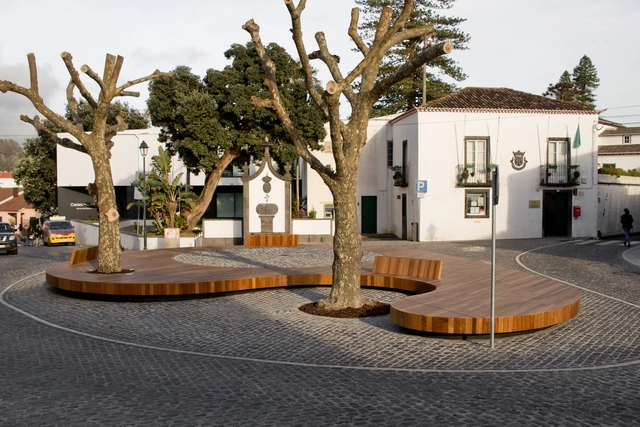
Squares are open spaces within the urban fabric, defined by buildings or streets, that facilitate a variety of gatherings and social and cultural activities. Whether intentionally planned or remnants of the urban layout, squares are fundamental to the life and culture of the community, and they proved even more vital following the COVID-19 pandemic. Here, we present nine small-scale squares that demonstrate the diverse uses and functions these spaces can assume in contemporary cities.