Is architecture the thinking of spaces? Is it science and art applied to places? What if someone said that architecture is designing time?

Is architecture the thinking of spaces? Is it science and art applied to places? What if someone said that architecture is designing time?

The Cruel Pedagogy of the Virus – The pandemic has a tragic power of revelation. It exposes a series of paradoxes that were previously obscured or underestimated. In this sense, like any moment of crisis, it carries an educational dimension. Undoubtedly, given so many deaths—many of them preventable—this is a "cruel pedagogy of the virus," in the words of Portuguese sociologist Boaventura de Sousa Santos. Amidst the suffering, debates and proposals have proliferated through livestreams, articles, reports, petitions, research papers, action agendas, guides, denunciations, solidarity networks, and even self-governance initiatives in semi-abandoned peripheries. These discussions focus particularly on the Brazilian tragedy, which combines multiple crises tied to structural issues (such as inequality and racism) with a mounting crisis of reason—or simple common sense—shaping a macabre landscape of social regression, hatred, obscurantism, and genocide.

The way you experience the city, the urban infrastructure provided in the areas you frequent, and even the job opportunities that come your way are all, to some extent, shaped by the color of your skin. These themes unfold across multiple layers to discuss racial segregation in the urban environment in the seminar "The City and Racial Subjection," organized in 2018 by the Laboratory of Race and Urban Space Studies (Labraça) at FAUUSP.

As it celebrates its 60th anniversary, Brasília has an opportunity to draw inspiration from the anti-racist and anti-colonial movements worldwide that have challenged the monumentality of official history, confronting the memorialization of colonialism within its own urban landscape. Rather than celebratory events that reiterate official narratives, marking the city as a *bandeirante* milestone of national modernity, we should pause—a pause moreover imposed by the pandemic—to reflect on how certain memories are eternalized while others are erased, and thus trace new memorial cartographies onto the urban fabric of the capital.

During the pandemic, major cities became some of the most vulnerable environments; moreover, the global health crisis validated remote work and called into question the necessity of living in dense urban centers. Consequently, the urban exodus is likely to remain a constant theme in the near future, sparking major discussions within the fields of architecture and urban planning on how to manage this shift.

Twenty-first-century urbanism will be marked by an increase in both the number and scale of global megacities—urban agglomerations with over 10 million inhabitants, according to the UN—alongside a geographical shift. By 2100, African metropolises such as Lagos (Nigeria) and Kinshasa (Democratic Republic of the Congo) are projected to exceed 80 million residents. The rise of these new, larger metropolises, especially in Africa and Asia, compounded by the urgent need to address the ongoing climate crisis, demands immediate changes in the discourse surrounding urban mobility.

While the architecture and construction industry has been advancing in new fields for years, it remains one of the most lagging in terms of automation and efficiency. And indeed, while many of these innovations never progress past the experimental stage, we face a sobering reality: the sector is one of the largest producers of pollutants and waste worldwide. How can we reverse this trend?
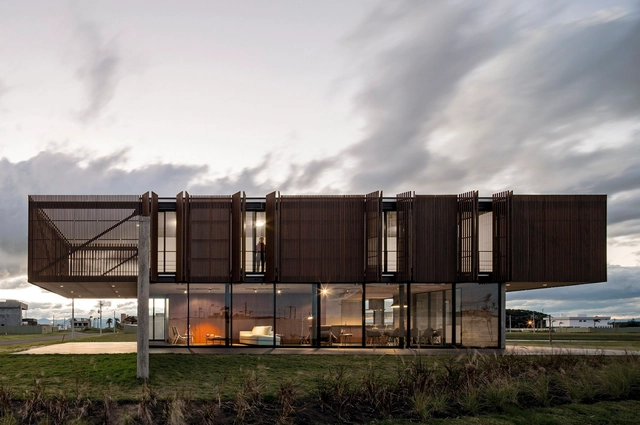
Movable doors, windows, and panels operate through various mechanisms that determine not only how they open and close, but also their classification and terminology. Among the array of systems used for operable architectural elements—ranging from the simplest to the most ingenious—the mechanism found in folding or bifold doors and windows is frequently adopted to blend aesthetics and functionality.
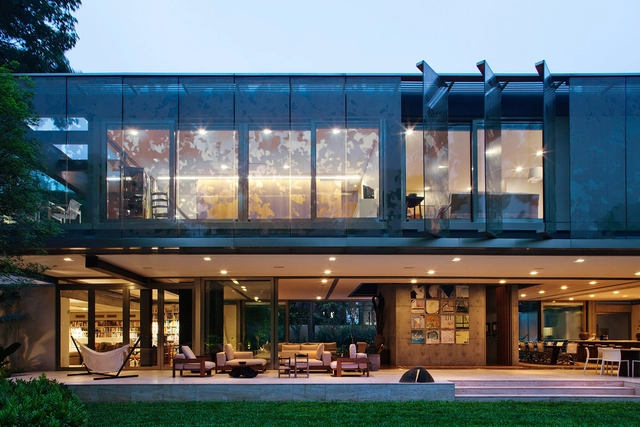
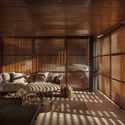
The interfaces establishing the relationship between inside and outside in architectural design play a fundamental role in reinforcing or denying the potential degrees of this connection. To this end, a central factor in facade design is the opacity of its materials, which can create vastly different conditions regarding light, views, and atmospheric quality within a space. Translucent materials and elements offer a compelling strategy for mediating between interior and exterior. They evoke a diaphanous, ethereal effect, introducing a touch of mystery through surfaces that allow light to filter through while obscuring any sharp, distinct images for the observer.
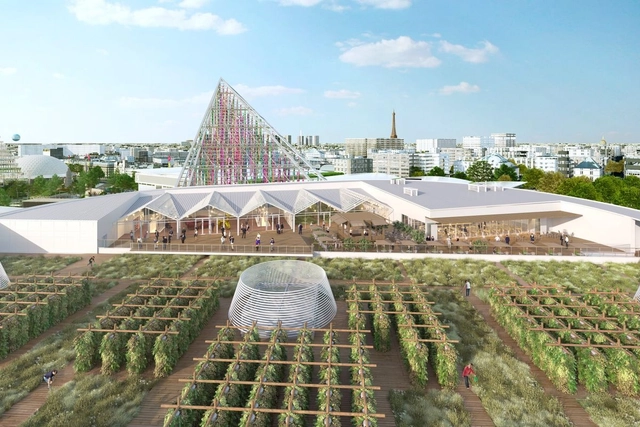
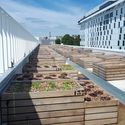
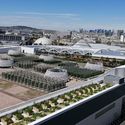
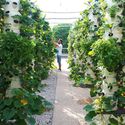
While modern metropolises have verticalized our way of life, creative solutions are continually emerging to reclaim and redefine urban space. Rooftops are already widely used for events and leisure, and now, growing plants and crops on them is becoming increasingly common. In Paris, a massive 14,000 m² urban farm has just opened on a building's rooftop. Although cultivation does not yet cover the entire area, once fully completed, it will be considered the largest in Europe and, perhaps, the world.
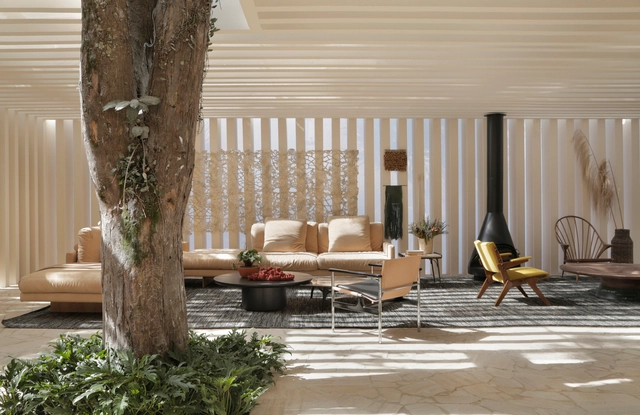
In architecture, when designing physical and tangible spaces, ephemeral and intangible aspects are essential considerations in the design process. One of the most important elements in this regard is natural light, which is crucial for ensuring comfort, quality of life, and health for its occupants.
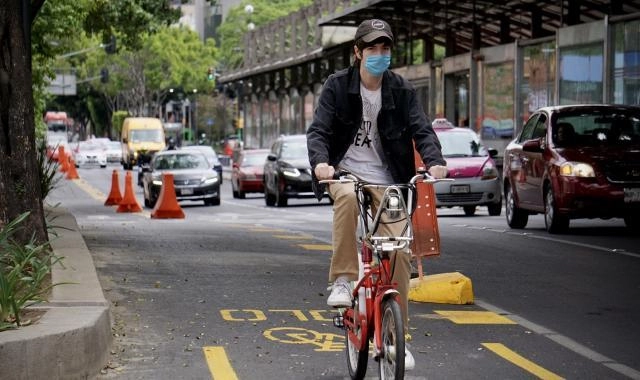
Cities have been implementing temporary bike lanes to enable safe commuting during the COVID-19 pandemic and prevent public transit users from switching to cars and motorcycles. Gradually, this practice is gaining ground across Latin America, including Brazil. This represents a golden opportunity to boost bicycle urban mobility—but to succeed, emergency interventions must incorporate road safety best practices.
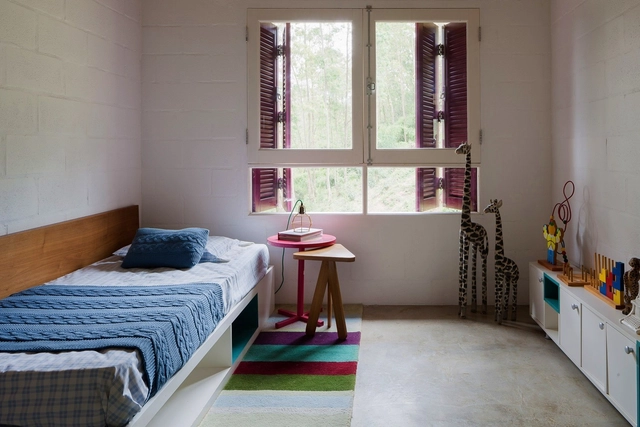
Many factors influence people's well-being, but few have power as great as the quality of sleep. Adults spend, on average, a third of their day (and their life) sleeping. In the case of young children, this proportion is even higher. According to a study published by the WHO in 2019, babies (4 to 11 months) should sleep between 12 and 16 hours/day; and children up to 4 years old should sleep between 10 and 13 hours/day.
Quality sleep acts directly on the child's brain development, especially during his first and second childhood (from birth to 12 years old). During the rest period, the body releases the hormones necessary for growth and learning, and this is directly related to physical, motor, emotional, and cognitive development. It is also known that the environment where one sleeps interferes with the quality of that sleep, and some important aspects must be considered when designing sleeping spaces for children and babies.
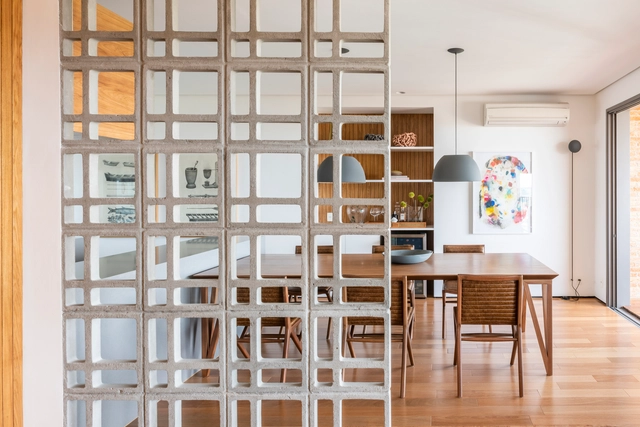
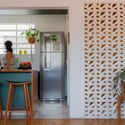
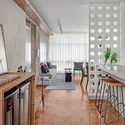
Hollow elements such as cobogós and mashrabiyas are commonly used to protect a building's interior spaces from direct solar radiation without blocking ventilation—a particularly favorable feature in predominantly tropical climates like Brazil. While their use in interiors is less common, in these cases, hollow elements offer flexibility in dividing indoor spaces without completely isolating them.
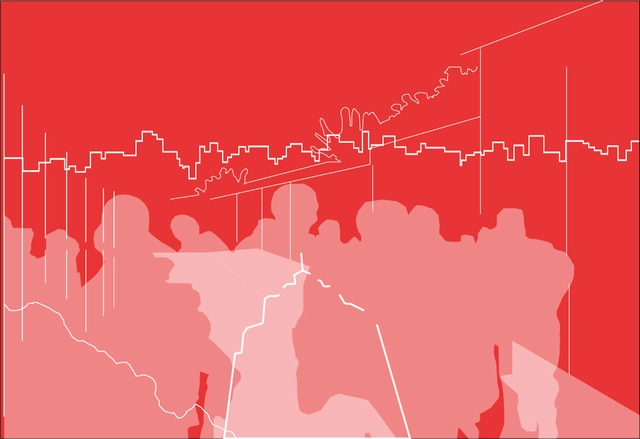
São Paulo, Sociedade Anônima is a film with a complex and profound approach to São Paulo, crafted with a sensitive and distinct 1960s perspective by those who lived through a moment of urban and socioeconomic renewal in the metropolis. Capturing this unique social transformation, the film became a cinematic landmark of the era, tracing an intense relationship between character and urban space. It contains multiple layers of interpretation that dissect the meaning of the modern, the urban, the scenographic, and the architectural, using these concepts as tools to express a historical period lived and experienced by its population, capturing the transformations of both the city and its society.
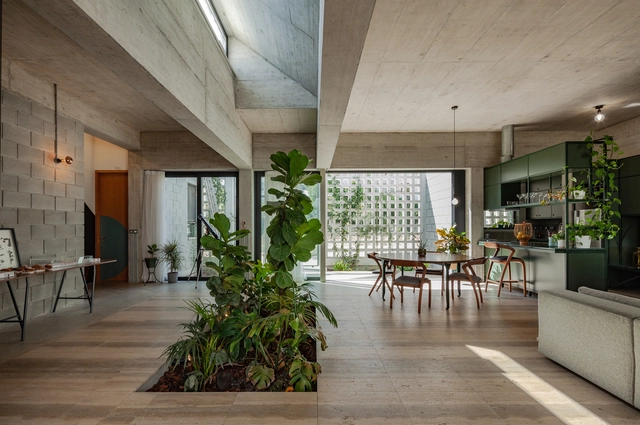
Humans spend most of their lives inside buildings, whether to live, work, or play. COVID-19 further highlighted this issue during lockdown, underscoring the need to design healthier and more comfortable buildings.
This article presents several tips for designing healthier projects, highlighting the importance of a systemic approach that integrates diverse disciplines—including architecture, engineering, materials science, mechanics, physiology, and psychology.
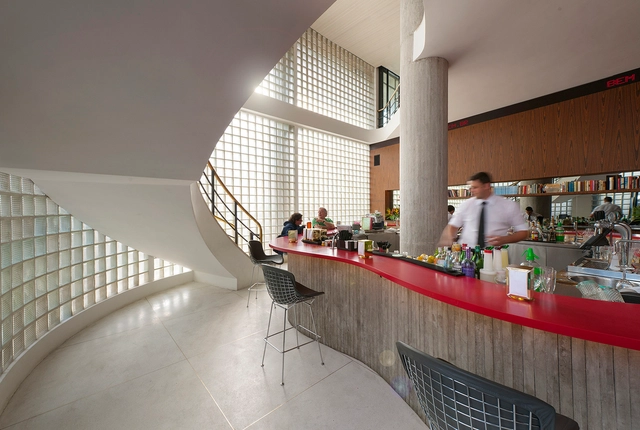
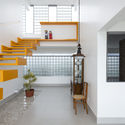
Associated with the architectural imagery of the 1980s, glass bricks—or blocks—are building elements whose sculptural potential has once again been recognized and revisited by contemporary design. First patented in 1907, this product was developed to meet the demand for light in building interiors; however, it is sought after today primarily for the visual effects produced by its translucency and texture. Currently, it is being used in diverse contexts, from bathrooms to residential partitions, and even entire facades of bars, stores, and restaurants.
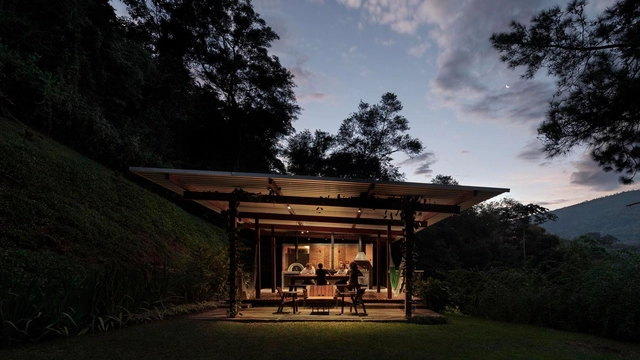
Across much of Brazil, the climate allows for the daily use of outdoor spaces. From the simplest backyards to backyard annexes equipped with barbecues and ovens, outdoor cooking is deeply rooted in the local culture. This practice has become even more prominent in light of the lessons learned from the pandemic, as open-air spaces tend to be safer. With this in mind, we have compiled twelve outdoor kitchens—or kitchens that open up completely to the outdoors—to provide design inspiration for this type of space.
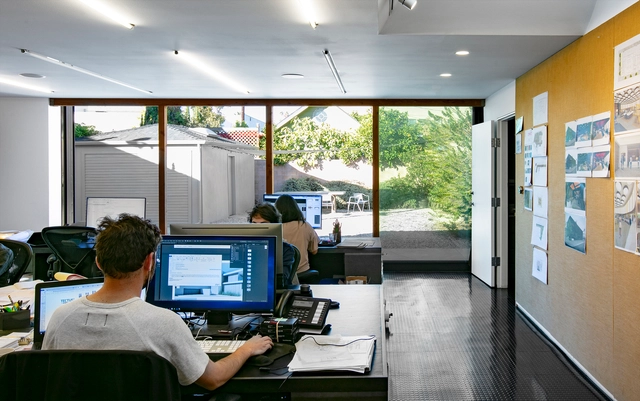
Architecture is one of the most beautiful professions—there is an undeniable romance in building the spaces where human beings dwell. It is also one of the oldest: if considered as an activity that organizes space, some form of architectural thinking can be identified dating back at least hundreds of thousands of years. Its beauty, however, is partially eclipsed by widespread frustration within the professional field in Brazil. A general lack of awareness regarding its importance to society, difficulty securing contracts, fierce competition, scarce opportunities in public projects, low-paying jobs, and a willingness to work without fees all contribute to the precarious state of architecture and urban planning.
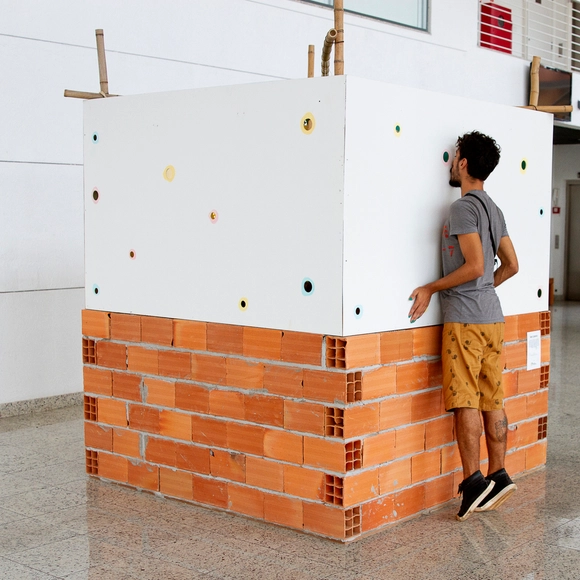
“WHERE DO WE FIND OURSELVES?” is the title of the installation produced by Estúdio Mangava for feverestival 2020 (Campinas International Theater Festival). It was exhibited during the second week of February, about a month before we went into quarantine. The festival's organizers challenged the studio to represent the edition's theme through an interactive installation, which aimed to reaffirm its present, revisit the past, and project the future: what do we want to build from here? What do we want to reinvent? What kind of world project are we seeking? What are our desirable futures?
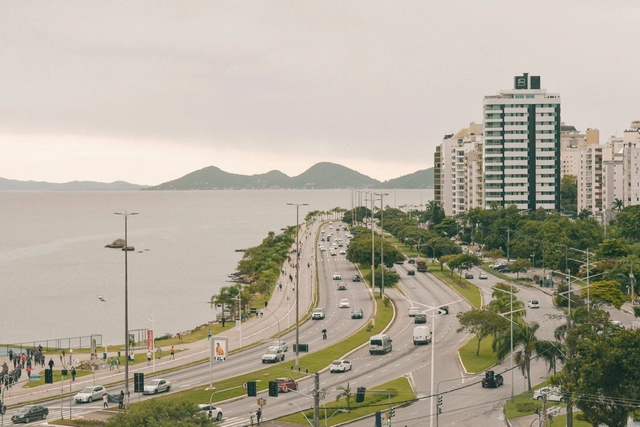
A city is a shared space where individuals seek to realize their desires and goals. Streets, sidewalks, and public spaces foster encounters and connections among diverse groups, strengthening the sense of community. Urban mobility plays a fundamental role in the social and economic development of cities, particularly in citizens' quality of life. It is not just about transportation, but about how people move through the city, impacting the time and energy expended by residents, as well as migration, communication, the formation of personal social networks, traffic flows, housing, health, and the spatial distribution of diverse points of interest. According to Ole B. Jensen, “contemporary cities and places are defined by mobility and their flows.”
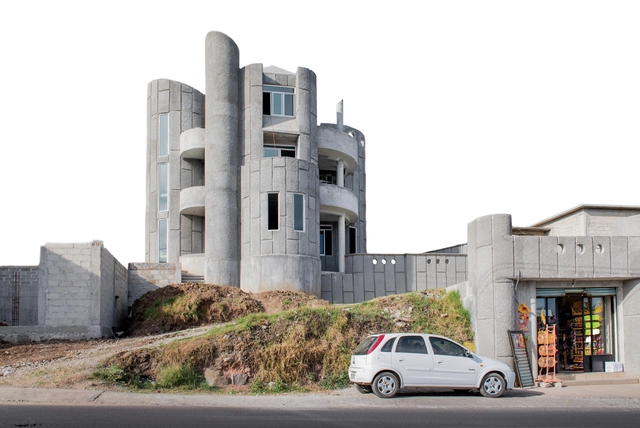
In Mexico, the practice of self-construction remains a divisive topic within the architectural community, with proponents both for and against a practice that is highly conventional and widespread throughout the country. However, though far from a consensus among construction professionals, autonomous building processes are an undeniable reality driven by economic, cultural, and social conditions—a phenomenon that knows no borders. With this in mind, over the last few years, architects have launched a series of initiatives aimed at developing and providing informative materials, support guides, and manuals for self-construction, addressing safety and well-being, and ultimately bringing to light a practice that is increasingly difficult to ignore.

The composition of interior spaces is essential to human well-being. During the Covid-19 pandemic, this topic gained even greater prominence, as the design of indoor environments—beyond being aesthetically pleasing—can also help prevent disease and directly influence how we feel.
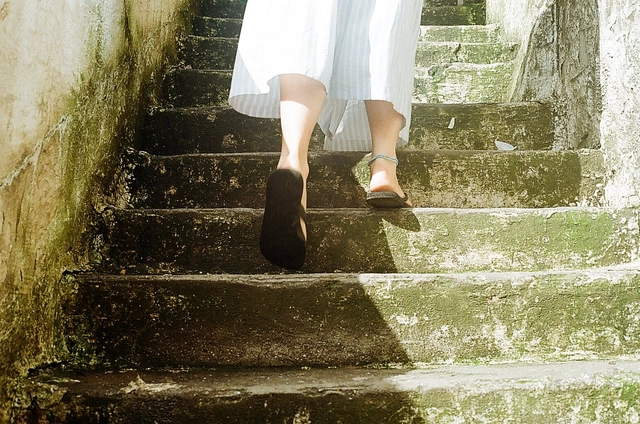
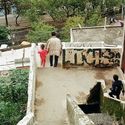
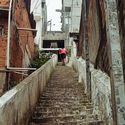
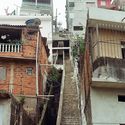
When considering the history of occupation in the city of São Paulo and the pursuit of a universal, democratic urban planning, understanding the role and movement of women in the urban context—particularly on the city's periphery—becomes essential. Here, we look at the Jardim Damasceno neighborhood and its spaces in motion—the stairways—to understand how these bodies express themselves in this context, their actions and transformations, and how gender is perceived by them.








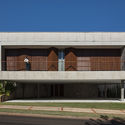
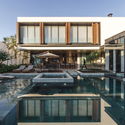

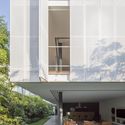

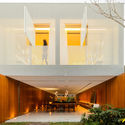
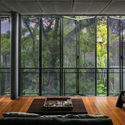
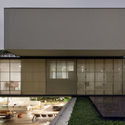
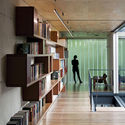







.jpg?1598540198 "Villa Deca / Studio Guilherme Torres. Image © Denilson Machado – MCA Estúdio")