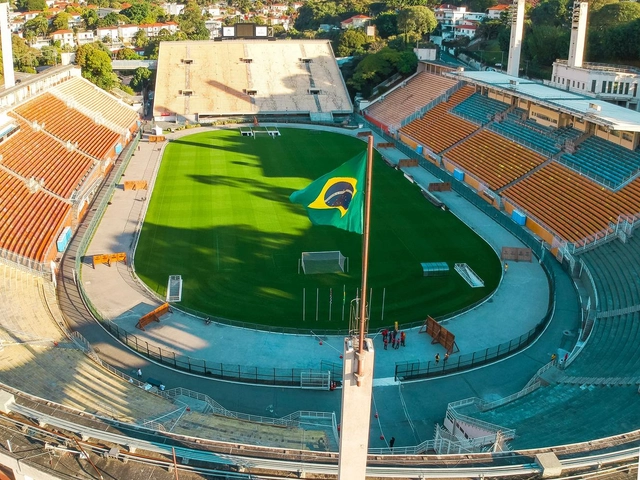
Pacaembu Stadium, São Paulo. Photo by Sergio Souza, via Unsplash
The field hospital at Pacaembu, set up on an emergency basis to meet the demand caused by the COVID-19 pandemic in São Paulo, will begin receiving patients on Wednesday, April 1st. The hospital facility will operate inside the stadium located in the central region of the city and will have a capacity of 200 beds for low-complexity patients.
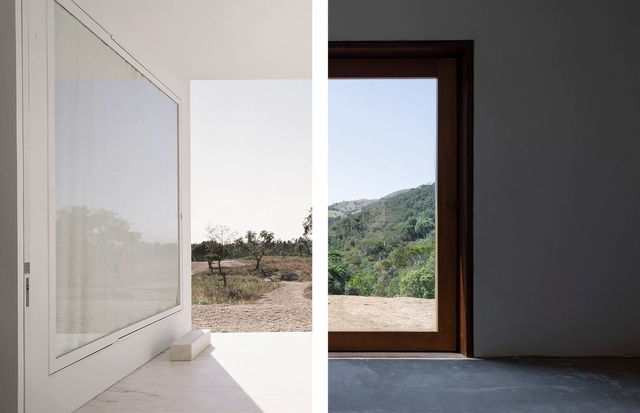
The Lisbon Architecture Triennale has released the Talk, Talk, Talk debate series on its Vimeo channel. The series was held as part of its 5th edition, curated by Éric Lapierre. Divided into five major exhibitions, the Triennale explored architectural imagination in one of them—the theme of the Inner Space exhibition and of the debates featured here.
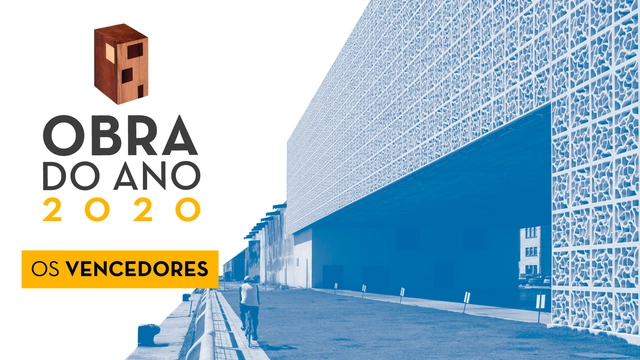
Last week, we announced the 15 finalists for the 2020 Obra do Ano, an award celebrating the best of Lusophone architecture by inviting our readers to choose their favorite projects built in Portuguese-speaking countries. Today, it is time to reveal the winners of ODA 2020.
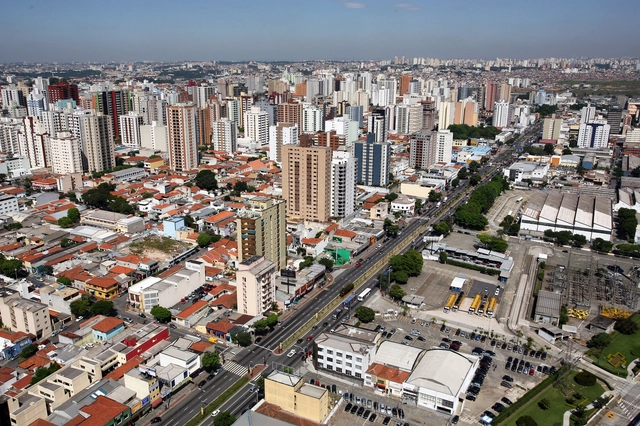
São Caetano do Sul - SP. Photo via Diário do Transporte. Courtesy
On the first of this month, São Caetano do Sul (SP) implemented free fares on municipal buses through its "Zero Fare Program." Far from an isolated initiative, the measure aims to encourage public transportation use, providing direct savings to residents while improving air quality.
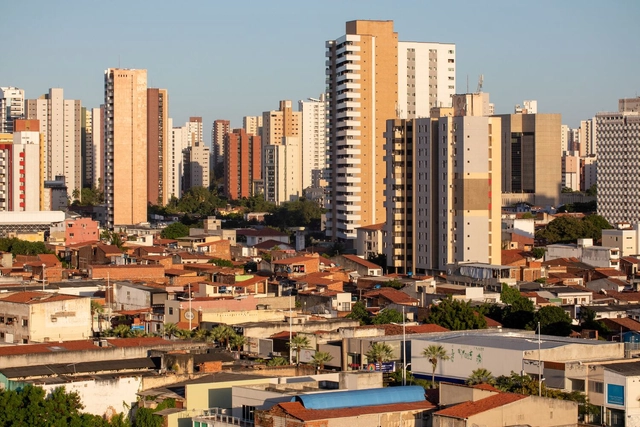
Fortaleza, Ceará. Photo by Vitor Paladini, via Unsplash
The ten cities selected to compete for $9 million in the Sustainable Cities Challenge, a global mobility initiative by the Toyota Mobility Foundation in partnership with Challenge Works and the World Resources Institute, have been announced. The list of selected cities includes Fortaleza, Brazil, as well as cities in Colombia, India, Italy, Malaysia, Mexico, the United Kingdom, and the United States.
https://www.archdaily.com/1135992/fortaleza-among-the-ten-cities-selected-by-the-sustainable-cities-challengeWRI Brasil
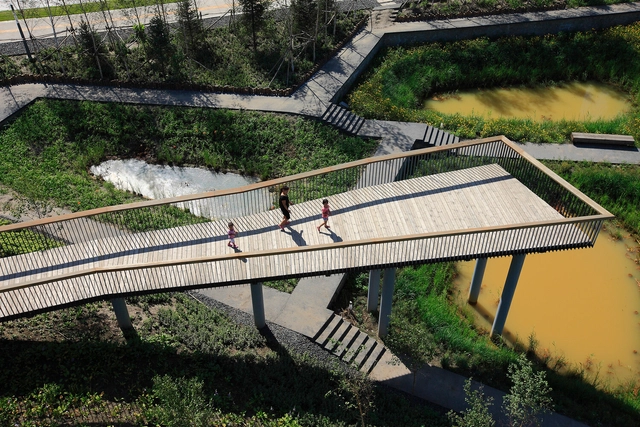
Rainwater Source Park / Turenscape. Courtesy of Turenscape
The climate emergency manifests itself in Brazilian cities in various ways: floods in the South, coastal surges in Rio de Janeiro, storms causing power outages in São Paulo, wildfire smoke in Manaus, droughts in Amazonian rivers, and heatwaves in the Midwest. Therefore, integrating the fight against climate change into public planning is crucial.
https://www.archdaily.com/1135924/free-e-book-teaches-how-to-use-nature-based-solutions-in-urban-projectsArchDaily Team
Banco do Brasil Headquarters in Brasília. Photo: Fernando Bizerra/Agência Senado, licensed under CC BY 2.0
In response to a request from the Council of Architecture and Urbanism, Banco do Brasil has announced a package of measures with special conditions to support architects, urban planners, and companies in the sector during this period of economic impact caused by the coronavirus.
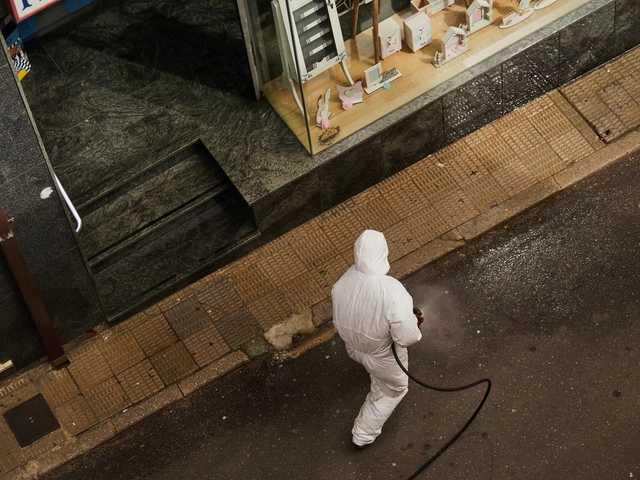
How can you protect yourself from the coronavirus on the street, upon arriving home, and inside your own home? The 'Urbanistas contra o Corona' (Urbanists Against Corona) network has developed a guide to instruct the public in each of these situations. The illustrated publication lists prevention measures and categorizes contamination risks when on the street (high), returning home (medium), and within the private space of the home (low).
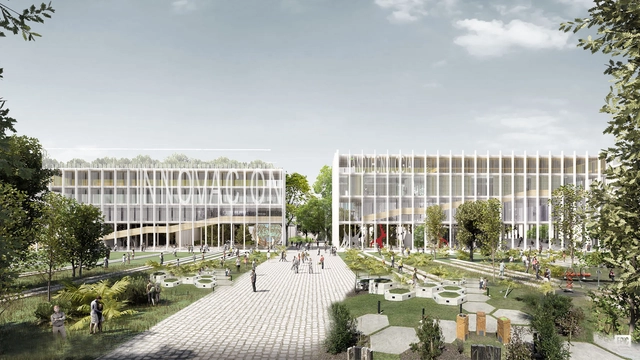
Primer Premio. Image Cortesía de Lesch Alfaro Arquitectos
In an effort to promote and disseminate scientific activities in Argentina, the National Ministry of Science, Technology, and Innovation (MINCyT), together with the Central Society of Architects (SCA), launched a National Preliminary Project Competition to design the buildings that will make up the "City of Science." This initiative is in conjunction with MINCyT, the Cultural Center of Science (C3), the IDI Agency, CONICET, and the Max Planck Institute Argentina, which currently comprise the Scientific and Technological Pole. Proposing an "Innovation Ecosystem," the project will be located in the Palermo neighborhood of the Autonomous City of Buenos Aires, specifically across two blocks of the former Palermo Railway Yard.
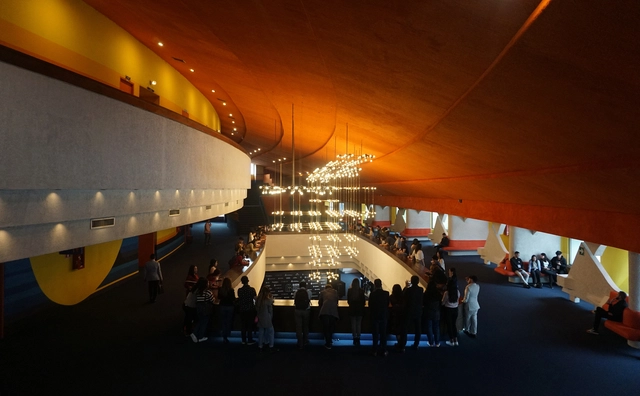
On November 15, the Guatemala Architecture Biennial 2023 opened at the Miguel Ángel Asturias Cultural Center—one of the country's most important performing arts venues. While the previous 2021 edition recognized the importance of the city, architecture, and urban planning under the theme 'Mobility,' this latest iteration focuses on 'Public Space' under the slogan 'The City, Without Walls.' Over three days, this new approach will highlight public space as one of the most vital elements in urban planning, with a significant impact on citizens' social, psychological, and physical well-being.
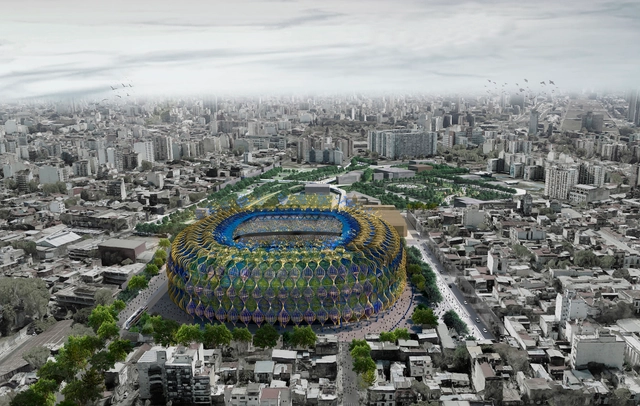
The School of Architecture and Design at the University of Morón (ESAD) has presented the expansion and renovation project for the Club Atlético Boca Juniors stadium, widely known as La Bombonera, located in the Autonomous City of Buenos Aires, Argentina. Led by Alejandro Borrachia alongside a team of ESAD professors and students, the project proposes rethinking the stadium's capacity and its adaptation to modern demands, aiming to address the needs of club members and officials, the social issues affecting local residents, and the city's environmental challenges.
São Paulo-Belém Connection. Photo: Gabriela Di Bella
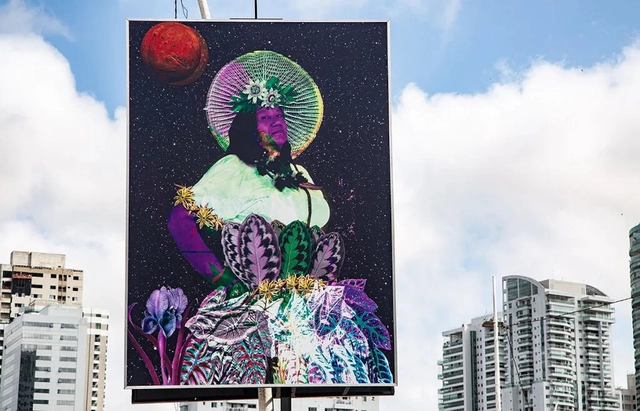
From November 23 to 25, "SP/Amazon Connection: Climate Action" will host a seminar on communication, art, and climate urbanism, featuring free workshops, debates, lectures, and exhibitions at the Centro Cultural Banco do Brasil São Paulo (CCBB SP). To conclude the event's programming, an art installation will be on display on the exterior wall of the CCBB Annex until December 25.
Conceived by Novo Acordo Verde (NAVE) and the Fervura platform, "SP/Amazon Connection: Climate Action" strategically uses artistic expression and the occupation of urban public space as tools to amplify information. It aims to connect the general public with topics like the climate crisis and the essential solutions needed for humanity and the environment to overcome history's greatest challenge.
The awards ceremony took place at the Palacio de Minería Museum in Mexico City to announce the 11 winning projects of the 2023 Interceramic Architecture and Interior Design Award across their respective categories, as well as the Lifetime Achievement Award in Architecture, presented to architect Gonzalo Gómez Palacio.
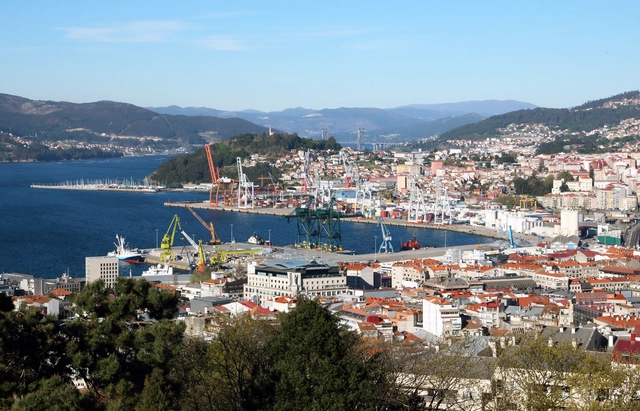
Vigo and San Fernando have been selected as host cities for the third edition of the TAC! Urban Architecture Festival by Spain's Ministry of Transport, Mobility, and Urban Agenda (MITMA), where temporary pavilions will be built to accommodate an extensive cultural program. Widely considered a benchmark for emerging ephemeral architecture, this edition of the festival seeks to showcase projects that highlight the potential of architecture, innovation, experimentation, and young talent.
In this week's Seminar on Culture and Contemporary Reality, organized by Escola da Cidade, Guilherme Wisnik speaks with Ana Luiza Nobre, an architect and professor at PUC-Rio, where she coordinates the Là/Laboratório de Análises Arquitetônicas.
https://www.archdaily.com/1124072/un-common-waiting-conversation-between-guilherme-wisnik-and-ana-luiza-nobreArchDaily Team
Courtesy of Communications Unit, Faculty of Architecture and Built Environment, University of Santiago, Chile
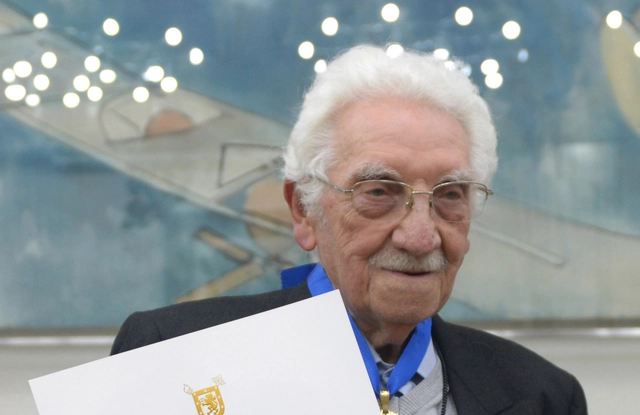
The Universidad de Santiago de Chile awarded its highest academic distinction to architect Miguel Lawner Steiman, who received an honorary doctorate on November 16.
This Wednesday, April 22, FAU Encontros will host the first episode of tão longe, tãoperto, a debate series proposed by architect and professor Marta Bogéa. Lisbon-based architect Manuel Aires Mateus and São Paulo-based architect Marina Acayaba will join the conversation.