In celebration of Brasília's 60th anniversary, filmmaker Pedro Rodolpho has made his documentary O Corpo e a Cidade Modernista available to the public for free. The film was screened at several of Europe's most prestigious film festivals in 2018, the year of its release.
Architecture News
Documentary "The Body and the Modernist City" Is Now Available for Free Online
https://www.archdaily.com/1124011/documentary-the-body-and-the-modernist-city-is-now-available-for-free-onlineRomullo Baratto
The shelved future: a conversation between Guilherme Wisnik and Francisco Bosco
In this week's Seminar on Culture and Contemporary Reality, hosted by the Escola da Cidade, Guilherme Wisnik talks with essayist, author, and host Francisco Bosco. Drawing from the essay "Communovirus" by philosopher Jean-Luc Nancy, they discuss how the pandemic will impact the future of Brazil across its political, social, cultural, and economic dimensions.
https://www.archdaily.com/1123497/the-shelved-future-a-conversation-between-guilherme-wisnik-and-francisco-boscoRomullo Baratto
Coronavirus, inequality, and access to the SUS: where the most vulnerable live

The COVID-19 pandemic has caused a rapid increase in hospitalizations for severe acute respiratory syndrome (SARS) in Brazil, and is expected to severely strain the capacity of the Unified Health System (SUS). Major cities already have confirmed cases among socially vulnerable populations. In this context, it is crucial for healthcare planning to identify where socially vulnerable groups with limited access to the SUS live, and which healthcare facilities are likely to face the most severe bottlenecks in meeting the demand for hospitalizing critically ill patients.
https://www.archdaily.com/1124206/coronavirus-inequality-and-access-to-the-sus-where-the-most-vulnerable-liveITDP Brasil
Applications extended for the 3rd Tomie Ohtake Institute Leroy Merlin Design Award

While the first edition's theme was SHARE, and the second was CIRCULATE, the 3rd Tomie Ohtake Institute Leroy Merlin Design Award proposes REVIEW as its core concept—an opportunity to look at our social and environmental context, critically analyze it, and ask: how can a project contribute based on what is already in place?
https://www.archdaily.com/1124163/applications-extended-for-the-3rd-tomie-ohtake-institute-leroy-merlin-design-awardRomullo Baratto
Guilherme Wisnik and Fernando Haddad discuss anti-politics and resistance
Current Brazilian politics is an anti-politics aimed at the annihilation of institutions, such as the notions of the public and the state. Guilherme Wisnik talks with Fernando Haddad about prospects for imagining ways out of this abyss.
https://www.archdaily.com/1123597/guilherme-wisnik-and-fernando-haddad-discuss-anti-politics-and-resistanceRomullo Baratto
50 Atlantic Forest Species That Can Be Planted on Sidewalks

In 2017, the city of Salvador, Bahia, established its Urban Afforestation Master Plan and, as part of this initiative, released a comprehensive guide for anyone wishing to plant in urban spaces.
Which species are most suitable and how to plant trees on sidewalks are some of the questions answered in the document. Although titled the “Salvador Technical Urban Afforestation Manual”, the guide can be used by residents of any city, especially those living in the Atlantic Forest biome.
https://www.archdaily.com/1123428/50-atlantic-forest-species-that-can-be-planted-on-sidewalksMarcia Sousa
Social organization in vulnerable territories in times of coronavirus
Guilherme Wisnik talks with Ester Carro, a community leader from Jardim Colombo in Paraisópolis, about forms of organization in vulnerable territories in times of epidemic, as well as the importance of community-led social initiatives.
https://www.archdaily.com/1124278/social-organization-in-vulnerable-territories-in-times-of-coronavirusRomullo Baratto
Online platform brings together 280 photography publications and books
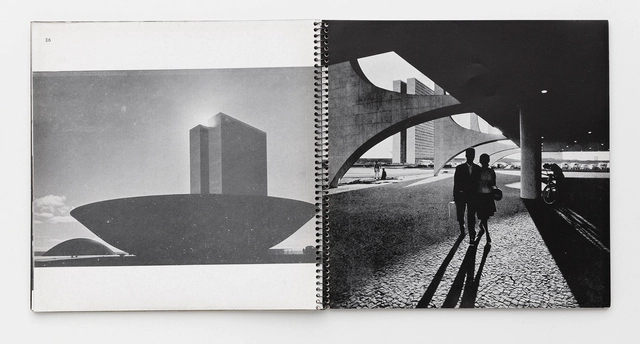
Photography researchers and enthusiasts now have another major tool at their disposal. The Photography Book Database (BDLF) has just been launched: a bibliographic reference platform exclusively dedicated to photography books. Conceived by photographer and researcher Leonardo Wen, the project began development in 2018 with funding from the Federal District's Cultural Support Fund.
https://www.archdaily.com/1124182/online-platform-brings-together-280-photography-publications-and-booksRomullo Baratto
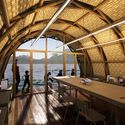
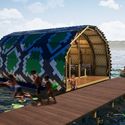
Atelier Marko Brajovic designs floating library in the Amazon Rainforest
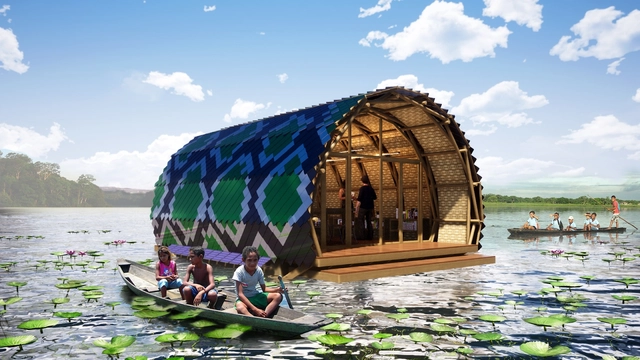
Atelier Marko Brajovic recently shared the design for a Floating Community Library on Lake Mamori, in the Amazon Rainforest. Developed in close collaboration with the local community, the project aims to become a benchmark for sustainable construction and environmental education.

https://www.archdaily.com/1124040/atelier-marko-brajovic-designs-floating-library-in-the-amazon-rainforestRomullo Baratto
Brazil, Inside the Chamber of Lies: Guilherme Wisnik in Conversation with Nuno Ramos
In this week's debate hosted by Escola da Cidade, Guilherme Wisnik talks with Nuno Ramos, a painter, draftsman, sculptor, writer, filmmaker, set designer, and composer who holds a degree in philosophy from the University of São Paulo.
https://www.archdaily.com/1124326/brazil-inside-the-chamber-of-lies-guilherme-wisnik-in-conversation-with-nuno-ramosRomullo Baratto
UN launches online publication on urban parks with a gender perspective
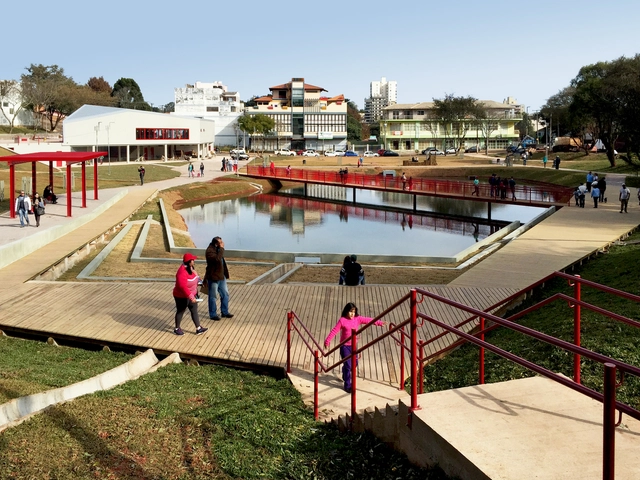
Developed by the Semeia Institute and the United Nations Office for Project Services (UNOPS), Parques para Todas e Todos is a tool to inspire the creation of more diverse spaces by incorporating a gender perspective into the planning and management of urban parks. It offers guidelines, suggestions, and ideas to begin designing parks that address everyone's needs.
https://www.archdaily.com/1123346/un-launches-online-publication-on-urban-parks-with-a-gender-perspectiveRomullo Baratto
Guilherme Wisnik and Bruno Dunley discuss art in the periphery of São Paulo
Guilherme Wisnik talks with Bruno Dunley, a visual artist, teacher, and co-creator and member of the project ali: arte livre itinerante, a nomadic art school that bridges centers and peripheries, operating in the district of Cidade Tiradentes on the far east side of São Paulo.
https://www.archdaily.com/1123449/guilherme-wisnik-and-bruno-dunley-discuss-art-in-the-periphery-of-sao-pauloRomullo Baratto
Wikipedia launches contest to improve articles related to Brasília
.jpg?1591199099&format=webp&width=640&height=580)
The National Archives Wiki-Contest is an editing competition on the Portuguese Wikipedia that aims to improve articles related to Brasília. It is part of a series of activities throughout 2020 conducted in collaboration by the Wiki Movimento Brasil User Group and the National Archives. The Wiki-Contest aims to encourage the Wikipedia editing community to improve entries related to the National Archives' Inter-wiki WikiProject initiative, which has been active since 2017.
https://www.archdaily.com/1123451/wikipedia-launches-contest-to-improve-articles-related-to-brasiliaRomullo Baratto
Gustavo Penna wins competition to design Brumadinho Memorial in honor of the victims
.jpg?1591820635&format=webp&width=640&height=580)
Nearly two years after the collapse of the Córrego do Feijão mine dam in Brumadinho, Minas Gerais, the city's residents will receive a monument to honor the victims. The Brumadinho Memorial was designed by the firm GPA&A, founded by architect Gustavo Penna, and will serve to remind all Brazilians of one of the worst environmental tragedies in the country's history.
.jpg?1591820618 "Crevice Corridor. Courtesy of Gustavo Penna Arquiteto & Associados")
Estagio_03.jpg?1591820696 "Memory Space. Courtesy of Gustavo Penna Arquiteto & Associados")
.jpg?1591820499 "Foyer. Courtesy of Gustavo Penna Arquiteto & Associados")
.jpg?1591820517 "Aerial view. Courtesy of Gustavo Penna Arquiteto & Associados")
.jpg?1591820635)
https://www.archdaily.com/1123697/gustavo-penna-wins-competition-to-design-brumadinho-memorial-in-honor-of-the-victimsRomullo Baratto
Canada Invests in Urban Agriculture to Overcome Pandemic Adversities
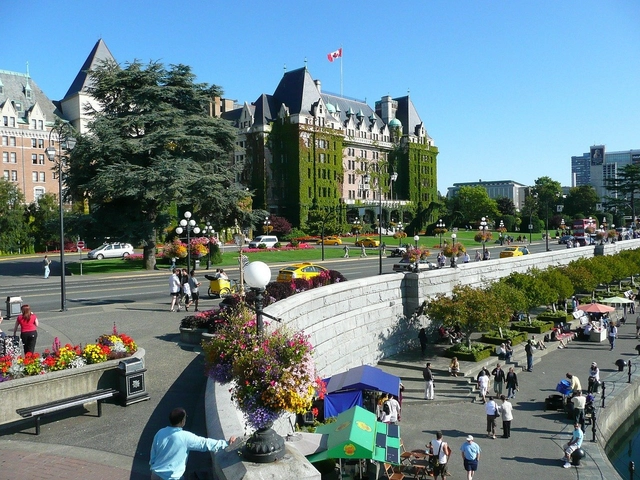
Victoria is a Canadian city famous for its flower gardens. Its climate favors the cultivation of different types of flowers, earning the city the reputation of Canada's flower capital, or the "Garden City." However, the coronavirus pandemic has slightly changed this landscape. The city's gardening team has prioritized planting vegetable seedlings to be distributed free of charge, as public interest in growing one's own food has grown considerably during this period.
https://www.archdaily.com/1123375/canada-invests-in-urban-agriculture-to-overcome-pandemic-adversitiesNatasha Olsen
Feet at Home: a series of playful activities to do at home
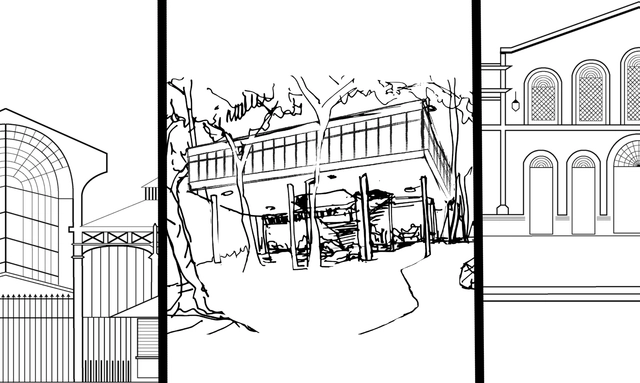
Pé na Estrada is an outreach project of the School of Architecture and Urbanism at the University of Brasília, active since 2011 as an extracurricular activity. Its primary goal is to organize and promote study trips across Brazilian cities. However, due to the COVID-19 pandemic, the project had to adapt to social distancing, launching new heritage education initiatives and encouraging alternative ways of experiencing spaces studied in the classroom to expand the knowledge and creative vocabulary of both students and the community.
https://www.archdaily.com/1124064/feet-at-home-a-series-of-playful-activities-to-do-at-homeVictor Delaqua
Brazilian architect proposes urban equipment for sanitization and coronavirus information

Amid the novel coronavirus pandemic, the international “Coronavirus Design Competition,” organized by the platform Go Architect, encourages students and professionals from various fields to think about how to develop products, objects, and equipment that help the population remain physically and mentally healthy in a scenario of so much uncertainty. Brazilian architect Leonardo Dias is competing, alongside more than 100 candidates from around the world, with a proposal for an urban totem that promotes hand sanitization, citizen information, and the humanization of data.
https://www.archdaily.com/1123936/brazilian-architect-proposes-urban-equipment-for-sanitization-and-coronavirus-informationRomullo Baratto
Vatican publishes more than 200 "commandments" for the environmental protection of the planet
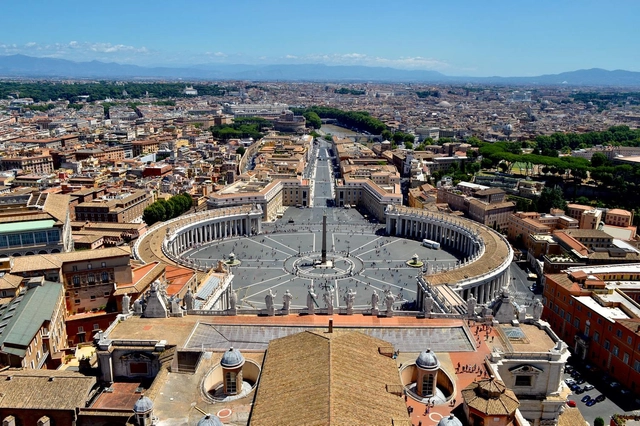
On June 18, the fifth anniversary of the publication of Laudato Si’ – Pope Francis’s encyclical calling for global unity in combating climate change – the Vatican published new guidelines containing more than 200 recommendations for environmental protection.
The document, titled “Journeying Towards Care for Our Common Home: Five Years After Laudato Si’,” suggests practical measures to curb global warming and issues stark warnings about the dangers of environmental degradation. It calls on the world to decarbonize the energy and economic sectors, making renewable energy accessible to all, and advocates for fossil fuel subsidy reform and CO2 emission taxation.
https://www.archdaily.com/1123532/vatican-publishes-more-than-200-commandments-for-the-environmental-protection-of-the-planetNatasha Olsen