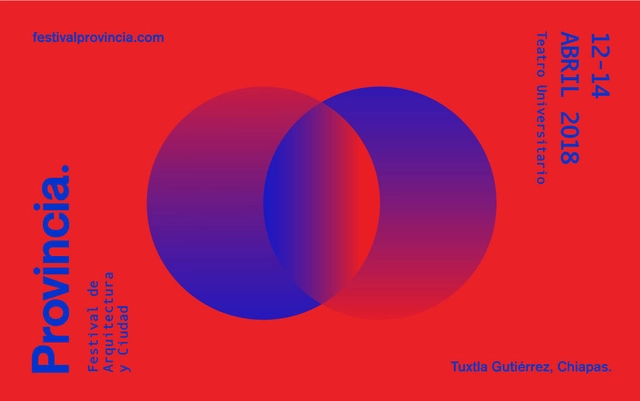
Provincia Festival aims to create an open space for dialogue and the exhibition of civic interest topics, emphasizing responsible participation in provincial architectural development.
Provincia Festival aims to create an open space for dialogue and the exhibition of civic interest topics, emphasizing responsible participation in provincial architectural development.
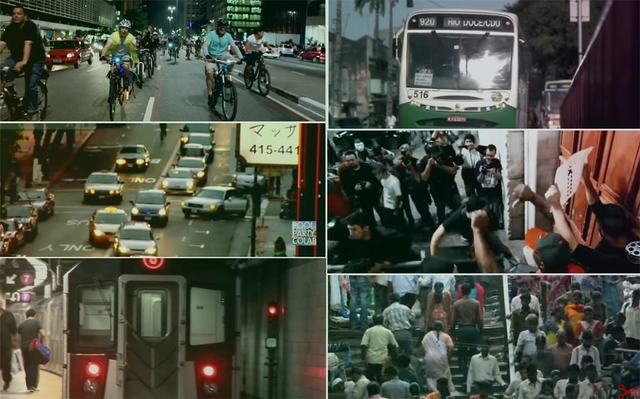
The website Mobilize, Brazil's first platform dedicated exclusively to sustainable urban mobility, has published a list of 30 must-see documentaries on the subject. Divided into feature and medium-length films, the selected titles address urban mobility from various perspectives, ranging from mass transit and non-motorized personal transport to urban culture and the June 2013 protests in Brazil.
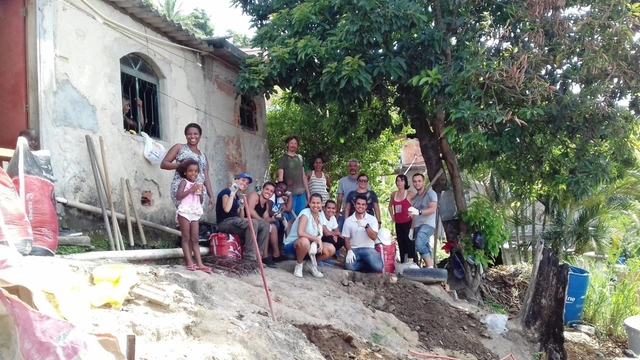
The NGO Soluções Urbanas launched a crowdfunding platform earlier this month to enable technical assistance, the purchase of materials, and renovation work in precarious housing. Named Arquiteto de Família, the tool was developed with sponsorship from CAU/RJ.
The platform's goal is to facilitate access to better housing conditions, and the funds raised through the tool can be combined with resources from other sources, such as microcredit and barter fairs.

The third edition of Hello Wood Argentina is approaching—the renowned timber architecture and design festival that aims to teach thinking with your hands and learning through experience.
From March 2 to 10, 2019, 10 selected projects will be built around this edition's theme: a space of containment, a space of CON-TENSION.
Discover the projects selected for Hello Wood Argentina 2019, described in the words of their creators, below.
.jpg?1533646991&format=webp&width=640&height=580)
The deck is finished, the beams and columns have already been painted, and construction is moving forward at a good pace at the Guarda Housing Complex in Perafita, Matosinhos, Portugal, which will very soon see the completion of Uma Casa de Brincar e Não Só… / Not Only a Playhouse, built as part of the second edition of “O Lugar de Partilha.” At the end of the first week on-site, there is still much work to be done for this Self-Construction Laboratory organized by Casa da Arquitectura (CA) – Portuguese Center for Architecture and curated by Roberto Cremascoli, but spirits are high, and by August 10th, everything will be ready for the local community to enjoy.
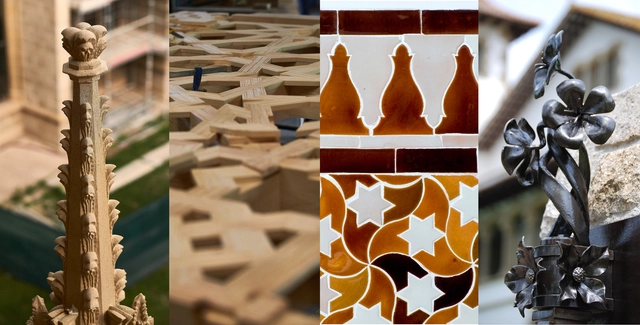
The winners of the second edition of the Richard H. Driehaus Building Arts Awards, which recognize leading masters in Spain's traditional building crafts, have recently been announced. With a total of 84 nominations received, the traditional building crafts were grouped into four categories, with each category presenting an annual award of €10,000 and a commemorative plaque.
The first category covers arches and vaults, vaulted staircases, stone carving, and other masonry and stone-cutting work. The jury selected Cantería Jaurrieta, from Olite (Navarra), run by Valeriano Jaurrieta and Agustina Rodríguez Orduña, to receive this award.

The winners of the Vila dos Mellos Competition, promoted by Escola da Cidade, have been announced. Aiming to select five model single-family residential designs featuring rationalized construction for the Vila dos Mellos Condominium—a development that plans for the construction of 101 homes—the competition specified that each lot would receive one of the five winning designs, chosen at the discretion of the new owner.
.jpg?1538415823)
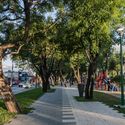
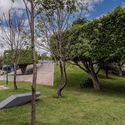
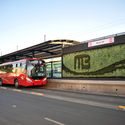
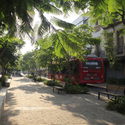
Plazoleta Amo Torres is a project by Echauri Morales in collaboration with Corporación Planen. Located in downtown Guadalajara, Jalisco, Mexico, the intervention comprises a series of urban design gestures aimed at revitalizing the area along Hidalgo Avenue at its intersection with Santa Mónica Street, directly in front of the Corona Market.

As Europe's second most visited built heritage site, behind only the Colosseum in Rome, St. Mark's Basilica in Venice receives over 5 million visitors annually. Yet, under the strain of this massive influx, the 11th-century Byzantine mosaic floors seem to be succumbing to the effects of the floating city's tides.
The undulations in the basilica's floor are visible to the naked eye—feet have not touched them for a decade, as visitors are only allowed to walk on synthetic carpet runners—and they have even cracked at the most critical points, especially in the center of the building. Currently, only 20% of the geometric marble and stone patterns are original; the rest has been restored over the last ten centuries by the artisans of the St. Mark's Workshop.
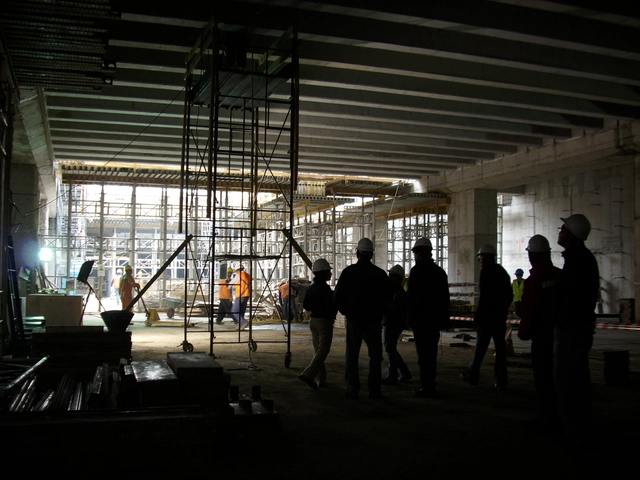
With the aim of "reducing response times and streamlining the processing of certificates, permits, and final approvals," Chile will launch a digital platform called DOM en Línea, as reported by the newspaper La Tercera.
Currently, every municipality, regardless of size, has a Municipal Works Department (DOM). This department is responsible for ensuring compliance with local urban planning and construction regulations. Consequently, the DOM is tasked with authorizing new construction projects through an in-person, paper-based process; therefore, the DOM en Línea platform will allow these procedures to be completed online.

UPDATE: This article has generated a much larger response than expected, and we feel it is our duty to clarify the situation. At no point does the article suggest that the project in Artur Nogueira is a plagiarism of the French project. Plagiarism, by definition, is presenting someone else's intellectual work as one's own, and this article makes no such claim. What it does state is that the project in Brazil is a copy of the French one, without accusing anyone of plagiarism or clarifying whether or not permission was granted to copy the design. We were contacted by the owner of Colégio Futura Plus, who informed us that during the design process, French architect Raphaelle Hondelatte was contacted and authorized the use of the elements mentioned in the text—specifically, the yellow giraffe and the cantilevered white volume. As soon as we receive new information, we will update the article again.
To what extent can architecture draw inspiration from references without being considered a copy of another building? This discussion raises diverse and controversial opinions that prompt us to reflect on the issue of architectural copyright and recall the infamous architectural replicas produced in recent years in China, which mimic everything from iconic buildings to the French capital itself.
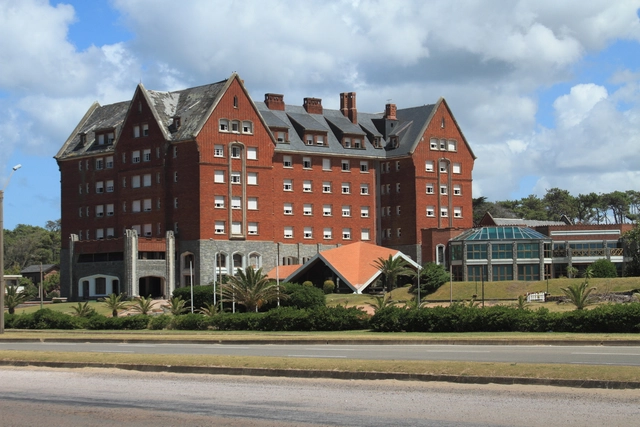
Media and social networks are abuzz. This time, the controversy centers on a proposal by architect Rafael Viñoly to build a three-building complex—including a skyscraper rising well over 250 meters tall—on the site of the former San Rafael Hotel in Punta del Este, Uruguay.
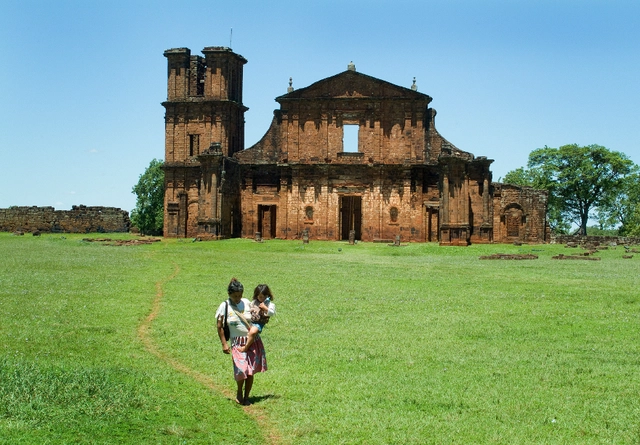
A place of reference for the memory and identity of the Guarani people, the Tava, located in the area of the São Miguel Arcanjo Historical Site in São Miguel das Missões (RS), was built and inhabited by their ancestors at the request of their deity, Nhanderu. This sacred site has been recognized as MERCOSUR Cultural Heritage. The decision was made and announced at the XVII Meeting of the MERCOSUR Cultural Heritage Commission, held on October 30 and 31 in Montevideo, Uruguay.

Architecture is perhaps the built heritage that best expresses a city's history, highlighting major cultural figures whose work enriches the history of its people. The Porto Architecture Guide 1942-2017 follows the Lisbon Architecture Guide 1948-2013; together, they are the first two volumes in the Cities collection published by A+A Books.

The Mictlán Pavilion Competition was established as part of the activities for the 2018 Mictlán Festival, an annual event held in the municipality of Tlajomulco de Zúñiga in the state of Jalisco, Mexico. This event aims to celebrate the Day of the Dead traditions in this municipality, particularly along the Cajititlán waterfront.
For the competition, participants designed an intervention for the San Juan Evangelista pier in Tlajomulco, which served as a transitional space within the Day of the Dead Festival installations.
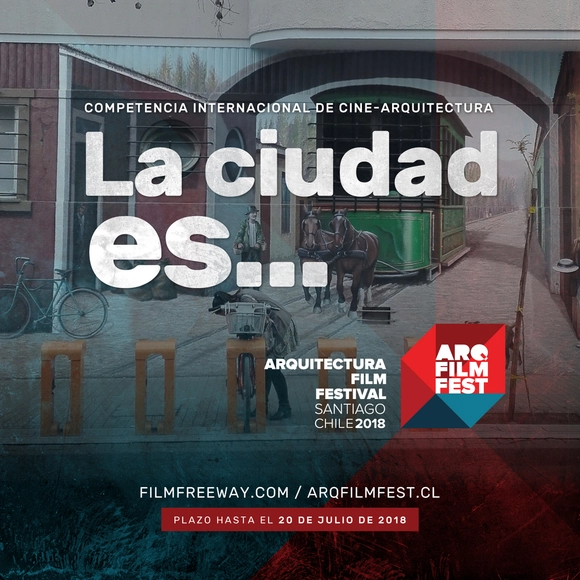
The call for entries for the international film competition on architecture, the city, and urban life—"The city is..."—organized by the Santiago Architecture Film Festival (ArqFilmFest), closed successfully with the submission of 1,518 audiovisual productions from around the world.
According to the organizers, they received more than 100 films from the United States (183), Iran (166), and India (160), and over 50 from Turkey (79), the United Kingdom (74), Italy (60), Brazil (58), and France (50), among many other countries across all continents.

Portuguese architect João Luís Carrilho da Graça has been unanimously selected as the winner of the inaugural Leon Battista Alberti Architecture Prize, awarded by the Leon Battista Alberti Center for Studies Foundation, named after the prominent Renaissance architect and art theorist.
Carrilho da Graça, who heads the eponymous firm Carrilho da Graça Arquitectos, is known for major projects in Portugal and other European countries, such as the Lisbon Cruise Terminal, the Theater in Poitiers, and the Orient Museum.

Originally published in 1995, Registro de uma vivência is an autobiography by Lucio Costa (1902–1998) composed of critical essays, memoirs, plans, projects, photographs, and drawings specifically selected and arranged by the author.
Out of print for nearly 20 years, the book has been reissued by Editora 34 in partnership with Edições Sesc SP. Fully preserving the original graphic design, this new edition features an introduction by Maria Elisa Costa, Lucio’s daughter, an index of names, and an essay by Sophia da Silva Telles, which seeks to decipher the significance of the work of this great architect and urban planner, who was also one of the most important Brazilian intellectuals of the 20th century.

The National Academy of Architecture of Monterrey, the Nuevo León Association of Architects, and the Monterrey Region Urbanism Society AC presented a list of proposals for election winners to champion, promote, or implement—depending on the office to which they are elected—in order to collectively build cities where the inhabitants' quality of life is the priority. Read on for the full list.
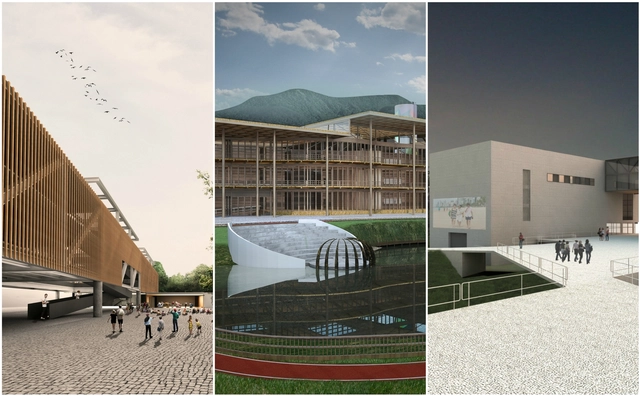
Seu Acervo, a platform for architecture final graduation projects, has released the results of the "Most Popular Project of 2017" open call, launched last November. The goal of the call is to expand the reach of the material available on the platform and encourage recent graduates to engage with digital publishing media.
The winners of this first edition of the award are Rogério Oliveira da Costa, from the Centro Universitário Belas Artes de São Paulo; Nayara de Paula, from the Universidade Anhembi Morumbi; and Hugo Rossini, from the Universidade Presbiteriana Mackenzie. See the winning projects below.

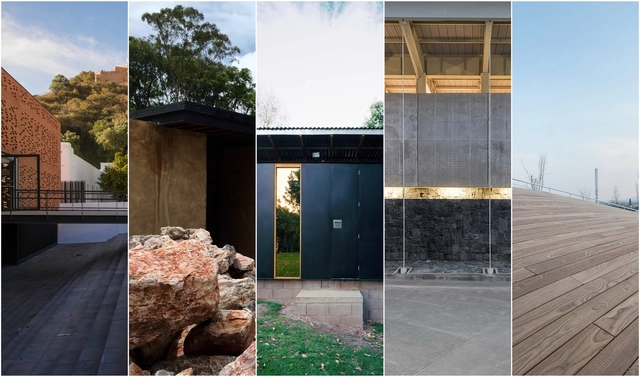
The 21 projects that make up the Official Selection of the Mexican Pavilion at the 16th International Architecture Exhibition of the Venice Biennale converge in latitudes, geographical regions, and echoes of the territory, drawing from the curatorial theme "Freespace." In four installments, we will share the works and insights of each of the participants representing Mexico in Venice. Read on to discover the third part of these projects.
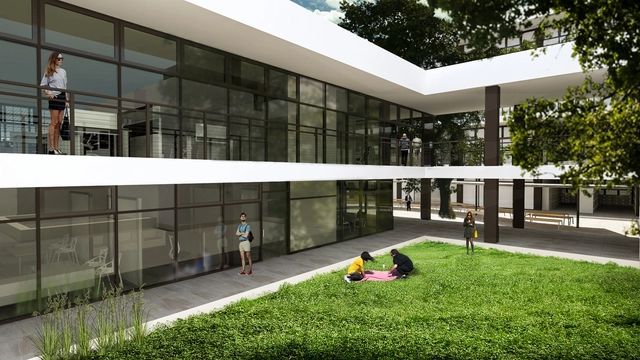
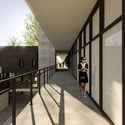
A new renovation project is underway at the University of Guadalajara's Health Sciences Campus, led by Nr24arquitectura. Located at Sierra Mojada 950, Independencia Oriente, 44340 Guadalajara, Jalisco, Mexico, the project covers a total area of 10,000 m² and is expected to be completed by 2019.
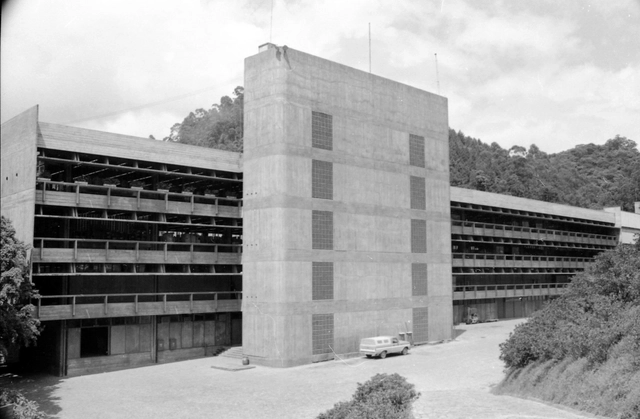
Born in Slovakia in 1921, architect Hans Broos began his career in Brazil in 1953, after graduating in Germany in 1949. His brief European career was marked by the reconstruction of Germany, during which he worked alongside architect Egon Eiermann as his assistant at the Technical University of Karlsruhe. During this period, Broos came into contact with Le Corbusier and his principles of modern architecture. Aligned from the beginning with the architects of the Modern Movement, Broos developed his first works in Blumenau and Florianópolis, in the state of Santa Catarina, far from major Brazilian urban centers. Throughout his professional life, the architect addressed a wide range of programs—from residential and industrial to religious, commercial, and social projects—over a career spanning more than 50 years and nearly 400 projects. Of these, approximately 100 were built in various states, including Santa Catarina, São Paulo, Pernambuco, and Goiás. The architect passed away in 2011.
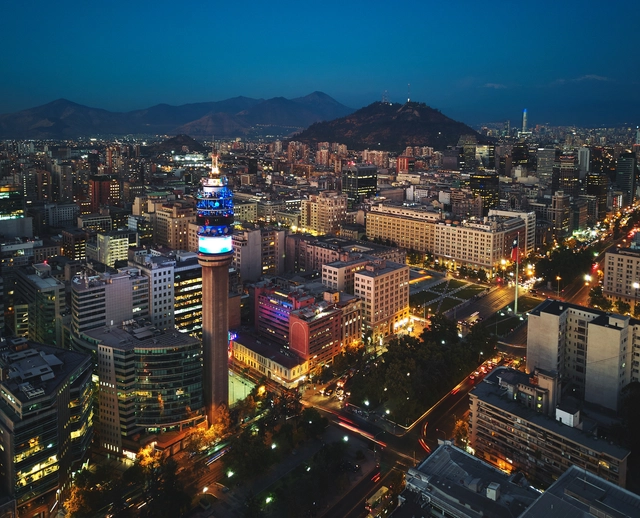
Public attention turned to the protests in Puchuncaví and Quintero, municipalities designated as a "sacrifice zone" due to the presence of 15 major energy, chemical, and fuel companies, while Santiago works on the opening of a new green lung in the city center. This week is dedicated to the environment in this edition of La ciudad chilena en la prensa, the ArchDaily section where we cover what is happening in Chilean cities.
.jpg?1538415966 "© Carlos Díaz")