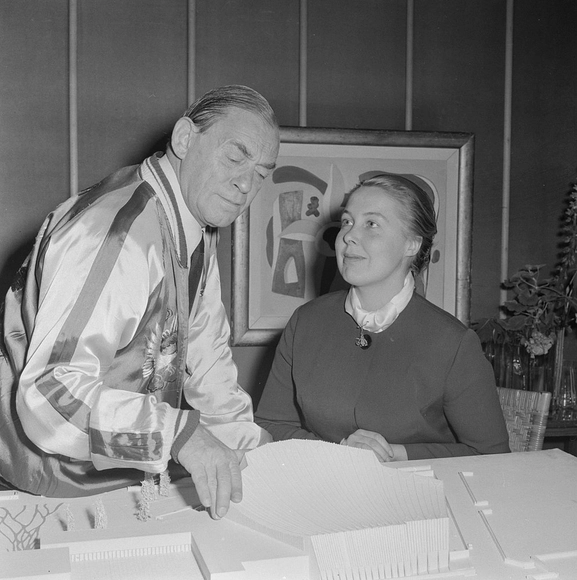
Alvar Aalto and Elissa Aalto in 1956. Via Wikimedia Commons, licensed under CC BY-SA 4.0
While women in architecture already face more obstacles than men in their careers, as proven by studies and research from across the globe, the disparities become even more obvious when it comes to partnerships involving both genders. In the history of the profession, there are many examples of office partnerships or collaborations that reveal the discrepancies in terms of recognition achieved by the work, reflected in awards, honors, citations, and salaries.
Many of these collaborations are between intimate couples who, as in any business partnership, design and make work decisions together. But in the particular case of architects in a heterosexual relationship, the role of the "wife" seems to have prevailed over that of collaborator, architect, or equal partner on many occasions.
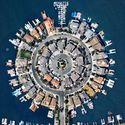
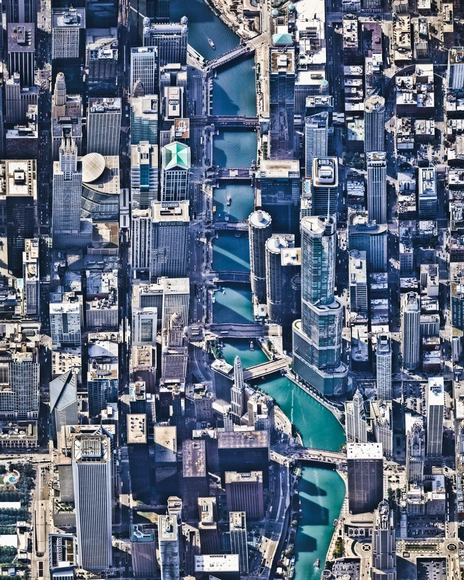
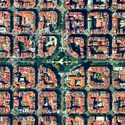
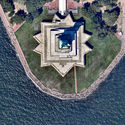
Chicago, United States. Created by @overview. Source imagery: @nearmap
Because of the decrease in the availability of land area and the ever-increasing price per square meter, cities often tend to grow vertically. When we picture large metropolitan areas, we almost always imagine high-rise buildings, and the recognizable skyline becomes an icon that immediately evokes the places in which they are located.
With the increase of urban density and the decrease in the availability of land, the verticalization phenomenon has intensified in cities all over the world. Similar to the vertical growth of buildings — which is often a divisive issue for architects and urban planners — many initiatives have sought in the vertical dimension a possibility to foster the use of vegetation in urban areas. Vertical gardens, farms and forests, rooftop vegetable gardens, and elevated structures for urban agriculture are some of the many possibilities of verticalization in plant cultivation, each with its unique characteristics and specific impacts on the city and its inhabitants.
But is verticalization the ideal solution to make cities greener? And what are the impacts of this action in urban areas? Furthermore, what benefits of urban plants are lost when adopting vertical solutions instead of promoting its cultivation directly on the ground?
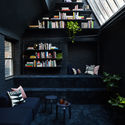
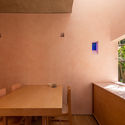
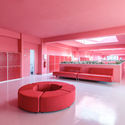
We know that colors can influence our sensations and cause different perceptions of a space, which confirms the benefits of designing a consistent color palette and its importance in architectural projects. The impact of color on a space and on the people who use it becomes even more perceptible when the whole environment is covered with just one color. In these cases, the selected shade can be applied to countless architectural elements. Floors, ceilings, walls, furniture, or even pipes and electrical conduits can have a specific hue to match the monochromatic environment.
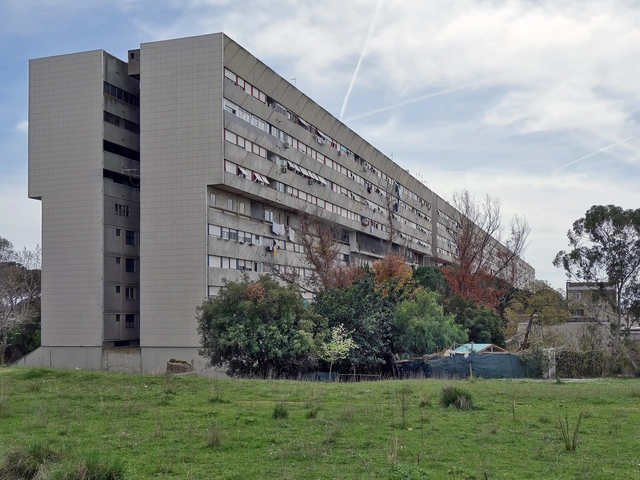
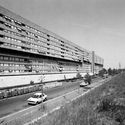
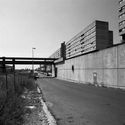
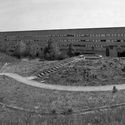
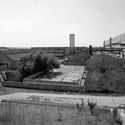
The Corviale housing complex, located in the south-western periphery of Rome, was designed in the 1970s as a solution to the growing number of dormitory districts in the Roman suburbs, caused by the significant population increase between the 1950s and 1970s - when the population grew from approximately 1.6 million to 2.7 million inhabitants - followed by suburban sprawl.
The project, also known as Serpentone because of its huge proportions, was developed by a team of architects under the leadership of Mario Fiorentino between 1972 and 1974. Construction took place between 1973 and 1982, but the original plan to use the fourth floor of the main building for commercial uses, services, and common areas, was dropped because the contractor went bankrupt. The floor was eventually taken over by informal settlements, and this event is considered to be the root of the problems with this emblematic project in the history of housing in Italy.
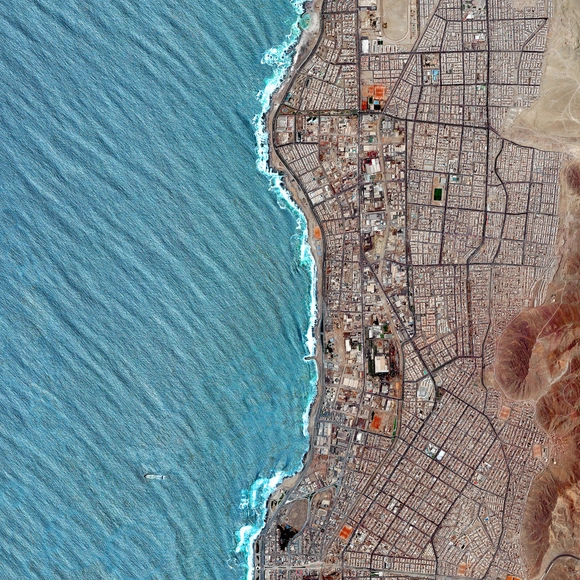
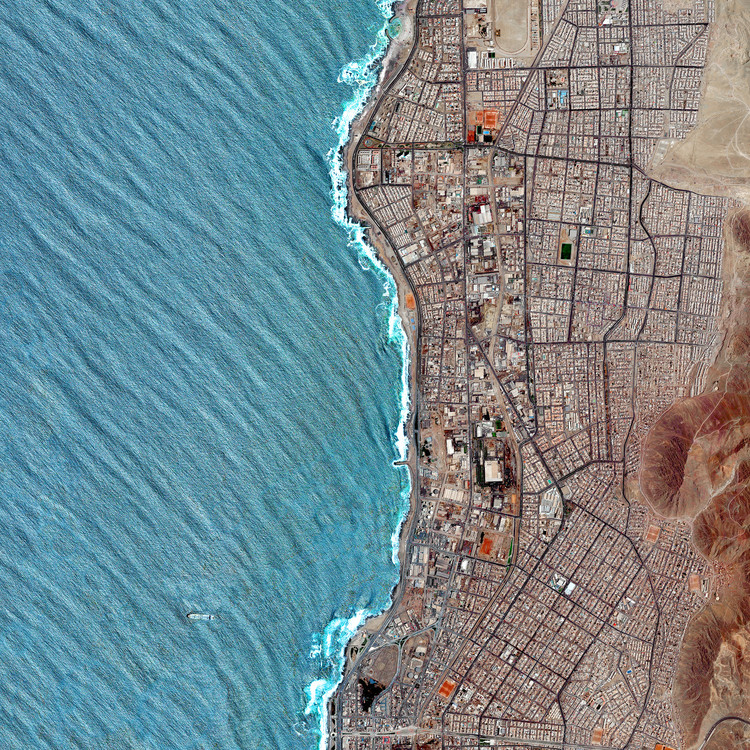
Antofagasta, Chile. Created by @overview. Source imagery: @maxartechnologies
“There seems to be a public image of any given city which is the overlap of many individual images," American urban planner Kevin Lynch once said. "Or perhaps there is a series of public images, each held by some significant number of citizens,” he added.
Following this remark, in his book "The Image of the City" (1960), Lynch begins an analysis around the elements that constitute what he considers to be the image of the city. While introducing, describing, and illustrating these elements as physical, perceptible objects, Lynch considers that other non-physical factors such as history, function, or even the name of the city also play a significant role in the construction of this imageability.
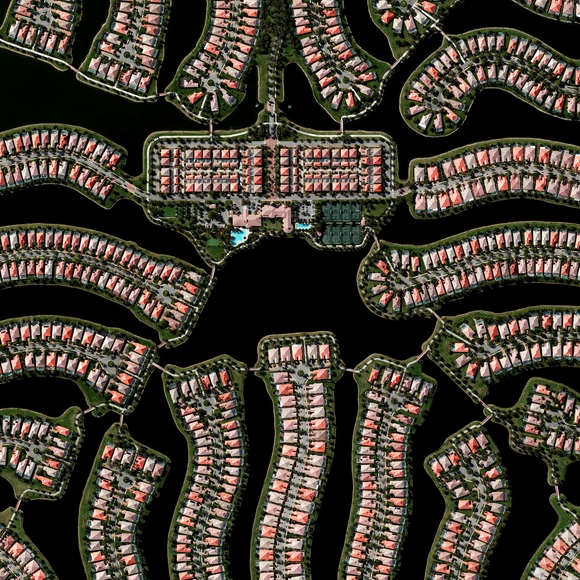
The state of Florida, in the United States, is bordered to the south, east, and west by the Atlantic Ocean, with a coastline of over two thousand kilometers in length, and is characterized by extensive areas of lakes, rivers, and ponds. Land booms during the early and mid-20th century resulted in the development of new communities and the expansion of low-density suburbia across many parts of the state, which frequently incorporated the abundant water resources, sometimes failing in their efforts.
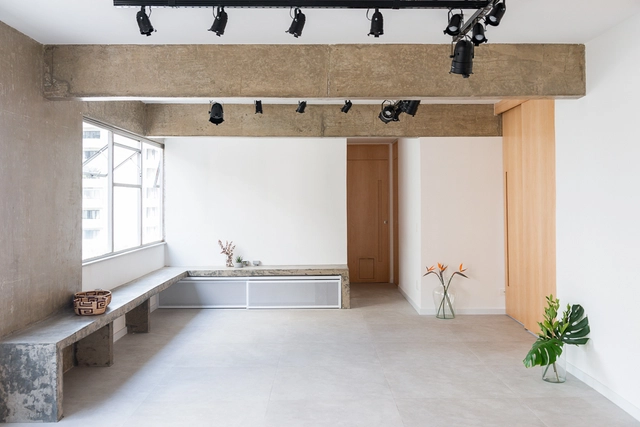
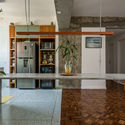
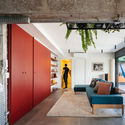
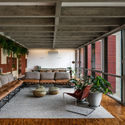
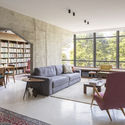
Many architects tend to prefer using materials and architectural elements in their natural or raw state. It is common to remove ceilings and finishings, especially in renovation projects, to expose a building's structure. This process of reclaiming the natural materials of construction - without incorporating elements to cover the framework, pipes, tubes, and cables - transforms these spaces into places that have nothing to hide.
Whether as a retrospective, a collection of contemporary works, or a compilation of prospects for the future - and all the other possibilities in between -, architecture and urban planning exhibitions have played an important role in shaping the future of cities over the decades. These events are often open to the public, reaching many people who don't necessarily have a background in the field, thus providing great environments to explore a collective view of the future of architecture and cities.
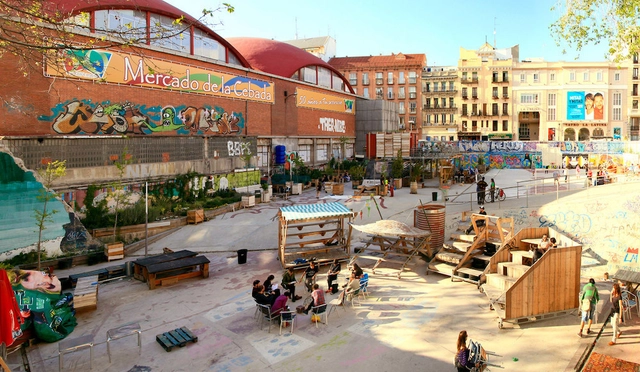
Many initiatives around the world have lately focused on ways to improve the urban environment through the actions of their inhabitants, be it in designing, building, or managing projects. Open-source urbanism is a collaborative approach that seeks to enhance the citizens' capacity for change.
An in-depth look at the concept of open-source urbanism is happening nowadays, and one can find many different definitions and approaches to it. But overall, open-source urbanism can be defined as the co-production of open-source common urban assets.
Architectural projects may not always have empty plots - with their countless possibilities - to work with. Adapting pre-existing buildings to new demands is a challenge that requires a different approach.
Refurbishments, extensions, and renovations can be used to meet the constantly evolving needs of the inhabitants, either the original residents or the newcomers.
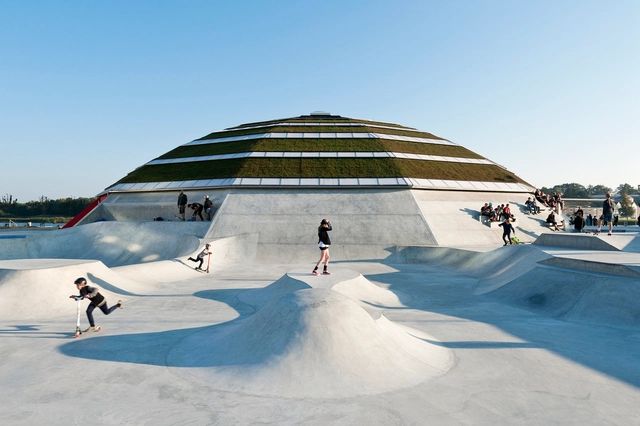
Skateboarding is often associated with the use of public spaces such as streets, squares, and sidewalks and has become a sport that blends into everyday life in the cities. Although skateboarding is sometimes considered marginalized, because of the dispute over public spaces, it allows underused places such as areas under or near overpasses to be revamped for practicing sports. Many sports centers have been incorporating skate parks into their programs, showcasing very unique designs.
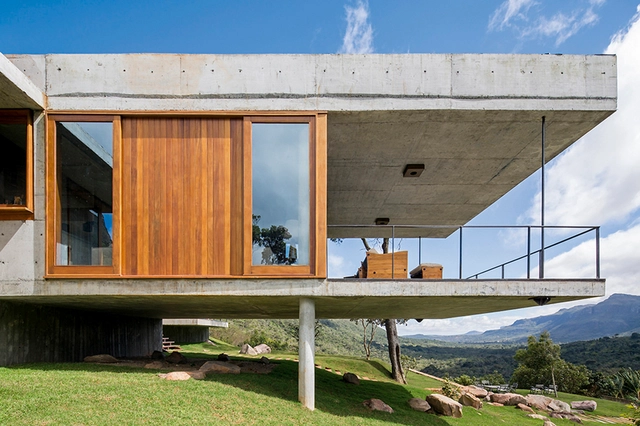
Wood is a material naturally associated with beauty, versatility, and comfort and is used in many different ways in architecture, from flooring to roofing. These qualities also stand out when used in window frames.
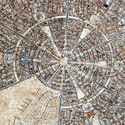
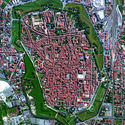
A radial concentric city plan is formed by streets that extend outward from a defined center and reach the outer edge of the city, together with concentrically arranged roads that connect the radial streets to the lots. This pattern traces back to ancient times and continues even to this day.
Depending on the historical context, location, or purpose of the city planning, the element found in the center may vary. Plazas, churches, or government buildings are among the most common elements and this is no accident, nor is the urban design pattern. Basically, the radial arrangement of streets is intended to highlight a particular element or location that has great political, religious, financial, or symbolic value to the city as a whole.
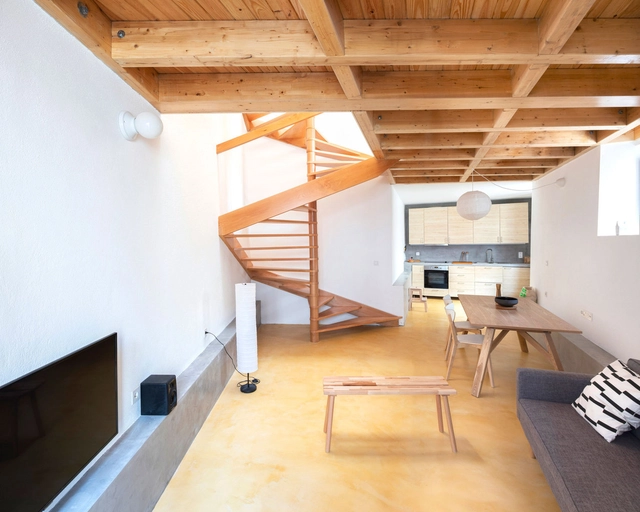
The presence of different ground levels requires solutions to connect them, either because of a need to adapt to the terrain or any other factor that leads to the verticalization of a building. Staircases serve the purpose of connecting the various floors and creating the building's dynamics through many different shapes, designs, and materials. When made of wood, they can also add a variety of colors and textures that contribute to the uniqueness of this element.
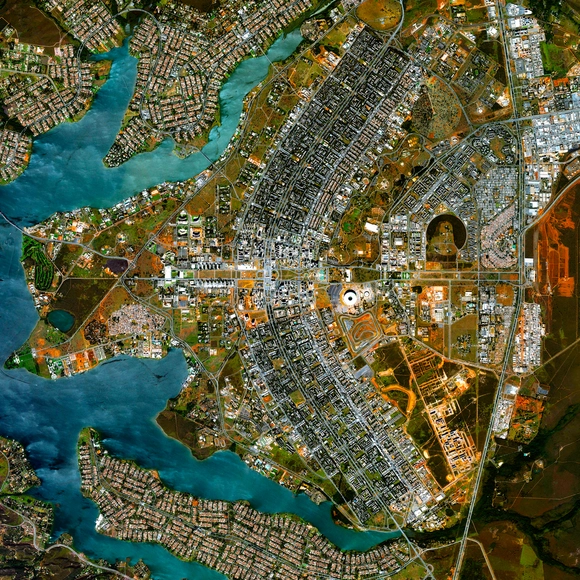
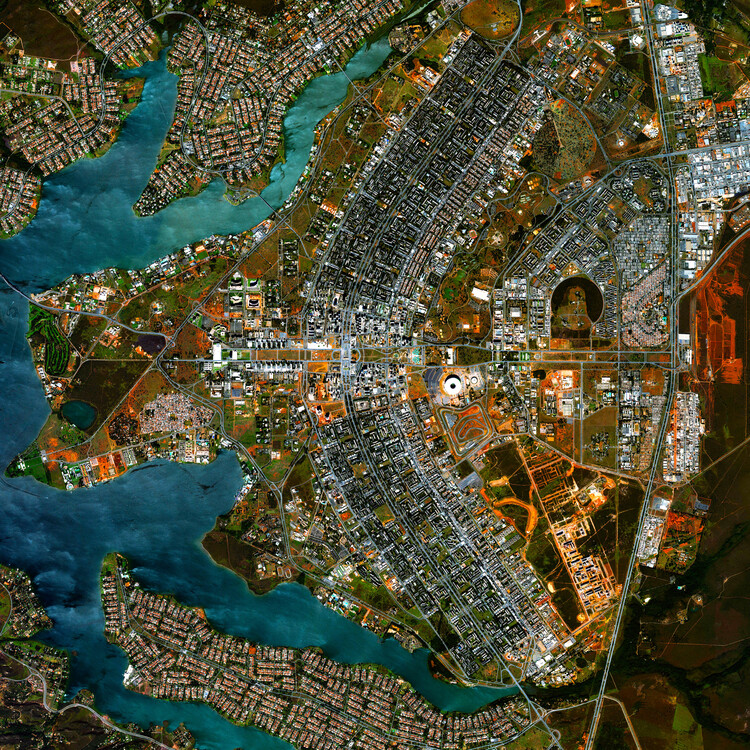
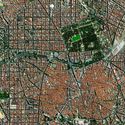
Brasília, Distrito Federal, Brasil. Created by @benjaminrgrant, source imagery: @digitalglobe
In 1972 Unesco created the World Heritage Convention linking together the concepts of nature conservation and the preservation of cultural heritage. Based on the understanding that sites and monuments are threatened with deterioration or disappearance over time, the organization determines that those of outstanding universal value deserve special protection from the dangers they are facing. Therefore, the efforts to identify, protect, preserve, and value the sites included on this list are meant to safeguard and pass the world's cultural and natural heritage on to future generations.
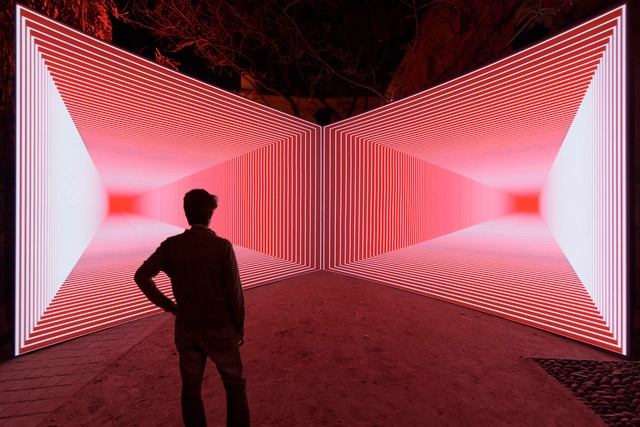
Using and controlling light can change the perception of a place; users perceive and feel the space differently depending on factors such as the type of light switch, color variations, and combinations. When used in temporary installations, light can break the boundaries between art and architecture, and also between tangible and intangible, transforming the elements of the project and creating new shapes and patterns.
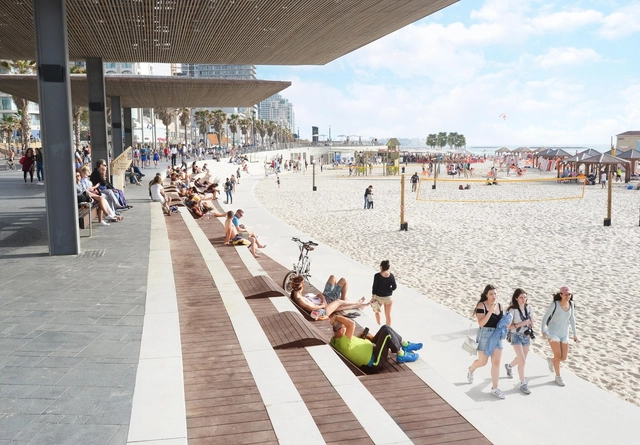
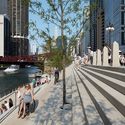
The area surrounding a river, lake, lagoon or sea coast acts as a transition zone between water and land. Therefore, turning the water banks into dynamic and appealing public spaces helps to establish a certain balance between the stiffness of the built environment and the fluidity of water.


_Paolo_Rosselli_DSC_8101.jpg?1612525106&format=webp&width=640&height=580)

_Paolo_Rosselli_DSC295s0.jpg?1612525069 "Bosco Verticale / Boeri Studio. Image: © Paolo Rosselli")
_Paolo_Rosselli_DSC_8101.jpg?1612525106)
.jpg?1612184961&format=webp&width=640&height=580)

.jpg?1612184961)




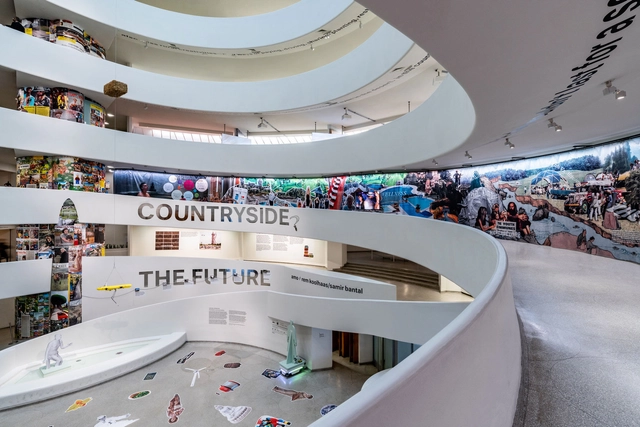
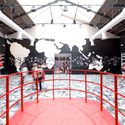

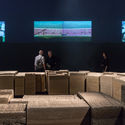
_8803.jpg?1610126390 "\"Refugee Heritage\" Exhibition at the 2019 Chicago Architecture Biennial / Ana María León and Andrew Herscher. Photo: © Laurian Ghinitoiu")






.jpg?1604935737 "House in the Blue Wild / Studio Carlito e Renata Pascucci. Image © Monica Antunes")