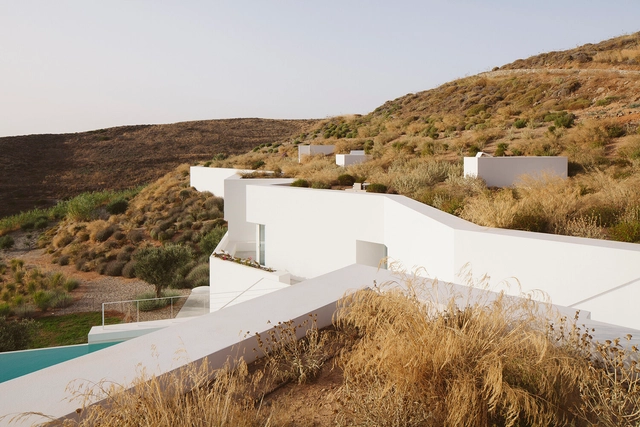
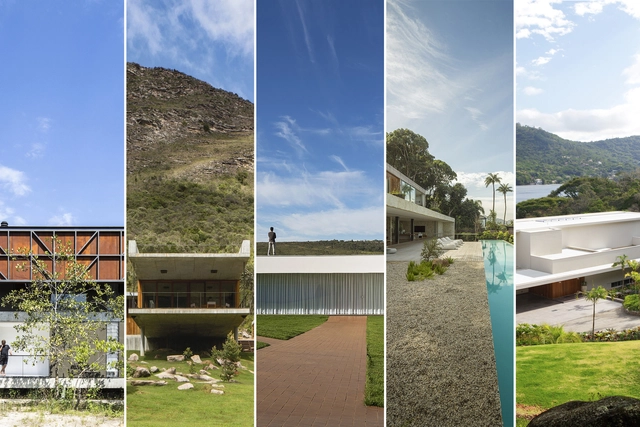
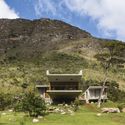
As a starting point for architectural projects, the terrain and its topography point out the directions that the distribution of the program can follow. Among them, one solution stands out for the continuity between topography and architecture: lowering the level of construction and advancing the land over the roof. From this roof garden created with the same characteristics as the surroundings, the result gives the impression of an almost non-existent intervention.
The incorporation of the land as an architectural element takes up, in a certain way, the concept of caves, reinforcing an idea of shelter and reception from a hybrid between the initial and natural configuration and the architectural intervention.
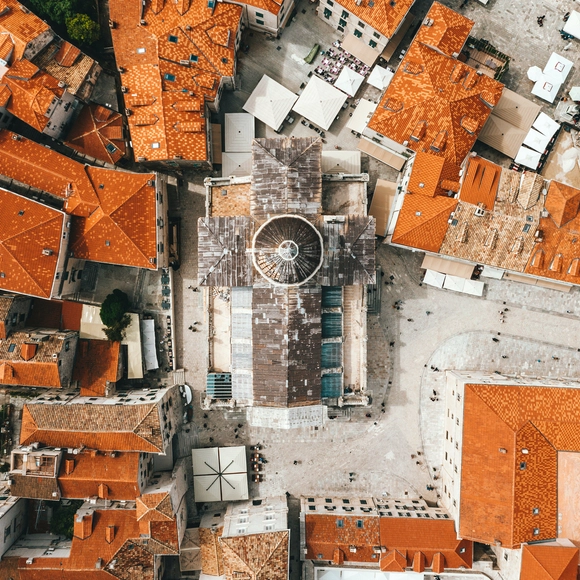
Dubrovnik, Croatia. Drone photo by @spencerdavisphoto
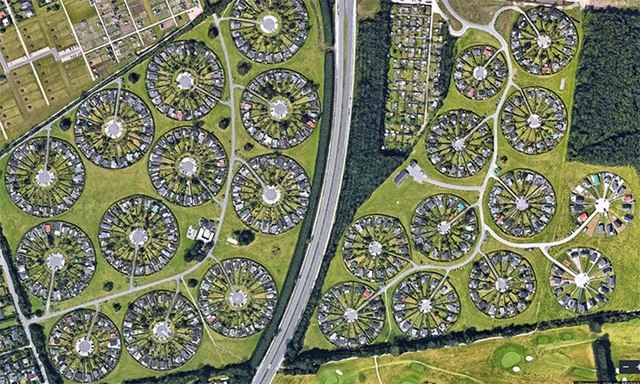
Some of the most characteristic features of city squares are related to the presence of people in the space and the purposes they are given, such as places for socializing, sports, tourism, and demonstrations. These different uses, often not foreseen in the project, are closely associated with the ground level, where people can walk around and experience the space. Viewed from an aerial perspective, on the other hand, squares can reveal other aspects related to their architectural design and their placement in the urban context.
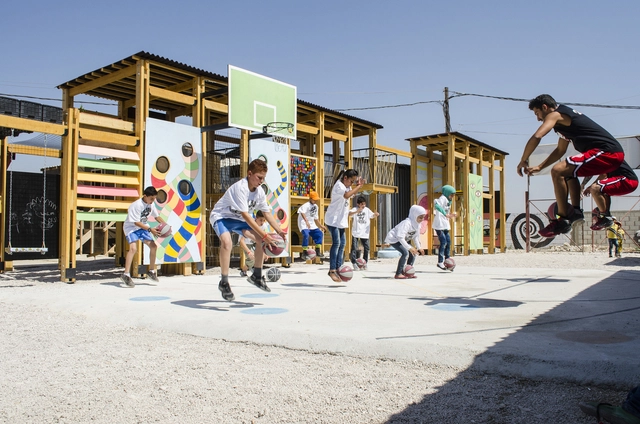
As democratizing catalysts, educational spaces play a fundamental role in shaping individuals and entire communities. These places, where students spend a significant amount of time developing their capabilities, skills, and competencies, are more than a background for the promotion of a fundamental right, they are key elements to providing equal opportunities for all.
Open and common facilities, such as schoolyards, courtyards, and auditoriums are great examples of how spaces can encourage students, teachers, parents, and community members to learn with each other in an active dialogue. Flexibility and accessibility are two other key points to promote the democratization of both design and education, as seen in programs that go beyond school time and encourage communities to participate, for example.
Just like hospitals and medical offices, dental clinics are places that tend to bring anxiety and anguish to patients, reactions that can be intensified in an unfriendly and unwelcoming environment. White and neutral environments can bring the notion of asepsis and hygiene, essential requirements for hospital architecture. However, the lack of welcoming elements, such as the use of warmer colors and materials, may also be responsible for causing a certain distance between professionals and patients, in addition to reinforcing the stereotypes attributed to dental clinics.
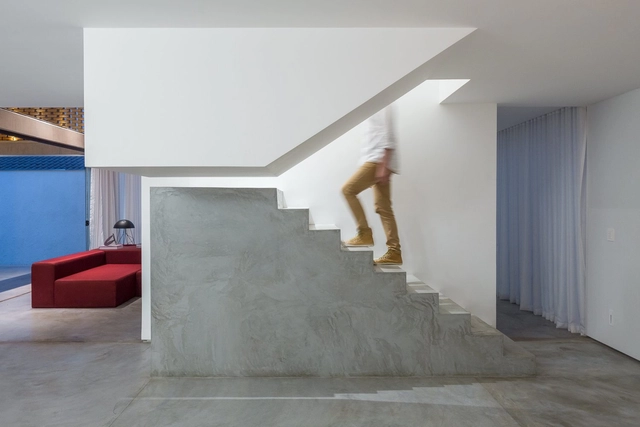
Whether to mark a change of direction, to highlight its first steps or its own presence in a room, stairs that combine two or more materials tend to draw attention by establishing dialogs between particular characteristics of each material. Concrete, steel and wood are some of the most common choices to compose the structure of stairs due to their high strength and versatility. But, when combined, these different materials expand their individual possibilities and reveal how the design can be tailored to their peculiarities and connections.
The combination of textures, colors, and finishes among materials can provide a number of creative solutions for these elements used for vertical circulation, as shown in LÂM’s Home, by AD+studio and House 9A, by 23o5Studio, characterized by stairs with a sturdy and rough base that meets a light and sleek structure of steps. The opposite composition order, a lighter base that meets a robust set of steps, thrives ingeniously in Luis Carbonell's Casa Chulavista and messina | rivas' Angatuba House, where the light wooden stairs' base is followed by raw concrete steps.
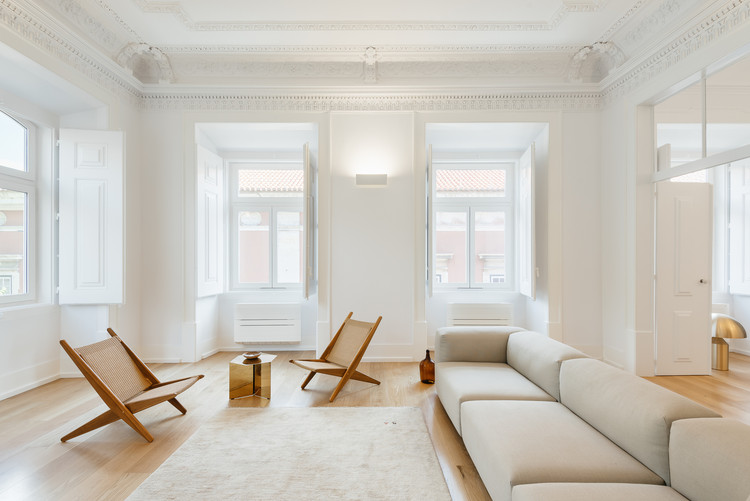
Furniture has a direct impact on the quality of interior design projects. Among other features, its presence blends with the function of the spaces, setting a boundary between them.
An internal space with neutral colors, for example, might highlight certain furniture that, beyond fulfilling their function, also assumes a contemplative profile. These pieces of furniture have become iconic by their design, which, in some cases, were created by great names of architecture that explored this field and drew pieces that represented their style.
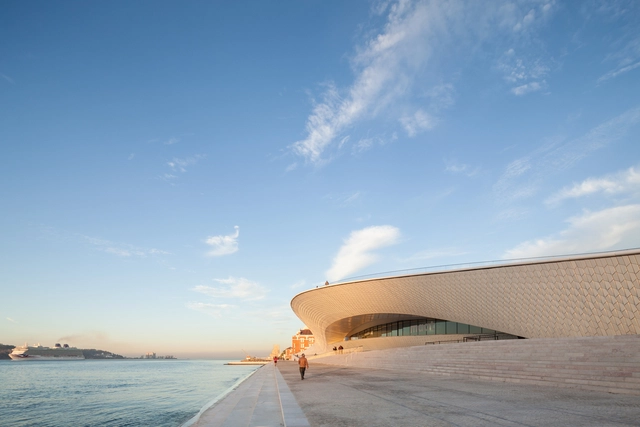
Selected the European Capital of Culture in 1994 and Ibero-American Capital of Culture 2017, Lisbon has been the destiny of tourists from many parts of the world over the past years. With thriving cultural programming, the city hosts important events related to art, music, movies and architecture. The Lisbon Architecture Trienniale and the Open House – event that coordinates free guided tours to remarkable buildings in cities around the world – are some of these relevant events in the architectural field, responsible to disseminate, discuss and reflect on issues of the area.
Besides programs related to architecture, in recent years, Lisbon has seen the emergence of new facilities, like museums, cultural centers and theaters, besides the requalification of public spaces. The construction or regeneration of these structures, directly or indirectly related to the cultural city movement, can be controversial, raising issues such as gentrification and the increase of mass tourism.
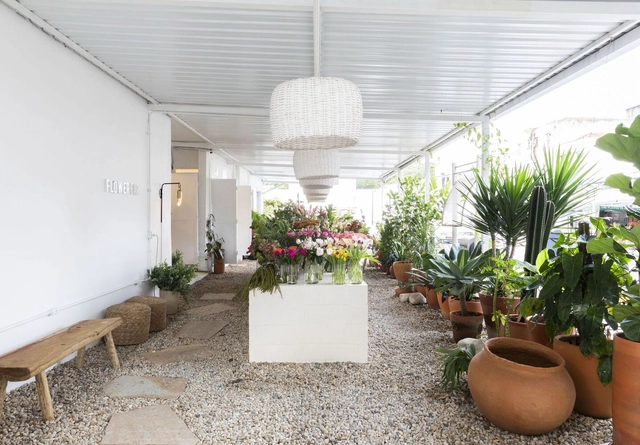
From celebrations of important conquests to expressions of wishes for someone who is sick to get better, the act of gifting someone (or oneself) with flowers is present at different stages of our lives and can carry numerous meanings. This kind of ritual materializes the expression of a feeling and, in many cultures, it is a delicate and sensitive choice, which usually takes into account the selection of specific species for each event.
For this reason, flower shops and stores specializing in flower arrangements are often places where the diversity of species is arranged in order to make it possible to choose the right arrangement or bouquet of flowers. In this sense, many florists take advantage of spatial organizations and design elements that seek to enhance the natural beauty of flowers. Some examples of this strategy are the use of more neutral tones on the surfaces, in contrast to the colors of the different species, and the use of innovative displays in dialogue with the arrangements.
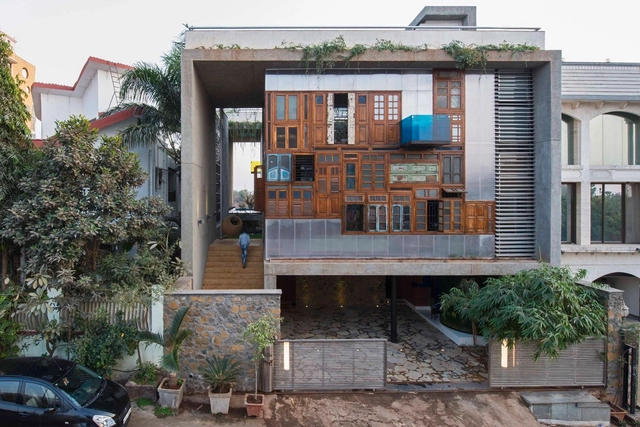
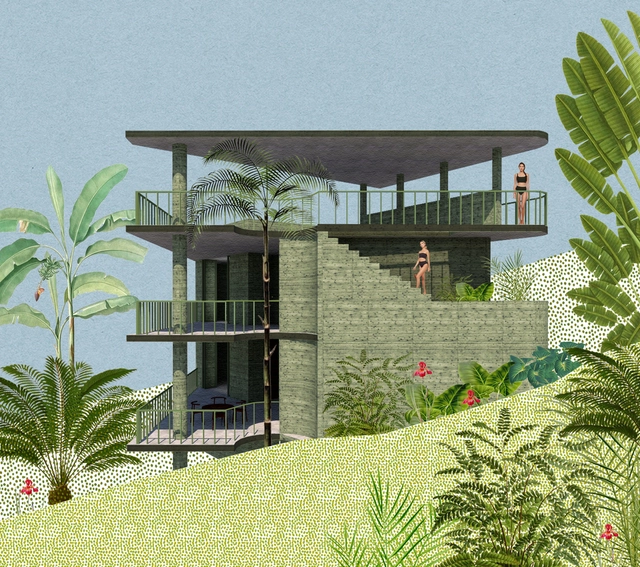
Casa Collage / S+PS Architects. Image Cortesia de S+PS Architects
Reform and adaptation of spaces represent a significant parcel of projects ordered to architecture firms, and reuse of preexisting structures is not newness. Functions and needs change over time, therefore adaptations are required to meet new demands. However, no matter how much the maintenance of a building is, in most cases, preferred in economic and ecological sense to its demolition and a new construction from the beginning, the logic of the reuse of a space does not usually extend to its parts that become, thus, rubble.
According to data from CRED (Centre for Research on the Epidemiology of Disasters) and UNISDR (UN Office for Disaster Risk Reduction), in a report released in 2016, the number of disasters related to the climate change has duplicated in the last forty years. The need for temporary shelters for homeless people is, as well as an effect of the climate crisis, is also one of the consequences of the disorderly growth of cities, which leads to a significant part of the world population living in vulnerable conditions due to disasters.
The terms space and place are often used interchangeably, but they can mean different things depending on the context in which they are used. Placemaking shows that the creation of places transcends the material dimension and involves aspects such as sociability, uses, activities, access, connections, comfort, and image, to create bonds between people and a sense of place.
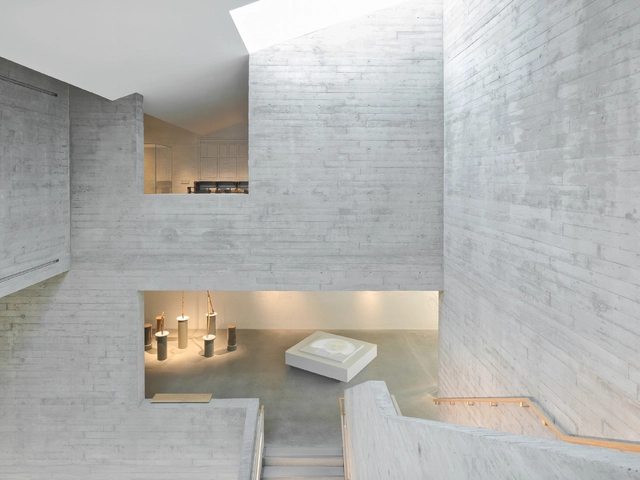
Lighting design for exhibition spaces in museums can be quite challenging because light must simultaneously enhance the space, preserve the integrity of the artworks and highlight them in a way that ensures the best conditions for the visitor's enjoyment.
In addition to having the highest CRI (Color Rendering Index), daylight contributes to a feeling of comfort and well-being in the built environment. In exhibition spaces, natural lighting is important to accurately reveal the colors of the objects on display, which is very significant for works of art and provides more visual comfort for visitors to clearly perceive the exhibits.
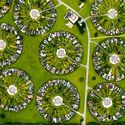
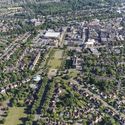
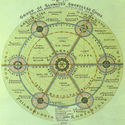
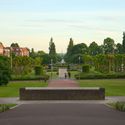
Following the Industrial Revolution, many European cities faced an unprecedented rise in the rate of population growth, intensified by the migration of people from rural areas to urban areas seeking better opportunities.
Although cities became more inviting, problems such as pollution and the growth of informal settlements also intensified. Meanwhile, the countryside provided proximity to nature and an abundance of natural resources, but it also suffered from isolation and a decrease in employment opportunities.
Render by Giovanna Bobbetti. Image Courtesy of CURA
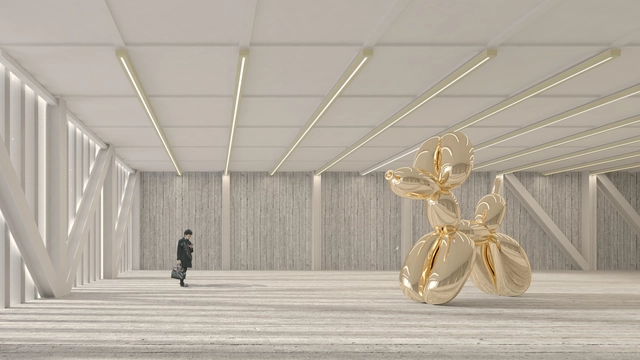
The question may seem straightforward, but the answer can be very complex, leading to a whole series of issues related to the target audience of hyper-realistic architectural renderings, as well as to what their goals are.
Renders are representations that can convey the three-dimensional aspect of a design through two-dimensional media, i.e., an image, providing a preview of how the project will look in the future. However, unlike what people often imagine, rendering is not always a realistic visualization of architecture.
Since it is a tool for visual communication, renderings can have different styles depending not only on the project itself but also on the specific targeted audience and, above all, on the identity of the architect or architectural firm responsible for the design.
Italian architect Vittorio Gregotti, author of The Territory of Architecture (1966), believed that architecture had its origin when mankind placed the first stone on the ground. Recognizing a place is the first step towards an architectural project, whether intentionally or not. Understanding the project's location and its context is the basis for many design choices and is, therefore, a key aspect in the field of architecture.
Solar radiation is one of the most important criteria in architectural projects, as it impacts several decisions ranging from the orientation of the building on the site to the choice of windows and doors. Therefore, to ensure the quality of lighting and visual comfort in building interiors, it is crucial to study the sun path and the quantity of sunlight in each given space.
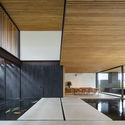
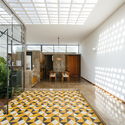
While some aspects of comfort and well-being in an indoor environment are related to external factors, such as natural lighting and ventilation, others are directly associated with the interior layout and the sensations created by architecture in the people living in that space.
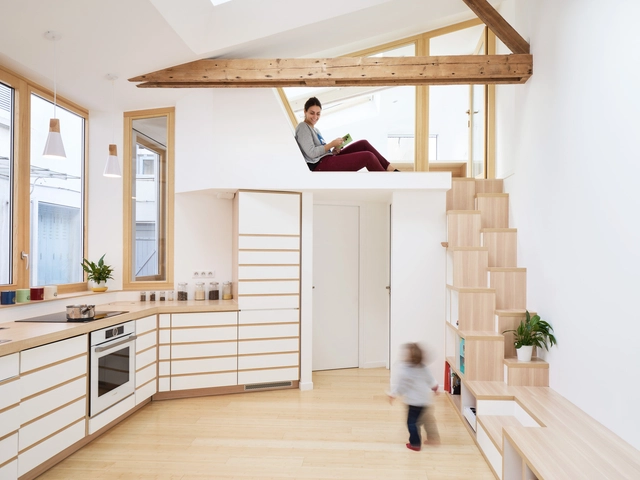
It is always challenging to balance all of the elements that can provide greater comfort and well-being in interior design, particularly in small environments that must be fully optimized since it is not always possible to create large openings to the outside or even to accommodate the whole architectural program in a conventional manner.





























.jpg?1617889198 "Courtesy of BIG")


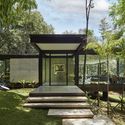
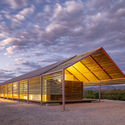
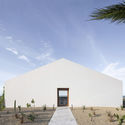

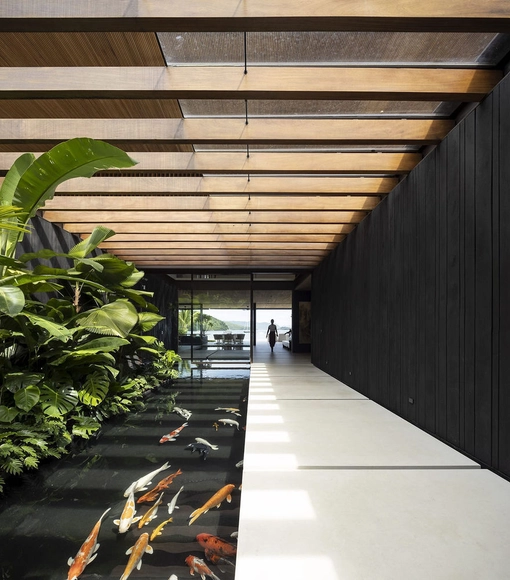

.jpg?1615834807 "Atlântica House / AR Arquitetos. Image: © Federico Cairoli")