While complex, layered with meaning, and categorized into various forms, heterotopia, a concept developed by the philosopher Michel Foucault, can broadly be understood as the manifestation of alternative realities. Unlike utopias – idealized, unreachable non-places – heterotopias are tangible, real-world spaces that operate according to their own internal logic, offering a lived alternative to dominant spatial and cultural paradigms.
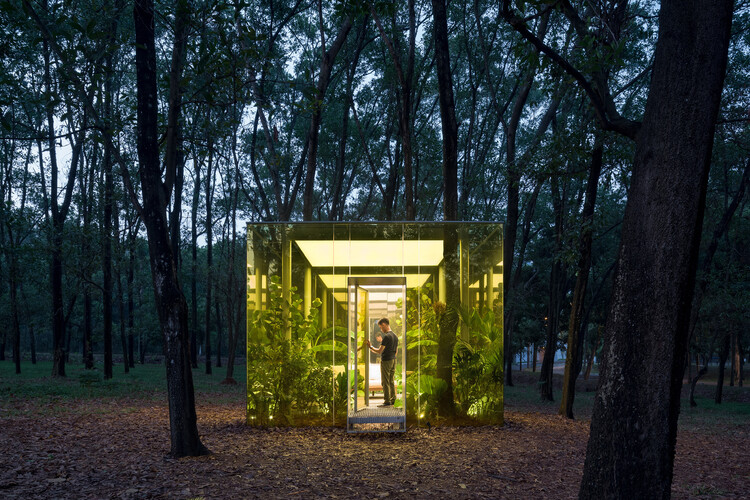
Escapism, in an architectural sense, is not merely about fleeing standard realities; it is a critical tool for reimagining them under different cultural, social, and environmental conditions. Temporary installations serve as fertile testing grounds for these spatial possibilities. Often framed as sanctuaries or refuges, these works intentionally detach from pre-conceived norms – whether by seeking a return to a primal way of living or by provoking radical perceptual shifts.
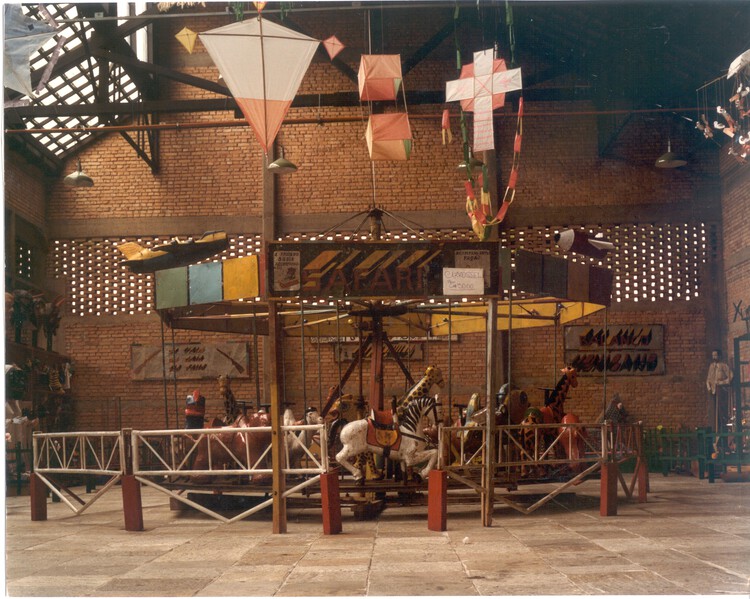
In an era where digital fabrication and automation are increasingly present in architectural practice, manual craft is often seen as a luxury item—restricted to high-end projects whose clients can afford extended deadlines and collaborative processes requiring constant dialogue with artisans. This scenario might have sounded contradictory a few decades ago, when Lina Bo Bardi denounced that a process of "deculturation" was underway and that an appraisal of "popular" Brazilian civilization was urgently needed to confront totalizing universalisms and *folklore*—the latter viewed by her as an instrument of state alienation designed to neutralize the subversive and transformative character of popular culture:
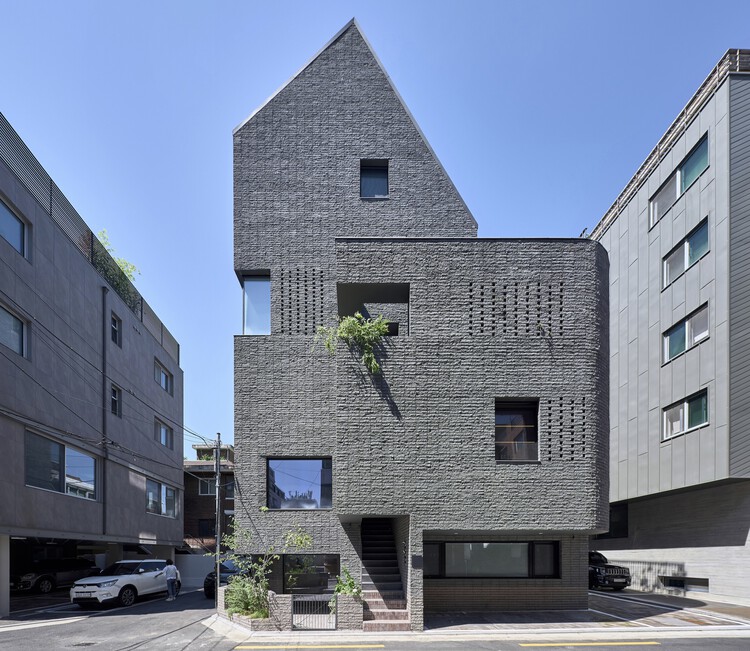
With over 80% of its population living in urban centers and a national density exceeding 500 people per square kilometer — soaring to over 15,000 in Seoul — South Korea faces intense competition for usable land. In response, contemporary Korean architecture offers compelling examples of mixed-use interventions that negotiate tight urban lots to blend public engagement with high-efficiency utility. By vertically stacking distinct programs, integrating public art centers, corporate headquarters, and commercial hubs alongside residential and other functions, these multi-layered developments transform spatial constraints into dynamic urban interfaces.
As another year comes to a close, the ArchDaily team gathers the highlights of architecture in a series of retrospectives reflecting on the content featured over the past twelve months. As part of this effort, our curation team turns its attention to one of the most popular categories among our readers, residential architecture, selecting the projects that represent the best of a vast global architectural production, as seen through the eyes of our audience.
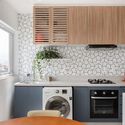
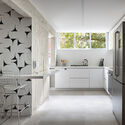
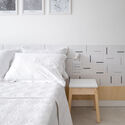
From figurative panels depicting historical scenes to modernist abstract geometric compositions, ceramic tiles have been a constant presence across different styles and eras of Brazilian architecture over the centuries. Today, composition possibilities are vast, stemming not only from how the pieces are arranged—be it randomly or in structured patterns—but also from the wide range of colors and designs offered by manufacturers.
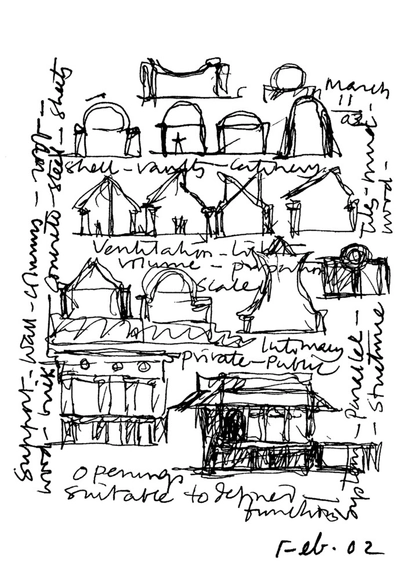
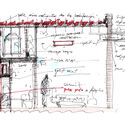
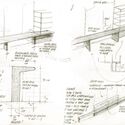
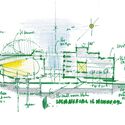
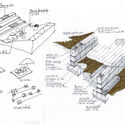
For many architects, the most instinctive way to put an idea onto paper is through drawing. From quick napkin sketches during a coffee break to elaborate diagrams systematizing architectural solutions, drawings are essential, recurring tools in the design process. Yet, lines alone cannot always convey a concept with the desired clarity.
Sounds, smells, feelings, and sensations are rarely captured through drawing alone. Human figures cannot always convey the scale of certain elements, requiring the aid of more precise numerical dimensions. Annotations and labels are commonly used to define spaces and specify architectural elements, and when a phone or calculator is out of reach, drawings may also share paper space with quick calculations. There are many situations where writing is combined with lines to create a hybrid communication tool, where the subjectivity or abstraction of drawing is grounded by the assertiveness of words and numbers.
ArchDaily's curation team strives daily to present our readers with the most significant, inspiring, and innovative projects, expanding the knowledge and repertoire of students and architects worldwide. From small renovations to projects designed from scratch, residential architecture is a constant in the daily practice of most firms. Year after year, we see the deep interest this typology sparks: it remains the most popular category among our audience.
A cada ano, a equipe de Curadoria de Projetos do ArchDaily rememora a vasta gama de obras publicadas ao longo desse período, apresentando retrospectivas que permitem não apenas identificar tendências e variações na produção arquitetônica, mas também reconhecer de que forma impactam a nossa audiência. No ArchDaily Brasil, a seleção anual de melhores casas – que ano após ano, segue permanecendo como nossa categoria de projeto mais popular – representa uma amostra das variadas soluções, estratégias, técnicas e materiais encontrados na arquitetura residencial dos países de língua portuguesa.
Founded by architect Marina Canhadas in 2018, the practice [entre escalas] emerged from the intersection of professional practice, academic research, and international experience. With a career shaped by competitions, collaborations, and tenures at firms in Brazil and Mexico, Marina has consolidated an approach that values context and building history, particularly in projects dealing with pre-existing structures—one of the firm's primary areas of focus.
[entre escalas]' work stands out for its sensitivity to time and building memory. Renovations of historic townhouses, such as Casa Saracura and Casa Apiacás, reveal a kind of architectural archaeology that seeks to recover original techniques, materials, and even natural flows, reinterpreting these elements to foster new possibilities of use and connection with the surroundings. The act of removing layers—both physical and symbolic—is seen as a way to reveal hidden histories, connecting past and future.
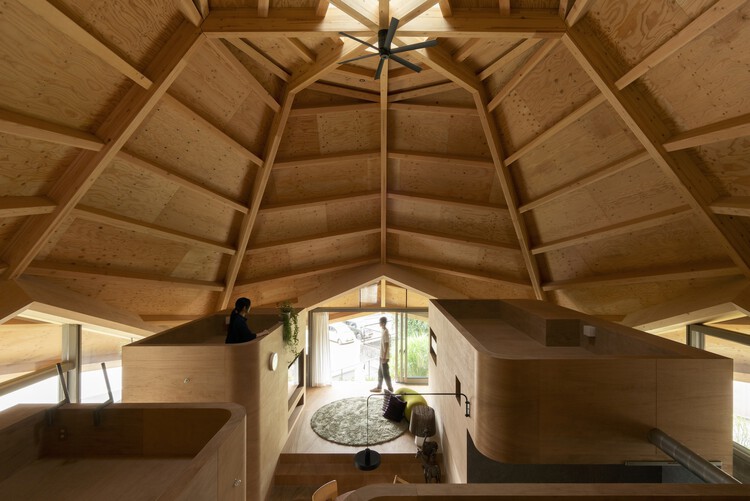
Contemporary Japanese architecture continues to demonstrate how to adapt the evolving needs of modern residents to a rich building tradition and artisanal legacy. Wood has always been the soul of Japanese architecture. In many recent residential projects, this material transcends its structural role to become the primary finish for various surfaces — ranging from floors and ceilings to furniture and architectural elements. These environments strike a delicate balance between elegance and coziness.
The use of natural, unpainted finishes highlights the material's inherent honesty while also celebrating the unique character of each piece, its natural grain, and the diversity of the overall composition. While some houses feature sober, dark-stained timbers to create a grounded atmosphere, others utilize lighter woods like pine to foster a bright, airy, and ethereal feel. This versatility proves that wood can adapt to any aesthetic, from the rustic to the ultra-minimalist.
The construction industry today faces an unavoidable paradox: the urgent need for sustainable solutions for the future of cities collides with the exhaustion of the term "sustainability" itself, often reduced to a hollow commercial label. In this scenario, Arquivo – one of the winners of ArchDaily's 2025 Next Practices Award – emerges as a facilitator and mediator between different stakeholders in the construction field through disassembly – or rather, de-construction – and the reuse of building elements. Etymologically, if "construction" derives from the Latin construere (to heap up, assemble), the prefix "de-" imposes a conceptual inversion: it is not about destroying, but about disassembling with intelligence to understand the logic of the parts.
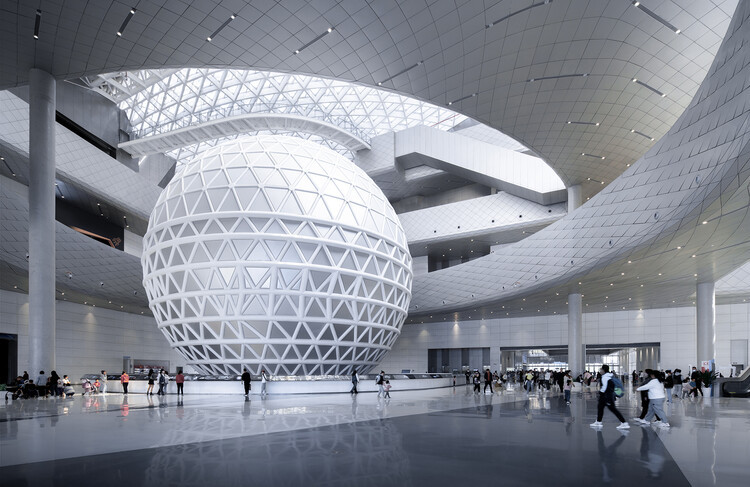
Far from the perception of the exhibition space as a sterile and untouchable, almost sacred place, the contemporary technology museum has emerged as a performative participant in the systems it seeks to document. The architecture of these institutions has become increasingly fluid and bold, often mirroring the velocity and complexity of the systems it houses. They operate as mediators between the human, the ecological, and the technological realms, transforming from encyclopedic warehouses into active educational engines. By spatializing complex scientific data through immersive rooms, these structures make the technological networks of our world accessible, engaging, and tangible.
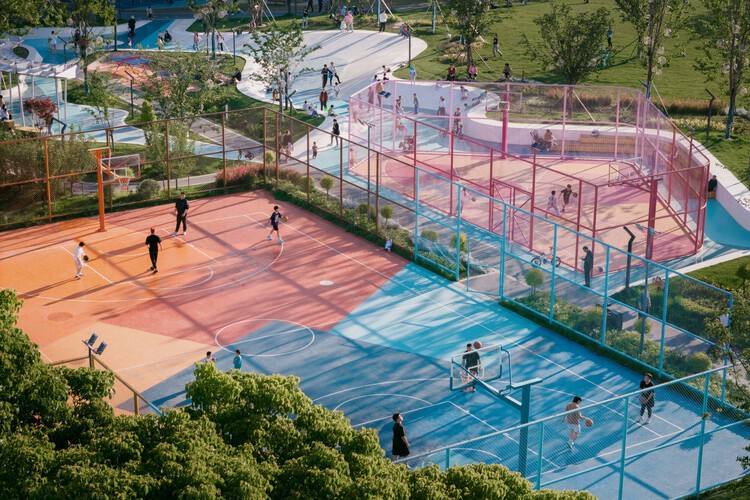
Unlike most popular sports, the origin of basketball has a precise year and creator: it was invented in 1891 in the United States by Canadian physical education instructor James Naismith as an indoor sport for athletes at Springfield College during the winter, after the end of the football season. The sport quickly expanded beyond U.S. borders, being included in the Olympic Games in 1936 and achieving international popularity after the Second World War. As basketball became more widespread, it also left the controlled environment of gymnasiums and began occupying a wide range of locations: playgrounds, public plazas, school courtyards, driveways, and backyard patios became informal courts for play and community life, reinforcing the role of physical activity as a catalyst for social interaction and neighborhood regeneration.
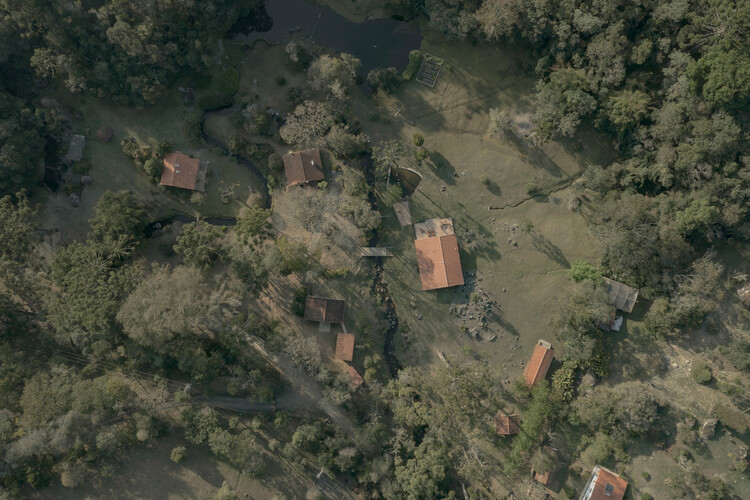
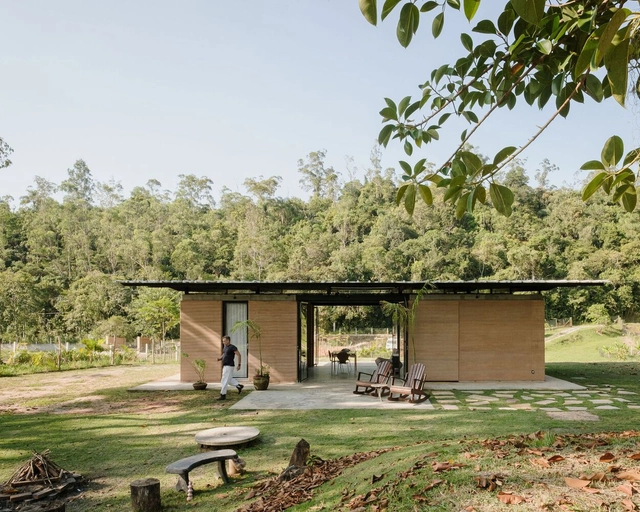
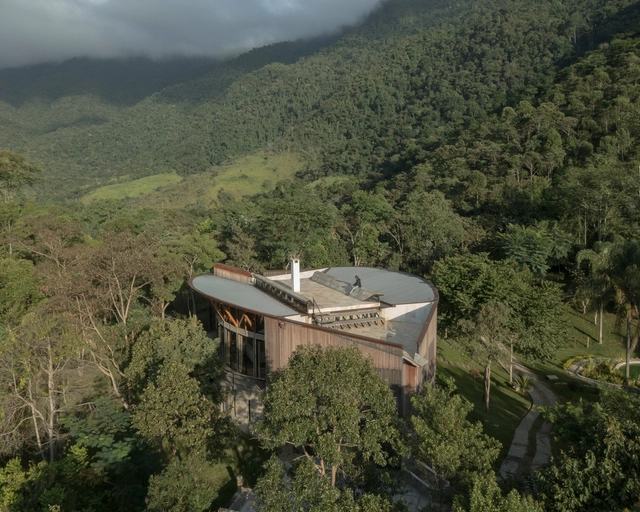
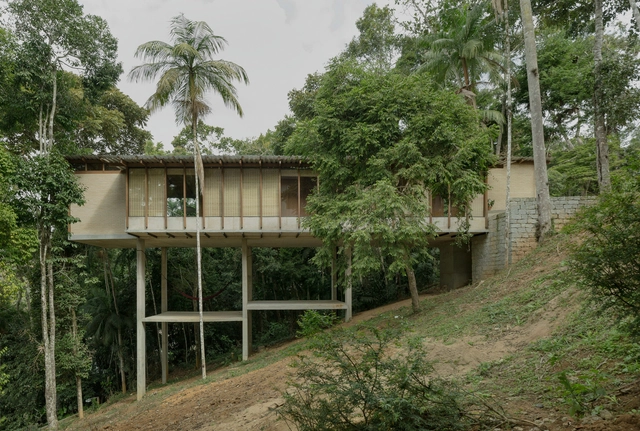
The municipality of Cunha, located in the state of São Paulo, Brazil, is a region known for its inland landscape, hilly terrain, and, especially, a major production of nationally renowned ceramics. It is within this context that the office messina | rivas has been working since 2017, with a set of projects located on a farm. Their work, which integrates design and construction in an indissociable manner, results in interventions that reveal a sensitive approach to pre-existing conditions and their surrounding environment.
The relationship between the office, led by architects Francisco Rivas and Rodrigo Messina, and the site began with a small renovation of a guest house for hosting friends. The project resulted in the transformation of two existing bedrooms into suites and the creation of an external kitchen. Since then, growing demands and the need to adapt existing buildings have driven the design of other projects distributed across the same site.
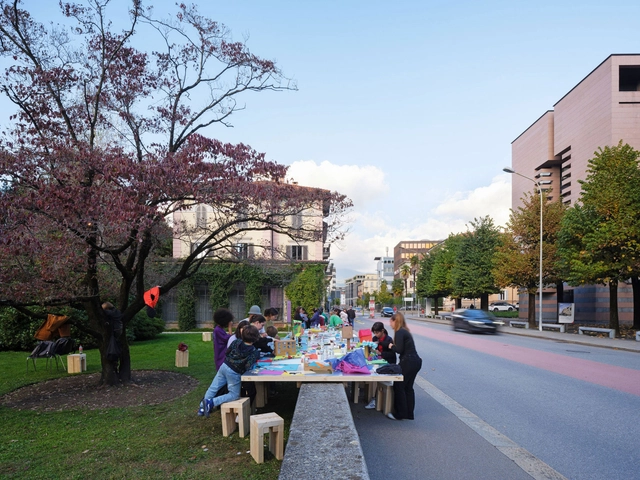
The habit of sitting at the table and sharing a specific moment with other people has been present for centuries in the most diverse cultures. The Greek Symposium, Roman Convivium, Medieval Feasts and Banquets, and Parisian Salons are just a few examples of how this custom was historically built and has been relevant in social and political negotiations, intellectual discussions, and philosophical debates.
Commensality often serves as a ritual for bonding, negotiation, and celebrating important events. In many Spanish-speaking cultures, the stretch of time after the meal when the entire family stays seated and talks is so present that there is a word for it: sobremesa — literally translated as "upon the table" (though in Spanish it more accurately means "dessert" or "after-meal conversation"). But, despite often being associated with sharing a meal, the table can be considered a flexible platform open to many possibilities for appropriation and interaction.
An architecture degree may provide a vast curriculum, but many of the skills needed for a project lie outside the discipline. This is especially true for urban-scale projects. They demand expertise in areas like traffic studies, structural calculations, landscape design, and technical installation forecasting. These are often seen as "complementary" but are, in fact, fundamental to the overall design.
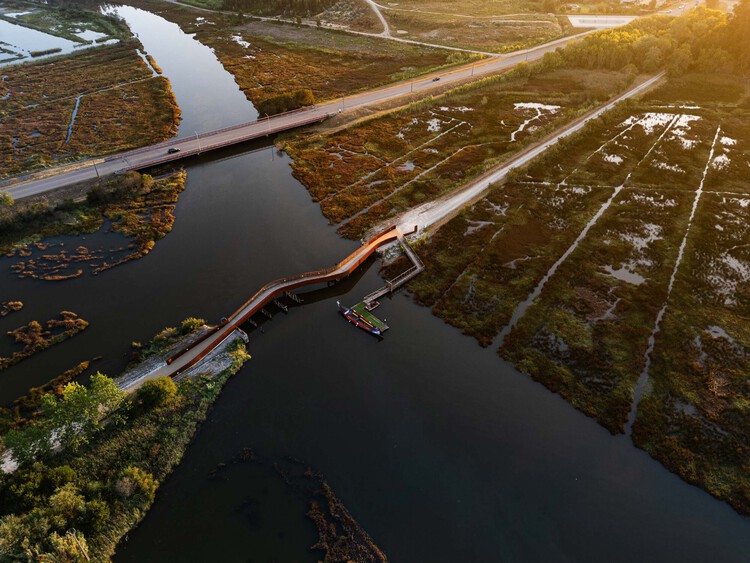
In a country like Portugal, with a relatively small but geographically diverse territory, the challenge of connecting different parts of the territory – whether to cross a river or link one level of a city to another – is a constant one. Its largest metropolitan areas, such as Lisbon and Porto, share a rugged geography of steep valleys and hills. These features led to the development of elevators and funiculars, like the Santa Justa Lift and the Bica Funicular in Lisbon, and the Guindais Funicular in Porto. Today, besides improving urban mobility, they have become tourist landmarks.
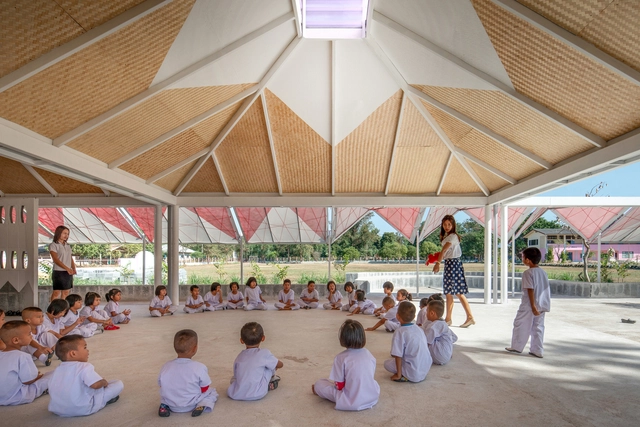
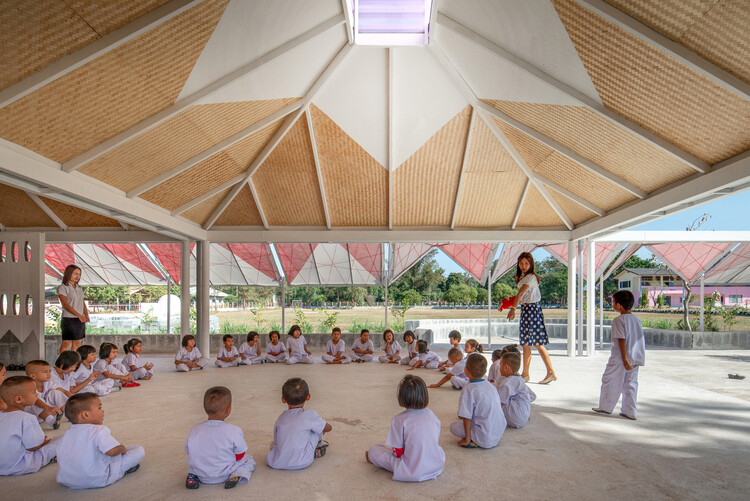
A good design should be adapted to the user's needs, and participatory design aims to reduce the distance between architects and those for whom the project is made. In this sense, projects for children that welcome them as central actors in the design process demonstrate how the potential of active listening and co-designing is reflected in spaces adapted to a smaller scale and to an audience in a phase of intense learning.
Whether they are kindergartens, schools, community centers, or public spaces, participatory projects with children show how the design process can be an enriching exchange for both sides. On the one hand, children can learn about materials, scales, decision-making, and develop spatial awareness. On the other hand, the architects responsible for making the desires and needs of the young users concrete can learn to exercise sensitivity and imagination and recognize a different worldview focused on discovery. All of this is possible through listening and open dialogue between different age groups.
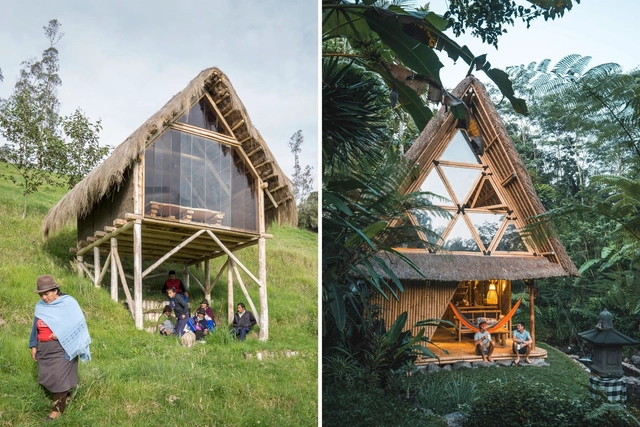
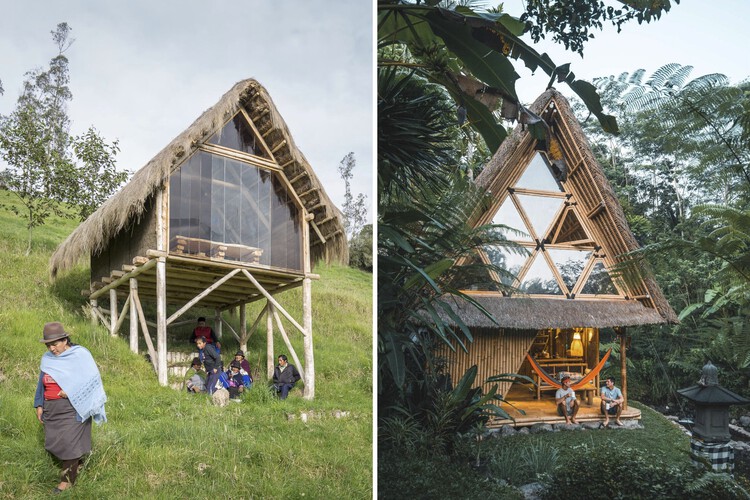
Thatching is a traditional building technique that has been reinterpreted in different ways in contemporary projects, allowing its value to continue to endure over time. As well as being a culturally and historically valuable technique, given its presence in humanity for centuries, it also has a number of other constructive advantages, such as its great environmental value, as it is an accessible renewable material.
The technique consists of grouping, intertwining, and overlapping dry vegetation, creating light surfaces with excellent thermal and sound insulation and which are cheap and relatively simple to build. In addition, flexibility is one of the technique's most prominent features, and it is particularly popular in roofing applications.












![From the object to the city, in search of possible poetics: interview with [entre escalas] - Featured Image](https://snoopy.archdaily.com/images/archdaily/media/images/686d/58dd/c677/407c/837f/55e8/slideshow/do-objeto-a-cidade-em-busca-de-poeticas-possiveis-entrevista-com-entre-escalas_1.jpg?1751996647&format=webp&width=640&height=580)


![From the object to the city, in search of possible poetics: interview with [entre escalas] - More Images](https://images.adsttc.com/media/images/686d/58dd/c677/407c/837f/55e8/newsletter/do-objeto-a-cidade-em-busca-de-poeticas-possiveis-entrevista-com-entre-escalas_1.jpg?1751996647)