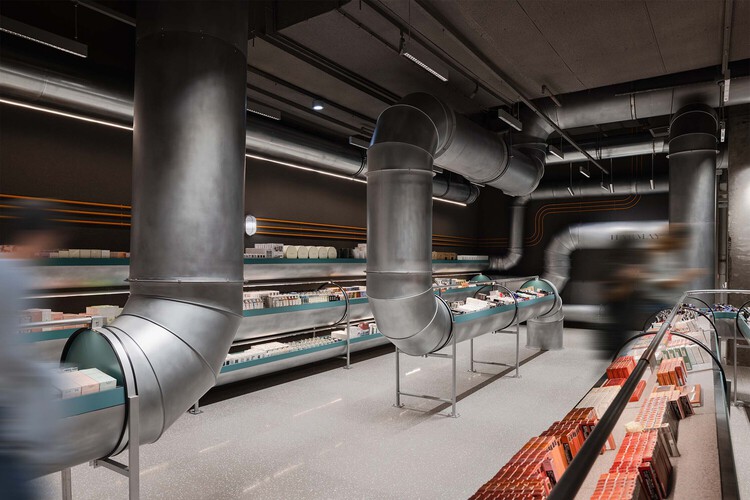
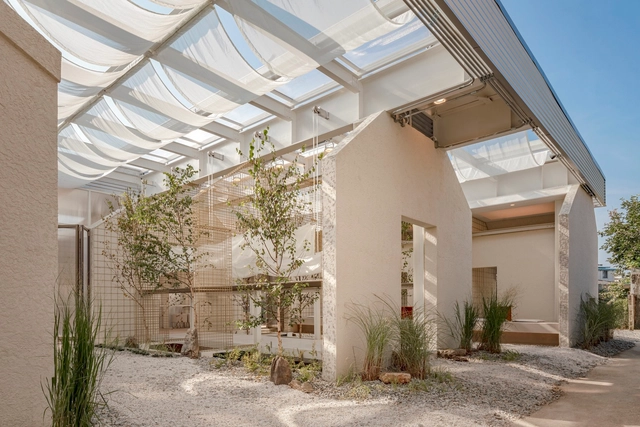
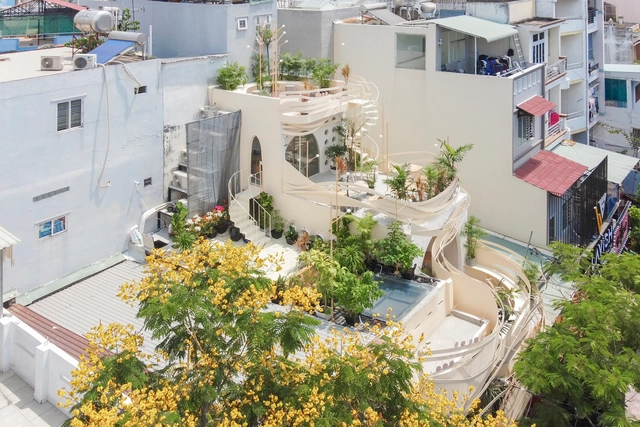
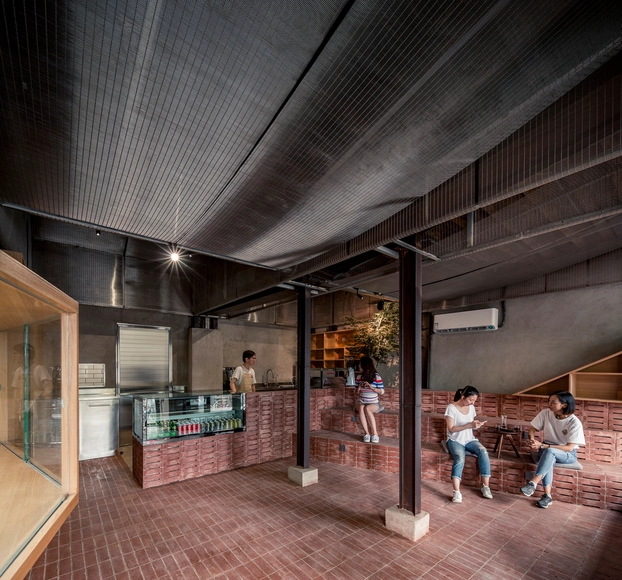
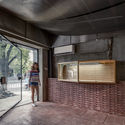
While adaptive reuse has been increasingly acknowledged as a vital architectural strategy worldwide, its discourse and implementation in Asia are still expanding—driven by growing ecological awareness and a shifting understanding of architectural knowledge. Rather than accelerating a developmentalist model centered on demolition and new construction, architects today are confronted with a different approach to the built environment: treating the existing structure as a resource—an archive of materials, spatial organizations, and informal histories.
Adaptive reuse is often associated with the preservation of historic buildings and culturally significant heritage. Yet the vast field of seemingly 'less-valued' structures—abandoned houses, standard yet old dwellings, non-conforming office buildings, and overlooked urban voids—has become ground for experimentation. These sites challenge architects and designers to reconsider prevailing standards of efficiency and market-driven development, and to imagine spatial and ecological practices that avoid the continual loss of embodied material and cultural knowledge inherent in constant rebuilding.
The contemporary bookstore is a paradoxical space. It is commercial, but rarely commercialized; public, but often privately owned; small in scale, but expansive in impact. As adjacent architectural typologies evolve under the pressures of digital consumption, economic precarity, and changing social habits, the bookstore has not dimensioned, but adapted to the twenty first century. It is not a site for private or institutional literary exchange, but a spatial hybrid that accommodates ritual, rest, performance, and socialization.
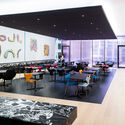
Cafés in museums and galleries do more than provide convenience — they have become an essential part of today’s cultural experience. As Claire Bishop explains in her idea of the “expanded aesthetic experience,” cultural spaces now include hybrid environments that encourage new ways of engaging, socializing, and reflecting. In this context, cafés are not just places to rest; they extend the visit on both sensory and symbolic levels, offering moments of interaction and contemplation in carefully designed settings. By blending architecture, art, and hospitality, they help create immersive and welcoming atmospheres — a concept already hinted at by Brian O’Doherty, who viewed exhibition spaces as an integral part of the artwork itself.
Historically, public bathing was a fundamental necessity for hygiene, giving rise to communal bathhouses in regions where private bathrooms were a rarity. In Japan, for instance, sento bathhouses emerged during the early Edo period, serving as essential facilities when most households lacked their own bathing spaces. Similarly, in other parts of the world where plumbing and water management were considered luxuries, shared public baths became vital components of urban life. Over time, these spaces evolved beyond their functional role, becoming venues for socializing, relaxation, and a temporary escape from daily routines.
However, in the modern era, private bathrooms have become ubiquitous in contemporary homes, effectively addressing the hygiene concerns that once made public bathhouses indispensable. With the rise of alternative social spaces—cafés, fitness centers, bars, and jazz lounges—the traditional communal bath no longer serves the same essential function. While some may still appreciate the social aspect of public bathing, the inconvenience of changing clothes and getting wet in front of strangers can deter many from engaging in the experience.
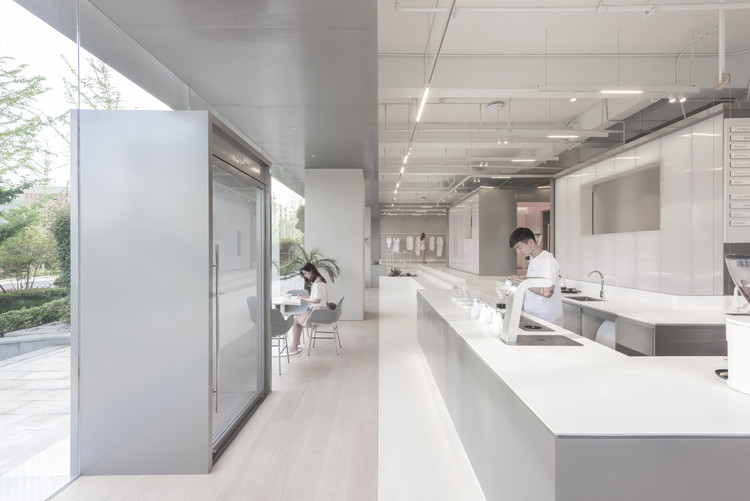
Coffee culture continues to thrive in the contemporary world, with a noticeable shift from the dominance of chains & franchise stores to a growing market for prosumer coffee. As more and more coffee consumers become prosumers, individuals who both produce and consume, they are turning coffee-making into a hobby, even a ritual, and are expecting coffee shops to keep up. Consumers are becoming more knowledgeable, paying close attention to the source and type of beans, brewing methods, and equipment. They also appreciate the design of coffee machinery, not just for its functionality but for its aesthetics, efficiency, and space management. This surge in interest, especially in Asia, has led to changes in coffee shops' operations. Many individual coffee shops, responding to the rise in consumer spending power and interests, are motivated to focus on creating unique, immersive experiences for an ever-growing marketable audience.
Sebastián Bravo leads Oficina Bravo, an architectural practice founded in Santiago de Chile that has been developing projects with a clear strategy: to contribute to the city by efficiently using architectural, economic, and constructive resources through renovation and remodeling. Among their projects are spaces that openly interact with the immediate context, including works of patrimonial, administrative, and residential value such as Casa Compañía and Zagreb Office, as well as a large series of gastronomic and commercial spaces such as Felix Café and Apolo Helados.
Due to its design process and its ability to transform and restore spaces, Oficina Bravo was selected by ArchDaily as one of the best new architectural practices of 2023. They make a point of talking with clients, understanding them, and involving them in the process. This, they say, is the only thing that ensures that the ideas behind the project survive with dignity.
We have selected seven coffee and ice cream shops in Santiago that were designed by Oficina Bravo, while also conducting an interview to get to know their inspirations, working methods, and future projects. The result is a true daily guide for you to enjoy their work, their design process, and a good cup of coffee.
Whether it is for a break, relaxation, or even free wifi, coffee shops tend to host a series of situations that involve more than just enjoying a cup of coffee. A quiet and pleasant place, which in addition to everything else offers a good hot drink, is a great attraction for those looking for a coffee shop to spend a few hours.
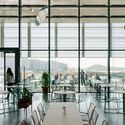
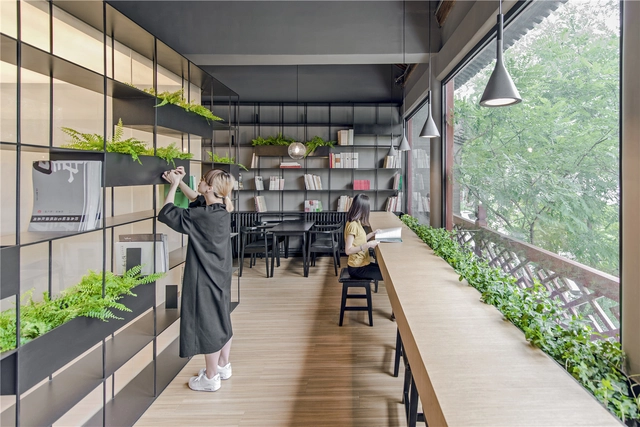
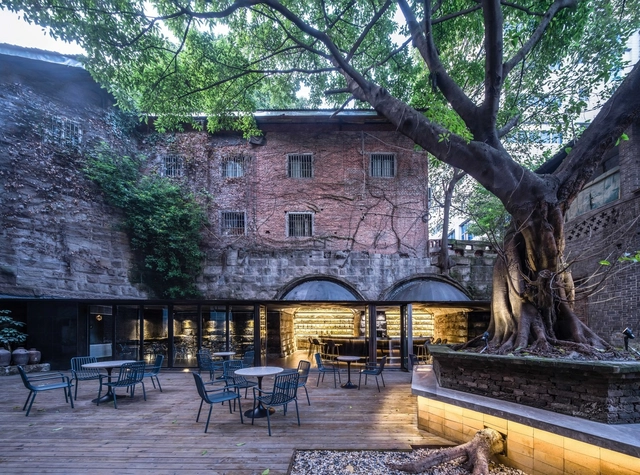
In this sense, a landscape project that integrates greenery into these environments can significantly increase the comfort of customers, by easing temperatures and offering a barrier against atmospheric, noise and visual pollution. In addition, after the restrictions imposed by the Covid-19 pandemic, open spaces, with natural ventilation and gardens became priorities for many projects, including coffee shops.
Throughout the years, coffee shops and cafés alike have become so much more than just a place to acquire a delicious brew. Since the first coffee shops were established, they have been used as social places to congregate and meeting points for the public. Alongside the development of coffee shops came the ‘coffee culture’, a set of traditions and rules regarding the way cafes are used, and the way these delicious brews are enjoyed.
Coffee shops are everywhere, not just on our city’s high streets, but globally beloved. They offer an atmosphere that is warm and inviting, with a focus on the ambiance and aesthetic of the space as well as the services they offer, with some cafes housing multiple functions beyond the brew. Therefore, the question stands: how are coffee shops today tapping into creating new spaces that are interesting and bring new life to the beloved culture?
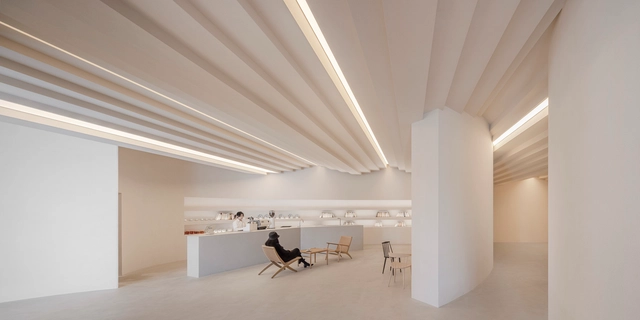
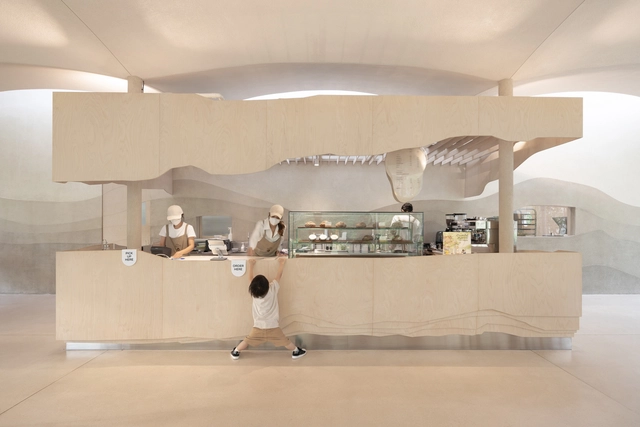
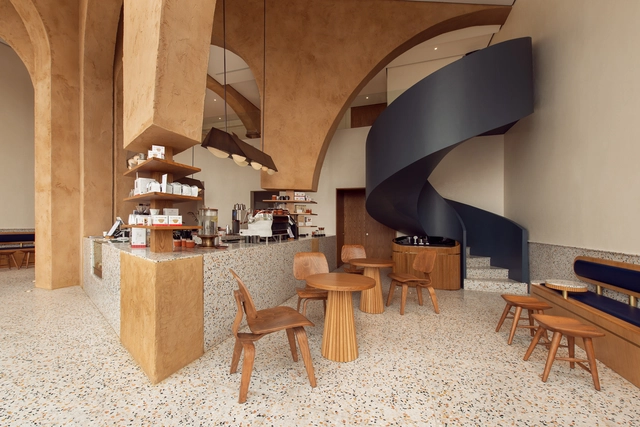
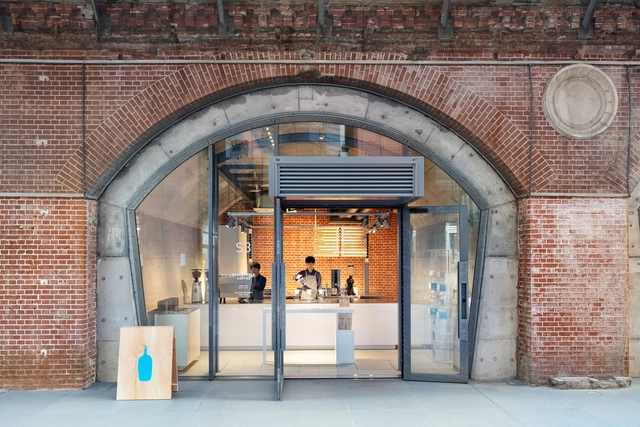
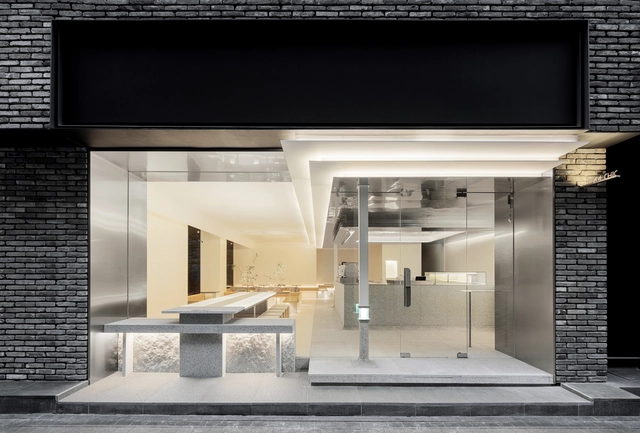
Coffee shops have always been popular gathering spaces among coffee lovers, but with the rise of remote working, especially post-pandemic, they have become a hotspot for remote workers and students as well. One of the many reasons why they are such a popular hangout spot, other than the fact that they serve one of the most globally-adored drinks, is because of their well-designed interior spaces that promote comfort, relaxation, and productivity simultaneously. After all, it's always been said that architects and coffee go hand in hand. In this interior focus, we explore how different design elements shape the user experience of a coffee shop, and look at how architects have employed them through 17 examples.
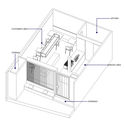
The interior design of a coffee shop can make-or-break an establishment. With an inviting design, you can transform drinking a simple cup of coffee into a wonderful experience. However, when you only have a few square meters and various machines and properties to distribute, finding an efficient configuration is not easy.
https://www.archdaily.com/896529/small-cafe-designs-20-aspirational-examples-in-plan-and-sectionClara Ott
Both tea and alcohol in traditional China were similarly aestheticized, and both influenced the language of literature and art. People used to exchange alcohol as a gift in a way that they later would with tea. Today, more and more cities in China have embraced this drinking culture that passed down from generation to generation, and reinterpreted with a new contemporary fashion, which is constantly evolving in the urban cafes and bars.
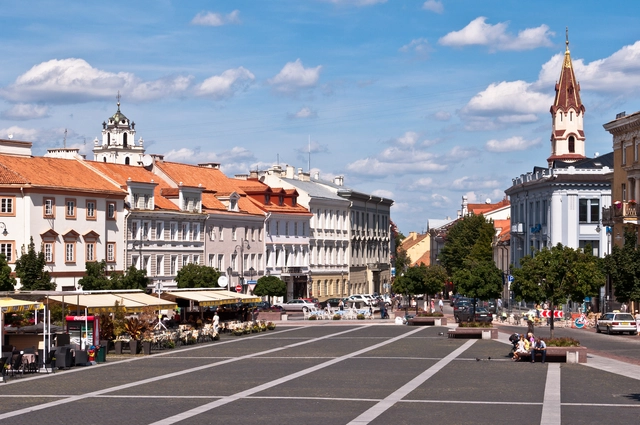
The Town Hall Square in Vilnius, Lithuania. Image via Shutterstock/ By Donatas Dabravolskas
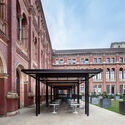
The Lithuanian capital Vilnius has decided to allocate its public spaces to bars and cafes, to encourage the reopening of restaurants under required physical distancing measures. Turning the outdoor space into one vast open-air café, the city is taking new safety measures to step into the next phase of the lockdown.