If we could travel back in time one hundred years and organize an ideas competition to visualize what Bogota would look like in 2020, the proposals would be far from the reality of the urban landscape experienced today in the Colombian capital. Back then, little was known about the events that would later shape history, such as the Bogotazo, which led to the rebuilding or remodeling of most of the buildings that served as architectural landmarks of previous centuries.
The uncertainty of a distant future is perpetual. Yet, this does not stop the imagination from creating utopian or dystopian scenarios of that urban dimension for 2120. This was the main goal of the rendering competition organized by the Student Collective of the Colombian Society of Architects (CESCA) of the Bogota and Cundinamarca chapter.
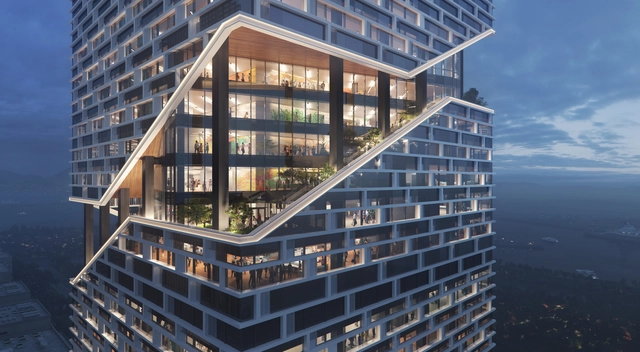
NBBJ has been selected to design the new Vivo headquarters, introducing the next generation of work environments that integrates nature, health, and equal access to amenities. Located in Shenzhen’s Bao’an district, the 32-story spiraling tower highlights an innovative design that embraces the urban-coastal site and reflects the company’s values. Construction began in May 2020 and is scheduled for completion by fall 2025.
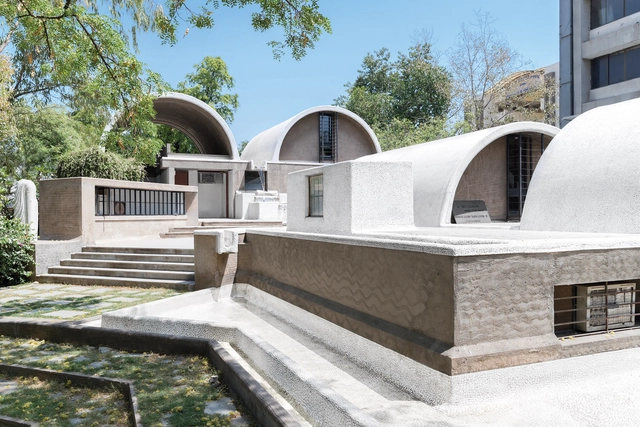
Wrightwood 659, a private institution located in Chicago’s Lincoln Park neighborhood, will host the first U.S. Exhibition of Indian architect, urbanist, and 2018 Pritzker Prize winner Balkrishna Doshi. Running from September 9 till December 12, 2020, the retrospective entitled Balkrishna Doshi: Architecture for the People, is the first display devoted to the works of the laureate, outside of Asia.
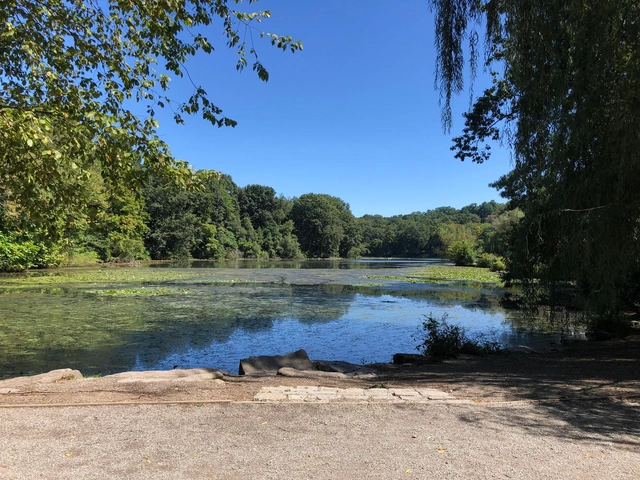
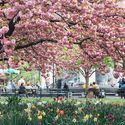
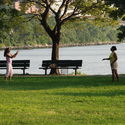
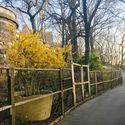
NYC Green Relief & Recovery Fund has selected 62 grant recipients to support funding in parks and open spaces across New York City. The effort was made to support a coalition of national, family, and community foundations. As the first round of funding, the grants range from $5,000 to $120,000 to support essential maintenance, stewardship, public programming, and management of parks and open spaces across the five boroughs.
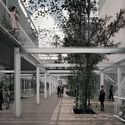
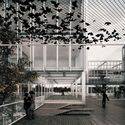
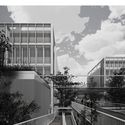
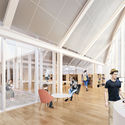
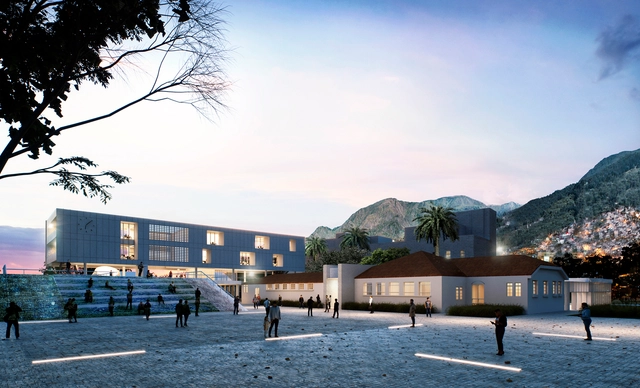
The San Cristóbal local town hall, located in southeastern Bogotá, is currently situated in a mixed-use area of the San Blas neighborhood. It sits in close proximity to a school, a parish church, a community development center, residential complexes, and the local Metropolitan Park.
Despite its privileged location relative to surrounding properties, the town hall building is a designated heritage site. Participants in the public design competition for the new headquarters, organized by the SCA (Sociedad Colombiana de Arquitectos), had to consider all these aspects in developing their proposals. Estudio Territorios was awarded first place, followed by FP Arquitectura in second, and EMS Arquitectura in third. Below, we take a closer look at their proposals.
Urban precariousness, social vulnerability, racial exclusion, health crisis, environmental catastrophe, genocidal state. Growing dissatisfaction on the streets, falsification of pandemic data, economic recession. What social and political pacts will be possible to reshape democracy in a shattered country? Guilherme Wisnik speaks with Tainá de Paula, architect and urbanist, urban struggle activist, who holds a master's degree in Urbanism from the Federal University of Rio de Janeiro.
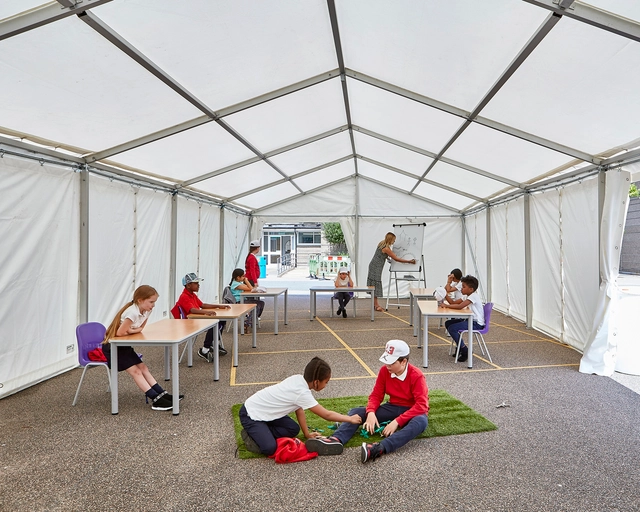
Curl la Tourelle Head Architecture has built the first socially distanced tent, a pop-up school proposal in London. Located at Manorfield Primary School in Tower Hamlets, the project aims to maximize social distancing measures among students and teachers, during this post COVID-19 period.
Videos
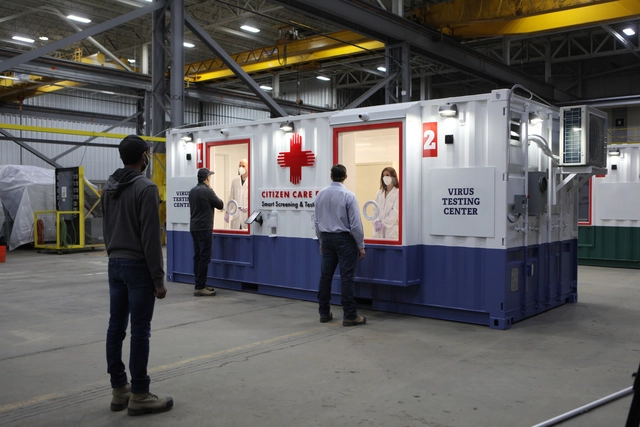
The Citizen Care Pod is designed to deliver testing and screening outside of the pod in accordance with physical distancing best practices.. Image Courtesy of the Citizen Care Pod
The Citizen Care Pod is a new initiative for COVID-19 smart screening and testing, combining intelligent technology with a modular design. Led by the Citizen Care Pods Corporation, the multi-disciplinary team, consisting of Toronto based WZMH Architects, PCL Construction, Insight Enterprises, and Microsoft, collaborated to bring the project from concept to reality in less than a month.
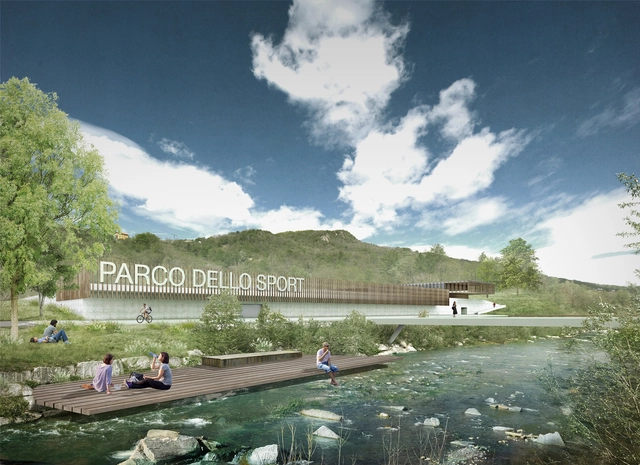
Focusing on the future of public space, and centering their approach on wellbeing and sport as drivers of sustainability, economic and social development, the Lugano Municipal Council in Switzerlandhas given the go-ahead for the planning of the new Pole of Sports and Events (PSE). Designed by LAND, the project dictates the direction for public spaces in the post-pandemic era.
Amid the novel coronavirus pandemic, the international “Coronavirus Design Competition,” organized by the platform Go Architect, encourages students and professionals from various fields to think about how to develop products, objects, and equipment that help the population remain physically and mentally healthy in a scenario of so much uncertainty. Brazilian architect Leonardo Dias is competing, alongside more than 100 candidates from around the world, with a proposal for an urban totem that promotes hand sanitization, citizen information, and the humanization of data.
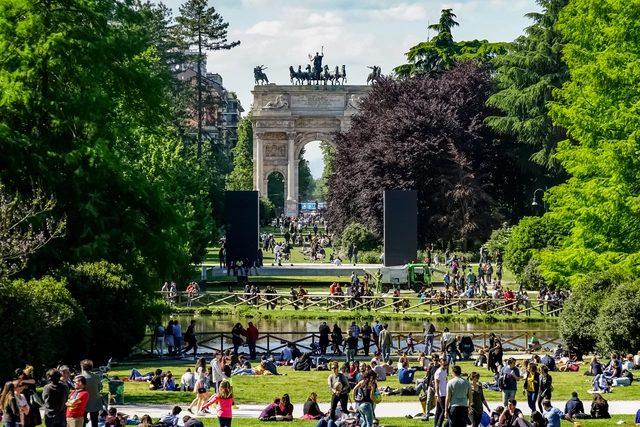
Porta Sempione triumphal arch in Sempione Park in Milan. Image via Shutterstock/ By NYC Russ
Systematica has just released a case study on access to green areas and the public realm in the city of Milan. Focusing on the availability of these gathering spaces for residents, the research, particularly relevant in this time of the pandemic, also highlights open and not crowded public spaces, convenient for a safe social life.
A new webcast and podcast series, Design Disruption, has been launched by architectural writer Sam Lubell and social entrepreneur Prathima Manohar. In a partnership with ArchDaily, the first episode today at 11 am (EST) on ArchDaily, YouTube and Facebook. This episode explores high density housing with guests Moshe Safdie, founder of Safdie Architects, and Ma Yansong, founder of MAD architects. The goal of the series is to provide an international perspective on disruptive issues with guests from different continents.
MAAT, the museum of art, architecture, and technology in Lisbon, Portugal has officially reopened its doors on June 10, unveiling to the public the new projects originally scheduled to launch before the Covid-19 lockdown, such as Beeline, an architecture intervention by SO – IL. Transforming the museum into a landscape of encounters and conversations, this exhibition also generates a temporary second entrance to the gallery space.
Exterior rendering of Menokin’s “The Glass House Project". Image Courtesy of Machado Silvetti
Menokin Foundation has begun construction on its “Glass House Project”, a new initiative in the preservation of historic landmarks. Protecting what remains from the 1769 house, the intervention will replace missing walls, floors, and sections of the roof with glass. Designed by Machado Silvetti, in collaboration with glass engineer Eckersley O’Callaghan, and landscape designer Reed Hilderbrand, the project will be developed in phases, to be completed in 2023.
The 14th Annual San Francisco Design Week (SFDW) is returning this year as a virtual design festival. The all-online program kicks off June 15-25 with the theme “Intentional Distortions." Over 150 participating Bay Area and West Coast design firms are joining the event with original ideas and creative solutions to help businesses survive in a post-pandemic world.
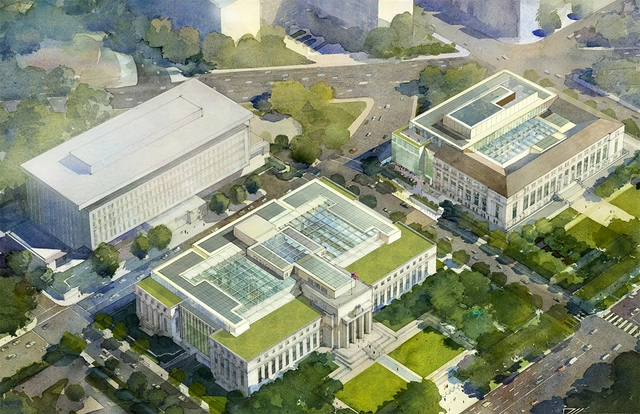
The $42-million project proposes a mixture of glass infill and additions. The courtyards of both the Eccles Building (left) and the FRB-East Building (right) would also be enclosed with glass. In May, Fortus presented certain "refinements" in response to feedback form the Commission of Fine Arts.(Fortus/Public Record)
Paul Philippe Cret’s 1937 building for the Federal Reserve Board (FRB)—the Marriner S. Eccles Building—stands as a prime example of neoclassical civic architecture along Washington D.C.’s Constitution Avenue. But the white marble building may have prompted new proposed guidelines around federal architecture, if conversations swirling in meetings of the Commission of Fine Arts are any indication. Plans to renovate and expand the FRB complex—the Eccles Building is joined by the FRB-East Building, designed in 1933 as the US Public Health Service by Cret’s fellow Frenchman Jules Henri de Sibour—are currently under review at the National Capital Planning Commission (NCPC) and the Commission of Fine Arts (CFA).
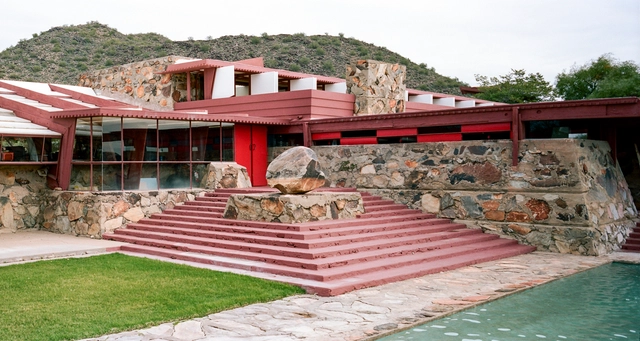
The Architect's Newspaperhas learned that the college formerly known as the School of Architecture at Taliesin will change its name and move summer classes to Cosanti and Arcosanti, with plans to try to make Cosanti its permanent home.
The move comes after a protracted back-and-forth with the Frank Lloyd Wright Foundation that spilled out into public view earlier in January when the school announced it would be closing after 88 years. After an outpouring of support from alumni and funding commitments, the school reversed its vote to close at the beginning of March but will need to vacate both Taliesin campuses—West in Scottsdale Arizona and East in Spring Green, Wisconsin—and can no longer use the Frank Lloyd Wright or Taliesin name, though it will retain its accreditation and students. The last time the school changed its name was in 2017 after it split from the foundation as part of the accreditation process, and after July 31 of this year, any remaining association will be formally severed.
On May 28, the results of the national architectural ideas competition for the Three Faculties Educational Complex and University Campus were announced, a call inviting professionals in Argentina to develop an educational master plan in the Tigre district, Buenos Aires. The University Campus was to include a Law and Social Sciences Faculty, a Faculty of Medicine with a University Medical Research Center, and a Faculty of Architecture to house technical and humanities disciplines. Meanwhile, the Educational Complex was required to include a high school, a primary school, and a preschool, which had to be connected to the university cloisters to support educational continuity.
Warchée is an organization that has the purpose of integrating women into the construction field. Born from the observation that in a rapidly urbanizing world, particularly in the Middle East, women are still excluded from certain professions, the NGO, founded by Anastasia Elrouss, aims to create an all-inclusive and evolving world.
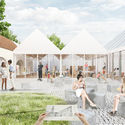
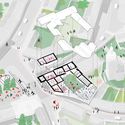
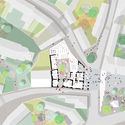
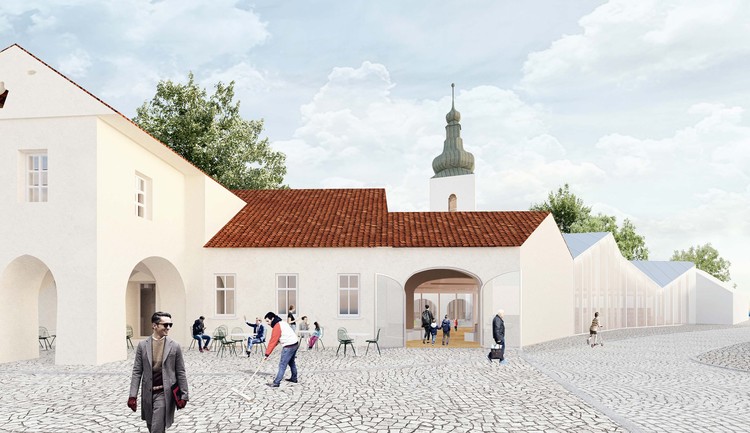
Two young designed practices, Gruppa and Anagram A-U, have designed a new cultural center for the city of Modřice in Czechia. With offices based in The Netherlands, Barcelona and Athens, the team participated in the national competition to imagine a new space for gathering and assembly.
Faced with the current emergency imposed not only by the largest pandemic in modern history but also by the complete lack of governance ruling this country, compounded by structural inequality that causes a veritable genocide of our society's most vulnerable population, we, architects and urban planners representing technical advisory groups in the State of São Paulo—with a historic trajectory of action and housing production guided by the struggle for the right to the city—believe it is essential to take a stand on the importance of effective actions by this body, which represents our profession, aimed at the needs of organized communities living in informal settlements or in situations of social vulnerability:
https://www.archdaily.com/1124170/technical-assistance-groups-from-sao-paulo-send-letter-to-cau-on-the-urgency-of-supporting-athis-initiativesUsina - CTAH, Peabiru tca e Ambiente Arquitetura
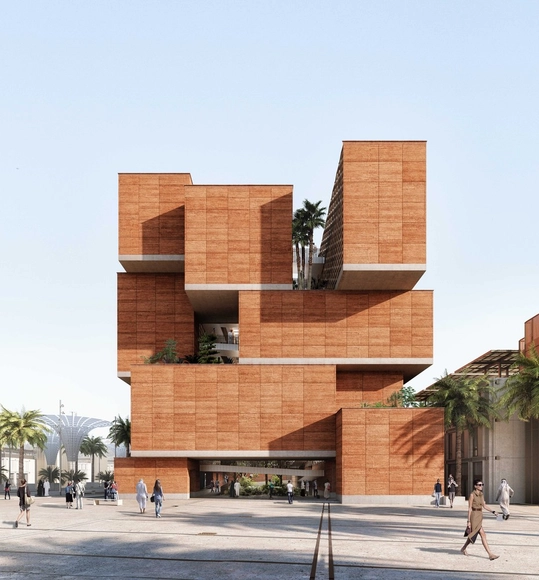
OUALALOU + CHOI has designed the MoroccoPavilion at the 2020 Expo in Dubai, showcasing traditional Moroccan design and construction techniques. The pavilion brings “rammed earth construction to new heights”.
One of the world's most prestigious architecture-focused film festivals, the Arquiteturas Film Festival is launching a retrospective series of its seven previous editions, held between 2013 and 2019, with online screenings of some of the key films from each year. To kick off the series, the Canadian film Misleading Innocence (2014), directed by Francesco Garutti and Shahab Mihandoust, will be available between June 12 and 19 on the festival's website.














.jpg?1592209486&format=webp&width=640&height=580)
.jpg?1592209476)
.jpg?1592209513)
.jpg?1592209536)
.jpg?1592209452)
.jpg?1592209486)
.jpg?1592208513&format=webp&width=640&height=580)