1. ArchDaily
  2. Venice Biennale

Venice Biennale: The Latest Architecture and News

The Taiwan Pavilion at the 2025 Venice Biennale Explores the “Precarious Intelligens”

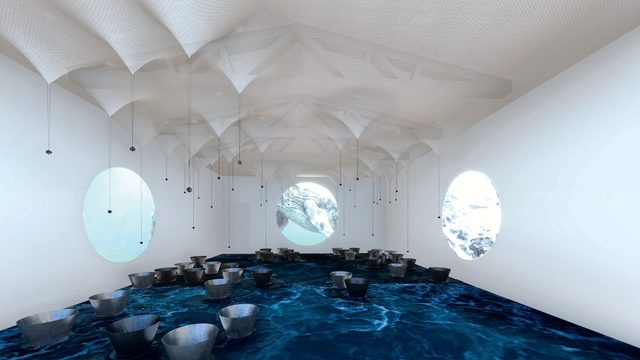
At the 19th International Architecture Exhibition - La Biennale di Venezia 2025, the collateral event titled "NON-Belief: Taiwan Intelligens of Precarity" is curated by Cheng-Luen Hsueh and co-curators Ping-Sheng Wu, Meng-Tsun Su, and Sung-Chang Leo Chiang, working alongside a team from the NCKU Department of Architecture. In line with the Biennale's main theme, "Intelligens. Natural. Artificial. Collective.", the exhibition explores the idea of "precarious intelligens," a form of resilience shaped by the intersection of natural disasters, geopolitical challenges, globalization, and an uncertain future.

The Taiwan Pavilion at the 2025 Venice Biennale Explores the “Precarious Intelligens” - Image 1 of 4The Taiwan Pavilion at the 2025 Venice Biennale Explores the “Precarious Intelligens” - Image 2 of 4The Taiwan Pavilion at the 2025 Venice Biennale Explores the “Precarious Intelligens” - Image 3 of 4The Taiwan Pavilion at the 2025 Venice Biennale Explores the “Precarious Intelligens” - Image 4 of 4The Taiwan Pavilion at the 2025 Venice Biennale Explores the “Precarious Intelligens” - More Images+ 14

Archi/Tree/tecture: Lithuania’s Pavilion at the 2025 Venice Biennale Explores the Relationship Between Identity and Urban Nature

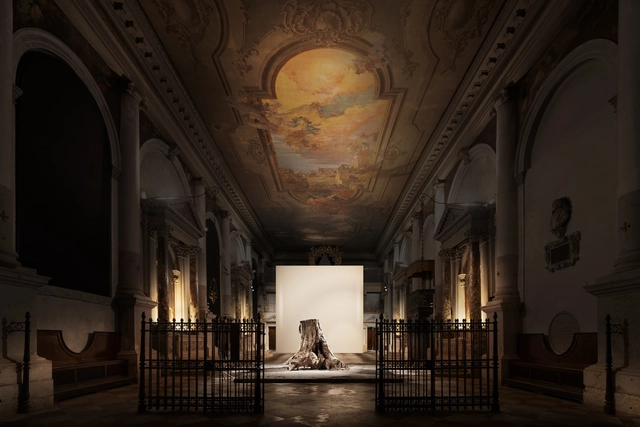
The Lithuanian Pavilion at the 2025 Venice Architecture Biennale presents Archi / Tree / tecture, a project by the National Architects Association. Commissioned by Juratė Tutlyte and curated by architect Gintaras Balčytis, the exhibition invites architects, students, communities, and visitors to reflect on the deep connections between architecture and urban nature. It positions the discipline as an interpretive medium that reveals the layered relationships shaping our cities, which in turn reflect these dynamic interactions. The proposal evokes an urban memory rooted in landscapes where fields and trees once stood, introducing the dimension of time into discussions on city ecosystems, sustainability, and resilience. The exhibition, an indoor installation designed by architects Paulius Vaitiekūnas, Andrius Pukis, and Vika Pranaitytė, will be set within the Church of Santa Maria dei Derelitti. The audiovisual and light installation in the pavilion was designed by the interdisciplinary art duo Lina Pranaitytė and Urtė Pakers, while the sculptural component of the installation was created by Kęstutis Lanauskas.

Archi/Tree/tecture: Lithuania’s Pavilion at the 2025 Venice Biennale Explores the Relationship Between Identity and Urban Nature - 1 的图像 4Archi/Tree/tecture: Lithuania’s Pavilion at the 2025 Venice Biennale Explores the Relationship Between Identity and Urban Nature - 2 的图像 4Archi/Tree/tecture: Lithuania’s Pavilion at the 2025 Venice Biennale Explores the Relationship Between Identity and Urban Nature - 3 的图像 4Archi/Tree/tecture: Lithuania’s Pavilion at the 2025 Venice Biennale Explores the Relationship Between Identity and Urban Nature - 4 的图像 4Archi/Tree/tecture: Lithuania’s Pavilion at the 2025 Venice Biennale Explores the Relationship Between Identity and Urban Nature - More Images+ 2

Uruguay’s Pavilion at the 2025 Venice Biennale Highlights Water Management as Essential to the Future of Architecture

The national exhibition of Uruguay at the 2025 Venice Architecture Biennale, titled "53.86% Uruguay, Land of Water," explores the intrinsic relationship between architecture, territory, and water. Curated by architects Katia Sei Fong and Ken Sei Fong, along with visual artist Luis Sei Fong, the exhibition proposes that we may be entering the age of water, the "Hydrocene", and that the way humanity manages and conserves this resource will shape its future. In this context, the project highlights that Uruguay's maritime territory (53.86%) is larger than its land territory. Water, therefore, is not only a natural resource but a fundamental element of the country's history and culture, essential to its development.

The Bulgarian Pavilion at the 2025 Venice Biennale Explores the Paradoxes of Artificial Intelligence and Sustainability

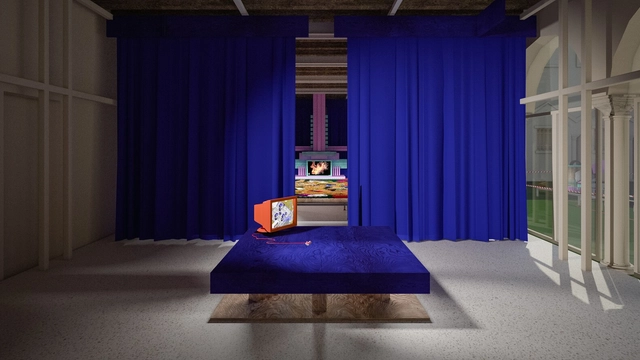
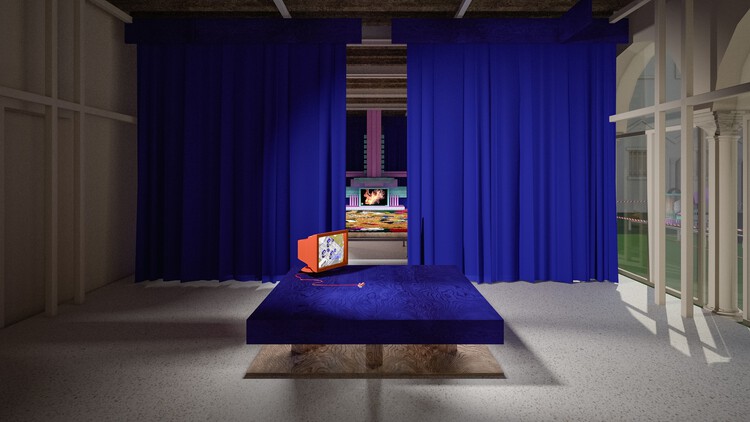
The Bulgarian contribution to the 2025 Venice Architecture Biennale is an experimental installation titled Pseudonature, situated at the intersection of nature and technology, reality and simulation. Curated by architect and designer Iassen Markov, the project explores the future of sustainability in a world where natural processes are increasingly mediated by artificial intelligence and human intervention. The exhibition features an outdoor installation that exposes technological and climate paradoxes and an interior space designed as a reimagined traditional Bulgarian room. Outside, physical interventions disrupt natural balances, highlighting the fragile interplay between technology and the environment. Inside, the space shifts to a setting for contemplation, where restoring equilibrium becomes a collective and introspective challenge.

The Bulgarian Pavilion at the 2025 Venice Biennale Explores the Paradoxes of Artificial Intelligence and Sustainability - Imagen 1 de 4The Bulgarian Pavilion at the 2025 Venice Biennale Explores the Paradoxes of Artificial Intelligence and Sustainability - Imagen 2 de 4The Bulgarian Pavilion at the 2025 Venice Biennale Explores the Paradoxes of Artificial Intelligence and Sustainability - Imagen 3 de 4The Bulgarian Pavilion at the 2025 Venice Biennale Explores the Paradoxes of Artificial Intelligence and Sustainability - Imagen 4 de 4The Bulgarian Pavilion at the 2025 Venice Biennale Explores the Paradoxes of Artificial Intelligence and Sustainability - More Images+ 1

Peru’s 2025 Venice Biennale Exhibition Honors Uros and Aymara Ancestral Construction Techniques

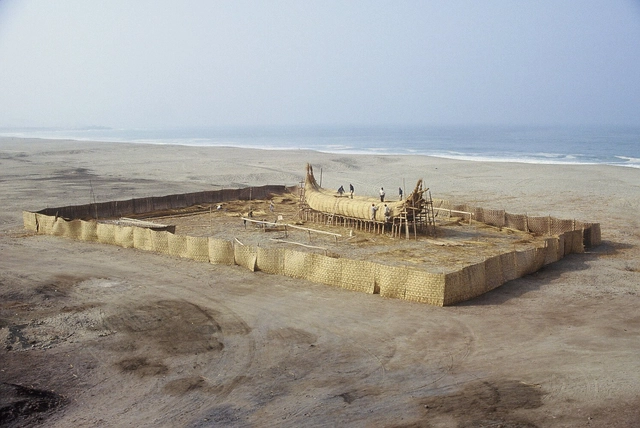
"Living Scaffolding" is the name of the proposal selected to represent Peru at the 19th International Architecture Exhibition – La Biennale di Venezia. Curated by architects Alex Hudtwalcker, Sebastián Cillóniz, and Gianfranco Morales, along with historian José Ignacio Beteta, the exhibition tells the story of a totora reed raft that, in 1988, embarked on a sea journey to other ports in South America and Polynesia. Its unprecedented expedition began on the Peruvian coast south of Lima and lasted 54 days at sea. The raft was the result of a collective, handcrafted effort and a significant structural challenge. The exhibition aims to highlight the importance of ancestral knowledge in addressing such challenges, celebrate materials essential to Peruvian cultural heritage, and expose the value of collective intelligence.

Peru’s 2025 Venice Biennale Exhibition Honors Uros and Aymara Ancestral Construction Techniques - Image 1 of 4Peru’s 2025 Venice Biennale Exhibition Honors Uros and Aymara Ancestral Construction Techniques - Featured ImagePeru’s 2025 Venice Biennale Exhibition Honors Uros and Aymara Ancestral Construction Techniques - Image 2 of 4Peru’s 2025 Venice Biennale Exhibition Honors Uros and Aymara Ancestral Construction Techniques - Image 3 of 4Peru’s 2025 Venice Biennale Exhibition Honors Uros and Aymara Ancestral Construction Techniques - More Images+ 2

The Luxembourg Contribution at the Venice Architecture Biennale 2025 Investigates Territories Through the Medium of Sound

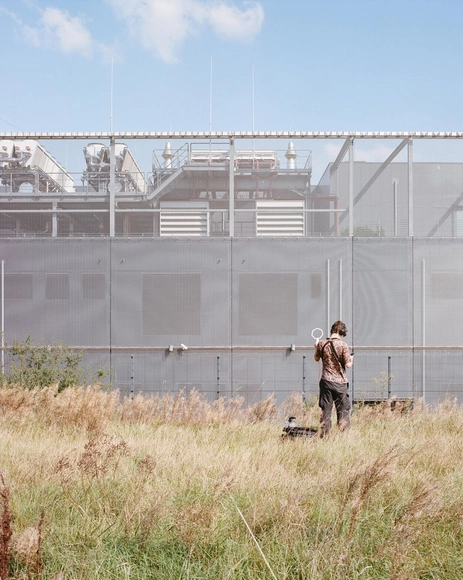
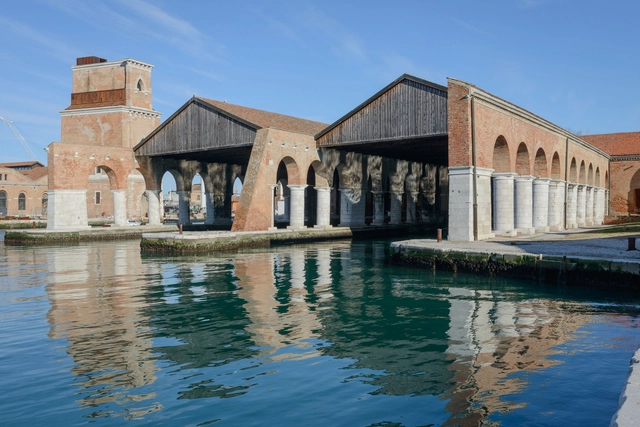
The Luxembourg pavilion at the 19th Venice Architecture Biennale will offer visitors an experience focused entirely on sound. Sonic Investigations, curated by architects Valentin Bansac, Mike Fritsch, and Alice Loumeau, is an immersive invitation to shift focus from the visual to the sonic. The sound installation, located in the Arsenale's Sale d'Armi, is based on a practical and theoretical investigation that re-examines the country's territory through field recordings capturing a range of sounds from biological, geological, and anthropogenic sources woven into the landscape. The installation creates an embodied experience of space, emphasizing the value of sensorial approaches in spatial practices and exploring the question: How can we reveal the entangled character of specific contemporary situations in Luxembourg?

The Luxembourg Contribution at the Venice Architecture Biennale 2025 Investigates Territories Through the Medium of Sound  - Featured ImageThe Luxembourg Contribution at the Venice Architecture Biennale 2025 Investigates Territories Through the Medium of Sound  - Image 1 of 4The Luxembourg Contribution at the Venice Architecture Biennale 2025 Investigates Territories Through the Medium of Sound  - Image 2 of 4The Luxembourg Contribution at the Venice Architecture Biennale 2025 Investigates Territories Through the Medium of Sound  - Image 3 of 4The Luxembourg Contribution at the Venice Architecture Biennale 2025 Investigates Territories Through the Medium of Sound  - More Images

Netherlands Pavilion at 2025 Venice Architecture Biennale Reimagines the Sports Bar Through a Queer Lens

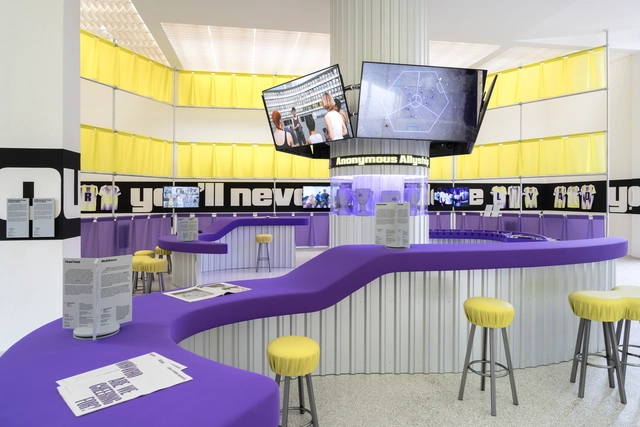
Nieuwe Instituut, the national museum and institute for architecture, design, and digital culture in the Netherlands, has opened the Dutch Pavilion at the 2025 Venice Architecture Biennale. This year, the Giardini pavilion, designed by Gerrit Rietveld in 1953, is transformed into a sports bar. Titled "SIDELINED: A Space to Rethink Togetherness", the exhibition is curated by Amanda Pinatih, Design & Contemporary Art Curator at the Stedelijk Museum in Amsterdam, in collaboration with social designer Gabriel Fontana. Through a queer lens, the project examines sport as an architectural system that regulates spaces, bodies, and behavior, offering an alternative perspective on societal norms related to gender, identity, and group dynamics.

Netherlands Pavilion at 2025 Venice Architecture Biennale Reimagines the Sports Bar Through a Queer Lens - Image 1 of 4Netherlands Pavilion at 2025 Venice Architecture Biennale Reimagines the Sports Bar Through a Queer Lens - Image 2 of 4Netherlands Pavilion at 2025 Venice Architecture Biennale Reimagines the Sports Bar Through a Queer Lens - Image 3 of 4Netherlands Pavilion at 2025 Venice Architecture Biennale Reimagines the Sports Bar Through a Queer Lens - Image 4 of 4Netherlands Pavilion at 2025 Venice Architecture Biennale Reimagines the Sports Bar Through a Queer Lens - More Images+ 6

'Reflective Intelligences': Chile’s Pavilion at the Venice Biennale Explores the Political Significance of the Roundtable on Architecture and Its Relationship with AI

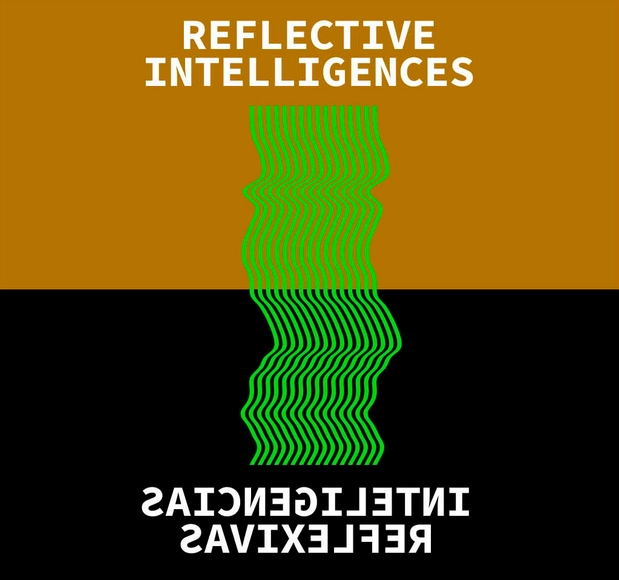
Out of 45 participating submissions for Chile's Pavilion at the 2025 Venice Architecture Biennale, the winning proposal has been recently announced. 'Reflective Intelligences,' the curatorial project by Serena Dambrosio, architect, researcher, and lecturer at Universidad Diego Portales; Nicolás Díaz Bejarano, architect, researcher, lecturer, and PhD candidate in Architecture and Urban Studies at Pontificia Universidad Católica de Chile; and Linda Schilling Cuellar, architect, urban designer,educator and doctoral candidate at the Centre for Research Architecture at Goldsmiths University.

'Reflective Intelligences': Chile’s Pavilion at the Venice Biennale Explores the Political Significance of the Roundtable on Architecture and Its Relationship with AI - Image 1 of 4'Reflective Intelligences': Chile’s Pavilion at the Venice Biennale Explores the Political Significance of the Roundtable on Architecture and Its Relationship with AI - Image 2 of 4'Reflective Intelligences': Chile’s Pavilion at the Venice Biennale Explores the Political Significance of the Roundtable on Architecture and Its Relationship with AI - Image 3 of 4'Reflective Intelligences': Chile’s Pavilion at the Venice Biennale Explores the Political Significance of the Roundtable on Architecture and Its Relationship with AI - Featured Image'Reflective Intelligences': Chile’s Pavilion at the Venice Biennale Explores the Political Significance of the Roundtable on Architecture and Its Relationship with AI - More Images+ 2

Hungarian Pavilion at Venice Biennale 2025 to Offer Alternative Scenarios for the Architecture Profession

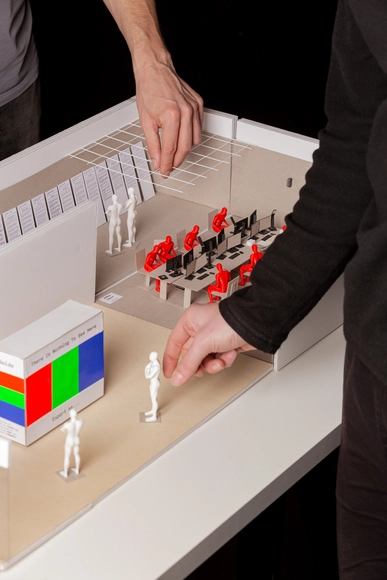
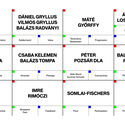
"There Is Nothing to See Here" is the title of the exhibition hosted in the Hungarian Pavilion at the Venice Architecture Biennale 2025. Since 2015, the Ludwig Museum of Contemporary Art has managed and organized both the temporary exhibition and the building. This year, it presents an alternative vision for the future of the profession. Curated by creative director and assistant professor Márton Pintér, in collaboration with Ingrid Manhertz, András Graf, and Júlia Böröndy, founder of the platform Women in Architecture (WIA), the exhibition will showcase the work of 12 architecture professionals who apply their expertise in fields beyond the profession.

Hungarian Pavilion at Venice Biennale 2025 to Offer Alternative Scenarios for the Architecture Profession - Featured ImageHungarian Pavilion at Venice Biennale 2025 to Offer Alternative Scenarios for the Architecture Profession - Image 1 of 4Hungarian Pavilion at Venice Biennale 2025 to Offer Alternative Scenarios for the Architecture Profession - Image 2 of 4Hungarian Pavilion at Venice Biennale 2025 to Offer Alternative Scenarios for the Architecture Profession - Image 3 of 4Hungarian Pavilion at Venice Biennale 2025 to Offer Alternative Scenarios for the Architecture Profession - More Images

2025 Venice Architecture Biennale: Over 750 Participants Researching How Architecture Adapts to the Future

During a live presentation for the 19th International Architecture Exhibition, curator Carlo Ratti offered a glimpse into the programming of this year's edition. The 2025 Venice Architecture Biennale will include 66 National Pavilions, with 4 countries represented for the first time: the Republic of Azerbaijan, Sultanate of Oman, Qatar, and Togo. The exhibition, divided between the Giardini (26), at the Arsenale (22) and in the city center of Venice (15), explores the theme of "Intelligens. Natural. Artificial. Collective", gathering over 750 participants, including individuals and organizations forming interdisciplinary and multigenerational teams. According to the numbers released, this year's edition is shaping up to become the largest Architecture Biennale held in Venice.

2025 Venice Architecture Biennale: Over 750 Participants Researching How Architecture Adapts to the Future - Image 1 of 42025 Venice Architecture Biennale: Over 750 Participants Researching How Architecture Adapts to the Future - Image 3 of 42025 Venice Architecture Biennale: Over 750 Participants Researching How Architecture Adapts to the Future - Image 5 of 42025 Venice Architecture Biennale: Over 750 Participants Researching How Architecture Adapts to the Future - Image 6 of 42025 Venice Architecture Biennale: Over 750 Participants Researching How Architecture Adapts to the Future - More Images+ 10

Alejandro Aravena’s Elemental and Holcim Collaborate on Carbon-Neutral Housing at the 2025 Venice Biennale

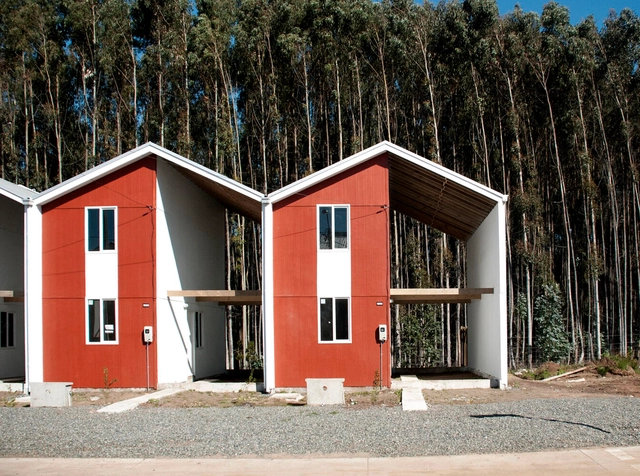
From May 10 to November 23, 2025, a carbon-neutral housing project designed by Elemental, the firm led by Pritzker Prize winner Alejandro Aravena, will be showcased at the Venice Architecture Biennale. The project aims to combine the Chilean office's expertise in social housing with the construction products of Holcim (the company behind the Holcim Foundation) to create a prototype for resilient and affordable housing.

The design incorporates a specific type of low-carbon concrete, which aims to emit 30% less CO₂ than standard concrete. The prototype will be featured in the Time Space Existence exhibition, organized by the European Cultural Centre.The goal of the project is to test the sustainability of a housing prototype in response to the ongoing climate and humanitarian crises.

Alejandro Aravena’s Elemental and Holcim Collaborate on Carbon-Neutral Housing at the 2025 Venice Biennale - Imagen 1 de 4Alejandro Aravena’s Elemental and Holcim Collaborate on Carbon-Neutral Housing at the 2025 Venice Biennale - Imagen 2 de 4Alejandro Aravena’s Elemental and Holcim Collaborate on Carbon-Neutral Housing at the 2025 Venice Biennale - Imagen 3 de 4Alejandro Aravena’s Elemental and Holcim Collaborate on Carbon-Neutral Housing at the 2025 Venice Biennale - Imagen 4 de 4Alejandro Aravena’s Elemental and Holcim Collaborate on Carbon-Neutral Housing at the 2025 Venice Biennale - More Images

Lesley Lokko and Marina Tabassum Recognized in TIME's 2024 List of Most Influential People

Architects Lesley Lokko and Marina Tabassum have been selected in TIME Magazine’s ‘100 Most Influential People of 2024.’ Known as the TIME 100, the list is an annual compilation of individuals who have made significant impacts on the world in various fields such as politics, technology, entertainment, and more. Each person on the list is profiled by a guest writer, often someone who is also prominent in their field. Selected by Sarah M. Whiting, Dean of the Harvard Graduate School of Design, Marina Tabassum features in the Innovators chapter, while Lesley Lokko, selected by filmmaker Ava DuVernay, is recognized as a Pioneer.

Lesley Lokko and Marina Tabassum Recognized in TIME's 2024 List of Most Influential People - Image 1 of 4Lesley Lokko and Marina Tabassum Recognized in TIME's 2024 List of Most Influential People - Image 2 of 4Lesley Lokko and Marina Tabassum Recognized in TIME's 2024 List of Most Influential People - Image 3 of 4Lesley Lokko and Marina Tabassum Recognized in TIME's 2024 List of Most Influential People - Image 4 of 4Lesley Lokko and Marina Tabassum Recognized in TIME's 2024 List of Most Influential People - More Images

Film Premiere: "A Voice for the 450 Plus" by Black Females in Architecture

Subscriber Access | 

Black Females in Architecture (BFA) is a social enterprise supporting a membership of more than 450 Black women in built environment professions worldwide. Founded by architects Neba Sere, Selasi Setufe, and Akua Danso, the group advocates for diversity, race and gender equity across all sectors of the built environment, including architecture, urbanism, landscape, engineering, design, and construction.

We are happy to premiere their short film "A Voice for the 450 Plus" to a global audience for the first time since it was shown at the 2023 Venice Architecture Biennale. The film is a celebration of the ongoing contributions of Black women in the built environment fields, showing the world how they contribute to shaping the future of our cities.

Film Premiere: "A Voice for the 450 Plus" by Black Females in Architecture - Image 1 of 4Film Premiere: "A Voice for the 450 Plus" by Black Females in Architecture - Image 2 of 4Film Premiere: "A Voice for the 450 Plus" by Black Females in Architecture - Image 3 of 4Film Premiere: "A Voice for the 450 Plus" by Black Females in Architecture - Image 4 of 4Film Premiere: A Voice for the 450 Plus by Black Females in Architecture - More Images

The Multiple Facets of the Architect: Exploring the Works of Álvaro Siza Vieira

Subscriber Access | 

When it comes to contemporary Portuguese architecture, the initial association often leans towards tradition. The historical significance of the program, the importance of typologies for the locals, and the construction methods all play a role. These associations are not unfounded, but they are not limiting either. In this context, Portugal boasts a prominent figure who exemplifies this balance: Álvaro Siza Vieira.

Siza is the foremost representative of Portuguese architecture. There are many reasons for this distinction. It is not only because he was the first Portuguese architect to receive a Pritzker Prize in 1992 or for the Golden Lion at the Venice Biennale in 2012. It is not solely due to his extensive and prolific career. Above all, his unique and simultaneously universal approach to architecture sets him apart. His involvement on national and international fronts highlights a characteristic likely intrinsic to his nature: the ability to embody many facets within a singular entity, just like his compatriot Fernando Pessoa.

The Multiple Facets of the Architect: Exploring the Works of Álvaro Siza Vieira - Image 1 of 4The Multiple Facets of the Architect: Exploring the Works of Álvaro Siza Vieira - Image 2 of 4The Multiple Facets of the Architect: Exploring the Works of Álvaro Siza Vieira - Image 3 of 4The Multiple Facets of the Architect: Exploring the Works of Álvaro Siza Vieira - Image 4 of 4The Multiple Facets of the Architect: Exploring the Works of Álvaro Siza Vieira - More Images+ 9