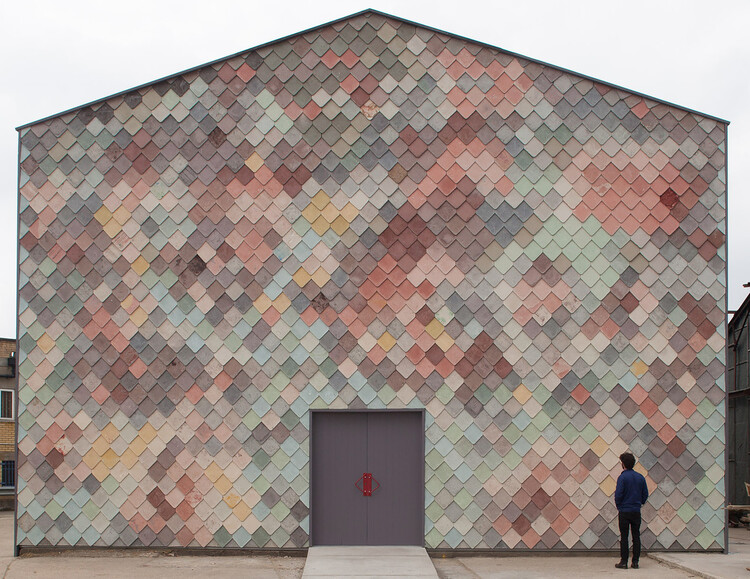
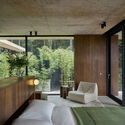
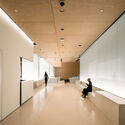
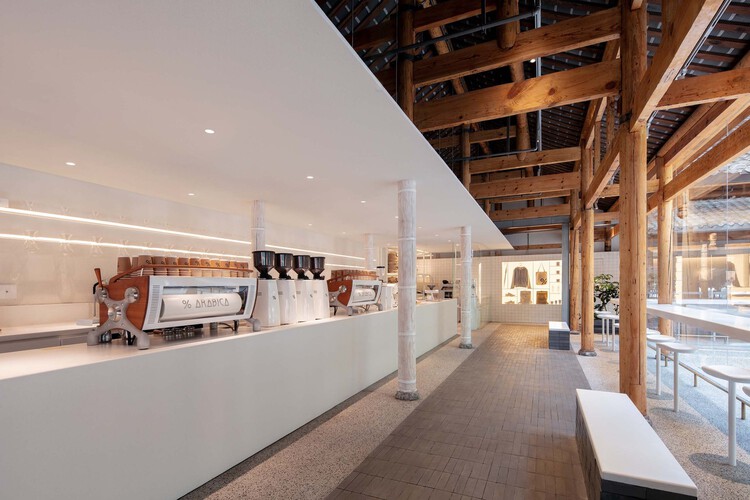
Materials can carry memory. They do more than finish a space; they can anchor it, shape atmosphere, and connect interiors to broader cultural and material narratives. Some architects and designers explore local techniques, natural resources, and craft traditions to balance cultural preservation with modern functionality, introducing context and depth. This is not necessarily a return to the past, but a reinterpretation of inherited knowledge to create architecture that resonates with contemporary needs.
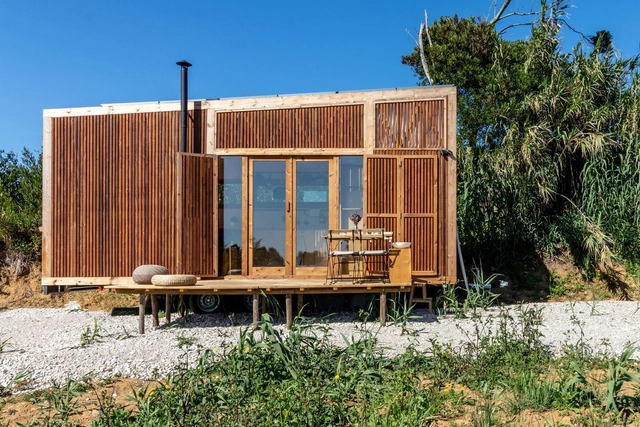
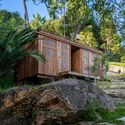
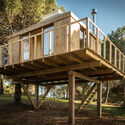
How is it possible to maximize livability in small spaces? What design decisions contribute to functionality and the fulfillment of the inhabitants' essential needs? Over the past decade, small-scale architecture has gained prominence in the quest to find new ways of living in connection with nature and in pursuit of relative self-sufficiency, among other reasons. From minimal homes or tree houses to fine carpentry solutions and sculptures, the Portuguese design studio Madeiguincho is dedicated to developing timber-based projects with the aim of promoting knowledge of wood craftsmanship as both a raw material and a building medium.
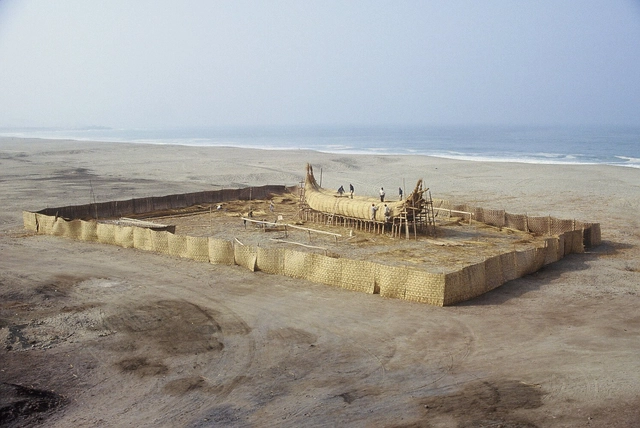
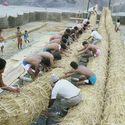
"Living Scaffolding" is the name of the proposal selected to represent Peru at the 19th International Architecture Exhibition – La Biennale di Venezia. Curated by architects Alex Hudtwalcker, Sebastián Cillóniz, and Gianfranco Morales, along with historian José Ignacio Beteta, the exhibition tells the story of a totora reed raft that, in 1988, embarked on a sea journey to other ports in South America and Polynesia. Its unprecedented expedition began on the Peruvian coast south of Lima and lasted 54 days at sea. The raft was the result of a collective, handcrafted effort and a significant structural challenge. The exhibition aims to highlight the importance of ancestral knowledge in addressing such challenges, celebrate materials essential to Peruvian cultural heritage, and expose the value of collective intelligence.
Videos
Courtesy of Tobias Titz / National Gallery of Victoria
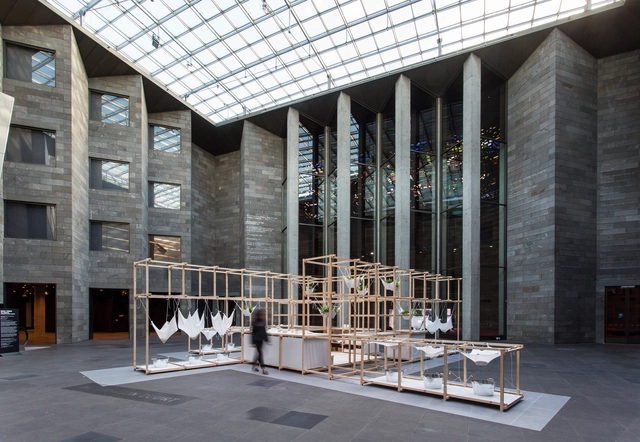
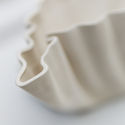
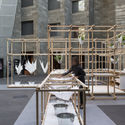
In celebration of the inaugural Melbourne Design Week, which took place in March 2017, Chilean design studio Great Things to People (gt2P) presented their Catenary Pottery Printer, aimed at exploring the boundaries between digital and analog machines. Throughout the design festival, local designers and students used the pottery printer to create their own custom works, with visitors welcomed to watch the craft in action.
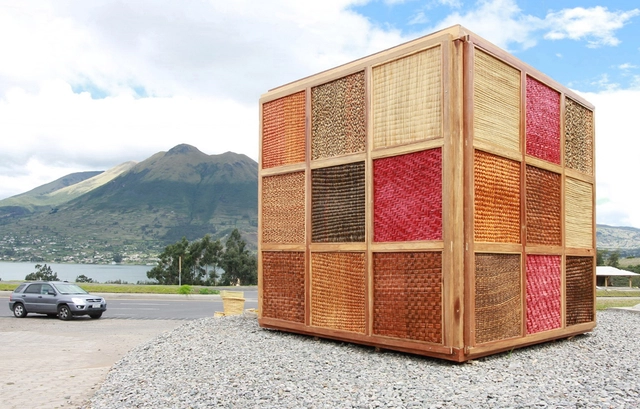
Developed by the architects of the "think-act tank" Archquid, in connection with the indigenous community and other institutions of the parish of San Rafael de la Laguna (Otavalo, Ecuador), this project revolves around the material research of the totora plant, a subspecies of the giant bulrush sedge. The Totora Cube project deepens the understanding of the art and craft with which these fibers have been used since pre-Inca times.