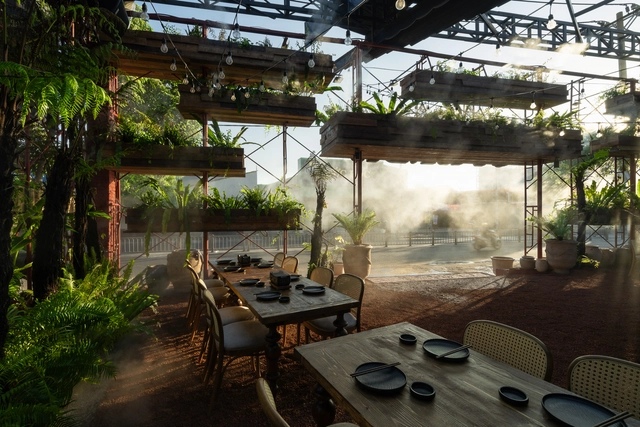
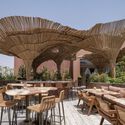
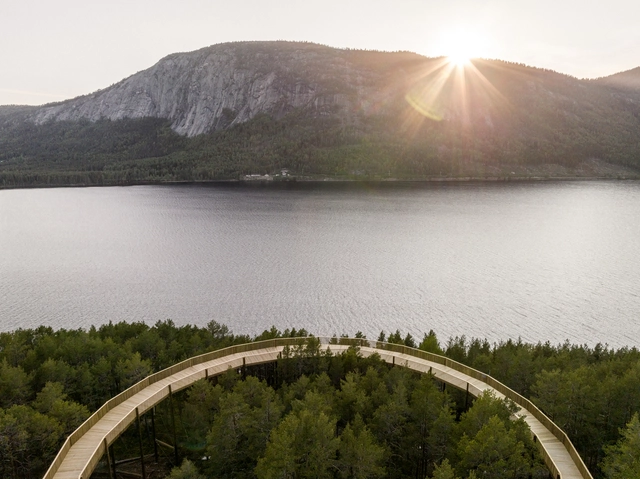
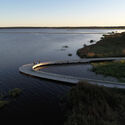
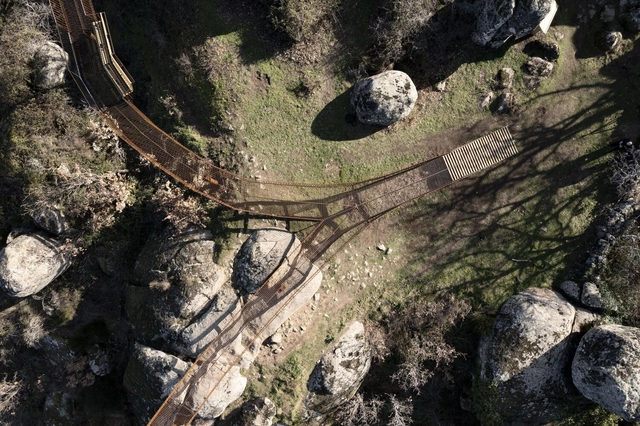
Scandinavian design has long been admired for its minimalist aesthetic and functionality, which places value in the simple things, deeply rooted in the concept of Hygge. This reverence goes beyond interior design and extends also to the natural world, resulting in high-quality architecture and landscape installation design that enhances human connection to untouched environments. Rather than imposing grand structures upon the environment, the Scandinavian approach is one of subtle and precise intervention. These projects are not meant to dominate but to enter into a dialogue with the existing landscape, using thoughtful design to potentiate its inherent shape, color, and texture. The goal is to complement and enhance, creating spaces that serve a functional purpose while simultaneously deepening the visitor's connection to their surroundings.
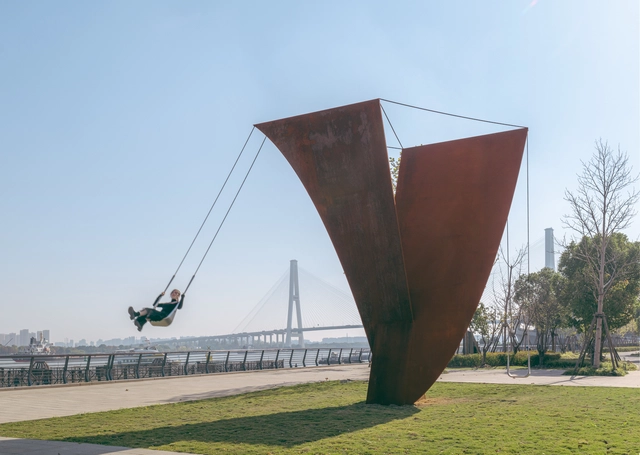
In the productivity-driven dynamics of contemporary cities, playful interventions in public spaces offer an innovative way to reclaim urban environments. These interventions encourage new ways of thinking and acting, temporarily breaking the monotony of everyday life and redefining the concept of play. Once confined to childhood and separate from daily activities, play has begun to intertwine with routine paths, becoming an integral part of urban life even outside traditional leisure times. In this way, reintroducing the swing—the most iconic children's toy—becomes particularly significant. As a symbol of childhood, pleasure, and joy, the swing contrasts sharply with the rigid appropriations of most public spaces, inviting a more relaxed and playful engagement with the urban environment. On June 11th, the UN International Day of Play reminds us of the benefits of incorporating diverse activities into urban spaces, for both children and adults, fostering community, creativity, and well-being.
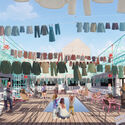
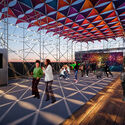
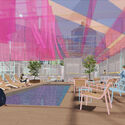
The winners of the reSITE's Young Designers Open Call have been announced. The open call has invited emerging designers to envision a playful yet functional summer installation for Manifesto Market, a popular outdoor venue in Prague known for its blend of food, culture, and community. Out of 275 registered teams worldwide, 57 submitted their proposals in line with the competition guidelines. On April 11, 2025, ten shortlisted designs were presented to an international jury during a hybrid event in Prague, with participants joining both on-site and remotely from countries including Ethiopia, Ecuador, the United States, Mexico, Turkey, France, Belarus, Georgia, and New Zealand.
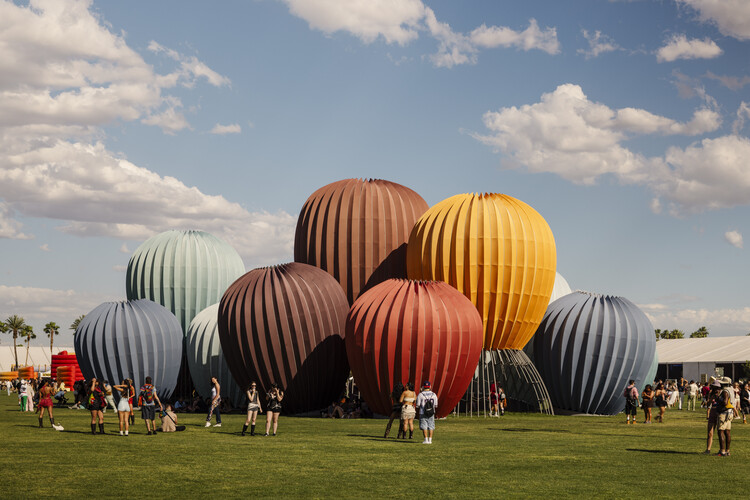
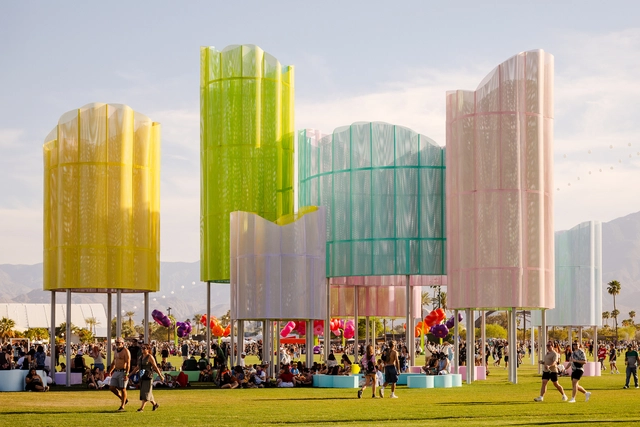
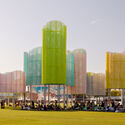
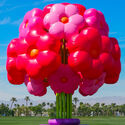
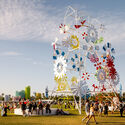
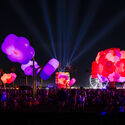
The 2025 edition of the Coachella Valley Music & Arts Festival continues its tradition of merging large-scale contemporary art with music, transforming the Empire Polo Field into a dynamic landscape of immersive installations. Curated by Raffi Lehrer of Public Art Company (PAC) in collaboration with Goldenvoice Art Director Paul Clemente, this year's program explores themes of movement, illusion, and impermanence through newly commissioned works and returning artists. Since 2016, Coachella's art program has evolved into a multidisciplinary platform, with most of its production managed in-house and on-site. The 2025 festival runs across two weekends, April 11-13 and April 18-20. This year's edition includes three newly commissioned art installations in addition to the permanent and returning exhibits.
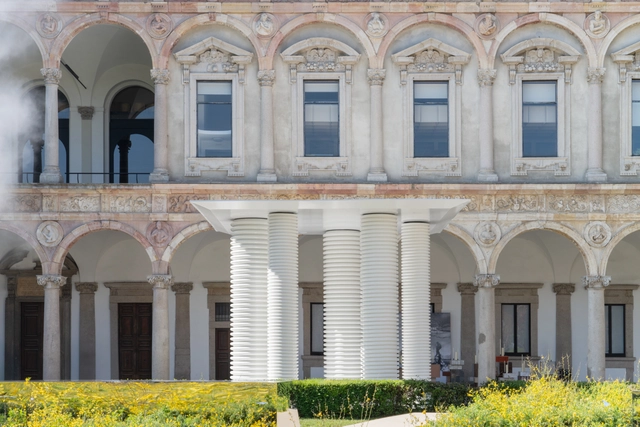
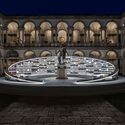
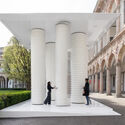
The 2025 edition of Milan Design Week and Salone del Mobile.Milano, spanning April 7th to 13th, brought together a diverse range of temporary installations at the intersection of architecture, design, and material innovation. Spread across historic sites, courtyards, and exhibition venues throughout the city, these site-specific works explored concepts such as sustainability, impermanence, sensory experience, and spatial interaction, in line with the theme of this edition of exploring the deep connections between humanity and design. Architectural studios, designers, and artists collaborated with brands and institutions to create environments that responded to context while proposing new approaches to how spaces are designed, experienced, and constructed. The following selection highlights ten installations presented during the week, reflecting a range of design approaches, materials, and spatial concepts.
Public spaces are more than just physical voids in the urban fabric—they are stages for social interaction, cultural expression, and collective memory. In times of social fragmentation and environmental stress, these spaces can serve as catalysts for healing, offering safe environments where communities can reconnect. Through thoughtful design and participatory processes, public space interventions can rebuild trust, promote mental well-being, and foster a renewed sense of belonging among community members.
Spain, with its vast territory and notable diversity of landscapes, has been a reference point in the development of external infrastructures, both in urban and rural areas. Tourism has played a key role in this process, focusing on creating spaces that maximize the enjoyment of the natural environment and integrating local landscapes into urbanized areas. The construction of these infrastructures has had two main aspects: the adaptation of cities for both their residents and tourists and the development of rural or coastal areas, where nature is the main attraction. This has led to interventions ranging from creating waterfront promenades, viewpoints, and natural parks, to urbanization projects in previously untouched areas. Furthermore, urban growth has driven the creation of green infrastructures such as botanical gardens, ecological trails, and reserves that aim to protect the environment while being sustainably open to the public.
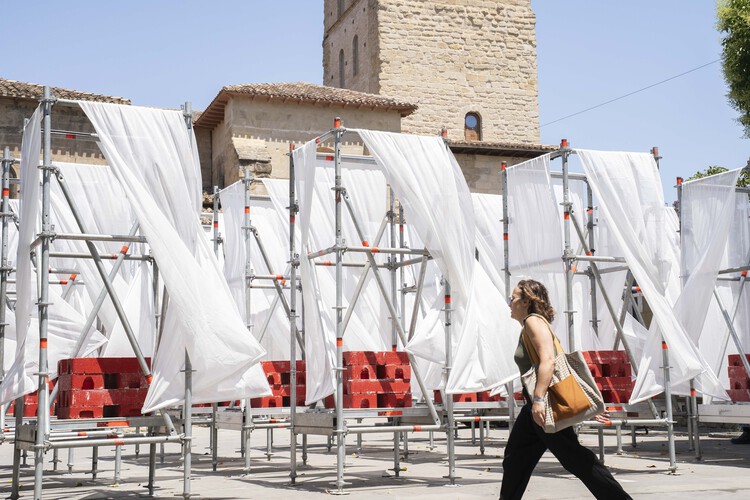
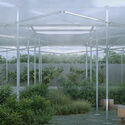
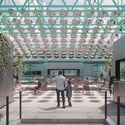
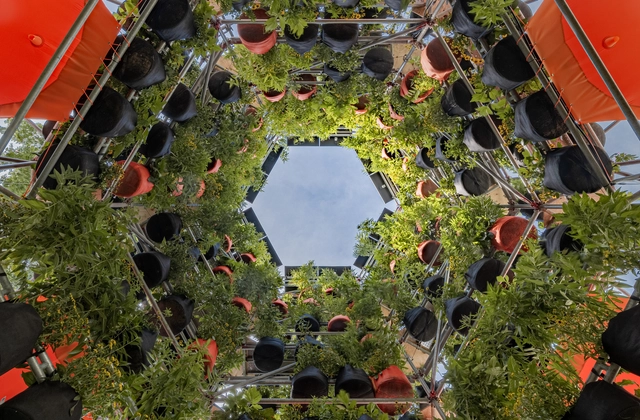
Architects Belinda Tato and Jose Luis Vallejo of Ecosistema Urbano have designed a plug-in public space designed to address the effects of climate change in ill-equipped urban environments. Titled Polinature, the installation has been funded by the Salata Institute for Climate and Sustainability at Harvard, and is now installed in the backyard of the Harvard Center for Green Buildings and Cities. The pavilion, featuring native plans set into a scaffolding, with an inflatable bioclimatic canopy, aims to demonstrate how small-scale interventions can create compound positive effects for the local micro-climate and biodiversity.
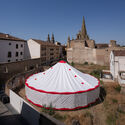
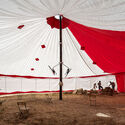
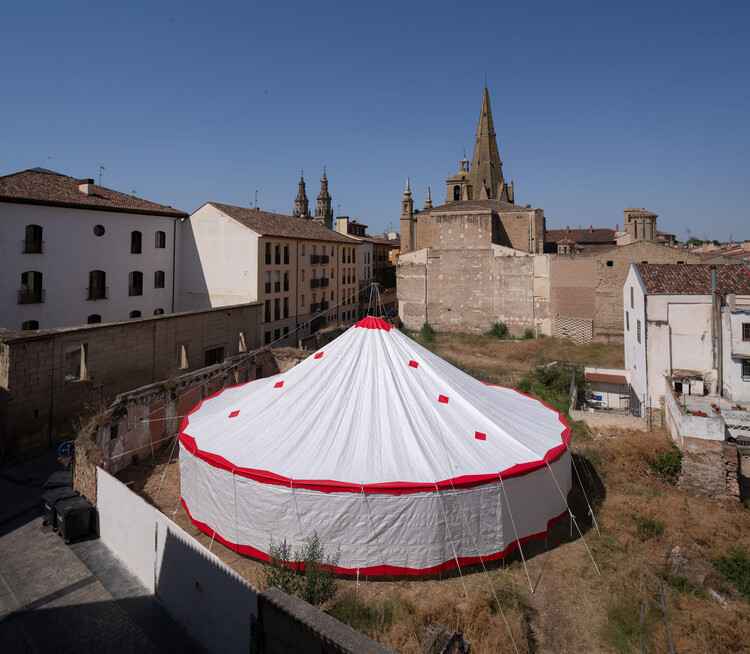
Carpa Itinerante / Fabrizio Pugliese + Gabriel Huarte. Image Cortesía de Fabrizio Pugliese + Gabriel Huarte
Spanning over 20 million square kilometers and featuring nearly all the climates of the world, the Latin American region is home to endemic biological wealth and geographical diversity that ranges from some of the most significant rivers in the world to the mountain range of the Andes, the Amazon rainforests, the plains of Patagonia, the coasts of the Caribbean Sea, and more. In light of a collective effort involving local communities and new generations, the construction of installations and structures in these natural environments is aimed not only at meeting functional needs but also at educational, research, and environmental conservation purposes.
Known for its unconventional art installations and striking desert setting, the Burning Man festival has concluded this year with an array of temporary installations spread across the Black RockDesert in Nevada. The festival's 2024 theme, "Curiouser & Curiouser," inspired by Lewis Carroll's Alice in Wonderland, encouraged participants to embrace wonder and whimsy.
At Burning Man, a tapestry of themes emerges through diverse installations, from reflections on connectivity and isolation to explorations of time and space. Installations like Nebula Shroom Grove and the Temple of Together emphasize community and unity, inviting interaction and participation. Pieces like "I'm Fine" and Tree Circle delve into universal emotions and humanity's connection to the infinite, while works like Matter Out of Time and The End of Time play with perceptions of time and reality.

Every August, the Black Rock Desert in Nevada transforms into a vibrant city for Burning Man, a week-long festival that culminates in the ceremonial burning of a large wooden effigy. Established in 1986, the festival is renowned for its unconventional art installations and striking desert setting. While varied in their expression, the installations follow a central theme of the year. For this edition, the title “Curiouser & Curiouser” takes inspiration from the Mad Hatter from Lewis Carroll’s Alice in Wonderland, prompting participants to engage with wonder and embrace the whimsical and mysterious. This year’s central temple installation is designed by Caroline Ghosn to represent togetherness and mutual respect. Following a Burning Man Tradition, the temple design is selected following an international competition.
Ephemeral architectures, characterized by their temporary and flexible nature, have emerged as powerful tools for revitalizing urban spaces and fostering architectural creativity. These transient installations transform public areas, engaging communities, and prompting reflections on the potential futures of our cities. By temporarily transforming environments, ephemeral architectures encourage both architects and the public to reimagine the possibilities of urban living. This dynamic interplay, between the temporary and the permanent, challenges traditional architectural practices and opens up new avenues for sustainable and inclusive urban development.
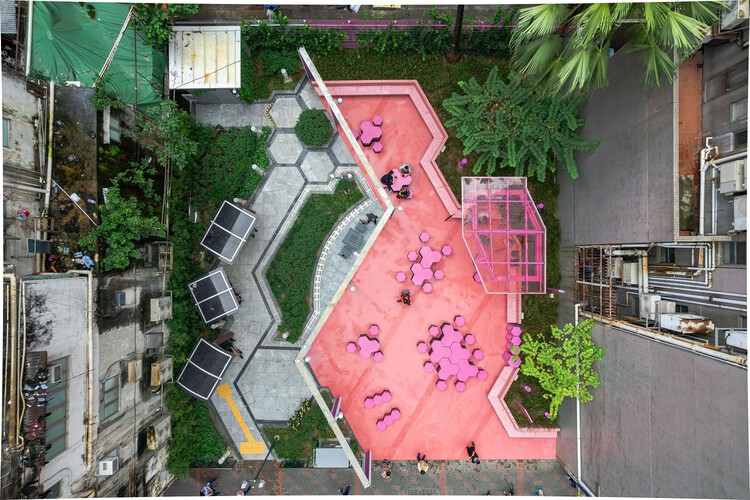
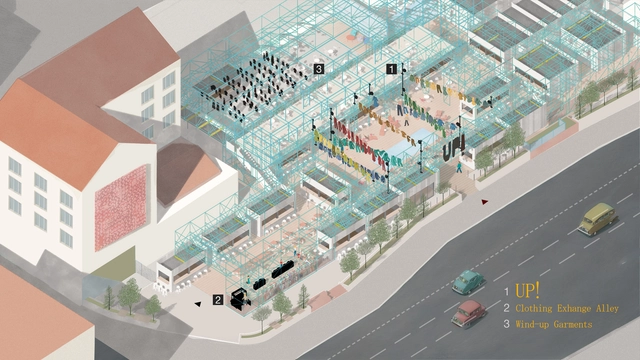
Ladder Street Cultural Space. Image Courtesy of Francesco Rossini

As we near its 100th anniversary, expanded polystyrene (EPS) has become widely used in various industries and applications, especially in construction. Since 1970, EPS has been used in building construction due to its thermal insulation properties, lightweight closed-cell structure, durable strength, and long-term integrity. However, while these qualities make it highly useful and easy to recycle, they have also sparked debate due to recurring discussions about its degradation processes and environmental impact from various perspectives.
While the debate rages on, many improvements and alternative approaches have emerged around this material, highlighting that achieving sustainable construction involves using the right material for the right job from the outset. Thus, over time, innovations have brought new options for the recycling and use of EPS beyond traditional building applications such as infill blocks or partition panels. This demonstrates that rather than stigmatizing it as a problematic or “simple” material, it is essential to consider its qualities through design, technology, and developing methods for responsible and sustainable management.
https://www.archdaily.com/1018325/how-are-innovations-changing-expanded-polystyrene-epsEnrique Tovar
Piazza Gae Aulenti - Milano. Image Courtesy of Salone del Mobile.Milano
As Milan Design Week begins, the Italian city is transformed into the grounds of one of the most expansive celebrations of global design, with its streets and venues brimming with cultural events, exhibitions, large-scale installations, talks and conferences. At Rho Fiera, the 62nd edition of the Salone del Mobile.Milano brings together designers, architects, producers and leading figures of the design world, featuring over 1950 exhibitors which will remain open for the next 6 days. Additionally, across the city Fuorisalone opens up locations across the city with an engaging and varied cultural program.
According to Raffi Lehrer, the founder of Public Art Company and Curatorial Advisor for Coachella's art program, the aim of these installations is not to simply adorn the festival but “to create environments that provoke thought, evoke emotion, and encourage a shared experience among all attendees.” By collaborating with artists from different fields, the music festival gains a new perspective, opening up its grounds for experimentation and play.
Last week in Cairo, CulturVator – Art D’Egypte launched its third edition of the annual international exhibition “Forever is Now.” Set by the backdrop of the Great Pyramids of Giza, the display features the work of 14 international artists. In essence, the exhibition “underscores the significance of cultural exchange among artists at the core of history and ancient Egyptian civilization.”
The third installment "Forever Is Now," running from October 26th to November 18th, presents a diverse ensemble of artists hailing from various corners of the globe. Among them are Egyptian artist Mohamed Banawy and Saudi Arabian talent Rashed Al Shashai, as well as American visual artist Carol A. Feuerman and Belgian creative Arne Quinze. Collectively, these artists have come together to creatively interact with one of the world's most iconic historical sites, crafting immersive visual narratives that seamlessly fuse contemporary elements with the past, weaving tales of the land and its inhabitants.
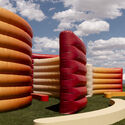
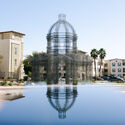
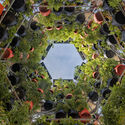
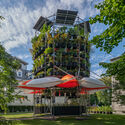
From October 12 to 18, NYCxDESIGN presents the Design Pavilion, a prominent public architectural exhibition in New York. Occurring during Archtober, a month-long celebration of architecture, this year's Design Pavilion highlights three imaginative installations spanning materiality, sustainability, social justice, and more.
Two tangible installations have been designed to transform Gansevoort Plaza in the Meatpacking District into urban retreats, while the third exhibit offers a digital art projection at the World Trade Center Podium, addressing the nation's history of enslavement and the quest for healing. Along with the pavilions, the Design Talks program highlights and opens discussions on relevant issues of the profession, centering around themes of sustainability, repurposing, and waste reduction.
After a three-year break, Hello Wood’s builder festival returns to welcome students, architects, and young professionals from all across the world to join the 10-day builder camp to test their wooden construction abilities, learn to collaborate, and participate actively in on-site design and construction. For the first time in Hello Wood’s 13-year history, this year’s workshop takes place at a new location, in the crater of an abandoned basalt quarry on Haláp Mountain in Hungary. The workshop also aligns with and supports Veszprém’s title of 2023 European Capital of Culture, which also includes over a hundred other villages and towns across the Bakony-Balaton region. The event took place between July 6 and 15, ending in a two-day music festival open to all.