1. ArchDaily
  2. Venice Biennale

Venice Biennale: The Latest Architecture and News

Rest as an Experience in a Space Rich with Symbolism: Insights from the Argentinian Pavilion at the 2025 Venice Biennale

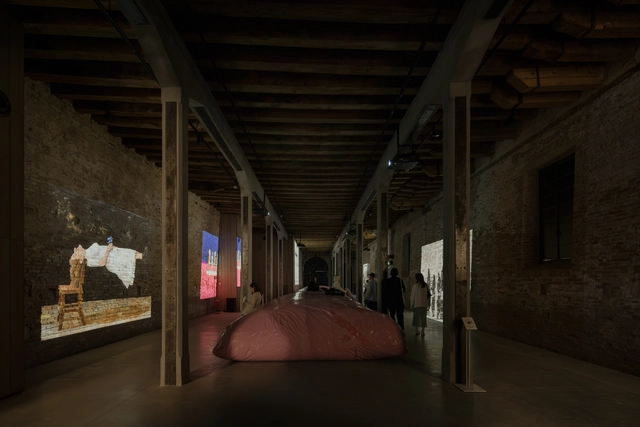
The proposal by Argentinian architects Marco Zampieron and Juan Manuel Pachué for the Argentinian Pavilion at the 19th Venice Architecture Biennale 2025 is clear from the outset: upon entering Siestario, visitors are immersed in a space of dim lighting and evocative sound, and immediately encounter—at the center of the room, stretched across its width, and acting as the undeniable protagonist—a large, inflated pink bag that instinctively invites repose. This is a silobag, an object commonly used in the Argentinian countryside to store grain and a potent symbol of the country’s export-driven economy. In this setting, the silobag becomes more than a spatial intervention; it also introduces a temporal dimension: an invitation to pause and reflect amid the relentless rhythm of the Biennale.

Rest as an Experience in a Space Rich with Symbolism: Insights from the Argentinian Pavilion at the 2025 Venice Biennale - Imagen 1 de 4Rest as an Experience in a Space Rich with Symbolism: Insights from the Argentinian Pavilion at the 2025 Venice Biennale - Imagen 2 de 4Rest as an Experience in a Space Rich with Symbolism: Insights from the Argentinian Pavilion at the 2025 Venice Biennale - Imagen 3 de 4Rest as an Experience in a Space Rich with Symbolism: Insights from the Argentinian Pavilion at the 2025 Venice Biennale - Imagen 4 de 4Rest as an Experience in a Space Rich with Symbolism: Insights from the Argentinian Pavilion at the 2025 Venice Biennale - More Images+ 20

"It's the Moment to Open Up the Practice": In Conversation with Andrea Faraguna, Curator of the Bahrain Pavilion

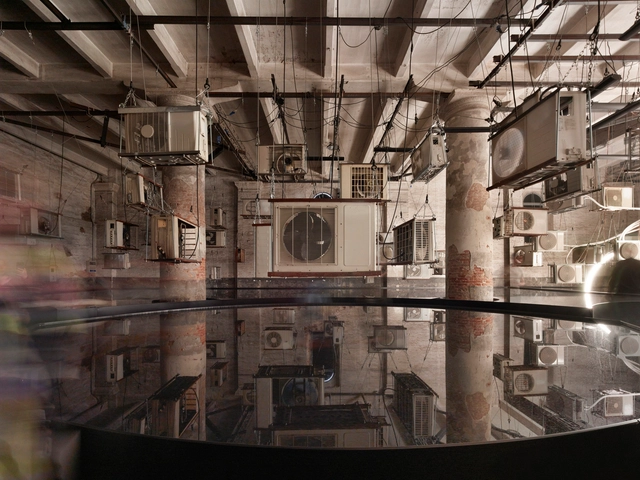
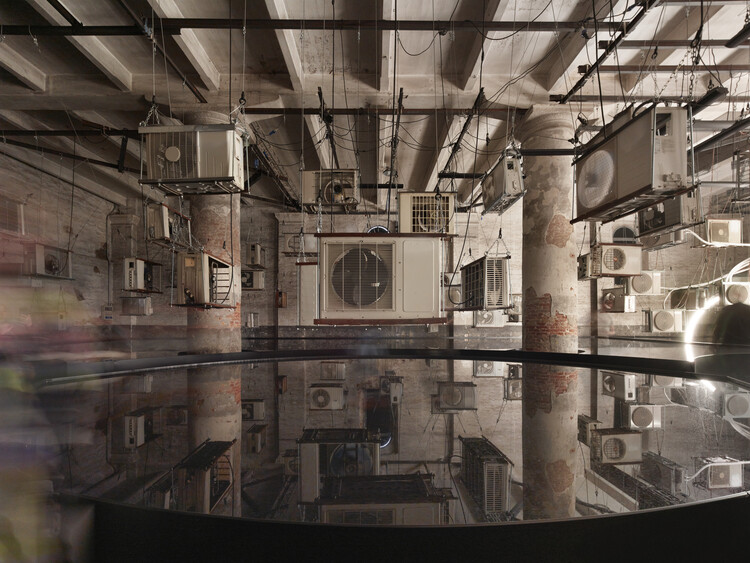
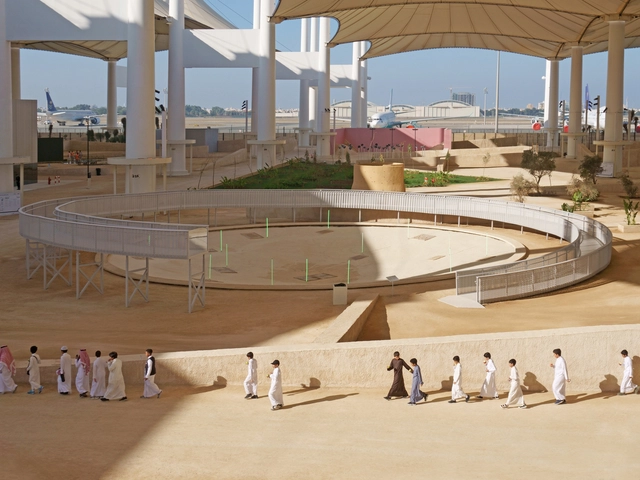
Architect Andrea Faraguna is the curator of the Kingdom of Bahrain's national pavilion at the 19th Venice Architecture Biennale. The exhibition, titled Heatwave, is a site-specific installation that explores passive cooling strategies for public spaces, inspired by Bahrain's traditional architecture and reimagined through contemporary approaches. Its technical response to the global challenge of rising urban temperatures was recognized by the Biennale's international jury, which awarded it this year's Golden Lion for Best National Participation. While on site in Venice, ArchDaily's editors had a chance to discuss with curator Andrea Faraguna about the context that gave rise to the pavilion, the mechanisms put in place, and his perspective on events such as the Venice Architecture Biennale.

"It's the Moment to Open Up the Practice": In Conversation with Andrea Faraguna, Curator of the Bahrain Pavilion - Image 1 of 4"It's the Moment to Open Up the Practice": In Conversation with Andrea Faraguna, Curator of the Bahrain Pavilion - Image 2 of 4"It's the Moment to Open Up the Practice": In Conversation with Andrea Faraguna, Curator of the Bahrain Pavilion - Image 3 of 4"It's the Moment to Open Up the Practice": In Conversation with Andrea Faraguna, Curator of the Bahrain Pavilion - Image 4 of 4It's the Moment to Open Up the Practice: In Conversation with Andrea Faraguna, Curator of the Bahrain Pavilion - More Images+ 4

Bahrain Wins the Golden Lion for Best National Participation at the 2025 Venice Architecture Biennale

The Kingdom of Bahrain's Heatwave exhibition, curated by architect Andrea Faraguna has been announced as the winner of the Golden Lion for the Best National Participation at the 2025 Venice Architecture Biennale. The winner has been selected by an international jury comprising of Swiss curator, critic, and art historian Hans Ulrich Obrist as jury chair, South African architect, lecturer, and curator Mpho Matsipa, and Italian curator Paola Antonelli. The awards ceremony is broadcast live from the headquarters of the Biennale at Ca'Giustinian. The pavilion stands out for addressing the pressing issue of extreme heat through a site-specific installation that showcases passive cooling strategies rooted in Bahrain's climatic realities and cultural context.

Bahrain Wins the Golden Lion for Best National Participation at the 2025 Venice Architecture Biennale - Image 1 of 4Bahrain Wins the Golden Lion for Best National Participation at the 2025 Venice Architecture Biennale - Image 2 of 4Bahrain Wins the Golden Lion for Best National Participation at the 2025 Venice Architecture Biennale - Image 3 of 4Bahrain Wins the Golden Lion for Best National Participation at the 2025 Venice Architecture Biennale - Image 4 of 4Bahrain Wins the Golden Lion for Best National Participation at the 2025 Venice Architecture Biennale - More Images+ 7

11 Collateral Events to Explore While Visiting the 2025 Venice Architecture Biennale

As one of the most important and visited contemporary architecture exhibitions worldwide, the Venice Architecture Biennale extends beyond the grounds of the Giardini and the Arsenale, aiming to engage the entire city in discussions on relevant issues, challenges, and opportunities within the architectural profession. This year's Biennale, curated by Carlo Ratti, explores the theme "Intelligens. Natural. Artificial. Collective," inviting visitors to consider how architecture, technology, and nature intersect to shape the future.

As part of this year's event, 11 collateral exhibitions organized by various national and international institutions offer a range of perspectives on topics such as sustainability, cultural landscapes, and adaptive architecture. These exhibitions, spread throughout Venice, contribute to the broader conversation on the evolving role of architecture in addressing global challenges and promoting a more sustainable and interconnected future.

11 Collateral Events to Explore While Visiting the 2025 Venice Architecture Biennale - Image 1 of 411 Collateral Events to Explore While Visiting the 2025 Venice Architecture Biennale - Image 2 of 411 Collateral Events to Explore While Visiting the 2025 Venice Architecture Biennale - Image 3 of 411 Collateral Events to Explore While Visiting the 2025 Venice Architecture Biennale - Image 4 of 411 Collateral Events to Explore While Visiting the 2025 Venice Architecture Biennale - More Images+ 7

Venice Architecture City Guide: 15 Historical and Contemporary Attractions to Discover in Italy’s City of Canals

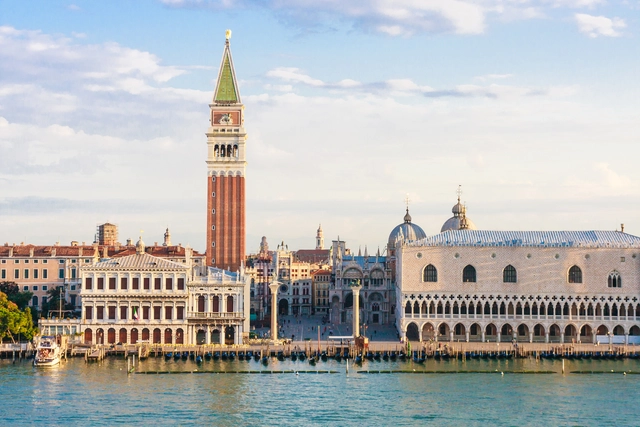
Built on a cluster of 118 small islands in the shallow Venetian Lagoon, the city of Venice, Italy, has captivated the imagination of architects and tourists alike. The area has been inhabited since ancient times, becoming a major financial and maritime power during the Middle Ages and Renaissance, as proven through the rich architecture that characterizes the city to this day. With influences from the Byzantine, Gothic, and Renaissance styles, the city represents a palimpsest of architectural narratives, overlapping and influencing each other. In recent years, Venice has become a major attraction for architects drawn to the La Biennale di Venezia, the most important Architectural Exhibition featuring national pavilions, exhibitions, and events to explore new concepts and architectural innovations.

Beyond the Biennale, Venice itself is an open-air museum for architecture lovers. While the city is best known for its historical buildings, Modernist and contemporary interventions add a new layer of interest, with many contemporary architects working with the historical fabric, like OMA's intervention and rehabilitation of Fondaco dei Tedeschi, or David Chipperfield's renovation of Procuratie Vecchie, one of the buildings that define Piazza San Marco. In addition to what the city has to offer, the site of the Venice Biennale is also marked by interventions by famous architects such as Carlo Scarpa, Sverre Fehn, and Alvar Aalto, made permanent due to their outstanding qualities.

Venice Architecture City Guide: 15 Historical and Contemporary Attractions to Discover in Italy’s City of Canals - Image 1 of 4Venice Architecture City Guide: 15 Historical and Contemporary Attractions to Discover in Italy’s City of Canals - Image 2 of 4Venice Architecture City Guide: 15 Historical and Contemporary Attractions to Discover in Italy’s City of Canals - Image 3 of 4Venice Architecture City Guide: 15 Historical and Contemporary Attractions to Discover in Italy’s City of Canals - Image 4 of 4Venice Architecture City Guide: 15 Historical and Contemporary Attractions to Discover in Italy’s City of Canals - More Images+ 11

AD Classics: Nordic Pavilion, Venice / Sverre Fehn

Venice, Italy
  • Architects: Sverre Fehn
  • Year Completion year of this architecture project Year:  1962

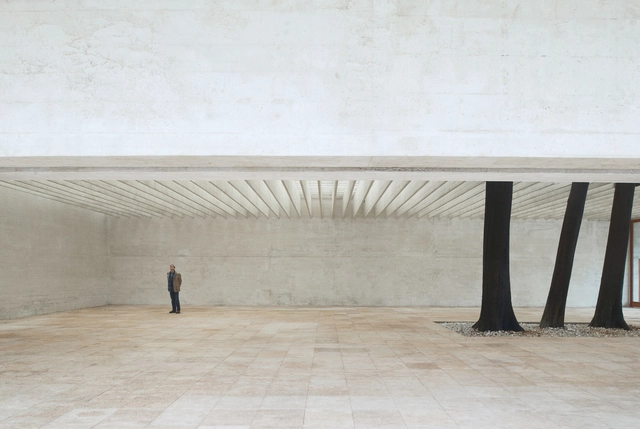
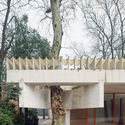
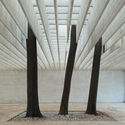
As a result of the ideas competition organized by the governments of Sweden, Finland, and Norway in 1958, Sverre Fehn's Nordic Pavilion won first prize, becoming one of the most significant works of his career and one of the most outstanding Scandinavian architectural achievements during the mid-20th century. Designed to create a space at the Venice Biennale for the biennial exhibitions of these countries, Fehn's proposal addressed several key architectural challenges—ranging from its integration with the site and incorporation of pre-existing elements to the handling of physical boundaries and uniform natural lighting. His design explored the interaction between architecture and trees, the flexibility in the exhibition space, the filtering of light, the connection between interior and exterior, the concept of movement through space, and the display of artworks.

AD Classics: Nordic Pavilion, Venice / Sverre Fehn - PavilionAD Classics: Nordic Pavilion, Venice / Sverre Fehn - PavilionAD Classics: Nordic Pavilion, Venice / Sverre Fehn - PavilionAD Classics: Nordic Pavilion, Venice / Sverre Fehn - PavilionAD Classics: Nordic Pavilion, Venice / Sverre Fehn - More Images+ 25

2025 Venice Architecture Biennale: Over 750 Participants Researching How Architecture Adapts to the Future

During a live presentation for the 19th International Architecture Exhibition, curator Carlo Ratti offered a glimpse into the programming of this year's edition. The 2025 Venice Architecture Biennale will include 66 National Pavilions, with 4 countries represented for the first time: the Republic of Azerbaijan, Sultanate of Oman, Qatar, and Togo. The exhibition, divided between the Giardini (26), at the Arsenale (22) and in the city center of Venice (15), explores the theme of "Intelligens. Natural. Artificial. Collective", gathering over 750 participants, including individuals and organizations forming interdisciplinary and multigenerational teams. According to the numbers released, this year's edition is shaping up to become the largest Architecture Biennale held in Venice.

2025 Venice Architecture Biennale: Over 750 Participants Researching How Architecture Adapts to the Future - Image 1 of 42025 Venice Architecture Biennale: Over 750 Participants Researching How Architecture Adapts to the Future - Image 3 of 42025 Venice Architecture Biennale: Over 750 Participants Researching How Architecture Adapts to the Future - Image 5 of 42025 Venice Architecture Biennale: Over 750 Participants Researching How Architecture Adapts to the Future - Image 6 of 42025 Venice Architecture Biennale: Over 750 Participants Researching How Architecture Adapts to the Future - More Images+ 10

Architecture and Coloniality: Brazilian Modernism in Critical Perspective

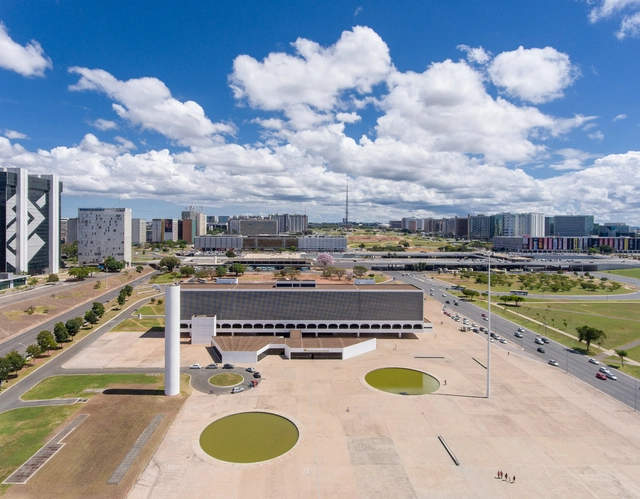
Brazilian modern architecture is often celebrated as a landmark of innovation and national identity, projecting the country onto the international stage with iconic works and a distinctive aesthetic. However, recent research and publications have highlighted its deep entanglement with colonial narratives, both in its influences and its social impact. Although modernism emerged as an attempt to break away from European academic traditions, it remained dependent on foreign references and incorporated strategies of domination that echoed colonial logic.

Architecture and Coloniality: Brazilian Modernism in Critical Perspective  - Image 1 of 4Architecture and Coloniality: Brazilian Modernism in Critical Perspective  - Image 2 of 4Architecture and Coloniality: Brazilian Modernism in Critical Perspective  - Image 3 of 4Architecture and Coloniality: Brazilian Modernism in Critical Perspective  - Image 4 of 4Architecture and Coloniality: Brazilian Modernism in Critical Perspective  - More Images+ 7

Alejandro Aravena’s Elemental and Holcim Collaborate on Carbon-Neutral Housing at the 2025 Venice Biennale

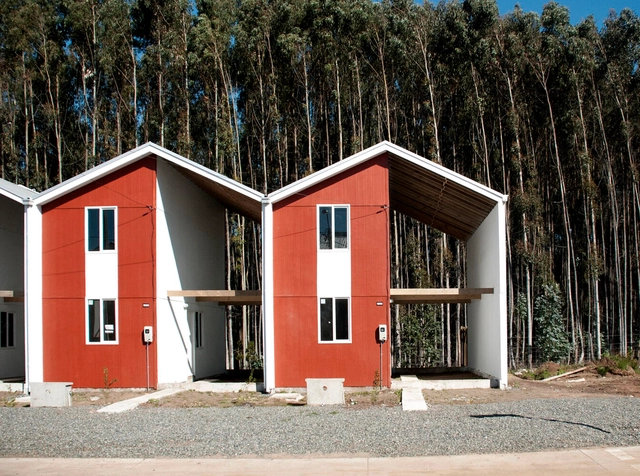
From May 10 to November 23, 2025, a carbon-neutral housing project designed by Elemental, the firm led by Pritzker Prize winner Alejandro Aravena, will be showcased at the Venice Architecture Biennale. The project aims to combine the Chilean office's expertise in social housing with the construction products of Holcim (the company behind the Holcim Foundation) to create a prototype for resilient and affordable housing.

The design incorporates a specific type of low-carbon concrete, which aims to emit 30% less CO₂ than standard concrete. The prototype will be featured in the Time Space Existence exhibition, organized by the European Cultural Centre.The goal of the project is to test the sustainability of a housing prototype in response to the ongoing climate and humanitarian crises.

Alejandro Aravena’s Elemental and Holcim Collaborate on Carbon-Neutral Housing at the 2025 Venice Biennale - Image 1 of 4Alejandro Aravena’s Elemental and Holcim Collaborate on Carbon-Neutral Housing at the 2025 Venice Biennale - Image 2 of 4Alejandro Aravena’s Elemental and Holcim Collaborate on Carbon-Neutral Housing at the 2025 Venice Biennale - Image 3 of 4Alejandro Aravena’s Elemental and Holcim Collaborate on Carbon-Neutral Housing at the 2025 Venice Biennale - Image 4 of 4Alejandro Aravena’s Elemental and Holcim Collaborate on Carbon-Neutral Housing at the 2025 Venice Biennale - More Images

What Is an Architectural Curator?

In his book "Curation: The Power of Selection in a World of Excess," Michael Bhaskar defines curation as "using acts of selection and arrangement (but also refining, reducing, displaying, simplifying, presenting, and explaining) to add value." Originating from the Latin word curare, meaning to take care of, the curator's role in dissecting our understanding of the world around us cannot be overlooked. Over time, as the definition morphs into different bodies, the practice of curation continues to evolve, filling the roles of caretakers of our built environment and thinkers of different forms for the overall bettering of society.

What Is an Architectural Curator? - Image 3 of 4What Is an Architectural Curator? - Image 1 of 4What Is an Architectural Curator? - Image 2 of 4What Is an Architectural Curator? - Image 4 of 4What Is an Architectural Curator? - More Images+ 6

Lesley Lokko and Marina Tabassum Recognized in TIME's 2024 List of Most Influential People

Architects Lesley Lokko and Marina Tabassum have been selected in TIME Magazine’s ‘100 Most Influential People of 2024.’ Known as the TIME 100, the list is an annual compilation of individuals who have made significant impacts on the world in various fields such as politics, technology, entertainment, and more. Each person on the list is profiled by a guest writer, often someone who is also prominent in their field. Selected by Sarah M. Whiting, Dean of the Harvard Graduate School of Design, Marina Tabassum features in the Innovators chapter, while Lesley Lokko, selected by filmmaker Ava DuVernay, is recognized as a Pioneer.

Lesley Lokko and Marina Tabassum Recognized in TIME's 2024 List of Most Influential People - Imagem 1 de 4Lesley Lokko and Marina Tabassum Recognized in TIME's 2024 List of Most Influential People - Imagem 2 de 4Lesley Lokko and Marina Tabassum Recognized in TIME's 2024 List of Most Influential People - Imagem 3 de 4Lesley Lokko and Marina Tabassum Recognized in TIME's 2024 List of Most Influential People - Imagem 4 de 4Lesley Lokko and Marina Tabassum Recognized in TIME's 2024 List of Most Influential People - More Images

Film Premiere: "A Voice for the 450 Plus" by Black Females in Architecture

Subscriber Access | 

Black Females in Architecture (BFA) is a social enterprise supporting a membership of more than 450 Black women in built environment professions worldwide. Founded by architects Neba Sere, Selasi Setufe, and Akua Danso, the group advocates for diversity, race and gender equity across all sectors of the built environment, including architecture, urbanism, landscape, engineering, design, and construction.

We are happy to premiere their short film "A Voice for the 450 Plus" to a global audience for the first time since it was shown at the 2023 Venice Architecture Biennale. The film is a celebration of the ongoing contributions of Black women in the built environment fields, showing the world how they contribute to shaping the future of our cities.

Film Premiere: "A Voice for the 450 Plus" by Black Females in Architecture - Image 1 of 4Film Premiere: "A Voice for the 450 Plus" by Black Females in Architecture - Image 2 of 4Film Premiere: "A Voice for the 450 Plus" by Black Females in Architecture - Image 3 of 4Film Premiere: "A Voice for the 450 Plus" by Black Females in Architecture - Image 4 of 4Film Premiere: A Voice for the 450 Plus by Black Females in Architecture - More Images

The Multiple Facets of the Architect: Exploring the Works of Álvaro Siza Vieira

Subscriber Access | 

When it comes to contemporary Portuguese architecture, the initial association often leans towards tradition. The historical significance of the program, the importance of typologies for the locals, and the construction methods all play a role. These associations are not unfounded, but they are not limiting either. In this context, Portugal boasts a prominent figure who exemplifies this balance: Álvaro Siza Vieira.

Siza is the foremost representative of Portuguese architecture. There are many reasons for this distinction. It is not only because he was the first Portuguese architect to receive a Pritzker Prize in 1992 or for the Golden Lion at the Venice Biennale in 2012. It is not solely due to his extensive and prolific career. Above all, his unique and simultaneously universal approach to architecture sets him apart. His involvement on national and international fronts highlights a characteristic likely intrinsic to his nature: the ability to embody many facets within a singular entity, just like his compatriot Fernando Pessoa.

The Multiple Facets of the Architect: Exploring the Works of Álvaro Siza Vieira - Image 1 of 4The Multiple Facets of the Architect: Exploring the Works of Álvaro Siza Vieira - Image 2 of 4The Multiple Facets of the Architect: Exploring the Works of Álvaro Siza Vieira - Image 3 of 4The Multiple Facets of the Architect: Exploring the Works of Álvaro Siza Vieira - Image 4 of 4The Multiple Facets of the Architect: Exploring the Works of Álvaro Siza Vieira - More Images+ 9

A Look Back at the 18th Venice Architecture Biennale, the First to be Focused on the Culture of Africa

The 18th International Architecture Exhibition of La Biennale di Venezia closed on November 26th. A total of 285,000 people visited the exhibition, making it the second most highly attended Architecture Biennale in its history. Named "The Laboratory of the Future," this edition led by curator Lesley Lokko, has been the first to focus on Africa and its diaspora, exploring the “fluid and enmeshed culture of people of African descent that now straddles the globe,” in the words of the curator, with themes of decolonization and decarbonization.

This edition has attracted a wide array of visitors, 38% of whom are represented by students and young people. Visitors organized in groups represented 23% of the overall public, with a large majority of groups coming from schools and universities. The numbers denote an event centered on the transmission of knowledge and circulation of ideas.
A Look Back at the 18th Venice Architecture Biennale, the First to be Focused on the Culture of Africa - Image 1 of 4A Look Back at the 18th Venice Architecture Biennale, the First to be Focused on the Culture of Africa - Image 2 of 4A Look Back at the 18th Venice Architecture Biennale, the First to be Focused on the Culture of Africa - Image 3 of 4A Look Back at the 18th Venice Architecture Biennale, the First to be Focused on the Culture of Africa - Image 4 of 4A Look Back at the 18th Venice Architecture Biennale, the First to be Focused on the Culture of Africa - More Images+ 3

On-Site in Venice: 12 Interviews with Curators Discussing the Impact of the 2023 Venice Architecture Biennale

Subscriber Access | 

While exploring the 18th International Architecture Exhibition, the ArchDaily team had a chance to engage in conversation with several curators of the national pavilions, along with Lesley Lokko, the curator of the entire exhibition. The discussions delved into the unique character of this year’s edition focused on an understanding of Africa as a “Laboratory of the Future.” Through this lens, the biennale became “a healing experience,” in the words of Lesley Lokko, reinterpreting and deconstructing the meaning behind ideas such as decolonization, decarbonization, resource management, or finding the hidden potential in vernacular forms of practice.

Following Lokko’s curatorial direction, the exhibitions presented at the national pavilions explored the specific conditions of their territories, striving to uncover and highlight the unique challenges and opportunities faced by their local cultural landscapes. During the interviews, the curators opened up in regard to their personal inspirations and the drive behind the choice of program, the messages embedded in the displays, and their hopes for the future of the profession.

On-Site in Venice: 12 Interviews with Curators Discussing the Impact of the 2023 Venice Architecture Biennale - Image 1 of 4On-Site in Venice: 12 Interviews with Curators Discussing the Impact of the 2023 Venice Architecture Biennale - Image 2 of 4On-Site in Venice: 12 Interviews with Curators Discussing the Impact of the 2023 Venice Architecture Biennale - Image 3 of 4On-Site in Venice: 12 Interviews with Curators Discussing the Impact of the 2023 Venice Architecture Biennale - Image 4 of 4On-Site in Venice: 12 Interviews with Curators Discussing the Impact of the 2023 Venice Architecture Biennale - More Images+ 10

“Everyone Belongs to Everyone Else:” In Conversation with the Curators of the Italian Pavilion at the 2023 Venice Biennale

Subscriber Access | 

During this year’s edition of the Venice Architecture Biennale, ArchDaily had the chance to discuss with Giacomo Ardesio and Claudia Mainardi of Fosbury Architecture, the curators of the Italian Pavilion together with Alessandro Bonizzoni, Nicola Campri and Veronica Caprino. The curatorial project, titled “Spaziale: Everyone Belongs to Everyone Else,” aims to provide a distinctive and original portrait of Italian architecture within the international context. The curators discussed the origins of their office, their sources of inspiration and the thinking behind the design decisions that led to the creation of the curatorial project for the Italian Pavilion.

“Everyone Belongs to Everyone Else:” In Conversation with the Curators of the Italian Pavilion at the 2023 Venice Biennale - Image 1 of 4“Everyone Belongs to Everyone Else:” In Conversation with the Curators of the Italian Pavilion at the 2023 Venice Biennale - Image 2 of 4“Everyone Belongs to Everyone Else:” In Conversation with the Curators of the Italian Pavilion at the 2023 Venice Biennale - Image 3 of 4“Everyone Belongs to Everyone Else:” In Conversation with the Curators of the Italian Pavilion at the 2023 Venice Biennale - Image 4 of 4“Everyone Belongs to Everyone Else:” In Conversation with the Curators of the Italian Pavilion at the 2023 Venice Biennale - More Images+ 1

"A Wall is A Political Statement": Karin Sander on Co-Curating the Swiss Pavilion at the 2023 Venice Biennale

At the 18th International Architecture Exhibition – La Biennale di Venezia, Karin Sander, and Philip Ursprung curated the Swiss Pavilion “Neighbors”. In her interview with Louisiana Channel, Karin Sander talks about expanding the understanding of the pavilion, reimagining the connected role of architecture and art, and explaining her artistic process. “Neighbors” was focused on spatial proximity between the Swiss Pavilion and its Venezuelan neighbor. Sander highlights also the conversation between the two structures, that became possible after the removal of a separating wall.


"A Wall is A Political Statement": Karin Sander on Co-Curating the Swiss Pavilion at the 2023 Venice Biennale - Imagem 1 de 4"A Wall is A Political Statement": Karin Sander on Co-Curating the Swiss Pavilion at the 2023 Venice Biennale - Imagem 2 de 4"A Wall is A Political Statement": Karin Sander on Co-Curating the Swiss Pavilion at the 2023 Venice Biennale - Imagem 3 de 4"A Wall is A Political Statement": Karin Sander on Co-Curating the Swiss Pavilion at the 2023 Venice Biennale - Imagem 4 de 4A Wall is A Political Statement: Karin Sander on Co-Curating the Swiss Pavilion at the 2023 Venice Biennale - More Images+ 1

Stories from Beneath the Water: The Panama Pavilion at the Venice Architecture Biennale 2023

Panama presented its pavilion on "Stories Beneath the Water" at the 18th International Architecture Exhibition – La Biennale di Venezia. Curated by Aimée Lam Tunon, the exhibition explored themes of division and integration, with a focus on three different areas within the former Panama Canal Zone. It is an analysis that addresses issues of division and integration: Divisive architectural structures and systems; erased identities of submerged communities; and Barro Colorado Island, critically examining and questioning the overlaps between notions of protection and control.