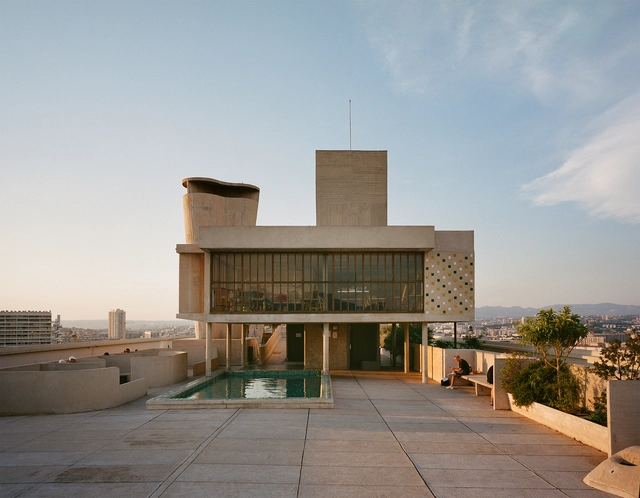
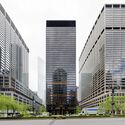
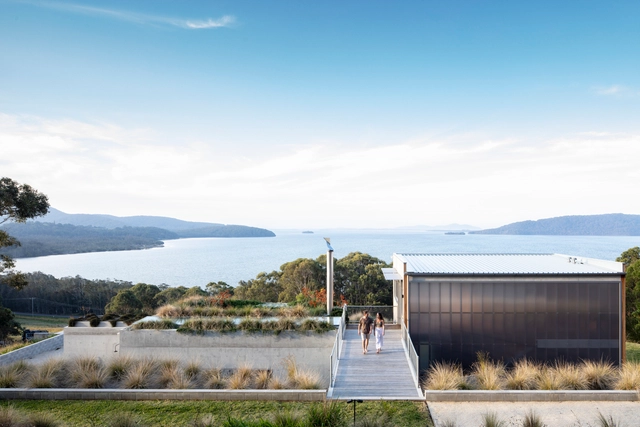
Modernism emerged in the early 20th century as a revolutionary movement that rejected historical styles, prioritizing functionality, innovation, and rationality. Grounded in the promise of industrial progress, architects like Walter Gropius, Le Corbusier, and Ludwig Mies van der Rohe championed using new materials and construction methods, striving for a universal architectural language. Their work introduced radical ideas: open floor plans, expansive glazing for natural light, and pilotis that elevated structures, symbolizing a new architectural era. However, alongside its groundbreaking ideas, modernism's relationship with sustainability has sparked ongoing debates.
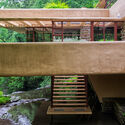
While modernist architects sought to address social and economic challenges through affordable housing and efficient design, their reliance on energy-intensive materials like concrete and steel created unintended environmental consequences. The large-scale industrialization celebrated by modernists often disregarded local climates and ecological systems, leading to inefficiencies. Yet, the principles of functionality and adaptability embedded in modernist architecture laid the groundwork for what we now recognize as sustainable practices. From Le Corbusier's rooftop gardens to Frank Lloyd Wright's integration of nature, the seeds of environmentally conscious design were undeniably present, albeit limited in their execution.
On the shores of serene lakes, where water reflects the harmony between architecture and nature, homes emerge as true retreats. Designed to offer comfort and a deep connection with the surroundings, these residences stand out worldwide for their diverse materials and scales, adapting to different landscapes and lifestyles. From remote woodencabins to sophisticated concrete and glass mansions in urban areas, each project takes advantage of natural resources and the unique characteristics of its setting.
The clock is ticking for architects, urban planners, and engineers to submit their groundbreaking projects to the Holcim Foundation Awards. With the entry deadline of February 11, 2025, at 14:00 hrs UTC, this is the final opportunity to gain global recognition and compete for a share of the USD 1 million prize pool. The awards ceremony will take place at the Venice Forum on November 20, 2025 and winners are invited to attend.
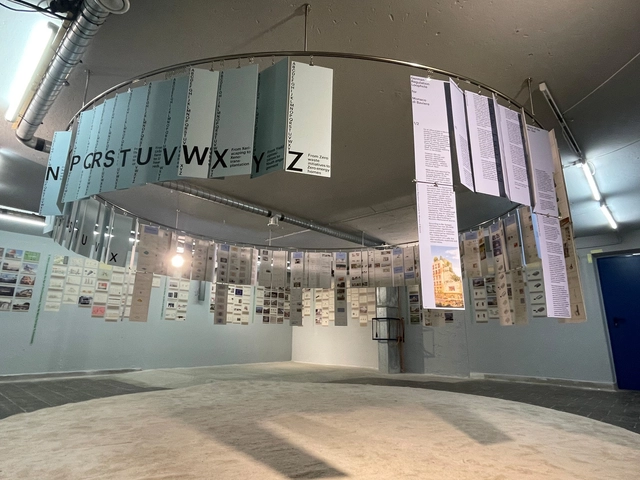
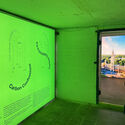
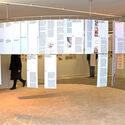
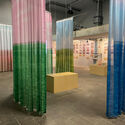
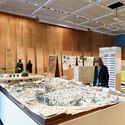
As the global climate crisis intensifies, the construction industry faces increasing pressure to reduce carbon emissions, prompting a fundamental reassessment of building practices. Dutch architecture firm MVRDV, known for its commitment to sustainability, presents an honest exploration of this challenge in "Carbon Confessions," an exhibition at Munich's Architekturgalerie. The exhibition provides insight into the firm's ongoing efforts, highlighting both its achievements and the obstacles encountered in the pursuit of carbon reduction.
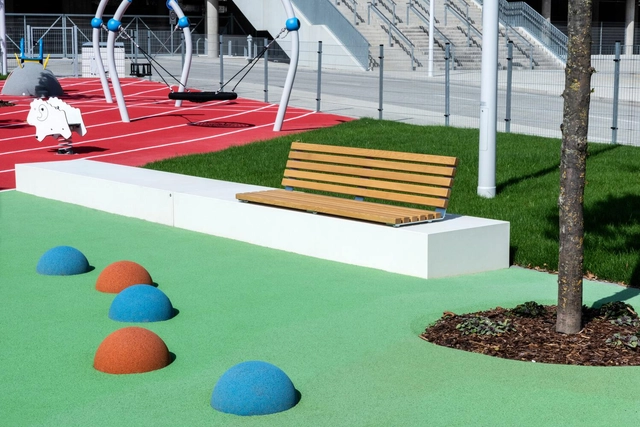
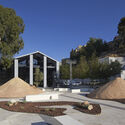
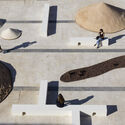
The National Athletics Centre in Budapest marks a significant milestone in urban regeneration and architectural innovation. Located on a former industrial site along the Danube, this transformative project revitalizes a neglected brownfield into a vibrant hub for sports, recreation, and community engagement. Designed by Marcel FERENCZ, architect at NAPUR Architect Ltd., with landscape design created by S-TÉR and several hundred pieces of furniture from VPI Concrete, the Centre is a cornerstone for connecting North Csepel to the city and fostering urban development.
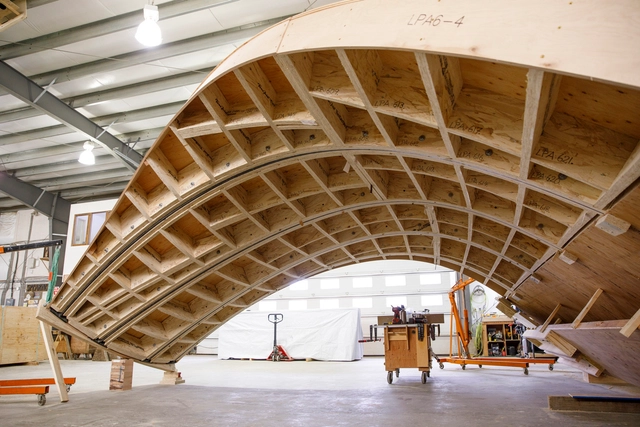
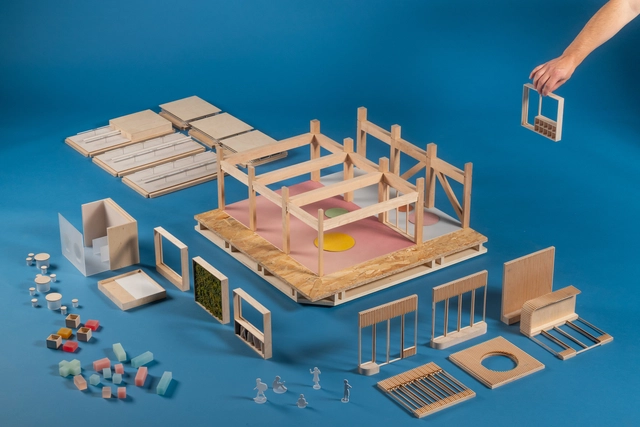
From new delivery methods for adaptive re-use and mass timber structures to digital fabrication, new research aims to provide guidance on emerging construction methods and technologies.. Image Courtesy of Perkins&Will
Innovation comes in many shapes and forms. 2025 is poised to witness continued advancements in the areas of artificial intelligence, sustainability, and biotechnology. These breakthroughs often arise from experimentation in industries like technology and healthcare, where companies have strong research and development teams and significant budgets. This enables them to produce new products and services that address society's evolving needs.
In a world confronting complex challenges, innovation in architecture plays a distinctive role. Unlike industries driven by rapid innovation cycles, architecture must balance creativity with practical solutions that are deeply rooted in human experience. What will it take for the architecture industry to fully harness its potential in shaping the future of our built environment?
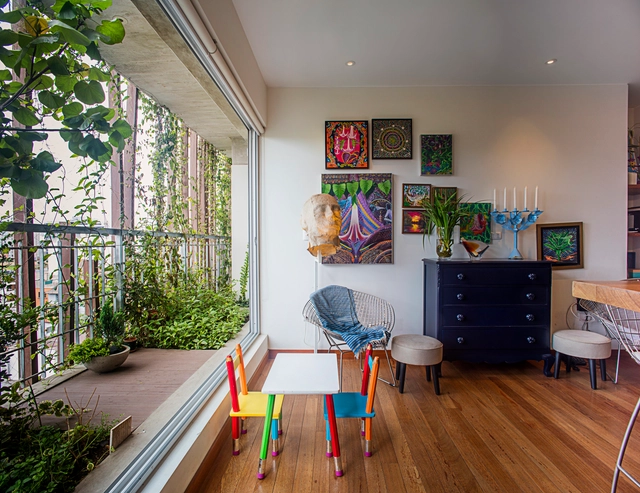
Urban living has become synonymous with limited space and creativity for compact apartments. As cities become more dominated by concrete and steel, there is an exciting, yet unsurprising, rise in interest in embracing the green thumb, even within the constraints of a dense urban environment. This interest is not purely to tend aesthetic tastes, as studies consistently show that exposure to nature reduces stress, improves focus, and enhances overall well-being. However, in dense urban environments, the challenge lies in finding innovative ways to make this vision a reality for apartments where every inch matters.
2025 promises to be a landmark in architecture, heralding a vibrant renaissance of creativity and exploration. As societies confront challenges such as climate change, rapid urbanization, and technological evolution, architecture is both a mirror to these dynamics and a compass pointing toward a sustainable and inclusive future. This year's architectural calendar offers abundant opportunities to celebrate the discipline's transformative power — from boundary-pushing festivals to thought-provoking exhibitions that explore pressing cultural and environmental narratives.
From well-established biennials to inaugural gatherings, including the World Architecture Festival 2025, Desert X Al Ula, and the COP Climate Conference, the 2025 calendar highlights themes such as sustainability, heritage, and community. These events underscore architecture's unique ability to shape a better future, addressing global challenges while honoring cultural diversity and design ingenuity.
For decades, the life cycle of buildings was a simple formula: planning, design, construction, demolition, and, of course, the great villain in this history: the landfill. Over time, architectural practice began embracing concepts like reuse, disassembly, and circular demolition, but often as secondary elements, part of the gradual shift toward a circular economy in construction. But what if these principles were no longer exceptions? What if we crafted or chose every building component to maintain value and purpose beyond its original use? The truth is, there is life after demolition. This transition—from demolition to practices focusing on reuse, repurposing, and sustainable dismantling—is edging closer to reality. By the time 2030 arrives, we could fundamentally reshape how we approach processes, buildings, and the market itself. As these changes unfold, we must assess how our strategies align with the evolving goals and challenges related to sustainability—and, of course, the new opportunities they bring.
https://www.archdaily.com/1025567/what-if-every-brick-had-a-future-rethinking-demolition-and-material-reuse-in-the-circular-economyEnrique Tovar
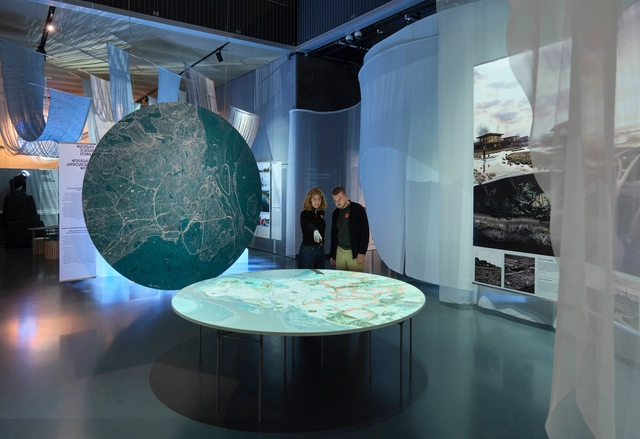
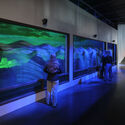
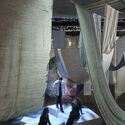
The Danish Architecture Center (DAC) will open its new exhibition, "Water is Coming" in October 2024, remaining open until March 12, 2025. The exhibition addresses the escalating global water crisis, prompted by melting polar ice, rising groundwater levels, and increasingly frequent and intense flooding. It acknowledges the reality of rising sea levels and extreme weather events, shifting the focus from mitigation to adaptation. The exhibition aims to foster a deeper understanding of our complex relationship with water, exploring its vital role as both a life-giving resource and a potential threat to human settlements.
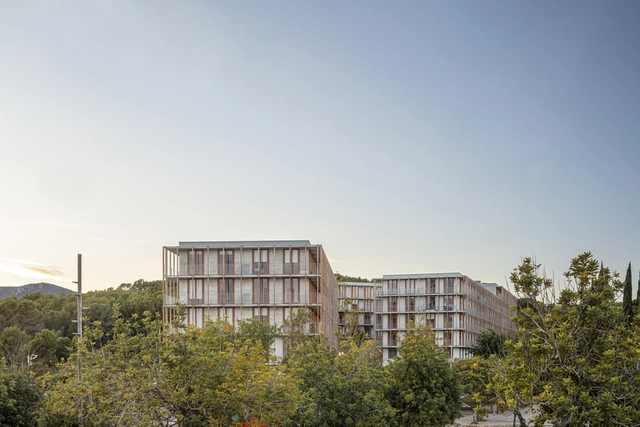
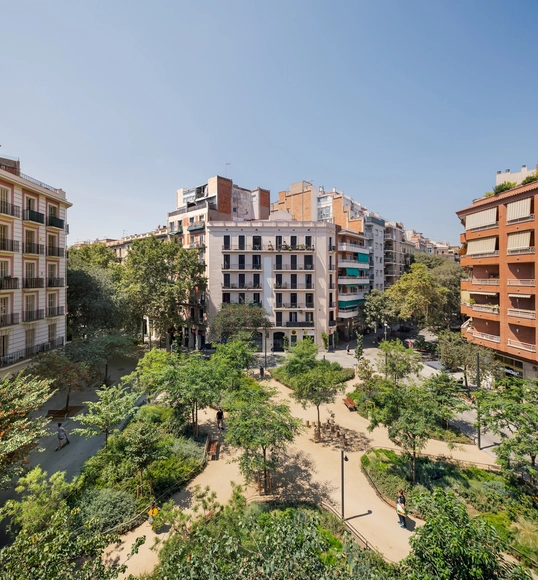
The housing crisis, the need for effective land management policies, and the growing demand for housing aid are global challenges, and Spain has taken significant steps to address these issues in recent years. While this effort is closely tied to rehabilitating obsolete buildings, it also tackles the challenges of densification and gentrification. These factors have prompted the exploration of new housing models and ways of living, leading to the development of affordable residential buildings designed to accommodate large numbers of inhabitants while maintaining high-quality living standards.
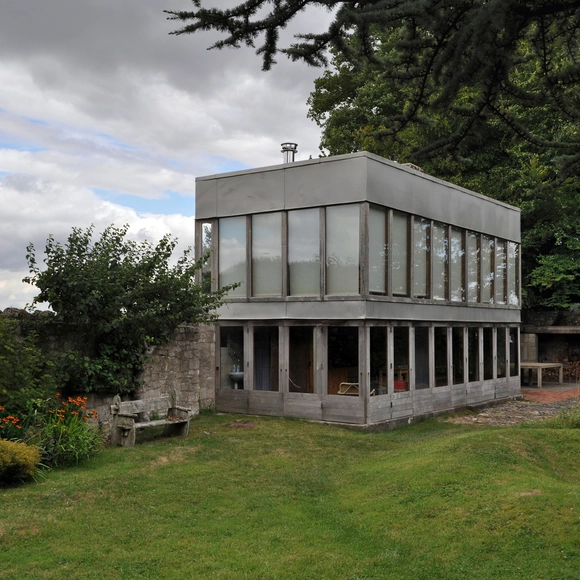
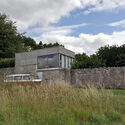
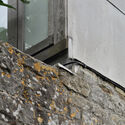
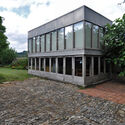
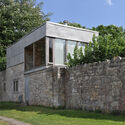
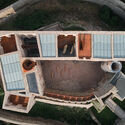
Upper Lawn's thoughtful interplay between the new and the existing is particularly compelling. Built on the remains of an 18th-century English farmhouse, the pavilion repurposes thick masonry walls from the original structure, incorporating elements such as the well, trees, and lawn into its design. Using prefabricated materials like timber, glass, and aluminum, the Smithsons constructed a light-filled space that harmonizes with its surroundings, embodying their principle of "as found architecture" — a concept rooted in honoring and adapting to preexisting conditions rather than imposing on them.
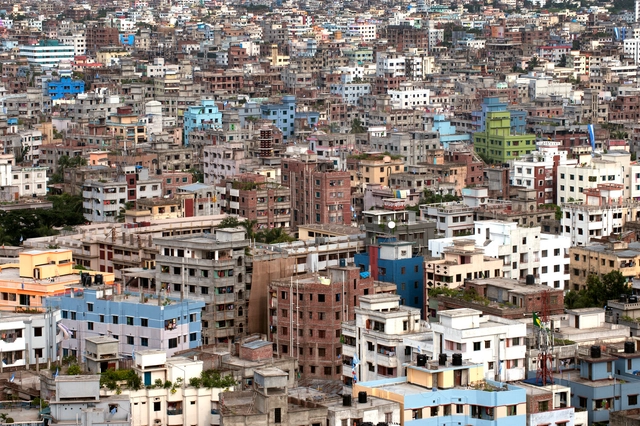
With millions of residents flocking to metropolitans each year, South Asia is witnessing staggering levels of urban development. Growth brings economic prosperity and ecological strain as concrete jungles replace natural habitats. The region, home to countries such as India, Pakistan, Bangladesh, Sri Lanka, Bhutan, the Maldives, and Nepal, is faced with addressing contextual challenges when it comes to balancing urbanization with environmental sustainability. These negotiations are fairly nuanced, with a need to understand the economic, social, and political scenarios systematically in each country.
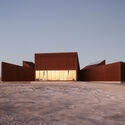
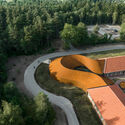
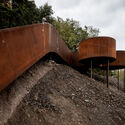
In architectural design, materials convey narratives, shaping how spaces are perceived and experienced. Weathering steel, often known by its genericized trademark name, Corten steel, stands out for its ability to evolve, transforming into a medium that tells its own story. It represents a group of steel alloys that form a stable external layer of rust that replaces the need for paint to protect the steel while allowing it to develop in time. Its weathered patina serves as more than a functional shield; it becomes an aesthetic language, a testament to the interplay between architecture and nature. This ever-changing surface bridges the ephemeral and the enduring, offering architects a material that grows richer with age.
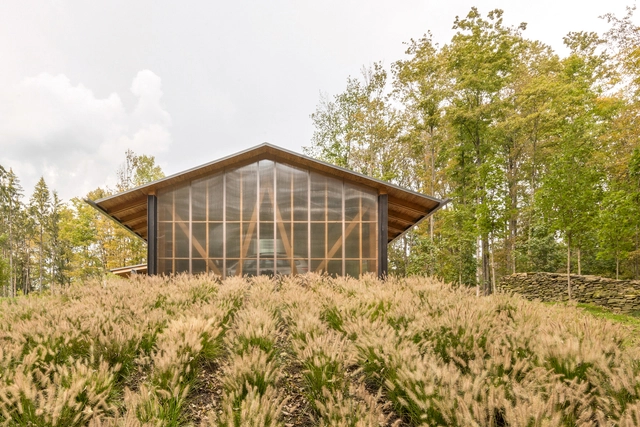
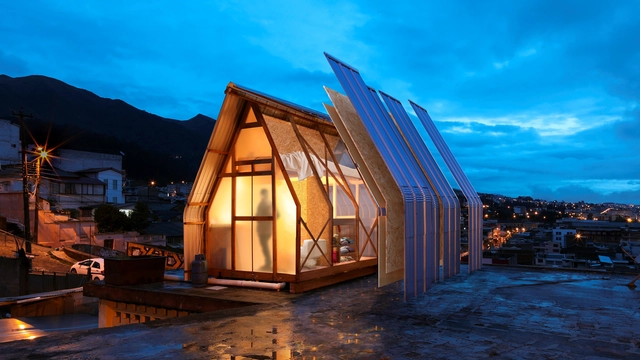
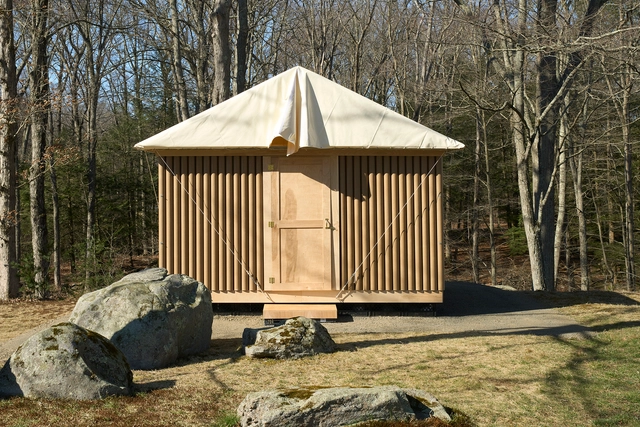
The concept of low-tech architecture recognizes the impact of carbon-intensive technologies and building practices and proposes an alternative: a rediscovery of practical, rational, locally adapted solutions that count on smart design strategies instead of energy-intensive devices to ensure a safe, comfortable living environment. Far from being a regressive approach, the term remains open to innovations but seeks to rebalance the industry's reliance on mechanization. It thus favors an architecture of fewer components, minimized dependence on high-tech solutions, and a preference for low-embodied carbon materials.
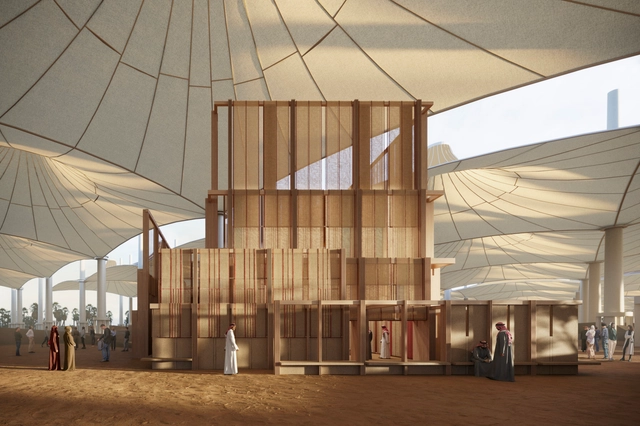
The Arabian Peninsula represents one of the world's leading exporters and users of fossil fuels, an economic reality that influences the area's visions for the future and, implicitly, architecture and urban planning's role in these scenarios. A number of emerging offices are however countering these narratives, turning to contextual research to reframe the area's production of architecture. Among these, cultural practice Civil Architecture has become recognized for its provocative works that explore alternative narratives for the identity of the Middle East. While in Bahrain, ArchDaily's Christele Harrouk had the chance to sit down with Ali Karimi, who, together with Hamed Bukhamseen, co-founded Civil Architecture. In the video interview, they discuss the practice of architecture in the Gulf region and the narrative and research-focused approach of the office.