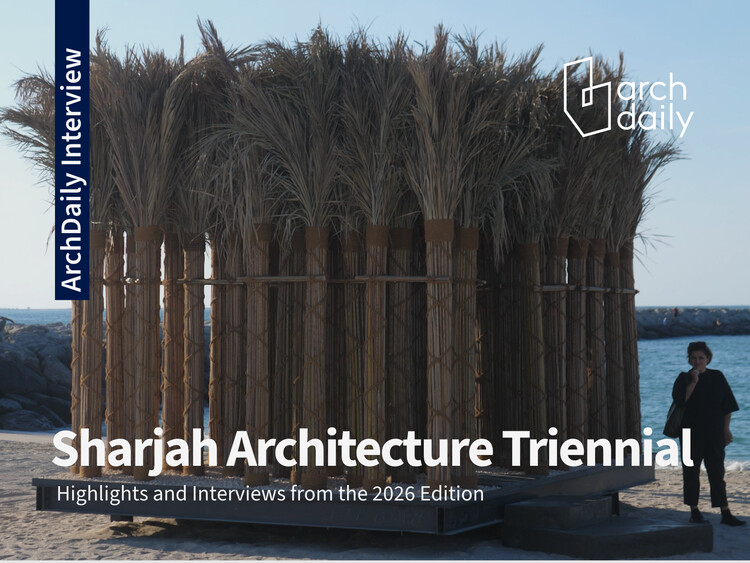
The third edition of the Sharjah Architecture Triennial (SAT03), titled Architecture Otherwise: Building Civic Infrastructure for Collective Futures, brings together practitioners exploring architecture beyond conventional building practices. During the opening week, ArchDaily's Editor-in-Chief Christele Harrouk spoke with Makram el Kadi and Ziad Jamaleddine of L.E.FT, Mohamad Nahleh, Khondaker Hasibul Kabir and Suhailey Farzana of POCAA, May al-Ibrashy of Megawra-BEC, Nathalie Harb and Mohamad Hafeda, and Hamed Bukhamseen and Ali İsmail Karimi of Civil Architecture about their contributions, which engage with spiritual practices, community-led spatial production, heritage, displacement, and material reuse. Through installations, collective research, and interventions in existing spaces, their work considers how architecture can emerge through different forms of knowledge, care, and engagement with everyday life.
Ali Karimi: The Latest Architecture and News
"What Other Forms of Architecture Might Exist?": In Conversation With Participants at the 2026 Sharjah Architecture Triennial
Amman Design Week 2026 Returns with "Accumulations," Exploring the Layers of Place, Material, and Memory

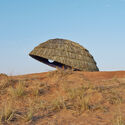
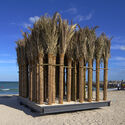
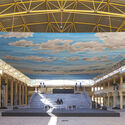
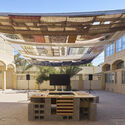
Following its last edition in 2019, Amman Design Week returns from October 2-17, 2026, bringing more than 220 designers and participants together across exhibitions, installations, public-space projects, talks, workshops, and performances in Jordan. The fourth edition unfolds across Ras El Ain, Jabal Al Lweibdeh, Jabal Amman, Iraq Al Amir, and, for the first time, Aqaba. Founded by Her Majesty Queen Rania Al Abdullah in 2016, the event returns under the theme "Accumulations," looking at how materials, memories, knowledge, labor, and everyday practices gather over time and become part of the places people inhabit. The theme also gives the 2026 edition a clear relationship with the city itself.

Creating Architecture in an Uncivil Time: In Conversation with Ali Karimi of Civil Architecture
The Arabian Peninsula represents one of the world's leading exporters and users of fossil fuels, an economic reality that influences the area's visions for the future and, implicitly, architecture and urban planning's role in these scenarios. A number of emerging offices are however countering these narratives, turning to contextual research to reframe the area's production of architecture. Among these, cultural practice Civil Architecture has become recognized for its provocative works that explore alternative narratives for the identity of the Middle East. While in Bahrain, ArchDaily's Christele Harrouk had the chance to sit down with Ali Karimi, who, together with Hamed Bukhamseen, co-founded Civil Architecture. In the video interview, they discuss the practice of architecture in the Gulf region and the narrative and research-focused approach of the office.


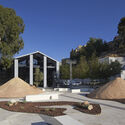
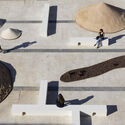

Video: Ali Karimi and Hamed Bukhamseen Discuss the Kuwaiti Contribution to the 2016 Venice Biennale
In this interview, presented in collaboration with PLANE—SITE, Ali Karimi and Hamed Bukhamseen, curators of the Kuwait Pavilion at the 2016 Venice Biennale, discuss the architectural identity and potential of Kuwait and the Middle East region as a whole. The duo explain how they approached the pavilion design by asking themselves the question: “How do we imagine a conversation between the different countries of the Gulf?”