-
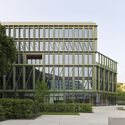
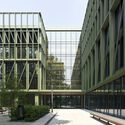
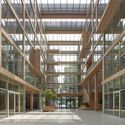
Architects: Hermann Kaufmann + Partner, Kéré Architecture
- Area: 1540 m²
- Year: 2026


The prestigious BAU Munich, the world's leading trade fair for architecture, materials, and systems, served as the stage for Orama Minimal Frames' latest innovations in architectural frame technology. The exhibition offered a platform for industry connections and showcased advancements that challenge conventional boundaries in frame design.
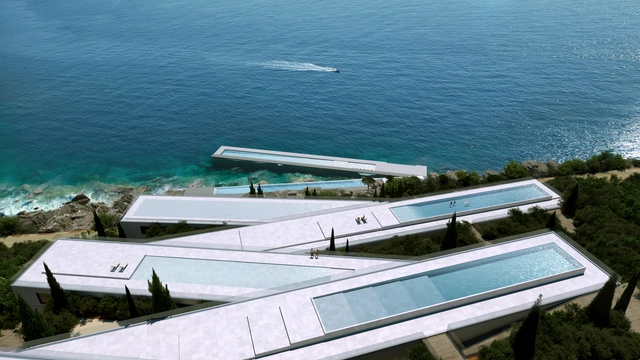
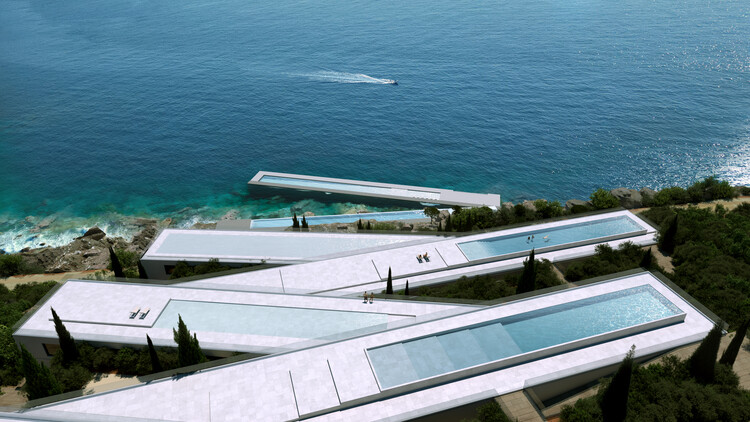
In contemporary architecture, hotel design is no longer defined solely by luxury and accommodation. Instead, it is becoming a platform to explore questions of identity, ecology, and cultural meaning. Beyond providing rooms and amenities, hotels today aim to create immersive experiences that connect travelers to local traditions, landscapes, and communities. In this curated selection of unbuilt hospitality projects, submitted by the ArchDaily community, speculative and competition-winning proposals offer a glimpse into the future of hospitality, where sustainability and storytelling are as central as comfort and style.
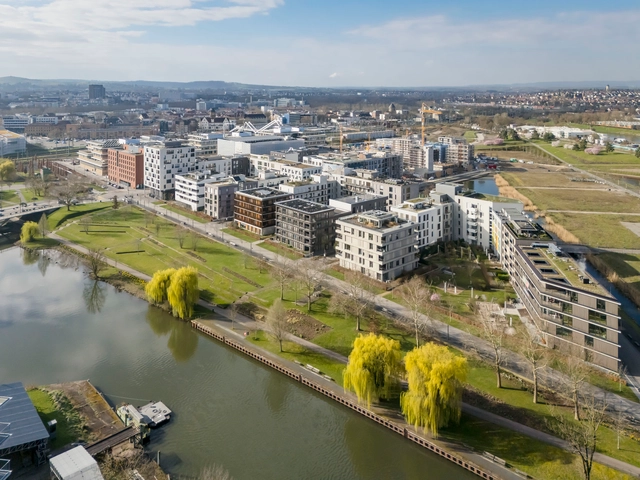
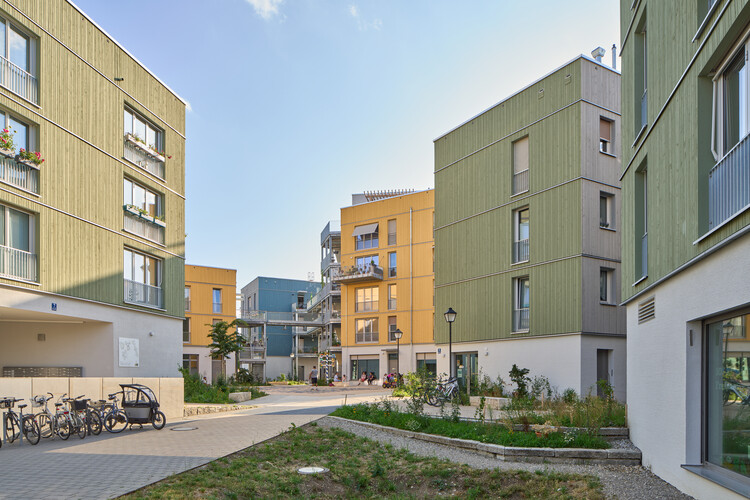
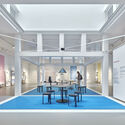
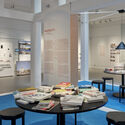
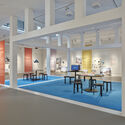
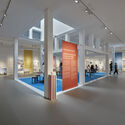
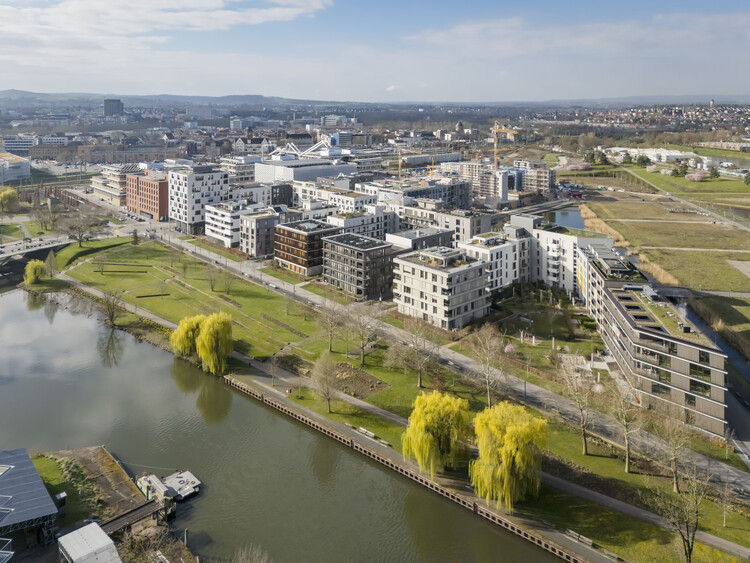
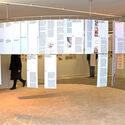
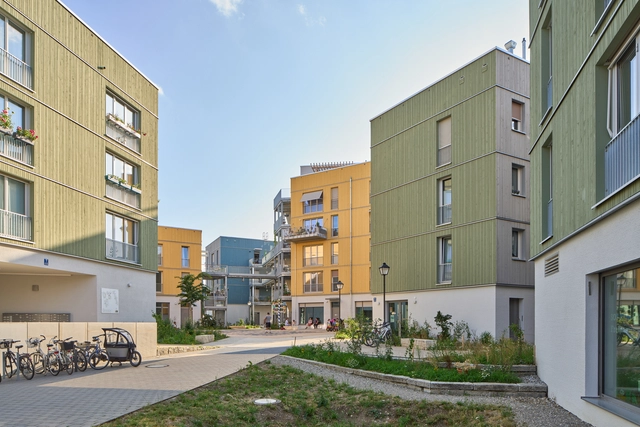
The Deutsches Architekturmuseum (DAM) in Frankfurt has opened a new exhibition titled Building Cities Today?, examining the complexities of developing new urban neighborhoods in Germany. Running from June 28 to November 2, 2025, the exhibition brings together nine projects that reflect diverse approaches to new urban planning, with a focus on sustainability, social integration, and long-term adaptability. Referencing the legacy of the "Neues Frankfurt" housing program of the 1920s, the exhibition opens with the Römerstadt estate, one of Germany's early experiments in functional and standardized housing. From there, it transitions to eight urban developments from the 1990s to the 2020s, presenting case studies that include HafenCity in Hamburg, Bahnstadt in Heidelberg, Neckarbogen in Heilbronn, City of Wood in Bad Aibling, and Messestadt Riem in Munich.
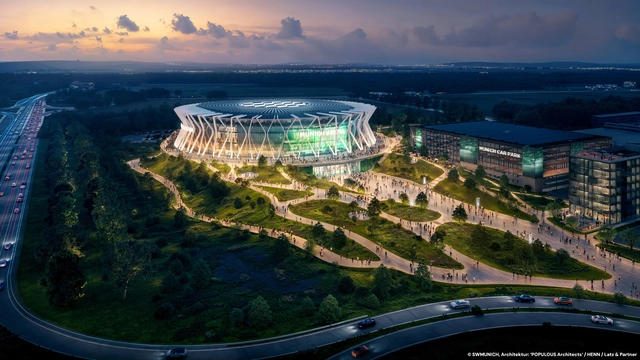
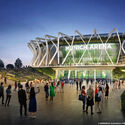
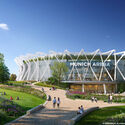
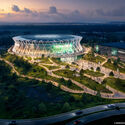
Architecture firm Populous was chosen to design a new multi-use, climate-neutral event arena in Munich, Germany. The structure aims to create a "compact, efficient, and visually stunning" venue that will be instantly recognizable and reflective of the character and culture of the Bavarian metropolitan area, serving as a new landmark. The 20,000 capacity venue draws upon Bavarian heritage through a support structure that pays homage to the lozenge shape used in the Bavarian state flag. Populous developed the design with general planners HENN from Munich and landscape architects Latz+Partner from Freising.
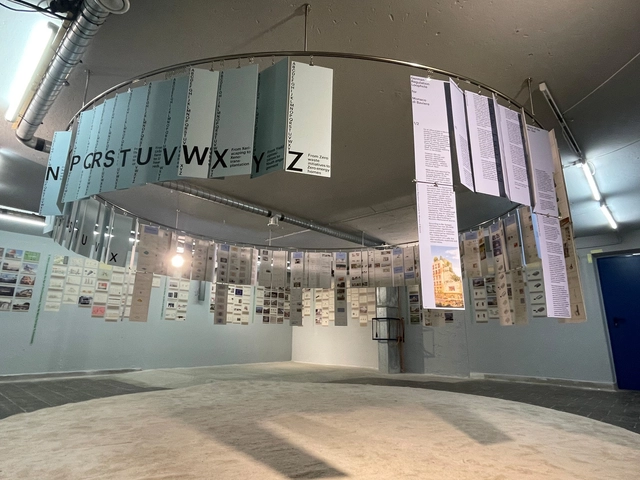
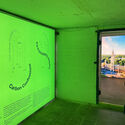
As the global climate crisis intensifies, the construction industry faces increasing pressure to reduce carbon emissions, prompting a fundamental reassessment of building practices. Dutch architecture firm MVRDV, known for its commitment to sustainability, presents an honest exploration of this challenge in "Carbon Confessions," an exhibition at Munich's Architekturgalerie. The exhibition provides insight into the firm's ongoing efforts, highlighting both its achievements and the obstacles encountered in the pursuit of carbon reduction.
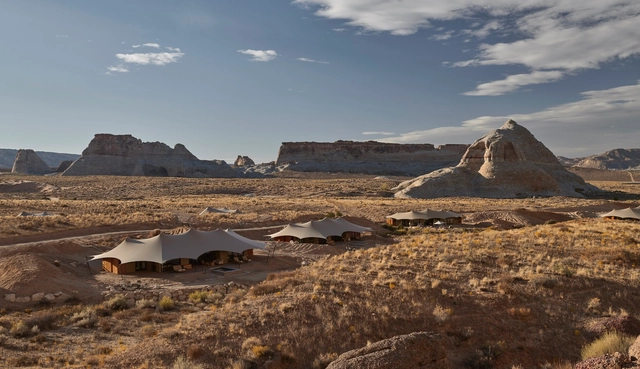
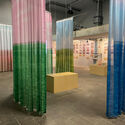
Much before humans constructed their first permanent shelters, they discovered the protective power of animal hides as a barrier against harsh environmental conditions. This fundamental principle of building with flexible materials finds influence in the architecture of today, despite the lack of strong precedents that have been lost to time. Textiles served as humanity's first architectural elements, predating ancient construction methods like stone masonry. The relationship between textiles and shelter would go on to shape the entire history of architecture, from prehistoric settlements to modern skyscrapers. What lessons might these ancient origins of architecture hold for future advancements in building design?
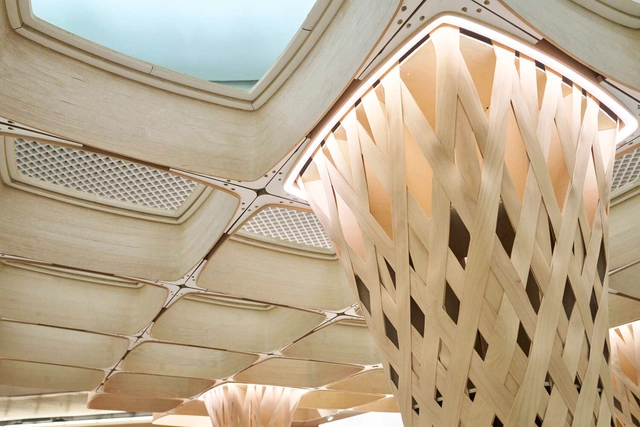
The use of innovative tools, techniques, materials, and technologies to shape the future of construction is a subject that captivates professionals across architecture, engineering, construction, and planning, as well as investors and industry leaders. Advances in technology and breakthroughs in material science provide a rich landscape for exploration and discussion, sparking lively debates on the ongoing transformations in both urban and rural environments. Key areas of focus include resource management, the challenges posed by the climate crisis, and the broader implications for the built environment.
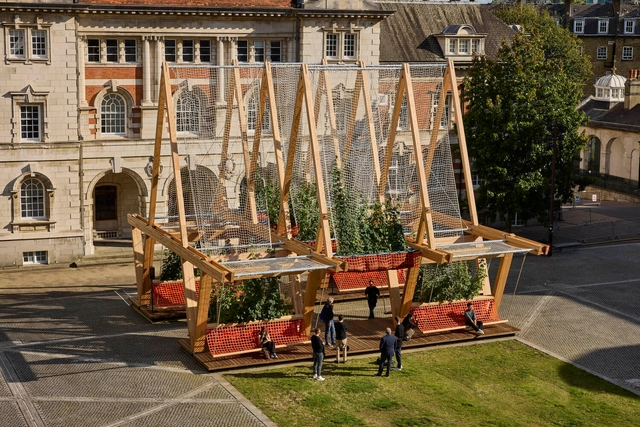
Pavilions offer architects a unique opportunity to experiment, serving as compact spaces that push the boundaries of design and spatial concepts. Free from many conventional functional constraints, these structures allow for artistic expression and the testing of new technologies. Pavilions often act as living laboratories of architecture, positioned in public or cultural contexts. They transform their surroundings into interactive, memorable experiences, providing a stage for architects to showcase their most innovative ideas. In recent years, climate responsiveness has emerged as a crucial focus in pavilion design. By using temporary structures as a testing ground for more sustainable practices, architects can experiment with alternative materials and environmentally conscious approaches that address the climate crisis.
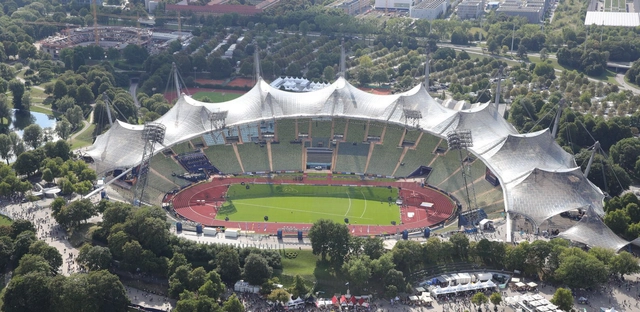
For cities, hosting an Olympic event represents both an honor, an important opportunity for growth, and a significant challenge. With over 200 nations taking part in the Games, the Olympics are the largest sporting competition in the world. Adapting the public and sporting infrastructure to accommodate this sudden influx of people and the scale of these events runs the risk of misunderstanding the cities’ needs after the closing ceremony, often producing “white elephants” that struggle to adapt to the rhythm and necessities of everyday urban life. Urban transformations are often cited as an advantage of hosting the Olympic Games, as cities are incentivized to invest in their traffic infrastructure, housing, and public spaces. One such example is the city of Paris, which introduced its first metro line on the occasion of hosting the second edition of the Olympic Games in 1900.
When it comes to the venues, however, the issue of adaptive reuse becomes a pressing one, as the architecture is challenged to find solutions to transform, accommodating thousands of people during the Olympics, then scaling down to become a financially sustainable part of a city’s sporting offering. Across the world, several Olympic venues have managed to extend their usability after the closing of the games, opening themselves to the local communities and welcoming a more diverse programming of sports and leisure events. While the high construction costs are often difficult to justify, these venues have become markers of local identity and attractive tourist attractions, extending their use decades after welcoming the Olympic crowds.
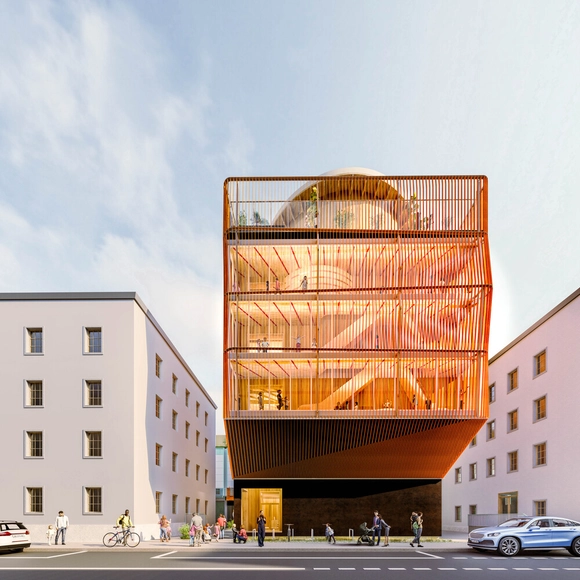
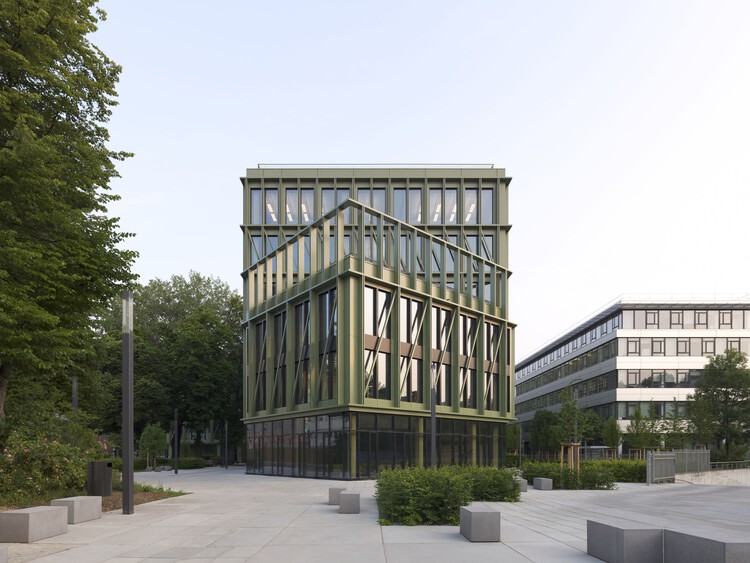
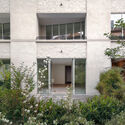
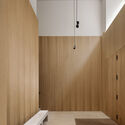
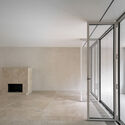
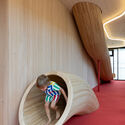
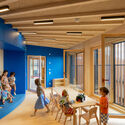
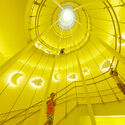
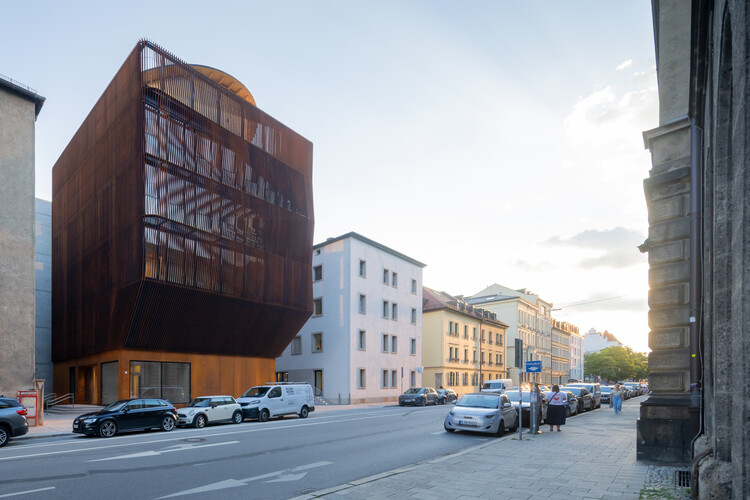
Kéré Architecture has revealed the design for a vertical childcare center at Munich’s Technical University (TUM) in Germany. Named "Ingeborg Pohl Kinderoase an der TUM," the center will be built in wood to the extent allowed by local norms and regulations for energy efficiency, thermal comfort, fire protection, and acoustics. The new building, located between the TUM main campus and the university canteen, broke ground on April 18 and is expected to be completed by the end of 2025.
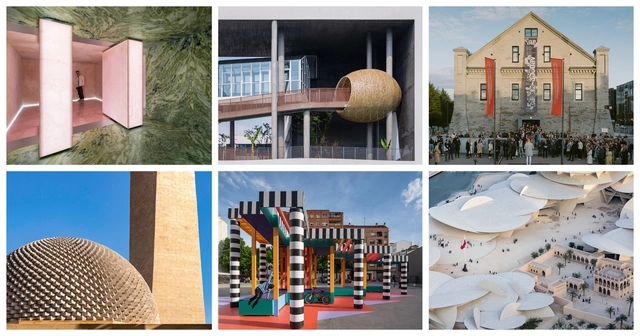
Spanning continents and cultures, architecture-focused events serve as platforms for the gathering of diverse groups of professionals to share innovations and embark on dialogues regarding some of the most pressing matters faced by our profession. Embodying the spirit of collaboration, highlighting local cultures and practices, and fostering open debates, this year’s list of events covers a diverse range of biennales, forums, city-wide celebrations, international fairs, and awards.
From the year-long celebration of the World Design Capital in the neighboring cities of San Diego and Tijuana, to Qatar's inaugural Design Doha Biennial, starting this February; from Spain’s celebration of public spaces during Concéntrico 10 to locally-engaging biennales across Eastern Europe, these global conventions, exhibitions, and celebrations strive to bring together the architecture and design communities to shape together the future of the built environment.
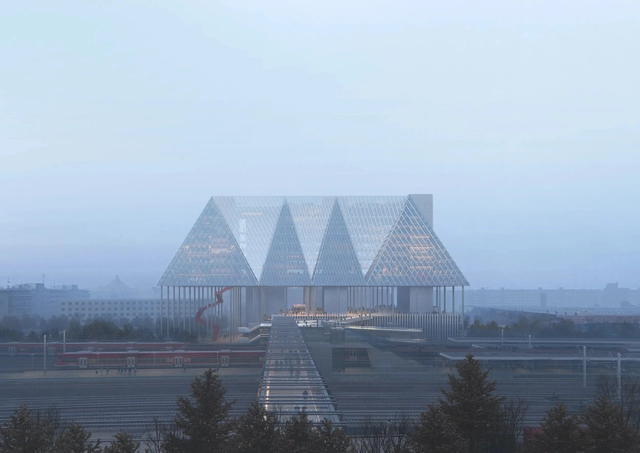
OMA’s competition design for UniCredit’s new Headquarters in Munich, Germany, proposes a plaza lifted off the ground to increase public spaces and urban connectivity and to activate an otherwise overlooked area. The scheme aims to “retroactively attribute character to an area which may never have had one.” The site is located by one of the city’s main arteries, the S-Bahn, a strictly functional area lacking in public spaces or amenities. The building proposed by OMA is lifted off the ground, with its limited footprint allowing for more public space to be integrated while preserving the site’s natural features.