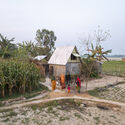
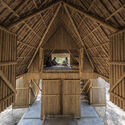
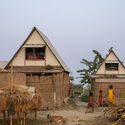
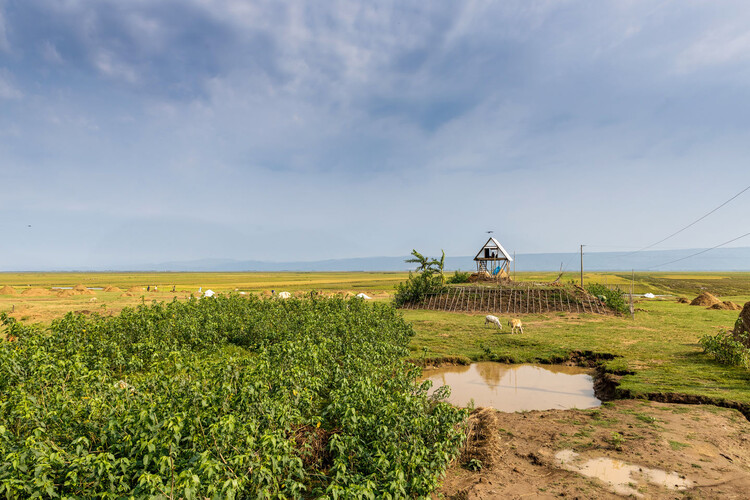
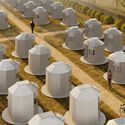
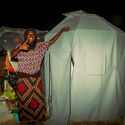
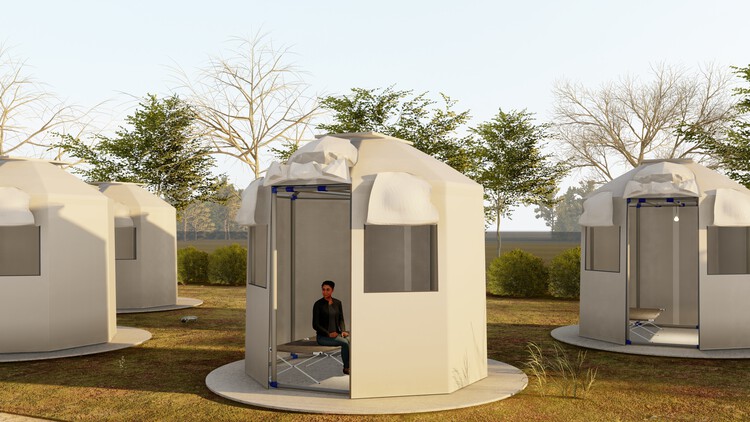
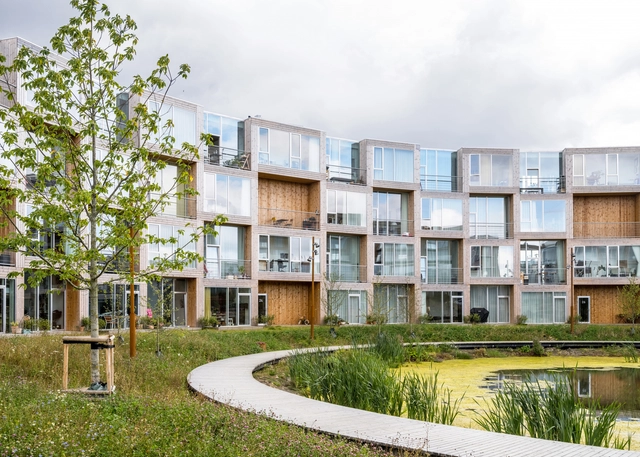
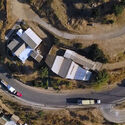
In the low-lying deltas of Bangladesh, water defines both life and loss. Every year, millions are forced to rebuild after floods wash away their homes, crops, and livelihoods. In these precarious territories, the act of building has become an act of resilience. It is here that Khudi Bari emerges as a modest yet radical proposal. Designed by Marina Tabassum Architects, the project provides a lightweight, modular, and affordable dwelling for communities displaced by climate change. Recognized as one of the winners of the 2025 Aga Khan Award for Architecture, it represents a form of architecture that empowers rather than imposes.
Innovation is at the core of architecture, expressed through new approaches to design, material experimentation, and, of course, ways of living. As a result, the conception of buildings and indoor spaces is constantly evolving. This evolution is especially evident in regions with a rich cultural heritage, such as Spain, where innovation reinterprets traditional ways of relating to space. This attentiveness to memory and daily life extends into interiors, where each intervention has the potential to actively reshape how people experience a space and open new possibilities for living and interaction.
Does architecture alone define how we inhabit a space? It's becoming increasingly clear that it does not. The objects within a space—particularly furniture and other design pieces—not only serve functional purposes but actively shape the spatial and human experience. As schools, homes, and offices evolve to accommodate new ways of working, living, and socializing, furniture accompanies these transitions, prompting conversations that extend beyond functionality and engage the corporeal dimension implied in its use.
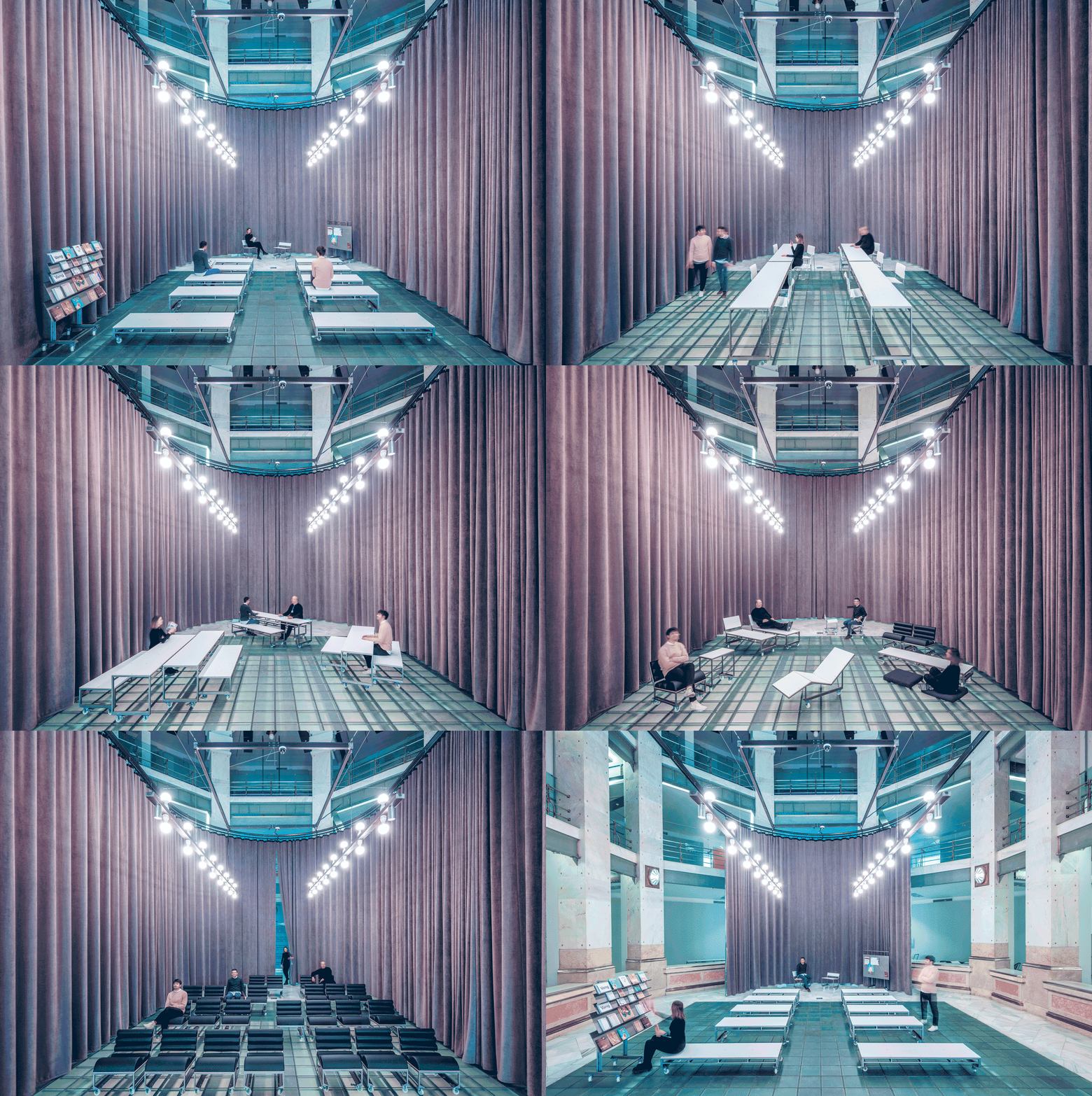
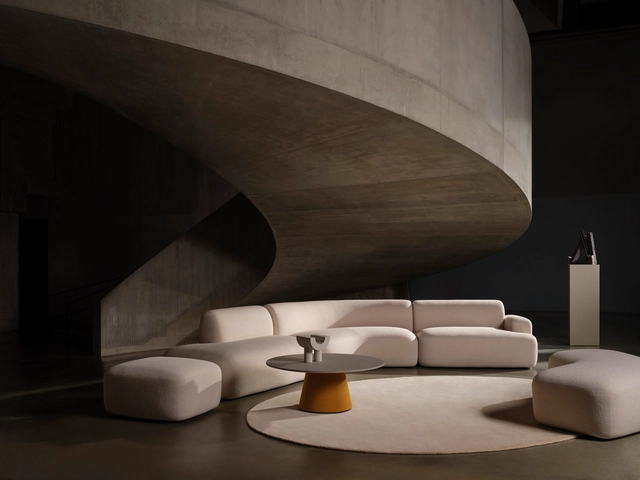
Several decades ago, British architects Alison and Peter Smithson were already exploring the relationship between the body, everyday experience, and space at an architectural scale. Since then, contemporary concepts of flexibility and comfort have expanded this framework to include other scales, such as furniture. These transformations have fostered the consolidation of modular seating systems whose flexibility and adaptability respond to diverse ways of living and relating to space. Emerging from this context are forward-thinking proposals, such as Beau's comprehensive range of seating and table units—an expansive modular seating system designed for multiple possibilities, with a significant emphasis on comfort and sensory appeal.
https://www.archdaily.com/1031877/an-expansive-modular-sofa-system-reimagining-comfort-beyond-sitting-onEnrique Tovar
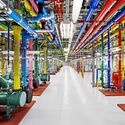
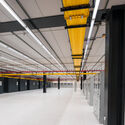
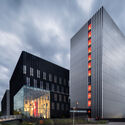
As the AI fervor continues to reshape how people see the world, 2025 looms as yet another year in the march toward technological advancement. While some worry about the dominance of technology in society, architects are shifting their attention to the foundations of a digital future: data centers. The design of data centers challenges designers to reconcile the demands of technological functionality with the principles of architectural excellence. As the dependence on cloud computing, IoT ecosystems, and big data analytics deepens, data center architecture demands more attention. As data consumption skyrockets, data center consumption rates match the demand. These structures were once relegated to nondescript industrial zones, but are now becoming integral components of urban and suburban environments. While some community members are upset about the encroachment of data centers in their localities, others see them as indicators of economic development.
Concrete is anything but a consensus. Some love it, others hate it. It can feel as tough as granite or soft as velvet — all depending on whose hands are doing the shaping. Treated with engineering precision or a touch of artistic flair, concrete stops being just a material and starts acting alive. It plays with light, surprises with texture, and somehow gives form to silence. Although dense and structural, concrete can take on an almost immaterial presence: light, ethereal, and contemplative. In certain spaces, it seems to disappear, dissolving into the shadows or vibrating with the surrounding light. More than just a construction element, it becomes a language, capable of evoking emotion, spirituality, and time.
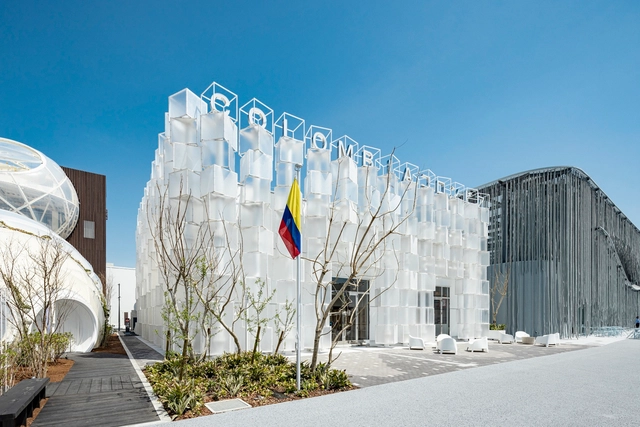
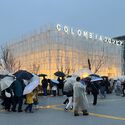
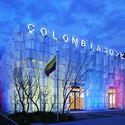
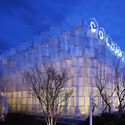
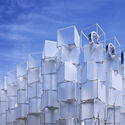
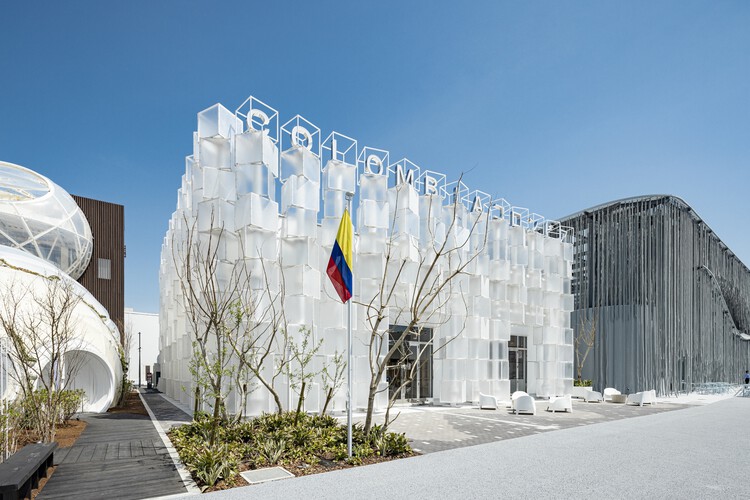
The Colombia Pavilion at the Expo Osaka 2025 adopts the theme "ICE CUBE," inspired by the scene in Gabriel García Márquez's One Hundred Years of Solitude where a young boy encounters ice for the first time. Translating this literary reference into built form, the pavilion presents a facade of translucent cubes set at varying angles, creating a sense of movement and articulation. Designed by MORF Inc., with Karim Chahal as Project Director and Ko Oono as Principal Architect, the exterior is composed of semi-transparent polycarbonate panels integrated with color-controlled lighting, allowing the facade to transform in appearance throughout the day and night.
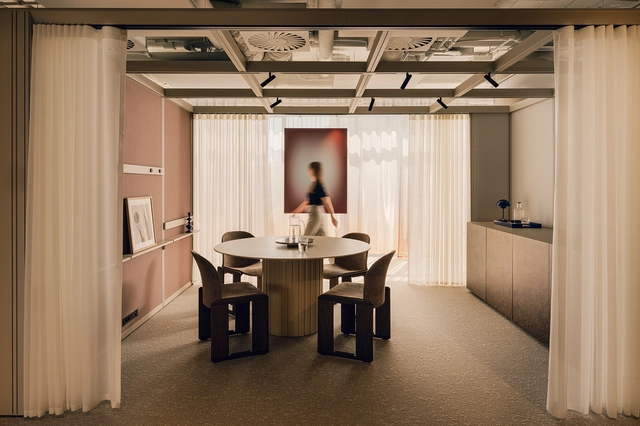
Mute, a global manufacturer of adaptable architecture solutions for modern workplaces, has opened its new headquarters in the Ambassador office building in Warsaw, managed by Hines. Covering more than 840 m², it is the first office in Europe built entirely using a modular system — one that can be freely reconfigured without generating renovation waste or CO₂ emissions.
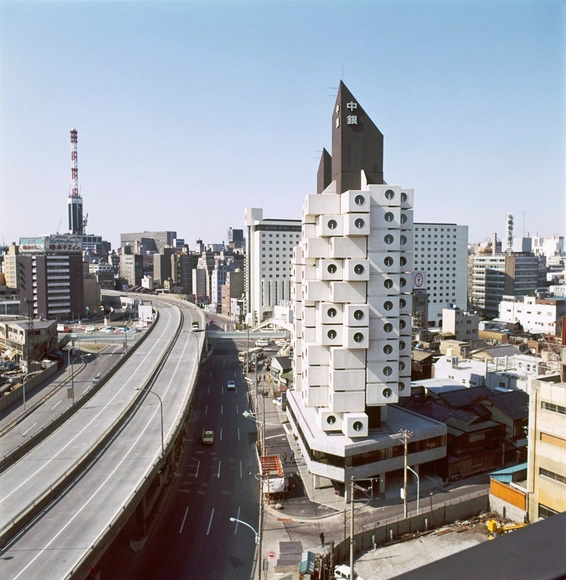
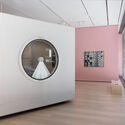
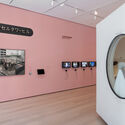
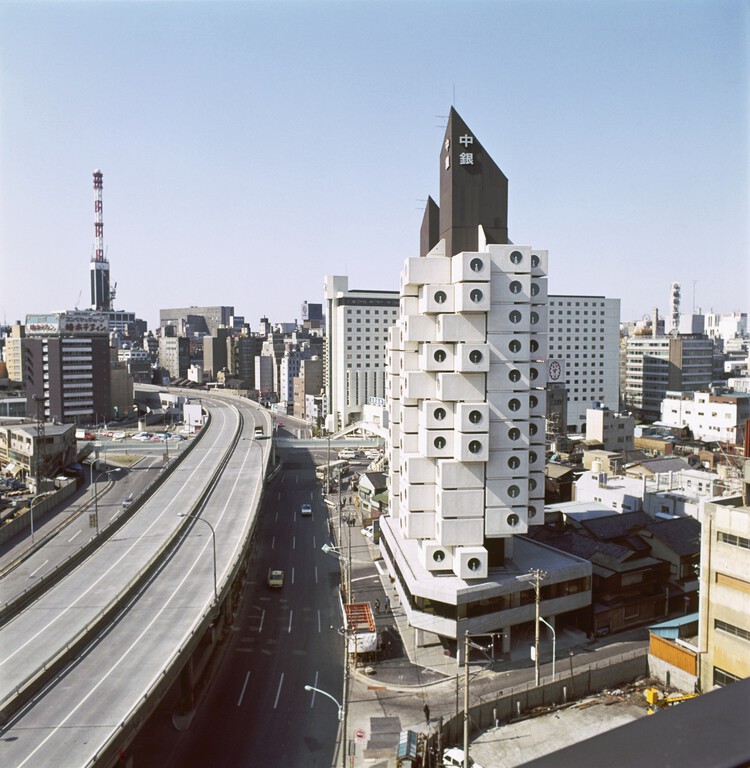
The Museum of Modern Art (MoMA) in New York is hosting an exhibition dedicated to Japanese architect Kisho Kurokawa's Nakagin Capsule Tower from July 10, 2025, through July 12, 2026. Titled The Many Lives of the Nakagin Capsule Tower, the exhibition offers a retrospective on the building's 50-year lifespan. Constructed in Tokyo's Ginza district in 1972 and dismantled in 2022, the tower is presented through contextual materials, original drawings, archival recordings, and a fully restored capsule. The exhibition invites reflection on how cities address aging buildings and the rapid transformation of urban areas. The diverse materials documenting the tower's continuous evolution over five decades encourage viewers to consider how architecture might endure by taking on new roles and functions beyond its original purpose.
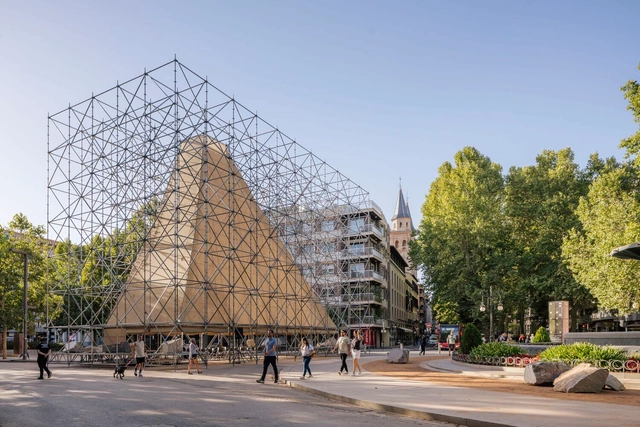
What if we imagined buildings as living systems, designed for assembly and disassembly with minimal impact? A form of open, modular, and adaptable architecture designed to evolve with its surroundings, responding to seasonal changes and on-demand needs instead of remaining static. At first glance, the idea seems paradoxical, as many buildings were constructed to last, designed to endure, resist the effects of time, and avoid demolition. Because of this, reversing or undoing could be seen as a setback. But what if that way of thinking no longer fits every scenario?
https://www.archdaily.com/1031388/built-to-not-last-how-reversible-architecture-is-redefining-the-way-we-buildEnrique Tovar
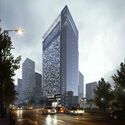
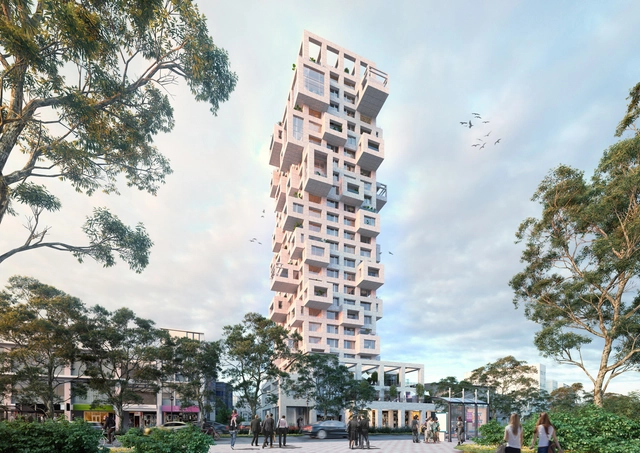
"Out of the Box" tower exterior render. Image Courtesy of MVRDV
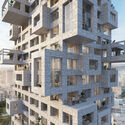
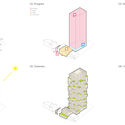
MVRDV has released images of "Out of the Box", a 12,025 sqm residential tower in Tianmu, one of Taipei's northernmost neighborhoods. Designed for Win Sing Development Company, the project began in 2019 and was developed using a system of standardized elements digitally distributed based on criteria such as habitability, efficiency, and access to community services. These elements are expressed in the tower's irregular, gridded façade, which features a layered marble cladding.
Videos
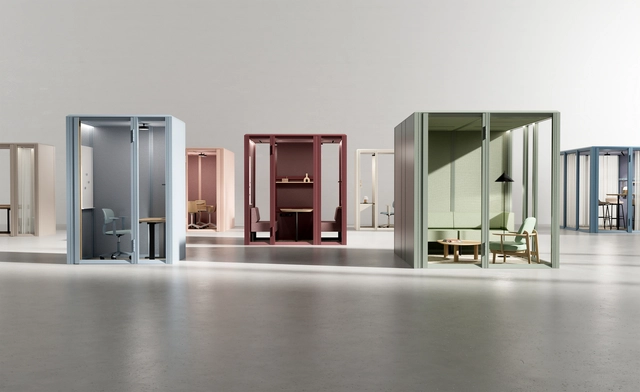
Mute’s latest pod family features 30 models in 11 sizes, designed to accommodate 1 to 8 people.
Mute, a pioneer in adaptable office architecture, has introduced Modular Pods—the largest and first truly adaptable pod collection on the market. Offering an unparalleled variety in sizes, unlimited customization options, and leading accessibility solutions, Mute'Modular Pods set new benchmarks for the entire product category.
2025 Creatives For Our Future - AllSpace Modular Home. Image Courtesy of Swarovski Foundation
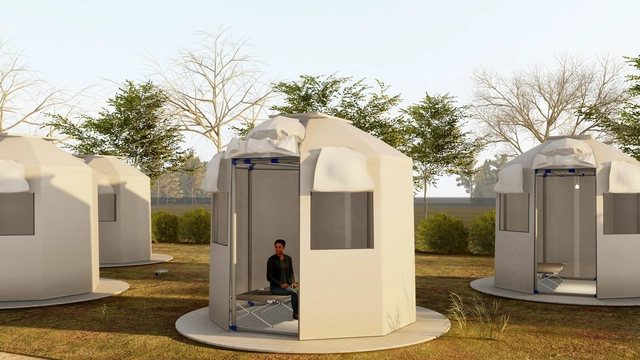
Nigerian-born architect Blossom Eromosele has developed AllSpace, a modular housing design inspired by traditional African architecture. The design was created as part of the Swarovski Foundation's fourth edition of the Creatives for Our Future global mentorship and grant program, developed in collaboration with the United Nations Office for Partnerships. Among the six selected projects, AllSpace seeks to respond to the current Nigerian refugee crisis with a low-cost, solar-powered housing solution for camps.
At the dawn of Modernism, in the fervent search for innovative, efficient, and cost-effective building systems, the idea of modular construction offered the promise of exactly that: an industrialized system comprised of ready-to-assemble elements, easily configured, cost-effective, and quality-controlled. While the idea did not gain as much traction as was initially expected, it has remained an attractive premise for architects and designers. Now, new developments in the field have led to a renewed interest in the matter, as modular housing emerges as an effective measure in various fields, from affordable housing to emergency shelters, or even as platforms for interdisciplinary collaboration, participation, and co-design. The following article explores this promise of accessibility, creativity, and affordability that has become an integral part of the debate around modular architecture.
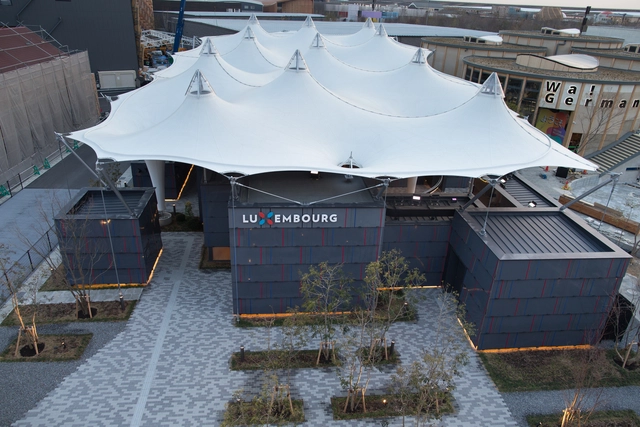
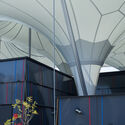
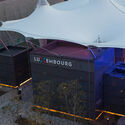
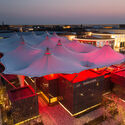
The Luxembourg national pavilion, designed by Luxembourg-based office STDM architectes urbanistes in collaboration with Japanese office MIKAN, with the concept of "Doki-Doki –The Luxembourg Heartbeat," has just opened its doors at the Osaka 2025 World Expo. The pavilion takes its name from the Japanese term for heartbeat, aiming to express joy and enthusiasm while strengthening the connection between the two countries. It also strives to offer visitors a chance to discover the cultural richness of Luxembourg and its multifaceted identity.
What is our vision of public spaces from the past? Consider, for instance, a park—arguably the most iconic example of this typology. It is an environment designed with winding paths and rest areas, where we often find tables and fixed benches, positioned along the way. Its design prioritizes permanence and contemplation. But when we turn to the present, how do we envision it now? Indeed, the traditional concept of public space has not disappeared entirely. However, our way of interacting with it has changed, driven by the need for flexibility in ever-changing environments. This shift has sparked the exploration of new design approaches. As a result, modular seating systems have become a dynamic field of experimentation, continuously adapting to changing uses and perceptions.
https://www.archdaily.com/1027386/are-modular-seating-systems-redefining-our-perception-of-public-spacesEnrique Tovar
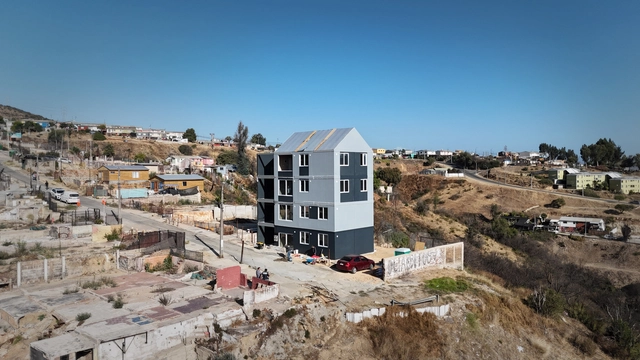
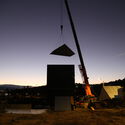
A year after the Viña del Mar mega-fire in Chile and with reconstruction efforts progressing at just 26%, the architecture firm ELEMENTAL and local authorities have begun construction on a prefabricated housing project in one of the residential neighborhoods most affected by the disaster. The project consists of a mid-density residential building with a modular steel structure, intended as a starting point for similar initiatives in response to what is now considered one of the most catastrophic events in Chile's recent history. As stated by Alejandro Aravena and the city's mayor, Macarena Ripamonti, the goal is for the technology and management model behind this project to set a precedent for delivering rapid and permanent housing solutions in emergency situations.