1. ArchDaily
  2. Modernism

Modernism: The Latest Architecture and News

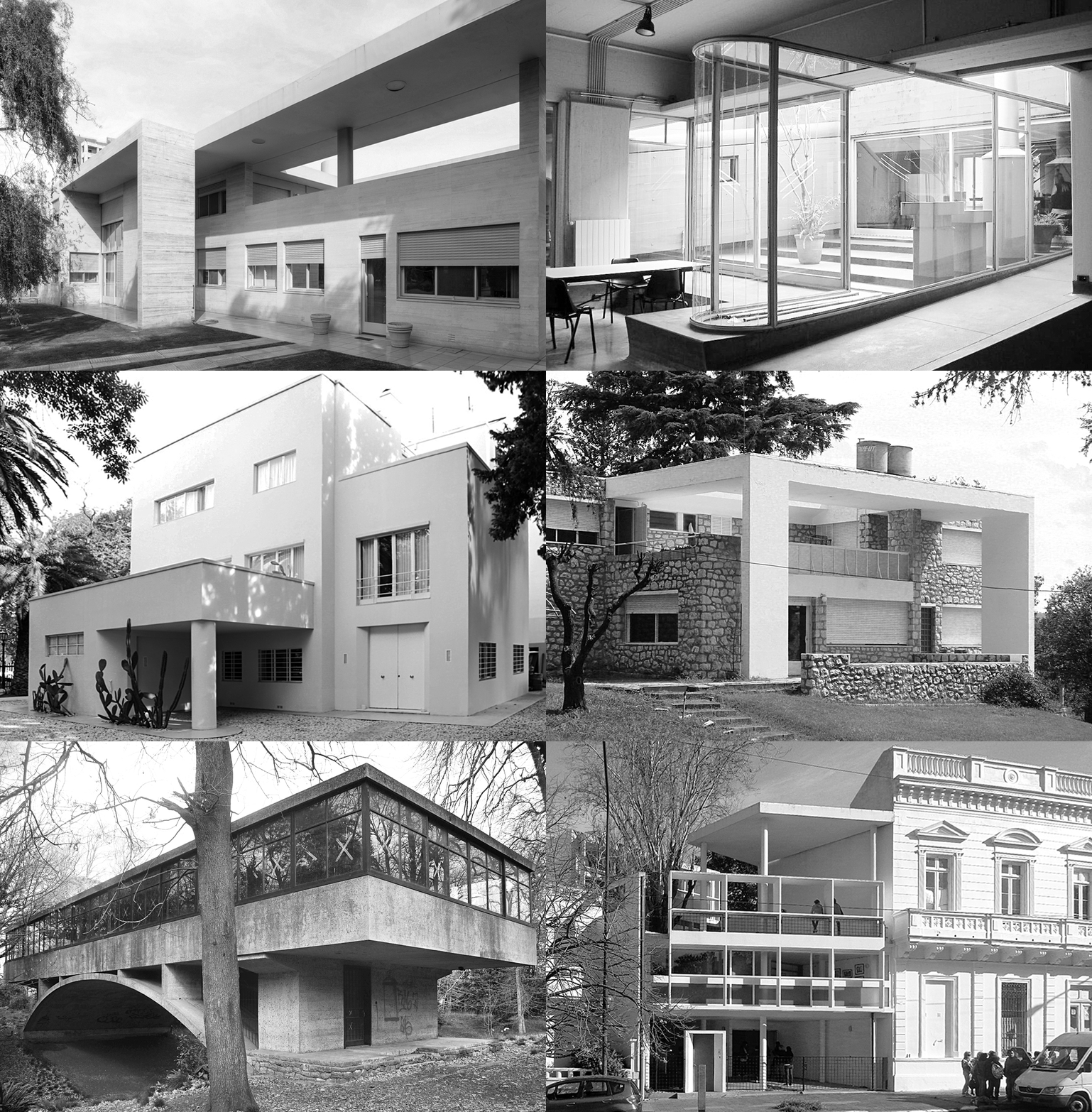
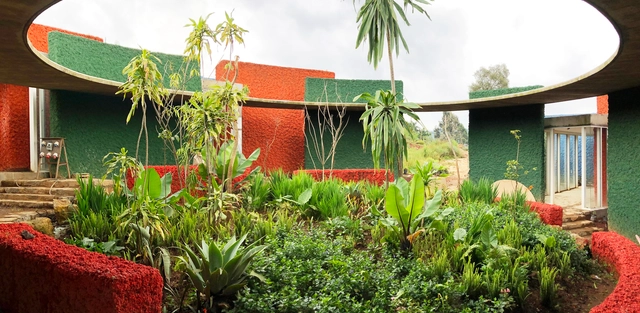
Adapting Modernism in Argentina: The Case of Grupo Austral and Los Eucaliptos Building

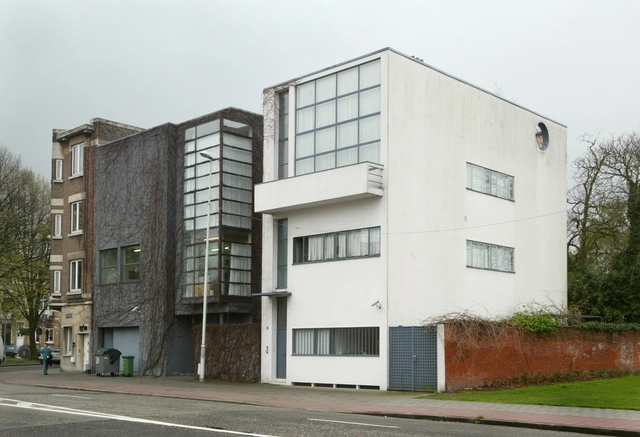
At the intersection of the inevitable influence of the international modern movement and Argentinian architectural tradition, the Grupo Austral emerges as a collective of architects proposing a reinterpretation of Le Corbusier's rationalism, adapting it to the particularities of the local context. In this framework, we can speak of an international architecture that is not merely incorporated but can be considered "appropriated" architecture, meaning it is rooted in Argentina's climatic conditions, lifestyles, and local materials. This leads us to question: How does European architecture correspond with the local? Is it the product of similar situations or a process of transferring architectural images, as has happened throughout history? Is it a mix of both factors? Can we talk about appropriated architecture?

Adapting Modernism in Argentina: The Case of Grupo Austral and Los Eucaliptos Building - Image 1 of 4Adapting Modernism in Argentina: The Case of Grupo Austral and Los Eucaliptos Building - Image 2 of 4Adapting Modernism in Argentina: The Case of Grupo Austral and Los Eucaliptos Building - Image 3 of 4Adapting Modernism in Argentina: The Case of Grupo Austral and Los Eucaliptos Building - Image 4 of 4Adapting Modernism in Argentina: The Case of Grupo Austral and Los Eucaliptos Building - More Images+ 7

Tegucigalpa’s Modernist Revolution: Metroplan and the Shift in the Urban Identity of 1970s Honduras

Subscriber Access | 

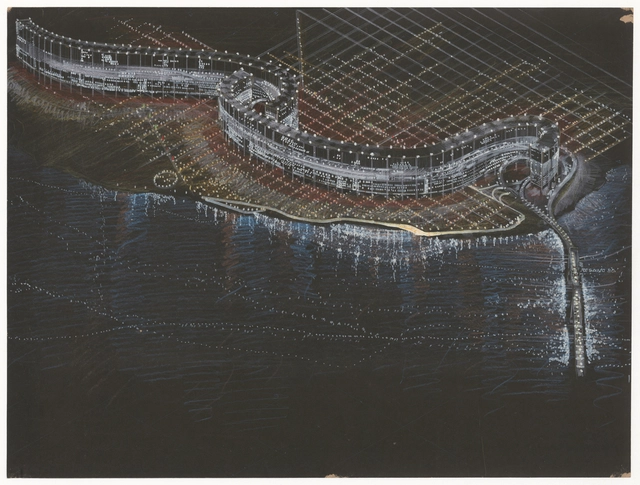
In 1975, Honduras was under a military regime that had been in power for over a decade, led at the time by General Juan Alberto Melgar Castro. During this period, Tegucigalpa underwent several big and unprecedented changes. The influx of people from various parts of the country due to rural migration transformed the city from a compact urban area into an expanding metropolis. This unexpected growth prompted the government to implement a municipal development and planning scheme, a project that would define the city's future and the evolution of its old town. This article was developed with the collaboration of the Honduran architect Lisandro Calderón, who specializes in Urban Planning and is currently a professor at the Central American Technological University (UNITEC), located in Tegucigalpa, Honduras.

Tegucigalpa’s Modernist Revolution: Metroplan and the Shift in the Urban Identity of 1970s Honduras  - Imagem 1 de 4Tegucigalpa’s Modernist Revolution: Metroplan and the Shift in the Urban Identity of 1970s Honduras  - Imagem 2 de 4Tegucigalpa’s Modernist Revolution: Metroplan and the Shift in the Urban Identity of 1970s Honduras  - Imagem 3 de 4Tegucigalpa’s Modernist Revolution: Metroplan and the Shift in the Urban Identity of 1970s Honduras  - Imagem 4 de 4Tegucigalpa’s Modernist Revolution: Metroplan and the Shift in the Urban Identity of 1970s Honduras  - More Images+ 12

The Case for Local Modernism in Cairo: Egypt's Architectural Transformation During the 1950s

In the heart of Cairo, amid its historic landmarks and evolving urban fabric, a distinct modernist architectural movement took shape in the 1950s and 60s. It reflected the city's response to rapid political, economic, and social changes. When it arrived, modernism in Cairo was not just an imported style but a "pragmatic response to the needs of a growing city." Architects focused on functionality, efficiency, and adapting designs to the local climate and cultural context. Following the 1952 revolution, Egypt underwent significant transformations under President Gamal Abdel Nasser's leadership. In fact, the government sought to build a new national identity that reflected progress and the nation's self-sufficiency. Architecture played a crucial role in this effort, with a strong focus on modernization and development. The state invested in large-scale projects to accommodate the needs of a rapidly growing population and expanding industries. This period marked a shift from colonial-era influences toward a search for a distinct architectural identity that aligned with the political and social aspirations of the time.


The Case for Local Modernism in Cairo: Egypt's Architectural Transformation During the 1950s - Image 1 of 4The Case for Local Modernism in Cairo: Egypt's Architectural Transformation During the 1950s - Image 2 of 4The Case for Local Modernism in Cairo: Egypt's Architectural Transformation During the 1950s - Image 3 of 4The Case for Local Modernism in Cairo: Egypt's Architectural Transformation During the 1950s - Image 4 of 4The Case for Local Modernism in Cairo: Egypt's Architectural Transformation During the 1950s - More Images+ 5

Demolition of Modernist Landmark Hotel Jugoslavia Begins in Belgrade, Serbia

The demolition of Hotel Jugoslavija, a notable example of modernist architecture in Belgrade, has begun, making way for new development in the city's rapidly changing urban landscape. Constructed in 1969 in New Belgrade, the hotel was once among the largest and most prominent in Europe, reflecting the aspirations of the Socialist Federal Republic of Yugoslavia (SFRY) during its peak. Designed by Zagreb architect Lavoslav Horvat, the eight-story hotel was a key project under the leadership of Josip Broz Tito. It showcased the modernist principles of the time, combining functionality with imposing architectural forms. Its interiors featured luxurious details, including a Swarovski chandelier comprised of 40,000 crystals, which underscored the building's significance as a flagship of Yugoslavia's international presence.

Demolition of Modernist Landmark Hotel Jugoslavia Begins in Belgrade, Serbia - Image 1 of 4Demolition of Modernist Landmark Hotel Jugoslavia Begins in Belgrade, Serbia - Image 2 of 4Demolition of Modernist Landmark Hotel Jugoslavia Begins in Belgrade, Serbia - Image 3 of 4Demolition of Modernist Landmark Hotel Jugoslavia Begins in Belgrade, Serbia - Image 4 of 4Demolition of Modernist Landmark Hotel Jugoslavia Begins in Belgrade, Serbia - More Images

Alvar Aalto's Finlandia Hall Reopens in Helsinki After Extensive Renovations Led by Arkkitehdit NRT

Originally designed by Modernist architect and designer Alvar Aalto in 1971, Finlandia Hall represents one of Helsinki's most important modernist works of architecture. In early 2022, an extensive renovation project began, led by Finnish architecture firm Arkkitehdit NRT, aiming to make the venue more accessible to the wider public and create additional services while respecting Alvar Aalto's original design. After three years of renovation, Finlandia Hall officially reopens on Saturday, 4 January 2025.

Alvar Aalto's Finlandia Hall Reopens in Helsinki After Extensive Renovations Led by Arkkitehdit NRT - Image 1 of 4Alvar Aalto's Finlandia Hall Reopens in Helsinki After Extensive Renovations Led by Arkkitehdit NRT - Image 2 of 4Alvar Aalto's Finlandia Hall Reopens in Helsinki After Extensive Renovations Led by Arkkitehdit NRT - Image 3 of 4Alvar Aalto's Finlandia Hall Reopens in Helsinki After Extensive Renovations Led by Arkkitehdit NRT - Image 4 of 4Alvar Aalto's Finlandia Hall Reopens in Helsinki After Extensive Renovations Led by Arkkitehdit NRT - More Images+ 1