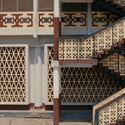
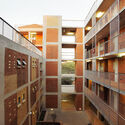
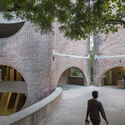
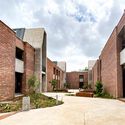
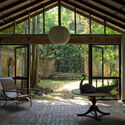
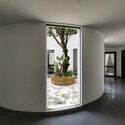
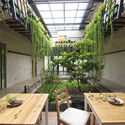
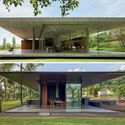
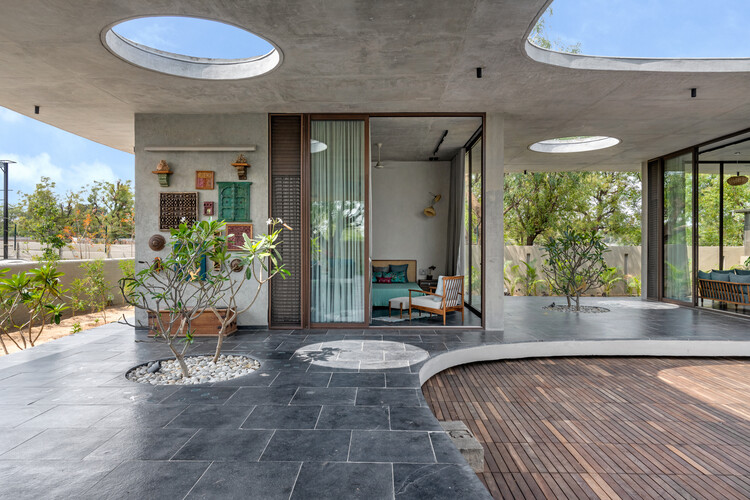
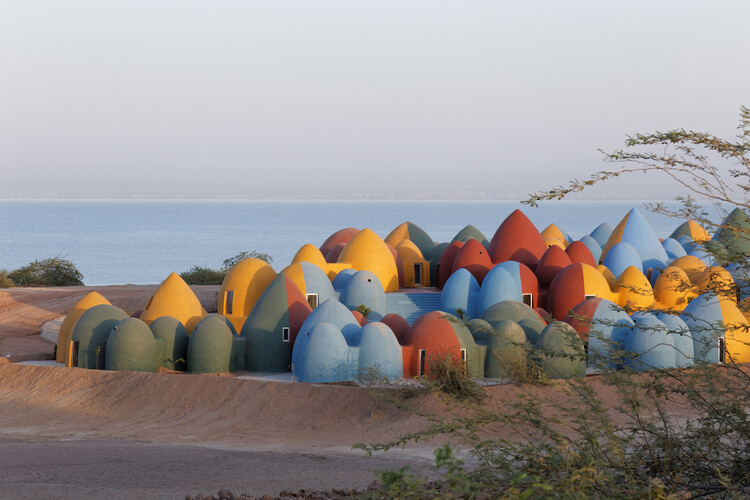
In modern architecture, the promenade architecturale stood out as an essential design strategy to realize the principles of functionality, aesthetics, and integration with the urban context. Iconic projects by Le Corbusier, such as Villa Savoye (1929), illustrate this concept by guiding the visitor along an upward path that culminates in the contemplation of the roof garden, an open space where the building dialogues harmoniously with nature. A century later, the concept continues to influence contemporary projects, exploring the relationship between movement and space across various architectural typologies such as houses, museums, libraries, and parks.
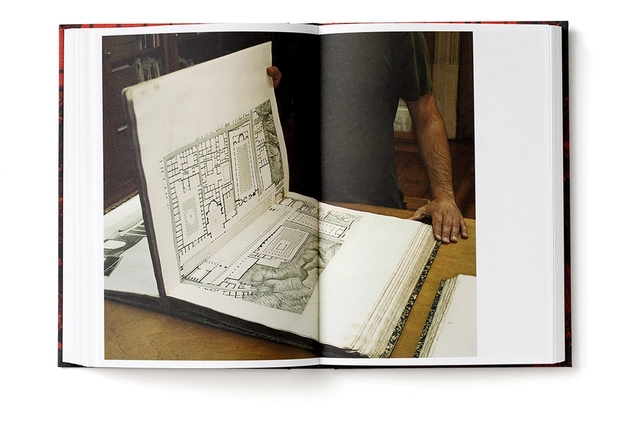
Between the eighteenth and nineteenth centuries, traveling through Rome, Paris, Venice, Florence, and other European cities was considered an essential part of a newly graduated architect's education. At a time when access to photographs and publications was extremely limited, these trips were the primary way to experience architecture up close. In the early twentieth century, Le Corbusier reinterpreted this tradition in his own way: at 23, he embarked on the Voyage d'Orient, passing through the Balkans, Istanbul, and Athens, producing travel notebooks he would return to throughout his life.
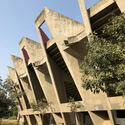
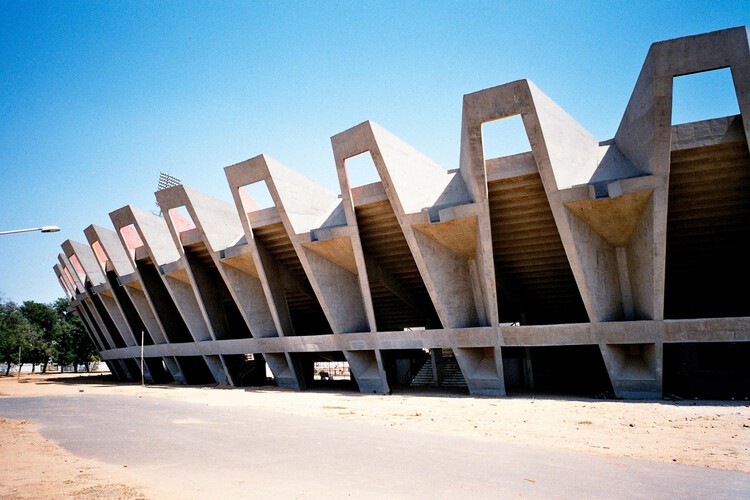
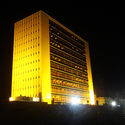
In the heart of Ahmedabad's Navrangpura district in India sits the Sardar Vallabhbhai Patel Stadium. More than just a cricket ground, the stadium stands as one of India's earliest experiments in modernist public architecture. Built in the decades following the country's independence, the structure has not only become an engineering landmark, but also a major public space within Ahmedabad's urban fabric. Despite the building's architectural and historical significance, as well as its deep involvement in daily community life, it has suffered significant physical degradation as a result of decades of poor maintenance and lack of funding. That fragility is precisely why it has drawn international attention. In 2020, the World Monuments Fund (WMF) placed the Sardar Vallabhbhai Patel Stadium on its World Monuments Watch, a global list highlighting cultural heritage sites facing urgent preservation challenges.
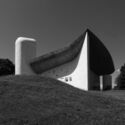
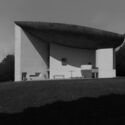
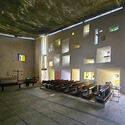
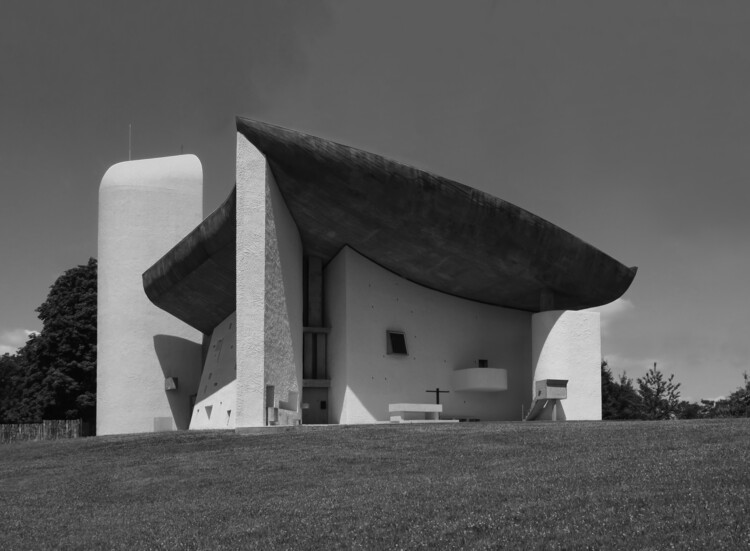
Photographer Paul Clemence has unveiled a new photo series documenting Le Corbusier's Notre Dame du Haut in Ronchamp, France. The collection revisits one of the 20th century's most influential works of religious architecture through an exploration of light, materiality, and atmosphere, highlighting the sculptural qualities of the chapel and the changing relationship between its concrete surfaces and natural illumination. Combining black-and-white exterior photographs with color interior images, the series presents a new documentation of a building that continues to shape architectural discourse more than seven decades after its completion.
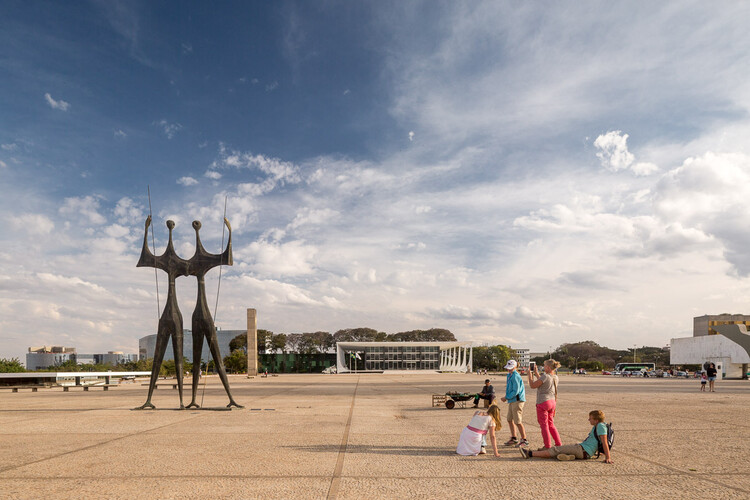
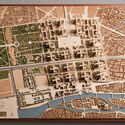
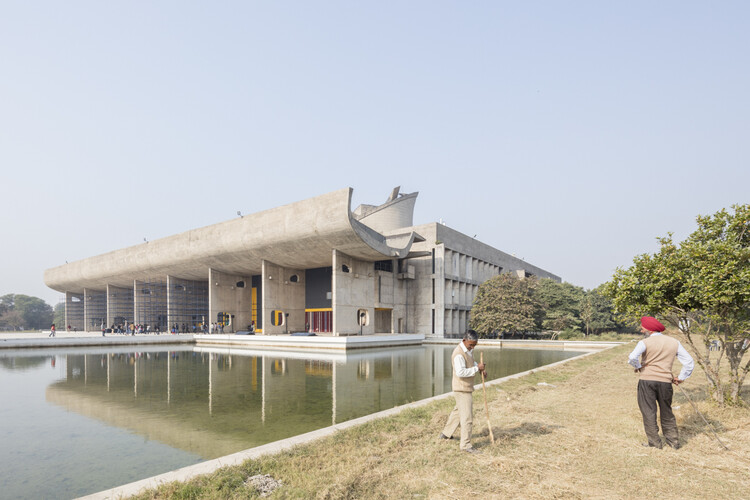
Emerging in a context of profound political and social transformations, where several countries sought to reshape their capitals as symbols of progress, both cities assumed a strategic role. Through their adopted architectural language, they reaffirmed ideological and identity narratives linked to state power.
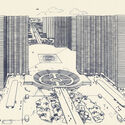
These were cities created in the abstract, following a utopian vision. They were to be avant-garde cities, free from the deficiencies afflicting mid-20th-century urban centers, exemplifying aesthetic principles that would reflect progressive political ideologies and embrace new technologies—most notably the automobile.
However, this promise of the future ultimately generated significant challenges. These difficulties, of course, reflect the social and economic struggles of their respective countries, but they are also "seasoned" by a modernist vision that is highly contested today.
Dornbracht's Coya series designed by Sieger Design. Image Courtesy of Dornbracht
When is a form still circular or rectangular? In twentieth-century modernism, this question was largely absent. Architecture was built on clarity, reduction, and formal purity. Influenced by architects such as Le Corbusier and Ludwig Mies van der Rohe, modernist design established a visual order based on rational geometry, industrial materials, and the rejection of ornament. Circle and square, function and expression, were kept strictly apart—a logic that dictated the rigid, modular layouts of traditional bathrooms for decades.
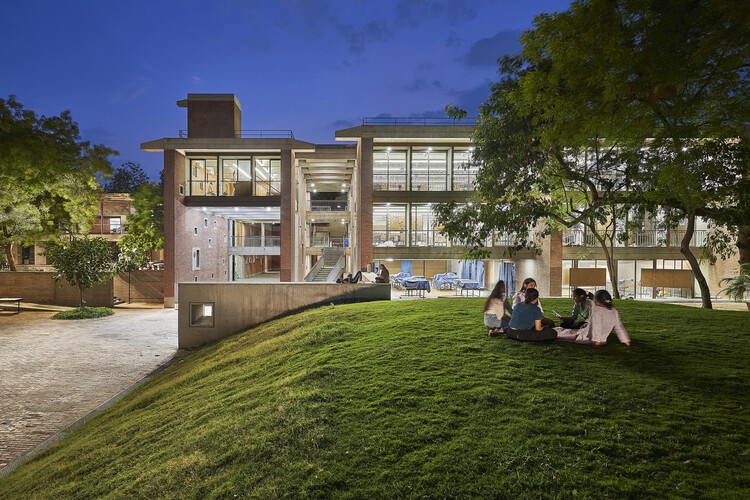
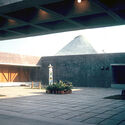
In the decades following independence, some of the most ambitious architectural experiments in the world did not emerge through museums, monuments, or government palaces. They emerged through universities. Across South Asia and Africa, newly formed nations turned campuses into testing grounds for entirely new ways of imagining collective life. These campuses functioned as more than educational institutions. They became territories where states tested how modernity might be organized, for citizens to gather, institutions to function, climate to shape architecture, and imported ideas to transform local realities.
Modernism is often encountered through built form, photographed facades, canonical plans, concrete manifestos. For most people, its first encounter was far more immediate. It was a chair in an office, a shelf in a living room, a compact unit that reorganized how one sat, stored, or slept. Long before modern architecture could be widely commissioned, it was furniture that entered everyday space, carrying with it a new logic of living. Modernism's promise of transforming life was often delivered through these smaller, repeatable objects.
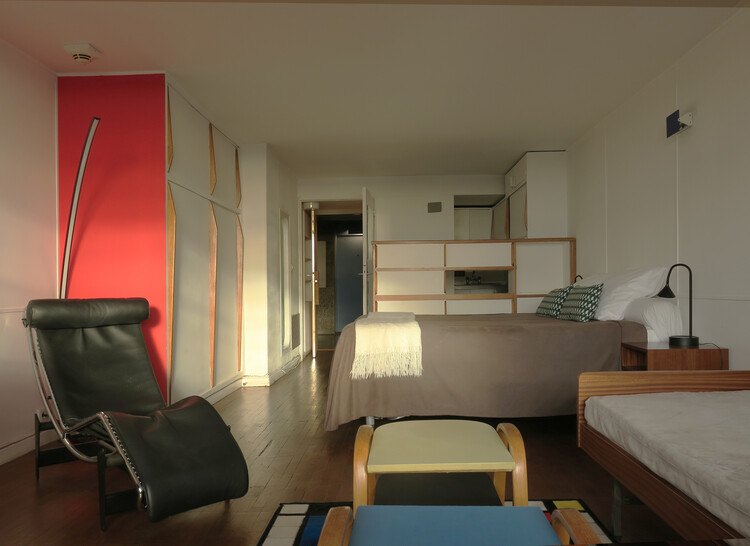
To understand this shift, furniture has to be read as a condensed form of architecture rather than decoration. Early twentieth-century designers treated it precisely this way. Le Corbusier described furniture as équipement de l'habitation (equipment of living), placing it within the operational system of the building rather than outside it. Similarly, the Bauhaus approached chairs and tables as industrial prototypes, embedding principles of standardization, efficiency, and mass production into their design. As architectural historian Beatriz Colomina has argued, modern architecture did not circulate only through buildings, but through media and objects that translated its ideas into everyday life. Furniture became architecture in miniature: portable, reproducible, and capable of reorganizing space without reconstructing it.
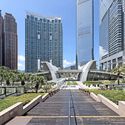
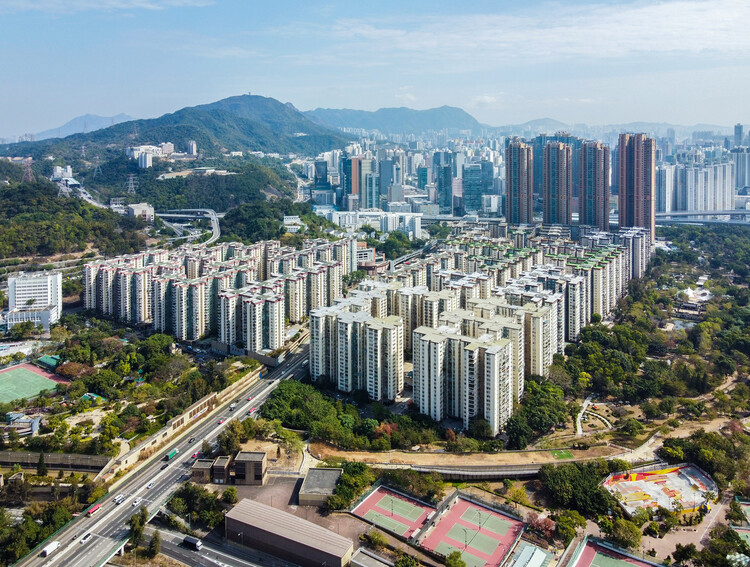
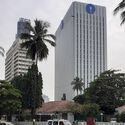
Southeast Asia is often narrated as a kind of architectural playground—an arena where modern and contemporary ideals have been tested at full scale through singular, iconic buildings. One can trace an easy lineage through names that have helped shape the region's skyline imagination: Paul Rudolph's Lippo Centre in Hong Kong and The Concourse in Singapore, I.M. Pei's OCBC Centre and Hong Kong's Bank of China Tower, Norman Foster's Supreme Court of Singapore and the HSBC Main Building in Hong Kong, Ron Phillips' Hong Kong City Hall, Moshe Safdie's Marina Bay Sands. Yet this familiar history—told through objects, colonialism, authorship, and signature forms—risks missing a deeper, more consequential layer of influence: the planning logics and infrastructural frameworks that have quietly structured how these cities expand, densify, and distribute everyday life.
The image is familiar, a façade layered with brise-soleil, light softened into a patterned shadow, interiors kept cool without machines. It appears as intelligence made visible, architecture that understands the sun. This image is rarely examined closely. The same devices that temper heat also organize access, distribute comfort, and depend on particular forms of labor. What looks like a climatic response is also a decision about who gets relief from heat, and how. Tropical modernism, often reduced to a visual language of shade and porosity, emerges instead as a set of situated practices where climate, labor, and power are negotiated differently across contexts.
At the scale of the element, tropical modernism begins as a technical problem. In hot climates, solar radiation is not incidental but constant, requiring buildings to mediate light, heat, and air before they reach the interior. Architects like Maxwell Fry and Jane Drew approached this with a level of precision that resists any reading of these elements as decorative. Shading devices are calibrated according to solar angles, orientation, and seasonal variation. Brise-soleil are dimensioned to block high-angle sun while admitting diffuse light; overhangs extend just enough to prevent direct gain at peak hours; openings are aligned to encourage cross-ventilation. Mid-century research further tested these strategies, measuring temperature reductions and airflow improvements. In this sense, the language of tropical modernism is not symbolic. It is performative: each projection, void, and screen is part of an environmental system.
Every architectural project is the result of deliberate choices. Beyond form and function, buildings embody technical, political, and cultural decisions that shape their relationship with both their surroundings and the people who inhabit them. ArchDaily’s AD Narratives series explores these processes by bringing together accounts that trace projects from initial conception to built realization. In parallel, the AD Classics series turns to works of historical significance, presenting not only the stories behind these buildings but also technical drawings that allow for a deeper, more informed reading of their architecture.
Indian modernism is often narrated through a narrow lens: a handful of iconic institutions, master architects, and formally radical experiments that came to symbolize the nation's post-Independence aspirations. Yet this version of history overlooks the far larger body of modernist architecture that quietly shaped everyday life across the country. Beyond celebrated campuses and canonical buildings exists a vast, dispersed landscape of housing blocks, offices, hostels, hospitals, markets, and townships — structures that were designed to function and endure.
Architecture has never been confined to the act of building. It constantly negotiates between material practice and intellectual reflection, yet throughout the twentieth and twenty-first centuries, many architects felt that the built project alone was insufficient to address the full range of questions facing the discipline. Economic pressures, political contexts, and programmatic demands often narrowed the scope of practice.
Exhibitions and curatorial platforms, by contrast, created spaces of experimentation and critique, opening arenas where architecture could interrogate itself, where its past could be reinterpreted, its present challenged, and its future projected. In this tension, the figure of the architect-curator emerged, treating curating itself as a form of design — not of walls or facades, but of discourse, narratives, and frameworks of meaning.
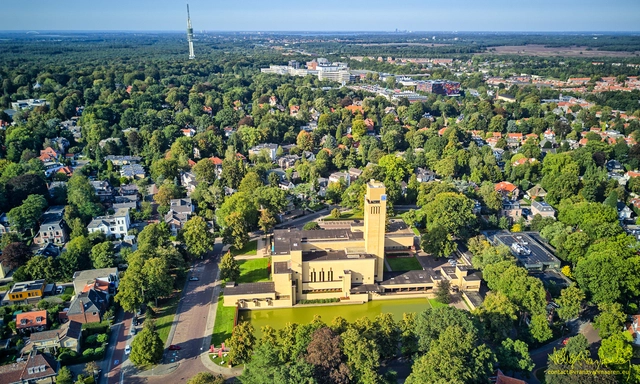
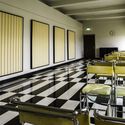
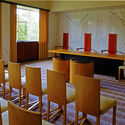
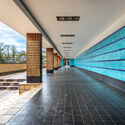
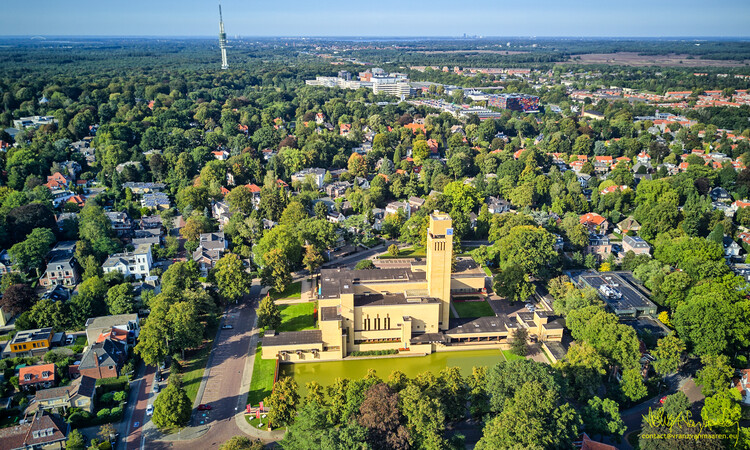
In the Dutch city of Hilversum, a municipal building completed in 1931 redefined the very idea of what a town hall could be. More than a house for local administration, the Hilversum Town Hall became the architectural expression of a community in transformation. With its tower rising above reflective ponds, its brick masses composed around courtyards, and its carefully detailed interiors, the building asserted that civic architecture could unite function with symbolism, efficiency with ceremony.
The architect behind this vision, Willem Marinus Dudok, was not only responsible for individual buildings but for the broader shaping of Hilversum itself. As a city architect and planner, he designed schools, housing districts, and parks, developing a language that fused Dutch craftsmanship with Modernist clarity. The town hall represented the culmination of this trajectory: a civic centerpiece where urban ambition, material refinement, and human scale converged in a single, coherent form.
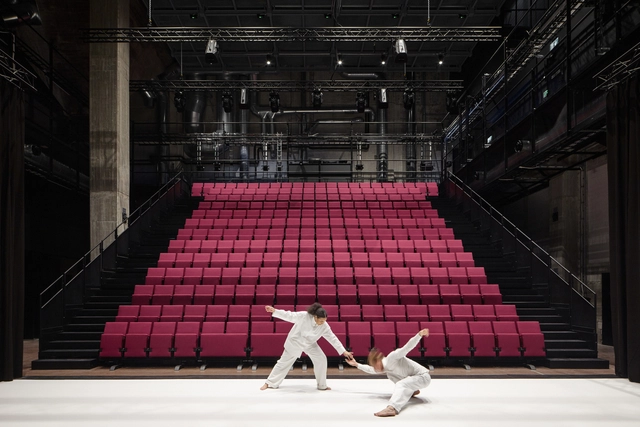
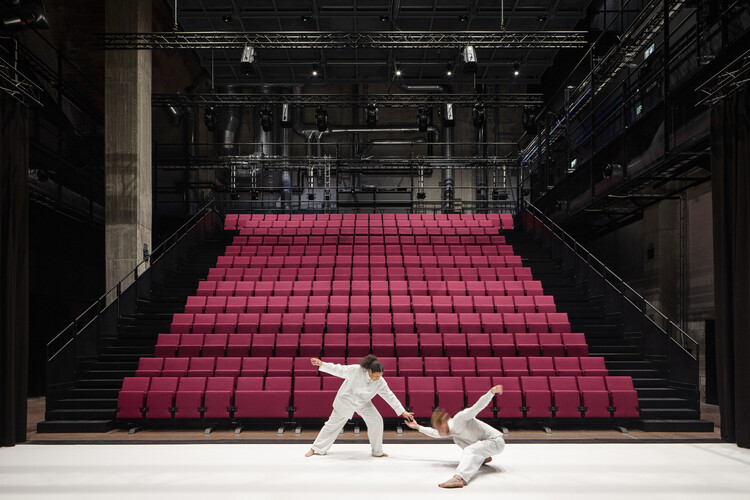
"Dance, dance… otherwise we are lost." This oft-cited phrase by Pina Bausch encapsulates not only the urgency of movement, but its capacity to reveal space itself. In her choreographies, space is never a neutral backdrop, it becomes a partner, an obstacle, a memory. Floors tilt, chairs accumulate, walls oppress or liberate. These are architectural conditions, staged and contested through the body. What Bausch exposes — and what architecture often forgets — is that space is not simply built, it is performed. Her work invites architects to think not only in terms of materials and forms, but of gestures, relations, and rhythms. It suggests that architecture, like dance, is ultimately about how we inhabit, structure, and emotionally charge the spaces we move through.
Historically, architecture and dance have operated in parallel, shaping human experience through the body's orientation in space and time. From the choreographed rituals of classical temples to the axial logics of Baroque palaces, built space has always implied movement. The Bauhaus took this further, as Oskar Schlemmer's Triadic Ballet visualized space as a geometric extension of the body. This was not scenery, but spatial thinking made kinetic. In the 20th century, choreographers like William Forsythe and Anne Teresa De Keersmaeker integrated architectural constraints into their scores, while architects such as Steven Holl, Diller Scofidio + Renfro, and Toyo Ito designed buildings that unfold as spatial sequences, inviting movement, drift, and delay.
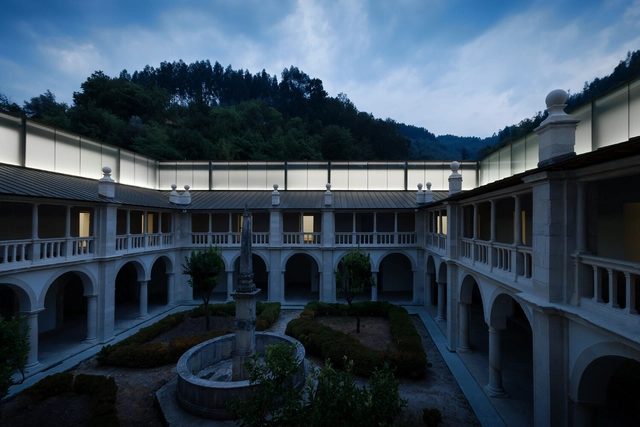
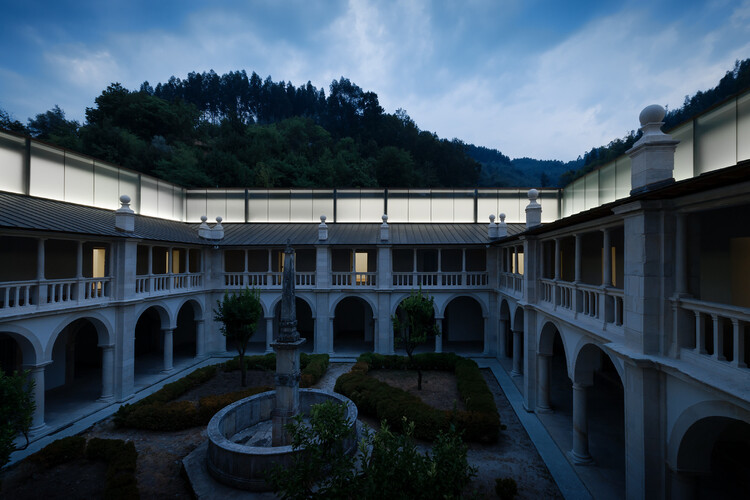
Monasticism emerged from a deep impulse to withdraw—a radical pursuit of spirituality and transcendence. The word itself comes from the Greek μόνος (mónos), meaning “alone,” reflecting the ideal of the holy hermit who retreats from the world to dedicate life entirely to the divine. By the late 3rd century, in Egypt and Palestine, the first Christian monks began to follow this path, creating ways of life that would later give rise to a distinct architecture centered on seclusion.
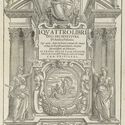
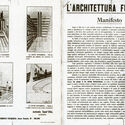
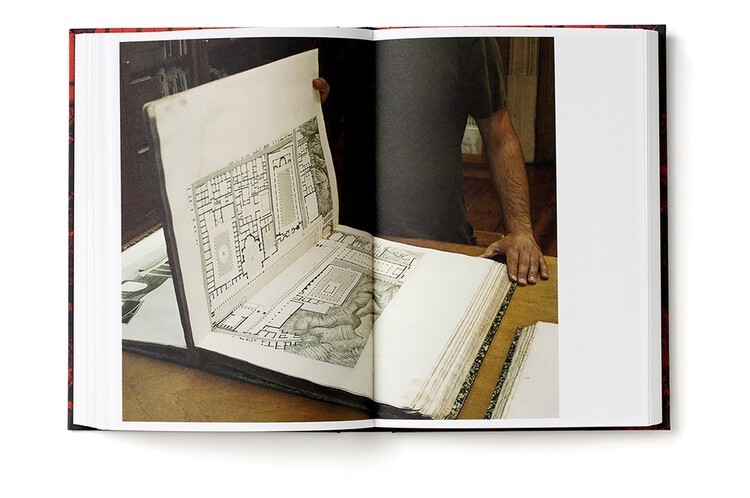
Architecture has always been more than bricks and mortar. It is equally constructed through words, ideas, and narratives. From ancient treatises to radical manifestos, from technical manuals to poetic essays, the written word has served as a spatial, pedagogical, and political tool within the field. Writing shapes how architecture is conceptualized, communicated, and critiqued — often long before, or even in the absence of, physical construction.
Historically, figures such as Vitruvius, Alberti, and Palladio employed writing to codify principles, project ideals, and legitimize architecture as a discipline. In the modern era, Le Corbusier, Adolf Loos, and Lina Bo Bardi wrote prolifically to expand the scope of architecture beyond form and function, often using publications as tools for persuasion and experimentation. The postwar period gave rise to new editorial strategies, as evident in the manifestos of Archizoom and Superstudio, and the polemical publications of Delirious New York and Oppositions, where writing served as both critique and project.
In architecture, the effect of color is rarely neutral. It has the power to calm or energize, to expand or compress space, to unify or divide. Far from solely being a decorative layer, color is a tool that architects, interior designers, and designers use to structure atmosphere and perception. Alongside light, material, and proportion, it is one of the most precise instruments available for guiding spatial experience. When treated deliberately, it becomes a system — one that allows designers to articulate relationships between spaces, establish moods, and create continuity across various scales.
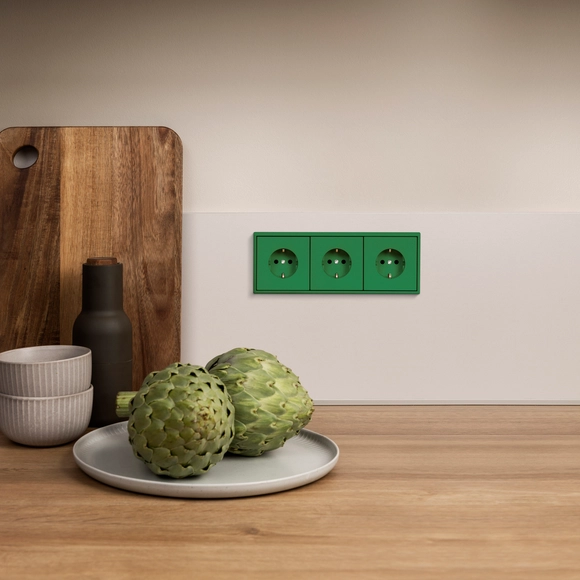
Color is not limited to paint. Surfaces, materials, finishes, and technical elements all carry chromatic weight. Yet in practice, color often remains uneven across the finest details — switches, sockets, intercoms — frequently appearing as neutral interruptions. This gap highlights a broader question: if color is to be considered a true architectural tool, should it not extend to every detail, no matter how small? Addressing this, German manufacturer JUNG has extended Le Corbusier's Polychromie Architecturale to electrical installations, allowing essential building components to speak the same language as the surrounding architecture.