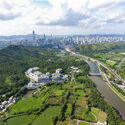
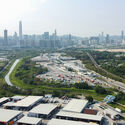
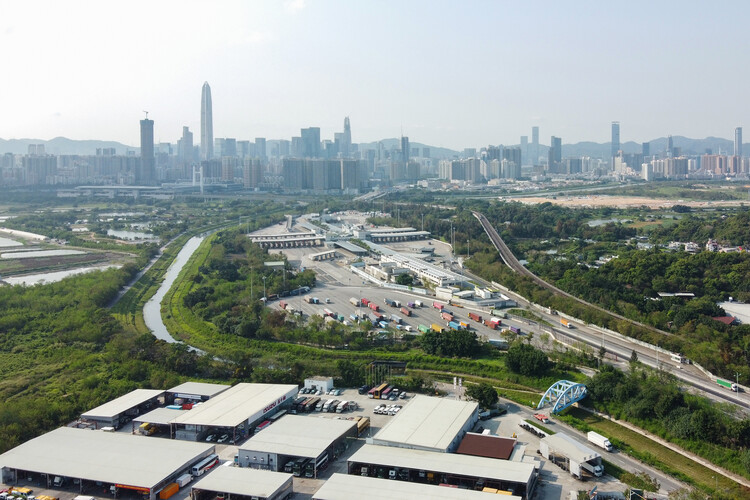
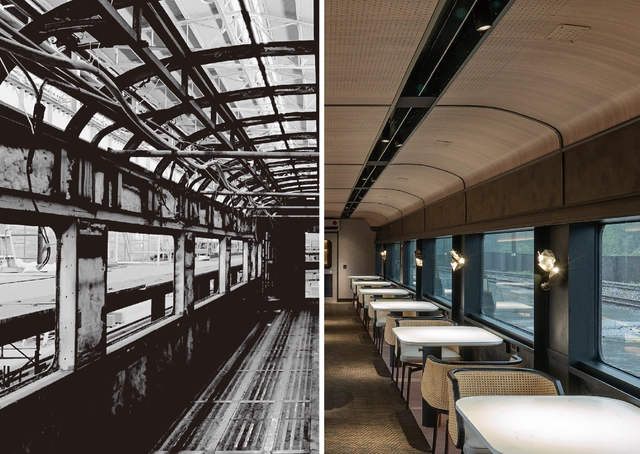
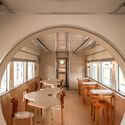
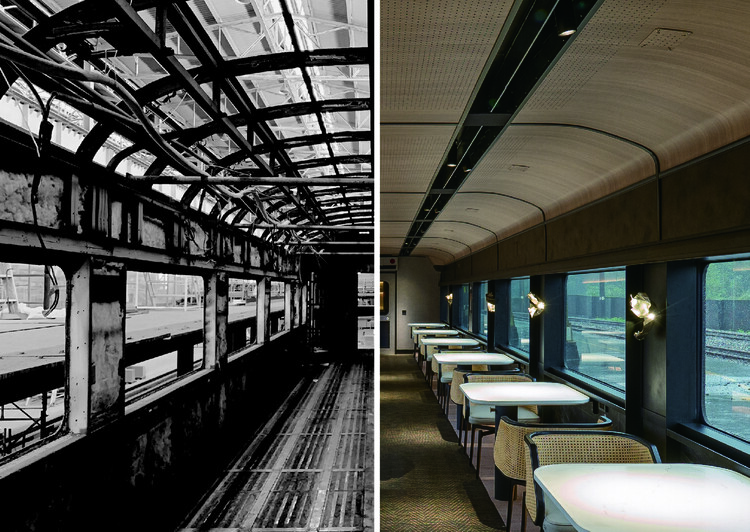
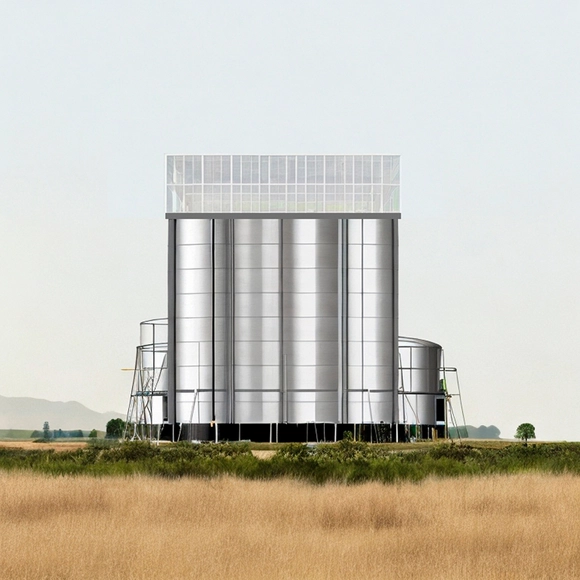
Faced with the combined forces of population growth, economic prosperity, and urban expansion, cities are witnessing a significant rise in the movement of people and goods—mirroring the evolution of diverse mobility systems within urban environments. As technologies advance and modes of transport evolve, the adaptive reuse of train carriages, airplane cabins, and other service infrastructures reveals opportunities to explore their creative potential. Materials, technologies, and design tools converge around a shared goal: refurbishing and repurposing disused structures to give them new life.
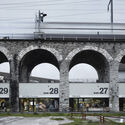
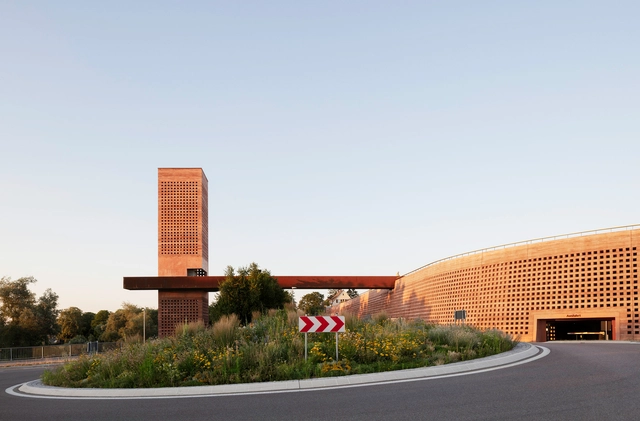
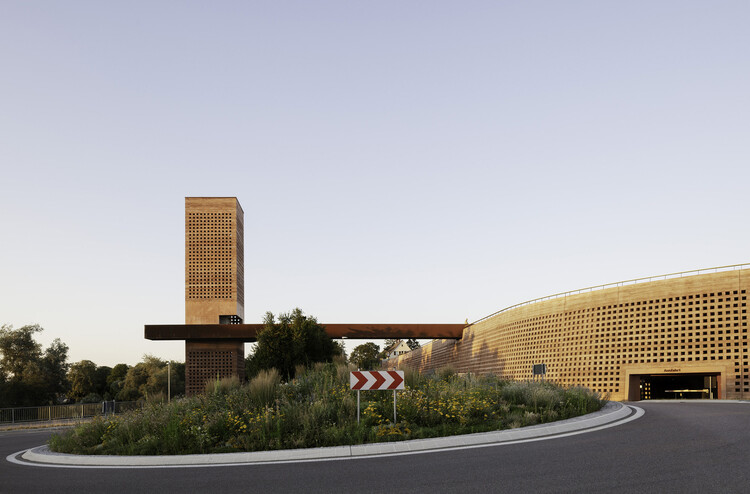
Areal am Kronenrain / MONO Architekten. Image Courtesy of Gregor Schmidt
Marginalized in architectural discourse and often dismissed as purely functional, parking garages remain among the most ubiquitous structures in the urban landscape. Designed to accommodate the needs of private vehicles, they occupy central locations, shape skylines, and consume considerable resources, yet rarely receive the same attention — or architectural care — as cultural institutions, schools, or housing. Despite their prevalence, these buildings tend to fade into the background of daily life, treated as infrastructural necessities rather than as design opportunities.
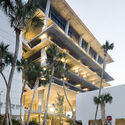
This is beginning to change. As urban mobility undergoes profound transformations — from the decline of car ownership to the rise of electric vehicles and shared transport systems — the role of parking infrastructure is being redefined. Architects and planners are reimagining garages as adaptable frameworks that integrate public space, ecological functions, and mixed-use programs. These new approaches challenge the perception of parking as a residual typology and instead position it as a civic structure with the potential to support more inclusive, flexible, and sustainable urban models.
Urban playgrounds are evolving from simple swing sets and slides into dynamic, multi-faceted urban landscapes. These new designs are more than just places to play; they are thoughtfully integrated spaces that address urban challenges, promote community, and inspire creativity. A key trend is the intentional use of color and pattern. Designers are utilizing vibrant color zones to segment different functional areas, creating a visually dynamic experience that contrasts with natural surroundings. This approach can also be used to establish a cohesive urban identity, with thoughtful color palettes that complement the existing cityscape.
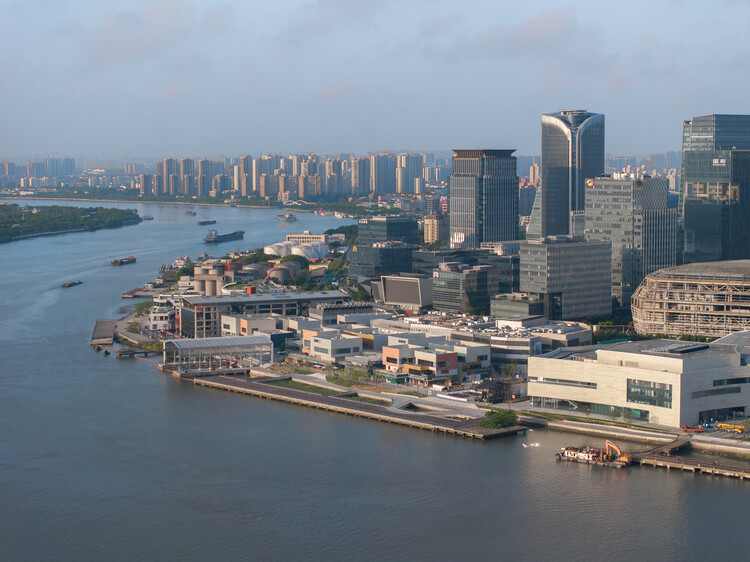
Amidst global economic adjustments and a domestic focus on high-quality development, Shanghai has implemented a strategic shift in its urban development approach—moving from 'incremental expansion' to 'connotative enhancement.' Guided by the concept of a "people-oriented city", Shanghai has elevated urban construction from mere physical space aggregation to a comprehensive endeavor aimed at optimizing functional quality, revitalizing spatial vitality, and boosting residential resilience through urban renewal initiatives. This transformation is framed not merely as a response to resource constraints but also as an intentional approach to urban development principles. Its core proposition lies in: under the policy framework of strictly controlling incremental land use, how to unleash development potential through the "reproduction" of existing spaces.
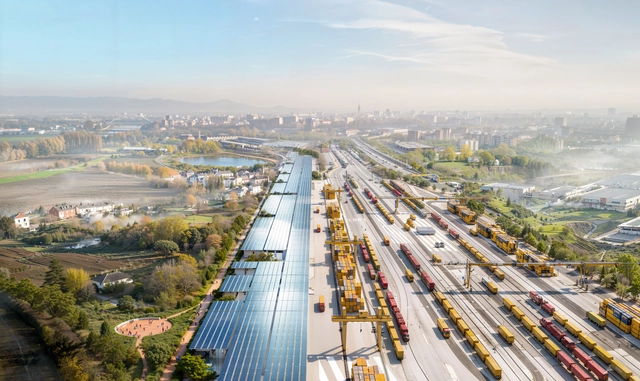
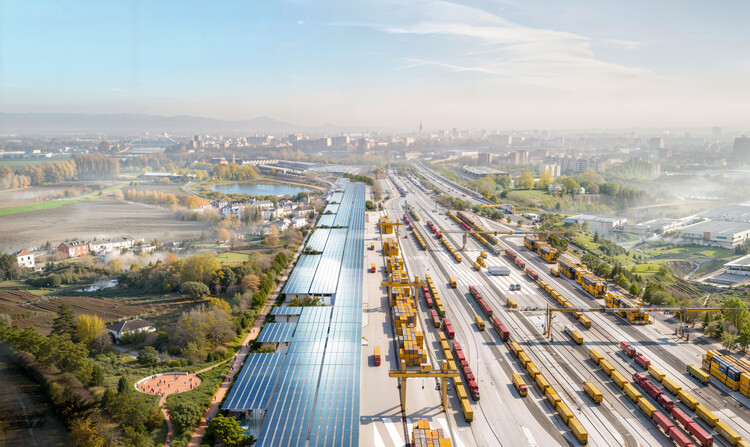
Alessandria Hub Aerial View. Image Courtesy of Carlo Ratti Associati
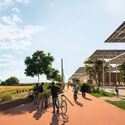
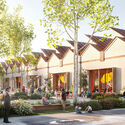
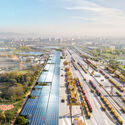
CRA-Carlo Ratti Associati, in collaboration with The Blossom Avenue Partners, has been announced as the winner of the international competition for the urban and architectural design of X-Change, a major multimodal logistics hub located on the site of a former railway yard in Alessandria, Italy. The project reimagines a traditionally introverted typology, rail distribution infrastructure by integrating logistics with energy production, ecological regeneration, and public life. Conceived as one of Southern Europe's largest intermodal hubs, X-Change is set to support Alessandria's evolving role as a backport to Genoa, leveraging future fast rail freight connections.
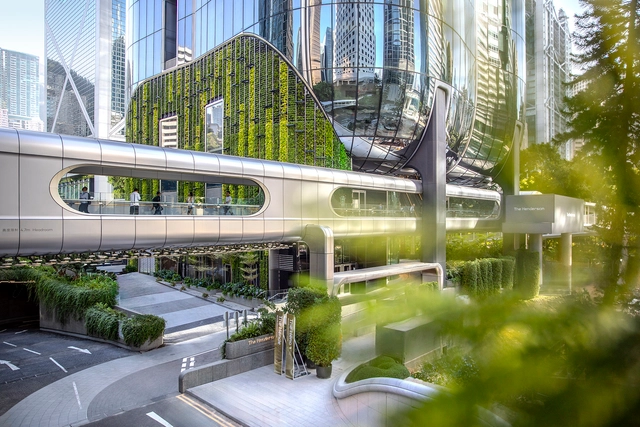
Architectural landmarks often cluster together. In Tokyo, the iconic Omotesando is a well-known stretch where global "starchitects" built flagship luxury retail spaces in the 2000s. Hong Kong has a lesser-known but equally powerful architectural agglomeration along Queensway—though historically more corporate and less publicly engaging. Beginning in the 1980s, this corridor became home to a series of landmark buildings by some of the world's most prominent architects: Norman Foster's HSBC Headquarters, I.M. Pei's Bank of China Tower, Paul Rudolph's Lippo Centre, and the nearby Murray Building by Ron Phillips—now revitalized as a hotel by Foster + Partners. The area is further enriched later on by Heatherwick Studio's renovation of Pacific Place and Tod Williams Billie Tsien Architects' Asia Society Hong Kong Center.
The Sharjah Architecture Triennial has announced the theme for its upcoming edition: Architecture Otherwise: Building Civic Infrastructure for Collective Futures. Scheduled for November 2026, the event will unfold across the city and the Emirate of Sharjah, UAE, through site-specific installations, exhibitions, performances, workshops, and public programs. Positioned as a platform for architectural and urban exploration across West Asia, South Asia, and the African continent, the Triennial will combine practical and theoretical approaches to contemporary urban life. Conceived by its curators, Vyjayanthi Rao and Tau Tavengwa, SAT03 aims to explore how architecture can shape collective life in regions undergoing rapid urban transformation. Consequently, selected participants will take part in month-long residencies, embedding their work within the social and cultural fabric of Sharjah.
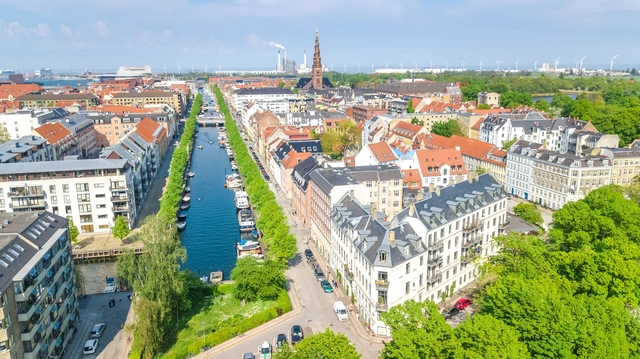
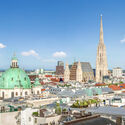
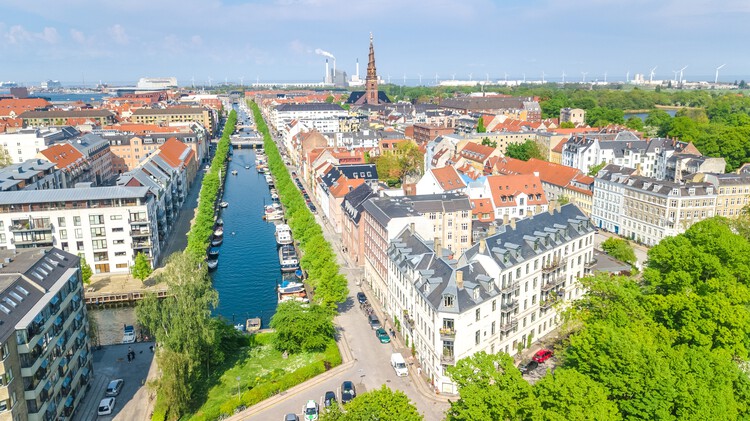
The Economist Intelligence Unit (EIU) has released its Global Liveability Index for 2025, assessing 173 cities worldwide across five categories: stability, healthcare, culture and environment, education, and infrastructure. This year, Copenhagen has taken the top position, ending Vienna's three-year run as the world's most liveable city. The Danish capital earned high scores in stability, education, and infrastructure, narrowly surpassing Vienna, which saw a decline in its stability rating following recent security incidents. The average global liveability score for 2025 remains steady at 76.1 out of 100, unchanged from 2024. While year-on-year improvements were recorded in healthcare, education, and infrastructure, these were offset by a continued decline in stability, driven by rising geopolitical tensions, civil unrest, and increased security threats in several regions.
What structures and infrastructures sustain the ties and relationships between the countryside and the city? How will architecture and emerging technologies maintain -or not- the coexistence of both worlds in the future? The reduction of ecological footprints, the impact of climate change, the decentralization of major cities, food security, and other contemporary issues challenge professionals in architecture and urbanism globally under the main shared goal of improving citizens’ quality of life and achieving physical, mental, and emotional well-being in both built and natural environments.
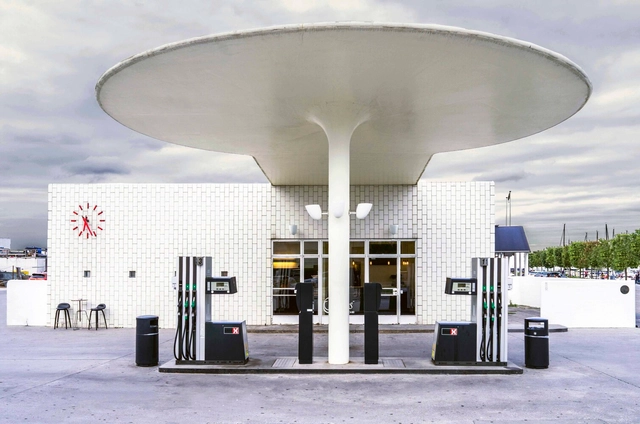
The gas station is an architectural typology that has undergone significant transformations since its inception. Initially, these structures were simple roadside refueling points designed for functionality rather than aesthetics. As automobile culture expanded, gas stations evolved to accommodate new technologies, shifting urban landscapes and changing consumer behaviors. Over time, they became more than just utilitarian stops — they developed into service hubs, integrating restaurants, motels, and leisure spaces, responding to contemporary transportation increasing demands.
By the late 20th century, however, the widespread standardization of gas stations led them to be perceived as "non-places", a concept defined by anthropologist Marc Augé to describe transient spaces that lack social or cultural significance. With uniform designs and a focus on efficiency, gas stations became interchangeable, reinforcing their role as purely functional infrastructure rather than meaningful architectural interventions. This standardization also departed from the era when fuel stations served as recognizable landmarks, contributing to a homogenized landscape devoid of local identity.
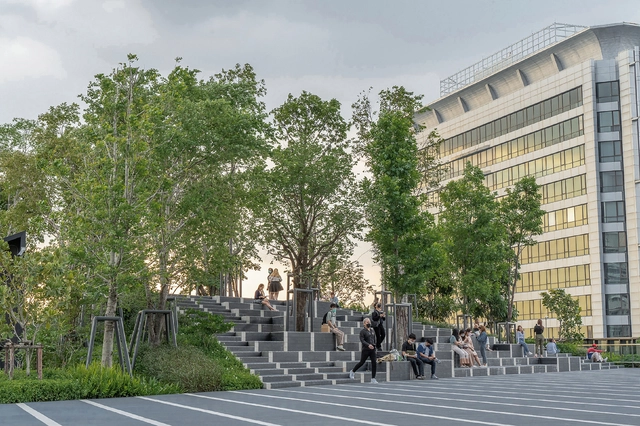
In contemporary urban development, the concept of Privately Owned Public Space (POPS) has gained increasing prominence. These are spaces that, while built, owned, and maintained by private developers, are legally required to remain publicly accessible. Often the result of negotiated planning incentives—such as zoning bonuses or increased floor area—POPS have become especially prevalent in dense urban environments where land is limited and demand for public amenities is high.
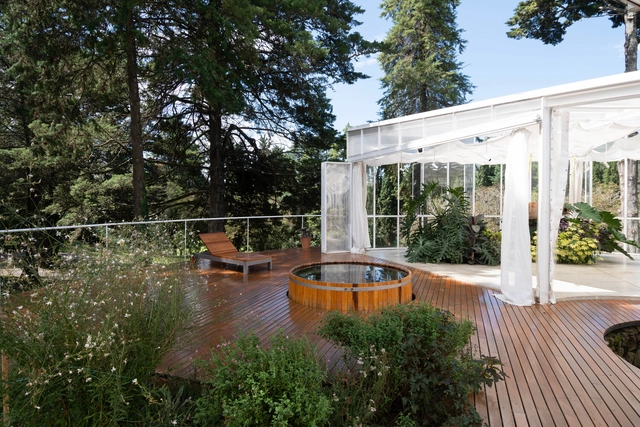
How can architecture professionals transform the atmosphere of a structure? What kinds of interventions can go beyond adaptive reuse to modify spatial perception? As architectural structures are repurposed over time, new uses and needs emerge between spaces and their users. While the structures of old buildings keep the memory of communities alive, the introduction of new life through greenhouses, housing, commerce, offices, or cultural centers brings about new atmospheres where light, ventilation, the integration of nature, and other elements reshape interior experiences.
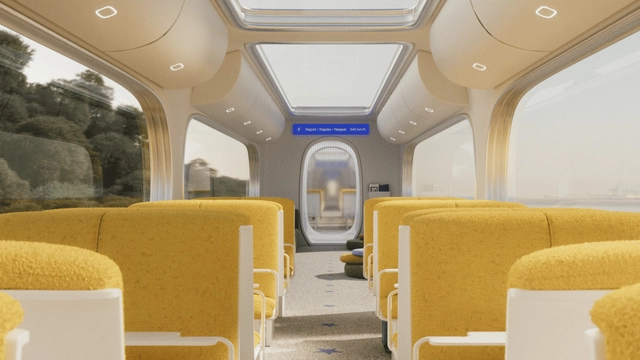
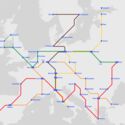
21st Europe, a new design-led think tank founded by former SPACE10 creative director Kaave Pour focused on shaping the future of the continent, has just unveiled Starline: a blueprint for a high-speed rail system that aims to connect Europe as seamlessly as a city metro. Revealed at the think tank's inaugural summit in Barcelona and developed in collaboration with creative technology studio Bakken & Bæck, Starline combines infrastructure, digital tools, and visual identity into one integrated vision for movement across the continent.
As Athens hosts The Architect Show (TAS) 2024, the event brings together global and local voices to highlight the latest innovations in architecture and design. Against this backdrop, the city's evolving urban narrative is exemplified by The Ellinikon, Europe's largest urban regeneration project. Encompassing 6.2 million square meters, this €8 billion development has already attracted globally renowned architects such as Bjarke Ingels Group (BIG), Kengo Kuma, Foster + Partners, and Aedas. Together, they are shaping the smart city that integrates sustainability, connectivity, and community-focused design into the heart of Athens.
Woodward Avenue, between the Detroit Institute of Arts and the Detroit Public Library, serves as a public mediating ground on the nation's first paved road.. Image Courtesy of Agence Ter - Akoaki
The Detroit Cultural District has announced an ambitious initiative to reshape its urban landscape. This multi-phased project led by the Detroit Cultural Center Association (DCCA) in partnership with Design Leads Akoaki and Agence Ter, will transform the district's character, creating a more vibrant and accessible environment for residents and visitors alike. The project builds upon a comprehensive master plan, outlining a 15-year vision for the 80-acre campus in Detroit, Michigan. The plan's guiding principles focus on unifying the district's twelve institutions, improving pedestrian flow, and fostering a stronger sense of community.
Air rights transactions have become essential in urban development, allowing cities to grow vertically while preserving limited land resources. Typically defined as the right to use or sell the space above a property, air rights enable property owners to transfer unused floor area ratio (FAR) to neighboring parcels, creating increased density and financial gain opportunities. However, the definition can vary based on locality and region, as each country interprets air rights and the ability to build or transfer them differently. As urban centers face mounting pressures from limited land supply and population growth, air rights continue to offer a creative solution that fosters architectural innovation and economic efficiency.
The design of public bathrooms and changing facilities has historically catered to a generalized notion of user needs, often oversimplifying the complexities of gender-specific requirements and falling short of supporting the unique needs of women. These needs extend beyond biological differences—such as the necessity for more stall privacy and differences in height and body posture—to include cultural factors that influence restroom use and expectations over time.
For instance, women's contemporary clothing often lacks adequate pocket space, resulting in the need to carry a handbag, even for simple essentials like phones and wallets. Despite efforts in recent architectural designs to address these disparities, the layered nuances of biological, cultural, and gender identity factors present a multifaceted challenge that defies a one-size-fits-all solution.
THE LINE, Phase One Strategic Partners. Image Courtesy of NEOM

NEOM has announced the appointment of new partners to advance the city planning, design, and engineering for the initial phase of THE LINE, a core component of its region in northwest Saudi Arabia. The collaboration brings together Delugan Meissl Associate Architects (DMAA), Gensler, and Mott MacDonald, who will work alongside THE LINE's design and development teams to shape the urban landscape, offering expertise in urban design, planning consultancy, and infrastructure development.