This week's architectural highlights traced the intersections between heritage, climate awareness, and contemporary design practice. As the 19th Venice Architecture Biennale approaches its closing, projects exploring collective intelligence and material experimentation offer reflections on small-scale responses to global challenges. In Egypt, the completion of the Grand Egyptian Museum marks a long-anticipated moment in cultural preservation, while new competition initiatives in Jordan extend this dialogue toward sacred and archaeological contexts. Complementing these developments, the recognition of Abdelwahed El-Wakil with the Tamayouz Lifetime Achievement Award highlights the continued influence of tradition-informed design across contemporary practice.
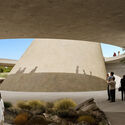
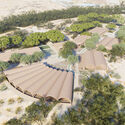
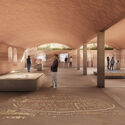
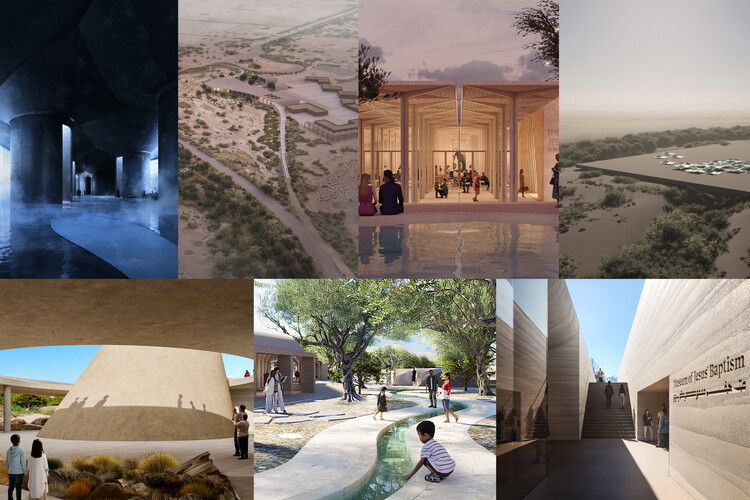
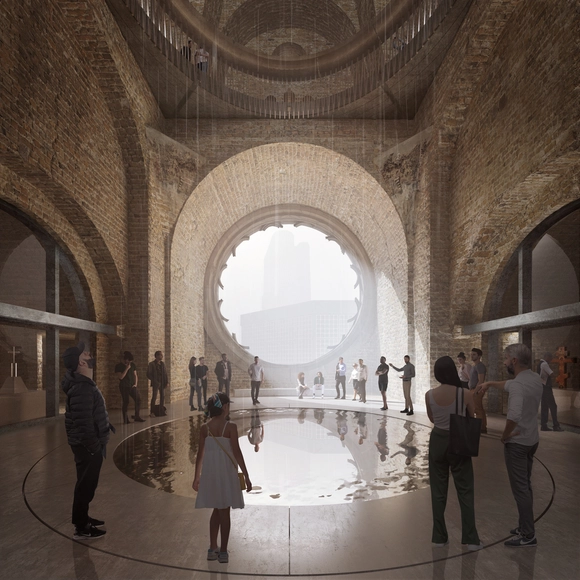
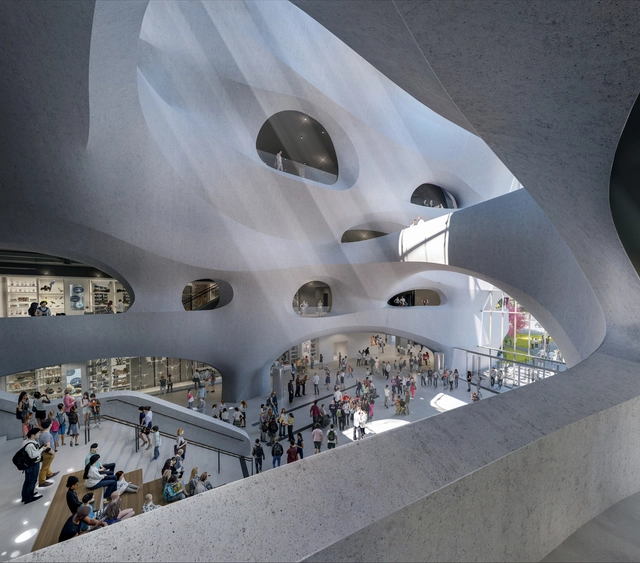
Left to right, top to bottom: AAU Anastas, heneghan peng architects, Níall McLaughlin Architects, Studio Anne Holtrop, Tatiana Bilbao ESTUDIO, Toshiko Mori Architect, Trahan Architects. Image Courtesy of The teams and Malcolm Reading Consultants
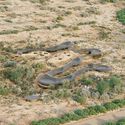
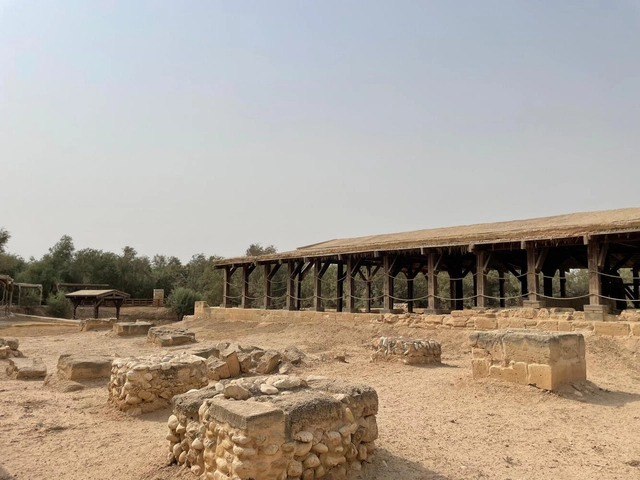
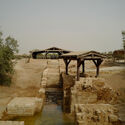
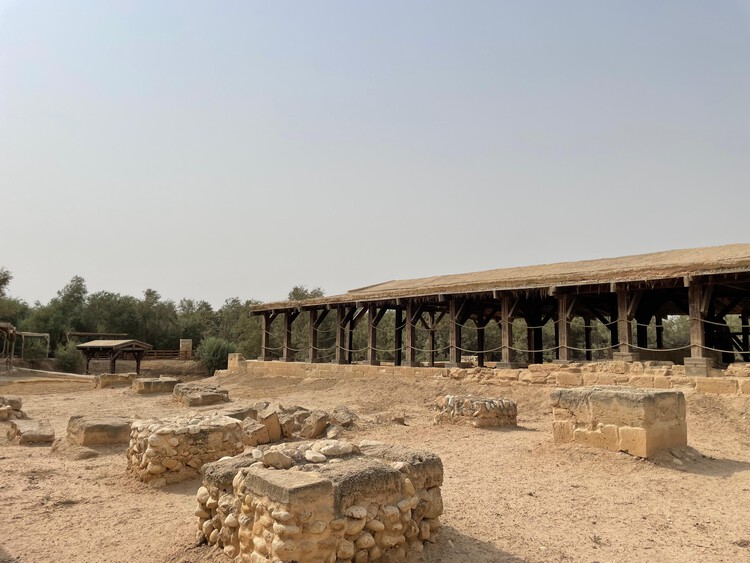
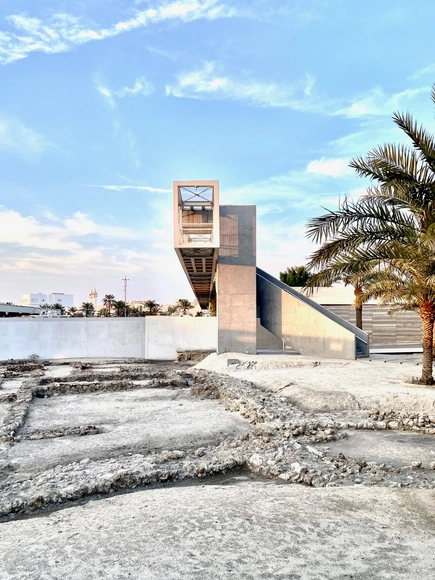
Baptism Site. Image Courtesy of Malcolm Reading Consultants
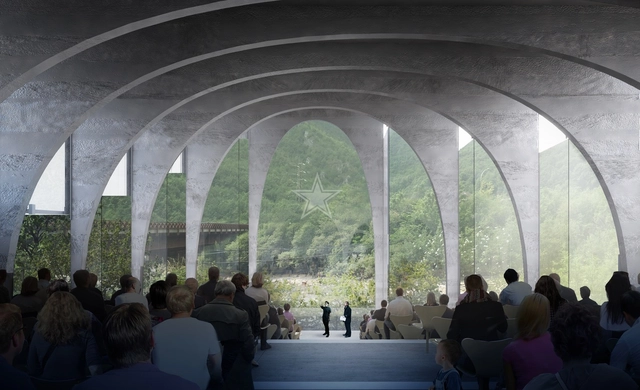
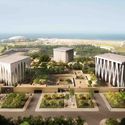
Seven international design teams have been shortlisted for the "Museum of Jesus' Baptism" at Bethany, Jordan, a cultural and spirituallandmark scheduled to open in 2030 to mark the bimillennial of Christ's baptism. Endorsed by His Majesty King Abdullah II bin Al-Hussein and led by the Foundation for the Development of the Lands Adjacent to the Baptism Site, the project is managed by London-based Malcolm Reading Consultants (MRC). The museum will be situated adjacent to the UNESCOWorld Heritage Site of "Bethany Beyond the Jordan" on the east bank of the JordanRiver, a place of Christian pilgrimage for centuries.
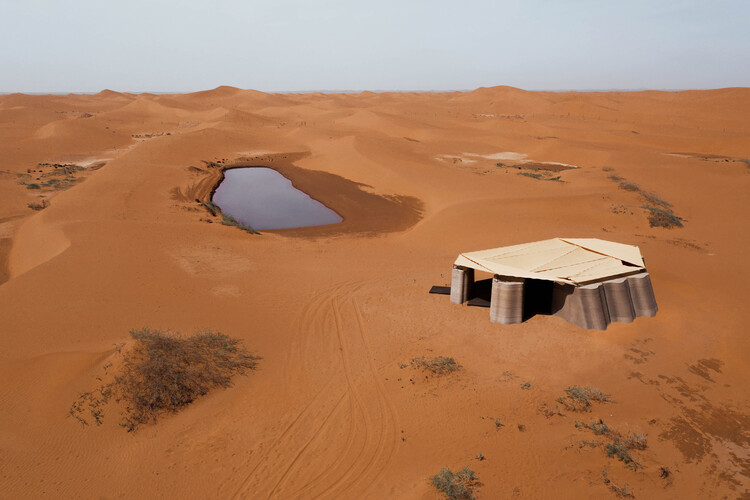
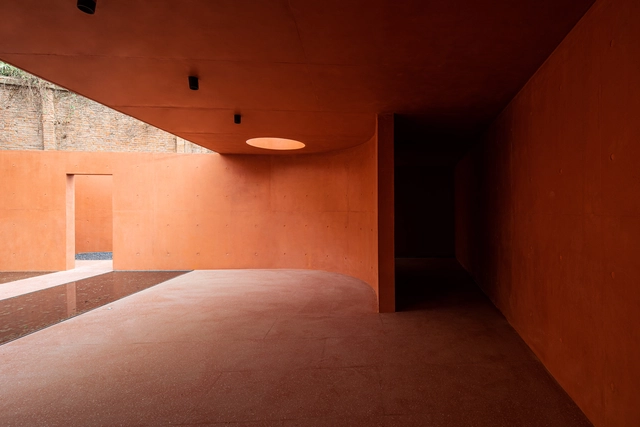
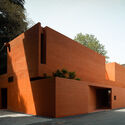
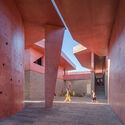
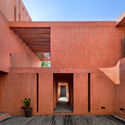
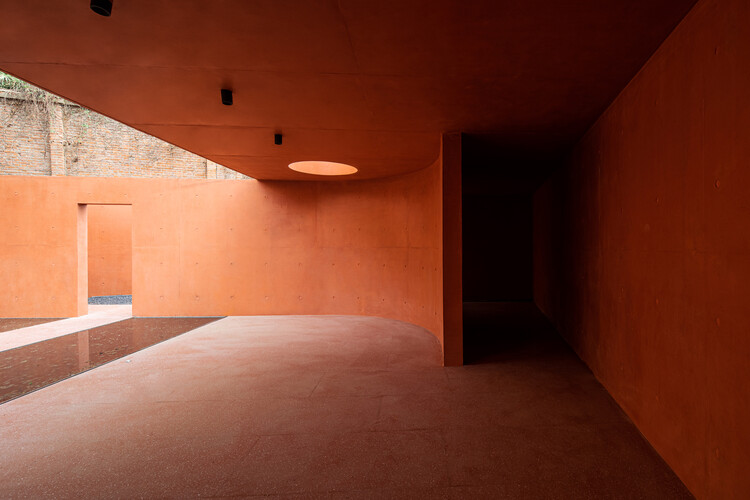
Concrete is often seen as the material of modernity, defined by its structural strength, raw finish, and unmistakable gray tone. It became the default palette of 20th-century architecture, a symbol of functionality and permanence. Yet, concrete is not bound to this chromatic identity. Its color is a byproduct of the cement, aggregates, and chemical composition used in its mix, and it can be intentionally altered through pigmentation. Among the many hues explored, red stands out — not only for its visual intensity, but for its ability to root buildings in place, evoke cultural references, and imbue architecture with a material presence that feels both elemental and expressive.
Pigmenting concrete involves the addition of mineral-based colorants — usually iron oxides — during the mixing process. Unlike paints or coatings applied to the surface, these pigments are integrated directly into the concrete mass, ensuring the color permeates the material and remains stable over time. Red pigments in particular are often derived from iron oxide (Fe₂O₃), a naturally occurring compound found in clay, hematite, and other iron-rich minerals. Their deep, earthy hue connects contemporary construction with ancient techniques — from Roman pozzolana mortars to the red earth buildings of West Africa and South America.
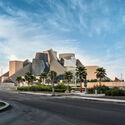
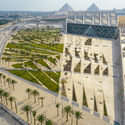
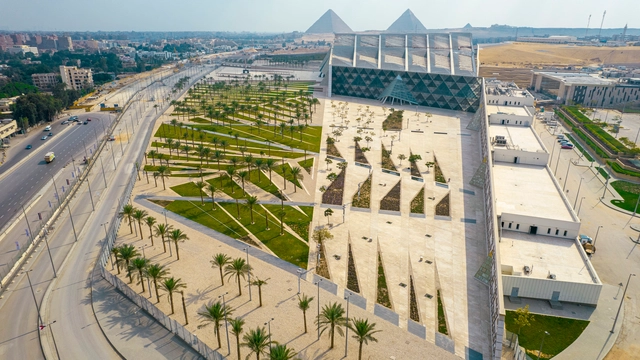
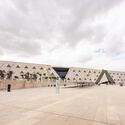
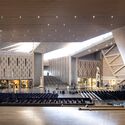
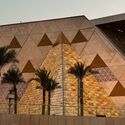
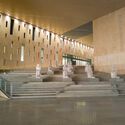
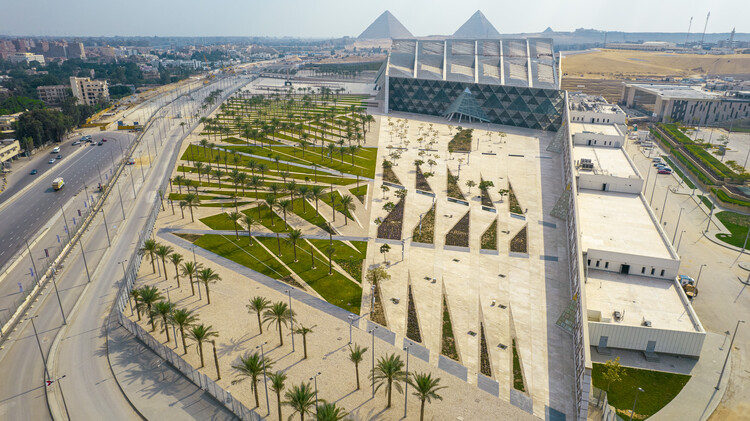
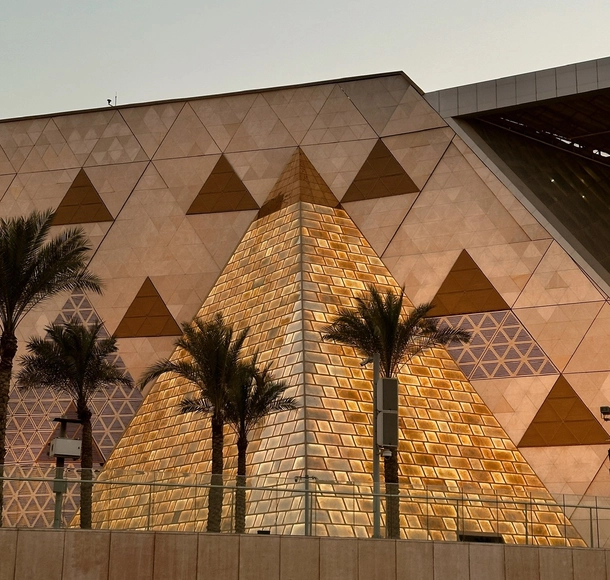
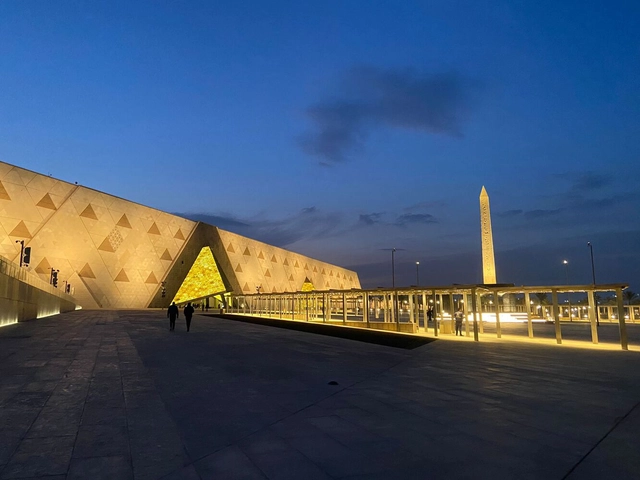
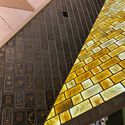
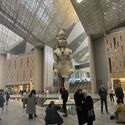
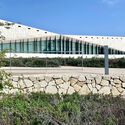
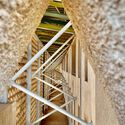
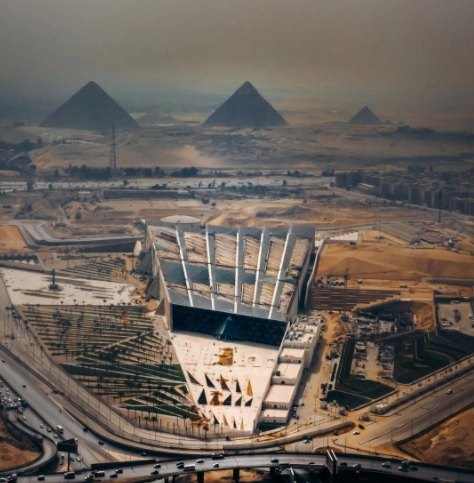
Showcasing millennia of Egyptian history and culture, the Grand Egyptian Museum is a monumental project in Cairo, Egypt, designed by the Irish firm Heneghan Peng Architects. Home to over 100,000 artifacts spanning Egypt’s storied past, the museum is on the brink of opening its doors to the public after multiple setbacks. Recent updates offer glimpses of the structure’s progress, with photographs captured by Egyptian photographer Farida Bustani providing sneak peeks of the architectural landmark.
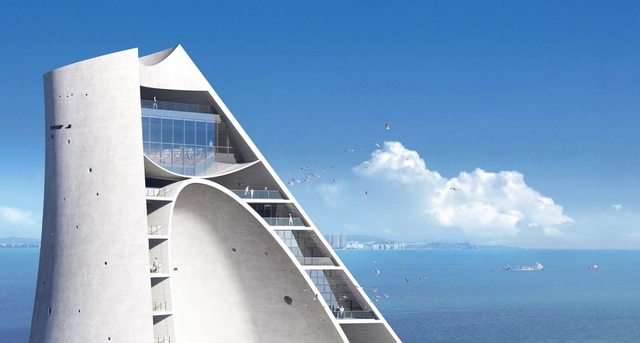
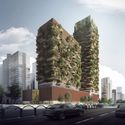
Sun Tower / OPEN Architecture. Image Courtesy of OPEN Architecture
As the year 2023 comes to a close, we review the evolution of the field of architecture, but we also look forward to the most anticipated projects planned to open in 2024. As Paris is preparing to host the 2024 Summer Olympic Games, several projects and infrastructure updates have been planned to support the global event. Another milestone for Paris will be the reopening of the Notre Dame Cathedral, as reconstruction works near completion for the fire-damaged 12th-century monument.
The selection of projects spans various scales and programs, from restoration and expansion works such as OMA's plan for Museo Egizio in Turin, or David CHipperfield's Grand Residential Building in Belgium, to architecture developed with indigenous peoples, such as Snøhetta's Čoarvemátta in Northern Norway, cultural facilities in Asia and Europe and environmentally-conscious buildings such as Studio Gang's Hotel in the United States.
The design by heneghan peng architects, Dublin, with Ralph Appelbaum Associates, Berlin, was awarded 1st prize in the international competition for the replanning and expansion of the Old Tower of the Kaiser Wilhelm Memorial Church. The competition’s purpose was to redesign the original West Tower, which was partially destroyed during a bombing by the Allied Forces in 1943, and return it to the tourist circuit as a war memorial and exhibition space.
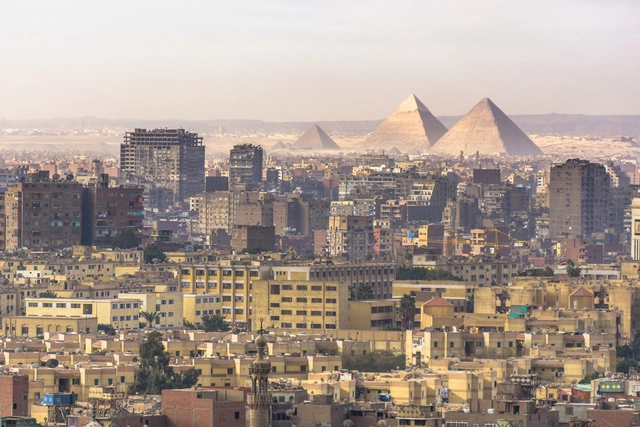
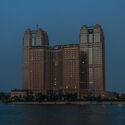
Cairo,Egypt's vibrant capital, is a unique synthesis of both historical and contemporary architecture. One of the most populated cities in Africa, this busy urban agglomeration has a long, rich history and is home to nearly 20 million people. Apart from the infamous Great Pyramids of Giza and the Sphinx, which have attracted tourists for ages, the city has been a melting pot of cultures, histories, and built environments alike.
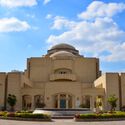
The city of Cairo has witnessed many different eras, each characterized by unique architectural styles. After the Ancient Egyptians, the Islamic Period saw the birth of iconic buildings like the Mosque of Ibn Tulun and the Mosque of Sultan Hassan. These were followed by the Mamluk Period, during which structures such as the Al Rifai Mosque and the Mosque Madrassa of Sultan Barquq were constructed, boasting exquisite stone carvings, towering minarets, and intricate decorative motifs. The Ottoman era brought its own landmarks, including the Mosque of Muhammad Ali and the Citadel of AlQalaa. In the late 19th and 20th centuries, Cairo experienced an influx of European architectural styles due to colonial influences. This resulted in the construction of notable structures such as the Cairo Opera House and the Cairo Tower.
As the new year begins, we look forward to the most exciting projects planned to open in 2023. The world's second-tallest tower is currently under construction in Malaysia; Egypt is almost ready to open its largest archeological museum, while MVRDV is currently renovating a large-scale brutalist landmark in Albania. Featuring internationally renown architectural offices such as Snøhetta, OMA, Studio Gang, Zaha Hadid Architects, BIG, along with the latest winner of the Pritzker Prize, Francis Kéré, the following selection presents projects from all around the world. They also range in scale and program, from international airports to sculptural arts galleries or museum expansions.
Several projects presented here have also featured in the previous year's compilation. Resource availability and labor issues generated by the pandemic have also continued to influence opening schedules, but with a diminishing impact. Following the predicted trends for 2023, more and more projects involve the adaptive reuse of existing structures. An underlying theme is visible in the increased interest in expanding artistic and cultural venues and integrating historical heritage into the expression of contemporary architecture.
As the new year kicks off, we're taking a look ahead to the projects we're most looking forward to in 2022. With a mix of cultural and commercial programs, the designs are located across five continents, with many under construction for multiple years. Designed across a wide range of scales, they represent a mix of interconnected landscapes, museums, and new skyscrapers.
Designed by Irish architecture firm Heneghan Peng, the long-awaited Grand Egyptian Museum devoted entirely to Egyptology is set to open this summer, sitting on the edge of the Giza Plateau, 2 km away from the Pyramids. Considered as the largest museum in the world dedicated to one civilization, the cultural complex will accommodate about 100,000 ancient artifacts, and will include 24,000m² of permanent exhibition space, a children’s museum, conference facilities, educational areas, a conservation center, and extensive gardens inside and around the museum's plan.
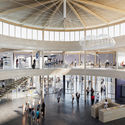
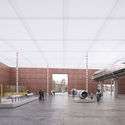
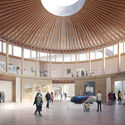
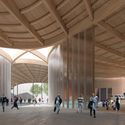
The National RailwayMuseum and Malcolm Reading Consultants revealed the final concepts for the new Central Hall, created by five small to medium-sized international and UK practices. Shortlisted in November 2019, the 5 teams include a collaboration between 6a architects from UK and OFFICE Kersten Geers David Van Severen from Belgium, Atelier d’Architecture Philippe Prost from France, Carmody Groarke from the UK, Feilden Fowles from the UK, and Heneghan Peng Architects from Ireland.
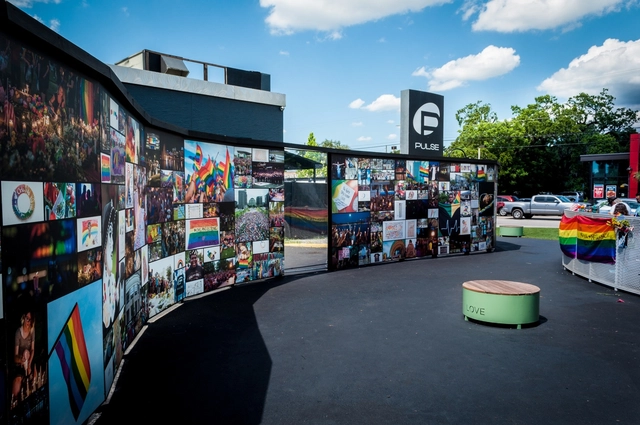
The six shortlisted concepts for the National Pulse Memorial & Museum will be on display at the Orange County Regional History Center where people can view and comment on the schemes, helping the jury choose the winning proposal, to be announced on October 30.
The shortlist has been announced for the design of the National Pulse Memorial & Museum in Orlando, Florida, honoring the 49 people killed during the Pulse nightclub shooting on June 12th, 2016. Established by Dovetail Design Strategists for the onePULSE Foundation, the open, two-stage international competition seeks to honor those killed while also supporting the families, survivors, and first responders.
https://www.archdaily.com/918366/high-profile-architects-shortlisted-for-pulse-nightclub-shooting-memorialNiall Patrick Walsh
Dublin is one of the world’s most beloved cities. The Irish capital welcomes over 5.6 million tourists every year from around the world, seeking out the city’s red brick rows, cobblestone streets, and lush green parklands.
Dublin has good reason for being on any architect’s travel list. Modest Georgian tenements, sensitively altered by local architects, stand alongside major civil and public works by some of the world’s most renowned international firms, while warm art nouveau and art deco cafes sit alongside the sleek, modern headquarters of the world’s largest tech firms.
https://www.archdaily.com/904358/an-architectural-guide-to-dublin-30-things-to-see-and-do-in-irelands-capitalNiall Patrick Walsh