1. ArchDaily
  2. Equador

Equador: The Latest Architecture and News

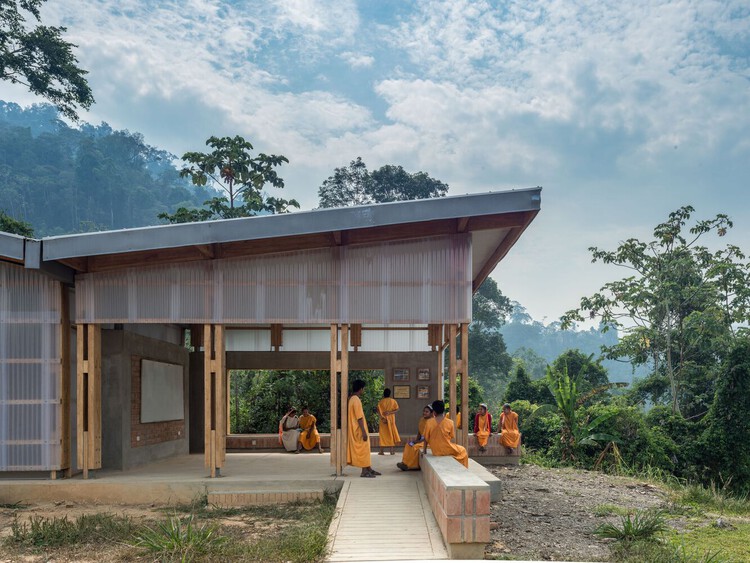
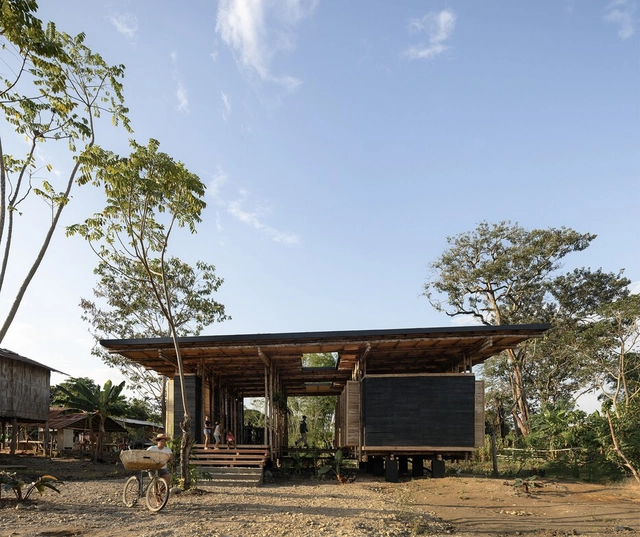
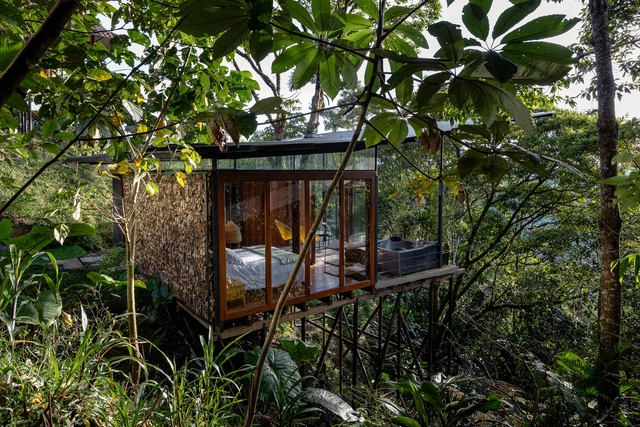
Architecture for Contemplating the Landscape: 4 Scenic Viewpoints in Latin America

Subscriber Access | 

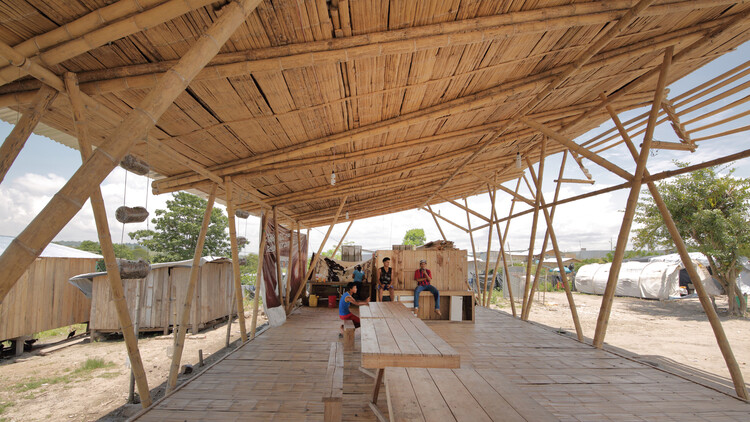
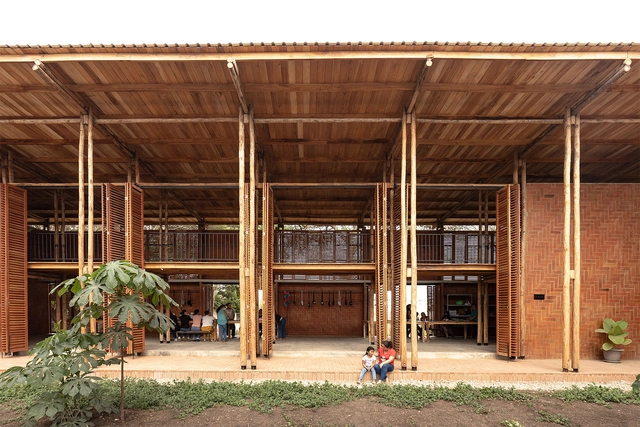
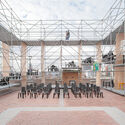
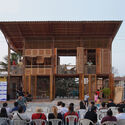
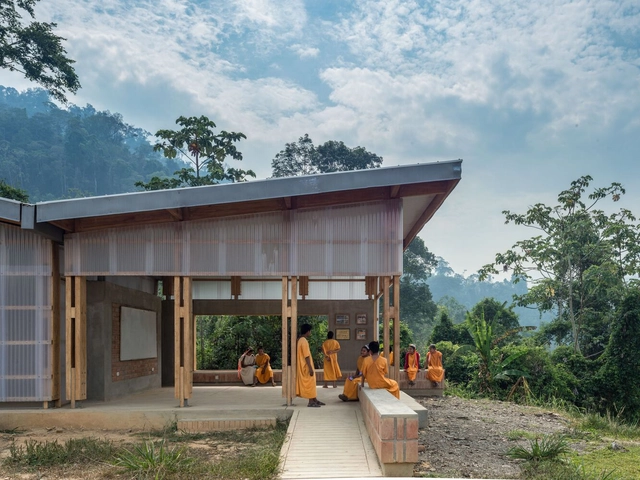
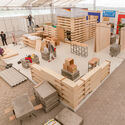
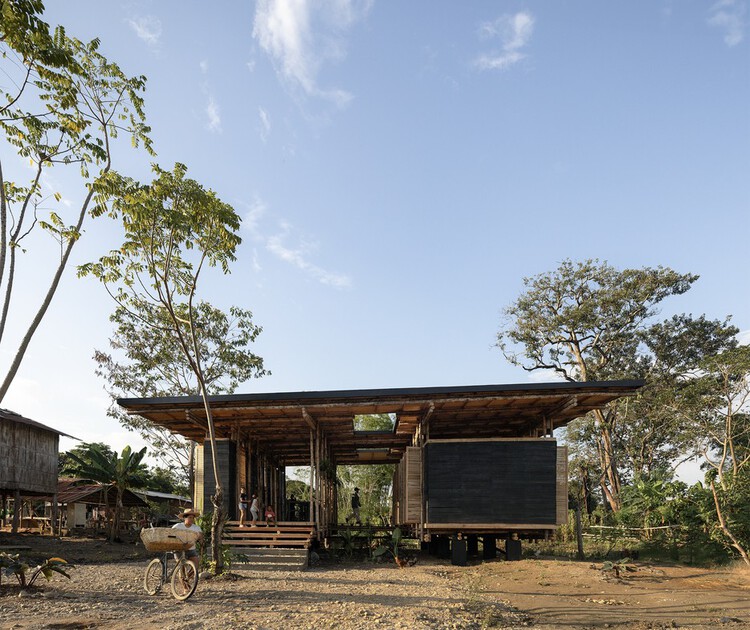
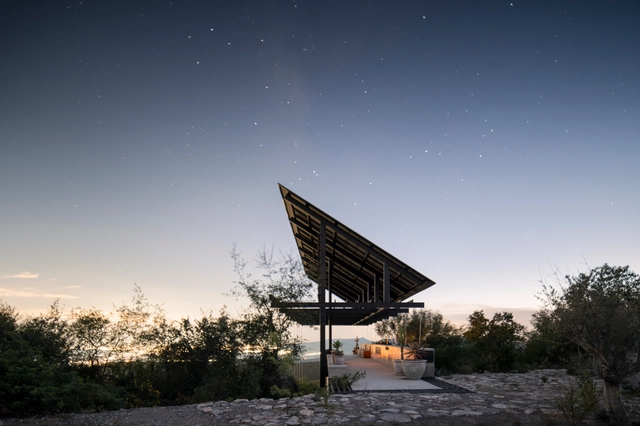
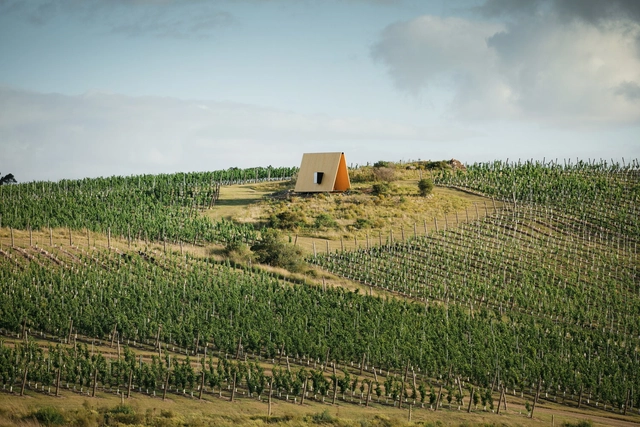
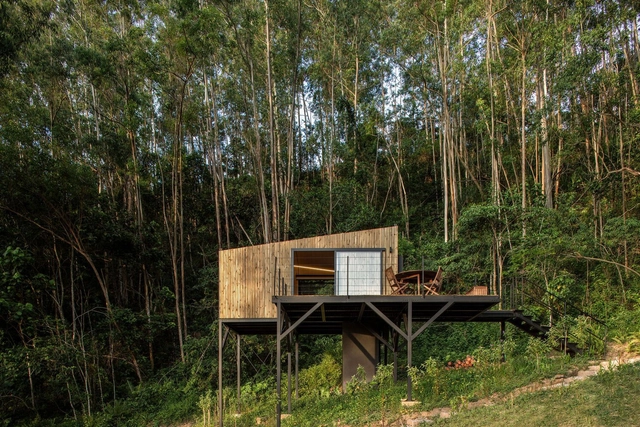
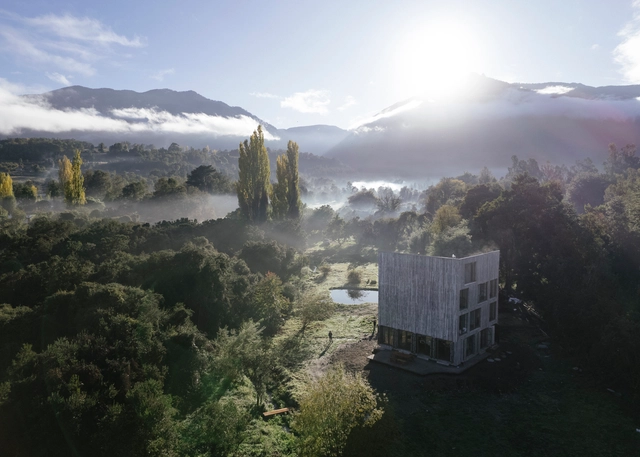
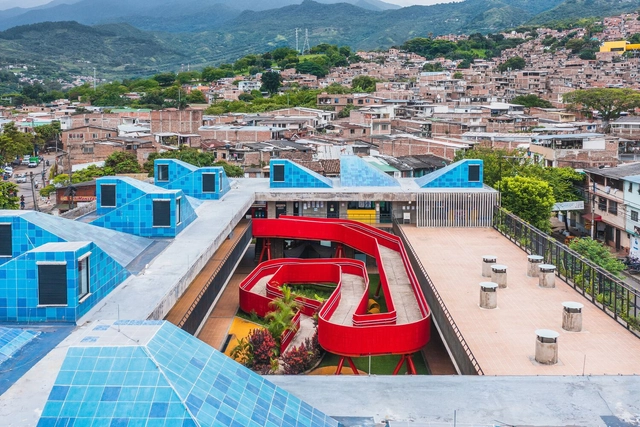
When designing spaces for viewing, architecture enters into a dialogue with the territory in an effort to understand the landscape and the enjoyment of reality, whether natural or built. Through an invitation to contemplate our surroundings, several architecture professionals in Latin America embark on the challenge of constructing structures that interact with nature, reinterpret certain building typologies, or become part of the learning and teaching of architecture for future generations. The wide variety of landscapes and cultures present in the Latin American context reflects the endless opportunities where architecture holds the potential to foster dialogue between the observer and the observed while drawing from the region’s deep connection with local flora, fauna, and other species.

Architecture for Contemplating the Landscape: 4 Scenic Viewpoints in Latin America - Image 1 of 4Architecture for Contemplating the Landscape: 4 Scenic Viewpoints in Latin America - Image 2 of 4Architecture for Contemplating the Landscape: 4 Scenic Viewpoints in Latin America - Image 3 of 4Architecture for Contemplating the Landscape: 4 Scenic Viewpoints in Latin America - Image 4 of 4Architecture for Contemplating the Landscape: 4 Scenic Viewpoints in Latin America - More Images+ 6

The Standardized Planning of Latin American Cities: Tracing the Blueprint of the Laws of the Indies

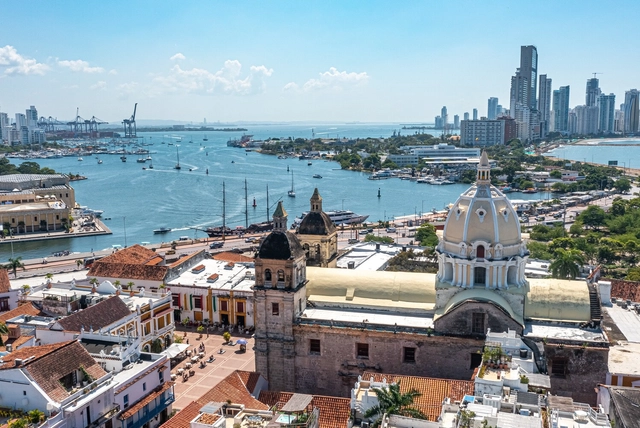
A look at most of the cities within Latin America reveals striking commonalities across countries, from Mexico down to Argentina: most cities have a well-defined area known as "El Centro" (The Center), anchored by a main plaza (Plaza Mayor), flanked by a church on one side and key buildings like the city hall on another. This is no coincidence, as it can be traced back to an urban planning system established during the Spanish colonization of the Americas in the 17th and 18th centuries. It gave standardized guidelines for city design across its viceroyalties. Unlike French and English colonies, Spanish settlements adhered to regulations that contributed to the emergence of a shared urban identity, with cities displaying similar spatial logic and architectural cohesion despite differing scales and contexts.

The Standardized Planning of Latin American Cities: Tracing the Blueprint of the Laws of the Indies - Imagen 1 de 4The Standardized Planning of Latin American Cities: Tracing the Blueprint of the Laws of the Indies - Imagen 2 de 4The Standardized Planning of Latin American Cities: Tracing the Blueprint of the Laws of the Indies - Imagen 3 de 4The Standardized Planning of Latin American Cities: Tracing the Blueprint of the Laws of the Indies - Imagen 4 de 4The Standardized Planning of Latin American Cities: Tracing the Blueprint of the Laws of the Indies - More Images+ 9

Winning Projects of the 2024 Rogelio Salmona Latin American Architecture Award Announced

On October 24, 2024, the Rogelio Salmona Latin American Architecture Prize award ceremony took place, honoring works that have significantly created meaningful, open, and collective spaces for the public in the region. During the event, held at the Virgilio Barco Public Library auditorium in Bogotá, Colombia, the winners of this prestigious award were announced. This year marked the fourth cycle, titled "Open Spaces/Collective Spaces," with participation from 47 projects.

The jury, composed of international figures such as Sol Camacho (Brazil-Mexico), Nicolás Campodonico (Argentina), Carlos Campuzano (Colombia), and Mauricio Rocha (Mexico), first shortlisted 26 selected works, from which two were awarded the first prize in the Latin America and Colombia categories.

EseColectivo: “The Search for Efficiency Makes our Work in Ecuador Coherent”

 | Sponsored Content

EseColectivo is an architecture studio formed by Belén Argudo, José de la Torre, Santiago Granda and Pablo Silva based in Quito, Ecuador. Their interests are focused on experimentation with alternative building materials, with an emphasis on technologies and logic. In their design process, they seek to reconcile low-impact sustainable strategies with the specific needs and constraints of each project, so that their results are heterogeneous and differ in the type of methodological and technical approach.

The experience of this team has not only been built from their works such as The Endemic House and House in a Corridor, but also through collaborative practices with architecture studios, cultural managers and related projects at local and international level, leading to the development of initiatives closer to architectural documentation, research and dissemination. Consequently, they created "La Parleta" - the first architecture podcast in Ecuador.