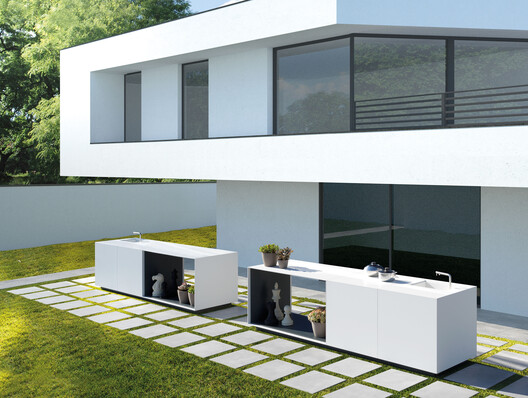
Cocinas de exterior Nedra, un diseño de Fran Silvestre Arquitectos para Gandía Blasco con mobiliario de Gamadecor. Image Cortesía de Porcelanosa
Outdoor kitchens are no longer just an exclusive accessory; they have become a natural extension of the home. Gardens, terraces, and porches are transforming into spaces where cooking and, above all, entertaining can take place without having to step inside. In addition to offering convenience, this solution increases property value and responds to a lifestyle that is increasingly connected to the outdoors.
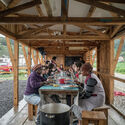
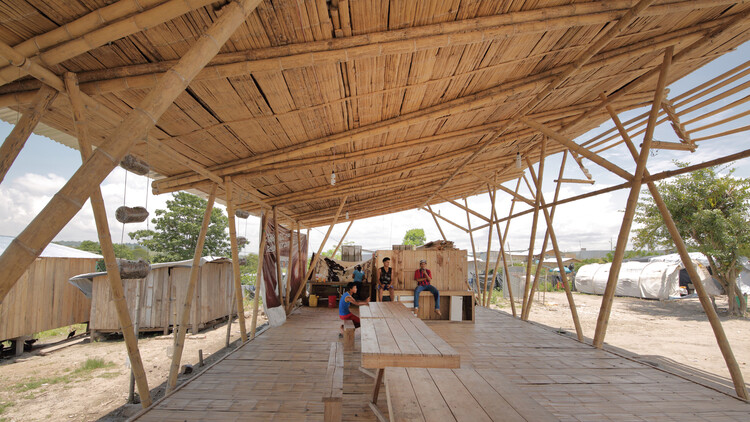
Can architecture be built from food? Between the fire that warms, the aromas that spread, and the bodies that gather around the table, the apparent banality of cooking and eating reveals itself as a choreographed dance of spatial appropriation and belonging. These are gestures that organize routines, forge bonds, and transform the built environment into a lived place. The kitchen—whether domestic, communal, or urban—thus ceases to be merely a functional space, asserting itself instead as a territory for connection.
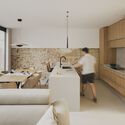
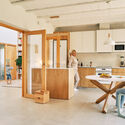
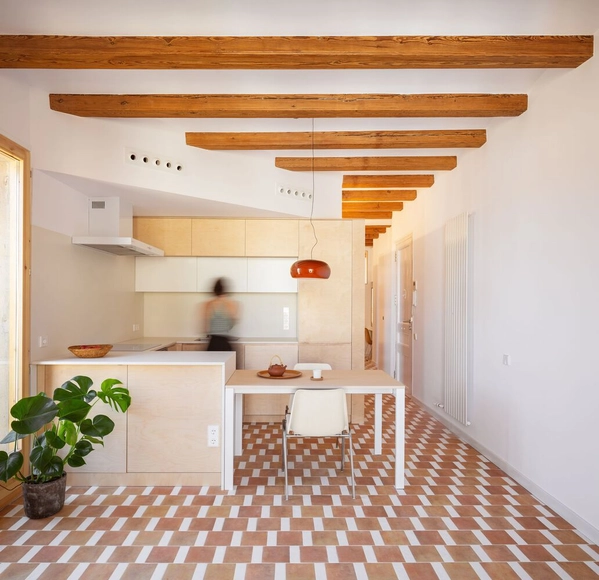
In Spain, the implementation of integrated kitchens in homes has become increasingly common in contemporary architecture. Although there are various configurations and designs that are applied according to the customs and cultures of societies, as we saw in Argentina or Uruguay, the essence of conceiving the kitchen space as a hub of activities and a gathering space among its inhabitants and visitors is a common factor. This has led architects to try to find innovative ways, technologies, or materials that achieve an aesthetic and harmony capable of providing functionality, spaciousness, and flexibility to homes.
Home spaces filled with clutter and mess can be mentally exhausting, making it impossible to relax with the weight of life visually bearing down on an interior. ‘Tidy space, tidy mind’ as the idiom instructs, and home environments that focus on clean lines – either with a minimalist lifestyle, decluttering, or expansive and well-organized storage systems – cultivate a more meditative mindset. Perhaps, however, the demonization of clutter and these are, characterless spaces it creates, can get a little, well, boring.
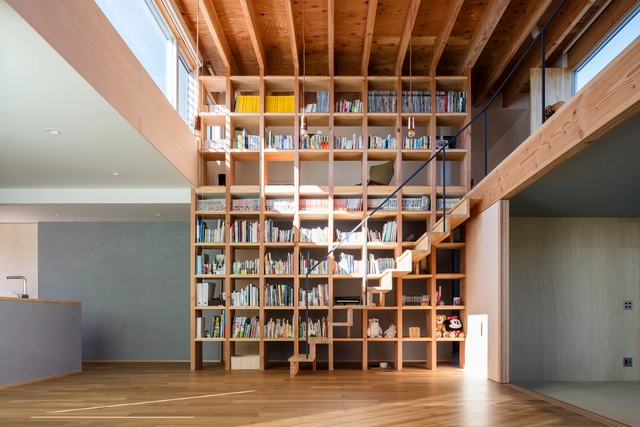
So-called ‘clutter’ can still spark joy when given an opportunity, however. So whether they hold treasured memories in photo frames, bookcases of stories not just in print, proud achievements, inspiring equipment, or functional items kept close to hand, open storage elements like shelving, doorless cabinetry, or hanging hooks and pegs can create decorative, textured and, most importantly, personalized surfaces.