Domestic workers in Hong Kong and Singapore are the city's quiet infrastructure. In Hong Kong alone, there are a total of roughly 300,000 domestic workers, serving a portion of the approximate 2.7 million households. Their care labor sustains dual-income family routines: childcare, eldercare, cooking, cleaning, and the everyday logistics that make professional life possible. Yet the people who hold this balance together remain largely invisible in policy—and, crucially, in space.
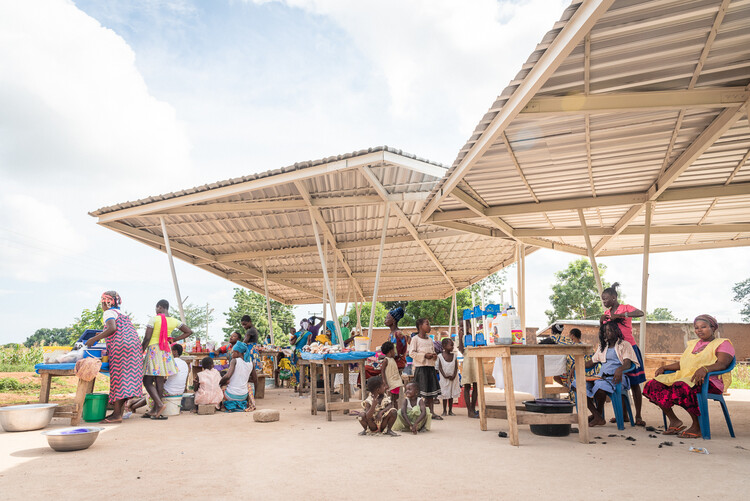
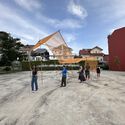
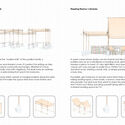
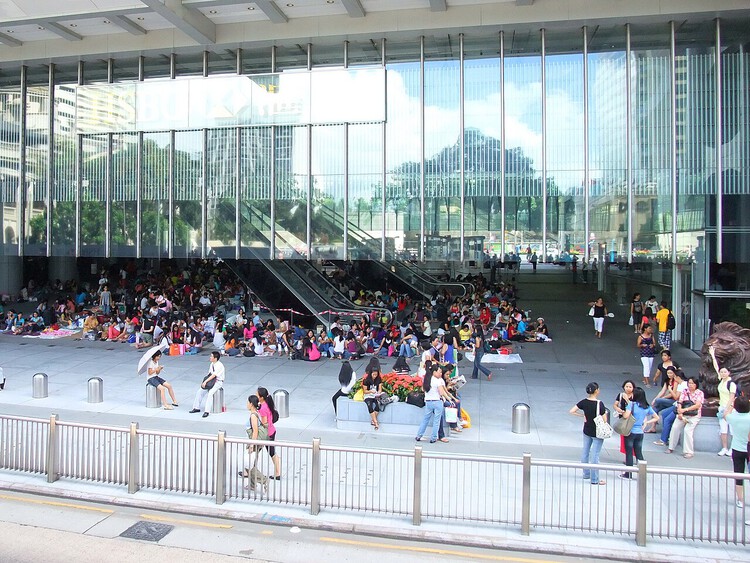
On Sundays in Hong Kong's financial district, that invisibility becomes visible. Elevated walkways and podium forecourts—underused on weekends—turn into ad-hoc commons. With cardboard mats, small tents, towels, food and water, and a music speaker or two, domestic workers assemble places to sit, rest, and socialize. These improvised rooms in the city are often their only chance to exercise spatial agency—something they rarely have in the homes they maintain or in formal public infrastructure. In the absence of sanctioned, serviced places for rest, quieter bridges and passages become practical stand-ins.
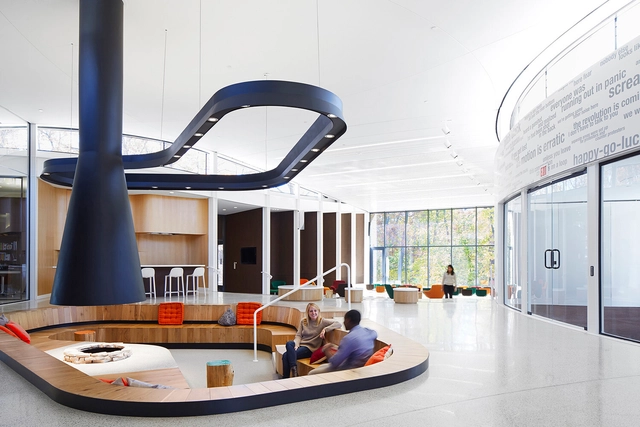
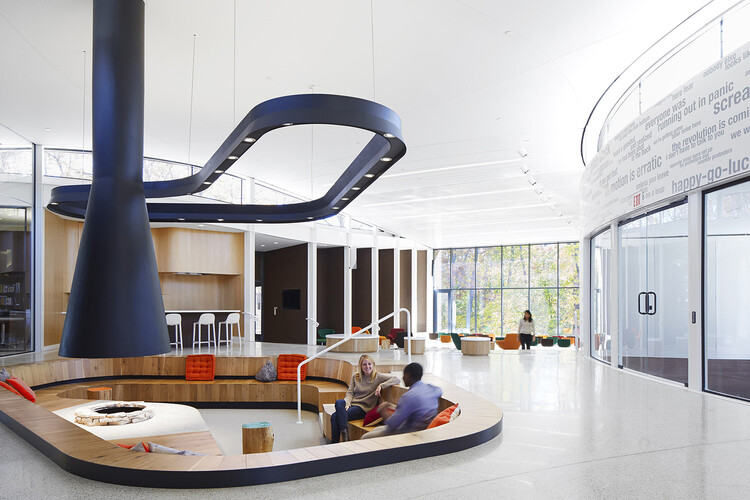
Fireplaces have profoundly shaped architectural design, influencing how spaces are organized, experienced, and perceived. More than merely functional elements, they represent symbols of power, community, comfort, and culture, tracing humanity's evolving relationship with the built environment. From the primitive hearths that characterized early human settlements to the sophisticated ecological designs of contemporary architecture, fireplaces have reflected broader cultural, social, and technological changes, serving as enduring focal points in the spatial narrative of architecture. Scholars have frequently explored the intimate relationship between architecture and fire. Luis Fernández-Galiano, in his seminal work "Fire and Memory: On Architecture and Energy" argues that architecture fundamentally mediates the relationship between humanity and energy. By understanding how these structures have shaped spaces, symbolized cultural values, and driven technological innovation, we gain deeper insight into architecture's complex interplay between form, function, and meaning.
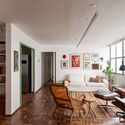

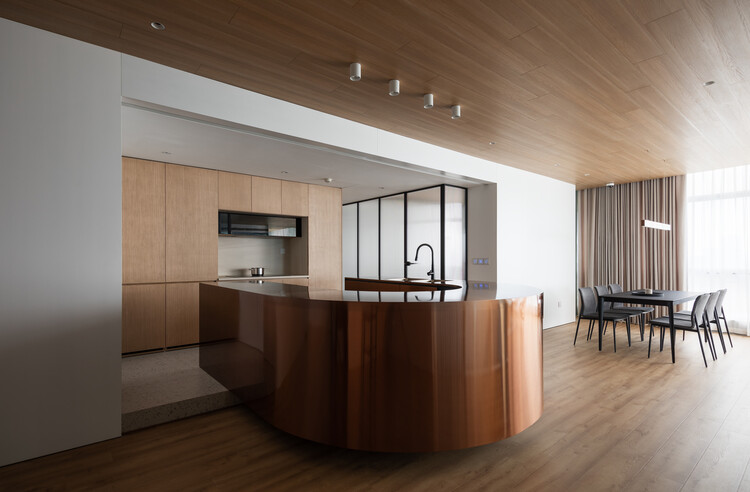
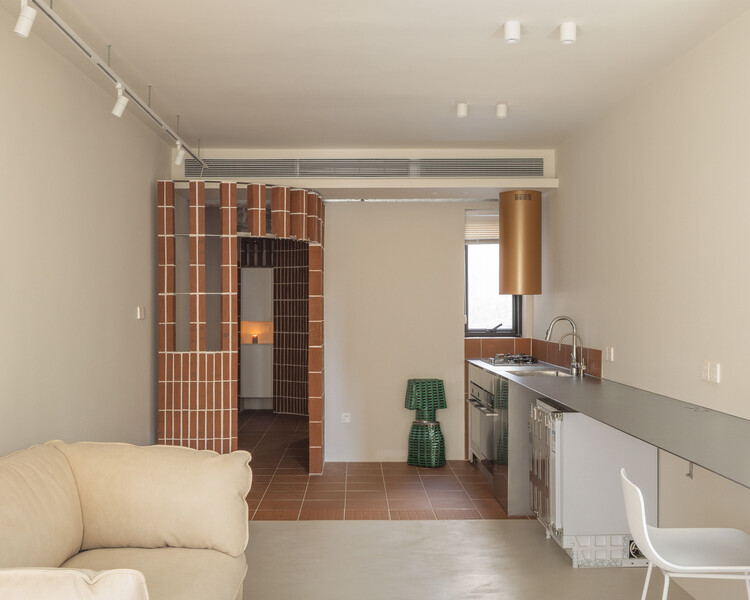
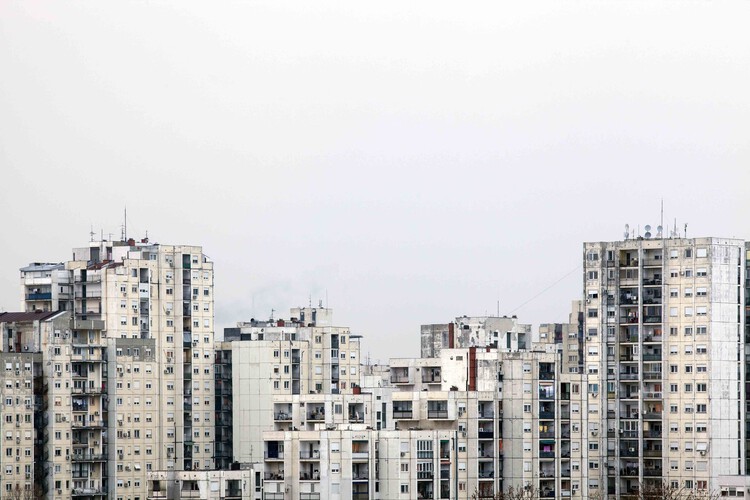
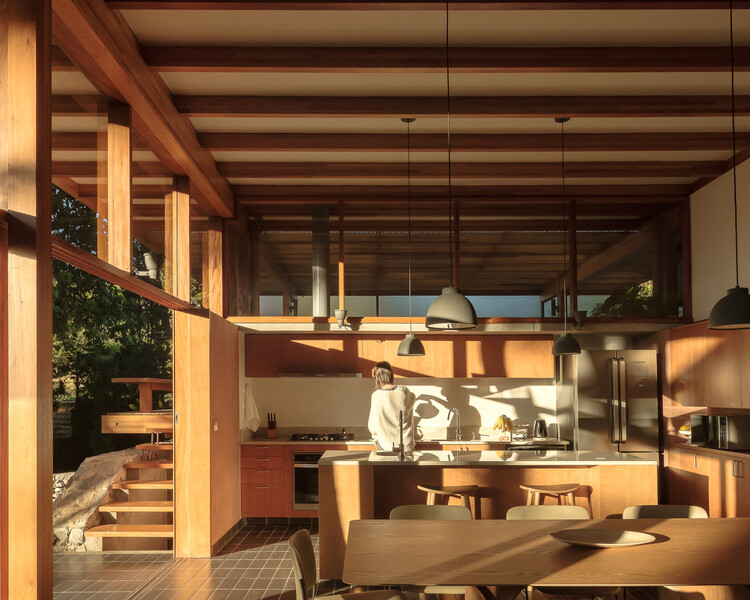
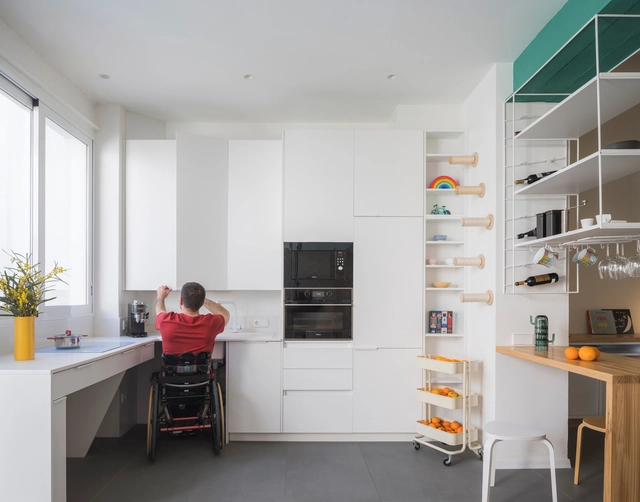
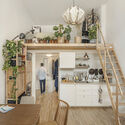
Space has become a luxury in many of the world's most densely populated cities—a growing reality that's hard to ignore. Megacities like Tokyo, Shanghai, Mumbai, Mexico City, and São Paulo already have populations exceeding 20 million, while other urban centers across Asia and Africa continue to expand rapidly. Among these, Delhi stands out: if current trends continue, it is projected to become the most populous city by 2028. As these cities expand, housing—especially new developments—follows a new logic: as square meters shrink, furniture adapts, and daily life learns to fit and thrive in high-density environments. This change isn't just about size; it reflects a new way of living. Where spaciousness once dominated, density now rules. Every corner gains spatial and commercial value, with the kitchen emerging as one of the biggest challenges in housing design today.

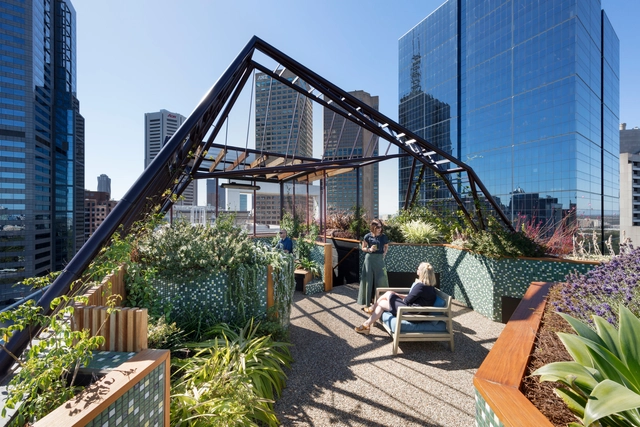
In today’s dense, vertical cities, terraces—often overlooked as mere technical rooftops—are emerging as key spaces for reconnecting with nature, expanding residential functions, and offering moments of collective relief. Particularly in single-family homes located in compact urban areas, these elevated surfaces represent valuable opportunities to increase usable living space without occupying more land. By lifting daily life above street level, terraces open new ways of inhabiting the city, enabling a range of uses from leisure and contemplation to food production and social gathering. In contexts marked by limited green space and strained infrastructure, they hold the potential to generate what landscape architect Catherine Mosbach calls "additional layers of urbanity." Whether imagined as hanging gardens, gathering spots, edible landscapes, or wellness zones, terraces challenge the idea that the city ends at the top floor—inviting us to see the roof as a new kind of ground.
The spaces where artists create their work reveal a great deal about their creative journey—their techniques, themes, and inspirations. These places hold memories, intimacy, and emotional connections. For some artists, the studio is a secluded space, free from distractions. For others, it is a place for openness and freedom. Often, the studio becomes the home—or the home becomes the studio—blending function, desire, and necessity. Positioned at the crossroads of living and creating, leisure and work, these spaces fascinate art lovers. Many are later recreated in galleries or transformed into museums. Regardless of the artist’s fame, these spaces offer a unique look into the creative process, the artwork, and the artist's identity.
SO-IL (Solid Objectives – Idenburg Liu) is an architectural design firm based in Brooklyn, New York, founded in 2008 by Florian Idenburg and Jing Liu. Known for an architecture deeply engaged with social, cultural, and environmental contexts, the studio focuses on exploring innovative materials, creating fluid spatial experiences, and prioritizing ecological sustainability. SO-IL's work spans various scales and program types, reflecting their versatile approach to design. In 2024, their housing project 450 Warren in Brooklyn was selected as ArchDaily's Building of the Year by the audience in the housing category.
In their latest book, In Depth: Urban Domesticities Today, SO-IL explores the evolving concept of home in contemporary urban contexts, transforming it "from a source of vulnerability into a tool for empowerment." The book redefines domesticity as an active and shared experience and examines how architects can address pressing urban challenges such as affordability, density, and sustainability. SO-IL's work advocates for flexible, resilient housing that fosters community while integrating ecological and social dimensions. ArchDaily spoke with the architects about the innovative solutions and ideas presented in the book, delving into how their projects challenge conventional systems and envision a future where architecture is a tool for empowerment.
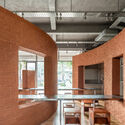
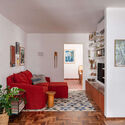
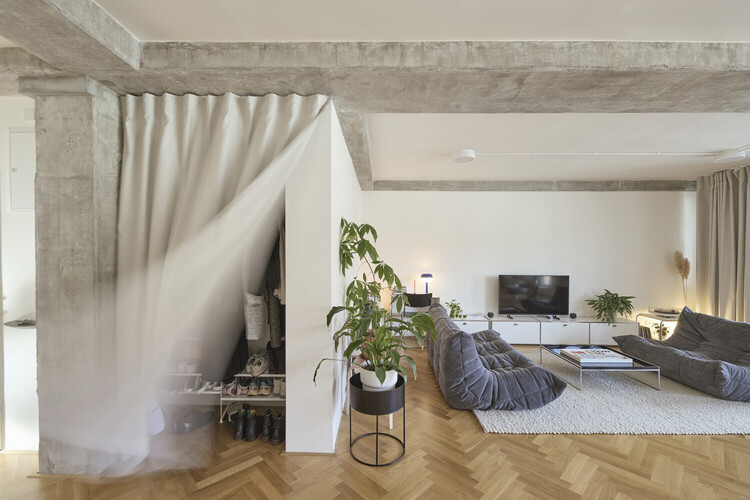
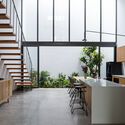
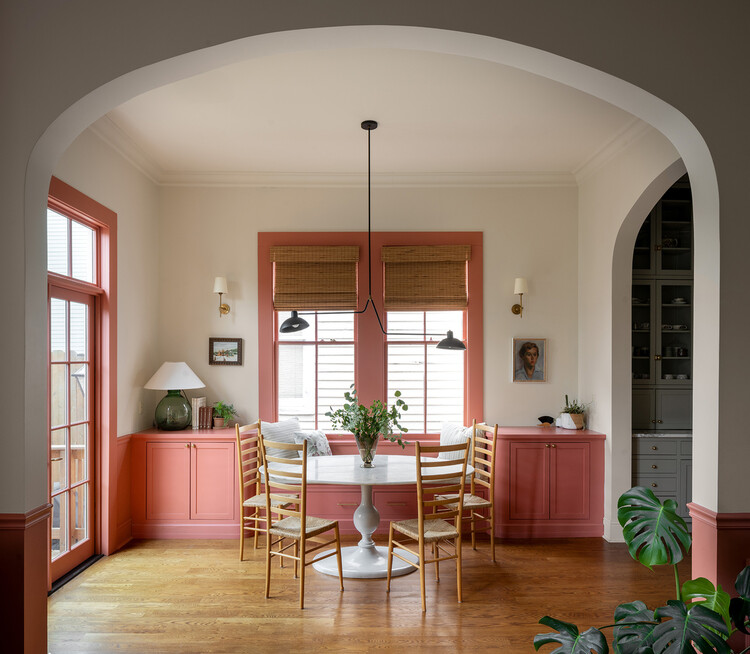
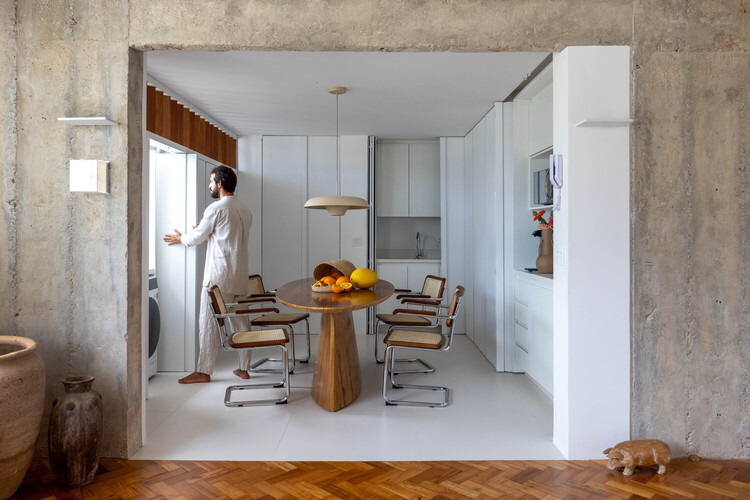
The domestic space reflects individuals' activities, behaviors, and actions, where various dynamics and processes coexist as part of daily life. Although each home has its distribution logic according to the time of its design, the needs of its inhabitants, the technologies of the era, and other factors, residential interior renovations often express an interest in recovering old structures and façades, recycling unused furniture, restoring high-quality elements present in coverings and flooring, or directly integrating new features to achieve greater spatial fluidity, lighting, and optimization of surfaces.
Porches in New Orleans. Image via William A. Morgan / Shutterstock
Positioned between the streetscape of a neighborhood and the privacy of the interior of a house lies the porch. Taking on the role of an entrance, a window to ponder out of, a gathering spot, and a stage, the porch has come to represent community and identity for many neighborhoods in the United States. Made of various stylistic elements of different sizes and shapes, these tie together neighborhoods by creating an interstitial space between the home and the street, weaving together the family life inside the house and the public life outside it, and creating a space between the private and public for both serendipitous encounters and for pausing. The porch has often been displayed in film and literature as the stage of profound and life-changing conversations, representing a comfortable threshold between the domestic and public realm in which to linger.
Spring Rain, portico, wall and staircase for the Qianhai Harbour School, Shenzhen, 2022. In collaboration with Tu'an Architecture Design Company (Guangzhou). Image Courtesy of studio ACF
IKEA’s research and design lab SPACE10 has published The Healthy Home report, the second release in its Future Home report series. The report explores three main themes concerning domestic environments: how our homes protect us from harm, restore our bodies and minds, and enable us to grow through life’s stages. The research aims to evaluate the ways in which homes can positively contribute to and support the rhythms and flows of life. It was developed in collaboration with Morph to develop the visuals supporting the findings.
The maid's quarters are "with their days numbered", although they still find a place in the new luxury apartments. The information is from a report published in Folha de S. Paulo in March of this year, which says that in 2018 less than 1% of domestic workers, mostly black women, lived on the premises of their employers - a low number when compared to the 12% of 1995. With the decrease in the number of professionals residing in the employers' homes, the "maid's room" would gradually be no longer part of the architectural plans of Brazilian housing buildings.
In this film, presented in collaboration with +KOTE, theAfter Belonging Agency—Carlos Minguez Carrasco, Ignacio Galán, Alejandra Navarrese Llopis, Lluís Alexandre Casanovas Blanco, and Marina Otero Verzier—narrate a walkthrough of In Residence, one of the two core exhibitions at this year's Oslo Architecture Triennale: After Belonging – A Triennale In Residence, On Residence, and the Ways We Stay in Transit.
As part of a new exhibition at the National Building Museum in Washington D.C., twelve dollhouses tracing the history of British domesticity have been lent by London's Victoria & Albert Museum of Childhood. The show—Small Stories: At Home in a Dollhouse—spans 300 years and presents a miniature-sized, up-close-and-personal view of developments in architecture and design – from lavish country mansions, to an urban high-rise.