If the surest sign of summer in London is the appearance of a new pavilion in front of the Serpentine Gallery, then it’s perhaps fair to say that summer is over once the pavilion is taken down. The installations have gained prominence since its inaugural edition in 2000, acting as a kind of exclusive honor and indication of talent for those chosen to present; celebrated names from the past names include Zaha Hadid, Rem Koolhaas, and Olafur Eliasson.
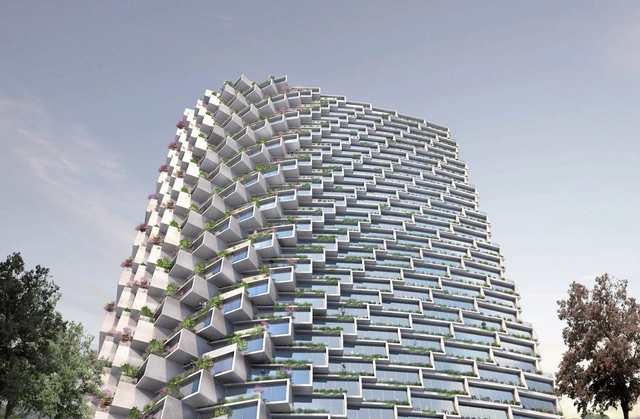
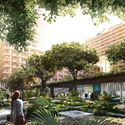
Soon to become the tallest building in Quito, IQON is Bjarke Ingels Group's first project to be built in South America. Currently undergoing construction, the largely residential building is a curved tower with gradually protruding balconies. Encased between the dense city and the park, the self-dubbed "urban tree farm" aims not only to encompass the surrounding views of the volcanoes and nature beyond but also to integrate the landscape within the building itself.
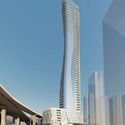
Shanghai-based JYOM Architecture and GBL Architects have released new renderings of 601 Beach Crescent, the 'Gateway Tower' counterpart to Bjarke Ingels Group's Vancouver House project. As the Daily Hive reports, developer Pinnacle International recently submitted its formal rezoning application to develop the vacant site on the north end of the Granville Street Bridge in downtown Vancouver. Conceptually, the tower was designed to replicate the motions of the dancing female form.
Skypark Business Center South. Image Courtesy of BIG / Metaform
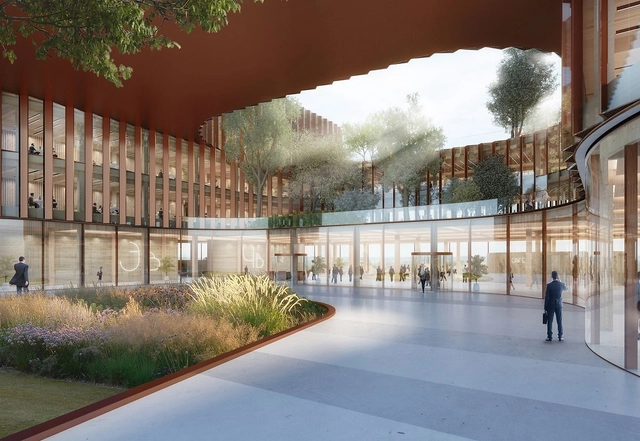
Bjarke Ingels Group has been selected to design the Skypark Business Center South as part of Luxembourg's new Airport City plan. Located just outside of Luxembourg City, the project is the first development within the masterplan, and is expected to start construction during 2019. The new airport district aims to become an economic hub comprised of four floors of shops, restaurants, fitness activities, and offices. The news of Skypark Business Center South comes two years after the presentation of the airport district’s master plan.
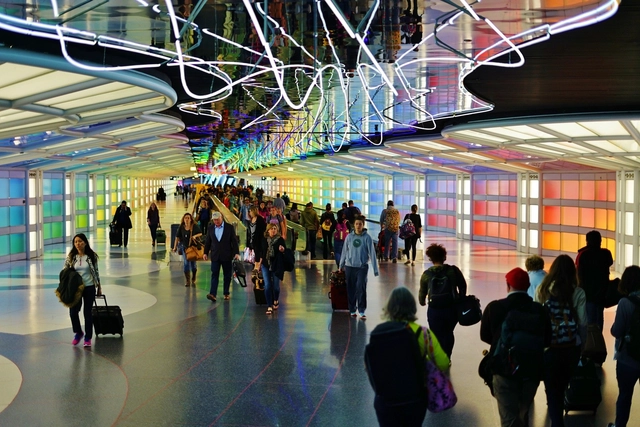
Studio Gang, BIG, Calatrava and SOM are among twelve leading architecture teams vying to work on the Chicago O'Hare International Airport expansion. The city’s request for qualifications calls for demolishing O'Hare's Terminal 2 to replace it with a global concourse and terminal for both domestic and international flights from United and American Airlines. The city’s Department of Procurement Services estimates the total costs of the expansion process (from design through construction) will cost an approximate $8.7 billion. Known as O’Hare 21, the project represents O’Hare’s first major overhaul in 25 years.
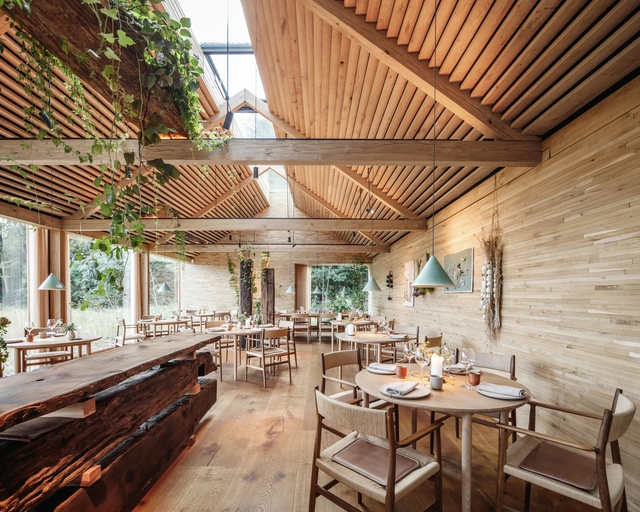
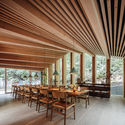
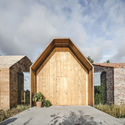
Bjarke Ingels Group has designed a cluster of buildings as the new home for Noma, one of the world’s most acclaimed restaurants. Situated between two lakes within the community of Christiania in Copenhagen. Built on the site of an ex-military warehouse once used to store mines for the Royal Danish Navy, the project is imagined as an intimate culinary garden village. With interiors completed in collaboration with Studio David Thulstrup, the project dissolves the restaurant’s individual functions into a collection of separate yet connected buildings.
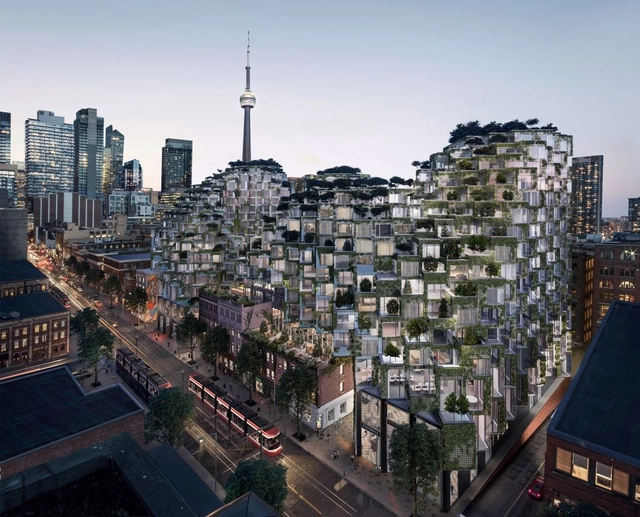
King Street West. Image Courtesy of Bjarke Ingels Group
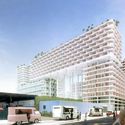
Bjarke Ingels Group has received approval for their King Street West condo community in Toronto. Originally proposed in 2016, the development was made as sets of pixels extruded upwards to create space for housing, retail and boutique offices. The concept was formed to avoid the footprints of heritage buildings that already exist on site. Alex Bozikovic, architecture critic of The Globe and Mail, reports that the development is about to start sales as King Street West pushes past its latest development hurdle.
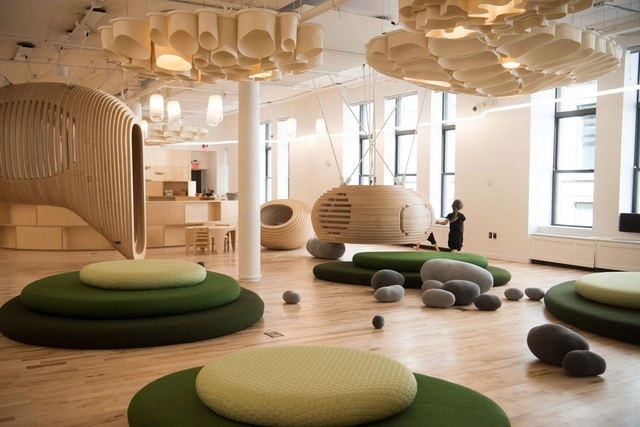
Bjarke Ingels Group has released new images of their WeGrow micro school in New York. As the first school design of the office-sharing brand WeWork, the project was designed to undo the compartmentalization often found in traditional school environments and reinforce the significance of engaging kids in an interactive environment. The design starts from the premise of a school universe at the level of the child. This first WeGrow project is now open in New York’s Chelsea neighborhood.
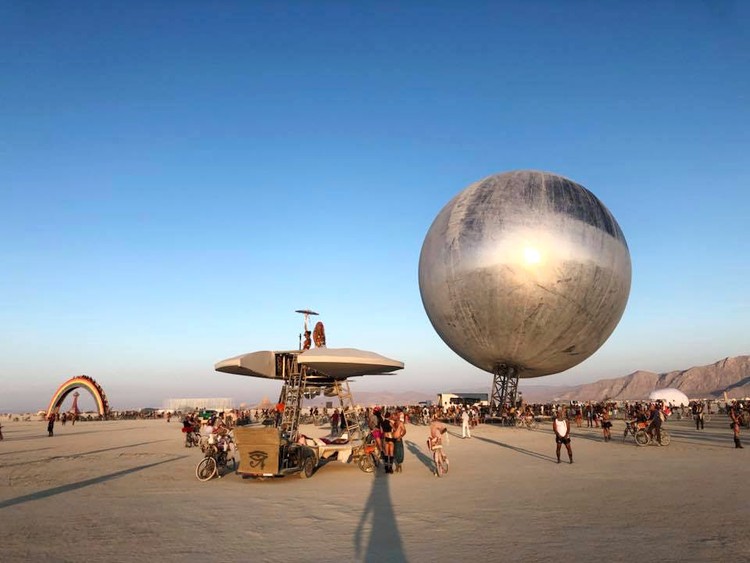
Bjarke Ingels Group has built an 80-foot-diameter ORB at the 2018 Burning Man festival in Black Rock City, Nevada. The ORB was designed as an inflated spherical mirror with a steel mast. A series of photos have captured the ORB from both Burning Man festival goers and BIG partner Kai-Uwe Bergmann. As a landmark in The Playa, the ORB conceptually references mother earth and human expression, designed to leave no trace following its deflation.
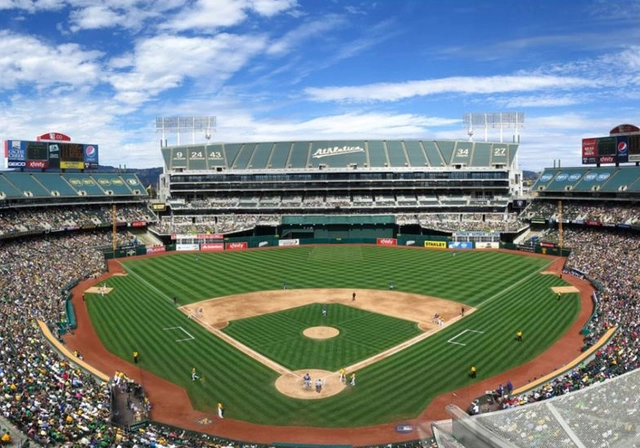
The existing Oakland-Alameda County Coliseum. Image via BIG
The Oakland Athletics baseball team have hired Bjarke Ingels Group (BIG), James Corner Field Operations, and Gensler to lead the design process for their new ballpark and surrounding development in California. The new stadium will replace the Oakland A’s existing 51-year-old Oakland-Alameda County Coliseum, which the A’s share with the Oakland Raiders football team.
It has been reported by the San Francisco Business Times that BIG will lead the masterplan for the privately-financed ballpark, either at Howard Terminal or near the existing stadium, while Gensler will collaborate on the ballpark design. Field Operations will adopt the role of landscape architect for the development.
https://www.archdaily.com/900688/big-gensler-and-james-corner-field-operations-to-design-new-stadium-for-oakland-athletics-baseball-teamNiall Patrick Walsh
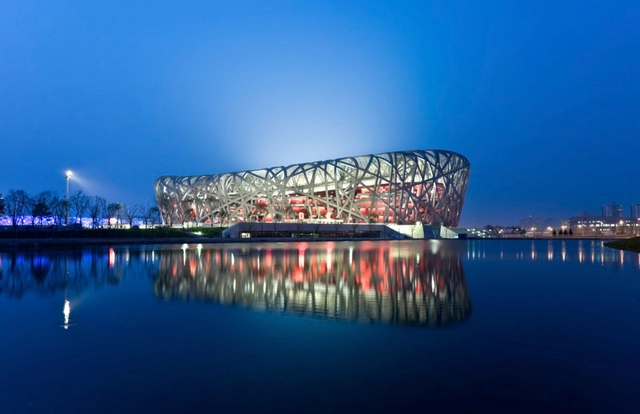
The apple of every athlete's eye, the Olympic Games direct the gaze of the world onto one host city every two years, showcasing the best that sport has to offer across both summer and winter events. In a haze of feel-good anticipation, the general buzz around the city before during the four week stretch is palpable, with tourists, media and athletes alike generating contributing to the fervour. With almost an almost exclusively positive public response (the majority of Olympic bids are met with 70% approval or higher), the Games become an opportunity for a nation to showcases their culture and all it has to offer. At first glance, it's an opportunity you'd be a fool to miss.
Yet as the dust settles, these ‘lucky’ host cities are often left with structures that lack the relevance and function of their initial, fleeting lives. Empty aquatics centers, derelict running tracks and rarely-used stadiums have become as much a trademark of the Games as the Rings, with the structural maintenance and social implications burdening former hosts for years to come. In recent years, fewer cities have been taking part in the bidding process, suggesting that the impact of the Games is beginning to catch up with the excitement. As many as 12 cities contended for the honor of hosting the 2004 games; only two were put forward for 2024/28.
In a new interview with Louisiana Channel, Ingels steps back from the pragmatism of individual projects, and instead reflects on his view of New York, from multiculturalism and inequality to regeneration and skyscrapers.
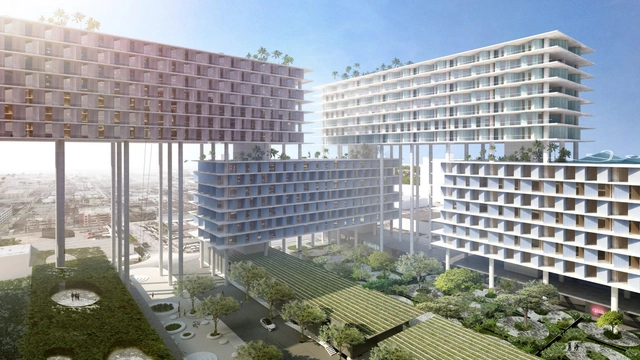
Images have been released of the Bjarke Ingels Group-designed plans for Miami's Allapattah neighborhood. First reported by The Real Deal, the development is called the Miami Produce Center. A mega mixed-used complex on stilts, the design was created with Miami Beach developer Robert Wennett. A special area plan filed with the city of Miami shows the design will include office space, education areas, residential units, retail, a hotel and parking spaces. The eight-building complex will cover over 8 acres northwest of downtown Miami.
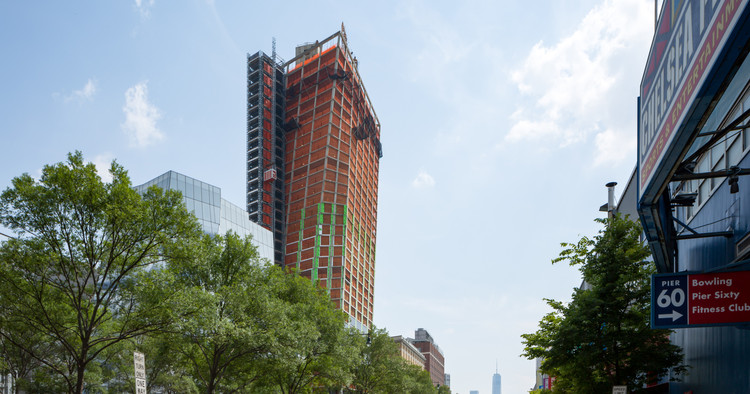
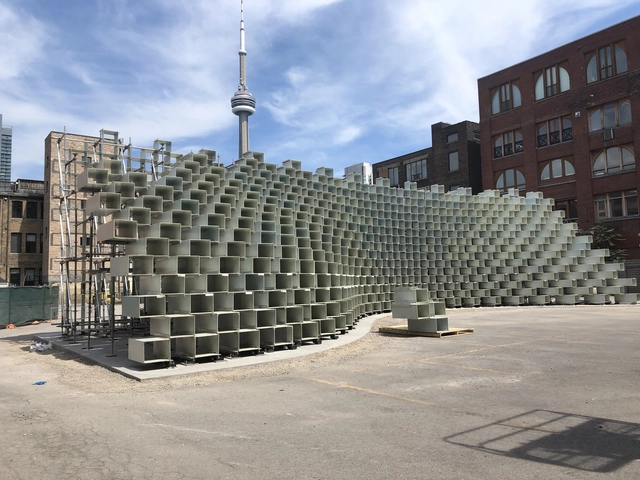
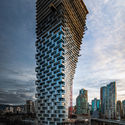
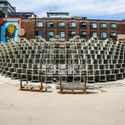
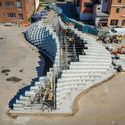
The two BIG-designed structures, located on opposite coasts, have both been recognized for their architectural innovation. The LEED-Platinum Vancouver House was awarded the World Architecture Festival’s Future Building of the Year in 2015, while the “unzipped wall” is the first Serpentine Pavilionto embark on a multi-city tour of this kind, before ultimately landing in a permanent home on the Vancouver waterfront.
https://www.archdaily.com/899563/bigs-relocated-serpentine-pavilion-nears-completion-in-toronto-as-landmark-tower-tops-out-in-vancouverNiall Patrick Walsh
Bjarke Ingels and Jakob Lange have launched an Indiegogo fundraiser for an 80-foot-diameter ORB to be constructed for the 2018 Burning Man festival at Black Rock City, Nevada. Scaled at 1/500,000th of the earth’s surface, the reflective sphere sits “at the axis of art & utility, capturing the entire Black Rock City in an airborne temporal monument that mirrors the Burning Man experience to the Burners as single beings in the midst of an intentional community."
As well as acting as a wayfinder for navigating The Playa, the ORB sits as a tribute to mother earth and human expression, designed to blend with its surroundings during the night, and leave no trace following its deflation.
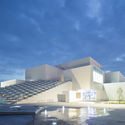
Bjarke Ingels Group’s LEGO House and DISSING + WEITLING’s Bicycle Snake have been recognized by the 2018 Danish Design Awards, an initiative which “highlights the impact and value of design, celebrates companies and designers across the country and showcases the difference their solutions make to industry, everyday life, and society at large.”
The LEGO House was victorious in the “Feel Good” category, while the Bicycle Snake was awarded the “Icon Award.”
.jpg?1539856634&format=webp&width=640&height=580)


.jpg?1539856634)
.jpg?1539451458 "Courtesy of Bjarke Ingels Group")



















.jpg?1534289156 "© Laurian Ghinitoiu")



















.jpg?1527868899&format=webp&width=640&height=580)



.jpg?1527868899)