

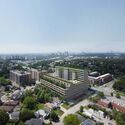
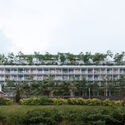
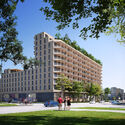
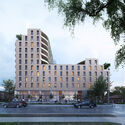
Celebrating groundbreaking projects that showcase sustainable construction practices, this year’s winners of the Holcim Foundation for Sustainable Construction 2023 highlight innovative approaches across various scales, forms, geographies, and forms. The Gold Prize for North America was awarded to Partisans Architects and Well-Grounded Real Estate with their high-tech, low-cost modular housing solution for urban living in Toronto. In a video interview for ArchDaily, Jonathan Diamond from Well-Grounded Real Estate discusses the development of the winning project and the forces that shaped it.
Architecture: The Latest Architecture and News
The Intersection of Sustainability and Affordability: In Conversation with Holcim Award Winner Jonathan Diamond, from Well-Grounded Real Estate

https://www.archdaily.com/1018521/the-intersection-of-sustainability-and-affordability-in-conversation-with-holcim-award-winner-jonathan-diamondNour Fakharany
Minoru Yamasaki: The Fragility of Architecture
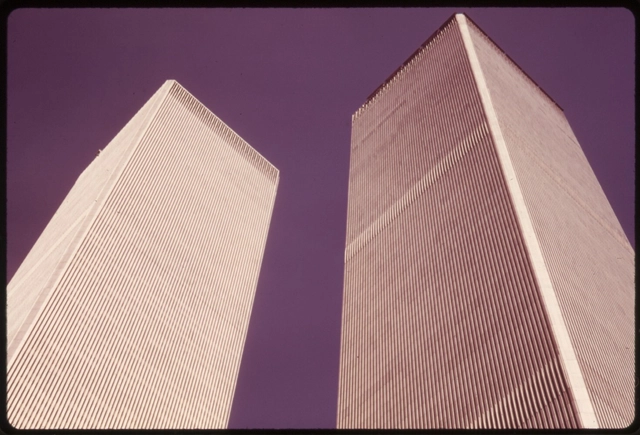
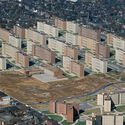
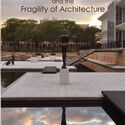
His work – more than 250 buildings in the span of 30 years – was lauded by critics and colleagues, cited for international design awards, and landed the architect on the cover of Time. But today, even practitioners and aficionados might be challenged to name one of Minoru Yamasaki's buildings beyond his two most infamous creations that no longer exist: the Pruitt-Igoe housing project in St. Louis and New York’s World Trade Center towers. Paul Kidder explores this complex architect and his work in a new book, Minoru Yamasaki and the Fragility of Architecture (Routledge).
Kidder, a professor of philosophy at Seattle University, provides a fresh, sobering assessment not only of Yamasaki's architecture but the man himself: his challenges, triumphs, and contradictions, as well as the fragility of architectural achievement. The loss of this architect’s most famous buildings suggests the growing scope of architecture’s fragility, especially today, when real-estate investment often augers against preservation of even late-modern works. Yet, paradoxically, Yamasaki believed that fragility could be a desirable architectural quality—the source of its refinement, beauty, and humanity.




https://www.archdaily.com/1018524/minoru-yamasaki-the-fragility-of-architectureMichael J. Crosbie
Is Paris Ready for the Olympics? Exploring the City-Wide Implications of Hosting Global Events
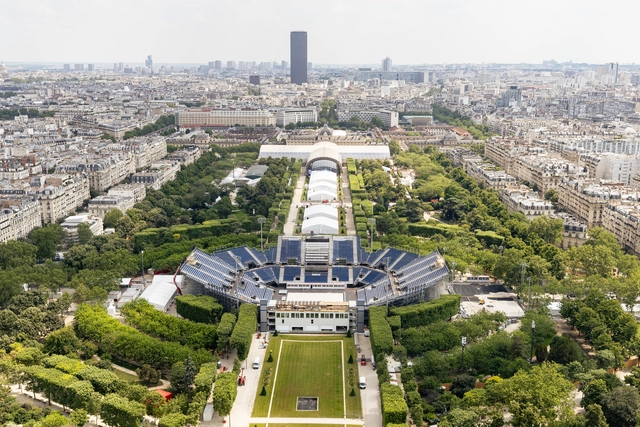
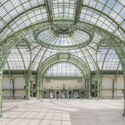
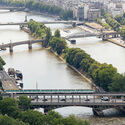
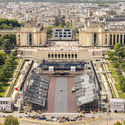
At the beginning of the 20th century, the Olympic games included some unusual medal competitions, including architectural design and town planning. While these are no longer awarded Olympic events, architecture and urban planning continues to continue to have a crucial effect on the development of the global sporting event. Cities that bid to host face an important challenge in adapting their infrastructure to accommodate not only the venues and facilities, but all the support structures needed for a safe and enjoyable edition. Paris is no different. While the city hosted 2 previous editions of the games over a century ago, the challenges of the modern-day Games have proven significant. However, the city’s expansive infrastructures have enabled officials to adjust the measures in an effort to have sustainable development for and after the Games. With less than a month to go until the opening ceremony, explore the measures taken by city officials and the long-lasting effects of hosting an Olympic event.


https://www.archdaily.com/1018480/is-paris-ready-for-the-olympics-exploring-the-city-wide-implications-of-hosting-global-eventsMaria-Cristina Florian
How Gendo's Generative AI Platform is Transforming Architectural Visualizations
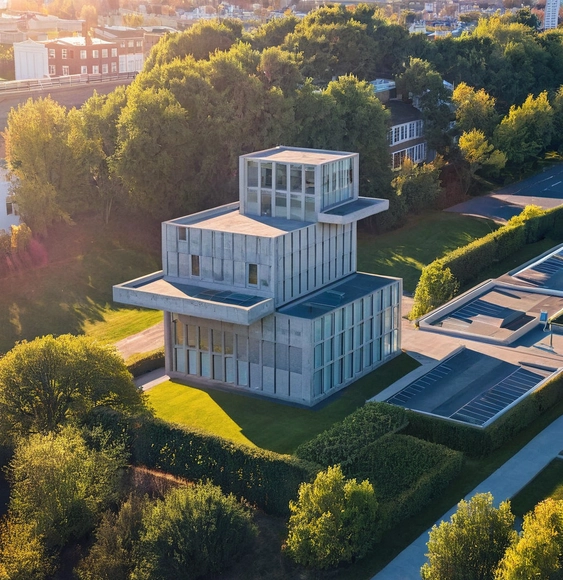
The introduction of AI generative tools represents one of the most significant technological revolutions in the field of architecture and design. While there is concern about this changing the working landscape for professionals in the field, a significant number of practices are embracing the new technology. Architectural visualizations represent one of the main areas where these changes take effect. However, the array of AI tools accessible to non-specialist users rarely allows for true control over the design process, often offering general interpretations of scripts. This can be helpful during early conceptual design phases but loses its appeal soon after. Gendo, a new browser-based app, aims to change this, offering the possibility to not only generate visualizations in seconds but also to edit and customize them, even introducing real-life products in the design. Until August 3, readers of ArchDaily can register and use the code ARCHDAILY50 to get 50% off any plan.


https://www.archdaily.com/1018474/how-gendos-generative-ai-platform-is-transforming-architectural-visualizationsMaria-Cristina Florian
Ostrava Concert Hall by Steven Holl Architects Breaks Ground in Czech Republic
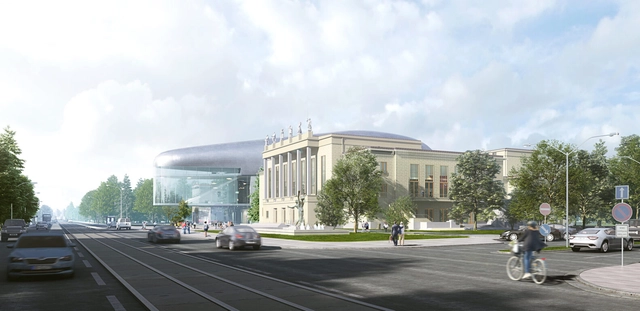
The Ostrava Concert Hall, designed by Steven Holl Architects, has just broken ground in the Czech Republic. Commemorating the start of construction, the concert hall “promises to be an inspiring venue for both locals and internationals who cherish Ostrava’s rich music heritage.” Designed for the Janacek Philharmonic Orchestra, it creates a dramatic contrast between old and new, aiming to create a cultural landmark.


https://www.archdaily.com/1018421/ostrava-concert-hall-by-steven-holl-architects-breaks-ground-in-czech-republicNour Fakharany
The Intersection of Infrastructure and Community: In Conversation with Holcim Award Winner Juan Carlos Cano
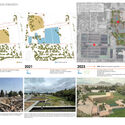
Located in Mexico City, the municipality of Iztapalapa has some of the most densely populated areas within the metropole. Serving a population of 1,800,000 people, many of them with lower incomes, the municipality struggles to provide sufficient public spaces and amenities. In an effort to correct this, the administration set out to take underutilized and abandoned plots of land and transform them for public use. Utopia Estrella is one of these initiatives. Located near Mexico City’s largest water treatment plant, the project combines a socially engaging architectural program with a pedagogical approach to the role of water infrastructures in the larger ecosystem. Designed by Cano Vera Arquitectura, the project has been recognized as the Gold Prize Winner of the Holcim Awards 2023 for Latin America. In a video interview for ArchDaily, Juan Carlos Cano of Cano Vera Arquitectura discusses the impact of this project, its goals, and the unique conditions that led to its development.

https://www.archdaily.com/1018403/the-intersection-of-infrastructure-and-community-in-conversation-with-holcim-award-winner-juan-carlos-canoMaria-Cristina Florian
Architecture for Sustainable Development Goals: UIA 2030 Award Announces Finalists of its Second Cycle

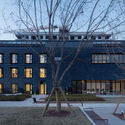
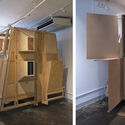
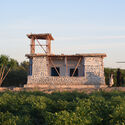
The UIA, in collaboration with UN-Habitat, has revealed the finalists for the first stage of the second edition of the UIA 2030 Award. Celebrating architecture that contributes to the 2030 Agenda for Sustainable Development and the New Urban Agenda, this biennial award honors built projects that demonstrate design quality and alignment with the UN Sustainable Development Goals (SDGs).
The regional finalists will now proceed to Stage 2, where they will submit a three-minute video demonstrating their projects in action and explaining in detail how they align with the relevant SDGs and meet the eligibility criteria. During stage 1, the finalists were evaluated regionally, representing the five UIA regions: Western Europe, Central and Eastern Europe and the Middle East, the Americas, Asia and Oceania, and Africa. Winners in each of the six will be awarded a medal. The awards ceremony will be taking place in Cairo, Egypt, at the twelfth session of the World Urban Forum from November 4-8, 2024.


https://www.archdaily.com/1018400/architecture-for-sustainable-development-goals-uia-2030-award-announces-finalistsNour Fakharany
Chris Williamson Elected as 2025 RIBA President
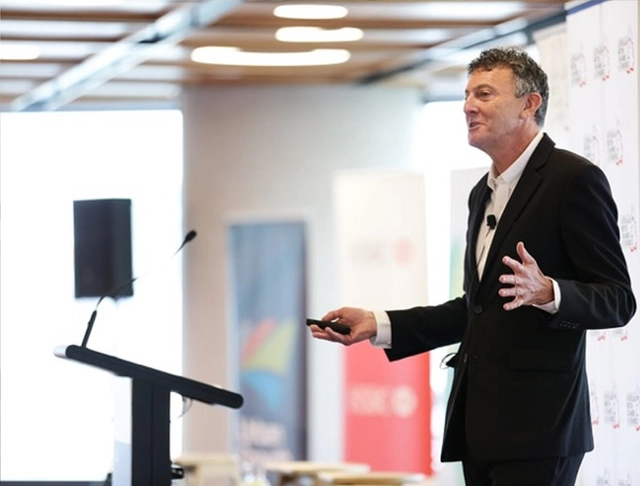
The Royal Institute of British Architects (RIBA) has just announced that Chris Williamson has been elected as the next RIBA President. One of the highest positions in UK Architecture, RIBA is a professional body for architects established to promote excellence and provide support and resources to architects and architecture students. As RIBA’s 2025 President, Chris Williamson will take up office as President-Elect from September 2024, followed by a two-year presidential term taking over from Muyiwa Oki beginning September 2025.
https://www.archdaily.com/1018352/chris-williamson-elected-as-2025-riba-president-in-the-ukNour Fakharany
Harvard Graduate School of Design Awards Thandi Loewenson Wheelwright Prize 2024
Harvard University Graduate School of Design (GSD) has just announced Thandi Loewenson as the winner of the 2024 Wheelwright Prize. The prestigious $100,000 grant is dedicated to supporting innovative research in contemporary architecture with a global perspective. Loewenson’s project, “Black Papers: Beyond the Politics of Land, Towards African Policies of Earth & Air,” explores the social and spatial dynamics in modern Africa.
https://www.archdaily.com/1018348/harvard-graduate-school-of-design-awards-thandi-loewenson-wheelwright-prize-2024Nour Fakharany
A Skyscraper in China and Headquarters in France: 8 Unbuilt Offices Submitted by the ArchDaily Community
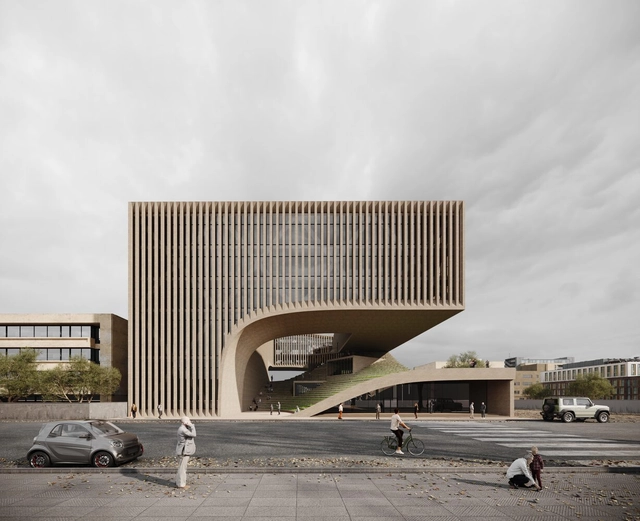
In the evolving landscape of workplace design and office architecture, the boundaries of creativity and functionality are constantly being pushed. From futuristic skyscrapers to co-working spaces, the future of work environments respond to the dynamic needs of modern businesses and their employees. This week's curated selection of Unbuilt Architecture focuses on office, workplace, and administrative buildings submitted by the ArchDaily Community.
The realm of office architecture is a chance for designers to innovate and influence work cultures. From the Sinuating Flow High-Rise in Chongqing, China, drawing inspiration from the surrounding mountains and valleys to the Parisian GRDF Headquarters reimagining urban offices as small city districts. The ABS Workspace integrates maritime elements into its workplace design, while the FUTURA tower in Kyiv breaks conventional norms with artistic and sculptural forms and the use of black. Together, these projects showcase the diversity in office architecture, each working within a context to offer unique solutions to sustainable work environments.



https://www.archdaily.com/1018347/a-skyscraper-in-china-and-a-headquarters-in-france-8-unbuilt-offices-submitted-by-the-archdaily-communityNour Fakharany
Welcoming a New Chapter: Christele Harrouk Takes the Helm as Editor-in-Chief of ArchDaily

ArchDaily, part of DAAily platforms, is thrilled to announce an exciting transition. After nearly two decades of pioneering leadership, ArchDaily’s esteemed founder and current Editor-in-Chief, David Basulto, will be stepping down. Born and raised in Chile, David founded ArchDaily in 2005 and has been instrumental in shaping it into the globally recognized platform it is today.
Christele Harrouk, who has been an integral part of our team since 2019 and has served as Managing Editor since 2020, will step up as the new Editor-in-Chief of ArchDaily starting August 2024. Having worked closely with David over the years, Christele brings a wealth of experience and a fresh perspective that will guide ArchDaily’s editorial team into an exciting future.
ArchDaily’s teams look forward to the editorial vision Christele will bring and invite you to join in welcoming her to her new role.
https://www.archdaily.com/1018295/welcoming-a-new-chapter-christele-harrouk-takes-the-helm-as-editor-in-chief-of-archdaily-in-august-2024ArchDaily
Plug-In Architecture for Social Engagement: In Conversation with Holcim Award Winner DeRoché Strohmayer
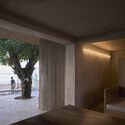
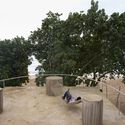
At the initiative of the Surf Ghana Collective, architects Glenn DeRoché and Jurgen Strohmayer, the co-founders of DeRoché Strohmayer, set out to transform a small waterfront plot in Busua, a surfing hotspot on Ghana’s western coast. The result is a dynamic community hub, complete with amenities for local surfers, but also providing spaces for the entire community to gather in and off-season. The project has been recognized as the winner of the Gold Prize of Holcim Awards 2023 for the Middle East and Africa commended for the profound local impact and the resourceful approach to construction techniques. In a video interview for ArchDaily, architects Glenn DeRoché and Jurgen Strohmayer discuss the development of this initiative and the innovations that shaped it.



https://www.archdaily.com/1018302/plug-in-architecture-for-social-engagement-in-conversation-with-holcim-award-winner-deroche-strohmayerMaria-Cristina Florian
Tokyo International Forum, Designed by Rafael Viñoly Architects, Receives the Twenty-Five Year AIA Award
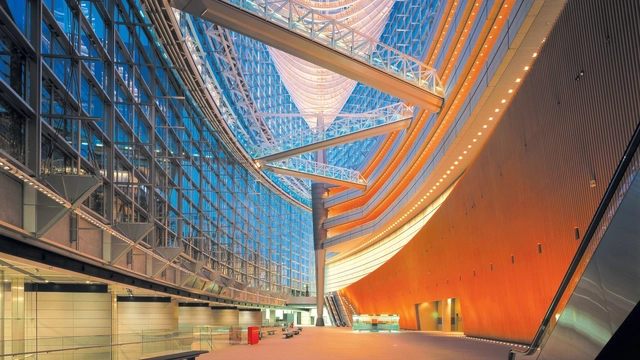
Rafael Viñoly Architects’ Tokyo International Forum has been honored with the prestigious AIA Twenty-five Year Award. Celebrating its “distinctive transparent character and capacity to engage with the public in the largest metropolitan area in the world.” Rafael Viñoly Architects was first selected to design the structure through Japan’s first international design competition facilitated by Kenzo Tange, the architect of Tokyo’s City Hall and the first Japanese laureate of the Pritzker Prize.
https://www.archdaily.com/1018283/tokyo-international-forum-designed-by-rafael-vinoly-architects-receives-the-twenty-five-year-aia-awardNour Fakharany
“Abandoned Buildings Provide the Potential for a Regenerative Future”: In Conversation With Limbo Accra
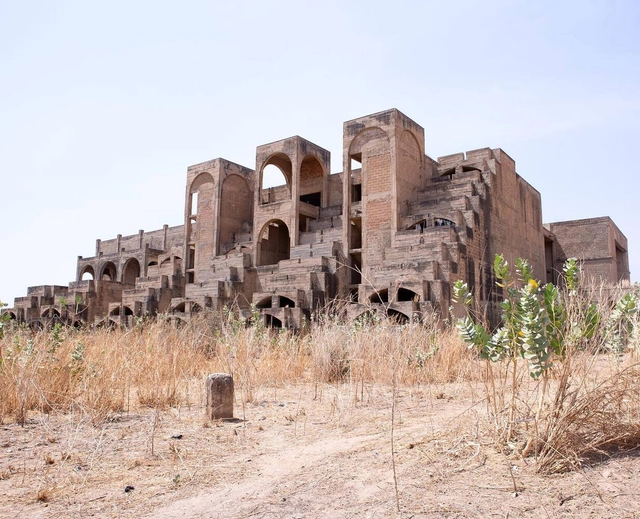
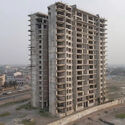
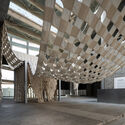
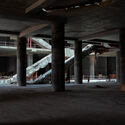
There is an increasing character of abandoned buildings in many African cities and Limbo Accra; a spatial design practice, roots itself in the experimentation of their repair, reuse, and transformation. The practice views these buildings as a unique architectural typology that includes key city landmarks, from the abandoned Independence house in Lagos to the incomplete airport tower in Accra, amongst others. They see them as major opportunities for modern public space and as symbolic sites for spatial justice. Through techniques such as photogrammetry, Limbo Accra has been creating a digital archive of these buildings and collaborating with artists and designers to propose new prospects for them. ArchDaily had the opportunity to speak with Dominique Petit-Frère, the co-founder of Limbo Accra, about the collective character of these buildings, Limbo Accra’s approach to their transformation, and navigating challenges in the adaptive reuse of these structures.


https://www.archdaily.com/1018008/abandoned-buildings-provide-the-potential-for-a-regenerative-future-in-conversation-with-limbo-accraPaul Yakubu
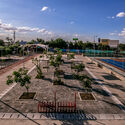
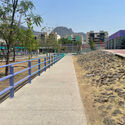
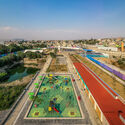
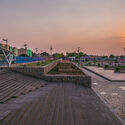
La Quebradora Water Park in Mexico: Designing Public Spaces to Improve Water Management
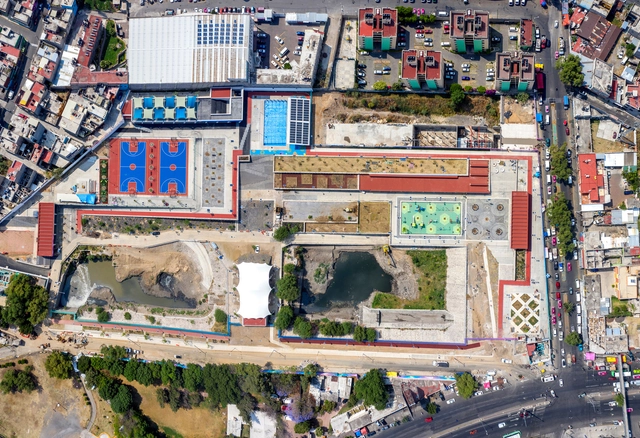
Within the framework of implementing green infrastructure projects for water management in the Basin of Mexico, utilizing existing public spaces, La Quebradora Water Park emerges as the first proposal for hydro-urban acupuncture. The project, developed by the team from the Institute of Social Research at UNAM, coordinated by Manuel Perló Cohen and Loreta Castro Reguera Mancera, aims to transform the site's infiltration into a landmark of good water management, public space creation, and strengthening of the social fabric through four levels: infrastructure, park, city, and viewpoint. Addressing part of the water and social issues facing the area, the proposal transforms urban infrastructure into a public and recreational space for the community in a densely populated area with scarce public spaces.

https://www.archdaily.com/1017935/la-quebradora-water-park-in-mexico-designing-public-spaces-to-improve-water-managementAgustina Iñiguez
Revitalizing Urban Spaces: 10 Interventions for Transforming Unused Areas
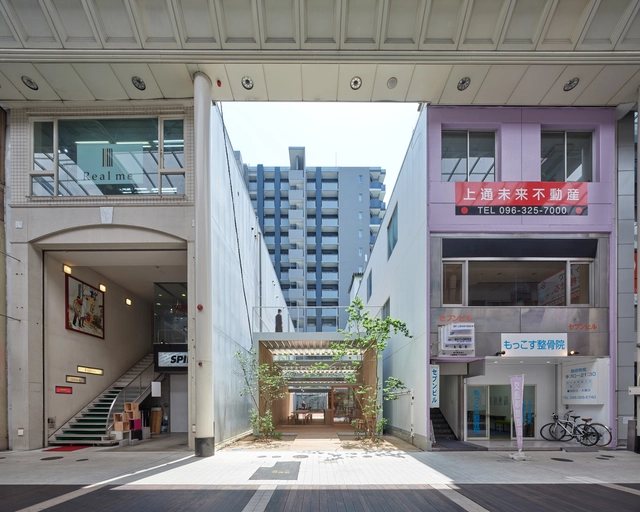
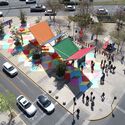
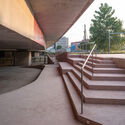
Cities constantly undergo infinite changes, leaving many spaces within the urban fabric forgotten and unused. Historic buildings are refurbished, and adaptive reuse explores new possibilities, but what happens with public spaces? Small interventions using simple resources and innovative solutions are the perfect way to bring these neglected alleys, plazas, and highways back to life and reincorporate them into the city.



https://www.archdaily.com/927258/7-creative-solutions-that-revitalize-public-spacesPaula Pintos
The Mies Crown Hall Americas Prize Announces 2024 MCHAP Emerging and Outstanding Projects
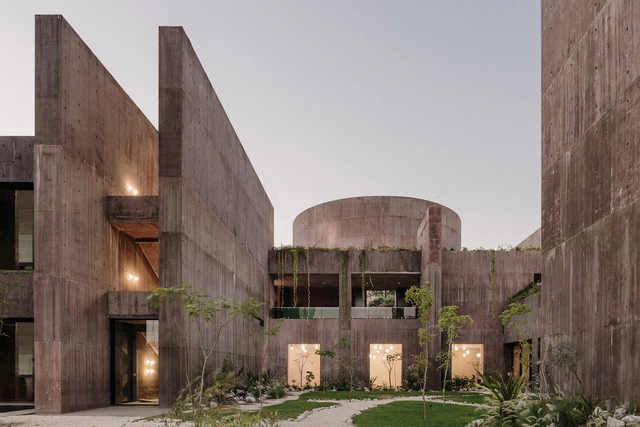
The Mies Crown Hall Americas Prize (MCHAP) at the College of Architecture at Illinois Institute of Technology has announced the shortlist of 53 Outstanding projects. The 5th cycle of awards celebrates built works completed in North, Central, and South America in 2022 and 2023, striving to bring visibility to those projects that best address the demands of our time and work towards building resilient communities.


https://www.archdaily.com/1018212/the-mies-crown-hall-americas-prize-announces-2024-mchap-emerging-and-outstanding-projectsMaria-Cristina Florian
Social Radicalism Reexamined: The Legacies of Christopher Alexander and Joseph Rykwert
This article was originally published on Common Edge.
Christopher Alexander (1936–2022) and Joseph Rykwert (b. 1926) were two giants of 20th century architectural theory who began their work in England and eventually created lasting legacies at two great American architectural schools: the University of California at Berkeley (Alexander) and the University of Pennsylvania in Philadelphia (Rykwert). Their careers not only coincided with a critical period of social and cultural research among designers and urbanists, but in many ways continue to inspire the current generation of committed critics of late capitalist development on our imperiled planet. Yet to many they are too little known.


https://www.archdaily.com/1018242/social-radicalism-reexamined-the-legacies-of-christopher-alexander-and-joseph-rykwertMark Alan Hewitt


