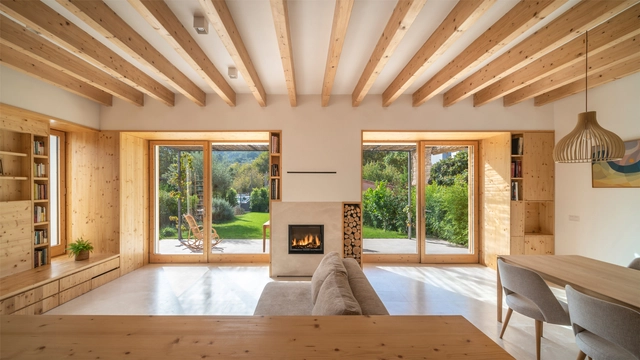
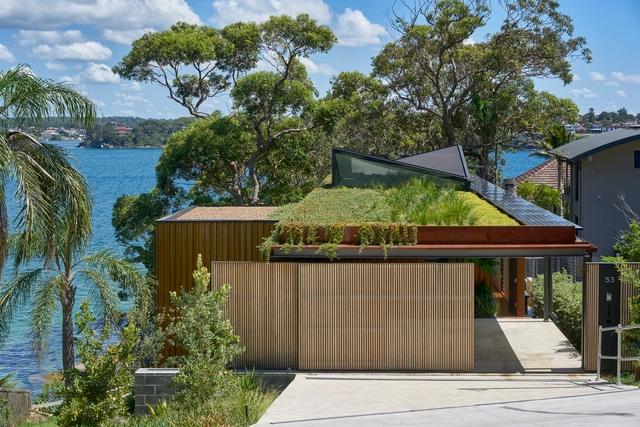
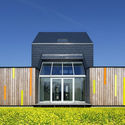
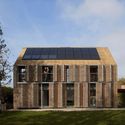
How is it possible to reduce the energy consumption of our homes? What design, material, and/or technological strategies can be developed to achieve interior comfort while also addressing the climate crisis? While achieving energy efficiency depends, among other factors, on the state of the homes, there are various strategies related to the implementation of renewable energies, air conditioning technologies, and more that can be applied, taking into account government policies, laws, regulations, and standards specific to each region.
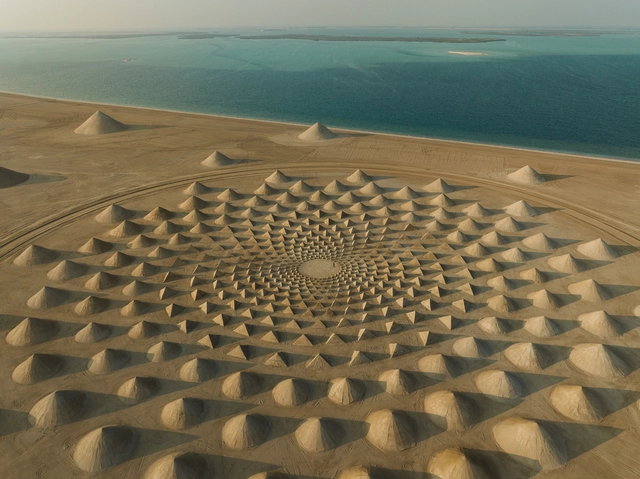
“Self Similar,” a sprawling and immersive land artwork created by Jim Denevan has just debuted in Abu Dhabi,UAE as part of a more extensive city-wide exhibition. Curated by Reem Fadda, Director of Abu Dhabi Culture Programming and Cultural Foundation, along with Alia Zaal Lootah, this city-wide exhibition showcases 35 distinct site-specific artworks by both local and international artists. Scheduled to run until January 30, 2024, the exhibit is a diverse collection aiming to engage audiences.
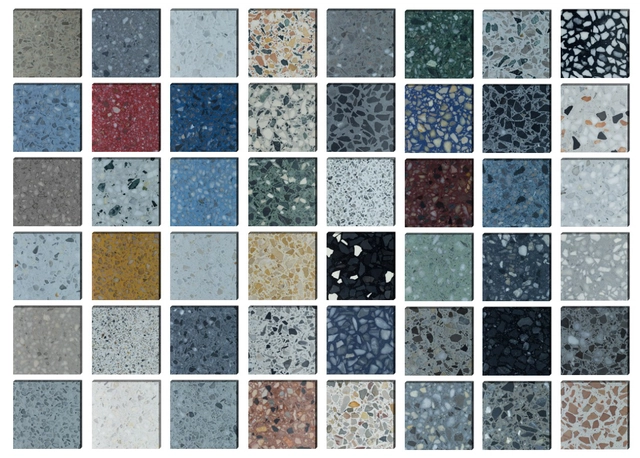
Initially conceived as a way to use fragments from marble construction waste, terrazzo is a material widely used around the world, with its modern roots dating back centuries to Venice, Italy. Its aesthetic is unmistakable, characterized by mottled patterns and a wide range of colors poured onto the floor. It is not surprising that this material is widely appreciated by architects in various types of projects due to its unique appearance. A notable example of the use of terrazzo is the Guggenheim Museum in New York, designed by Frank Lloyd Wright. Upon discovering it during one of his trips, Wright recognized that thanks to its aesthetic appeal and versatility, it would endure as the museum's interior finish.
The evolution of construction materials has transformed terrazzo from the traditional mixture used by Wright, which included concrete as a binder, to a version that incorporates an epoxy matrix, enhancing its iconic aesthetic and integrating additional technical capabilities. Today, Terrazzo & Marble empowers contemporary designers to create distinctive patterns and vibrant color palettes that seamlessly align with the context of modern architecture. This is accomplished through four leading principles that guide architects in specifying epoxy terrazzo.
https://www.archdaily.com/1009577/mottled-and-timeless-why-do-architects-and-designers-specify-epoxy-terrazzoEnrique Tovar
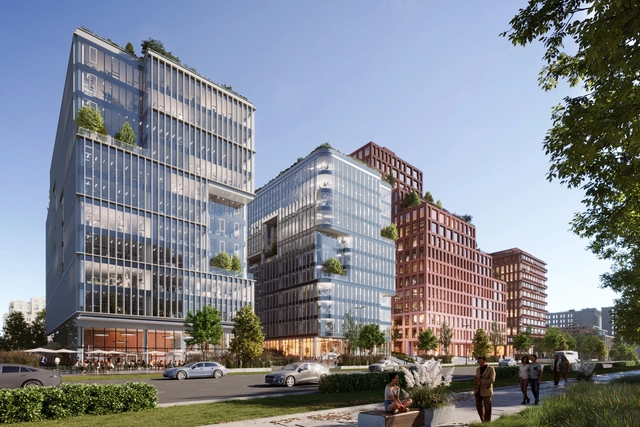
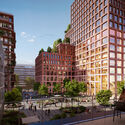
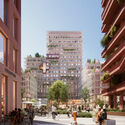
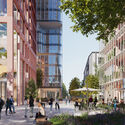
MVRDV and Orange Architects collaborate on the NUVO project, a new mixed-use complex to be built in Ukraine’s capital, the team of architects has revealed their design for three of the buildings that will become part of NOVO. Commissioned by Kovalska, the project is now restarting after work was put on hold due to the active conflict in Ukraine. The two firms are collaborating to refine the master plan initiated by APA Wojcehowski Architects.
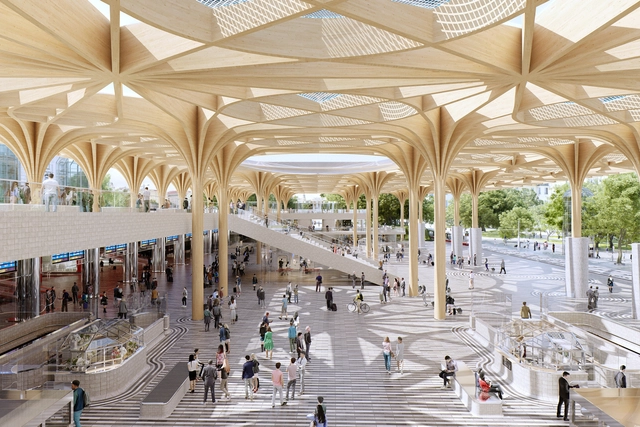
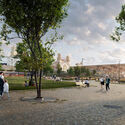
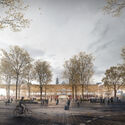
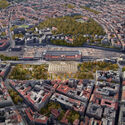
Henning Larsen has just won a competition to redesign Prague Central Station, Nový Hlavák. The project aims to reconnect the historic central station and terminal hall with Vrchlického Sady Park, serving as a welcoming gateway to Prague. Shaping the city’s landscape, the initiative hopes to contribute to a more sustainable and livable Prague.
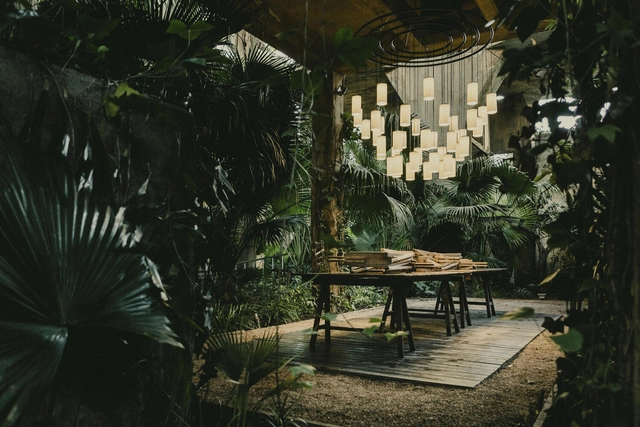
Lowering our body temperature and metabolism to preserve food and energy during a cold spell is not (yet) a skill humanity has learned. Human hibernation, however, is still a very real and natural reaction to life in seasonal climates. As the winter months begin, we start to nap more, crave fattier foods, long for the company of others, and, most of all, prepare cozy nests to snuggle into. In order to actively enjoy the cold, wet, and long-time dark periods of the year instead of just waiting for the sun to return, here are some useful ways to ensure our homes stay cozy.
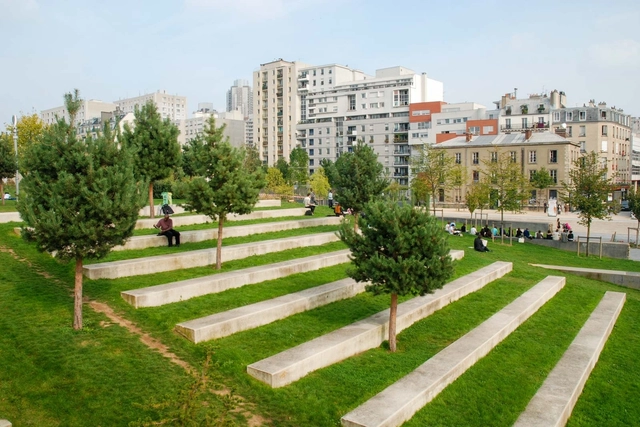
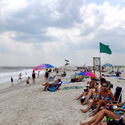
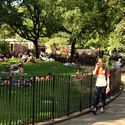
One of the most radical instances of public space transformation happened recently. During the early months of the Covid-19 pandemic, public space transformed into “a medical resource, a distribution hub, an overflow space, a center of protest and resistance, a gym, a senior center, a community center, a daycare center, a schoolyard, a night club, a transportation corridor, an outdoor restaurant, a shopping mall, a children’s playground, an outdoor theater, a music venue, a nature center, and a place of belonging and ‘being at home.’”
https://www.archdaily.com/1010271/socially-just-public-spaces-are-crucial-to-flourishing-societiesGrace Mitchell Tada
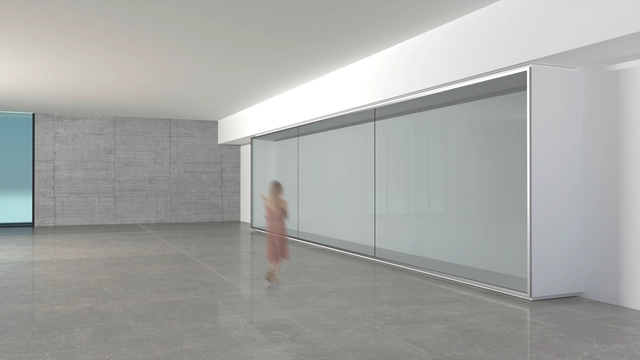
Some of the most memorable and moving exhibitions are the ones that simplify their staging, illuminating objects and narratives while pulling focus from everything else. A stark but meticulous –and above all modern– presentation is the goal of the museum curator. The process of installation shouldn’t be laborious. The fingerprint of the architect shouldn’t be visible. The eye of the visitor wants to see unbroken silhouettes of couture garments, archaeological treasures, and sculptures. Exhibitions tell stories, and the design of each show is the medium. The presentation must be crisp, clear, and light. A sense of perfection elevates the uniqueness of a collection of objects; barely apparent joins, lines and an overall feeling of transparency make that achievable.
https://www.archdaily.com/1009976/elevating-contemporary-exhibition-design-with-sliding-glass-panel-systemsMark C. O'Flaherty
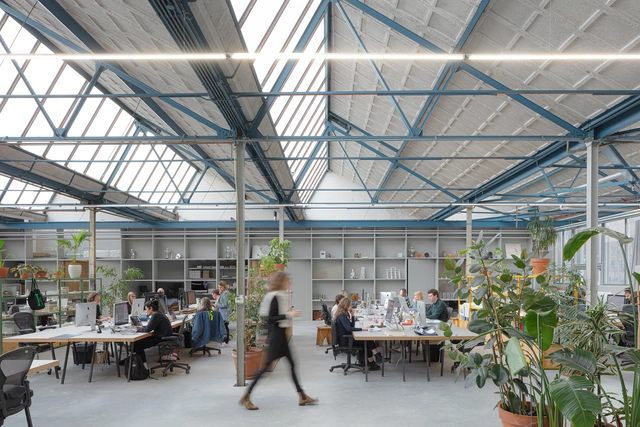
The average person spends approximately 90,000 hours, equivalent to one-third of a lifetime, at work. The workplace can be a second home to adults, and spending multiple hours has fueled a longstanding desire for change within the workplace. Over the decades, various factors, including pandemics, economic crises, and changing generational preferences, have impacted the nature of work and the places people work in. The recent phenomena of the Great Resignation and the widespread adoption of remote and hybrid work arrangements have accelerated the transformation of workplaces. In response, organizations are increasingly prioritizing the overall employee experience, recognizing the need to create environments that accommodate evolving work structures while fostering satisfaction, engagement, and well-being among their workforce.
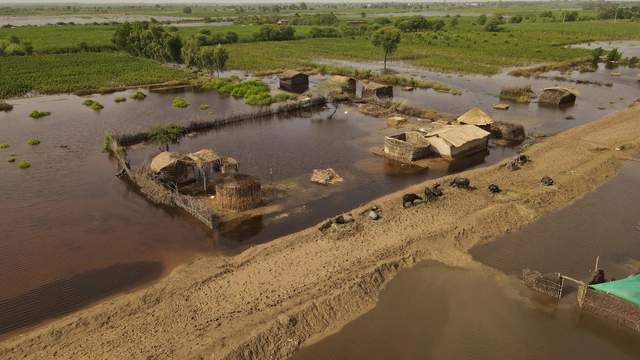
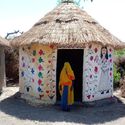
Pono Colony - August 2022. Image Courtesy of Heritage Foundation of Pakistan
Following the extreme floods that affected Pakistan in 2022, architect Yasmeen Lari the Heritage Foundation of Pakistan pledged to help build one million resilient houses in the country. In 2022, 33 million people have been displaced, and an estimated 500,000 houses have been destroyed or severely damaged. In September 2022, Lari’s NGO launched a target program to start rebuilding and to help communities protect themselves against future disasters. The program is built on Lari’s expertise in working with the communities and employing vernacular and local building materials to achieve resilient and sustainable structures. According to the Heritage Foundation of Pakistan, one-third of the goal has already been reached.
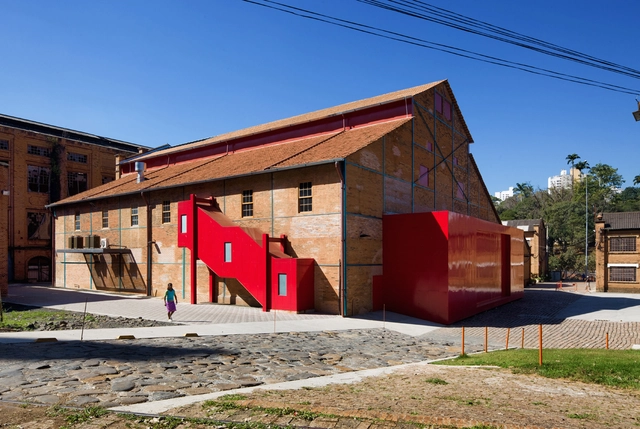
In the global context, the first factories emerged in the latter part of the 16th century, primarily housing typographic workshops. Over time, their purposes expanded to include carpentry, tapestry, and porcelain workshops. However, the recognizable form of industrial buildings we see today only took shape in the 18th century, closely tied to the transformations brought about by the Industrial Revolution. The shift from human labor to machinery fundamentally altered the scale of these structures, turning them into expansive warehouses.
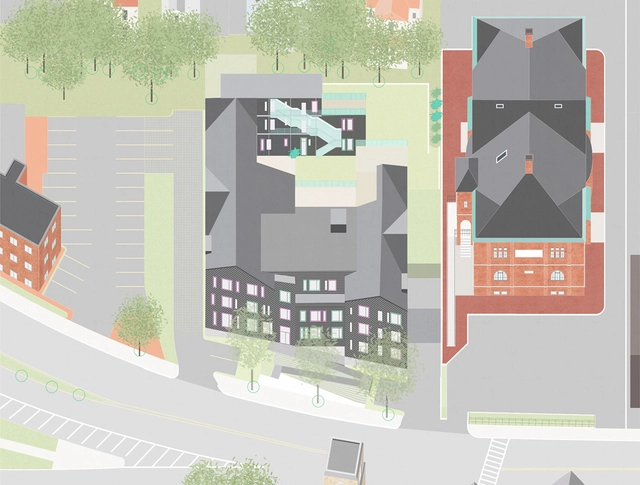
In Greater Boston's city of Malden, Massachusetts, an inter-generational community of thirty households hired an architecture firm and collectively designed their cohousing community. Responding to the cohousing community's request for collective living in an urban setting, French2D designed a typology-challenging building with individual residential units connected by a framework of shared spaces. The result is a 48,700 sqft unique and colorful type of multi-family housing. It is one of a growing number of cohousing projects in the United States.
The Second Studio (formerly The Midnight Charette) is an explicit podcast about design, architecture, and the everyday. Hosted by Architects David Lee and Marina Bourderonnet, it features different creative professionals in unscripted conversations that allow for thoughtful takes and personal discussions.
A variety of subjects are covered with honesty and humor: some episodes are interviews, while others are tips for fellow designers, reviews of buildings and other projects, or casual explorations of everyday life and design. The Second Studio is also available on iTunes, Spotify, and YouTube.
This week David and Marina of FAME Architecture & Design discuss the local architecture, adobe buildings, and natural landscapes of the southwest region of the United States. The two cover the role nature has in cities, designing experiences, how architecture can co-exist with the natural landscape, craftsmanship, and more. Destinations included the Taos Pueblo in New Mexico, Monument Valley, Antelope Canyon, Frank Lloyd Wright’s Taliesin West, and Paolo Soleri’s Arcosanti.
Including sustainable strategies in architectural projects is not just a trend, it is a necessity. Each day we become more aware of the importance of responsibly managing natural resources and understanding the environmental factors involved in designing a project.
Solar energy is one of the most commonly employed strategies in residential architecture, both active and passive. Many countries around the world offer incentives to encourage the use of solar systems, and the benefits of installing these systems can be seen in a short period of time, with a reduction of up to 95% in the monthly energy expenses, which makes this strategy one of the most attractive of all sustainable solutions. Furthermore, the average lifespan of a solar panel is 25 years, operating entirely on its own and requiring only basic cleaning once a year.
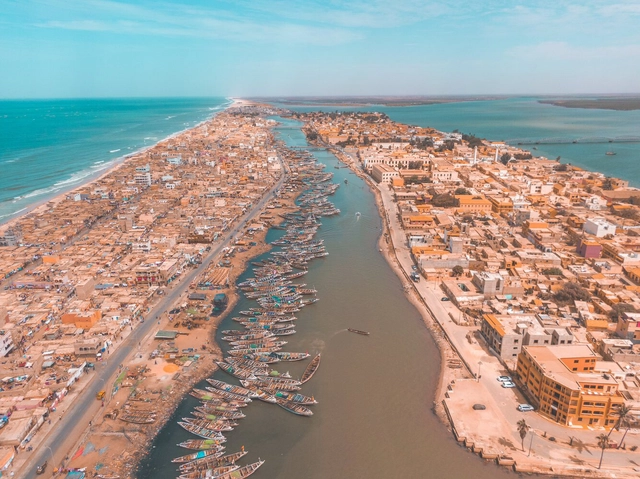
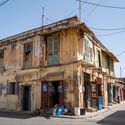
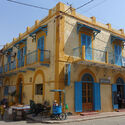
Located 270km north of Dakar, the capital of Senegal, and near the border with Mauritania, is the Island of Saint-Louis. It is a prominent colonial city in West Africa, known for its blend of Mediterranean architecture with a tropical climate. Saint-Louis was founded by the French Colony in 1659 as its first trading post on the Atlantic coast of Africa. It later became the capital of French West Africa (AOF) and Senegal. However, it lost this status in 1902, which led to its economic decline.
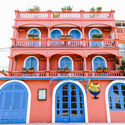
This complex history has made Saint-Louis a melting point for different layers of architecture and urbanism. The island showcases a grid urban form with double-storey villas, which is typical of 19th-century French colonial urbanism. Additionally, it features tropical courtyards, shaded balconies, 1920s art déco houses, and early '30s modern civic buildings. However, due to its economic and infrastructural isolation, this architecture and urban heritage have continuously degraded. Therefore, it seeks new interventions for the conservation, restoration, and re-adaptation of the city.
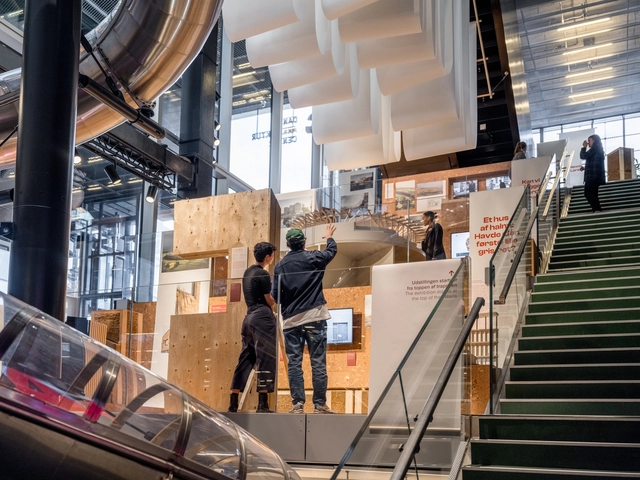
In a bid to explore new materials and methods for more sustainable construction, Henning Larsen opens the “Changing our Footprint” exhibition at the Danish Architecture Center in Copenhagen. The initiative, open from November 17, 2023, until March 3, 2024, aims to showcase ideas for more climate-friendly architecture and to start conversations on architecture and construction’s role in mitigating the effects of climate change. This represents the second iteration of the exhibition, as the first version opened at the Aedes Architecture Forum in Berlin earlier this year.
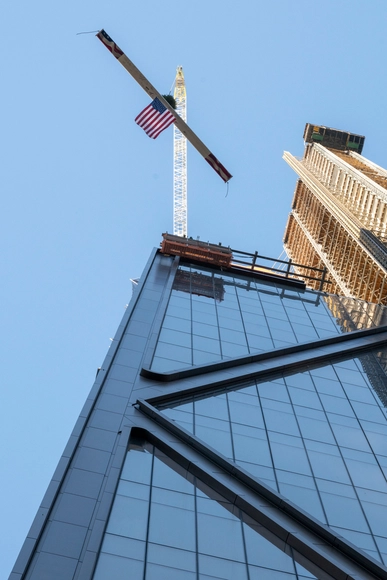
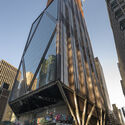
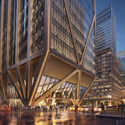
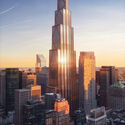
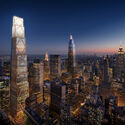
The final steel beam on JPMorgan Chase’s new headquarters was placed this week, reaching a height of 423 meters. Designed by Foster + Partners, the project at 270 Park Avenue in New York takes up to 14,000 future occupants. The event was attended by Norman Foster, founded and executive chairman of Foster + Partners, JPMorgan Chase Chairman & CEO Jamie Dimon, New York City Mayor Eric Adams, and local officials in the city. The design boasts an all-electric tower, with net-zero operational emissions, powered by a New York State hydroelectric plant.