1. ArchDaily
  2. Architecture & Planning

Architecture & Planning: The Latest Architecture and News

Hong Kong's Queensway Reimagined: Sara Klomps on the Genesis and Ambition of The Henderson by Zaha Hadid Architects

Subscriber Access | 

Architectural landmarks often cluster together. In Tokyo, the iconic Omotesando is a well-known stretch where global "starchitects" built flagship luxury retail spaces in the 2000s. Hong Kong has a lesser-known but equally powerful architectural agglomeration along Queensway—though historically more corporate and less publicly engaging. Beginning in the 1980s, this corridor became home to a series of landmark buildings by some of the world's most prominent architects: Norman Foster's HSBC Headquarters, I.M. Pei's Bank of China Tower, Paul Rudolph's Lippo Centre, and the nearby Murray Building by Ron Phillips—now revitalized as a hotel by Foster + Partners. The area is further enriched later on by Heatherwick Studio's renovation of Pacific Place and Tod Williams Billie Tsien Architects' Asia Society Hong Kong Center.

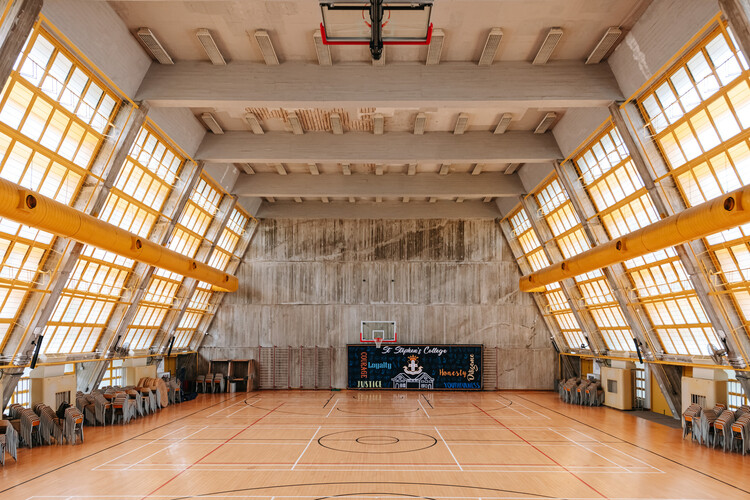
Hong Kong's Queensway Reimagined: Sara Klomps on the Genesis and Ambition of The Henderson by Zaha Hadid Architects - Image 1 of 4Hong Kong's Queensway Reimagined: Sara Klomps on the Genesis and Ambition of The Henderson by Zaha Hadid Architects - Image 2 of 4Hong Kong's Queensway Reimagined: Sara Klomps on the Genesis and Ambition of The Henderson by Zaha Hadid Architects - Image 3 of 4Hong Kong's Queensway Reimagined: Sara Klomps on the Genesis and Ambition of The Henderson by Zaha Hadid Architects - Image 4 of 4Hong Kong's Queensway Reimagined: Sara Klomps on the Genesis and Ambition of The Henderson by Zaha Hadid Architects - More Images+ 7

Built to Last—or Change? The Case for Dry Construction in Humid Cities

Subscriber Access | 

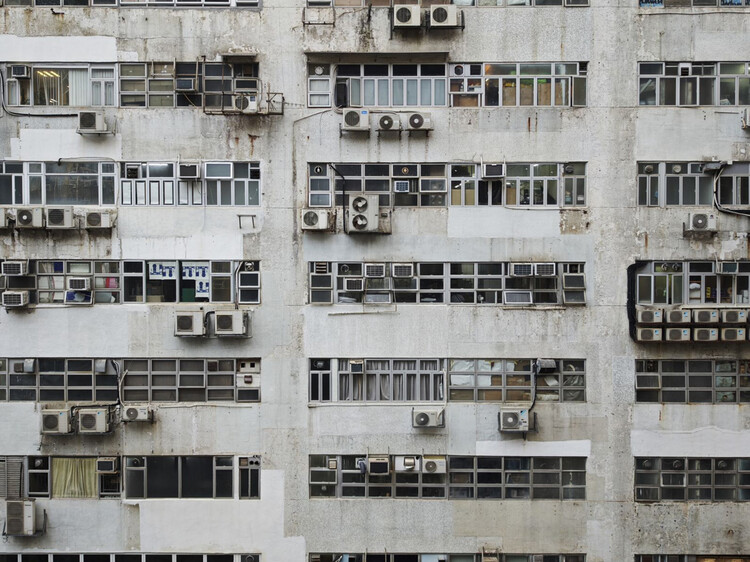
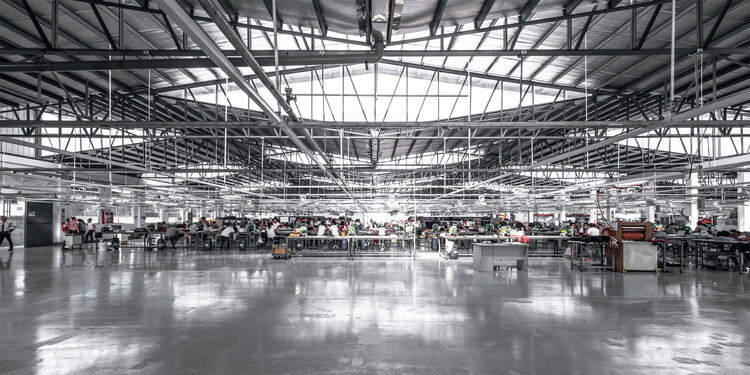
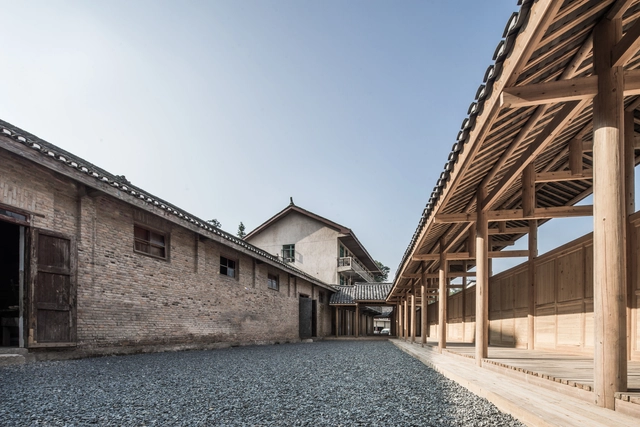
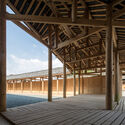
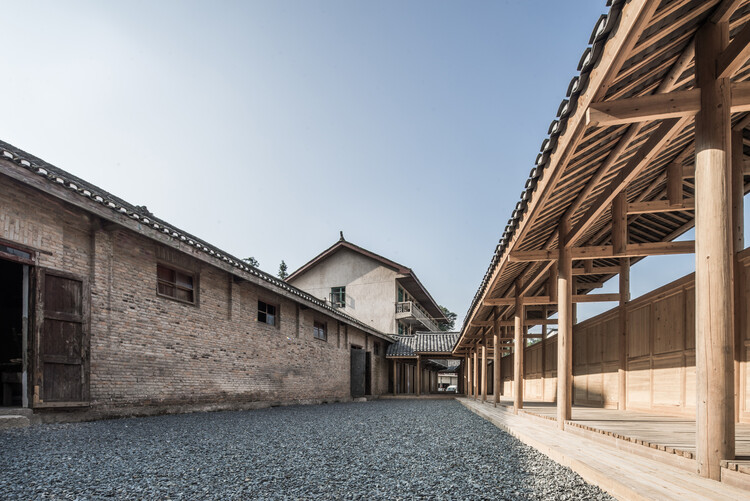
In certain parts of the world, construction is still dominated by wet systems—concrete, masonry, and cementitious materials that are poured, cured, and fixed in place. While this has long been considered the norm in some south-east Asia countries, such as Singapore, Thailand, Malaysia, and China, in most of these regions, they typically share a common trend where labor is relatively inexpensive. This serves as one of the reasons to make concrete more easily available, as one of the typical downside of concrete is its intensive labour cost - this further differentiates concrete as a cheaper and more efficient material system to be building out of.

However, not enough considerations in the region are given to the sustainability aspect when using these wet construction materials,often overlooking the significant drawbacks of its material lifecycle and the difficulty to recycle it without downcycling - making it one of the more unsustainable materials available to be built out of.

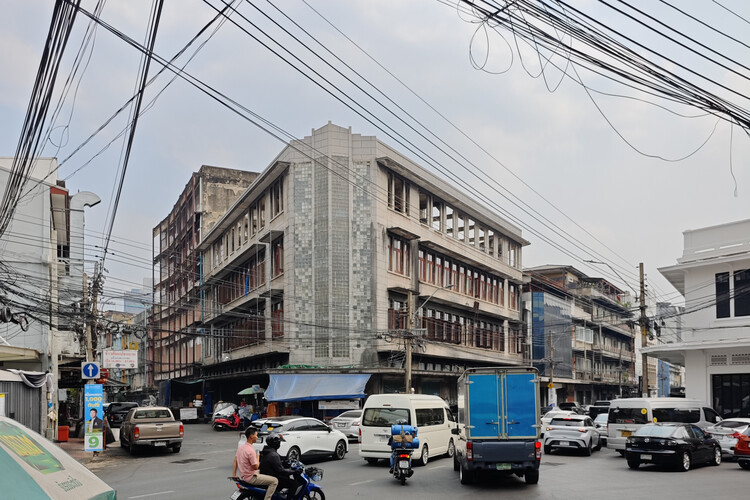
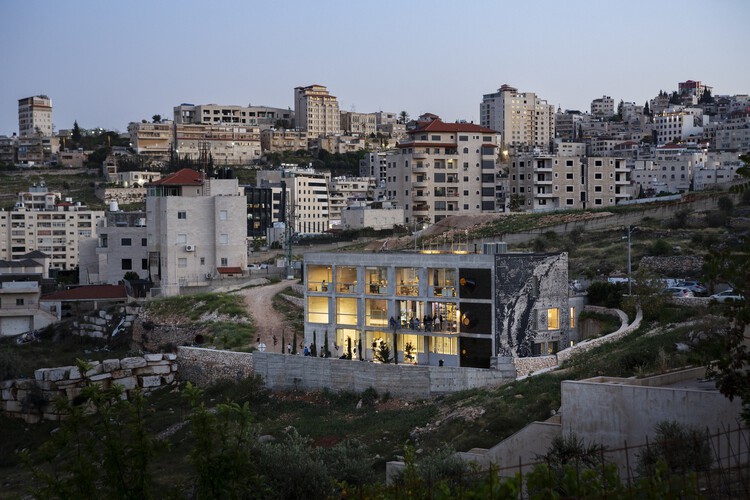
Built to Last—or Change? The Case for Dry Construction in Humid Cities - Image 1 of 4Built to Last—or Change? The Case for Dry Construction in Humid Cities - Image 2 of 4Built to Last—or Change? The Case for Dry Construction in Humid Cities - Image 3 of 4Built to Last—or Change? The Case for Dry Construction in Humid Cities - Image 4 of 4Built to Last—or Change? The Case for Dry Construction in Humid Cities - More Images+ 10

Earth Day 2025: Our Agency in Rethinking Sustainability Across Cities, Scales, and Sectors

Subscriber Access | 

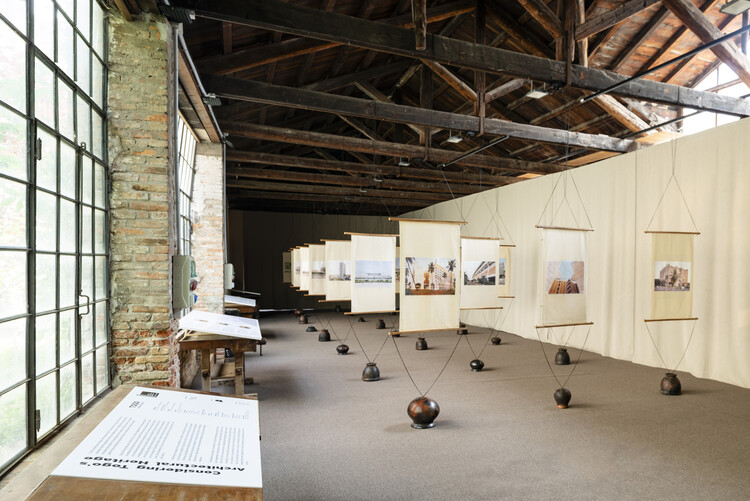
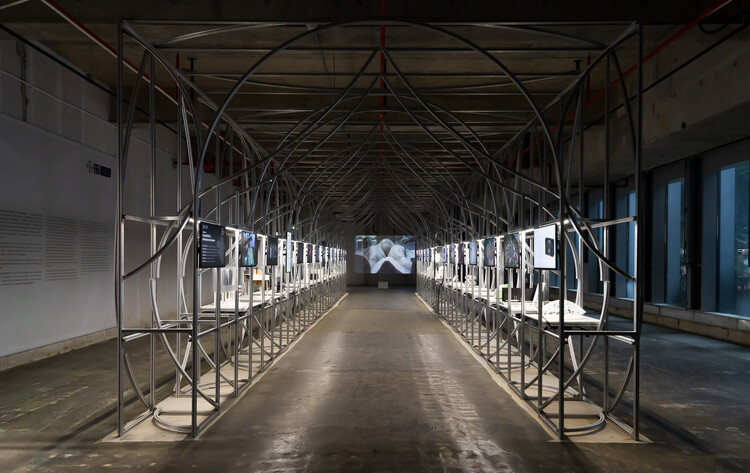
On Earth Day 2025, observed annually on April 22, we are once again reminded of the urgent environmental and sustainability challenges that face our planet—challenges that continue to evolve alongside global economic, political, and cultural shifts. The building and construction industry remains one of the most critical sectors in the effort to manage and reduce global carbon emissions. This year, these issues are being addressed through increasingly diverse lenses, calling for more holistic and integrated approaches. It's vital that we view sustainability not as a one-size-fits-all solution, but as a multi-scalar effort—one that spans from large-scale urban development and strategic planning, to the advancement of sustainable materials, and even to temporary, thought-provoking interventions like exhibitions and installations. In doing so, we reaffirm our commitment to reducing our collective carbon footprint, while shaping a built environment that promotes human well-being and planetary health.

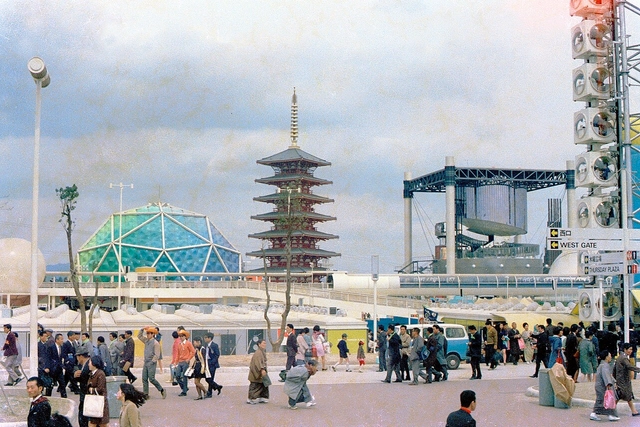
Earth Day 2025: Our Agency in Rethinking Sustainability Across Cities, Scales, and Sectors - Image 1 of 4Earth Day 2025: Our Agency in Rethinking Sustainability Across Cities, Scales, and Sectors - Image 2 of 4Earth Day 2025: Our Agency in Rethinking Sustainability Across Cities, Scales, and Sectors - Image 3 of 4Earth Day 2025: Our Agency in Rethinking Sustainability Across Cities, Scales, and Sectors - Image 4 of 4Earth Day 2025: Our Agency in Rethinking Sustainability Across Cities, Scales, and Sectors - More Images+ 23

Tegucigalpa’s Modernist Revolution: Metroplan and the Shift in the Urban Identity of 1970s Honduras

Subscriber Access | 

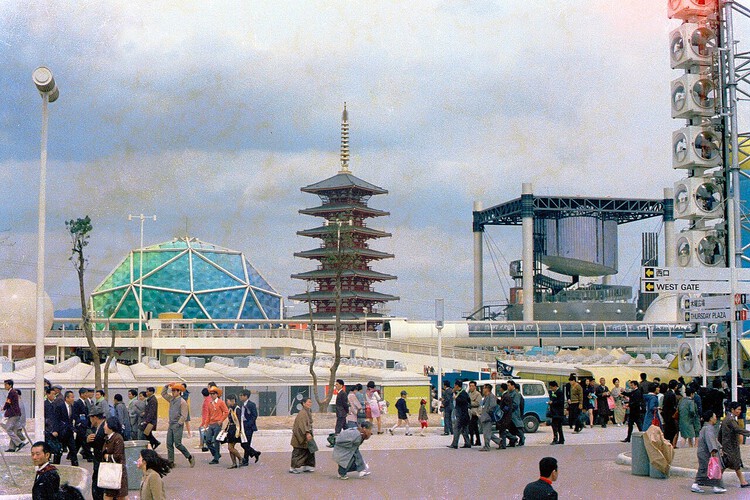
In 1975, Honduras was under a military regime that had been in power for over a decade, led at the time by General Juan Alberto Melgar Castro. During this period, Tegucigalpa underwent several big and unprecedented changes. The influx of people from various parts of the country due to rural migration transformed the city from a compact urban area into an expanding metropolis. This unexpected growth prompted the government to implement a municipal development and planning scheme, a project that would define the city's future and the evolution of its old town. This article was developed with the collaboration of the Honduran architect Lisandro Calderón, who specializes in Urban Planning and is currently a professor at the Central American Technological University (UNITEC), located in Tegucigalpa, Honduras.

Tegucigalpa’s Modernist Revolution: Metroplan and the Shift in the Urban Identity of 1970s Honduras  - Imagem 1 de 4Tegucigalpa’s Modernist Revolution: Metroplan and the Shift in the Urban Identity of 1970s Honduras  - Imagem 2 de 4Tegucigalpa’s Modernist Revolution: Metroplan and the Shift in the Urban Identity of 1970s Honduras  - Imagem 3 de 4Tegucigalpa’s Modernist Revolution: Metroplan and the Shift in the Urban Identity of 1970s Honduras  - Imagem 4 de 4Tegucigalpa’s Modernist Revolution: Metroplan and the Shift in the Urban Identity of 1970s Honduras  - More Images+ 12