

-
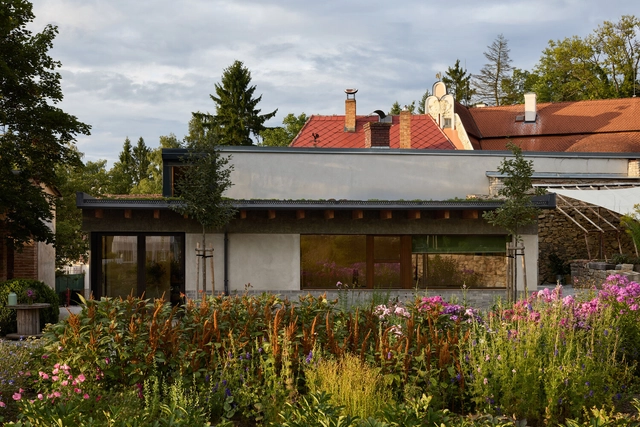
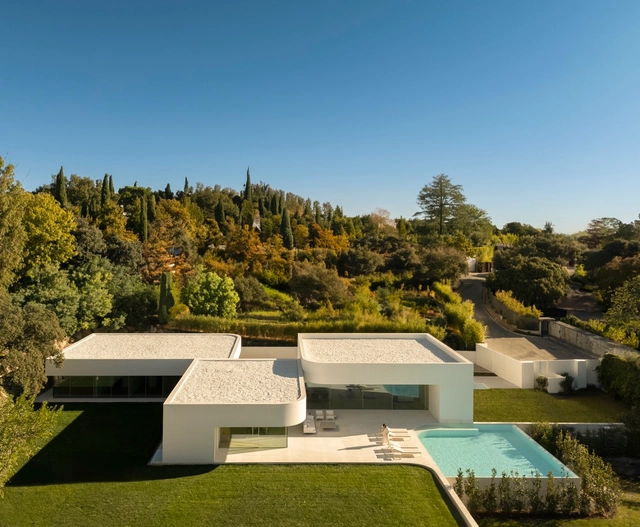
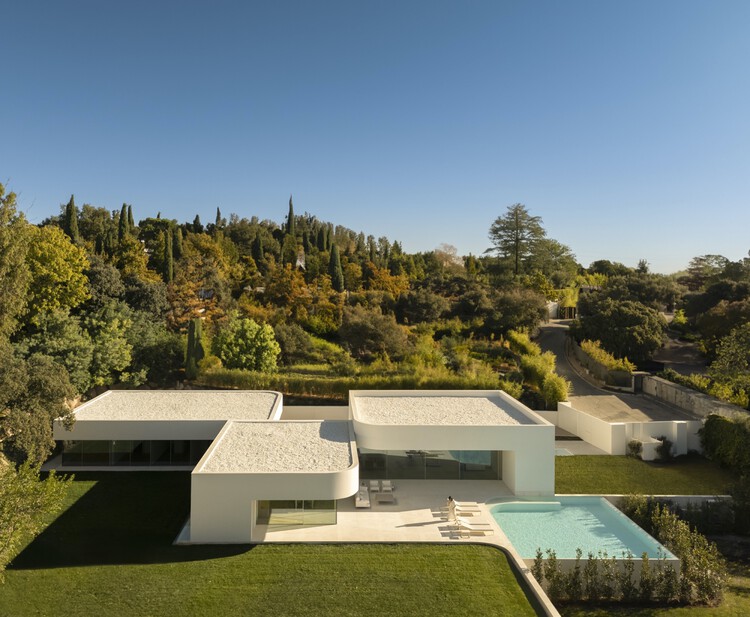
Architects: Fran Silvestre Arquitectos
- Area: 1015 m²
- Year: 2024
-
Manufacturers: Andreu World, Gaggenau, Kibeny, CasaDesus, IMG Windows, +2


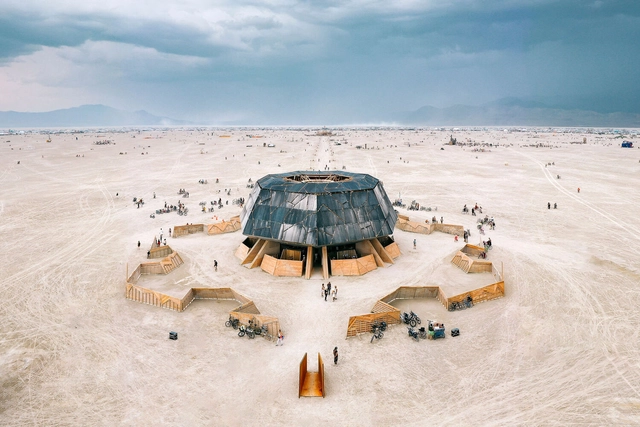
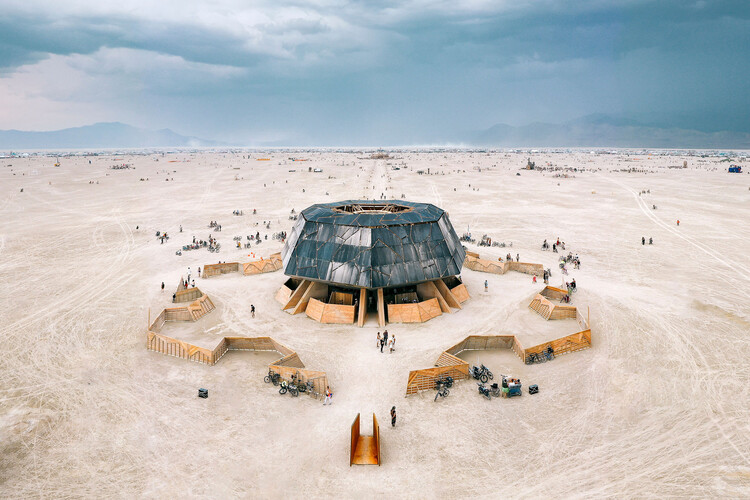
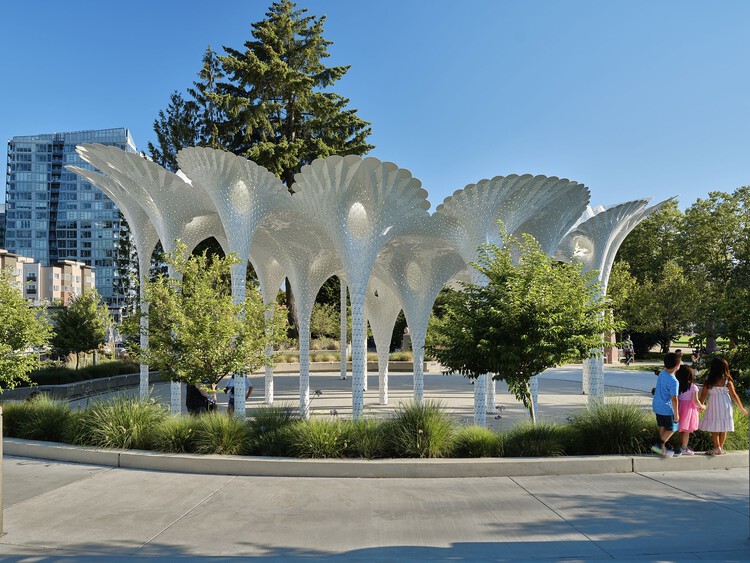
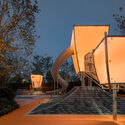
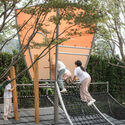
Each year, Burning Man transforms Nevada's Black Rock Desert into a temporary city where large-scale installations define both the landscape and the collective experience. Serving as a platform for experimental design, the event brings together artists, architects, and interdisciplinary teams to create works that blur the boundaries between sculpture and architecture. These temporary structures often function as gathering spaces, landmarks, or immersive environments, embodying the festival's guiding principle of impermanence.
The 2025 edition introduced projects that examined themes of ecology, memory, and connectivity while responding to the challenges of building in the desert. Ranging from intimate interactive pieces to monumental landmarks, the installations encouraged reflection, participation, and community engagement before disappearing at the close of the event.
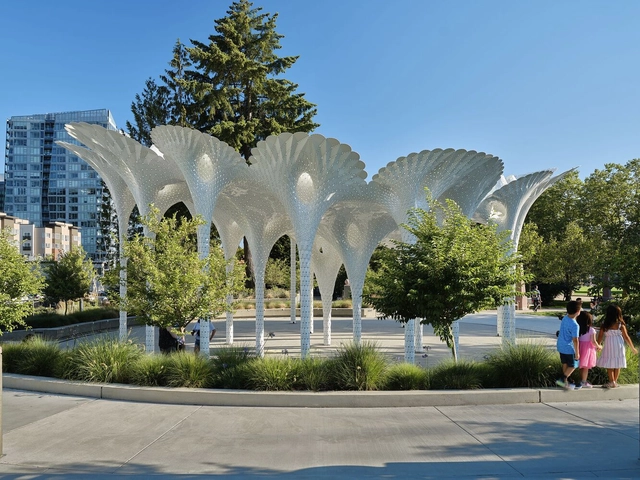
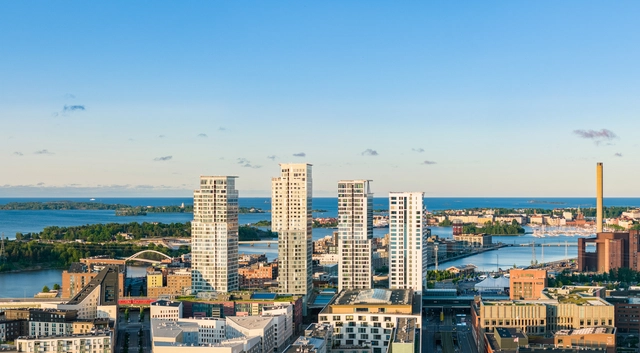
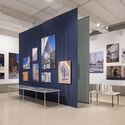
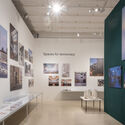
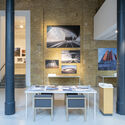
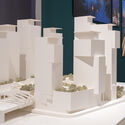
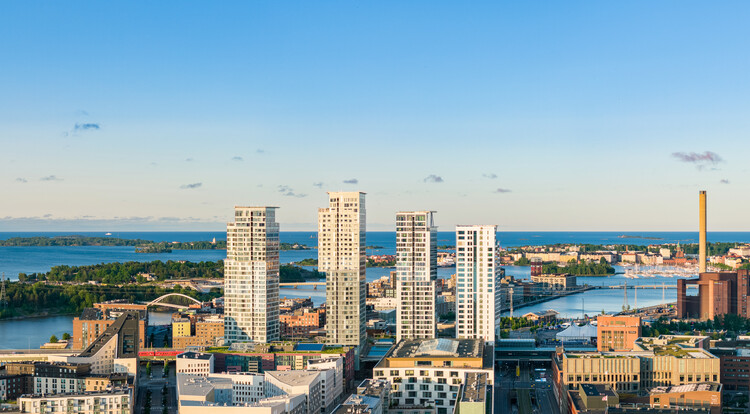
From September 6 to October 15, 2025, the Aedes Architecture Forum in Berlin will host an exhibition on the Finnish architectural firm Helin & Co. The show aims to examine the firm's role in shaping Helsinki over the past two decades. Titled Heart and Horizon, it reflects the practice's approach of combining the human scale ("Heart") with an engagement with urban space along the waterfront ("Horizon"). A central focus is placed on three projects that have been fundamental to Helsinki's transformation: the Kamppi Centre, a networked urban quarter with mobility hubs, cultural and residential areas; the Kalasatama Centre, a new district on the former harbour that combines urban density with views of the sea; and the Sello District Centre in Espoo, a multifunctional complex with a library, music school and concert hall.
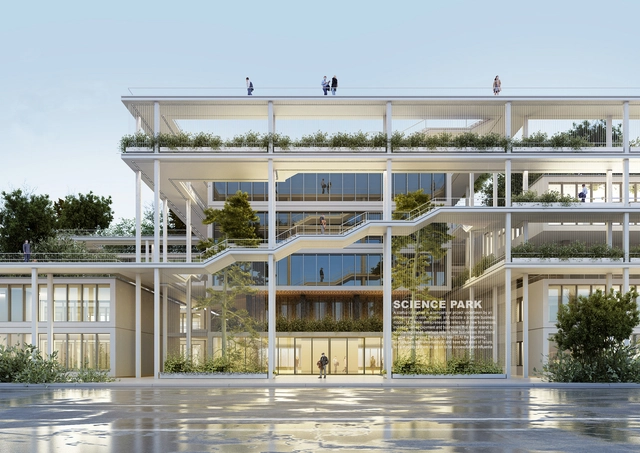
In today's world, learning is no longer confined to classrooms or defined by formal education alone, it happens everywhere, in many forms. From music halls and sensory libraries to neurodiversity training centers and public schools reimagined, the spaces that support learning are becoming just as varied as the ways we learn. This selection of unbuilt educational projects submitted by the ArchDaily community reflects that shift, exploring how architecture can embrace difference, nurture curiosity, and create environments that support a broad spectrum of cognitive, emotional, and social needs.
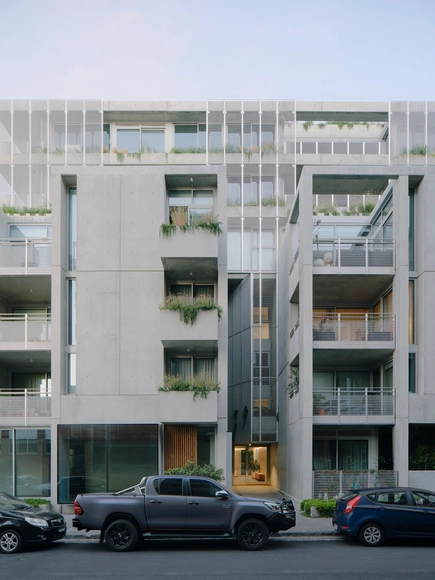
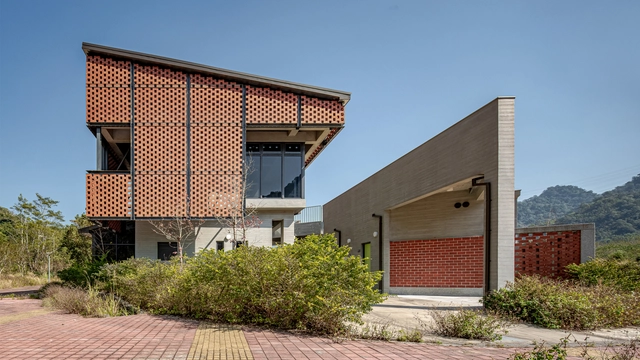
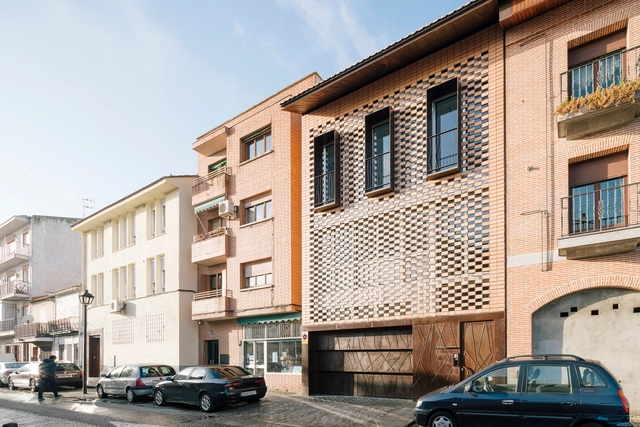
Spain combines cultural diversity and a long constructive tradition that is directly reflected in its architecture. The country is home to influential schools, a consistent body of theoretical production, an active generation of architects, and a well-established construction industry with strong capabilities in innovation, standardization, and export. Contemporary Spanish architecture is marked by a plurality of approaches and by the articulation between material tradition, technology, and performance.
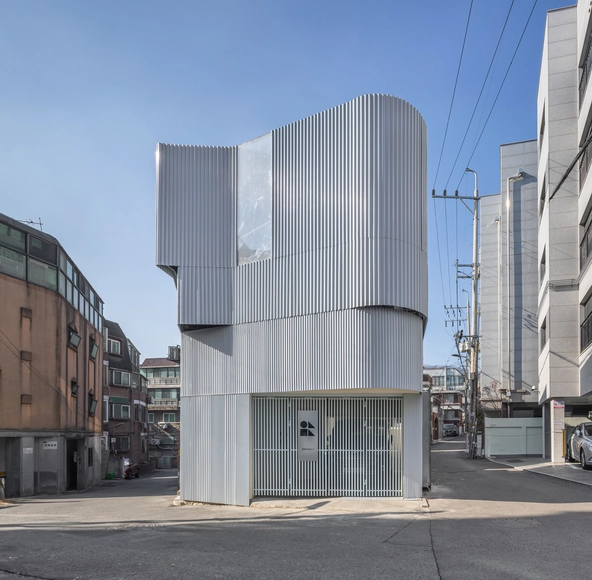
In this context, materials play a central role in the conception, expression, and functionality of buildings. Steel, glass, brick, stone, and wood remain essential inputs in architectural practice, but their role goes far beyond raw matter. Once industrially processed, these materials unfold into a wide range of products and systems such as technical panels, ventilated façades, structural components, extruded cladding, and brise-soleil systems.
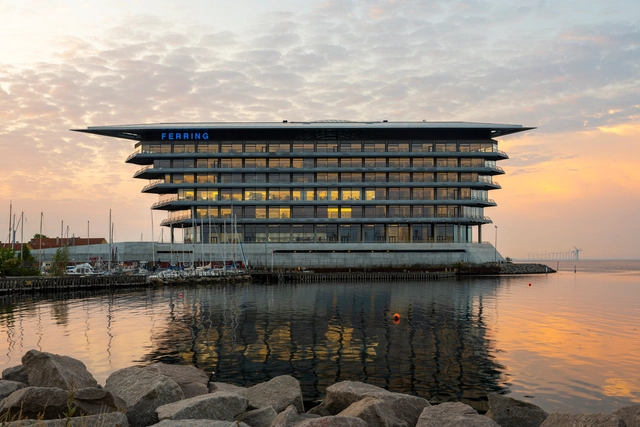
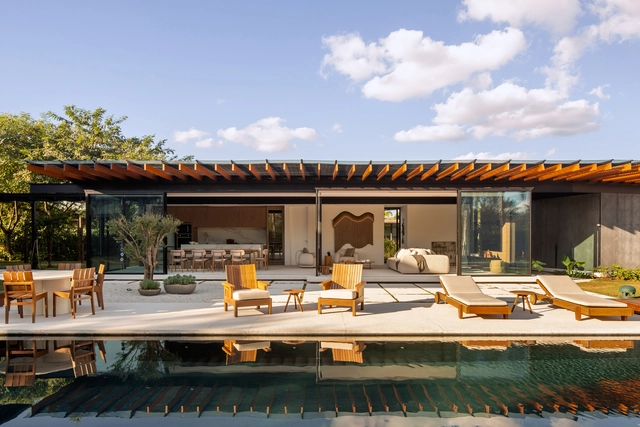
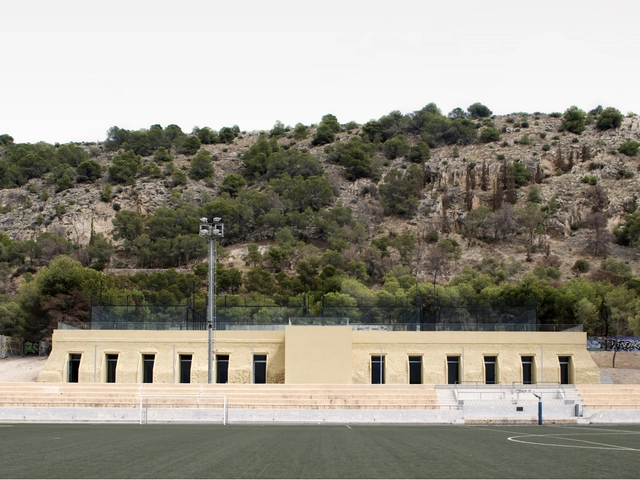
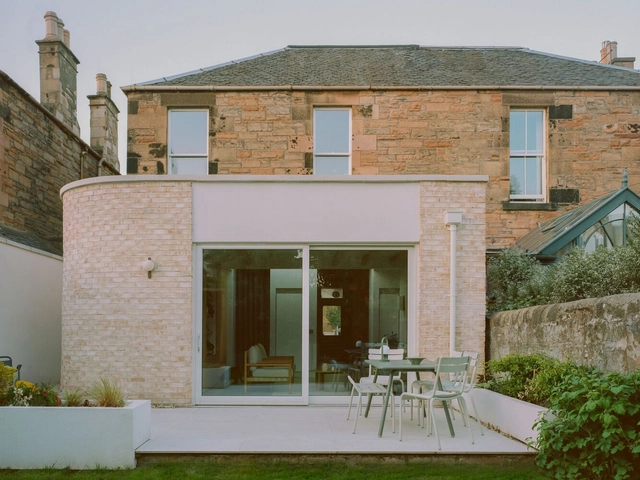
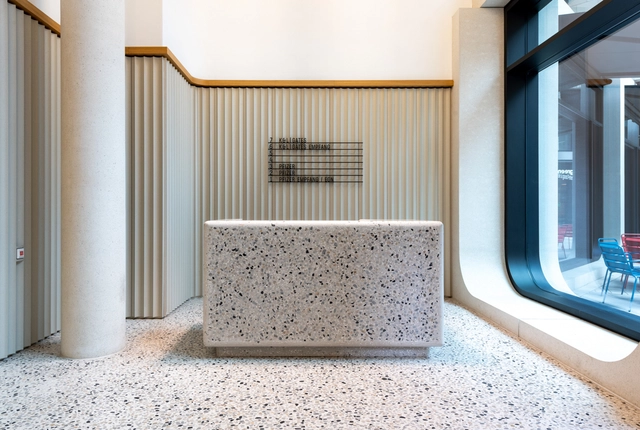
Stones hold time. Some are formed by the sudden solidification of magma, like basalt, whose dense structure and dark color result from rapid cooling at the surface. Others, such as granite, are born slowly in deep magmatic chambers, where gradual cooling allows the growth of visible crystals, creating unique patterns and colors. There are also sedimentary rocks, formed by the compaction of mineral and organic debris over millions of years, with tones that reflect their chemical composition and the environment in which they were deposited. Transforming this geological diversity into a single continuous surface, terrazzo is a cementitious or mineral composite in which fragments of marble, granite, quartz, basalt, and other lithologies are embedded in a binding matrix, then polished to reveal the structure and luster of each particle. Unlike a homogeneous surface, terrazzo acts as a mineralogical showcase, where each aggregate retains its identity while contributing to a coherent whole, which can become a floor, wall cladding, or even furnitures.
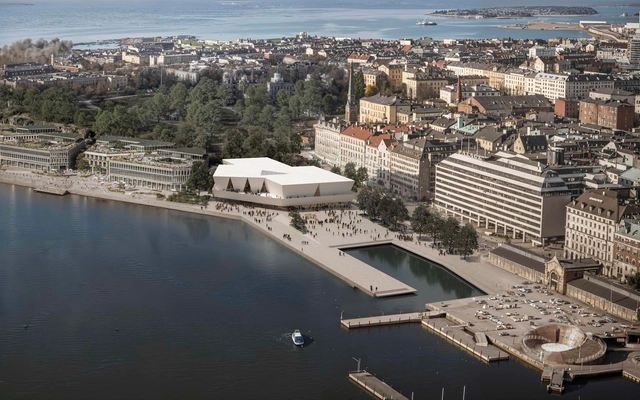
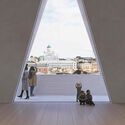
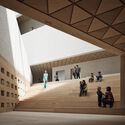
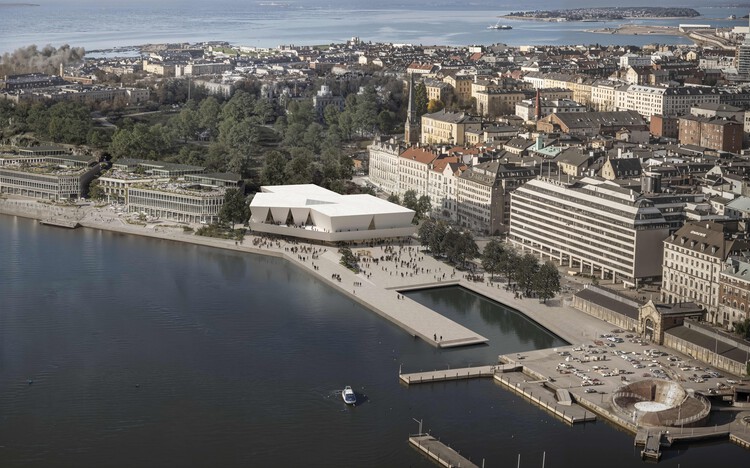
The international design competition to select the architect for Finland's new Museum of Architecture and Design in Helsinki has concluded with the announcement that JKMM Architects has been awarded first prize. The Helsinki-based practice's proposal, known during the competition as Kumma, was chosen from 624 entries submitted from around the world. The open and anonymous competition, launched in April 2024, sought conceptual designs for a new 10,050-square-meter cultural institution to be built on the city's South Harbor waterfront. Construction is scheduled to begin in 2027, with completion and public opening planned for 2030.