Walking into an electrical store can be intimidating. At first glance, all the lights are on, and the thousands of chandeliers and lamps are blinding. When you walk toward the shelves, you see dozens of options, shapes, colors, prices, and uses. On each package, informational tables display numbers that can seem confusing at first. Lumens, color temperature, wattage—there are many unfamiliar terms. Before defaulting to the cheapest option, only to find that it creates an uncomfortable or poorly balanced atmosphere, understanding a few key concepts can make a significant difference.
Lighting design plays a fundamental role in shaping how spaces are perceived and used, influencing comfort, atmosphere, and even productivity. Poorly designed lighting, on the other hand, can compromise these qualities. Rather than approaching lighting as a purely technical decision, it can be understood as an integral part of architectural design. To help clarify these choices, the following overview introduces the most common types of light sources and key concepts associated with them.
Artificial intelligence has made its way into almost every corner of professional workflows, prompting the architectural industry to rethink how it works. To adapt to this shift, firms are now facing the limits of a model that has changed very little over the past few decades.
What has shifted, and noticeably so, is the pressure on productivity. Today's studios are expected to deliver more work faster and with greater accuracy, while managing tighter budgets, complex regulations, and rising client expectations. In practice, this translates into compressed timelines and a constant demand for precision that leaves little room for error. Often, much of this pressure falls on a small group of individuals who hold critical project knowledge.
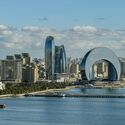
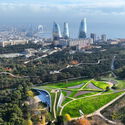
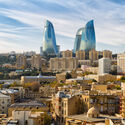
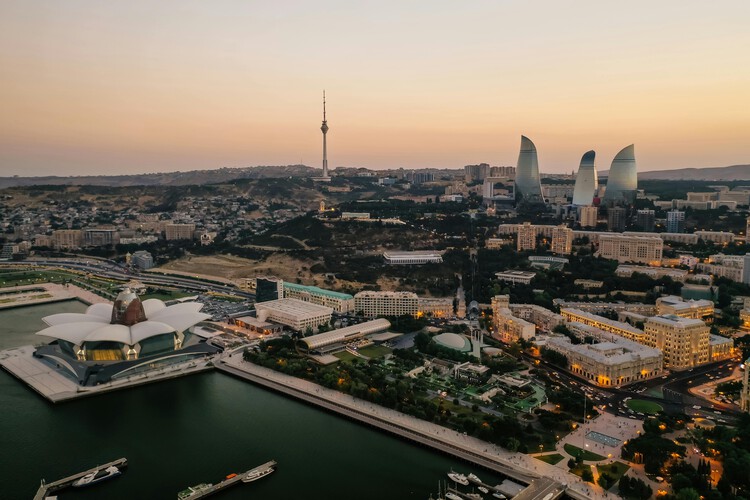
Co-organized by UN-Habitat and the Government of Azerbaijan, the thirteenth session of the World Urban Forum 13 will take place in Baku from May 17 to 22, 2026, under the theme "Housing the World: Safe and Resilient Cities and Communities." Convened every two years by UN-Habitat, the World Urban Forum is considered one of the leading international conferences dedicated to urbanization and the future of cities. Bringing together architects, planners, policymakers, researchers, local governments, and civil society organizations, the forum serves as a platform for discussing the challenges shaping contemporary urban environments and the strategies needed to address them.
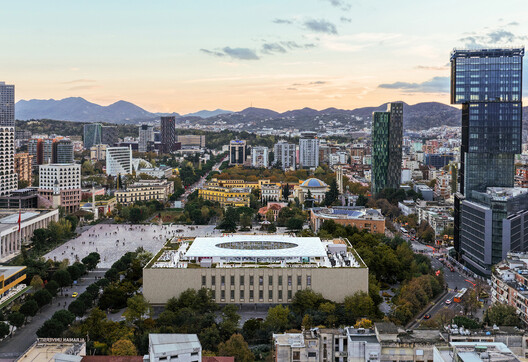
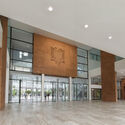
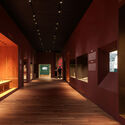
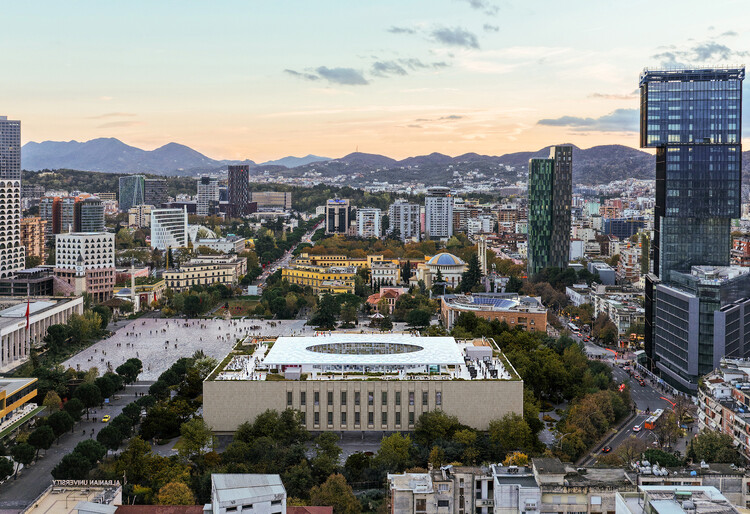
The initial phase of the complete renovation project for the National Historical Museum in Tirana is approaching completion. The project was commissioned by the Ministry of Economy, Culture, and Innovation of Albania and UNOPS, and financed by the European Commission through the EU for Culture (EU4C) program in Albania. The full restoration of the museum's 21,400 square meters is planned in two phases, led by Rotterdam-based Casanova + Hernandez Architects in collaboration with local partner iRI. The first phase consists of the restoration of the existing building located in Skanderbeg Square and is expected to be completed this year, enabling the immediate start of the second phase focused on the redesign of the interior spaces.
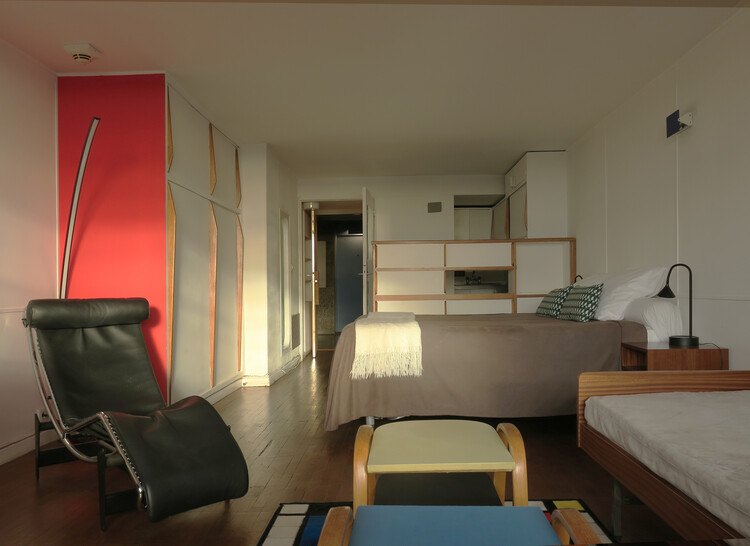
Modernism is often encountered through built form, photographed facades, canonical plans, concrete manifestos. For most people, its first encounter was far more immediate. It was a chair in an office, a shelf in a living room, a compact unit that reorganized how one sat, stored, or slept. Long before modern architecture could be widely commissioned, it was furniture that entered everyday space, carrying with it a new logic of living. Modernism's promise of transforming life was often delivered through these smaller, repeatable objects.
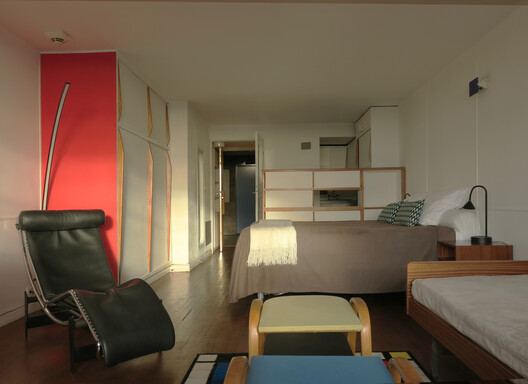
To understand this shift, furniture has to be read as a condensed form of architecture rather than decoration. Early twentieth-century designers treated it precisely this way. Le Corbusier described furniture as équipement de l'habitation (equipment of living), placing it within the operational system of the building rather than outside it. Similarly, the Bauhaus approached chairs and tables as industrial prototypes, embedding principles of standardization, efficiency, and mass production into their design. As architectural historian Beatriz Colomina has argued, modern architecture did not circulate only through buildings, but through media and objects that translated its ideas into everyday life. Furniture became architecture in miniature: portable, reproducible, and capable of reorganizing space without reconstructing it.
Today, interdisciplinary learning and exchange are more important than ever in addressing increasingly complex environmental, social, and urban challenges.
Each summer, the University of California, Berkeley's College of Environmental Design (CED) becomes an intensive laboratory for architectural, landscape, and urban exploration. Through two complementary programs—Design + Innovation for Sustainable Cities (DISC) and the Summer Institutes—Berkeley offers an immersive curriculum grounded in disciplinary rigor, intentional exchange, and a shared institutional culture. Together, these programs reflect CED's long-standing multidisciplinary structure, with architecture, landscape architecture, city planning, and urban design thriving and collaborating under one roof.
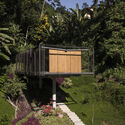
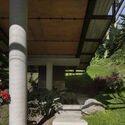
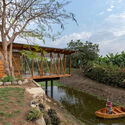
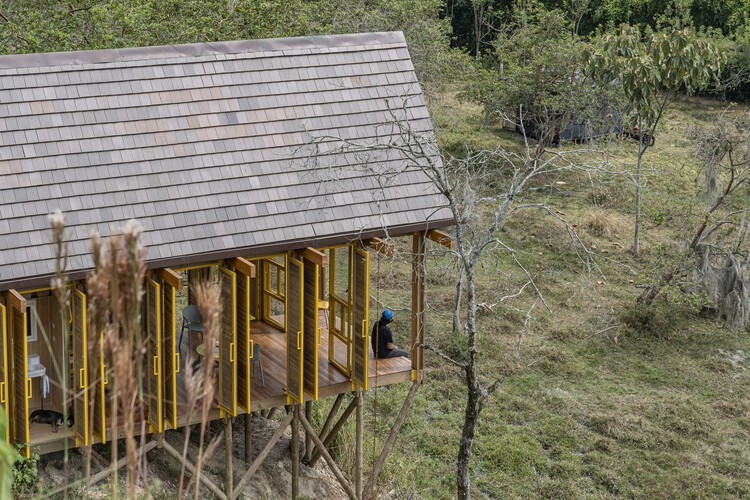
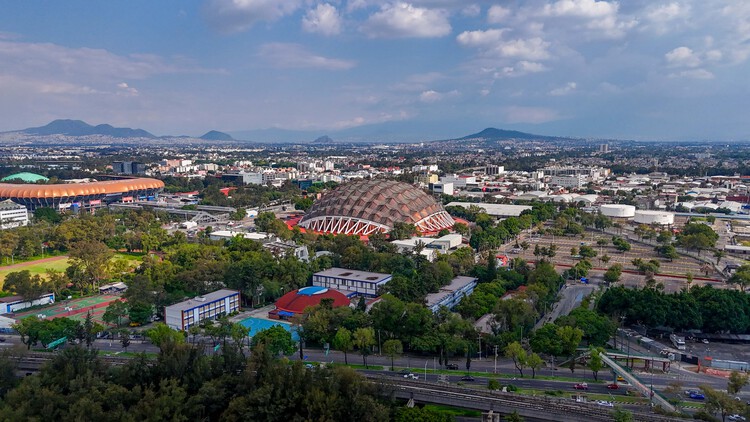
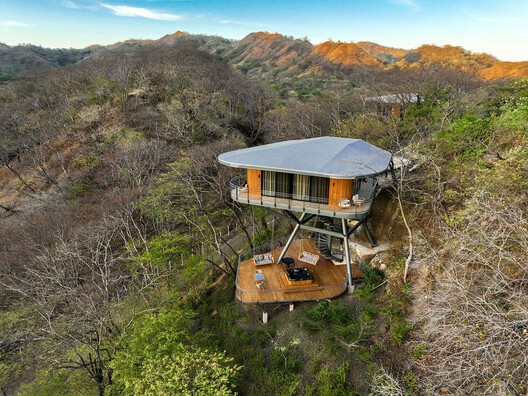
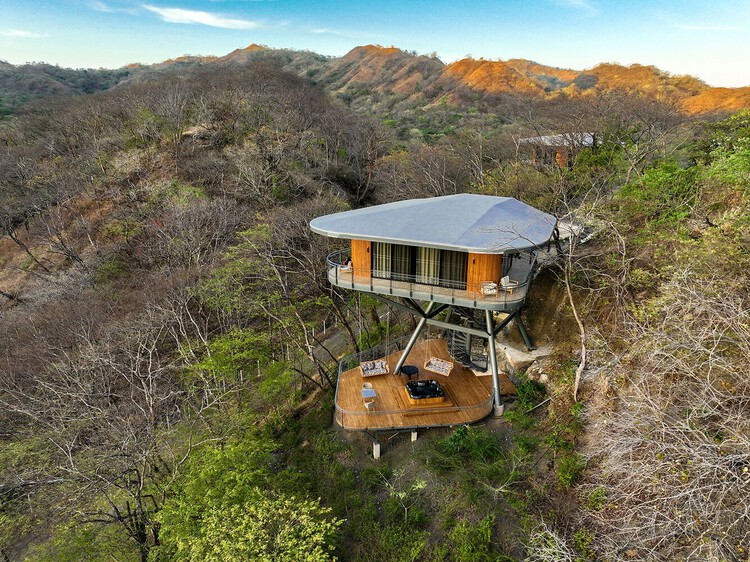
In Latin America, the ground is rarely just a surface to build on. It can be a river edge, a steep slope, a humid forest floor, a floodable landscape, or a territory under ecological pressure, and in many cases, it carries a history of communities that already knew how to respond to it, building on stilts, on platforms, over water, long before contemporary architecture asked the same questions.
These projects continue that conversation. They engage with conditions that move, absorb, erode, and grow, rather than treating the ground as something to level or control. Elevation allows architecture to adapt without fully taking over: water can pass below, vegetation can remain, and slopes can keep their original condition. In each case, the decision to rise is tied to something specific: water, humidity, topography, vegetation, or ecological recovery, and the knowledge of how to build within it and not against it.
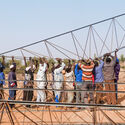
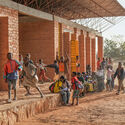
"My only concern is that my work must have a positive impact on the communities in which it is embedded," states Francis Kéré in his book Francis Kéré: Building Stories. His own life story, the context in which he was raised, and the experiences he has lived through all shape his approach to architecture. It is a commitment that extends to people and the places they call home—one that values materiality, collective learning, and the exchange of knowledge. Discovering the stories behind projects such as Primary School in Gando and Naaba Belem Goumma Secondary School inspires reflection on how to design spaces that truly serve humanity.
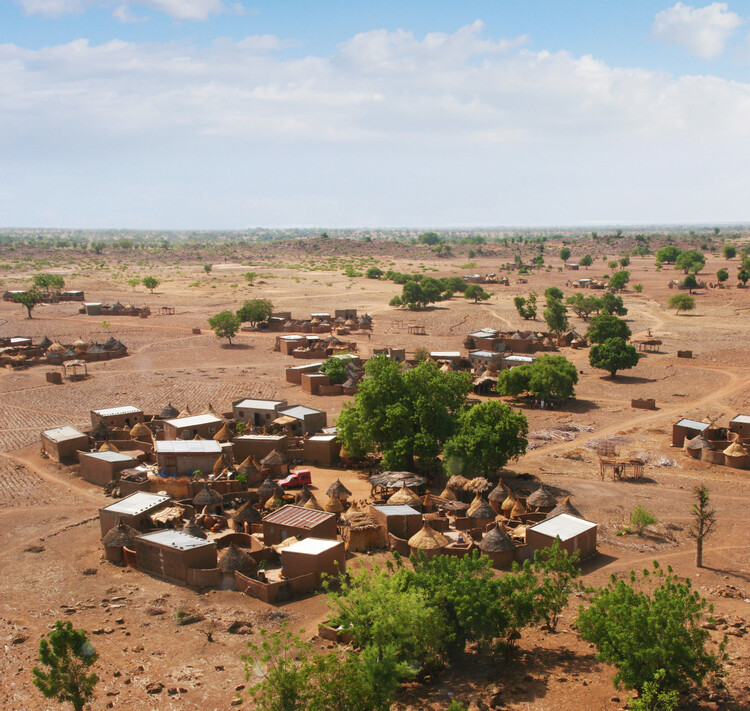
Francis Kéré's story begins in a village in sub-Saharan Africa and extends across many places. Gando was the setting of his first education, where he absorbed the essence and principles that later shaped the core values of his career alongside influences from other cultures. The structure of Gando is formed by different families who organize themselves, according to established customs, within courtyards scattered across the savanna. Growing up in this remote village in the Burkina Faso savanna fosters a strong sense of community, made tangible by the understanding that each resident of every courtyard is part of the life of the whole.
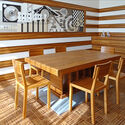
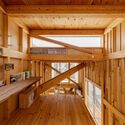
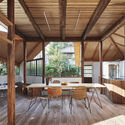
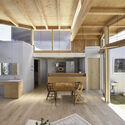
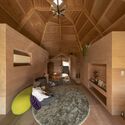
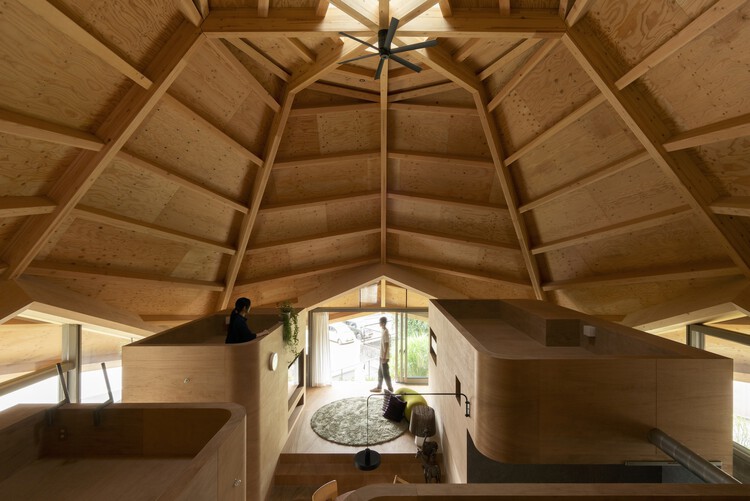
Contemporary Japanese architecture continues to demonstrate how to adapt the evolving needs of modern residents to a rich building tradition and artisanal legacy. Wood has always been the soul of Japanese architecture. In many recent residential projects, this material transcends its structural role to become the primary finish for various surfaces — ranging from floors and ceilings to furniture and architectural elements. These environments strike a delicate balance between elegance and coziness.
The use of natural, unpainted finishes highlights the material's inherent honesty while also celebrating the unique character of each piece, its natural grain, and the diversity of the overall composition. While some houses feature sober, dark-stained timbers to create a grounded atmosphere, others utilize lighter woods like pine to foster a bright, airy, and ethereal feel. This versatility proves that wood can adapt to any aesthetic, from the rustic to the ultra-minimalist.
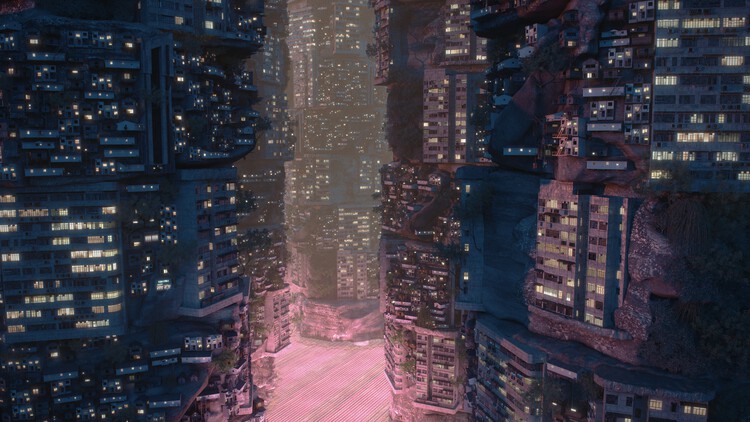
In Other Worlds Film still from Planet City (2021) by Liam Young. Image Courtesy of Liam Young
The Barbican Centre has announced In Other Worlds, a major immersive exhibition by speculative architect, filmmaker, and artist Liam Young, opening from May 21 through September 6, 2026. Occupying three distinct locations within the Barbican complex, the Silk Street Entrance, The Curve gallery, and Car Park 5, the exhibition will transform the Brutalist cultural landmark into a sequence of cinematic environments examining architecture, infrastructure, climate futures, and planetary urbanism. Developed in collaboration with writers, scientists, filmmakers, musicians, and performers, the project brings together large-scale projections, LED installations, sound environments, graphic narratives, costumes, and speculative artifacts to explore how fiction and spatial storytelling can shape conversations around environmental and technological change.
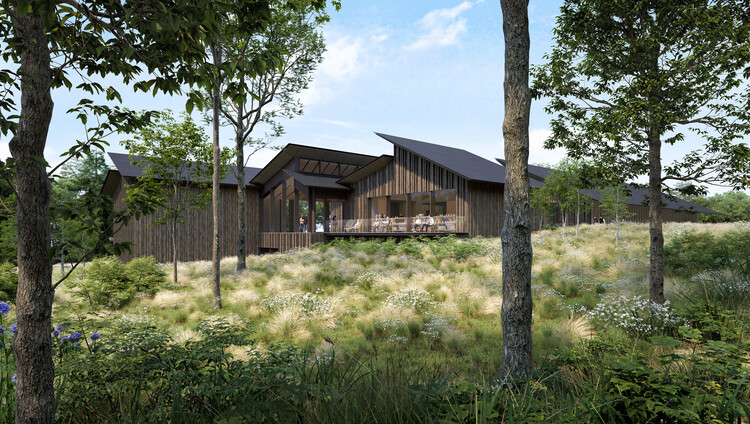
Courtesy of Kengo Kuma & Associates and Field Operations
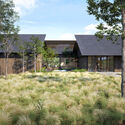
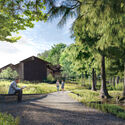
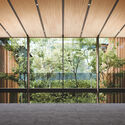
The Brandywine Conservancy & Museum of Art, located near Philadelphia, is dedicated to promoting the natural and cultural connections between the region's landscape, historic sites, and artists. The Conservancy protects land and waterways throughout the Brandywine Valley and other priority conservation areas, while the Museum houses a collection of American art, with particular strengths in landscape and still life painting, portraiture, and illustration. On May 6, 2026, the institution announced a project to transform its 15-acre campus, including the renovation of the historic museum building, a new museum building by Kengo Kuma & Associates, and conservation and landscape interventions by Field Operations that will create a publicly accessible 325-acre reserve with ten miles of trails.
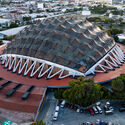
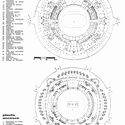
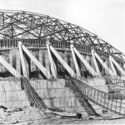
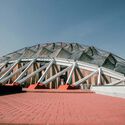
When Mexico City hosted the Olympics in 1968, it was the first time the Games had been awarded to a Latin American country as well as the first time for a Spanish-speaking nation to host them. This made the games a good opportunity to project Mexico and its culture internationally, thus prompting the government to constitute an organizing committee with prominent local talent. They appointed Pedro Ramírez Vázquez as its president, a Mexican architect who held significant influence over the state's mid-century building program. His approach was explicit: architecture as a synthesis of international modernist technique with Pre-Columbian references and local material culture. Under his direction, the committee would oversee the construction and adaptation of venues distributed across the southern districts of Mexico City, nearly all designed and built by local architects, engineers, and technicians.
Buildner has also announced the results of Buildner's Unbuilt Award 2025, the second competition in a series celebrating architectural design that has yet to be realized. With a generous 100,000 EUR prize fund, this initiative provides a global platform for architects and designers to showcase their most compelling unbuilt projects, whether conceptual, published, unpublished, or fully developed.
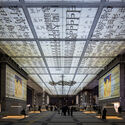
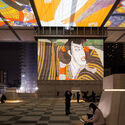
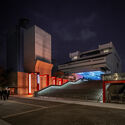
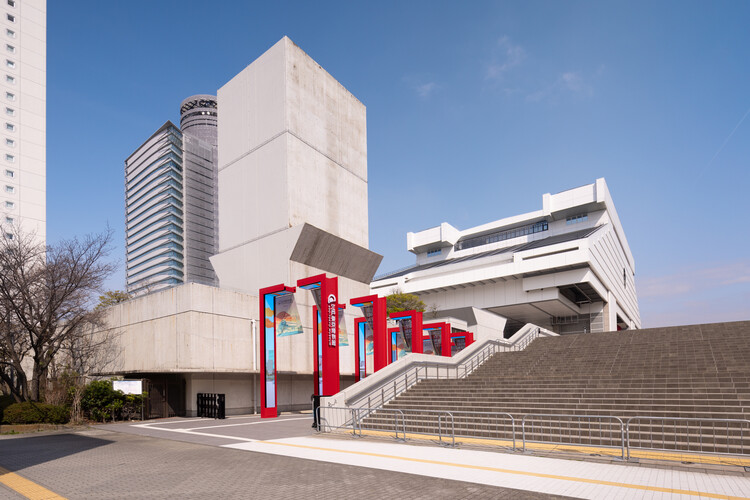
The Edo-Tokyo Museum has reopened to the public following a multi-year renovation, unveiling a series of scenographic interventions and installations designed by OMA under the direction of Shohei Shigematsu. Marking the firm's first public project in Japan, the commission forms part of the broader renewal of the museum's iconic building by Metabolist architectKiyonori Kikutake. Originally opened in 1993 as the first museum dedicated to the history of Tokyo, the institution traces the city's evolution from the Edo period to the present day, and the new interventions aim to strengthen its relationship with contemporary audiences while preserving the identity of Kikutake's architecture.
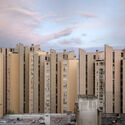
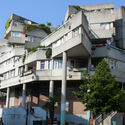
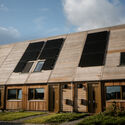
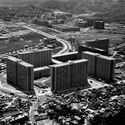
This week's selection of architecture news and projects invites a rethinking of the social, cultural, and environmental role of design across diverse scales and geographies. From community-led efforts to preserve modern heritage, such as the campaigns surrounding the Îlot 8 housing complex in France and a renewed photographic attention toward Croatia's Split 3 district, to broader reflections on architecture's agency in the face of climate change and social transformation, many of the featured works question how architecture adapts over time and how it engages with collective life. This week's compilation also highlights architects expanding their practice beyond buildings through furniture, lighting, and object design, while three projects explore immersive relationships between landscape, climate, and observation in remote or environmentally sensitive contexts, from Arctic Norway to the oasis environments of the United Arab Emirates and the desert landscapes of Saudi Arabia.
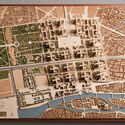
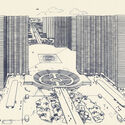
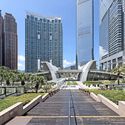
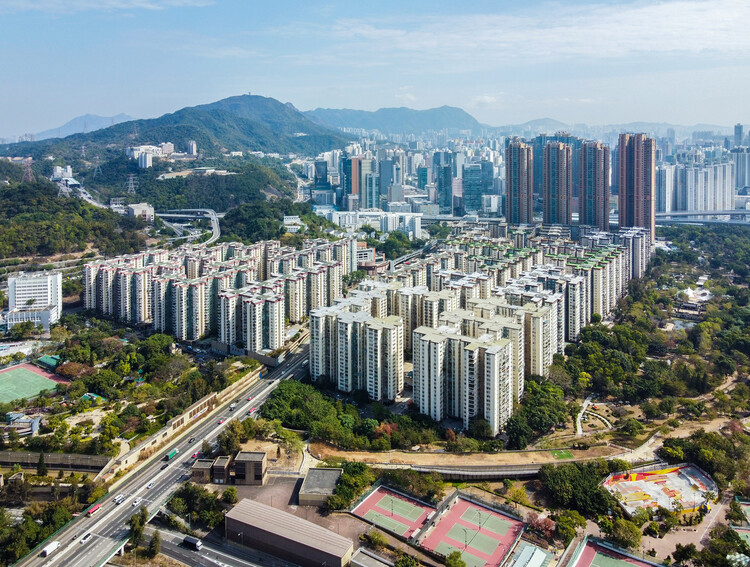
Southeast Asia is often narrated as a kind of architectural playground—an arena where modern and contemporary ideals have been tested at full scale through singular, iconic buildings. One can trace an easy lineage through names that have helped shape the region's skyline imagination: Paul Rudolph's Lippo Centre in Hong Kong and The Concourse in Singapore, I.M. Pei's OCBC Centre and Hong Kong's Bank of China Tower, Norman Foster's Supreme Court of Singapore and the HSBC Main Building in Hong Kong, Ron Phillips' Hong Kong City Hall, Moshe Safdie's Marina Bay Sands. Yet this familiar history—told through objects, colonialism, authorship, and signature forms—risks missing a deeper, more consequential layer of influence: the planning logics and infrastructural frameworks that have quietly structured how these cities expand, densify, and distribute everyday life.
The figure of Tithonus in Greek mythology offers a reflection on the paradox of permanence. In pleading with Zeus for immortality, he forgot to request eternal youth, resulting in a life of endless aging. Over time, his body deteriorates, turning immortality itself into a burden. The narrative suggests a fundamental contradiction: permanence, when detached from the capacity for change, ceases to be a desirable quality. Instead of stability, it produces accumulated decay without adaptation.
Historically, architecture has often fallen into the "Tithonus Trap." Materials are specified to resist time, systems are detailed to prevent change, and buildings are conceived as fixed images. Yet, this pursuit of the static rarely survives the reality of the elements. Between the moment of design—often associated with precise and controlled representations—and the lifespan of a building, surfaces inevitably weather, shift in appearance, and lose their initial finish. Aging is often interpreted as loss rather than as part of the architectural language.
Modernism in architecture was perhaps the first truly global building design philosophy. Established at the beginning of the twentieth century, its early proponents were heavyweights from Europe, such as Le Corbusier, Walter Gropius, and Mies van der Rohe. In 1923, Le Corbusier published his seminal written work, usually translated into English as Towards a New Architecture. Newness, and a rejection of history, was one of the central tenets of modernism. This manifested itself in the use of new materials such as steel and concrete, which gave rise to an unprecedented freedom of formal expression.
By the middle of the twentieth century, Modernism was adopted across the world by countries recovering from the Second World War and overcoming the legacy of colonialism. It became the language of reconstruction and of nation-building, reinforced by its rejection of the past. Its emphasis on technology suited this brave new world of industry, large-scale development, and new building types. Fast-forwarding to a century after its birth, Modernism itself has become the legacy. As buildings progressively become obsolete or reach the end of their design lives, there is an appreciation of the heritage value of these structures, both as designed items and as symbols of the spirit of the age in which they were built. Here, we look at five Modernist buildings from five regions going through adaptive reuse proposals. Where form once followed function, here, the function must follow the form.
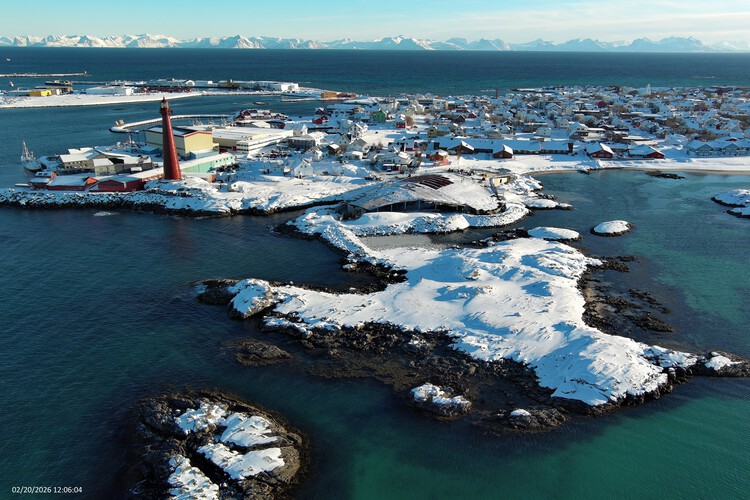
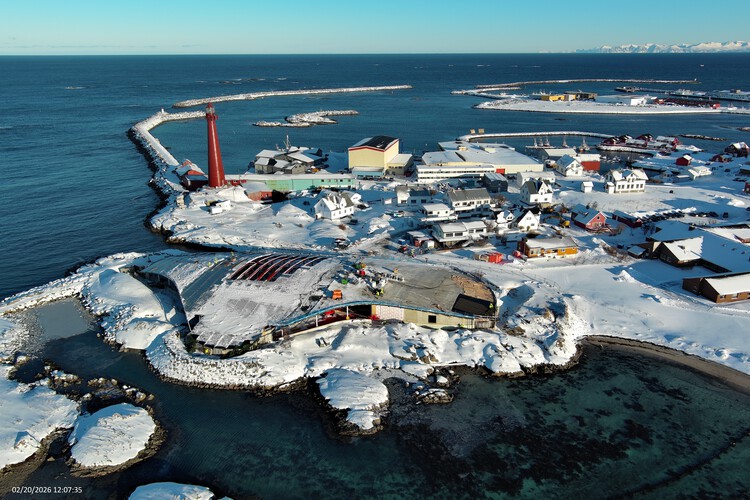
Located approximately 300 kilometers north of the Arctic Circle, on the island of Andøya in northern Norway, The Whale by Dorte Mandrup is currently under construction along the coastline of Andenes. The small settlement is situated near Bleiksdjupa, a deep-sea canyon that brings marine life close to shore and has contributed to the region's role as a whale-watching destination. Recent construction images show the building emerging from the rocky shoreline, maintaining a low profile that follows the contours of the site. The surrounding context, including the existing lighthouse and residential structures, situates the project within an active coastal environment.
On March 12, the Chilean architect of Croatian descent, Smiljan Radić Clarke, was awarded the 2026 Pritzker Architecture Prize. The jury highlighted his "unorthodox approach to design," which "may initially appear unusual, unexpected, even rebellious; yet, far from producing alienation or estrangement, his anti-canonical stance feels fresh and unprecedented. It conveys the unmistakable sensation of encountering something new." This recognition will be celebrated with the annual Pritzker Architecture Prize Laureate Lecture and Panel Discussion, to be held in Mexico City at the Universidad Nacional Autónoma de México (UNAM), at the Faculty of Architecture's Teatro Estefanía Chávez, on May 12, 2026.
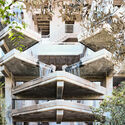
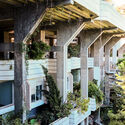
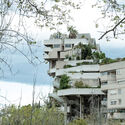
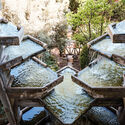
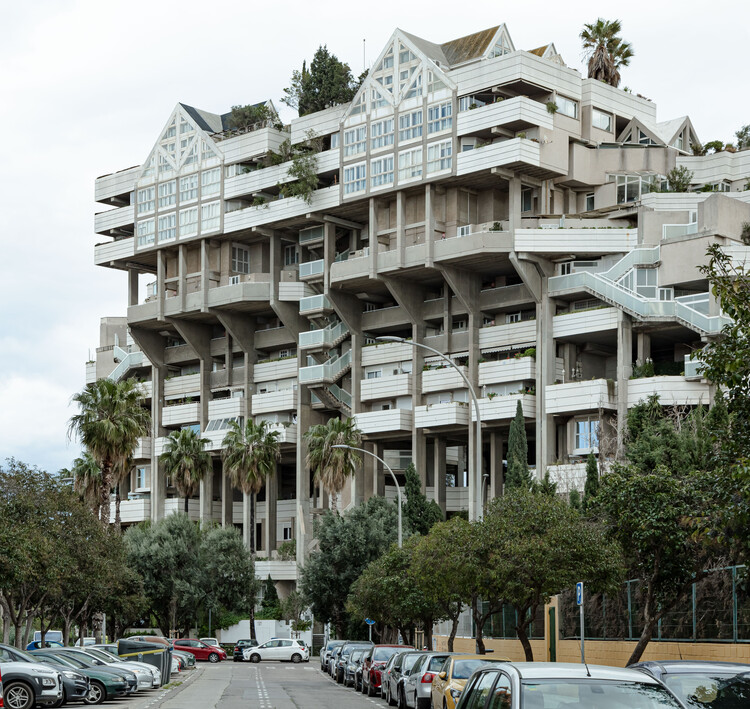
Even the most distracted passerby is captured by the monumental presence of this structure in Valencia’s established Benimaclet neighborhood. Before it, any attempt at rational apprehension quickly dissolves. Its constructive logic seems to escape comprehension as the space unfolds through tensions and deviations, where nothing is immediately given. Between masses of concrete and the insurgent force of vegetation, an almost choreographic play of planes, angles, and rotations emerges. In the vertigo of this encounter, one realizes that the building was not made to be understood, but to be experienced.
Bolete Lounge BIO® by Andreu World x Patricia Urquiola. Image Courtesy of Andreu World
When walking into a large living space, a hotel lobby, or an open-plan workplace, the first thing that can be noticed is not what divides the space, but what holds it together. There are rarely clear boundaries, no obvious rooms, no strict partitions, yet the space still feels organized. Some areas invite a pause; others dictate movement; others foster community. The transitions are subtle, but legible.
At the same time, these interiors are expected to do more. They must accommodate constant change, withstand intensive use, and respond to environmental pressures by reducing waste, extending lifespans, and avoiding frequent replacement. The question is not only how a space looks, but how it performs over time. What is actually doing the heavy lifting?
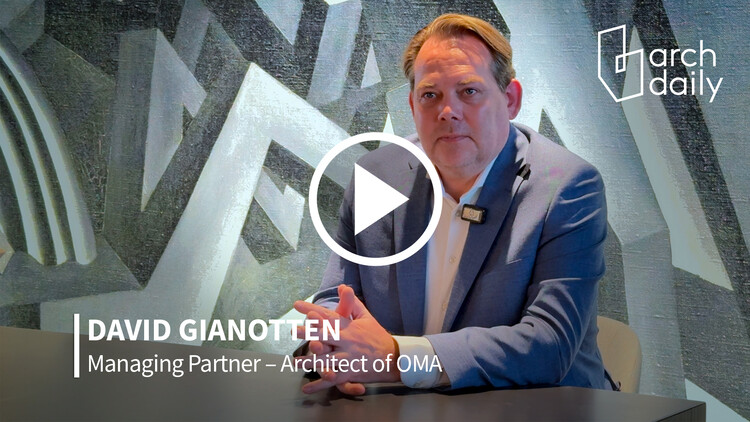
At Salone del Mobile 2026, the 64th edition of the fair unfolded at a moment of transition for the global design industry, where questions of production, collaboration, and long-term performance are reshaping established formats. Held at Rho Fiera Milano and extending across the city during Milan Design Week, this year's edition brought together over 1,900 exhibitors while introducing new curatorial and strategic layers. Among the most significant developments was the first public iteration of "Salone Contract," a long-term initiative developed through a master plan by Rem Koolhaas and David Gianotten of OMA. During the event, ArchDaily's Managing Editor Romullo Baratto and Editor-in-Chief Christele Harrouk met with David Gianotten. In the conversation, Gianotten reflected on how the project responds to broader shifts in design practice, moving from object-based production toward integrated systems and collaborative frameworks.